
2 September 2026
This transcript was generated automatically and may contain errors.
Hello and welcome to Cemtech live and to this Gene edition of the of the webinar series our monthly webinar series. My name is Thomas Armstrong. I'm managing editor of international cement review and very pleased to be here today for the next hour and a half presentations. if I can just Move my slide and we can get a little view of what we've been doing. So far this year each month and new topic. We're halfway through just over halfway through our list of topics for 2022 this month. It's process optimization, but still some important ones coming up ahead. If you've joined us before welcome back.
And if not, it's great to have you here short introduction of who we are international cement view. We're producing our Journal our magazine every month website on semenet.com and lots of good information for all of you interested in the cement industry, whether it be the technology all the markets, we've got lots of courage in the June issue, which is just out now reports from Indonesia South Korea, India and Egypt and plus lots of information. If you're interested on Quarry management Blended cements and laboratory equipment. So do take a look at the the current issue online.
If you're not a subscriber and you'd like to be here's a little incentive this meant plant operations handbook that will come out to you free of charge if you subscribe to the magazine actually it's not here, but I can also let you know that the next edition of the cement plant environmental handbook will be released in the coming months. It's a big project. We've been working on for some time covering all the topics that we discuss for every regularly on this webinar. I'll give you more information on that next month, but do check the newsletters that we send out and you'll be able to find out more about that publication. Next up in in terms of conferences.
I'm very pleased to announce Cemtech Europe. back again after what seems like a lifetime it was I think September 2019. I last event in Berlin. We'll be in Barcelona in October and very pleased to bring you a full event three days conference papers exhibitions plant tours training workshops networking and all in the wonderful city of Barcelona. If you're interested just check centech on the website and there's more information for that. We're just putting together the program and we'll gradually release information on our speakers for this event. But back to today and right now it's process optimization cement plants and process optimization is rather a broad term.
It's it we're gonna be covering all sorts of Technologies today important technologies that are relevant for you. If you are optimizing your optimizing your processes your energy consumption reducing costs, which all of you are especially at this time with fuel prices where they are also with a view to temperature management equipment for monitoring kills and glass flow meters for optimizing the kill and other process systems, which we're going to get on to right now with our free speakers really please to welcome back keema promo con and I think the first time on on the week on the monthly stem Tech, it's HGH.
in France, which many of you will be familiar with that's our gender for the three presentations and today and it's my pleasure to welcome our first speaker. Now someone many of you've seen speak before they've got a great portfolio of equipment and have spoken several some tech webinars as well as our live conferences, but a warm welcome to Dirk Schmitt who's a director of Kima process control and if you'd like to share your slides and Dirks are director at keema as I mentioned. He started his career in 1990 with a BFI Automation and later. It became head of sales of Orpheus combustion Engineering in Hamburg.
In 2001 that founded Powertech intelligent Technologies offering combustion optimization solutions to the cement sector. He subsequently held several roles of Sales Direct. Well known companies including in stem engineering Echo ketten and promicon more of whom will hear later until 2015 when he became director at Kima crisis control, his core competence is process optimization and automation based on Innovative censor developments and high level control systems for industrial Kilns and grinding units. So without further Ado warm, welcome to Dirk and please go ahead of your presentation. Thank you very much Thomas and welcome. Everybody.
Nice to be back on santac and process optimization is as you said something which is seriously something from my heart. My expertise is over the past more than let me say 20 years doing exactly like that. So, let's see if I can Fascinate You with our products from Kima process control. Let me see if I can move here my slides. Also. I have a little bit. Doubt here. Yes. No, it works since 1996. Schema process control is doing sorry Kima process Contour troll is giving industrial 4.0 Solutions. Unfortunately, we didn't know how it is called now today. We know industrial 4.0 is the connection.
Of instrumentation Big Data bringing together for process optimization and we call it meant 4.0 because we are of course in that Niche at home. We nearly do nothing else than cement production optimization. Now most famous is our product smartville throughout 60 degrees impact sound analysis, which is the first step in our grinding optimization package. The second step is then the software Smart Control where we build out the mill master and the kill Master well-known from the name because the name is used also from wholesome. You hold a bunk headquarter worked with us together from 2008 to 2018 nearly 10 years. We were the premium partner for expert systems for the company of Olsen.
However, optimized fill level is the first step to process optimization when you optimize grinding processes involvements, and here we are well known I mean with more than 850. All right. The word okay. It was one problem. duck we just We've just missed you briefly. Okay, and there is what it is what I'm gonna do. I'm just gonna stop your video. I'm gonna ask you to share your screen again. Okay. I share my screen again one second. Is it to see now? So, let's see. Yeah now we're back up. That's right. Yeah, okay, please go ahead if you don't see me it should be not that problem. I guess. Okay, fine. So satisfied customers all over the globe with all big players in the cement Market.
We have more than 850 installations of smartville. And yeah, it becomes day to day more. However, we see all so that the installation of smartphil is not the only one. But we see new necessities of instrumentation, which I show you in the next couple of minutes. However, smartphone is measuring directly on the mill and this is the success of this system. By measuring chamber 1 and chamber 2 precisely we are able to adjust depending on the cement Type a cement producer is producing The Fill level set points individually.
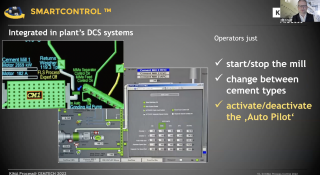
And there is between the cement types if you grind finer or less fine specific fill level balance between chamber 1 and chamber 2, which you see here just now in the paragraphs as visualization Now using this precise fill level measurement plus a temperature measurement in the diaphragm. We are able to support our software called Smart Control and here we are using latest modules of artificial intelligence and advanced process control. Now the target is not to reject operators. The target is to make the process more smooth and with a smooth process. You will find always an optimization potential. As smoother the process is as better.
You can react according to changes which are coming from natural behaviors, especially from the raw material from the changing clinker quality, etc, etc. as said Gmail process control is using various AI modules. We speak here about model predictive control. We speak about nonlinear model predictive control and fuzzy Logics and wherever we see the most benefit we use this specific module. In final I show you just here as an example to case studies from Mill master ball mill optimization where you see immediately that the set points are coming from our instrumentation smartphone.
the most reliable instrument is the basis for everything in control not only in conventional control, but especially also in high level control systems by the way, high level Control Systems mean also that they are some assistant or autopilot systems for the operators now depending on the cement Type as I told you. You have seen that in this bar graphs earlier. Persiment type you have always a specific balance between setpoint fill level 1 and fill level 2, so we find here an opportunity to adjust the mill. To that finest, it should produce depending on the cement Type and that makes this system so fast.
We don't wait, even on the laboratory values we know exactly how to adjust the mill to have it in operation before. Spend our cement in Berlin is one specific example where high level Control Systems makes so much sense. Can you imagine that you operate 30 30 different type of cements on one mill? Can you imagine that you produce this 30 different type of cements with various numbers of imported clingers? You see the ship here coming with various import clinkers to Berlin directly. So a lot of variables and a human is clearly not able to do so. Dr. Frankville Who is the technical director in spana cement in Berlin has clearly shown his experience with us.
When he said I need this system in 2008. He was responsible with wholesome group to implement more than 30 mil master and FEMA smartfool systems in Eastern Europe. So the benefits in total are value enough. He said not from production only but from things like as you can see it. As you can see here millimaster operates all 30 types of products precisely in specification with a variation of wide range of import clinkers. It operates 24/7 so it supports the middle operator, especially when the product type is changed. Mill master has eliminated various manual control strategies from different shift leaders whenever The one guy operates the mill and the other comes as shift change.
He first makes everything different. So this is totally avoided in future. However, The system has eliminated the various more manual control strategies from this shift leaders, but also it has reduced the coefficients of variance from all products. So a lot of benefits without even production increase production increase is also possible and you see that here from autonomous control 12% production increase on this middle at sohashtra cement from The Meta group in India. You see here a typical control without middlemaster. You see these stepwise decreasing and increasing of feeding. You see always the tongs per hour.
Now you see it with no master and you see immediately that here the close loop control is working much more on a higher level on 120 tons continuously. The system is operating and more smooth 12% production increase what's the result and so hashtra cement. You see that also from The Fill level indicators chamber one and chamber 2 left hand side without master control and right hand side the same level with Master Control. However, such process advantages and such results lead. Of course also in the market to I would not say rumors, but good references. During the pandemic that means more than 20 months. We were not able to travel.
We have started up a variation of millimasters all over the globe complete remotely without traveling to place we were able to commission to install and commission file five millimasters in Australia three millimasters in suria Arabia two Mill Masters in Malaysia two Mill Masters in India two Mill Masters in Germany, three Mill Masters in North America plus one killing master in Austria, and actually more than nine more projects are running. I think this is a phenomenal number of projects and shows also the capability of human process control. To see the optimization potential and today we speak about process optimization.
You should see also quick to have a look here on a return of invest computation. If you are able in a typical hundred thirty ton per hour Mill ball mill to reduce the electric power consumption. You see it here on the left bottom side at 3 million kilowatt hours the return of invest of such a system Mill Master System completely commissioned everything. Is less than three months. I think a no-brainer if you think about Investments for process optimization. Now when you get such leads such figures, of course, the market is asking you also for new Innovations and this Innovations.
We were able also to develop over the last couple of years with guest and flow a precise entry reliable acoustic measurement system of flow and temperature and here we have an opportunity to measure at various applications temperature and sometimes flow why I say sometimes slow because we need of course some kind of pipe to measure the flow. Also, I will show that to you when I speak about the temperature and flow measurement function now down camera flow and temperature is a very important issue. We see here a huge potential of reducing the power consumption of the IDF power fan of the filters behind but also the entire air which is sucked through the pirate system. Pyro system.
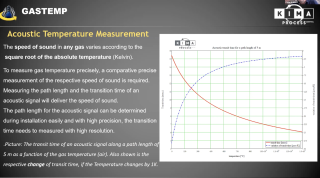
Cana exit temperature is a very important point the Kelson exit temperature. As you know, should be above 700 degrees over 7 Seconds at least to secure that the outcomes combustion the outburn of the combustion in the prequeline has taken place. Tertiary air and flow try to imagine contactless temperature and Flow. Fluger stack bypass waste heat recovery secondary air. Let me show you some examples from practice. Now first the acoustic temperature measurement principle we speak about an acoustic temperature measurement. That means there are no sensors inside the guestroom itself. From the site a horn left hand side.
The transmitter sends a sound a compressed air flushing and a receiver on the opposite side of the tube will receive the same also with an acoustic horn on both sides. We have installed. microphones and these microphones detect Red the transmitter sinos and the receiver signals green between both is a delta T. Of course this sound needs a sufficient time to pass this duct. And this duct is directly, excuse me, and this is directly related to the temperature. So a delta T of 6.7 milliseconds shown here is corresponding with 400 degrees Celsius.
Now an important installation we have in Germany and plant dot on housing where we measure today the killinghood temperature instead of a thermal couple. We measure it contactless so that you don't have the effect from the infrared radiation of the clinker. And not the infrared radiation of the main burner Flame. Here you see the comparison The Killing who temperature Green from the Tamal couples has a much higher profile because it measures The Infrareds radiation also and secondary air much faster use a measured here by acoustic temperature measurement and you see even the shock blowers which avoid in the clinker cooler the Snowman they are also detected by short temperature drops.
This gives a huge optimization potential for the main burner as you can imagine. Now the next step not only temperature measurement, but also flow measurement is possible when we are using two receivers. We get of course two-time frames, which the time needs from transmitter to receiver and there is a delta T between receiver one and receiver 2, and this is nothing else than a speech trap. And you see that here on the right hand side between the green and the blue one here. It is clear that a gas flow of 22 meters per second is a related to this 180 microseconds difference between this two sinus now a contactless. Yes stream and guess temperature measurement is installed.
So in Heidelberg Cement on the both down cameras in this plant in any aloe and you see here nicely from one side just the temperature and the nominized volume of flow a plot 72 hours. You see how procisely that works. And also again here a short return of invest computation if you compare on yeah, let me say an annual production of 1,400. No 4,000 tons per day Kiln line. You can expect an ID fan of two megavit. If we reduce here the air which we suck through the entire pyrocess, which is 8% most probably which we can reduce we can say at 8,000 operational hours that we will reduce the power consumption just from the ID fan at one point two nearly 1.3 million kilowatt hours.
The return of invest of this system is less than two months. Try to imagine. Now we can measure also on the tertiary air as I said contactless, which is a huge Advantage because you have very aggressive gases with high dust amount in this ducts very often and very high temperature here the measurement again be careful secondary air temperature blue is a little bit higher because we are measuring it at the Kiln hood and of course the tertiary air which we take or extract from the kilnut is slightly lower. However, all this signals measured are going into the control loops of our Optimizer of the killing master.
So again artificial intelligence can be directly delivered and installed with our intelligent instrumentation. now last but not least we can see here that the combination of instrumentation if it is smartville for ball in it. If it is a talk measurement of vibration measurement for a vertical role limit if it is a guest temperature and guest flow measurement for the killing Master every kid everything can be supplied from one hand from Kima process control. Last but not least. I would like to take your attention on the Kiln the Kiln itself the old Dinosauria rotating in your cement plant and this dinosaur gets not that attention.
It should get With killing cooler stationary we introduce a new system, which is not cooling the Kiln shell with air tubes or fans. We control the kilometer temperature online by measuring the temperature with infrared pyrometers each half meter and with spraying some water mist. With a subsequent nozzles each half meter on the Kyon shell it is possible now to spot wise really spotwise centimeter per centimeter to cool the cone shell and this gives a huge Advantage as you can see in this infrared picture there where you would blow usually unnecessary air on your Kiln and cool down the energy which you have expensively created with your main burner this system cools, just when necessary.
First time ever a kiln shell can be controlled from outside from its temperature. And this is giving also a huge opportunity for the big problem of the so-called tight belt effect from Hilton tires, as you can see here very often from the installation of the Cure Tire itself. You have some heat problem underneath of the current Tire with a killing cooler. You can precisely cool very near to the kill entire but not cool the tire itself with air. This is impossible. You see it here again on this picture. This is an optimized cool Kiln. You see that this killer spotwise just here and there where the black cubes show is spraying but not everywhere.
So you keep the temperature of the Kiln show where this the power consuming a fence can be switched off so that you can usually at 30 meters killing cooler stationary can reduce the electric power consumption by nearly 2.5 million kilowatt hours per year. Ladies and gentlemen, try to imagine also the carbon footprint which is here behind the return of invest is less than 12 months so fair enough a huge money maker. With 18 and 98% substitution rate our customer vasilicosome and in cyprocess without this curing cooler technology, it would be not possible to high to reach such high substitution rates and keep the Kiln shell cool.
However, this is not the end the killer stationary is already ready for the next generation. And this sense act modules, which you see here which are today equipped just with infrared temperature sensors. In future will have also a distance sensor and this distance sensor measures now online the ovality and axial alignment of the Kiln continuously and permanent. So hot here alignment is possible whenever we see a higher discrepancy from the alignment we can cool the entire length of the Kiln at let me say a quarter of 90 to 120 degrees of the Kiln so that we stretch and bring the killing back to his original position and Optimum position.
Ladies and gentlemen, that is my presentation for today. I hope it was interesting. It was a wide range of experience and you see that Kima process control is not only making the control itself. We make also this High sophisticated instrumentation with smartville and guest and flow, and I'm happy to answer your questions just now. Wow, thank you very much. That's that's brilliant. Lots of information there and And so many different applications starting with the the Smart Fill, which is a really interesting. products. I wonder if you're seeing a trend towards more cement types now or you envision envisage that given the the attention that Blended cements are getting.
Is that something you think this will this product will help with definitely. I mean the cement plants have to adapt to the market. So more and more necessities of special cements are there and if you become more flexible, even with high level control systems to operate such a ball Mills and vertical roll elements as well. It is of course beneficial by the way, Thomas you switched off my video, so I can't activate my videos just now. Let me let me try and let's try and put it back on. Okay, I can. Not seeing you at the moment. There's a little my sad. Yeah, we'll see. We'll see now. It must be the connection. Okay, fine. Okay, but we can hear you fine. And that's great.
There's a one question. I was thinking is and are all these controlled by one Central kind of control module or is there a control module for each package? To the middle Master Smart Control. Oh, that's a very interesting end from a question. We can generate various modules for various type of control loops. So whenever it comes for instance for chamber 1 and chamber 2 in a boil we speak about the Fresh Feed control and we speak about the separator control in a killing control. We would of course speak about the kel-signer control the killer control the main burner control and the Fresh Feed control.
All of that is of course always in specific kill modules and smart control or our software is really a toolbox where we can design individually and customize the solution from Okay, a few questions of appeared how has the receiver and sender protected from blockages when measuring the flow and temperature there is an automatic flesh air flesh from both sides. Well, it's on the transmitter side as well as on the receiver side. So like a shock blower. It is perching itself continuously in the same sound we use by the way for the which is General generated by this air flush. We use for the measurement. Okay.
Another question does the density of the gas impact either the temperature or the velocity measurement with the Sonic analyzer? Theoretically? Yes, practically it is within the measurement range the measurement accuracy. It so it does not affect the accuracy, but it is of course affecting but you can't see it. Okay. Another question does Kima Supply portable gas analyzers? If yes, we have used several portable gas analyzers from different suppliers except from keema. We are experiencing frequently experiencing issues with gas sensor cells and issues with pumps. I agree that it depends on how frequently we do these measurements.
Is there any lifetime like lifetime line for servicing the portable gas analyzes? No, we don't think you do. We don't have it. We have it just stationary. It makes no sense to move that. Yeah one question that occurred to me when I was looking at the Kiln School the Kiln cooler, you know set up what kind of infrastructure and space. Do you need around the kill do you find that most kills can have this equipment again in accommodate this equipment quite easily quite easily because you don't need so much space as an air fan.
We have even customers who have had just an issue to install the And therefore installed Kiln cooler with this water missed signals, even on the on the burner platform when the Kiln is close. So as here in my background to see where you see this fan you need very very less space than an FM. Yeah, and you said you're now developing this new distance sensor you so is that available now? I'm have you any trials with that. We have already first orders and we will soon as publish when we have results, but this results must be of course generated and then I will be pleased to present them on Cemtech. Fantastic. Okay. Well, thank you very much Dirk.
That was a great Roundup of those really interesting products. Any more questions you can get in touch with Dirk will be sending his contact details as well. If you haven't made note of them and for the issue now with this video screen. Yeah, but it's worth perfectly. We've heard and seen very well. So thank you very much for that. There are one or two more questions in the Q&A if you'd like to take a look at those. Thank you. Very good. In the meantime, let's move on to our second presentation. Very pleased to to welcome hand hand. Your Conrad's back from back to Cemtech.
He's from promicon CEO promicon based in Germany hand studied electrical engineering on at the rwthan after his master's degree. He founded the company. MBH and invented numerous measurement systems for the power cement and smell to Industries. Today these measurement systems are installed in hundreds of plants around the world. Hands is the author of numerous patience and many conference papers on Process Management of gas and solid material flows. And as I've said, he's the CEO of the company promocon, which is based in Parliament in Germany.
Yes, you welcome hands and if you'd like to share your your slides and over to you to get started your presentation looking at operational cost reduction with McConnell in cement plants. Yes, thanks for having me on it's a pleasure to be back and to talk about gas flows which are certainly one of the most important things in cement plants and other processes. Our company has quite a long experience in measuring those we are really specialized measuring Hot Gas flows. I would say we are pretty much a hot gas flow measurement company and as you can already see on this first slide, our main industries that we are working in are the cement industry the smell to Industry as well as power industry.
So today I'm going to talk about gas flows in the cement industry and what you can do with measuring the gas flow. Measuring hot and Dusty gas flows is a very difficult. Field of measurement and there are numerous companies working in this field. But so far they're they have only be a very few who had managed to make a breakthrough in measurement Dusty flows. And I think that promicon is the most high-profile company when it comes to measuring gas flows. We are measuring gas flows from ambient temperature up to 2,500 degrees Celsius. Some of them we are measuring with our sensors that I'm talking about today other ones.
We are measuring with Optical sensors, especially in the steel industry and we can also measure constituents of the gas. So let's start with hold on. Let's start with our presentation here. I'm going to talk about briefly who promicon is about the measurement principle. I'm going to quickly explain to you because we're the only company in the world really using this measurement principle on Dusty flows. And I think it's worth while looking at but then I'm going to talk about a couple of examples of what we have done so far to optimize gas Flows In what the benefits are. So company promicon we started in 1995. We're located close to the beautiful city of mcderburg and Germany.
And our main industries are power cement ways to end this ways to energy and smelter industry. And we are really specialized in measuring and optimizing thermal processes. So just to give you a little bit of an overview of where we have been in the world pretty much everywhere. You can see the green power stations the red the steel plants and Grace cement recently there have been many new gray ones added which are not even on the map here. Lots of new plants, especially new wholesome plants on maybe sold off by now, but new holes in plants have installed our systems from the start and many plants have retrofit. What are we talking about?
We're talking about the airflow system that allows you to measure gas flow in a digital way without measuring the especially problematic dust content and also the spin the swirl of the gas. Measuring Hot Gas flows in large pipes is a big Challenge and very often. We see that companies and cement makers are struggling to get a repeatable maintenance free and long-lasting measurement. and in the first years of our company, we sold a lot of new projects by now. We're getting more and more prisoners that are repeat projects work where companies buy more equipment from us. And to get more measurement points in their plant. What is the big advantage of this guest flow measurement?
The big Advantage is that we do not need any property of the gas to measure the flow, but we really use the dust that you have present in the in the duct in order to measure the flow. So you have a clinker dust or you have raw meal that is floating around your pipe and what our senses do is they sense? the pulsation of the desk dust density going by the sensor. So you have dust that is traveling past the sensor and it's leaving a time signature on the sensor. And by using two sensors in a row, we can then clock out basically how fast the dust and the gas is traveling. You can see here on the lower right hand side the sensor which is a very has a very big dust cover on the sensor itself.
This sensor is a typical operating condition in a plant this sense that does not need to be Flushed or cleaned? It does not have to be kept in some condition in order to measure correctly our sensors measure directly in the dust no matter how much dust settles on them. Let me give you an example of how this works. Here you have the two sensors in the dark. Two antennas that are reaching inside the dark. Here you have your dust traveling through the dark and passing by the sensors. Now this dust leaves a unique time signature on each sensor.
Now when I say time signature, this is basically the electric field that the dust particles always have and when they come into the vicinity of the center of the antenna they induce a small current. So if you look at this electric current you can see sensor one and sensor two. And from these pictures you can already see with your bare eye. The two time signatures are very similar. so you can really see there's not much difference between Let's put them on top of each other. You can see time signature one time signature 2. So what you see is they have a timeshift. But they're similar. So if you put these time signatures into a cross correlation filter you get the cross correlation function.
And this cross correlation function basically has a maximum at the time shift that you get between the two signatures. So now you have a system. It is purely digital. There's no analog values. You don't have to calculate. Density or Delta pressures or Delta temperatures? Like it's like a hot wire anemometer or you don't have to know speed of sound all you do is you clock out the time. And the Simplicity of this measurement is it's only Beauty. It's so simple that it's very very robust and very reliable. I'll measurement has been installed in most any place that's difficult.
We've installed it at in duration furnaces at tertiary air ducts add downcomers at Raw Mills at cement Mills and steel plants primary secondary dusting we are even installing it at fourth hole of electrical phones completely absolutely rough and incredible environments where this measurement runs so well, That many clients call us up like cynics in Rudolf and say they don't know exactly where our sensors are positioned because they never go out and look after it's simply no maintenance on these symptoms. This is how it looks like you have a box. You have two sensors. That's basically everything you get. and there's not much more to say about it.
I could tell more about new technology that we're having now for the much hotter gases past 1,000 degrees Celsius. But today I would like to do focus on what we call the rather cold gases everything between a hundred and a thousand degrees Celsius. Now what you can do, of course, you can measure the flow you can add some temperature measurements. So you get an enthalpy reading but I would like to show you a few examples in cement plant that allow you to assess what you can optimize and many clients around the world have done so already so we have quite a big bag of experience with optimizing flows instrumentals.
The core of this is that our measurement can measure anything up to a thousand degrees celsius. If you have higher temperature applications, as I mentioned, there's other technology available from us to measure up to 2500 degree celsius the velocity range that we have between three meters and 100 meters per second. The dust concentration range goes really from nearly zero to 3,000 grams. This is not a mistake 3000 grams per cubic meter. The typical accuracy is plus minus 2% when we talk about accuracy. Our company usually if it's a new application takes the geometry of your duct. We do a cfd analysis and we advise you and where you have to put the sensors.
For many typical applications such as downcommerce tads we can already advise where you have to go and what kind of accuracy you can expect but for very short ducts and for very difficult applications such as Outlet overall Mill. It is necessary to look at the flow pattern and I think our company has probably the biggest experience in these applications on at looking at flow patterns and Advising on the exact location of where to go. So application engineering is what you get from promicon with the measurement. Repeatability is King. I mean our system simply does not drift over the lifetime never so it's completely drift free system and reaction time faster than the second.
And of course you what you get is 4 to 20 million output is also an SL2 version of is available. I think we're the only producer of a digital correlation-based measurement that has SL2 rated systems. Our systems also used for boiler safety applications. So for really critical processes because we have proof with Deutscher tooth that our measurement is very accurate and completely free. No, K factors necessary. No calibration. No drift and of course, no dark modification, except a whole way. You put the antenna. So where do we measure? A few measurement points that I would like to talk about today. I'm talking about the Milling section and talking about the downcomer the pre-calcina bypass.
We're going to talk about tertiary air. I'm gonna talk about wasted recovery. So pretty much every section of the cement plant where to date we have sold. way over thousand measurements around the world very very big install base that we have on all of these places and where clients use these measurements to optimize their fan. To optimize their settings to optimize their combustion. So vertical Roller Mill on Raw meal the typical problem that you have here is that you are overdrafting the mill. Many males are operated with wrong air settings. And that is a big issue. I discussed it recently with a large fan producer.
It says in every cement plant you could save many many kilowatts on fan power fan power is one of the biggest energy killers that you have and it gives you particular emission problems and it gives you also load problems. Why are people doing this people are usually trying to overdraft the mill with a certain security factor in order to keep the male from drowning. So you try to to keep the mill at a certain field level. But if the middle is having a fill level too high, that's that's very dangerous because the milk a trip so usually the meals are overdrafted.
But people have not a clear idea of which airflow is the right airflow for the meal because they cannot measure the air flow through the middle. Everything is Dusty. They are going in the air coming out. So what people have done and what we are selling up and down throughout the world is the airflow measurement on vertical roller mode for raw meal. And this helps the client to save usually the Headroom of its airflow through the mill so up to 10% If you have a variable frequency controlled fan, that means a huge saving on your fan and especially the fan on your raw meal is a very big one. So the what is the typical time Roi time of such a measurement?
And we had one very nice example in in wholesome at Midlothian where we could prove that we had a 1,500 hours Roi of the mill, including everything of the installation and up to the implementation in the control. What you have to do here is usually nothing special certainly holds him is using our system for expert systems also for killed Master sometimes but what you can also do is simply have a simple PID Loop to optimize your male fan control or you can use it as a Cascade. very simple application very effective The other thing that is very popular, this is probably the most popular measurement that we have is the measurement on the down cup.
We are measuring the airflow on the downcomers on hundreds of plants. And here we have the typical problem that the oxygen levels on the downcomer are measured on write high on on the the gooseneck of of the plant and with this oxygen level you try to adjust the right flow through the kill. So you try to make the process as flatlined as you can. Now measuring O2 levels has two problems. The first problem is that you have a fairly high or two level on the downcome because you have a lot of leakage air on your kiln preheater. So if you measure it, you have a fairly High uncertainty of a gas flow in relation to the O2 that you're actually so the Leverage is not very good.
And the other problem is that the O2 readings are very noisy, and they're also not very frequent. There are two readings are very essential for your plant. So you have to measure to the under kill in there's no other way to do it. However, what many plants are now doing is they measure the flow using the chromicon system on the downcomer? And then they have a cascaded controller using. The O2 for the long-term or two level on the Kiln and the flow measurement of fromicon for the short-term control of a fan to get a more Flatline operational effect. So with the much better regulation of the fan the fuel costs on the killing can be reduced the also the power consumption of the fan can be used.
What are we talking about? We're again talking about a very short return on investment because it's a very simple modification. You have your control system already in place. You just need to add one. Good measurement. And we have added these measurements in many many plants and we're getting requests constantly for upgrading one plant after another. The next one is bypass measurement. You want to measure bypass air or any other flow out of your Kiln? Here's a test that actually was done.
I think even by Doug Schmidt when he was still in the company, so we have measured the we have measured the the bypass flow of this plant in order to be able to have a better process control of the killing Outlet cash flow. Again here, what's the potential? We've seen quite a huge potential on energy saving of cooling fan, but also maximizing waste heat of the clinical cooler. So you have in most plants you have the expert systems. That could control a lot of fans and a lot of flows in your plant, but what's missing is the flow the flows the big unknown in many of these plants because you can't measure them and not much of your assumptions are calculated out of precious and temperatures.
If you had flow you automatically have enthalpy you have automatically have energy flows and you see the potential of how to reduce your energy consumption and your fuel consumption. We've also done a Pito traversing with the vdz the association of German cement manufacturers and found a very high match between the testing team and our measurement so our system can usually be installed in Plants without much reference measurement. It's very simple. And since covid has struck also our company we have sent dozens of projects around the world, especially into Africa Nigeria. You name it?
I mean all these new plants and none of these systems has been commissioned or installed by any other promicon people. The clients usually take these systems and install them by themselves. You can even use the system as a portable device. You just put two adapters in or you make five or six pairs of adapters at different points in your plant and you stick our system in and then you have your measurement value. One thing that is very interesting and that you should know our measurement is independent of swirl. In most of your ducts you do have a swirl component because the ducts go around the bend or they come out of a fan.
Since we have two sensors reaching into the duct, we are measuring a velocity Vector. So we are measuring the vector that's perpendicular on the two sensors. And if you have a swirl that is going in a Twisted way between the senses. We are only measuring the normal Vector between the two sensors. So there's no swell component. We are measuring the Velocity in the direction of the pipe axis. So therefore also our measurement can be used very well as a portable device for all sorts of locations.
Tid certainly the most interesting application tertiary adapt we can measure right in the cursory adduct very hot flows and this of course can control your pre-cal signer and for the pre-cal sign a promicon has another great instrument that we are not going to talk about today, which is measuring the the solid fuel flow to the outside. The fluff or the Petco or the coal that goes into the calcina can be measured so you can control your air to fuel ratio in order to lower your Knox emission from your pre-cal sign. It's a big thing now in India and other and other countries where you have nox issues. So using the tertiary air duct flow into the cloud sign and the fuel flow.
You can optimize for low knocks promicon have done that in many many power stations for for many years and for for cement plants. The reward is very high because your primary noxious thermalox is very very large in these plants. So there's a lot of optimization potential. So what can you do you can control the hot gas flow to the pre-caled sign up and by that optimize your noximation. And of course you can it helps also to reduce down times but it also helps you mainly to reduce the nox emission which in many countries is mitigated these days with sncr systems and the operation of sncr systems is very expensive.
If you can reduce your thermalox, you save a lot of ammonia and in some countries, you can even avoid putting an sncr into place and just run your plant with an optimized free calcium. Now clinker cooler and I would just make that one short because it comprises quite a few measurements. You need to measure all the airflows into the clinker coolant out of the clinker cooler. The promi cons system is capable of measuring all the flows that are necessary to do a complete clinker cooler balance. Most time however, people demand the flows out of the clinical cooler for example to the way she recovery system or into the tid.
The idea fan is usually operated in a way that is specific flow has to be achieved. and the the the combustion actually what you want to have in the clinical you want to have a certain balance of inflow and outflow and you want to make sure that the air that is pulled out on both sides and gives you the right neutral point in the clinical. In many cases, it's unclear how the air disappears out of the clinca cooler. So a complete balance would help you to control your clinical cooler much better and get it to a higher efficiency. What you can do is you can once you have the complete balance in the clinker cooler.
It will also allow you to do a good assessment of how much air goes through your Kiln because that air can usually not be measured directly. You can only measure the air that's coming the down down on the downcommer, but that has already a few leakage airs in them. So the complete clinker cooler balance help you to control that process much better. Also in using your plant control. Now waste it recovery boilers. We've had so many inquiries of wasted recovery borders in the past 12 months. I'm not sure what the people are all doing with that. But I guess it has a lot to do with getting the right mass energy balance through the wasted recovery systems.
With our systems, you can measure the total entropy into wastage recovery boiler as well. As of course the total enthalpy out of the waste heat recovery boiler. And if you then look at the steam side, you can compare Steam and gas side and you can see the mass energy balance of that important part. So again here a big Advantage, you know exactly how much heat you are putting into the weight is recovery boiler by this you can derive any other issues that you have such as cleanliness of the boiler. Is it clean or does it need cleaning? What is the true enthropy that I'm getting from the process and what's the yield that I'm getting out of the way? She recovery boards.
That's a task that we've also been asked to do in other Industries have large gas flows measured in and out of these big systems. so by doing that you can also get a much clearer view on the way seed recovery and optimize that part of the thermal process as well. What I have not mentioned here. My presentation is all the measurements that we do on the finished product side. All tubes need quite a lot of measurement on how to exactly put the air in and out of the the tube mill, but that is very similar to the other Milling applications. Are you using the right air amount? So these are the main applications moving air around the cement plant is one of the most costly things that you do.
I think a large amount of your electricity consumption goes only into fans and moving air in and out of the plant. Promicon over the past 15 years has established probably the biggest base on gas flow measurements worldwide and cement plants industry and hot flows. We keep seeing a strong demand for this and we are happy to work together with people in this event in the street. So hopefully we can also I can show you next time some new applications that we have. Very interesting especially for Hot Gas flows and Hot Gas analysis. But for now, I'll be happy to finish this presentation and ask for any remaining questions.
Well, that's another amazing presentation fascinating to compare the different types of measurement principles and have those up next to each other and different ways of going about it clearly so many applications of obviously where there's where there's a gas measurement to be taken. There's there's often an application alongside it and you've highlighted ones where it's really Really fundamental the downcomer and and the Royal Mail as well as an interesting and interesting one and in terms of you know setting these sensors up how how easy is it? And what kind of conditions you need in terms of what's the distance between the the senses and you need a straight line?
What kind of conditions and how do you go about the cfd modeling? Yeah, okay. First of all, you need to hold or two openings in your duct. Usually we give you the census with an adapters or they are connected already the distance of a sensors about 350 millimeters. So very close. You just weld these on you push a hole You you establish a hole through the adapters and then you put the sensors in and after that you have a reading and that's the velocity of your gas. Hmm. So if you now take the cross section of the duct and multiply it with the velocity and compensate for temperature and barometric pressure. You have the STP flow of your gas.
So it's very simple and hence a lot of people like to use it also as portable system. We sold quite a few portable systems around the world because it's so easy to set them up and if people like it they can just leave it in there. Concerning a csds. Yes. It is very important to find stratification also to analyze hot and dust gastros that are merged together because in hot and cold gas is a bit like oil and water. It has different viscosity. And if you have different densities of the gas, you really have to make sure that your measurement point is at a location where you have a representative measurement where it's possible. So if clients have a new application very often we ask them.
Please send us a drawing. We put it into our model and we come up with a suggestion of what you should measure in order to get a good process a stable Process Management. I'm you mentioned briefly and alternative fuels and maybe different products you've got for that. And what are you doing in that area specifically because that's obviously becoming I mean, it's always been important but it's becoming more and more important especially with car prices going up.
Can you talk about yes, and we we have a measurement system that can do two phase flow so we can measure solid transported in a suspension of air and this is quite Advanced system that is usually used in a coal industry to measure the cold powder through a duct. But it can also measure biomass. We have the biggest biomass installation on the planet on Power Station tracks in the UK. And with that we are controlling the Mills by a state space controller in order to have a much better much smoother operation. And this can very easily be used for any transport line transporting any solid fuel. It can be it can be Petco. It can be cold. It can be fluff.
It can be whatever that's granulated or grind it and by that we know how much goes into the main burner or the calcium. Right, and that is that the same measuring principle is that the same the velocity is the same measurement principle because it can only measure these solid fuels with the correlation technique. And the density measurements or the concentration measurement is done with a microwave technique that is residing in the same sensor. So we have one sensor that measures velocity and the concentration.
Would be nice for one of the next few videos or the webinars to talk about that because there are a lot of things in your in your transport lines that are big trouble you have these rotary dosing systems from Vista or whatever and they are usually dosing fairly exact amount coriolence systems. No, they're the rotary fetus basically, okay. But as the dust is traveling along the pipe for a long way, it starts to pulsate. It starts to form dunes and when it arrives at the burner, you can see the burner. There's huge pulsation. Yeah, and it's usually not the bonus fault and it's also not the dosing systems fault. It's the flow Dynamics.
And this is something you can analyze with our system and you can find the right fuel to air ratio and the right transport conditions to optimize it. We have done this for 25 years in the power industry and in cement it never came up as such a big issue, but when you want to control knocks on account signer, it's a monster issue. If you don't put your fuel in consistently, you cannot control box. It's impossible and especially when companies are trying to increase the the TSR the alternative fuel rates that become more problems. Yeah, and of course, you also need to know the tertiary without surgery. Yes, same thing. Yeah. Yeah, very good.
Well, thank you very much fascinating presentation and a great couple of presentations so far. Thank you very much. Thank you very much and onto our next one. We're gonna move now on to integrate systems, and we're great pleasure to welcome Hassan shabun from HD. Thank you Thomas. Yeah, put your slides up Hassan who is a area sales engineer for HGH infrared systems based in France. He graduated in sales after spending six years in the textile industry worked for four years at standard industry in bulk handling Solutions cement plants. Followed by two years in the thermal energy storage field since 2021. He's been at HGH responsible for the minor region and so over to you Hassan.
Thank you Thomas. Thank you everybody for attending the the webinar. So I'll start the topic of this presentation will be the cement process optimization using the HGH thermography Solutions. So basically in the cement process agh can offer two type of equipments the kill Michelle scanner, which is very well known and every cement is quite familiar with that instrument and also the thermal cameras that we call pyroscan for both applications killed and Clinica coolers. So we'll focus first on the kitchen scanner. One particular point of agh scanner is that we have an angle up to 140 degrees. When the competitors will be limited at 90 degrees or maximum 120.
So that means we can adapt to some difficult configurations. For example, when we don't have that much space to to put the scanner far from the kinship or when we have a structure or walls Against the Machine so that gives us more flexibility so about our scanner. It has a very high resolution very high spatial resolution and very high thermal sensitivity. That means we have a spot size which is smaller than a typical single Bridge of refractory inside the Kill by spot size. I mean the the size of a hotspot we can detect on the kill shell is is very small. That means if one single Bridge fails inside the kill or Falls inside the king we are able to detect it.
For example, if we had lower resolution and a larger spot size. We could not detect one single failure because the temperature we will get on the software will be an average of maybe four five six Pricks all together. So the the reality value we have is that very small spot size, which is less than one single break. Our scanners are It five years. This is also a proof of reliability from agh. The software that we use with the skin shell scanner is quite Advanced and offers a lot of information and a lot of data to The Operators the thermal map of the kinshell showing the tires showing the gear we have the brake lining display.
That means that the operator Always can make the correlation between the temperature zones and the type of bricks that are on the on those sections. That means if there is something in coherent between the type of bridge and in one section and the temperature on the same section, it can give an alert. We have the kill axis Distortion that gives the trend of the killing to get already or to get Distortion from its axis due to the temperature variations and the rotation speed of the rotary. Of course, we have the thermal profile with the graphs showing minimum average maximum temperature in real time, and we are able to set a lot of alarms Zone by zone or customized and defined by the operator.
Years, and of course, we have the entire sleep monitoring which is shown at the bottom of the of the of the screenshot with charts and colors. So wherever the tire is green, that means the the tire slip is within the tolerance deterrence that is set during the commissioning by the operator and when it becomes red it means it's over the tolerance and need some action from the from the process. And we also calculated the heat loss. Which is the the heat that is? Lost from the from the King shell outside not recovered.
So it gives also an information that some process people like to like to have and for example here you see the the 2D map on each point I can click and I can get small window that that appears and that Windows shows the exact location of that point on both axis and the accurate temperature on that point minimum section maximum section average sections. That means the data for one ring. What we call section here is the the ring so we'll get the minimum maximum and average for the ring at that point that gives also an idea about what's happening inside the kid. We are also able to calculate the brick thickness and also the coaching thickness.
is done temperature measurements so this and here we have an example at the bottom of Tire slip that is for example Tire one here, which is sleeping over the tolerance. So the chart is becoming great. So all those information are very important for the operator and the most important is how we can interface all those information and all those data and with the plant system in order to optimize the process and in order to process those data and improve the killing conditions. So we have a new pc link. That is allowing us to control the cooling funds Zone by Zone. I know this is against the current funds. And so this is also a technology that is still used in cement industry.
So we can control those funds Zone by Zone. we can also control the speed of those fans control their sequencing all based on the kinshell temperature that we have from the infrared scanner. So all those data that we have seen temperature alarms graphs zones. We can send to the plant system. Also all the recordings we can send to the plant system and we can record on the plant servers for further analysis or for process. for process improvements we have the 420 milliampers outputs up to 16 outputs, which are used again sometimes for quick funds control and which are used also to send the tire sleep values to to the plant system. And then we have also around what we call our mouthputs.
Which are there only for customers who want to send the different alarms to the plant system or sometimes to automate some actions based on those data or based on those arms. On top of that we have to possibility to offer three slave licenses so that we can share the images on the data with up to three pieces in the plant which are for example, not in the control room where we will have the main PC this the master PC for example, a prediction manager or plant manager can have access to the software from from his own desk without moving to the control room. For example to have a look at the kinship temperature.
So that was for the scanner and now let's talk about the cameras for clinker process optimization. If we look at our pyroscan camera, it's a pyrometric camera with the very high resolution. very we also the high dynamic range. Which allows the the operator to have a nice clear image of the whole scene we are looking at. Within a temperature of from 700 degrees up to 1800 degrees. So it's suitable for the kill and it's also suitable for the clinical cooler. In terms of video management. We have a digital Zoom. That means the operator can zoom from the control room on the on the image at any point on both images thermal and visible. We have a lot of parameters that can be automatic or manual.
That means we can use the auto contrast capabilities of the software to have the most optimized image, but we can also take the control of those parameters and make the manual settings. Sometimes it can help when we have for example a Dusty kill if we are able to play with the parameters and adjust the brightness are just the contrast Etc. We can get better view. So we have the inferred color coding which is with a large panel of of colors. The operator can choose the most suitable or the course. He will feel more comfortable with so if we start with the killing application for example here is A video where we can see a sequence recorded from one plant.
The the main purpose to have this camera at the king who would next to the burner is that you are able to monitor the burner chip in real time. If there is a funeral horn forming you can detect it very early. You can see the nose ring, which is also important. If you have a nose ring segment, for example, missing or damaged you can again detect it very early and take actions the flame which is also very important flame temperature can be measured flame shape can be monitored as well. So some adjustments can be done on the burner if the flame is twisting, for example, the clean care temperature we can get the killing Outlet before it goes to the before it goes to the cooler.
So it's also very important. Station some plants are using the pyrometers, but when you can have the same the same camera giving the providing the image and providing the measurements. It's it's much better. We can also monitor the refractory temperature or the coaching temperature in that case. We have a lot of coaching so we can also have the date temperature of that coaching. We can see the coaching ring when it's getting too important again, we can take some actions to to reduce it.
And definitely when we are switching with alternative fuels we can check the thermal load in real time and check our clicker temperature during those switches so that the the process mg nurse can always make their adjustments. A very very very very fast and and very quick and the react. I think we've just temporarily lost you Hassan. Can you hear me free to set zones the number of zones? is unlimited so we have unlimited number of zones that we can set on that software on for each zones. We are getting the accurate temperature. We can also choose to have the average temperature of the Zone. We can choose to have the minimum or the maximum or we can display three of them.
It's also possible and each Zone can be linked to on our So if we move to the cooler. We have again here recorded sequence from clinker cooler so we can see the clinker shoot which is the most critical area on the cooler to monitor. First of all, you can detect the Snowman formation very quickly and then you can trigger the air blasters. You can also choose which are blasters your fire and maybe you can increase their blasting sequancy. Or increase the air pressure to to destroy the snowman very quickly if it's if it's forming too fast. So this is one point another point is the clinkerbet that we can control the redriver that we can also detect and we can have alarm also.
When when we have when we have a red driver that is a that is going too far from from the shoot. The clinker temperature can be monitored Zone by Zone again. I am free to set my zones whatever I need and for each zone, I'm getting the data graphs and historics that I can save that I can compare that I can analyze Etc. and the most important using thermography in clinical coolers is that we can make some adjustment in real time. of the great speed and the air that is blown. underneath so this is very important to optimize the productivity of the clinical cooler having this real-time data. We can adjust the speed of the Great and the volume of air that we blow.
To to have our our cooler, let's say stable and and optimize in terms of predictivity and also in terms of clinker temperature. We are getting at the cooler Outlet. Yeah. So this this is the main purpose of using thermography in coolers. Here, we have an example of for the same. Same cooler. We have an example of snowman formation. which is quite a big here, so we have the temperature that are measured on those on the shoots at the shoot Zone which are obviously lower than usual because the cleaning that clinker is is much colder and and you can see the same view after the Snowman was destroyed let's say Where we have again temperature's higher.
So each of those zones we can associate to an alarm. That means you can have an alarm for the Snowman formation. Even if there is no operator watching the the screen or if the the cooler is very dusty at one moment and we can't see clearly what's happening at the shoot. The temperatures will trigger the alarm and you will then take action with the blasters or take any other actions from the from the process to sort of this situation.
So for all the zones that we have we can get historical graphs and we can see the interest of having those graphs as well on our software is that we can see very quickly at the glance we can see if there is a sharp variation of the temperature which is not normal and I'm not logical and should Should lead to another to the process people. The Pirates can data interfacing again. We have the OPC link so we can send the all data all the alarms and system stages to the plant system. We have also the 420 milliampers outputs. This to send the for each area the temperature. And share it on the on the plant system. Again.
We have the meme server to store data images on stages information again, and we have the streaming so means we can get those images on different on different species in the plant as a streaming. So that means anyone interested in having those images from from his desk can access them. So basically this is how the system works you can see on the right top the actuator.
It's pneumatic system for insertion extraction with many alarms that will immediately extract the camera to to protect it and to protect it from from the heat if there is a problem with the cooling system or if there is a problem with the compressed air Network or power shutdown, whatever the the problem we have this safety to extract the camera immediately. So usually we Supply this system with the small water chiller because our system is water cool. And this is basically how the installation looks like on a cement plant. Very important is that ADH engineering team can support the cement plant in implementing the cameras on Kiln or coolers based on the actual configuration of the king hood.
For example, we have our own software or simulator by entering the data of the kidhood and burner and all the I mean the Kill doors and all the dimensions that we have on the on the kill Hood. We are able to simulate the field of view that will be provided by our pyro scan and then we can choose. Let's set the most the the most optimized location to have the best field of view according to what we really would like to monitor the flame the burner tip the nose ring to think or shoot Etc. And we have more or less the same for the for the cooler that means who are able to provide the tailor-made simulation to our customers. So thank you for your attention. That's it for the presentation.
Thank you very much Hassan. We lost you for one second, but you came back very quickly and okay my problem. Okay, very interesting Pro presentation. I mean we've we've had three different measurement principles presented. We had the acoustic and digital now the infrared it's all coming together very nicely exactly different applications and all very complementary as well. The the Kiln scan in Paris Scan, they both kind of integrate very well into the plant systems. We talked about the interfaces with the process control systems for the For both of these systems. What kind of calibration is required? For them week. Yeah, we we do. Yeah, we do the calibration here in our facility.
So it's It's quite it's very sensitive calibration actually, so we have our for the scanners. For example, we have our own calibration bench with many black bodies references and we make this calibration according to the range of temperature. We are facing in a cement rotary King. So we have this calibration range to make sure our measurement will be very accurate and for the cameras with approximately the same process. We do calibrate our cameras using Black bodies references sources here in our facility.
And again the calibration for camera that is going to kill Hood and the calibration for the camera which is going to clinker cooler will be different because we are not facing the same range of temperature. So we managed to calibration. To to be the most accurate the most the most accurate possible. And that's that's the one a one-time calibration or is it something that it needs to be repeated just for the cameras. It's one time calibration for the scanners. It's let's say it needs to be recalibrated. Normally if we want to keep the accuracy at very high level. It has to be recalibrated every five years approximately. Is that done on site or back?
Unfortunately, it has to be done here because on site we don't we we don't have the tools the necessary tools to do it. So we'll ask our customer to send us the only discovered head with the detector for recalibration. They usually do it during the major shutdown so we can plan it in advance and we can use the time during a major shutdown to to do it so that they can they don't have to run the kill without scanner which could be very very dangerous actually. Mm-hmm. Okay. Do you have any way of kind of quantifying the accuracy of the systems? What do you mean by?
So in each case once calibrated, I mean what kind of accuracy levels and and and you know, if any recalibration, how much does that kind of s***? Yeah. Okay. Yeah, I go to a question. Actually they have to the Users using the kinship scanner times to time. They have to make a double check with the pyrometer with the hand pyrometer on one point and to see if there is a discrepancy between what they measure from the hand parameter and what the scatter is is measuring and if we find the discrepancy that means the scatter head needs to be recalibrated. So this is this is how we verify the the accuracy, you know, okay a quick question back to the interface. Hi Hassan, you are IPC link can link.
Can it link to multiple systems such as DCS Erp another systems simultaneously. I think you had a you had a slide showing the configuration. Yes. Yes. Yes. Actually we can interface with different systems. Yeah. Okay, very good. And well, thank you very much. That's you're welcome. A great presentation really interesting from from all three of you. Thank you very much. They were very confident children. Thank you Thomas great as you know of questions, so I'll try to I try to answer to some of them or if I if we don't have time to answer the questions here. Maybe the the attendants can directly email me with the questions, and I'd be more than happy to answer.
Very good and we'll be sending round the the details and how they can contact you. That's this. So I think any of you who want to follow up on that. Okay, there was also a question actually maybe quickly squeeze it in on payback. Is that something you want to talk about or oh baby for cameras. Unfortunately, it's very difficult to to calculate since it's it's a process monitoring tool. So it's it's very difficult. I mean I could say it the payback can be very quick. If we avoid. For example a big issue in the give you a typical example. I have segment of nose ring that falls inside my clinical cooler and I I didn't have the camera so I didn't see it.
And that is that segment of those range metallical piece went to the crusher at the end of the cooler. So it damaged my Crusher so Hard the three months shut down to fix the to fix the crusher before starting again so I can consider that loss avoided if I had to camera I see that one segment is missing the immediately stopped the the process I take it out. It's gonna be maybe two three days shut down maximum and I hit up again the kill. So just to give an idea it can be the consequences of non-monitoring can have you can be huge in terms of loss so we can this is the kind of payback we can talk about. Yeah, that's that's a good example.
Okay, that's traffic really like that exactly to have an operation. Okay. Okay. Thank you. Well, thank you very much Hassan and thanks to all our speakers and we have time for the moment. And thank you Dirk hands as well do look out for the emails you get a follow-up and you'll be able to get in touch with the speakers. If you have any specific questions or or even better send in your orders and and make sure that your plant is well equipped for measuring all those gas temperatures and flows. So thanks a lot for that that's process optimization cement plants. That's all we have time for today.
Just a quick mention again and do take a look at what we're doing for Cemtech in Barcelona in October and be great to see as many of you as possible In the Flesh in person at this physical event coming up so that we focusing on decarbonizing spent industry but a long side of all of that will be talking about every aspect of cement manufacturing as we do at some tech So put that in your diary, but for now, thank you very much. Have a great day rest of the week wherever you are, and and hopefully see you next week. Thank you very much. Thank you. Thank you very much. Thank you. Everybody. Stay healthy. Thank you.
Video library
Browse 410 conference presentations, webinars, interviews and technical films from the modern CemNet video archive.
410 videos
2 September 2026

1 July 2026

1 July 2026

30 June 2026

30 June 2026

30 June 2026

30 June 2026

30 June 2026

30 June 2026

30 June 2026

30 June 2026

3 June 2026

13 May 2026
9 April 2026

1 April 2026

4 March 2026

27 February 2026

27 February 2026

27 February 2026

27 February 2026

27 February 2026

27 February 2026

17 February 2026

11 February 2026

7 January 2026

3 December 2025

5 November 2025

16 October 2025

8 October 2025

3 September 2025

2 July 2025

4 June 2025

7 May 2025

2 April 2025

18 March 2025

18 March 2025

5 March 2025
3 March 2025

5 February 2025

8 January 2025

4 December 2024

13 November 2024

6 November 2024

9 October 2024

4 September 2024

3 July 2024
10 June 2024

5 June 2024

8 May 2024

23 April 2024

23 April 2024

23 April 2024

23 April 2024

23 April 2024

22 April 2024

22 April 2024

16 April 2024

16 April 2024
11 April 2024

3 April 2024

11 March 2024

6 March 2024

7 February 2024

10 January 2024

10 January 2024
10 January 2024

6 December 2023

1 November 2023

4 October 2023
15 July 2023

15 July 2023

15 July 2023

15 July 2023

13 July 2023

24 March 2023
14 July 2022
13 July 2022
12 July 2022
12 July 2022
12 July 2022
12 July 2022
12 July 2022

12 July 2022
12 July 2022
12 July 2022
12 July 2022
12 July 2022
12 July 2022
12 July 2022
12 July 2022
12 July 2022
12 July 2022
11 July 2022
11 July 2022

11 July 2022
11 July 2022

11 July 2022

11 July 2022
11 July 2022
11 July 2022
11 July 2022
11 July 2022
11 July 2022
11 July 2022
11 July 2022
11 July 2022
11 July 2022
11 July 2022
11 July 2022
11 July 2022
11 July 2022
11 July 2022
11 July 2022
11 July 2022
11 July 2022
11 July 2022

6 July 2022
1 July 2022
1 July 2022

8 June 2022
12 February 2021
12 February 2021
12 February 2021
12 February 2021
12 February 2021

12 February 2021
12 February 2021
12 February 2021
25 September 2020
25 September 2020

25 September 2020

25 September 2020
23 September 2020

22 September 2020

22 September 2020
21 September 2020
20 February 2020
10 February 2020
10 February 2020
10 February 2020
7 February 2020
27 January 2020
23 January 2020
23 January 2020
23 January 2020
23 January 2020
2 May 2019
30 April 2019
18 April 2019
18 April 2019
18 April 2019
12 April 2019
12 April 2019
11 April 2019
10 April 2019
10 April 2019
10 April 2019
9 April 2019
9 April 2019
4 February 2019
17 January 2019
31 July 2018
31 July 2018
31 July 2018
27 July 2018
27 July 2018
27 July 2018
27 July 2018
27 July 2018
27 July 2018
27 July 2018
27 July 2018
27 July 2018
27 July 2018
25 July 2018
25 July 2018
25 July 2018
24 July 2018
24 July 2018
24 July 2018
23 July 2018
23 July 2018
23 July 2018
20 July 2018
20 July 2018
20 July 2018
20 July 2018
20 July 2018
20 July 2018
20 July 2018
20 July 2018
20 July 2018
20 July 2018
20 July 2018
20 July 2018
20 July 2018
20 July 2018
20 July 2018
20 July 2018
20 July 2018
20 July 2018
20 July 2018
19 July 2018
19 July 2018
19 July 2018
19 July 2018
19 July 2018
23 March 2018
23 March 2018
23 March 2018
23 March 2018
23 March 2018
23 March 2018
23 March 2018
23 March 2018
23 March 2018
23 March 2018
23 March 2018
23 March 2018
23 March 2018
23 March 2018
23 March 2018
22 March 2018
26 October 2017
26 October 2017
26 October 2017
26 October 2017
14 August 2017
14 August 2017
14 August 2017
14 August 2017
14 August 2017
14 August 2017
14 August 2017
14 August 2017
14 August 2017
14 August 2017
14 August 2017
14 August 2017
14 August 2017
14 August 2017
18 July 2017
18 July 2017
18 July 2017
16 June 2017
16 June 2017
16 June 2017
16 June 2017
16 June 2017
14 February 2017
14 February 2017
14 February 2017
14 February 2017
14 February 2017
14 February 2017
14 February 2017
14 February 2017
14 February 2017
14 February 2017
13 February 2017
13 February 2017
13 February 2017
19 January 2017
19 January 2017
17 January 2017
17 January 2017
17 January 2017
6 January 2017
18 August 2016
18 August 2016
18 August 2016
18 August 2016
17 August 2016
17 August 2016
17 August 2016
16 August 2016
16 August 2016
16 August 2016
12 August 2016
12 August 2016
12 August 2016
11 August 2016
11 August 2016
11 August 2016
10 August 2016
10 August 2016
10 August 2016
8 August 2016
8 August 2016
8 August 2016
6 May 2016
6 May 2016
6 May 2016
6 May 2016
6 May 2016
6 May 2016
6 May 2016
6 May 2016
6 May 2016
6 May 2016
6 May 2016
6 May 2016
6 May 2016
6 May 2016
6 May 2016
6 May 2016
6 May 2016
6 May 2016
6 May 2016
6 May 2016
6 May 2016
25 April 2016
25 April 2016
11 March 2016
11 March 2016
11 March 2016
11 March 2016
11 March 2016
11 March 2016
11 March 2016
11 March 2016
11 March 2016
11 March 2016
11 March 2016
11 March 2016
11 March 2016
11 March 2016
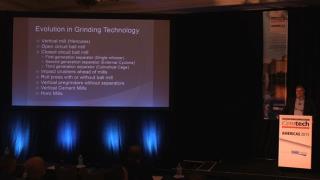
11 March 2016
11 March 2016
11 March 2016
11 March 2016
11 March 2016
11 March 2016
21 December 2015
15 December 2015
15 December 2015
15 December 2015
15 December 2015
15 December 2015
15 December 2015
15 December 2015
15 December 2015
15 December 2015
15 December 2015
15 December 2015
15 December 2015
2 December 2015
2 December 2015
2 December 2015
2 December 2015
2 December 2015
2 December 2015
2 December 2015
2 December 2015
2 December 2015
2 December 2015
2 December 2015
2 December 2015
21 August 2015
21 August 2015
21 August 2015
21 August 2015
21 August 2015
21 August 2015
21 August 2015
21 August 2015
21 August 2015
21 August 2015
21 August 2015
21 August 2015
21 August 2015
21 August 2015
21 August 2015
21 August 2015
21 August 2015
21 August 2015
21 August 2015
21 August 2015
20 August 2015
20 August 2015
18 August 2015
18 August 2015
18 August 2015
18 August 2015

30 June 2015
29 June 2015
29 June 2015
29 June 2015
29 June 2015
29 June 2015
29 June 2015
29 June 2015
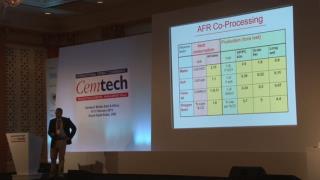
29 June 2015
29 June 2015
29 June 2015
4 June 2015
4 June 2015
2 June 2015
2 June 2015
2 June 2015
2 June 2015

29 May 2015
29 May 2015
28 May 2015
28 May 2015
28 May 2015
18 February 2015
17 February 2015
13 February 2015
13 February 2015
Try searching for another title.