
2 September 2026
This transcript was generated automatically and may contain errors.
Hello, and welcome to the November, 2023 Emec Live webinar. My name is Thomas Armstrong, managing editor of International Cement Review, and it's a pleasure to welcome you to this webinar on cement, plant maintenance and asset reliability. So, if this is your first Cemtech webinar, you'll see that we've we've been busy this year. here's a, a, a little schedule that we've been following, and we've made it way November. we are covering all the topics related to modern cement production and the technologies currently being deployed in this cement industry globally. each month we've been focusing on a different area last month, energy efficiency, next month pyro processing.
but for this this webinar today, it's gonna be on plant maintenance. Cemtech events are organized by International Cement review, the leading industry subscription magazine we publish every month, and offer a wealth of information for the global cement sector covering technologies and markets. In each magazine, you'll find detailed articles covering all the app subjects featured in our monthly webinar series, giving you the chance to keep on top of industry developments, technical innovations, and market trends. So, for more information or to subscribe, please visit senet.com. And for every subscriber, you'll receive a free copy of the Cement Plant Operations Handbook.
And this is the Concise Guide to the Cement Manufacturing. and it's also one of the industry's most popular references. very, very much worthwhile having. If you haven't seen it or got a copy, just subscribe to ICR or you can choose the Cement Partner Environmental Handbook. this is a, another essential reference. we've put together 40 or 50 papers exploring many of the technologies associated with sustainable cement production, low carbon cement manufacturing. we're looking at everything from clinker substitution to carbon capture alternative fuels the whole lot. So please, please do take a look at our website and you'll find out more about those excellent handbooks.
A brief word about our next event, where we've just come back from Istanbul, where Jeff who'll be speaking later was participating. we had over 300 delegates at the Conrad in Istanbul and Turkeys. The event was supported by the Mentos Cement Association of of Turkey. a wonderful two days and great to see so many of the industry and have such good in-depth discussions about industry developments and, and decarbonization in particular. we'll be taking our event back to Dubai in February. that's gonna be at a new venue, the Sofitel Dubai, the OBLs on the 18th to 21st of February. if you haven't managed to catch one of our Cemtech events recently, this one will be well worth coming to.
So do come to Dubai at the start of next year. But for now, we're gonna be focusing on cement plant maintenance, and we are very lucky to have three excellent speakers with us today who are gonna take us through some of the new ways that cement producers are currently handing their, their, their maintenance programs. We'll start with with CSAR talking about AI and M ML machine learning and how predictive and prescriptive maintenance can enhance profitability of your plant.
That will be followed by a presentation by Jeff Shelton from who will be speaking specifically about air canon and the way that a new generation air can help with your maintain a very clean pyro process system and remove buildup. And we'll be hearing from Ner from Kalin tactic who'll be talking about repair solutions and strategic maintenance for your cement plant right across the whole process. But we're gonna begin now with Caesar Constantino from Emai. welcome Caesar. I'm gonna allow you to share your slides as I make your, your introduction. So Cesar is Vice President of marketing and sales at Emai.
And which is a, which is an affiliate of Titan Cement group operating independently and providing the next generation predictive and prescriptive maintenance solutions based on machine learning and artificial intelligence for the cement industry. Before j joining Emai, Caesar worked as a researcher and consultant, both in Panama and the us. His broad knowledge and expertise in the field led him to serve as director of concrete technology, director of Process and quality, and Vice President of corporate engineering for Titan America. We went on to become Director of Business Development for Separation Technologies a Titan America business before assuming his current position.
Caesar holds a bachelor's degree in civil engineering and master's degree in structural engineering, and a doctoral degree in construction materials from the University of Texas in Austin. So he is a highly experienced cementy, as we would say. and welcome the the floor is yours. please go ahead season. Excellent, thank you. Just to confirm that audio is coming through. Yes, we can hear you and Excellent, excellent. And the slide deck is on the screen. Can you see it? Yeah, we can See the screen. That's perfect. Excellent. Well, thank you and welcome all to the Stech live webinar. I appreciate your taking the time to sign in and attend the event.
I know we have participation from all over the world. I'm seeing the chat box quite a bit of active attendees to this event. And I thank you for the opportunity to talk a little bit about same AI's concept as we have outlined today here as Smart cement. the title that it contains several key words that I'm going to be facilitating through the presentation as to how to unpack them because we have predictive and prescriptive maintenance concept to discuss today. But basically plugging in the concepts of machine learning and artificial intelligence behind these engines to, to support ultimate goal of enhancing efficiency and profitability.
with that many complicated words to some perhaps I want to confirm that the essence of what we're discussing today is fairly straightforward. Many plans today already have what we would consider predictive type approaches when it comes to how they attack the maintenance. the evolution of of how the, the maintenance is applied already takes us to having sensors throughout many parts of our plants. And we already have signals that we can monitor. Here's the keyhole, however, we have limits, usually upper limits or lower limits, at which point, if a certain behavior exceeds the limit, we act. And that is a condition based type of approach that's a predictive base of approach.
When the limit is hit, we run and we prevent the opportunity to have a big failure. However this means that we fix something when, when the, the equipment has already reached a point of a limit. Our argument is that with the help of a tool such as machine learning, the tools can actually learn how the plant operates throughout its quote, unquote, normal operating conditions and detect signals before you get to those limits, those upper or lower bound limits on any particular piece of equipment.
And because now we're looking at data from those sensors with machine learning and artificial intelligence, the decision making process of that intelligence is gonna help the human intelligence, because now together we can now have human enhanced machine learning to be able to address those issues that allow us to avoid to, to have to fix something, because we act before it's even gotten to a limit, whether it's upper or lower. So before we get to those traditionally limits, now with data, we are able to tackle them. So we are ready. The industry of the cement globally is ready to assimilate and to bring in the machine learning, and i i concepts for purposes of maintenance.
So when we talk about digitalization, transforming cement, plant maintenance practices, this is today, this is not futuristic. This is something that now together with artificial intelligence, our human enhancement gets us to the next level. With the end in mind, we start looking at where we're going with this. We're going with this to basically have more efficiency and more profitability. We all want to achieve improved reliability factors. We want to reduce maintenance cost, we want to minimize unplanned stoppages, and we want to increase the overall equipment efficiency.
This is the end in mind, and as I'm indicating what emai and, and our view of how to work together looks like, is basically taking this predictive maintenance approach that we exist because we have sensors, we have data we have the ability now to then bring in analytics, which are now robust with machine learning and ai, and create those alerts that help basically the same AI group of experts participate in prescriptive approaches as to how to address, how, how we can actually deal with preventing failures.
And we track and we work together with the plants to, to maintain a continuous improvement approach, that as we keep fixing things, things keep getting better, so that the plant as a whole is more responsive to any kind of process changes that you want to make. Because when you have a plan that operates in its best conditions, then it's easily more attentive to any changes that you want to affect whenever process requires whether market conditions requires. So our intent is to bring predictive maintenance with prescriptive maintenance, together with the power of that machine learning and AI for the results or the outcome that we have here.
What makes m AI rather unique is that it is a concept that was developed by cement professionals, okay? And, and I know AI and machine learning is something that we hear everywhere. And it happens in the automotive industry. It happens in our purchases through Amazon. You know, there's ai even in the binging search engine of Microsoft. AI is everywhere. The, the trick here is to have AI that was put together with algorithms and concepts that are by cement professionals. And I will conclude four cement professionals. So, picking up tools, just because they work in other industries, doesn't mean they're gonna be nice fit to our needs.
But cement AI understands the needs and can carry the dialogue, the discussions, and the work together with cement plans, because it was created by cement professionals for cement professionals. Now as I'm indicating, AI is everywhere and cement plans have lots of data. So it's not new that you know, we, we are in this industry 4.0 momentum, where we have smart factories of all kinds. And yes the, the data can be used for many things, real-time reporting. I know that there is a strong and very big momentum also on the implementation of AI for process control and real-time optimization of, of cement manufacturing.
I will say that emai with the concepts that we are discussing today, predictive and prescriptive maintenance is a perfect fit to work in tandem with other tools. In other words, one group of algorithms that are specific to optimizing process does not mean those are going to optimize how the cement plant operates if your equipment is outta whack. So, first things, first, I make the, the, the, the argument that when you start with implementing these robust and latest generation tools of machine learning and AI to cement manufacturing, if you do so in the areas of maintenance, then your plant is operating effectively, and now it can respond to other changes that you want with process control.
So first things first, you have the plant operating good with AI and machine learning for predictive and prescriptive maintenance. Then everything falls in place. So very, very important point to make here. Now, how does this work? what, what, what is Cesar talking about? Well, what Cesar is saying is that if we're gonna look into predictive and prescriptive mainten with these tools, these tools are gonna help us in a way that makes our lives easier. For example in this chart I have P one, P two, P three, P four, those are all the bits and pieces that make up a cement plant.
This is from, let's say, the, the initial crushing primary, maybe secondary P two could be homogenization and, and whatnot. P three could be pyro, P four could be finished mills circuits. you have a plan that has many things happening at the same time, and at any point in time, any of these things could actually deviate from the normal and machine learning. What it does is it basically takes all of the data from a cement plant, from all of the processes, and it actually establishes what it defines as the normal operating conditions. And the ability of the system is to detect when something is starting to deviate from the normal.
And this is a signal that can help and prompt us that something needs attention before it actually gets out of whack. And the illustration below simply states that there's a lot of relationships, you know, process one or process two are gonna be impacting process three and vice versa. Process four is dependent on what happened beforehand. So this interconnectedness is essential. And what makes the same AI approach to predictive and prescriptive maintenance rather unique is twofold. One, that it encompasses entire plant.
It's a tool that will not only be looking at one of those Ps in the picture is not only gonna look at milling, or only gonna look at pyro, or only gonna look at kiln, or only gonna, it's gonna look at the entire plant. We call it end-to-end process coverage. And the other bit that's rather unique is that the digital model that is fed for these tools that semi AI brings forth, is that hierarchies and dependencies of all these processes and equipment are also considered. So this is very valuable and very desirable for a cement plant operation.
So, by cement people for cement people, entire plant, where all of the hierarchies and dependencies are considered, this is the solution for the cement industry. One of our users actually has quoted this tool as the best inspector and reliability partner that they have. And it's not by chance. It's because the kind of work that gets done is very, very large it look at the entire plan. In fact, what I'm gonna do is not so much a technical content in my, my next slide. I have usually looked at, you know, trends and things of that nature in presentations, but today I thought of presenting it in a way that's perhaps a bit different.
But I wanna, I wanna make the point as to how this works for that. And before I turn my next slide, I will say, I'm gonna ask you to look at a picture instead of a historic record of signals in a cement plant. And I will ask you to see if you can detect one thing that's different from the others. Because what that means is I'm asking you, can you detect that a signal is out of whack? And I'll give you five seconds to, to, to take a look, and then I'll give you the answer. But this is just a test. So help me out here. I hope this to be a little bit of engaging with our audience. this picture I got from the internet, the, the link is on the bottom.
And I'm gonna ask you, we're, we're, we're all very smart people. We are all working in the industry, and we're doing the best that we can. And I'm gonna ask you if one thing is not like the others, if you can find a bunny among the cats in this picture, can you do it? And I'm gonna give you 5, 4, 3, 2, 1 times up. Did you find it? Did you find it? And of course, it's hard through a web session like this, but I'm gonna argue that some of you, if you found it, that's great, because that means that you are very, very efficient, very quick and, and have a very good sense. Okay? But if you didn't find it, I'll show you where that is. and, and now maybe you're gonna be laughing.
If you look at where the blue circle is flashing, that's where the bunny is among the cats. and it's very difficult to find. But even this being difficult, it's actually easy compared to the next picture. I'm gonna go with another picture. And I'm gonna say, for those who like soccer, you know, where's Wayne Rooney In this picture? Here's, I purposely picked a picture that's more difficult, and I want you to find where Wayne Rooney is. And I'm also gonna give you five seconds, 4, 3, 2, 1 times up. See, now, Mike Wayne Rooney is now a little bit hidden. So this is a bit more difficult than I was showing you before, but I did this on purpose because this is the real life in the cement plant.
You have many, many bits and pieces of information, and many of which are buried behind all kinds of things. Here I have a screen that is blurred on purpose. So it's not that the signal is going bad, this is blurred. 'cause I don't want the focus for you to be, to try to read. What I would like to convey in this picture is look at all the yellow that is striking to the screen. So only thing important in this slide is the yellow. Each of these yellow bar, or items are tax of equipment that's running, or bits of information, bits of data that is coming at us.
And when all of these one is a bunny and everybody else is a cat, or one is when running, and the others are soccer place, it's very hard for us to find things in, in our plans when you have hundreds and even thousands of these signals throughout the plant from the quarry all the way to the loader and packhouse. So we can certainly use the help to help find where those odds and ends that are not normal occur. So now I'm gonna share with you what a signal history would look like. if we were to take 50 signals for one month, one minute average for each of the signals, and plot them together, this is how it looks.
Now, I manipulated the data a bit so that the low and the high on this chart is the acceptable operating conditions of each of these signals. In other words, if the signal is within this boundary of min and max, it's acceptable. It's a good value for that particular motor, whether it's voltage or, or whether it is acceleration, temperature, what have you, regardless of the type of signal. This what, so if I ask you, find me a signal here, you know, find me the rabbit, find me the, the, the rooney in this chart, it's gonna be very hard, but this is the, the reality we have to confront in the cement class.
And here's where the artificial intelligence piece comes in, because machine learning learns what normal is, and AI helps us find it real time. Now, look at this chart I took out from the 50 that I had. I took out 48 and left two signals here with these two signals. Now, of course, it's easy. We can see that something there is a little bit off, something is a little bit different. And if during the record of this operation at day nine, we would've gotten an alert that something is out of whack. We go out, we take a look, we address it, and we reverse the damage, or we reverse the, the, the, the root cause of what's making a certain piece of equipment behave differently.
And then the, the remaining days after day 13 shows that whatever that signal was goes back to normal, important. It's within the mean max of the, of, of the limit. So we never have in the controlled room panel a red alert or any anything that says that something's going on. This is happening with just real-time operations. And we get alerts when we're still within operating envelopes. And this is a way in which we take the machine learning, it learns that the blue line should be here when the orange line is here. And all the relative behavior of all these equipments are considered. That's the value of having the, the, the tool to help us for predictive and prescriptive maintenance.
Now, how to make this work starts by feeding historical data to this digital model. And the, and, and the, by data, I mean everything from primary equipment to auxiliaries to everything. So whether it's a conveyor belt or a bucket elevator or whatever any, any and all signals historically, all the data gets digested by the machine learning. And the way that the inter interface of how this fits into the digital model is through process flow sheets, equipment list, and lift and sensors that you can provide. This is what then helps build the model. Now, does this mean that you know, things are just a plug and play? As I mentioned earlier, this is a human enhanced system.
So yes, they have artificial intelligence in the tools. Yes, machine learning is in the tool, but we need three pillars for success. And one of these is a robust maintenance management system in the plant. So this is successful when you have already a plant maintenance team that is engaged, and that is at the plant to be able to again, act accordingly as soon as alerts come up. And the second thing we need, of course, is the sensors. And we need of course, the machine learning and AI tools for failure avoidance in a way, as I have described, the entire plant is to be considered and designed by cement people for cement people.
So we're picking the right models and the, and the, and the right solutions. at the cement plant, of course a cha a plant champion is, is, is a must have along with management support, because when there alerts come up, that individual or that group of individuals, when they go back in the plan to try to address any issues yes, they need to have the ability to affect change so that we can prevent failures. And then working in tandem with that remote monitoring center, that prescriptive part of the solution is like the doctor from telehealth, you know, saying, Hey, do this, do this, do this. When your throat hurts.
the, the remote monitoring center from the systems AI provides is actually going to be providing you expertise. and then actions take on site to help to, to root causes. So if there are no senior very experienced people at the plant, for example, we have found that the tool with the collaboration with remote monitoring is essential to the growth and development and experience of new talent that comes to, to cement manufacturing plants in the maintenance departments. So that cooperation is essential. And of course, very important is to keep track of all of the impact that prevention is happening.
So keeping track of what we're saving and what we're not spending and how we're optimizing the plant is important. The essential tool flow of the system is not to look at green, red, or yellow of pieces of equipment. It's more of a action board. Every alert leads to collaboration with the plant. Here I have like 1, 2, 3, 4, 5, and six steps where the monitoring happens. First, the analytics picks up where the priorities are. The actionable alerts are addressed by the remote monitoring center. That in turn then provides prescriptive tools to the plant in item four. And then you stay iterating between three and four until the problem is resolved.
And then on number five, basically you restore the equipment, we're back to normal, and we document and close the case. and then we're ready to keep on monitoring. So the dynamics of the tool is to actually deliver a continuous improvement process in the maintenance side all year long. And that's what we call it from dashboard to action board. Some of the metrics if you say, well, what does this mean? You know, give me, gimme a case study, give me what's in it for me kind of thing. the whole idea here is turn data into dollars. As we have said in the past six started plans in, in, in our experience, have documented and not only reached, but sustained reliability improvements.
once they are achieved, you sustain them. That the idea is not to revert and go back ranging between three and 12%. And for one particular plant where they had, they documented a 7% reliability factor increase in the pyro side. these actually translated specifically when you look at metrics into 268 hours of kill downtime that was avoided. And the savings that were documented were in the order of $270,000 of maintenance cost avoided. Now, what's important here to highlight is that you know, this number may be high or low depending where you are or where you're looking at. so impact is gonna be unique for every plant. Each plant is gonna have its own opportunities to improve.
but the idea is to keep improving and maintain the, the gains. And then of course, the costs are relative. the repair of a conveyor belt in a market may be different in, in one part of the world and another part of the world. And so therefore, the numbers are, are gonna be unique to you in terms of what it means to you. But we'll be more than happy to have a discussion with you directly. And, and how long does it take to get this to work? fortunately it's, it's not rocket science. You know, these things. Most of it is in place to, to get started.
And assuming let's say that you have a plant historian and, and it, it's got the data to train the model and whatnot it should not take more than, you know say 12 weeks to, to have the system be configured, be set up and, and start to work to give you alerts that start bringing immediate IM impacts to your operation. So the the point today for me then is to bring forth the point of making it happen. Let, let's make it happen. I believe that this is a way to get the digital potential of the digitalization into our plans as soon as possible.
and clearly state that predictive and prescriptive maintenance with the support of cement experts from remote monitoring delivers enhanced efficiency and profitability. We have already been categorized as best inspector and reliability partners. And, and an important piece here is that we're gonna be together looking at plants end to end all analog signals, process hierarchies, and dependencies. and we're gonna have a, a culture that, you know, it's not just looking at what's red to only work on that, but what needs help from the maintenance when it's still low cost to repair, low quick action to, to repair.
So we're gonna keep an activity that's basically building in itself to, to keep things running. So again, avoiding downtime and improving reliability using machine learning and AI from ai is, is a very efficient way to. So with that, I simply say, we are here to help optimize your plant, empower your team, and thank you for your attention today. I certainly available for any q and a, and I don't know, Tom do it hour later. But appreciate your time. Thank you very much. She's a really a very engaging presentation.
And I love the the interactive experience illustrating how, how, how much data there is in the plant and, and how we need the assistance from from AI just to make sense of all that information in a coherent way. and also how this system is a is is a, it's a support system. It's a maintenance management support system. It is not, it's not replacing a human being. it's not a standalone thing that you just leave either. It's something you interact with and that helps you, helps guide you, I guess through, through the maintenance. So very, very well explained. there are a couple of questions that have come up. one of them i I was thinking about as well.
the question is, can we predict the real time refractory thickness using the SAI tool? And I was thinking about the scope of the, of it. You said it's end-to-end. Yes. you know, I can understand, you know, conveyors, bucket elevators, gears, the, these kind of mechanical deterioration that can be sensed and, and acted upon. what about kind of refractory thickness or what about things that are kind of maybe vehicles? I mean, does it extend to, to vehicles operating in a quarry? can you talk a little bit about the kind of scope of this this system? Yes, absolutely. And, and, and very, very good point to to, to draw the attention of the audience. when it comes to, can these tools be of help?
The answer is yes, absolutely. Hands down, no questions asked. Straight, yes. The key point is sensors and data. So wherever there is data, the system is going to help you. And for refractory, which is a question that you just brought up interestingly for many of us, what you will find is that currently there are infrared and different kinds of technologies that have sensors that are specifically targeted to look at that. So if you have those sensors and you bring the data to the tool, then yes you will be having the same concept of the let's say changes from what's normal to what's not normal, to give you an alert. So without a doubt, the key point here is to have the sensors.
And, and there there is a lot of advancement in, in sensor developments in this day and age because of big data. And so yes, for the refractory and yes to many others that are even wireless. So moving equipment in, in a query or on a mine again, data now can be transferred wirelessly. And the ability to do so is essential because, yes. So solutions such as STEMIs not only feeds from the signals that are in the control room to cut six wires and, and instrumentation, the, it can also be fed wireless data that is generated from the plant. So the answer is yes. It's a, it's a function of the type of sensors that you have.
If you don't have the sensor, then of course for the tool to help you, then you have to start with having the sensing abilities. but it's, it's amazing. And I, and I would encourage people of interested to, to, you know, you can find in the internet these wireless sensors of all kinds.
we are aware of some that instead of accelerators now sensing motion or, or movement now sometimes there are cameras that are very high definition, and a camera through algorithms of augmentation can actually detect movement and give you a visual of how a piece of equipment is vibrating but without the traditional way of measuring it, which was with accelerators in X, Y, z, the directions, now it's through a, a camera. so you have realtime information, realtime data, and sensors is the name of the game. The tool, however, in place can be fed over time. You don't have to have those sensors for semi AI to start. Semi AI starts with what you have now.
And over time when you define, oh, I have a gap here, I'm not getting sequence from this side, you can always add them later. So there's, there's a question here. I want to install metal detectors in limestone hoppers before crushing which will take this material to, to the apron by apron feeder to the rotor of the limestone crusher. So I mean, if someone has a problem and they can, they can fit sensors to it, they can then measure it and they can then integrate it into the system. I, I guess That's correct. We, we, we have been discussing about the, the nature of sensors in different plants and how they can be part of the solution.
And some people will talk to you about online free line detection in the kale, for example. Not all the plants have that, but if you do again, those, those are all elements and parts of the things that we can, we can help you with. is there a, a kind of rule of thumb, there's a, there's a question. What is a prereq requisite to implement AI maintenance and a typical cost? Is there a, a rule of thumb for how, how many sensors or the distribution of sensors in the plant for it to be useful, effective?
Yeah, I'd be more happy to have that discussion because we do have, what would be, you know, the, the, the wishlist of if you have this, you are, you know, platinum or gold standard in terms of having signals. We have the ability to crosscheck and, and, and identify if prior to installing, you know, where, where you may find that more sensors will be better to have or not to have. but I will tell you that not starting is really where the, the real cost is not starting is costing you more than starting. Yeah. our, our ability to, to work in different pricing. I will, you know, I think let's, let's have a conversation. The, the model though is software as a service.
so at least that much, you know, the audience should be able to know that it's, it's, it's really a new trend in, in the world. and so it's just subscription and so we'll be more than happy to get that started at your convenience. Very good. maybe very quickly, one last question. It's how much historical data do you need to train the, the, the system? Okay, I will give you an answer. One year is excellent. If you don't have one year, sometimes you, you only have, you don't have enough storage. You may relying on the DCS and you have three months. I would argue three months is probably you know, the minimum. that being said different plants are gonna have different situations.
If, if you live in a seasonal area where the plant behaves differently in winter than summer, because you know, you're in, in the extremes, you, you really need to have all of that history to feed the model so it knows that is winter than summer when the signals do this, that, or the other. If you're in tropics and the whole year looks the same, maybe not so much important. So I gave you an answer of three months, probably minimum one year maximum, but it's a function of where you are and how your plan operates. Thank you very much, Caesar. Thanks for the presentation and for answering these questions.
with, there are some more questions on the q and a, if you'd like to look at them and, and, and write some answers as well that that's, that's possible. alright. Sorry if we didn't get to your questions, but that's all we have time now from, from Caesar. Thank you very much. I will stop my screen now. Thank you. Great. Okay, that's got us started. and now to continue I'm really pleased to welcome Jeff, Jeff Shelton, vice President of Sian Core in the us. Jeff, if you'd like to load up your slides Jeff is founder and president of Sian core, whose company goal is to change the air canon market for the benefits of the cement industry offering a significant reduction in operational costs.
Jeff has spent most of his 40 year career designing, maintaining, and selling air cannon. He spent almost 10 years, in a sense, role at Martin Engineering and a further 10 years as vice president of integrated global services. For that, Jeff owned his own companies core and Hal Technologies, both of which he successfully sold onto bigger organizations. Jeff has published and presented at many different conferences including Emec last month about air canon installation and has multiple air canon patients. So Jeff, we can see your presentation and I think we can hear you. So please, the floor floor is yours. No, we can't hear you. Jeff, if you're gonna, I'm gonna ask you to unmute your mic.
Is that unmuted? That's unmute. Okay, off you go. Hi. Hey guys, you're gonna get tired of hearing my voice because I'm an obnoxious believer in air cannons and one of the things that you'll see by my presentation is we're a big believer is seeing, is believing. And so we're going to have a, a number of presentations, but, you know, one of the things that we really believe in is that, you know, this presentation is really going to be about how we're going to change the market. Well, you can't change the market unless you remove the buildup. One of the questions was about thickness of refractory. Well, one of the things that reduces thickness of refractory is high pressure water washing.
And so we eliminate high pressure water washing. You know, a refractory salesman once told me that the best salesperson or sales tool he has is a high pressure water washer because it destroys refractory. Now, notice that I've started with this screen and I think it's a, a fairly dramatic screen because, you know, I assure you when we talk, power is not my problem. Problem is not my problem. But I will remind you that it doesn't matter how powerful your air cannon is if it's not working. And one of the things is, is that, look, you know, I look at these, these other guys and didn't know that Thomas was gonna put their picture up.
So not only am I the ugliest presenter, I'm the oldest presenter I've been, I've been in involved in the, the industry when they were mostly wet process. So I'm a, I'm an old guy and, and I'm really motivated to change the industry. And I think a 10 year warranty will change the industry and people go, f**k yeah. Okay, so you are old and you're a liar. Well, we're gonna tell you that I'm not a liar. I am old, but we're going to tell you about how we do it. And the first thing is, you gotta have enough power to clean. And then it also, you know, I've said it, and I'll say it again and I say it, I actually even say to my sleep, 'cause I eat, drink and sleep air cannons.
Doesn't matter how powerful your air cannon is if it's not working, but also it doesn't matter how reliable your cannon is if it is not cleaning. So those two are, are really tied together. And the third thing that, that, that I'll hammer home this presentation is, you know, most air cannon manufacturers build, build a good air cannon, but what they fail to do is protect their air cannon. And I think we can all agree that this industry's very hostile. You know, you can, you can build a air cannon, put it in a hostile environment, and it's not gonna be what you want.
But now one of the things that we're going to do, and, and I want, you know, I've noticed from the chance there's people from all over the world, but in the United States, if you're from Alabama, people go, that guy's not very smart. Well, I'm from Alabama and most of my team's from Alabama. So we prove that fact. We are not very smart, but we are smart enough in Alabama to know that we have to follow the science. And so in every bit of this discussion I'm going to give, I'm going to tell you to follow the science. FTS follow the science. We're not reinventing anything, we're just applying the science as it exists.
Now, you guys, if you have air cannons, you've had an air cannon guy in there, and essentially he says, my mama can beat your mama up, or my daddy can beat your daddy up because my air cannon's more powerful, especially in Europe. one of the focuses has been is you've gotta make your air cannons more powerful by increasing the pressure. Many, many plants have have installed 10 bar air compressors, and what, what happens? Well doesn't really improve the cleaning. and it improve, it decreases reliability because it hits harder. It's just not, it's, it's, it's, you know, it's driving a car at 180 miles an hour versus 75 miles an hour. Not smart if you want to keep it reliable for a long time.
But one of the things, and, and that we're gonna say, and we're gonna, again, I'm going to reuse the words, follow the science. The volume in the air tank is very critical to cleaning volume of the air kit increases the cleaning. You know, when I'm raking my leaves, when I'm using the leafblower, I don't turn it on and off because the volume matters. You cleaned it better by keeping it on. And so we'll show again and again, that volume is, is real important. And, and you know, I'm not saying the pressure's not important, but at a certain pressure, if you have the bottom, it's, it's, it's better.
But if you notice the first screen I or smashing three cement blocks, which no one else that I know of can do, you know, it's a bigger, it's a bigger, it's a, it's a bigger diameter output. That's an eight inch cannon, which is five times the cleaning power of a traditional air cannon. And, and many may say that's too much, and you can reach the line of that's too much. But, but then again, you can always turn the pressure down and make sure that it's not too much. But this is an example of, of just what we can do. Now, think of this. This is a, this is five bar or 80 pounds of pressure, and we just blasted away 48 pounds of sand. But look at the blast.
If there was more sand in the middle, you could move it further. This is critical for cleaning, not only hard to move material, but to also to get the distance. The sand is at a a one meter, and that's what most air cannons clean one meter. And when these air cannons were designed, and I'm gonna call 'em a cavemen design in a little bit, I'll warn you, you know, the, the plants were half the size, plants are much bigger. Now you must have much bigger cleaning. And, and we used to say that it's time that technology caught up to air cannons. Well, it has, but here's a chart that we did. Blowing the sand on a 70 liter sand, a 70 liter cannon with their smart nozzle, which is a fan jet nozzle.
It blew 13 pounds of sand, 13 pounds of sand at seven bar. The second blast blew six pounds of sand. And so to, to remove all the sand, 50 pounds of sand, it took four blast, the 300 liter cannon at the same pressure. Now the seven, the, the, the 300 liter cannon has two nineties and about 10 feet away. So we, you know, the actual pressure that it's hitting the material is less because we follow the science. The science tells you a 90 degree, you lose pressure drop, you lose peak force 10 about in, in when you have the run the hose run, you lose force. We're not, we're not, we're not trying to reinvent science, we're following science. So you have four times the energy.
And so it's able to, to move much greater amounts of sand. It's a much more effective air cannon. And it's why, because of the design. No, it's because of the volume. The air volume of your air tank is your cleaning energy. I mean, come on, you expect that we can do that with four times the cleaning energy. But one of the things that you look that on the far right, the amount of sand that you move per pound, per pound of sand per liter is very similar. And then you can see that, that it, 80 pounds or or seven bar that we're we, or no, I'm sorry, that's, that's a hundred PSI, we took it all out. Boom, it's gone. And when you look at that video, you can see it could move more if we had more.
But and you reduce the bar to 80, you know, obviously you reducing your pressure, but you got your cleaning energy. So it, it, it's more effective. 60 pounds we are more effective at than a traditional air cannon with less cleaning power is at a hundred. We believe this is conclusive. That volume is very critical. Pressure is critical, but volume is more critical. Now, how do you improve reliability to where you can be a, a offer a 10, a 10 year guarantee and people go, oh, no way. Well, first of all, you gotta look at the guiding system of the air canning. You gotta look at the way the piston stops the cushion of it. And, and, and then you gotta look at how often you clean it, right?
The duty cycle, you know? So we'll address each one of these. Well, I go, wow, when I looked at this, the signs of a superior valve. Aren't you full of yourself, Jeff Shelton? Well, yeah, I am full of myself. And, and Tom will tell you, yes, I'm one, I am full of myself. But we followed the science number one. What did we do? We, we got an air cylinder. There's millions of air cylinders sold every day. So it's slides in and out. I've had air cylinder people tell me that their air cylinder, if you keep water and dirt out of it, will last 5 million cycles.
Well, not sure I believe that, but I do know that if you fire your air canon once every five minutes, it's nearly 10 years before you get to 1 million cycles. In other words, if you protect this air cannon from the environment, the duty cycle's not gonna cause it to fail. So we have a very reliable air cylinder and, and guess what? It's a standard cylinder and you can buy it from anybody. You don't have to come back to us. You don't have, we want you to, but you don't have to. You can go buy your own air cylinders. But then when you look at the other part that we manufacture the, if you can see my, my, my mouse is, this is the honed and chrome part.
And we design our piston because we follow the science exactly like you would a, a piston for an air cylinder. In fact, we had a a, an air cylinder manufacturer designer design our piston uses the same U cups to to, and the same wear band from the air cylinders. You can buy all of this off the internet, no more being held hostage by the air can OEM on spare parts. And we followed the science. And quite frankly, we, you know, most people use a polyurethane based seal.
What we did now, sorry for the picture of this insult some, but the air cannon that our most of our competitors use, they take a polymer and they take a a four inch pens and put in there and that entire piston is the, is the wear surface. So, so what that, what that means is a couple of things. One is that you have to have some tolerance there. So you leak air between one side of the PIs to the other. We think that's really bad. That's why we have u cups to stop the air. So in other words, you don't have to keep the air cannon filled.
Now almost, you know, all of my air competitors that I know of, and you know, if, if, if, if you're an air cannon competitor that doesn't do this, I apologize, but they store air in the tank. And I guarantee you all air cannons leak air all air. My air leak will leak air after a while, but all air cannons leak what air. And this air leakage that you have by storing the air in the air tank becomes the greatest source of areas you want to reduce your air consumption. Don't store air in your air tank. But also that, that, that because you have that big wear surface, it's not particularly smooth compared to what we have. It takes a much greater force to get it to move.
So the adhesion force in this case is, is, is, you know, we call it the caveman. And, and you know, at one time somebody had a, a site, a guarantee for 250,000 cycles and we go, Ooh, ah, how about 2 million? So the way that we do it, again, we take a honed and chromed very smooth. We took a wear bearing surface that's designed to go with the chrome surface and it moves it back and forth. So our system is much, much smoother. So it starts to move with a lot less force. So in other words, it opens quicker so you get the air out faster. Now you also have to be concerned about how you stop the piston.
The system is when you release the air out, the backside, the air goes zipping out and the air on the other side forces it. And it is a crushing, a crushing for especially aluminum to smash against that force, which is why they put a piston in, I mean a spring. And in the spring, you know, who likes the spring? I don't like a spring, but you know, what we do is we, because we follow the science, we take the, we use the the air cushion in the air cylinder to slow our system back. It lasts longer. It's a more soft stop which aids reliability. And this is a major, major reason why a system can last so much longer if you protect it from the environment from becoming a maintenance issue.
Now, let's say if you do 50,000 cycles, and that's according, this is right off the internet, that's the highest spring cycle springs can undergo is 50,000 cycles. Okay? Now the way that I take that is 50,000 cycles is when it's begins to, to the spring to lose its tension. It doesn't necessarily fail, but it becomes less effective. But 50,000 is 174 days, guys. It's not if the spring's gonna fail, it's when the spring fails. And I'll tell you, it's just smart. The air cushion is a smarter way of doing it. Now again, I'm full of myself. The, the, the, the, the, the the the famous superior valve.
And I wanna emphasize here again, I want to emphasize here that almost virtually all of these air parts spare parts are available off the internet. And you can, you can buy 'em yourself. And they're cheap, cheap, cheap, cheap. That's why we can offer a 10 year guarantee because they're cheap. Even if we're have to replace it, it's cheap. Of course, the problem is we don't have to replace 'em much. 'cause they're designed to withstand the, the duty cycle. The key to a 10 year maintenance warranty is protecting the air cannon. And part of the way that you do, and you've gotta protect the air cannon.
One of the ways that you protect the air cannon is you have a nozzle that that delivers a lot of boom. You want it to knock, you want it to crush three cement blocks because people buy air cannons to replace high pressure water washing on riser in feed shelves. And I go, I'm tired. I'm, I'm telling you, I'm tired of hearing that. Yeah, our air canons work. They work well. Well, do you buy pressure water? Yes. Once a shift. Both riser duck it. Like no, your air canon aren't working. Maybe they're moving air, but they're not performing the job. You buy air cannons to move material and if they're not moving material, so you don't have to expose your guys to a safety risk.
And manual cleaning is a safety risk. And also when you think about it, manual cleaning the amount of false air that it runs, it's a huge investment. Now the, the key to any nozzle is how you pass the air through the nozzle. A four inch monster nozzle, which here's listed as the big blast nozzle and the competitors round fan Jett nozzle. We flow 1.8 times more air through it. So you throw the air through it. So what's that mean? You have a low, a higher you have a lower pressure drop and you have a greater concentration of air. And what we found third party CFDs that are peak force, you know, people tell you this is, you know, you gotta buy my air cannon because it's peak force is so high.
Hello, hello. The peak force of the air cannon is meaningless. It's the peak force out of the nozzle that that means that does the cleaning business. And when we compare our nozzle to their nozzle, it's 1.8 times more greater. But if you use a six inch nozzle, which we've gone to a lot, it's four times, four times our six inch nozzle and SCRs, which is not cement, have replaced two of the conventional nozzles with one nozzle and cement because it's a harder to clean area. We think it's two six inch nozzles will replace three conventional nozzles. But we talk about protecting the air canon. Protecting the air canon on the left is what we classify as non-protected.
And you guys in the plant say, oh yeah, that's exactly the way my air cannon is. Well, if you want a 10 year warranty, you will not install your air cannons like that. You have to protect your air cannon. This is a system on the cooler where you see that to get, you know, a couple of things that air cannons hate. One, they hate heat, heat, heat, no heat, heat on the non-protected, no heat here, greatly reduced. Two, it also hates material back into it. You have material easy access to get back into the air cannon. Not a good thing this way. You have this cylinder here which stops it so the material never gets by the 90. So protected is much better than non-protected.
Now you guys will say that the, we have a lot of air candidates installed like this guys, no, not good heat. Heat, you know, you expose this air can valve to the radiant heat. There's high, there's, there's, there's rubber in there. Not doesn't, not a good mix. You allow the material to come back here right away, right? And so how about the poor worker who, who has to work on this? Like, come on, let's protect the worker. So what do you do? You put this high pressure, I mean this thermal safety shield right here. And do you know all thermal safety shields leak? We estimate that thermal safety shields increase fuel costs by up to $360,000 a year.
If you have a whole system of them, it's designed not to protect the air cannon, but to protect the worker, you need something that protects the worker and the air cannon. And, you know, this is an application like, okay, I'm going to send somebody to work on this. Well, let me say I'm sending somebody I don't like. I, I would, I would, if I, if my son worked for me, I'd go, well, I love my son, he's the last one. I'm gonna sit here and I saved the best for last. Do you know that the effectiveness of an air cannon is greatly determined by the density of the cleaning medium?
When you lean that air cannon up against that, that hot, this is a cooler application cooler, it heats the air up, which makes it less dense. This air cannon is 16% less effective just because they installed it wrong. Now what we do is when you go to a bigger cannon, this is one on the left, that's one cannon. 70 liters moves that a, a short distance, same. we, we put a 300 liter cannon on the same cannon, put two nozzles fir at one time. And you tell me if there's a difference. Difference. In other words, we're showing you that you can replace and reduce your number of air cannons by just being smart on how you do it. You know, follow the science, change the market, improve plan efficiency.
Now guys, like if you're, if you're an air canon salesman, you go like, whoa, I, I don't, don't really wanna show this video. That's not very impressive. I'm telling you, if you were there, it is pretty powerful. But the design of the nozzle takes it so where it's going thin and wide, and it only cleans one meter, and that's where that is. Do you want that? And so what we did on this one, and this one's really hard to see but we took the same air can and just changed the nozzle. And you know, what we're saying is the nozzle makes a difference. What? The, the nozzle on the left, it looks like it barely moves because it only moves 1.5 inches.
The one on the right, all we did is put a high velocity nozzle. It's 7.5 inches, so it moves at a lot further. And so you can improve your existing air canon by just changing the nozzle. And incidentally, we sell that nozzle and it's probably less expensive. And because of the metal metal orgy and because it keeps it clean, it's probably gonna have a longer service life. Now, this is an air cannon that has two nineties and has a 10 feet a run. And this is at, on the same. We have a trailer that we drive in the United States where we, we, we will shut do this at a plant. And this is at a plant that we did.
And incidentally, there was kind of funny, at this plant, there's a guy who kept trying to get into the picture with a on a forklift. And, and he saw the first one where it just barely knocked it down. And, and he, he says, well, it's not very impressive. And the plant guy yelled at and he says, would you be quiet? That's their competitors. So, I mean, you guys make the decision. You guys make the decision. Which one do you prefer? Now, this is, this is, I love, this is one of my favorite videos because how long have you been told you gotta have your air cannon right there. This is a, a 300 liter, four inch cannon, 2 90 10, 30 feet of pipe, 10 meters.
And you're going to tell me that's not better. Are you going to tell me that you have to have it there? You're telling me that when you put it up there, it, you can't access it because it's up high in the air and it's unsafe to get to because it's hot and everything that you can't locate that air canon to where it's, it's acceptable. I'm telling you, you can, and this real quick, this is just to show that a four inch cannon, that's a variable bla blast, but it's different from this blast. Same air cannon, same pressure. Only thing different was the nozzle. Okay? Dion will offer you a 10 year warranty if you follow our recommendations. And we can do it because we have superior technology.
We have 19, 20, 23 technology instead of 20 20, 20 2000 technology. And we know that the key to success is protecting it from the hostile environment. Now, I, my presentation wasn't as good as Caesar's, and I didn't put my phone number down. so Caesar, you beat me and looks presentation and, and putting the numbers down. But send me an email. I'll send you my number. And so I am very happy to answer any and all questions now, and thank you for listening to me, Jeff, thank you very much. very interesting presentation. Very enjoyable video clips as well, I have to say. so thanks for sharing this, this new technology that is is available now in the market.
as you've pointed out, you've got a long history with operating in this field. since wet process lines we're, we're in act in action looking at the, these air canon, they, they look huge, very, very powerful. is, is there a danger that they're too powerful? Can you, can you, is it, is the positioning of them a absolutely critical? I mean, you could blow, blow a hole through a, a preheat with, with them. Well, you know what a great question. And yes, there is a potential, they're too powerful. But it, you know, but what you have to do to make 'em less powerful is just adjust the pressure. So, you know, it's an adjustable power air cannon.
And we, we, and, and the other way that you can do it is to blow multiple air cannons at one time, which reduces the power and spreads the power out. But one of the things is, is that you have to make these very powerful because you have to locate 'em away from the dangers of the application. And the further you put 'em away, the more power you lose. So in most applications, you're going to be the 10 meters and the two nineties, and so then there's no danger of being too powerful. But what a great question. So that's, that's one of the key things. I mean, increasing the power isn't just to have a more powerful blast.
It's, it's really so that you can have more flexibility in, in where you position them like you said, away from the heat accessible and, and and somewhere that where they can be maintained. One of the things people don't realize is that you have buildup and it, the buildup is held together with a bond of cohesiveness. And when you exceed it with a great deal of force, you clean the exact area your air path goes. If you allow it to get a little harder and you break and you exceed the, the bond of cohesiveness by a little bit, it breaks off in chunks. So you clean more, you make the air canon more effective.
And so, you know, if you're ever gonna play that game, you need to be able to turn it up to be sure you didn't let it get too strong. Yeah. and you envisage people who use these will be able to replace one of these air canon will replace you know, a set of three will be replaced by two of these two of these larger ones. Is that the idea? We have, we have a couple of different ways that we can reduce the number of air canons. And the first thing that I wanna say is we like to use existing air canon, you know, we, you know, to modify 'em, protect them and, and all that. That's because we want the customer to maintain his investment in the air canon. This is not code for buy my air.
Can we do go on your critical applications? You might need this, but we try to always use the existing air cans, but the volume is of the tank, which makes it big, is important. And that way you can replace with one big tank, you replace two smaller tanks, right? You reduce the maintenance and, and you increase the reliability because you can get to it and clean it if, and, and perform maintenance on it if there's ever a need. So, and the six inch nozzle was the one you put two six inch nozzles and it will replace three of the traditional nozzles. This one, the, the, the, the video I showed is one cannon with two nozzles replacing two air cannons with two nozzles. So Very good.
And I guess the, the costs are kind of proportional as well. Well, well, you know, I had a discussion yesterday is about do you sell based on the value it bring, it brings, or do you sell it on base? What's good for you? I'm not gonna try to sell it on the value. I'm gonna sell it. What's good for me, if I get X amount of margin, it makes me happy and it's, it's a lower price than everybody else. I don't care. Still good for me. I don't care how much money you save, in fact, I want you to, it makes it easier to say yes to me. So yes, expect in most countries in western us, Western Europe, Africa, that we will be less expensive.
But in some places that have air cannons that really don't meet the code, the air, the air tank is by far the most expensive part of an air cannon. And, and if you get tanks that don't meet the codes that's required in Europe and seat in in North America, you just get a tank. Well, okay, there you get what you pay for. Good. Well, thank you very much, Jeff, Jeff Shelton from Ian in the US for that presentation. Thank you. Very good. Okay, we're gonna move on to our third and final speaker for the this webinar. I'm very pleased to welcome Rigo ne from caster, new tactic, Saudi Arabia. Rigo, please go ahead and share your slides. Rigo joined the caster new tactic group in 20. Thank you.
Thank you, Thomas. Leading the team of experienced field engineers across a number of sectors, including cement, aluminum construction, oil and gas, steel mining and paper. He's currently sales manager at Katon, new tactic, Saudi Arabia with 14 years experience in maintenance and repair, application development, marketing, product strategy, and dealer management. He's a graduate in mechanical engineering and post-graduate in marketing management. And he's gonna speak to us about the strategic MA maintenance and repair solutions available for the cement industry. Please, over to you, Trioli. Thank you. Thank you Mr. Thomas.
And good evening to all of you and thank you Simnet and cast also for this great opportunity to present on behalf of cast this about our solutions to the majority of all the cement you know, cement professionals. So thank you so much for my introduction. Now I'm just going ahead for with my presentation. So just before starting the presentation, just wanna inform everybody that basically who we are and why we do this and what we do. Cast new tactic is a 19 six started is German Swiss company. Now it's moved to German, that we are a complete one-stop solution for the weld with welding solution.
We can provide you the complete maintenance and repair in terms of refurbishment, in terms of, in terms of repairing of the cracks or in terms of any other type of solutions to provide the complete solution for a repair and maintenance. So our brand has been trusted by millions of industrial users in heavy duty, and we are intensive industries over the period of hundred years. We have gone the trust for, from the various customers through our innovative products and solutions. Now we are based in one in Saudi Arabia also, and in Saudi Arabia. We're also ing all the, all the cement industries with our solution through our services, welding, brazing, coating, and equipment service solutions.
We have a footprint in all over the world, and including Saudi, which I've already shown, and all the red spots. You can see we have a presence in all our world, even though in some locations, if you don't have the presence, we can, we are available through our, you can go through our website and you can see for that particular country who is a responsible person, and you can write down your query to that immediately. Our the concerned person will get that query and he'll respond back to you within 24 hours.
So through this, we are basically thinking globally, but acting locally, coming to the various beer phenomenas, these are the basic we phenomenas has been are been facing by almost all the same industries, which is like abrasion impact, friction, erosion, fatigue, corrosion, heat and combination. Sometimes with the, of, with any one of this like abrasion and corrosion, sometimes friction with corion like this. So how to select the cast link products to, for this solution. So we have an app called endotech, easy selector. I would appreciate if if, if to download this, download this app, which will give you the complete solutions.
You can select the problem or maybe the, or maybe the equipments from there, you can select your problem and you'll get the cast in solution with that app. This, this app is currently available in Android platform only, but iOS, it isn't working. Now we have, from this chart, you can see that we have complete range of welding products. So it'll be an analysis to this products if I'm not able to complete the introduction about these products because we have a limited time of only for 20 minutes.
But just in short, I can explain that we have the complete solutions for coating, starting from the equipment manufacturing to the wires, to the powders, and even in the surfacing polymers, like, which is called as an EP solutions. Also, we're into the welding, we're into all types of welding, like arc welding, gas welding, like I say, I meant to say brazing or mig welding and tick welding and related to their equipments and cutting plasma since everything we're manufacturing, as well as we're providing the, the wires and the welding consumables. So we're the building O and brazing.
Also, we have the complete brazing alloys as well as they're related to their all the equipments tools and tackles everything. We're manufacturing the we parts coming to the we parts called the We Liners, basically, which can protect your various equipments in the cement industry, where the details will be shown in the, in the future slides. So we're available in the field with these are the different, different brand names. So with this you can select we, maybe you can see these names in the seven industries across the world for different, different, in different, different locations maybe what are the products are introduced.
You can see that we also manufacture the consumables, which I said. So we do manufacture welding wires. We do manufacture welding electrodes in the various different production centers, as well as related to the coating products and the brazing products also. So you can see that we we're the manufacturer for the welding consumables, not only weld consumables, we do manufacture the related equipments. Also the first picture shows for the coating equipment, so, which is a twin wire display coating machines, which we manufacture as well as we produce the related wires. Also, the second is a new generation. Second is a new generation vending machine.
It machine brazing, it's a gas machine where it can be normally the, in all the industries, the people are using the oxygen and deci cylinders for the, for the cutting gas cutting or maybe sometime for the brazing activity if people are using for the oxy. Now this can be replaced with this equipment, which is called as a cast, dim two four. This is basically a water-based oxy fuel oxy system, which can be used as a raw material. You can use the water, distilled water and you can add the acid to get the color. And with the help of the three-phase connection, you will get the flame out from the measure from the torch. And this is very lighting weight.
It can be carried to any locations like indoor as well as outdoor. It's hundred percent safe. It's operating with three face connection, electricity. And we do produce the, we produce the PT machines, also plasma transfer duct machines also, as well as all types of welding equipments along with the fume extractors. Also during the time of welding, the fumes are coming, that can be also extracted. And we have different types of the fume extractors also coming to the we parts, which I shared in the starting that we produce the plates also in various locations in Saudi.
Also, we're manufacturing this, we do produce the cast plates, which is called famously known in the field as cdp, which is a well declared plates for the various applications in the industry. And we do produce not only the, well decs, the feature, it's the, the modern plates also, which can be, which is made with the powders also. That is, so we're fusing the powder and we are manufacturing, we are making the plates with the, which is we call asay Fus powder plates. And we are manufacturing the laser clat plates also.
And not only related to these plates, there are so many areas in the, in the cement plant where the dust and where the elbows, pipes, elbows are there, which is also subjected to be sometimes most of the common application, common solution is they're stopping the line and they're doing the patchwork from the outside. But with the help of the cast tube, which is internally hard phase to pipe, it can be replay. Instead of doing the patching with the in period of time, it can be completely eliminated. And this will give a superior performance and operational life. And we do manufacture the different, different parts as per the dimensions also.
So, as I said, we are having an experience of 170 years in the various field, starting from oil and gas to, since we have a platform for, to represent our solutions for cement. So I'm just gonna show you today only for the cement plant solutions from cast, that how we're and what we're producing for the cement industries and what kind of solutions we are. And through that, how it is saving the cost in terms of minimizing the operator, minimizing the maintenance, minimizing the manpower cost, and increasing the operational efficiency. So through this you can even save the lot of energies also. So The cement, applic cement plant cement process is starting with the mining.
So the mining, there are so many heavy earth moving equipments are available, which are subject to so many parts, which is subject to rear and tear. So some of the parts, likedo plates, loader buckets, excavator buckets, surface miners, so many parts are there, which is subject to, so we have the solution with CDP plates, which can be helpful for, to line those buckets and the blades, which will increase the service life of that buckets, because you can replace this liners, but to change or to repair the bucket, that will lead to your that will lead to the downtime of your equipment and or the cost of the, the replacement cost will be very high.
So the economic solution, by, by this will be an economic solution by replacing only the liners on the buckets. So our plates can be useful for, to act as aligners in those buckets. And these areas, not only the big size, big sizes you need to update. This is a new style of our plates working in the different areas. Like we're producing the small time small types of tiles, which is hundred or 200 length, and which size, which will be helpful for two, decrease the weight on the overall weight because of you are adding the weight on the buckets, which can be really helpful to reduce the weight on the buckets.
And whatever plates has got worn out over the period of time, you can just, particularly that can be replaced. So we're having our own building these are the different types of plates we're having. And that can be also joints with the castling solution because we have the welding electrode also for, to join those plates. Coming to the second application, which is very common and very, very everywhere we are seeing this that we load arms, sometimes it's gonna subject to crack. So what we do that we have the solution with, we have a solution. This electrode, if I'm not wrong, that most of the cement plan industries and people's professionals are aware of this product.
Product name is Zu nu double double. This is a very excellent superior welding product, which is useful in the, in all the critical applications. And this product is having excellent 45% emission and thermal cycling capability also. So because of this, this product, once, once you do the welding or once you repair the crack, this will lead to a good service life. Sometime the other application is the chrome platting on the piston rods. Most of the time everybody is using the piston rods with subject to the chrome platting model. This is a very common phenomena and everyone is using, so the future, or maybe you can say that the new technology is the ET CA, which is a hard chrome alternative.
This hard chrome alternative is a, is a wire solution, or you can say it's a thermal spray solution over the shaft. With this, you can increase the service life of the pian Lord by three to four times. How, because this is not subjected to any scratch mark. If it's in operation and any foreign particles are entered it'll not lead to any kind of scratch marks. The second is the, because of, since maybe you can say that 'cause of having this much hard material on the shaft, maybe it can damage the seals also. But there is, my answer is no, because we are guarantee 200% seal life guarantee after using this solution.
So this will be lead to a higher service life in your fors since not only after the mining, it leads to the crushing. Because the crushing, we have the solutions for the various hammers. We can do the refurb, we can do the rebuilding on the hammers with the help of our welding solutions. And after the hammers, it subjected to the different types of chutes, which the raw material after grinding or after the crushing, it should pass so that the, the chutes and the parts has to be lined with the plate.
So we're having different types of plates, which may be subjected to if you have a problem for impact, if you have a problem for what I say abrasion or erosion or leak or choking for whatever solutions you have, we have the different, different solutions for the CD in the market. Actually in the market actually CDP everybody, it's a common phenomenon. CDP means only the tear, no, it's not only for wear tear. The is different, different phenomena, which I say that we have impact. We have abrasion, we have erosion, sometimes choking friction, so many things. So we have the solutions for all these problems with the different, different solution and others is the crushing the hammer rotors.
The rotors can be also subjected to wear tear. So over the period of time, like in a span of one year or two year time, it's subject to here. So you need to refurbish it. So castin has the capability to do the onsite, where onsite rep as well as it can be dismantled and take it to our workshop service centers. And that can be also refurbished various electrode or with the wire solutions. The other solutions are the raw mill, for example, in the raw mill also that's subjected to erosion that area. We are having the surface polymer solution, which we called as an a, a five HT solution, which is HT stands for the high temperature.
It can take care of the temperature as well as the rear tear also. And the separator also, we can, we are having the, the veins and the complete refurbishment also cast, and along with the duct also for the raw can be any type of whatever is having the capability to do the, that fabrication or the pipe fabrication of any size and any even standard as the non-standard degree. Also, we can fabricate. So these are some examples of the, you can see the spray pipes of the duct and some transition pieces Also you can see. And the other critical parts, sometimes, like I said, that we are basically the repair and maintenance solution.
So how to, for example, some for in, for example, the kill G or the cement mill milk gas subjected to sometime crack or the teeth has got broken, or you will find some kind of the crack that very very very like broken. The teeth has got broken and you know, washed away. So like this kind of problems. Castin has the capability to do the repair, repair on site, on site without dismantling. We can do that on onsite repair. And that crack varies. We have multiple, several locations. We have done this kind of crack repairs and everything is working perfectly. All right.
So there will be, and this crack, and after the crack, we're doing the blue matching also with the help of the grinding process and some of the raw material grinding the grinding areas like raw rotary, airlock, this rotary airlock. Also, we have the different types of you know, solutions in on the scar and the feeders as well as on the scar buckets area as well as on the, the casing. The casing and everything can be replaced with our CDP plates as well as we can do the rear heart facing or the, like, heart facing. But on the, the buckets also, which will also lead to increase the service life.
And normally, most of the time we have seen that it's a replacement or sometime your people are using the, the QT plates, template plates on that area. And we are guaranteeing, or we are provide, we have seen that our life or our service is giving more than three or four to five times life as compared to the other, our competitor solution. So coming to the different types of vrs vertical, we're having the solutions for all the types of vrs, like starting from the cage on the rotary airlock, the tap, the rollers, the grid cone, feeder feeder or the rollers refurbishment and the table and the scrapper in the bottom.
So everywhere we're having the solutions, the to in the future slides, in the coming slides, you can see if the rollers are or the rollers are the s we're having the solution for both to redo the refurbishment. So these are some of the applications like that because that is also subject to most of the time. And we're having the solution with the plates. We're doing, we're doing the, we're doing the, sorry, we're fabricating new parts. So I think OSH, can you hear me okay, I'm gonna just try and get in touch with Osh. He's looks like his connection has temporarily come down. Give me one minute please. Okay, sorry everyone. We're just trying to get Rigo back online.
we'll be, be with you as soon as possible. Don't go away. It should be just a minute. Okay. Rigo, I can see you. Okay. Yeah, yeah, please. Sorry. Actually, some network issue. Network issue has happened. Okay, that's you're back on. Please go. Yeah, thank you so much. Sorry for this interruption. Actually, then for the vertical also, we're having the various types of fabricated parts, different types, segments, and the resistance welding. That way the joining areas will not subject to sometime what will happen. The plate, what we, what is standing in the, that will be withstand with without any problem.
But over a period of time, the joints between the two, two liners are getting worn out and sometimes it'll get, the plate will fail the customer saying that the joint is failed. No, it's not. Joint is failed because of this, the, the joint is failed because of that wrong electrode selection by the, by the, at the site. So what we have, we have, we are now educating our customer that during the time of joining electrode, that electrode, the process is this, if this way you join with our special solution, the welding joint between the, the liners also can lead to the superior give a very good life. And we're what we're claiming that eight times life that also get it.
So we have the solutions on the water detection, no, from the front plate refurbishment. We do well housing, scrappers, all these areas. We as what is mentioned in the plant and in the photo, so some of the water. And from that we, because of beer, that pipe is getting static leaking. So sometimes the, some customers are providing with the caps on these pipes to resist the, or what we're commending to customer that we can do on this pipes also repair work with the help of our rear and type of solutions or wire solutions. And after that, even I'm mentioning my product name also here in case representative of in for the particular country.
And the, the country representative will contact you for this. Any solutions. So for the particular role inside the protection is also very important. So we're producing the production. So for any, for any model, any, any models we're having, all the solutions we're having, we're having if the customer, again, what is the or we're type of also and the lowering plate. Also, we do manufacture with the help of our solutions. So these are some kind of other various solutions that we're giving our services to the the industry. So this is very interesting. This is one kind of type of roller. You can see the type of happen on that.
And you can see the third picture, you can see how it has got refurbished. So the tire has got damaged, which has been taken out by our customer. We have given us a chance to do the refurbishment on this tire. We have done the refurbishment outside of the, with the fixtures arrangements with the rotator help. We have done the welding on the, and after that, the roller has also worked very extremely, very well because sometimes the availability of spares is also lead to the time, the time taking. So our solutions can save the you know, the downtime for the customers. And same goes with the tables.
Also, we do have complete machineries and arrangements and we can replace that solution, complete equipments and solutions to the site. And we can do the refurbishment site also in case the customer has taken out the line, the table liners outside, even if you wanna refurbish, you can send it to our workshop, the related workshops in the nearby country, and they can do the refurbishment and they can send it back to our customers. Also, the roller rollers, the grinding rollers are also subjected to, so we have the solutions on to go to the site, do the, do the grinding and do the buildup if required, and the final profiling as per the required diameter.
So after this, we do have, we do, so we do follow all the procedures like the heat input, like everything stew, give a proper solution to our customers. And sometimes not only the, the grinding phase, sometimes the shaft, the bearing sitting area is also subjected to out. So we have a thermal spray coating solution on those shaft area to do the referral, to do the reporting again and bring back to the original position or original diameters. So we have this solution and this we can do it also in-house as well as on the onsite jobs. So some of other this, the second photo you can see, the first photo is the open the gate, second photo. You can see the grinding grinding in progress.
Third photo buildup and profiling in progress. And fourth photo is the final picture. You can see this. So we have a wide customer base, more than 2 85 jobs we're done in 25 more countries. And some of the customer names and their jobs we have done, and these are some names coming to the sorting and transporting area. The screen can be also made with two options, one with the plate. Second with the coating, the coating is minimizing the weight on the screens because you're not increasing any, imposing any weight on the screens. Second, it can be a applied because even it's a new area, that area you can, you can do the before the, and because of this, the service life of that screen will get.
And you can do even the type of plates or laser plate plates. You can, you can use in that and is ID or any kind of, any type of damage. Fans also have the capability to do the refurbishment on prepare the fans bring back to the original positions. So we do repair the casings as well as we do repair the fans also. So any type of fans, whatever dimensions, whatever diameter and the conditions of the condition also will be very bad. The damaged one, we have a capability to refurbish it. So some of the fans which we're refurb, refurbishing in our factories, the picture.
And if it is a small type of ID fan and it's subject to gear, we have a solution with thermal spray, you can put it on the, the fan blades and the complete the mother blades and blades everywhere, which will ensure that the rear and tear will get minimized and the service life of that fan. So ts through the ts a process we can, we can cast has the capability to do the refurbishment on that area. So some kind of pipes which is carrying, which I told you the internal internally clad. The internally clad can be like in the testing areas or in the pipes sometimes, or sometimes the cement packing area. So number of elbows, pipes and some kind.
The bypass line in that area also subjected to highly an tear and leak a pipe leakage. It's a very common problem over there. Our internally pipes are the excellent solution to reduce the anter and can give with a normal m if pipes, if you're using it can give minimum four to five times life guaranteed without any failure. And these pipes can be made into any type of dimension, any type of conditions. Like you can make white pieces, you can maket pieces, you can make even standard and non-standard bench or pipes. Anything ke has a capability to do, we can manufacture this.
Can customers, so we call now coming toll shell is, it's a concept actually the killing shell thickness is getting reduced in the, in the higher the heat zone area. The particular only the heat zone area, like 15 length, length diameter. D because of corrosion remove the, when you remove these bricks, refrac, you'll find some kind of corroded layer on the surface. So the castin has found and they're, they have started the solution giving the solution to customers that removing that corro layer with the help of the sanding or, and preparing the substrate. After that, we have the solutions in two forms.
We can deposit the help of the TS form or we can also, this will ensure corrosion will occur on the area loss also. So that area can be also saved with the help of our cast solution. This is a unique solution and this requires be if any problems, anybody in this platform, anybody's interested in this subject, I'll in the last my email will be there, you can please drop an email to me. I'll come back to with their, with the complete presentation and the complete details. The rubbing la the prop, the rubbing action causes a on the plates. So the normal solution is plate over there, but CAST is providing the CDP solution, which is giving the four times life exceeding the ordinary life.
Sometimes it should not happen, I'm just saying sometimes the most of our customers are facing the kill tire has got cracked. So this kill tire can be also repair on site by, and we're using our typical solution, nucle double to double two, which I said in the starting of this presentation that our solution is having an excellent property to resist the crack and the development of a new cracks will not come and this will give it superior life. And we have a capability of higher highly experienced team, service team supervisors, engineers that can take care of the job at a very, at the committed time with minimum time we're doing the reef repair repairs at the site.
So in most of the like Asian continent and African and other, other, the CPP concept is very common. CPP is captive concept is very common in that the power plant is producing the electricity for to run the cement, which is also in the inside the same. So definitely for the power plant comes definitely the boiler will also come in the boiler tubes. If it's using Petco or any coal fired boilers there, tubes of the boilers are erod over a period of time during the continuous operation.
So CAST has a coating solution on the tubes, which is called a sacro and two coating, which will increases the service life of the tubes and minimizing the problem of, because the coating will take care of the, all the heat and erosion and that will not allow the wrong the material, the filing material to comes in contact with the your tubes. And now the another question may come that maybe efficiency will drop because the heat will not pass to the tubes. No, my answer is no, because this will not affect your operational efficiency and the PLF will not be get affected because of this coating coming to the surface polymer solution. We have to be, call it as a metic solution.
This metic in the form of three different forms we're producing, and like one for the fixing and ceiling and leakages problem, and second for the beer and tier and for the wear and tier, we have different, like we have the, like if you, if you required a very thick deposit, the we have that solution. Aluminum, aluminum also, or if you want a, like a spray typo deposit also that also we are. And the third solution is for the corrosion. If you're having any kind of corrosion assistance coating on the surfaces and the solution solution the name of, so we're having three categories of core fixed stands for fixing and registration and everything, and stands for rear tear taking care of.
And core stands for corrosion resistance. So the main motto to show all these solutions to the customer is to save your save your money in terms of minimizing the maintenance, minimizing the involvement of your, your, your, your involvement in on that particular job because of the maintenance, the downtime and everything. You're engaging your valuable time over there. And the plant is also facing a loss of production. All these problems can be minimized by using the cast solutions. And overall, if you see, you'll get a huge amount of cost savings and energy also.
And a lot of solutions will give, like I can say in case if you are, if you wanna go for a energy saving, like we have a, if the standard processes, as I told you that the plates can be refurbished plate, you can save huge of cost from the fan itself, fan area itself only by using the supersonic cloud hf, putting on that area and the roller industry also, we're having different, different solutions, which can be if you're maintaining and if you're rebuilding the same diameters and everything, time and everything maintained very well through the proper, it can be, your energy can be also saved. So thank you so much for this valuable time and giving me this opportunity.
So my email, I'm already mention at the bottom, you can in case of any queries, you can very well note to me. I'll be very happy to respond back to you. And yes. Now I'm heading over to Ms. Thomas. Thank you. Thank you. Thank You. Thank you very much. Rigo, that was an enormous presentation, so much ground covered. It just gives you a, a really good understanding of just how much is involved in maintenance across a cement plant. you've taken us through the hammer crusher, raw mills, VRMs kilns sorting and transport. it really is a fantastic spread of activities. just one question about CDP standard. Is that the same around the globe? is there anything harder than CDP?
No, cdp basically cdp I would like to say CDP stands for cast the CDP basically be different types if you want, if you are different, different application. We are selecting our different, different CDP plates. Like CDP having 4, 6, 2, 4 CDP having the number of four, triple six, six and 3 5 2. There are so many. So what we're always asking the customer, what is your real problem? Where use based on that, we recommend with our solution that what plate, what CDP or what product can be recommended for that particular, we don't recommend, we don't, we're basically the application specialist means we are like, you can say we're the doctors, you can say in, in our in from our home.
And most of the most of the people used to say that you're, we're venting doctors. Why? Because we're giving the, so we're understanding the problem, how the doctors are examine you, and after that they're giving the solutions to you according to that we're going the site, we're seeing the problem. After that only we're to the customer and the same solution will not be applicable to the other areas source. So Very good. That's very clear. So CDP is different. It's not possible that cdp, if I say CDP 4, 6 3, this is a product which is a tightening product for the impact resistance will not be suitable.
The area where you are using the impression that product, you cannot use it in the or the, that product can be used only in the, so like this we recommend to our customer with our experience, with our expertise, with our of product. And yes, and coming to your answer is yes, c, DP all over the globe. We are maintain the same standard, same, but it the different, different numbers are there, which represent the different types of CDP quality. Yeah, for every, for every repair, for every situation. a different material. Exactly. has to be assigned, assessed on a case by case exactly basis. you, you mentioned at the beginning of the presentation, endotech easy selector.
is this optimized for the cement industry or is this a, a general application? So this is an app that you load onto your phone. can can you tell us a little bit about what, what it does? This basically this app is download, it's only available in the Android versions. You can just download it and you can select the areas and you can select the problems in that area. For example, in some area you're facing the problem abrasion and temperature. So you can select abrasion and then they'll ask one more question. What is the equipment? What is the product? What is the, they'll ask. If you select it, you'll come to the, you'll the cast, the app will give you the solution of that wire.
That, that basically the, is a wire form of cast products. That app will give you the solution that what, which wire will be suitable to that particular application. And this is not only for cement, you can even, I don't know this platform maybe if any if any peoples are there from different industries. Also, they can also use the, they cannot use this app because this app can be, is comprising of all the different types of industries. Very good, very good. Well that's all we have time for today. thank you very much OSH for that presentation. And thanks to all our sleep speakers today.
It's it's been a fantastic whiz through all these different areas related to maintenance, but bringing in digitalization, bringing in air cannon and, and just now a, a vast array of of repair solutions from, from Kalin. So thank you very much to all our speakers today. We'll be sending round the presentation slides by email. that should come to you later today or, or, or tomorrow. look out for them in, in your inbox. that's all for now. as I mentioned earlier we'll be in Dubai 18 to 21st of February. just go on to Cemtech.com slash MEA 2024 for more information and registration. but for now, thanks for attending and see you next time for the last webinar of the year in about four weeks time.
Thank you very much. Thank you.
Video library
Browse 410 conference presentations, webinars, interviews and technical films from the modern CemNet video archive.
410 videos
2 September 2026

1 July 2026

1 July 2026

30 June 2026

30 June 2026

30 June 2026

30 June 2026

30 June 2026

30 June 2026

30 June 2026

30 June 2026

3 June 2026

13 May 2026
9 April 2026

1 April 2026

4 March 2026

27 February 2026

27 February 2026

27 February 2026

27 February 2026

27 February 2026

27 February 2026

17 February 2026

11 February 2026

7 January 2026

3 December 2025

5 November 2025

16 October 2025

8 October 2025

3 September 2025

2 July 2025

4 June 2025

7 May 2025

2 April 2025

18 March 2025

18 March 2025

5 March 2025
3 March 2025

5 February 2025

8 January 2025

4 December 2024

13 November 2024

6 November 2024

9 October 2024

4 September 2024

3 July 2024
10 June 2024

5 June 2024

8 May 2024

23 April 2024

23 April 2024

23 April 2024

23 April 2024

23 April 2024

22 April 2024

22 April 2024

16 April 2024

16 April 2024
11 April 2024

3 April 2024

11 March 2024

6 March 2024

7 February 2024

10 January 2024

10 January 2024
10 January 2024

6 December 2023

1 November 2023

4 October 2023

15 July 2023

15 July 2023

15 July 2023

15 July 2023

13 July 2023

24 March 2023
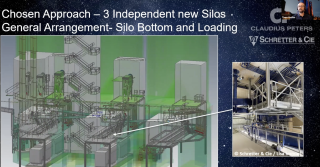
14 July 2022

13 July 2022
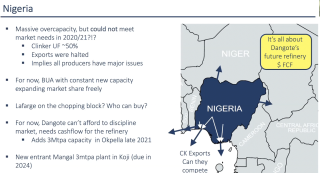
12 July 2022
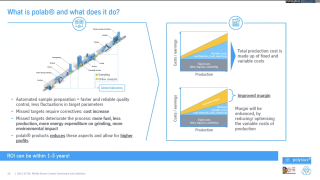
12 July 2022
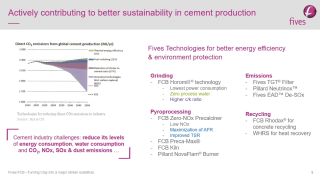
12 July 2022
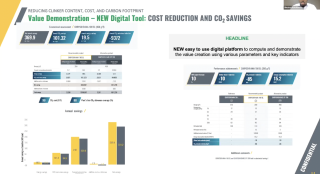
12 July 2022
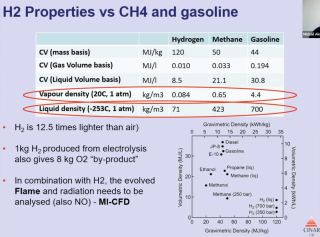
12 July 2022

12 July 2022
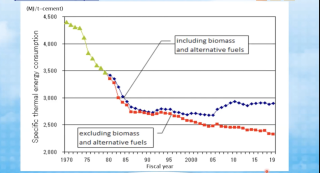
12 July 2022
12 July 2022
12 July 2022
12 July 2022
12 July 2022
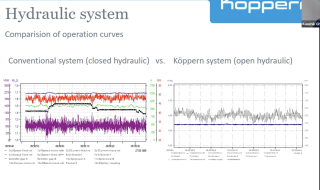
12 July 2022
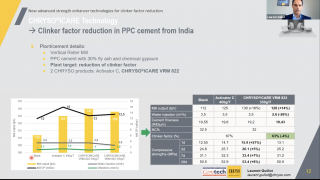
12 July 2022
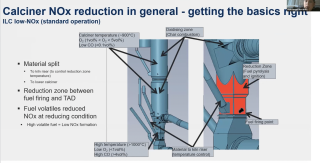
12 July 2022
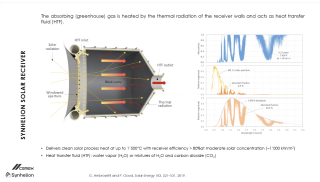
12 July 2022
11 July 2022
11 July 2022
11 July 2022
11 July 2022
11 July 2022
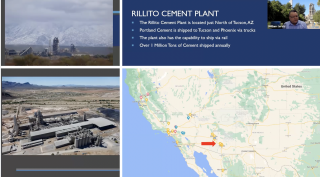
11 July 2022
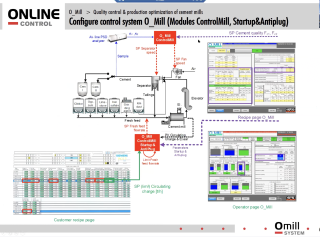
11 July 2022
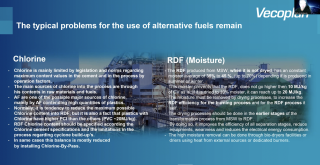
11 July 2022
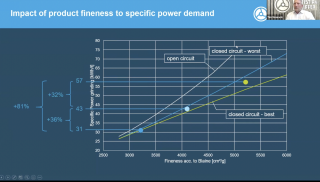
11 July 2022
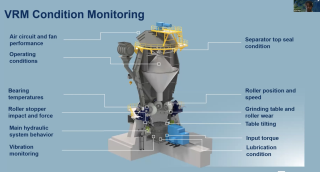
11 July 2022
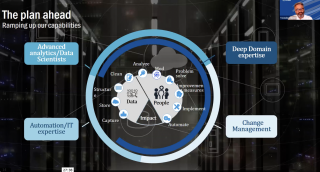
11 July 2022

11 July 2022
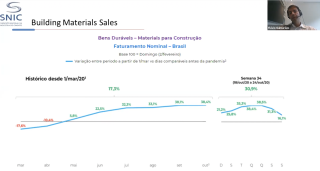
11 July 2022
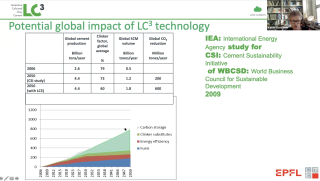
11 July 2022
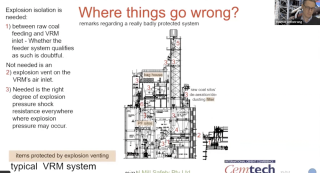
11 July 2022
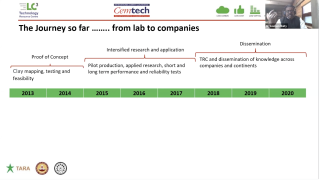
11 July 2022
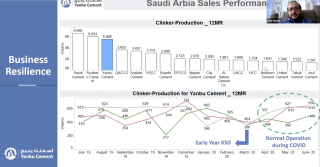
11 July 2022
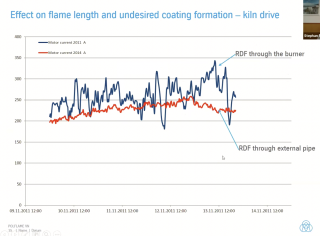
11 July 2022
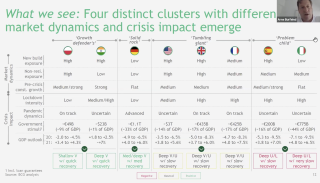
11 July 2022
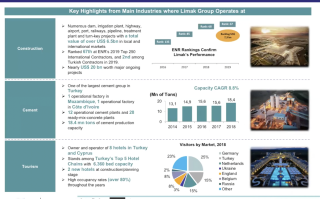
11 July 2022
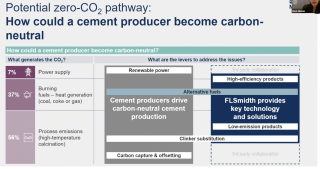
11 July 2022
11 July 2022
11 July 2022
11 July 2022

6 July 2022
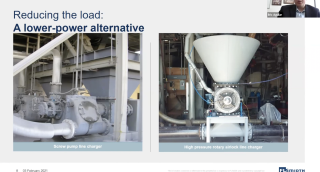
1 July 2022
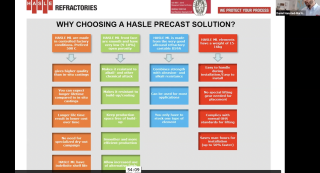
1 July 2022

8 June 2022

12 February 2021
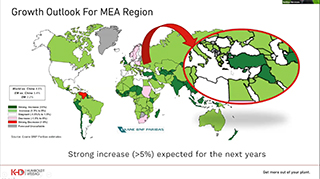
12 February 2021
12 February 2021
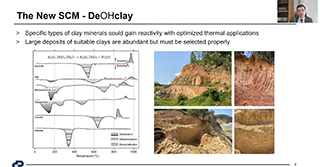
12 February 2021
12 February 2021
12 February 2021
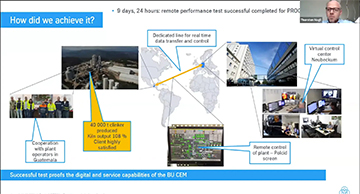
12 February 2021
12 February 2021
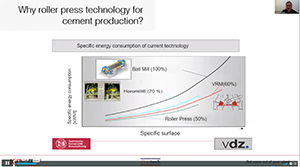
25 September 2020
25 September 2020

25 September 2020
25 September 2020
23 September 2020

22 September 2020
22 September 2020

21 September 2020
20 February 2020
10 February 2020

10 February 2020

10 February 2020

7 February 2020
27 January 2020
23 January 2020
23 January 2020
23 January 2020
23 January 2020
2 May 2019
30 April 2019
18 April 2019
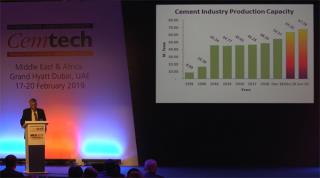
18 April 2019

18 April 2019
12 April 2019
12 April 2019
11 April 2019
10 April 2019
10 April 2019

10 April 2019
9 April 2019
9 April 2019
4 February 2019
17 January 2019
31 July 2018
31 July 2018
31 July 2018
27 July 2018
27 July 2018
27 July 2018
27 July 2018
27 July 2018
27 July 2018
27 July 2018
27 July 2018
27 July 2018
27 July 2018
25 July 2018
25 July 2018
25 July 2018
24 July 2018
24 July 2018
24 July 2018
23 July 2018
23 July 2018
23 July 2018
20 July 2018
20 July 2018
20 July 2018
20 July 2018
20 July 2018
20 July 2018
20 July 2018
20 July 2018
20 July 2018
20 July 2018
20 July 2018
20 July 2018
20 July 2018
20 July 2018
20 July 2018
20 July 2018
20 July 2018
20 July 2018
20 July 2018
19 July 2018
19 July 2018

19 July 2018
19 July 2018
19 July 2018
23 March 2018
23 March 2018
23 March 2018
23 March 2018
23 March 2018

23 March 2018
23 March 2018
23 March 2018
23 March 2018
23 March 2018
23 March 2018
23 March 2018
23 March 2018
23 March 2018
23 March 2018
22 March 2018
26 October 2017
26 October 2017
26 October 2017
26 October 2017
14 August 2017
14 August 2017

14 August 2017
14 August 2017
14 August 2017
14 August 2017
14 August 2017
14 August 2017
14 August 2017
14 August 2017
14 August 2017
14 August 2017
14 August 2017
14 August 2017
18 July 2017
18 July 2017
18 July 2017
16 June 2017
16 June 2017
16 June 2017
16 June 2017
16 June 2017
14 February 2017
14 February 2017
14 February 2017
14 February 2017
14 February 2017
14 February 2017
14 February 2017
14 February 2017
14 February 2017
14 February 2017
13 February 2017
13 February 2017
13 February 2017
19 January 2017
19 January 2017
17 January 2017
17 January 2017
17 January 2017
6 January 2017
18 August 2016
18 August 2016
18 August 2016

18 August 2016
17 August 2016
17 August 2016
17 August 2016
16 August 2016
16 August 2016
16 August 2016
12 August 2016
12 August 2016
12 August 2016

11 August 2016
11 August 2016
11 August 2016
10 August 2016
10 August 2016

10 August 2016

8 August 2016
8 August 2016
8 August 2016
6 May 2016
6 May 2016
6 May 2016
6 May 2016
6 May 2016
6 May 2016
6 May 2016
6 May 2016
6 May 2016
6 May 2016
6 May 2016
6 May 2016
6 May 2016
6 May 2016
6 May 2016
6 May 2016
6 May 2016
6 May 2016
6 May 2016
6 May 2016
6 May 2016
25 April 2016

25 April 2016
11 March 2016
11 March 2016
11 March 2016
11 March 2016

11 March 2016
11 March 2016
11 March 2016
11 March 2016
11 March 2016
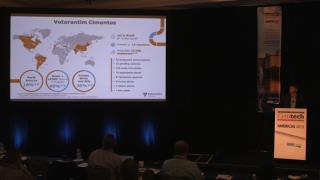
11 March 2016
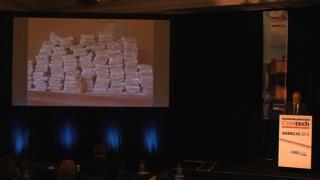
11 March 2016
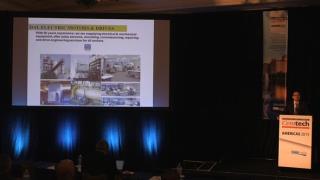
11 March 2016
11 March 2016
11 March 2016
11 March 2016
11 March 2016
11 March 2016
11 March 2016

11 March 2016
11 March 2016
21 December 2015
15 December 2015
15 December 2015
15 December 2015
15 December 2015
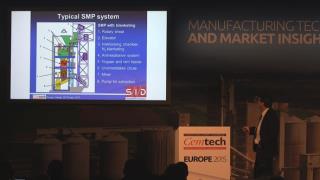
15 December 2015
15 December 2015
15 December 2015
15 December 2015
15 December 2015
15 December 2015
15 December 2015
15 December 2015

2 December 2015
2 December 2015
2 December 2015
2 December 2015
2 December 2015
2 December 2015
2 December 2015

2 December 2015
2 December 2015

2 December 2015
2 December 2015
2 December 2015
21 August 2015
21 August 2015
21 August 2015
21 August 2015
21 August 2015
21 August 2015
21 August 2015
21 August 2015
21 August 2015
21 August 2015
21 August 2015
21 August 2015
21 August 2015
21 August 2015
21 August 2015
21 August 2015
21 August 2015
21 August 2015
21 August 2015
21 August 2015
20 August 2015
20 August 2015
18 August 2015
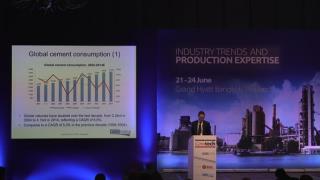
18 August 2015
18 August 2015
18 August 2015

30 June 2015
29 June 2015
29 June 2015
29 June 2015

29 June 2015
29 June 2015
29 June 2015
29 June 2015
29 June 2015
29 June 2015
29 June 2015
4 June 2015
4 June 2015
2 June 2015
2 June 2015
2 June 2015
2 June 2015

29 May 2015
29 May 2015
28 May 2015

28 May 2015
28 May 2015
18 February 2015
17 February 2015
13 February 2015
13 February 2015
Try searching for another title.