
2 September 2026
This transcript was generated automatically and may contain errors.
Hello and welcome to the July edition of this Cemtech live webinar. Welcome to everyone logging in for this session. Now into our seventh session looking at clinker reduction in this meeting covered many many different topics so far this year. But we'll be looking as I said at clinical reduction today and in the months ahead, there's plenty of interesting topics to be covered from decarbonization quality control alternative fuels the digital plants. So do keep tuning in on the first Wednesday of each month. My name is Tom Armstrong. I'm managing editor of international cement review. We're organized Cemtech events.
And as many of you know, we also produce the monthly magazine International cement review, which these webinars are quite closely aligned to in this issue out this month. We are covering Mexico new part projects. We have a an excellent technical paper from Sonoma on the Sino walk clinker cooler fourth generation cooler, but we also look at the Innovative end of low carbon cements in the in the magazine this month. We have epfl who are really Pioneers in Cal signs and lc3.
They've written a couple of Articles and we also look at graphene, which is more of a niche product at the moment, but an important cement performance improver so lots of new topics and old topics covered in in the magazine, but what I wanted to really highlight to you today is that we've published this month the latest addition of the cement plant environmental handbook. It's a third edition. It's really a collection of about 40 papers from all kinds of experts technical suppliers and cement producers stakeholders across the cement industry and we cover really the key levers for decarbonization and environmental Manufacturing in quite a lot of detail. It's a really excellent publication.
I hope you get the chance to read it. It's yours for free. All you need to do is Sign up to International cement review take out your subscription. You can do it. Now while you're watching the webinar just go to semit.com subscribe and once you're subscribed we'll send you this amazing handbook, which is out now this month. A few more things to promote things are really gonna getting back going in person conferences are obviously up and running again, which is brilliant, and we'll be in Barcelona in October. Lots of you have signed up already to join this this conference and exhibition, and we can't wait to be back and seeing you face to face.
So if you're in Europe or outside of Europe it really the topics presented here will be Universal. We have plenty of networking Garden our plant to all the usual components of the same Tech conference take a look online and hopefully see you in Barcelona this October And if not before online, we will be doing Cemtech Asia later this month really comprehensive review of markets and some of the projects that are going on in that region of the world. And I know that many of you log in from Asia, so don't forget to get your free registration later on today, and we'll be reminding you in emails over the course of the coming weeks.
So on to the topic of the day and Technologies for the production of low carbon cements clinker reduction is a key lever in the decarbonization. That's meant sector enabling producers to reduce their CO2 emissions and meet their individual sustainability roadmaps. And in this webinar, we're going to examine some of the key grinding Technologies. We have speakers looking at ball Mills and vertical roller mills chemical additives all the the key technologies that will help you achieve your goals your CO2 reduction goals and to help us with this. We are very pleased to have three leading companies in this area Christian Pfeiffer chryso and FL Schmidt and a real expert panel.
Will be hearing from FL Schmitz products line and Global products line managers based in in Chennai and looking at the from the perspective of vertical roller mills. We have chrizo here giving us the overview of cement additives and what they can do for high performance low carbon cements but to begin with and to start us off today. It's a real pleasure to welcome back Tim Novak who is head of process and R&D at the grinding technology specialist Christian Pfeiffer in Germany. He graduated as a mechanical engineer in 2000 after which he joined Christine fire as a design and project engineer.
He's held various roles there from process and service departments lead to cement division manager for Christian five for and more recently. He heads up the crisis team and research and development projects He's commissioned numerous projects and carried out audits cement plants around the world. So has a really comprehensive experience in this area in the area of grinding and separating cements. So I'm going to ask Tim if you'd like to share your slides and get us going. Welcome to the webinar over to you. Thank you, Thomas. It's always a pleasure being here and giving giving us the chance to talk about our topics. Let me see if I can get it.
and running Is it is it okay on full right, we can see that first slide is up, okay. Good. Thank you very much. The topic clinker reduction and production of low carbon cement was. Announced and the title for our presentation the role of ball middle grinding systems in this production of low carbon cement. My first impression was it's easy cement Mills or bone milks in general are able to grind nearly every piece of material which we which we can consider and therefore also for special new types of cement or low carbon cement something which is already invented or something which will be invented in the future.
Most likely the ball mill is still the the first and the first choice and most probably the best choice also later on in the process. But talking about the the let's say the main driven factors in the in the industry.
The last years is always how to get rid of or how to reduce CO2 emission for out from our industry and we are talking a significant High number of CO2 emission which we Emit and we know all the thermal process of calcination of limestone and this CO2 emitting from from this process where we see most of it comes from the calcination and also from the burning fuels so we need a lot of heat to generate this process and then the calcination of the limestone is giving us a huge amount of CO2 as well So this counts up that one ton of cement clinker ends up at 818 kilograms of CO2. So nearly one by one and this is a huge number of of CO2. And our our first goal is okay.
We cannot continue with what we do. Well if we continue producing three billions of tons of CO2 every year out from our industry The industry will will be in the bad condition and I see also 50% of our requests from customers nowadays are coming with something out of the box something which is differently to what they were looking for in the past. So conventional grinding plant OPC, whatever we will not see anymore so far in the near future. So we we cannot continue so we must rethink. And this giving us also some challenges I believe. the also in the past already executed I think the first simple equation was CO2 emission down goes by clinker reduction. So reducing the fact of clinker.
and when the clinker quantity goes down. To keep the target of the product. We need the quality of the clinker must go up. to keep the reactivity or if the Quantity equality cannot be improved further. We need higher Finance because normally under higher or smaller particle sizes. The reactivity of the same of the product goes up and so we can compensate the quantity of the clinker buyer finer material. Also not new is this. Be light Rich clinker, which is in the market since I don't know 100 years nearly. But it was it's a be light Rich clinker, which has a very low early strength.
So a lot of building building situations are not adequate using this kind of clinker, but nowadays they are forming reactive be light Rich clinker, which can then give us a chance to reduce this CO2 emission by around 12% due to less CO2 in in fuel from the fuel and less CO2 related to the reduced raw material calculation. But in in fact there the early strengths must be also kept or let's say compensated by a higher fighter. So you must grind your be light Rich clinker finer to achieve the early strengths values, which is then also electrical energy on the on the systems.
The other topic is Replacing or substitution of clinker by something else which gives us also certain strengths developments. And this is then we are when we are talking about this scms and looking into the properties of this material. We see the difference is clinker is nearly everywhere in the world processed to the same to the narrow specification. So we always have a this nearly same precondition for starting the making this amendment but and we have always nearly no moisture or zero percent moisture and a temperature of around 100 degrees when we get it to the grinding system. Comparing this with the scms. We are facing a lot of moisture problems with a with a raw materials.
The raw material is not processed in most cases. So we are talking about ambient temperature. and the sems varies a lot between the areas between the countries between the small quarries next to each other. Yeah, it's always a unique. product But considering now this topic of high moisture content and low temperature. The negative point of a ball mill in general is that we are generating a lot of heat which accounts as losses in combination processes. Because when the clinker is hot and it's dry, we don't need heat for drying or heating up the material. So this heat is counted as a loss.
while when talking about ambient temperature materials with certain moisture contents this heat is somehow turning into a required topic. So the heat generated in the middle. Can be also considered as a required energy for heating up the material temperature. for drying purses processes another approach is this Limestone substitute or adding Limestone to the to the cement and reducing the link effector here. We see a chart relative strengths 100% with 100% clinker and then it goes nearly linearly down. Over the addition of limestone and reduction of clinker. And when we see strengths development curve under different.
Quantities of limestone addition we see that there is a at a certain point a high drop strong decrease in strength development and we see around 77% roughly that we are going below the linear regression of strengths development. So the Limestone creates a negative impact to the strengths related to the high amount of fine Limestone powder. The thing which we also would like to highlight here is when we add only five percent or let's say up to 10% of limestone in the grinding. We don't see the effect of strengths reduction. We can even keep with up to 10% Limestone nearly the same strength as without limestone. Which is a great factor and I think most of the plants in the world.
They're using this by adding five eight ten percent of limestone to the cement mix because they don't see the negative impact on strengths development, but reducing the clinker by 10% An interesting approach is now when we see here the blue line. This is when we use Corsa limestone. Separately grind it and then add it to the Mater to the product and then we achieve less. strengths reduction by adding high amounts of limestone to it. Yeah, and this is quite interesting approach how we can make higher extents of Limestone Edition without reducing the strengths too much in the system.
But the result is most likely that you need an additional smaller most likely smaller grinding plant for Limestone grinding where you can maybe dry your raw material and then you grind it to a certain extent and this you mix with your normal fine cement powder. Grind it in your conventional milling and then you produce your mixed cement. Good. This was about limestone if we talk about other materials, we can see here the ternary system of calcium oxide aluminum oxide and silicon oxide. And with a faces and then different kinds of scms, which we see here. For example, this is the Portland cement Linker Slack. Lignite fly. Ash Stone Cold fly.
Ash a meta cowlin redmat from the aluminum industry or agricultural waste Is on the top here? And whenever we go with our raw materials away from the COC calcium oxide High contents. We need to change something. Otherwise, we are not getting the the The Binding material properties as we have it with cs c2s and c3s. and this is what we see in this chart. we the cro content reduces going from clinker over select flyish to metacoline. And the face content formed in the paste CSH and CA cah in the product goes also down. And without having these phases in the raw materials, we need to add an Alkali Car Agent material which then gives us the nearly same properties then former from the CEO.
And this activating agent. We normally say we need to grind it inside the Milling as an integrounding material. long-terms long story short all these kinds of different sems has Different resources different properties special behavior whatever and it's not coming from a pre-processed condition with a very narrow specification. And this means every solution every customer who having a request must be treated differently must be a created a solution for him nearly tailor-made. And this means we need pre-testing. We need close Tech communication and Technical Support. So we are changing from biased supplier. By A supplier action to a corporative partnership more or less.
Customer needs to give us information we built the solution together with him. So when the process from A to Z is not clear you need a partner to create the solutions. This is I think important to understand and we say we are able to deliver the full service from initial consultancy to analyzing the sem testing them in our pilot plant developing the plant concept and finally engineering delivery and commission. They required equipment. So we we can help you if you have your material and you want in a solution. Unfortunately, we cannot show you too much details about ongoing projects because first thing customers are doing please sign the NDA.
This is I think at the moment this the one of the points we cannot show too much because most companies Force us to sign ndas before getting in contact and sharing information. But it's a it's a big market right now, I think. Then just one minute to talk about our annual fiversemina. So grinding and seperating is our main approach is our is our in our DNA, and we always like to invite people to come to our headquarter and talk with us three days intensively about grinding and separating and the last two years was canceled due to Corona, but this year we really like to see people back in our office in our in our Workshop room and talking intensively face to face.
So please register and collect your the information from our website. And hope to see you soon in in Germany. Thank you. Thank you very much. Sin, that presentation. It's really clearly an exciting area. And you talk about sems there's a lot of I mean, it's a really wide and it's broadening the areas broadening you started talking about limestone and that's obviously perhaps a place for people to start in terms of clinker reduction. It's it's the most available material, you know, you can use your queries that you have already if you're producing cleaner.
are you seeing people install separate Mills for Limestone grinding or are they using the the main cement Mill and and kind of batch grinding alongside the the clinker? I mean, you mentioned that it's more effective to grind them separately and then and blend afterwards. Yes, that's what we see up to a certain extent. You can intergrind it in the existing Mills, but this is what they normally do. Since 2030 years already sem 2 cements, but if they look into higher quantities reducing more the clinker and not losing too much strengths on the on the cement. They should think about separate grinding and then mixing.
And that is that for kind of when you when you go over the 15 20 cents kind of substitution. Is that with me range where you need to think about separate grinding? I believe 30 40% is achievable, right? Okay in a cement with just clinker and limestone. Clinica gypsum and Limestone. Yeah, okay and other scms, you know, you're looking at obviously Cal sign Clays is that something that you feel has begun now in the industry, I mean, there's a lot of talk about the potential of Caroline plays. But are you seeing that already in terms of manufacturing? We have not yet executed a system, but we are talking with several customers about it.
I think most of the projects are not very huge scale right now. They're all testing. Let's say they want 20 30 40 tons an hour systems. Not much more. But definitely in the next years, I think this is one of the main SCM people looking into yeah. And a few specific questions that we've got coming up on the Q&A one going back to Long said how fine should the Limestone be in order to have no decrease in strength. We substitutions up to 10% I think this is when you when you integrate clinker and Gypsum to and Limestone together in one meal the softer Limestone tends to over grind more than the clinker.
So when you let's say if you look in the cement and the residues on the on the 45 mesh 45 Micron mesh is maybe nearly only clinker particles and you will not see a limestone particle because it's it's 100% finer than 45 Micron the same you can see also maybe on 20 Micron most of the limestone is over grounded in the middle, but this is okay if it is up to this 10% limit and if you reach 20% or 22% I think then you have the point where decreases much more than the linear reduction of clinker. Okay, a more general question according to your experience and research how much or is the maximum amount of clinker that can be replaced with an sem? You mentioned quite a high levels of limestone.
But what are your thoughts on that? I think nowadays you will see people considering. link of free cements Huh, so as without any cleaner inside if you get a the proper agent and activating the the materials which you use as an sem. Can be without clinker. Without burning without calcination. This is the really interesting topic. Let's say in this field. Are you thinking more of the kind of traditional scms like flash and slag and combinations or is that is that really going to be possible mainly with things like calcium clays? No, I think also flyish and slack activated and mix together can also be nearly 100% replacing Linker. And what about end users?
Do you have any sense of how adventurous or experimental Innovative they they are willing to be in terms of? pushing forward with these new types of cements formulations Can you repeat I didn't get so I'm thinking more of in terms of whether you have any experience of the end users. So the I guess the construction companies the concrete manufacturing companies. You know, it's it's we know that we can technically produce a lot of low CO2 cements. To what except extent is the market ready? For them and do you have any sense of that from from your interactions in the in the industry? I think this is difficult to answer now because I'm I'm not too sure about long time experience.
But I think the experience we got in in long term with with our cement types, which we made in the last decades or 100 years and the knowledge we gain from this gives us a good chance not waiting another 100 years to get to tell us. Okay. This is a good workable recipe or not, but I believe if you look into new projects. Nobody without the green element will get money raised to make a project happen. So I think most of the new projects will be in that field. And then money for for this project is finding the money is easy. And then I think in five years or 10 years. I think it's this will become The New Normal cement Type. Yeah, very good.
Yeah, no and certainly true that the the financing of new projects is definitely increasingly linked to CO2 reduction. There's a question about gyps and dehydration. Can you speak a bit around that in relation to the ball mill in your in your grinding systems and Egyptian dehydration? Yeah, of course, you need a portion of hemi-hydrate in in your in your cement and therefore you need to generate some heat in the in the grinding that it gets Hemi hydrate. But we we see some projects where grinding terminals on the harbors are getting cold clinker and they want to grind cement without additional heat then with with a Balmain.
You would still have a chance that let's say you generate so much heat inside the grinding that you don't need an external hot gas generator, which is nowadays. Also not really a green element. Yeah, right. Okay. Well and there are there are more questions. You'll see them in the Q&A if if you have time to go in there Tim, but many thanks for your presentation really interesting opener to this discussion. That was Tim Nowak of Christian Pfeiffer a few of you have asked if these slides will be distributed after the event. Yes, they will and you'll have all the speaker contact details there as well. So well let's let's move on now, we're going to look at chemical additives.
I'm very pleased to welcome back law from trizo. He's the cement business director for Western Europe Laura graduated with the Masters Degree in physics and chemistry from glenob and with an engineering degree in Ceramics from NC Marsh and he's been involved in the cement industry for 20 years for more than 20 years. He started in 1990s as a project team leader for special cements and cement additives for various International cement companies. He's been but being involved in many cement plant projects worldwide and for the last 10 years, he held different responsibilities for cry so covering semantics expertise and the coordination of Technical and Commercial teams around the world.
He's going to speak to us about Smith additives as the Keystone to producing high performance and low carbon cements over to you long. Thank you Thomas. Can you see my my presentation? Yes, we can see it. Thank you. Alright, thank you and thanks so much for your kind introduction and thank you to same Tech organization committee to to give me this opportunity to share with you and the attendance the letters advances regarding cement additive Technologies and to demonstrate how these Solutions can contribute to the carbon is a cement in these three low carbon cement production.
These afternoon it will be discussed that they are different labors to go towards the Net Zero CO2 emissions Target and roadmaps for for cement industry as it's been mentioned. One of these labor is driven through clinkier Factor addiction and I will stress how Crystal Solutions can be part of this technical challenge same and producer facing and I will share with you two case studies to to Showcase all new technologies can be fully part of this optimization.
I'll give you one example of a blended cement perfectly online with the presentation just before with Limestone cement with his wama one and Radial technology and I'll go further into process optimization to achieve additional Factor addictions with your technology. On top of that. I will share with you the different digital tools which are now available to maximize this benefits in terms of money savings, but in terms of CO2 savings as well. We could have some discussions and about the perspectives of this type of approach for the near future. The challenge for for cement and is free to reduce CO2 emission is not a down deal.
It's already been mentioned just before but cement is considered to be an industry where emissions are not easy to eliminate. So and as you can see on the left chart the challenge for future is is not so easy on the other hand the pressure to implement this reduction is speaking up all over the world. You can see that on the map that there is no country where there are regulations which are not implemented yet.
So there is no regions where carbon mechanisms are not all will not be implement it shortly and I think the best example is coming from Europe because a week ago, we had a validation with a new mechanism of ETS and CBA am so the carbon border are just making this which will Define this cup and conditions for CO2 regulations for the next decades. So this becomes a further reality. Today and the new way of cement Productions must be implemented as quick as possible.
Thomas you have mentioned this as introduction but the difference CO2 labors carbon capture Energy Efficiency terminal Energy Efficiency electricity intensity fuel switching are deeply described on a daily basis in cement and these three worldwide but during my speech we will go straight forward with clean here to cement ratio which give a high potential for CO2 optimization and the second one in ranking according to technology roadmap for low carbon transition in cement in history. Clinica factor means performance. It's been perfectly described just before by a team with different examples, but clean car reduction can be the correlated to to cement performance.
So we must maintain standard and Market targets, whatever regions in the world and it is in this context. What are the highly value of cement additive and strengths and answer especially they give the possibility to increase sem content in cement. They give the possibility to extend the type of SCM using cement many example have already been given just before and of course the target is to maintain the main quality requirements, whatever standard in the world this fight a lot of standard are evolving day after day to give more flexibility in terms of semen composition but maintaining cement performance. So increase oh, we have two levers for for that.
The first one is to play with chemical Activation. So chemical reactivity of clean care and additions to improve same and strength and on top of that to take into consideration process specificities and bottlenecks with these new types of cement to boost their reactivity. So I will share with you the letters Technologies, which has been proposed to the market during the past years about Blended cement and about specific process configurations.
I'll give you two example and I will exemplify the added value of cement additives in this context with the first example for optimization of clean care content, you know Limestone, you know, limestone-based cement with kizuama one and Radial technology and we'll go further in terms of maximization of SCM content in a composite cement or blend of limestone and puzzolan in a vertical volume will process with a cruiser Eye Care technology on top of that.
I'll show how we can demonstrates the highly value of this type of Solutions in terms of cost benefits and in terms of CO2 savings Reducing carbon footprint of Blended cement means maximizing the remaining room of improvement for clean care Factor and/or to provide required performance for new types of cement with new additions. We have some example from different places in the world with new types of cement new types of combinations like PCC composite cement in India Carlson clay base payment has been mentioned for the future in Europe in Africa.
We have Limestone cement in North America or in UK now which are expanding so all in all the same types and Technologies are changing and here's where my 100 Year technology is perfectly. I just table for this type of solutions and high performance activation to boost from early ages one day to free days to 28 days. It's a modular technology same entity liquid form to design specific products according to cement plant targets. So it's flexibility to play with early friends reactivity and grinding I just meant according to process.
Messages you have in the table what type of expectation and strength improvements we can expect depending on different type of additions puts online Flyers fly and limestone in this dashboard where you can see that up to 15 20% from two days to 28 days can be expected using this type of solutions which are chloride free product which can be at very low those age which means that in most of cases below 500 Grand per turn of cement added in the middle eitherable meal or Vertical Mill to improve cement reactivity.
As an example, you can see that for a limestone cement the same to alll42.5 or with a 10% Limestone content as a baseline composition with a ball mill closure treats intergraining co-graining conditions. So everything run together clinker and Limestone with a conventional process grinding data 250 gram per ton.
You can see in the table on the left column the initial performance and increasing has been described just in the presentation before increasing by 17 by 7% So going from 10 to 17 percent Limestone content with a direct impact on cement reactivity and same instrument so big drop from one day to 28 days as you can see and switching from this Baseline with a conventional process running a to new technology friends and activation. Sample with khizwama 125 Yen that free Android and 50 gram per turn of cement. You see the direct impact first or meal performance.
Thanks to the the good Synergy in between the grinding AIDS matters and the process and you can see that strands are going back to initial level despite the seven percent clean care content reduction in cement. So all in all this is a direct impact on environmental footprint of of cement with data from these plants going from 650 kilogram CO2 per turn of cement to a reduction of 56 kilograms here, too. Equivalent per ton of cement thanks to this approach. And of course this leads to substantial economical savings.
for the same implant for the performance remain valid whatever type of additions you can see that gained from one day to 28 days can be obtained for all common additions mean common additions at least once which are so far validated in most of the standards worldwide easier for Limestone for flyers or slide. Even though you additions are coming on the market that the idea of that is just to show that with this new strength and answer and cement adjective technology. It gives a possibility to to increase the SCM content in cement with significant levels. It gives a possibility to extend the type of SCM locally available. And in the time being we know difficulties we can face to obtain.
So write a CM locally and to use possibly together different mineral additions to produce composite cement with different. Blends in Europe, we have the example of same two cements M6 cement PCC cement in India. We are different types of Blends. So different types of reactivity can be obtained easily and you see that with this type of Technologies, the gains in terms of cement reactivity can be very interesting.
Now if we want to go further with optimization process as to be considered as well, it's well known that during grinding process is there for its own efficiency or for cement quality optimization border flowability from course to find particle is a key success factor without Potter through webability and control or too much fine particular in the grinding process, whatever type of process but in the grinding Workshop. This can lead to major issue we know and it's well described how important for webability and transport again from course to fine during raining is a key success sector of of grinding efficiency.
We know that grinding Gates play a key roles for this performance and especially trans and answer a very powerful effect on cement transport and in some cases. Too much for webability can really lead to adverse grinding effects. So the limitations we could face time to time with the use of let's say conventional strengths and answer for clean care Factor reductions. Can be a problem but now with a new phrasal Acura Technologies. There are no more limitations in this way and it's quite easy to overtake this this problems. So cruisel Eye Care technology, which is a patent pending technology is really disruptive for the right plants. What do we mean by the right plants?
You can see on the graph on the left of the presentation. That's when process running process shows some limitations with new cement compositions. We can face some problems in terms of flowability what I've described just before and we have some limitations in terms of dosage with the products which leads to some limits in terms of same potential and with a new technologies, which are now available cement extra activations can be achieved thanks to a very good Synergy effect in between materials grinding games and equipments with a 100% chemical activation potential which is fully accessible at all ages.
We can expect on top of that thanks to very good grinding condition and being described in the presentation just before the role of particular size distribution optimization and cement Finance. So controlling that can really lead to full activation and reactivity of this new types of cement and of course leading to this very high performance. It gives the possibility to reduce clean care factor in a very high level and to convert this skincare factor into CO2 emissions for addictions. So this type of Technology are declining to two types of ranges.
He's like here vrm for vertical Roller Mill same and grinding and his wife care CP for challenging processes in bore Mills where grinding different types of materials and and composition can be a challenge. And of course these are these these projects Design, according to cement plan specificities again. They can be proposed in chloride-free options with low dose age. So Below 500 Grand per turn of cement added in in the Mills. If we take the example of vertical Roller Mill this type of approach can really be of high-heid value because keeping the control on cement transport and behavior is a success factor for semen process efficiency and cement performance.
And so the best example is in Vertical Mill where they are different places where in the middle it's very important to have full control on on let's say order Behavior the key one, of course, he's on the grinding table where it's very important to have processed ability and to limit as much as possible vibrations and most of cases.
We see tackle with water injection to to make to make the process as smooth as possible but not controlling that we have an impact on the meal body with Delta bee let's say limitations and finally having a direct impact on separate or efficiency with limitations so taking into considerations this type of situation you have here an example of a composite same and base cement Co grinding in a vertical Roller Mill with a blend of putzola and Limestone with an initial SCM content or content of 14% And again, we comparing a conventional situation with a process grinding gate.
Switching to the letters technology Chris who I care vrm arranging this in this option with a 500 gram per ton of cement and you can see in the table the direct impact of switching from historical products to new ones in terms of meal Behavior. You see the direct impact with same amount of SCM in the meal with more than 10% milk performance Improvement without affecting the meal beer. You have the example of the mill deltapi in this example and you see the direct impact of better cement reactivity. Thanks to the chemical iditive, which is headed in the meal with a it's a four to five MPA increase from two days to 28 days. So what does this mean for cement plant?
This has been converted directly into a 4% SCM cont? Addiction increasing both Foods online and Limestone blend to reduce clean care in the same in the same proportion and with a direct impact on co2 footprint of the same end going from 613 kilograms CO2 percent of cement don't worse 582. So again a direct impact on co2 footprint of of the cement and we substantial economical saving. for cement In this example the benefits either in terms of CO2 or money savings per turn of cement or are clearly highlighted.
Of course the lower the CO2 allowance coverage when ETS is implemented the higher the benefits but all in all cases the cost of the additive the grinding it which leads to high clinker reduction is always balanced whatever you to price on markets that what you can see from the different life graphs finally for I price CO2 you have different assumptions on the right graph for high price CO2. You can see that and easily understand that the value of cemented Rises with CO2 prices. So all you know in the current context with higher CO2 crisis with either CO2 constraints these type of approach is really of Highly value for cement plants.
And in order to to demonstrate the value of cement additive usage either in terms of economy or in terms of chappie. I for operations digital tools are proposed by by chriso teams. The last one is adopt Quezon adopt this digital platform, which takes into account the different parameters process qualities CO2 constraints leads to Accurate cost and benefits analysis economical balance breakdown Insurance.
You can see on the left in between net savings CO2 savings energy CO2 reductions taking into considerations all the specificities of semen plants and giving the possibility to compare different cement additive different options at different costs with different level of performance to make sure that in terms of savings. The optimum is really rich and the same for Cape The right you can see that in terms of process mail output so meal performance in terms of clean care Factory reduction in terms of energy optimization. This type of digital tools really helps to to make sure that the benefits per turn of cements are really optimized. So this new tools are really to really helpful.
They are available and different digital platforms compute and demonstrates the value Creations. You can have using the difference Solutions and playing with the different and various parameters and key indicators you can have in your in your cements. Clean care Factory reduction is a global challenge with immediate effect on seven on cement carbon footprint and cost we've seen that just before CO2 rejection leads to Total production constraints. It's been clearly demonstrated just before in the question Christian type representation. We have constraints in Europe to uncertain rules in other parts of the world.
But so for full optimization, it's really cute to understand in depth challenges of cement manufacturers to propose destructive solutions for low carbon cement and for that this remains achievable with specific technical approach based on free pillars, which will drive future cement cement reactivity. We talk a lot about alternative schools and we serve the direct impact on symmetry activity new productions mode separate grinding new types of cement Limestone calcium clay Simmons how to to Anxiety and process characteristics bore Mills roller presses vertical volumes a lot of options are on now who available?
So chemical additives Crystal Solutions are really helpful and really makes sense in terms of technical benefits for cement cost savings for CO2 Savings in order to accompline and to support cement plants in terms of digital service to provide Solutions with the best and final benefits for CO2 Savings. Of course, we assess specific specificities for each plant according to operational and Technical characteristic and this really helps to play with all the levers we have in our hands to achieve additional King care Factory addictions.
So at the end lower carbon Footprints per turn of cement and of course to support the development of the new cements which are coming composite cement llc-free guel or whatever cements all around the world. So just to conclude all in all CO2 as a rising value worldwide. In carefactory addiction user powerful labor in the radiation of carbon Footprints it leads to very little to no capex. We've seen that readily available range of chemical Technologies across the world are there to support you Innovative R&D continuously delivering new technology for minimizing cleaner factors. I've even you two examples and solutions are telomere for different cleaners.
New clinkers are coming new processes to grind. Our communion cement performance requirements can be different from cement to final users in concrete and he's always continuously launching new additive chemical technology to assist in Plinko Factory reductions within changing context and objectives as in the example of kiswama 100 years series as described in this presentation, and you know, I care ranges.
So roadmaps towards carbon neutrality are clearly defined Now by by cement industry just put an example of the same Bureau for Europe with cementing the European green deal, which is very clear and with key suppliers such as Sango bank group hizzo to be confident for a successful implementation of this new Solutions worldwide. Well, thank you for your attention. And if you have any questions or comments times Thomas, I'm there. Thank you very much Lahore, and it's really interesting and you make I mean the fundamental point that I'm CO2 prices are starting to drive, you know, greater use of scms. Are you starting to see that already? And in what cement producers are trying to manufacture?
Can you can you really discern a big change now and increase in the different types of low carbon cements that produces are looking to to manufacture? Yeah. Yeah. There is no region in the world where simient compositions are not changing in all semen plants. There are projects to maximize clean your content and to switch to to hire additions, whatever types with historical one or new ones to prepare the future. But we are we are in now. Yeah, it's change is really fully implemented. And do you see Limestone as the as the most common area now? I mean we've seen it in the US with the PLC cements. Once the regulations have changed. It's really now starting to to move.
Yeah, it's well, it's the most simple one because limestone is is available in yeah an integrated plants or it's the easiest quickest one as a short-term action. So yes, it's it's the most common one that's people are really thinking about the next steps with a new ones call sign clay or other types of additions for for the near future. But yeah Limestone remain as a as a good starting point. But you see chemical additives at play role in every type of SCM. I mean is there is it is it something that you can add value whether it's a slag or a calcite clay or Limestone you feel there's a little for the additives. Yeah. Yeah each.
Well, each addition will well is reacting, you know different way either with clean care or alone itself. There are more less reactive. You are more. Let's put zolanic. So they can lead to adverse effects as well on concrete side regarding water demand regarding concrete rheology Behavior. Hmm. Yes, each addition really needs to have specific approach from cement to final concrete application which has to be considered as well, especially with the new types of additions. So but this can be tackled at cement level. That's a really important question.
There was a question here looking at you know, how How much research has been done with construction and infrastructure companies in understanding the behavior of these new cements with new additives? Once we get down to the the actual final performance when you're you're laying the concrete or you know. In the life of the building afterwards as well. Well, there is no R&D Project without construction company and final users because you cannot and it's been discussed in the presentation before you cannot consider this new cement without validation of final users. So you need to involve them. To to fill this new statements which are which could be different in the way.
They react in the way they behave in concrete. So involving all the partners from cement production to concrete user to contractors. It's a really key success factor for the future. We need to work in the same way. The future will be different new payments will be possibly different. So everyone has to To to be part of these developments to make that we are fully aligned in terms of expectations. Do you see cement producers having to work more closely with Downstream consumers of cement either Ready Mix or even construction companies so that the design process for each product for each project.
Yeah, it is and with you from from cement additives now most of cement additives using in cement of validated according to concrete Behavior means that we are really considering now how we can improve cement performance in the final application on concrete side. So how much change have you seen in standards and how to what extent are they supporting the development and innovation of new of new cements and concrete? Well, I think in each major regions Europeans tunnel has changed same to see same six now or possible. You mentioned North America. We type 1l or Gull in Canada our possible now you we are India with PCC.
So composite statements which are new so all let's say all major regions in the world are Helping to our supporting cement producer to to go further in terms of clean care content in cement composition to achieve the vco2 targets without changing standard. It would be very difficult to propose new low CO2 carbon cements. Yes quite so and a few questions now that we we've had come in there. There are a couple of looking at asking about the the basis for the performance enhancement. For example is the is the cement strength Improvement cause mainly when using an additive is it cools many because of the finest modification I increasing the blame or from the chemical effect itself.
It's it's a combination. Well, the first effect is a chemical Activation. So we thanks to the new technology. We are able to fully activate. I would say as a clean care and the addition which is added and as I mentioned thanks to better grinding conditions and better Synergy in between new cement composition running gate and Equipments bore meal vertical mirror whatever it's possible to optimize further particular side distribution of cement going out of the system. So again to have the full reactivity chemical and physical. Very good. Do you have the same capacity to enhance the performance of a cement in a vertical Royal Mill as you do in a ball mill or a different grinding system?
yeah, well, we have solutions for all grinding Technologies, whatever the Mechanics for impact of friction in a bore meal or under pressure in a roller meal or in a vertical role model, press these leads to use different chemicals, but at the end Solutions Are available just it's that's why it's really important to work together from cement plants with with the equipment which are available to final applications. But yes, whatever type of process it's possible to to achieve the level of performance. I've shared in the presentation. Thank you.
And there's a question about a specific question which type of grinding Aid product is most suitable for Limestone base cement to get a good slump retention in the concrete. So that's another question. And another one is is there any impact of Christ? I want 105 El on moisture content of posilana. So what is the contribution of the grinding Aid to moisture reduction if at all? Where grinding it we love no impact on moisture content. Okay the grinding yet. We'll have to deal with the moisture which is present in the meal and we have to adapt our Technologies according to to this type of special condition so we cannot change moisture, but we can adapt.
The design of our product to deal with high level of moisture and regarding Limestone. It's a very general question. It's been well described by team just before that depending on level of limestone you had in your in your cement composition. You can have a different direct or different impact on cement reactivity. So it's really depends from where we start which level we want to increase so it's not possible to give an answer but Limestone cement are used now for decades in Europe at very high level. So I think we can be confident to high performing Solutions.
And a question about the impact of different clinkers in the past different clinkers had different performance with the same additives is that true that the actual performance Improvement will be Tinker specific. Well zero, but the world of cement is changing. We are more and more grinding stations which can use different types of sourcing in terms of clean cars. So the robe business of cement idtv is a key success factor now, so this is integrated now in in the design of our projects to make them robust.
To clean care variations and we don't propose the same type of solution for an integrated cement plant with one line one Kiln versus a grinding station using 10 types of grinding source of clean care sourcing. So that's our job to design more and more robust chemicals to absorb the possible variations in terms of clean care reactivities. And one last question quickly, are you developing geopolymers and Alkali activators Solutions and products with you know with the goal of fully eliminating clinkers.
Well our job in his or is to propose chemical active chemical additives and not to to produce cements or we are there to support payment producer Portland based or whatever chemicals to make this segment reactive as as required, but that's just our job just to focus on that. Great. Okay, Phil. Thank you very much Laura for answering them all those questions and for great presentation, which is stimulated lots of thoughts and and discussion. So excellent presentation. Thank you.
And and now I'd like to welcome our next speaker really delighted to to have a Kiran my son our apple with us from FL Schmidt product line manager based in in Chennai and Karen Mize been with the company for more than a decade in different roles as a proposal engineer process design engineer and now the product line manager for grinding products her experience and process engineering includes sizing equipment and materials evaluation audit inspection and optimization of existing cement plant operations. She's been a technical adviser for project product and service sales erection and commissioning and plant layout chewing proposal and Order execution.
So a wealth of experience and she's joined with avenichkarahi who's the global products manager and of grinding products also fls have an issues been working in the spent industry for 28 years 22, which has been with us fls. He's currently head of global product line management for grinding products and has ownership of making sure fls's grinding products, they fully up to date with the market expectations in terms of safety technology quality performance and reliability. So two real experts with us. Now, if you'd like to share your slides Karen mites a warm welcome to you both. This presentation is producing sustainable cements the expanding use of Gems in cement grinding so over to you.
Thank you. Thomas can you confirm that you can hear see the presentation and me as well? Yes, we can we can see and we can hear perfectly well. so I'm just So yeah. Oh thank you for the introduction and the opportunity to present here Thomas. Hello everyone. I'm Kirin my and I'll take you through the topic. Producing sustainable cements with expanding usage of scms and we'll focus on grinding. In the later part of the session, I'll be joined by my colleague agnesh. Karahi head of global product line management for grinding products to answer your queries. The global production of ordinary Portland cement OPC is approximately 4 billion tons, annually.
It is a crucial material for building used to make concrete motor and other products. However, increasing attention is being paid to cement related CO2 emissions. their significant and constitute around 7% of total annual energy and Industry emissions Environmental and annual reports of major Western companies revealed that 561 to 622 kgs of CO2. Is emitted per ton of cement produced? The differences are there with related to the materials used to produce the cement the type of cement can used and the fuels being burned though. There can be significant variation globally. Energy intensive Industries such as Mining and cement are indispensable to the global economy.
And that's why it is essential to recognize and modernize these sectors. As a leader in the mining and cement Industries, we recognize our responsibility to bring these industries into a sustainable future. A Phil Smith has launched Mission zero. our sustainability commitment to enable our customers to move towards zero emissions by 2013 Today we'll focus on grinding products that are contributing to reaching this goal. In keeping with this important theme the content of this webinar highlights aspects of grinding with scms and the related benefits. In this presentation, we look at the current state of sustainable cement grinding.
Including the most common supplementary cementitious materials ground today. investigations for use of new and different scms in the future the equipment and services that fully enable the cement industry to achieve its substantial potential in relation to grinding and effel Smith's contribution in grinding towards achieving sustainable goals The use of alternative raw materials in cement production is increasing as producers are striving to comply with environmental regulations and reach their ambitious targets. With many decades of experience from grinding a wide range of different materials in vertical roller mills ball Mills and hydraulic roller presses.
Fhmet is in a position to share our know-how to help the industry make strides in reducing its carbon footprint while maintaining product Quality Equipment reliability and efficiency. As for the data from Wilson and Tennis 2021 Portland cement Association seen here are scms from left to right Class C. Fly ash caliently silica fume. class F fly ash flag cement and calcium shell scms can be naturally occurring materials or arise as a byproduct of other industrial processes. The global cement and concrete Association groups scms according to how they Harden. hydraulic scms Harden in the presence of water and include granulated Blast Furnace slag and burned oil shale.
Porcelandic materials they require the additional presence of dissolved calcium hydroxide are byproduct of the hydration of Portland cement in order to harden. These include fly. Ash silica fume calcium Clays burnt rice husk and natural puzzle-ons. Hydraulic cements have a higher early age strength while pozylons continue to gain strength for a longer period giving a higher long-term concrete strength. Both have been proven in construction applications. Limestone is not classified as either hydraulic or puzzylonic. but also contributes to the hardening of concrete putting it in an SCM category all of its own.
The table here gives a general overview and some background information for the different scms used in the cement manufacturing today. Slag a byproduct of steel production is available in industrial countries, but as Iron and steel production grow more efficient, we expect the availability of slag will diminish. It's grindabilities high and usually varies between 120 to 200 percentage of clinker. It can be substituted up to 700 up to 100 percentage those 70 percentages common. fly ash a byproduct of coal combustion for power It is available around 900 million tons per year. But only around a third of this is of high enough quality for use in cement and concrete.
It's grindability is low to moderate usually at 30 percentage that of Klinger. As coal is expected to diminish substantially fly. Ash is not a long term solution as well. Calcine Place naturally occurring worldwide are widely available. Sometimes even stockpiled as waste from Ceramics Manufacturing. The grind abilities easy usually less than 30 percentage that of Clinger. For calcium Clay's previously color control was an issue, but this has been resolved with the development of new technology from FL Schmidt. Natural porcelands are naturally occurring worldwide their availability and applicability varies. So does their grindability which varies between 30 to 100 percentage of Clinger?
They can be very aggressive and may require fine a particle size. Limestone, which is naturally occurring worldwide and is widely available. Has a low grind ability usually at 30 percentage of Klinger. It is used as a filler in regulating. And is regulated in varying amounts from 5 to 35 percentage and has been proven in Greater quantities with proper grinding. So there are just three materials Limestone granulated Blast Furnace flag and fly ash that presently constitute the overwhelming majority of mineral additions. The availability of these known sems is a function of geography and hence their usage might be limited.
In such locations identification of new sems would radically change the scenario. There are also seems to be a need to enhance acceptability of newer cement types with higher substitution of scms. This acceptability of higher substitution is also varying geographically. And hence standardizing based on success rates elsewhere in the world will help in decarbonizing the overall cement industry. Now, let's travel around the world a bit to look at current examples of SCM adoption, which learned has also touched upon briefly. Subcontinental India is a successful adapter of scms with an average clinker factor of points 71 in 2017.
This is largely thanks to the introduction of standards for composite Simmons in 2015 which encouraged market adoption as well as the widespread availability of fly ash from thermal power plants. Workland postalonic cement production in 2017 amounted to about 65 percentage of the market. And the clinker factor of PPC was also improved from 0.68 in 2010 to 0.65 in 2017. Portland slag cement makes up about 10% of the market and also reduce link a content in that time from 0.55 to 0.40. Throughout Asia a wide range of Blended cements or Portland composite Simmons are made in compassing many different additive materials. Including drafts, which is very hard to grind over in from the Quarry.
Stable and reliable operation has been proven in the okml even with this difficult material. table here shows typical operation for an okml grinding PCC with 71 percentage klingofactor The Brazilian cement industry has a long history of more than 70 years in the production of Blended Simmons with the Nationwide average clinker to cement ratio below 70 percentage. In Brazil, the most widely used SCM is currently Blast Furnace lag from steel mills. Though calcium clay and fly ash are also in the mix.
This balance is likely to change however as the country aims to achieve a significant reduction in the clinical quantity of its cement from current levels of from the current levels to 59 percentage in 2030 and 52 percentage into 2050. Given that slag and fly ash availability will be unlikely to keep up with the demand. The industry is looking to Limestone filler and calcine place to meet these targets. The United States use of scms is considered as Blended cement by the USGA. Blended cement refers to a finished Blended cement product made a testament plant or its terminals. In 2020 Blended cement accounted for only 3.2 percentage of the total cement production.
This low level of SCM use is largely because us cement plants generally follow the ACMC 150 standard. Which defines a limit of 5 percentage Limestone which in practice often translates to about 3 percentage? However, the 3.2 percentage doesn't include the Blended cement produced at concrete plants. This together with the experience with masonry cement with as much as seventy percentage Limestone addition and type 3 cement, which is 95% clinker and 5% gypsum, but with a product Finance of 5000 plus plane.
Both suitable for production and vrms should give the industry and end users the confidence that different recipes can be successful and that handling a wide range of product characteristics is perfectly possible as expanded cement standards adapted. In the future it is hope that end users will specify for performance rather than recipe even buying cement. This will give cement and concrete companies greater flexibility with their Blends and will make it easier to reduce the clinker Factor.
In the meantime Portland Limestone cement has been championed by the Portland cement Association as a lower carbon alternative to OPC utilizing Limestone filler to reduce the clinical content and does the environmental impact of cement by 10 percentage. Fillers are fine particulate materials inert or weekly reactive produced by grinding that can partially replace clinker or other reactive sems. The use of fillers to dilute are extend more valuable raw materials is widespread in other Industries including Plastics. Fillers are also a convenient finger substitute for the cement industry.
The UN EP sponsored white paper Echo efficient cements potentially economically viable solutions for a low CO2 cement based materials industry referenced here also includes references for Limestone addition to Portland cement in various markets around the world. The chart here shows the percentage of limestone substitution in Gray cement by country from 2000 through 2015 ranging from 1 to 20 percentage. The wide range of variation from countries with higher substitution levels to those with the lowest including the United States demonstrates the potential Improvement, but further adoption of Portland limestone cements. Based on extensive research.
It is expected that calcium clay may be substituted up to a maximum of 50 percentage. Let's result indicate that the strength achieved is comparable to PPC cement with power consumption lower than PPC at similar blend levels. This has also come up during times presentation today and I would like to add that we are currently executing a project in East Africa that involves making and using calcium clay as a substitute. Here is a snapshot of the expected benefits from lc3 cement with scms with other known cement types like OPC and PPC. The expected benefits show a decrease in power compared to PPC.
In the C degrees in the CO2 emission compared to PPC and an anticipated increase in cement capacity compared to PPC at similar blame levels. We have also seen cases where lime sludge devoid of any sulfur content is also a possible substitute for filler materials. Like Limestone that we have seen in the earlier slight. With increasing usage of scms. We clearly see a need to handle diverse physical properties with regards to size Grand ability and moisture levels Etc. Similarly on the final product properties like particle size distribution and its consistency will play a vital role in deciding the level of substitution or degree of sustainability achievable.
This calls for special considerations in the grinding systems in order to achieve the goals. Now, let's look at the various grinding equipments and services available that fully integrate scms and enable the semant industry to achieve sustainable potential with scms. Are Global presence of okemils means practically every type of cement around the world is already produced in an opml? This chart shows a small sample of some of the many cement feed materials the okml flexibility allows to be ground.
The colors here indicates the various components in the mix and you can see a diverse type of products right from the typical OPC to 100% flag, but also cement types which have about 60 to 70 percentage of limestone substituted. Okay cement Mills have now been The Benchmark for performance in global cement industry. This dual lobe design is Optimum for cement grinding because it supplies to distinct grinding zones a low pressure Zone and a high pressure pressure Zone. The low pressure area under the inner lobe da rates and consolidates the material to be ground. Grinding takes place in the high pressure Zone under the outer lobe.
The groove in the middle of the roller facilitates dearation of the material without fluidizing it. The net result is a maximum grinding efficiency with stability, especially at high Lane and finance often required when grinding with scms. the table here shows examples of mission zero cement that is produced in oks amendments. The example here is from a cement plant in North America that has been in operation for more than 15 years now. cement with approximately 70% Linker and additives including Limestone and slag. Another product not shown here uses fly. Ash to the same Mill also produces more Testament with 35% clinker and 60% Limestone at 7000 blame.
This is one of the many examples of cement types ground in Okemos. Separators there are an integral part of the latest grinding generation grinding system and place an important role in the overall efficiency with the varied scms being used. It is mandatory that the separator is capable of supporting the grinding process in order to achieve the sustainable targets. The OK semantle's ability to produce a wide range of high quality products is both attributed to its special grinding design. And also to the Best in Class available are okay ksh high efficiency separator. Ultimately product quality is defined by cement strength development and setting times.
To achieve the best result you need optimal particle size distribution and dehydration of the gypsum within the cement and for that the precise operational controls are clear Advantage enabling you to optimize the systems temperature profile Miller Flow separate speed and grinding pressure for Optimum efficiency and productivity. The latest Aro case search design includes physical dimensions optimized to enhance the velocity profile which means lower Park consumption and hence lower emissions and also lower wear due to the optimized velocities.
established critical internal gaps between guide veins and rotor help with the lower power consumption and it also comes with improved where protection Over the last 20 years in situ rebuilding or hard-facing has become a standard maintenance practice for vrm. Particularly for okay and a dog smells. But segmented wear liners that are more amenable to repeated welding. In order to improve our service capability felshmith has made a partnership agreement with gasoline to provide Welding Services for our vrms. Hard facing and of an okay Ramel in Asia is what you see here. This service is available globally and supported by both effel Smith and gasoline's reason Regional Offices.
The surveys also applies to OKC amendments as shown here. And it applies to all of our brms like the attacks will shown here and the frms which are not shown here in the picture. Digital Technologies simplify the adaption of scms and increase the potential for greater clinker replacement in the future. The capability of digital Technologies is continuously advancing giving even more reason for optimism about the future of scms. But even now there are a number of digital tools that optimize performance and productivity and to sustain and maximize efficiency. Process export control Solutions give operators greater control over their Mill operating parameters.
Advanced automation enables real-time adjustments to optimize performance and ensure maximum efficiency. Sensors continuously monitor Mill operation enabling you to see any drop in stability as it happens and reacts swiftly. This is helpful to avoid a decline in performance as you switch from one material to another. Automated Laboratories enable Optimum quality control throughout the process giving you the opportunity to adjust Mill feed in real time. Condition monitoring services and remote service support gives you 24 by 7 axis to expert assistance. So if there are any problems, they don't have the opportunity to escalate.
When it comes to condition monitoring, we do not just monitor the data. We see data as an enabler to provide the product and process knowledge. We have always delivered. The key benefits of a connected plant are to increase productivity and reliability reduce environmental impact cut operating costs monitor manage and optimize asset health. control and optimize operations enable faster decisions and actions real-time insights available to top management the use of a wider range of materials typically has a negative impact on where rates and Mill stability. Which can lead to a higher maintenance burden? However, that doesn't have to be the case. With tools such as online condition monitoring.
It has become much easier to be proactive about maintenance to the extent that you can eliminate unexpected downtime and considerably reduce your maintenance budget. For example by monitoring equipment performance. It is possible to develop a predictive maintenance program that is based on real-time operating data. You can identify how and why where is occurring? Prepare the necessary response and carry out the right repairs at the right time for minimal loss of productivity. Ultimately, a predictive maintenance approach is the best way to guard against the mechanical failures and Rising maintenance costs that would otherwise be inherent to adapting these new harder to grind materials.
As the cement industry Works to reduce its carbon footprint Investments have to be made in future proof Technologies capable of adapting to changing cement mixes and regulatory requirements. In the grinding process cement manufacturers need a flexible efficient system that is operated and maintained in an optimal manner. With the latest grinding Technologies Advanced Digital offerings and condition monitoring Services FL Smith believes. The industry is ready to achieve more widespread use of scms and achieve its carbon reduction goals. You have to stay ahead of the game and prepare for the future meet increasingly challenging CO2 targets.
Even for the countries where CO2 legislation is not very demanding yet. Producing sustainability still pays off. With this we conclude the session with the summary. In today's webinar. We addressed several topics related to sustainable grinding. We looked at the various types of scms available in the market and their classification. We looked at the adaption of scms across various Global markets. Efficiency Improvement upgrades with separators for presented which are enablers of reaching the sustainable targets and we reviewed the latest maintenance and operational services available to maximize your grinding system productivity. Thank you. Thank you very much.
Karen miles a great overview very broad presentation. We're looking at some also the digital aspects coming in increasingly, even for grinding stations the interesting to hear a little bit more about what's happening in India. I'm you mentioned quite a low level of limestone substitution in India, and there are issues of limestone availability. It's it's more precious in India than perhaps and other countries, but there's very high a very good low rather clinker Factor Flash and flag are used in quite large quantities. And can you just describe kind of the main cements that produced in India?
And is there a preference for vertical Royal Mills or do you see any different changes movement between bullmill and Vertical Mill for grinding scenes? If you ask us in general, I would definitely recommend a vertical Roller Mill for its efficient grinding and the overall efficient performance that it comes with. Not reducing the importance of ball Mills are roller process in any way, but I mean if if we have to pick and choose the best technology currently for grinding of very range of products would be a vertical Roller Mill. Yes. And when coming to India, we see quite a good range of Blended cements here. Like the Portland slag cement PSC the PPC which uses fly ash as well.
And of course, there are the traditional OPC and 100% slack being ground as well. Avnish, is there anything else that I am missing that you would want to add in terms of the types of cement? Not really Kiran. So also I think you answered that one and and Thomas would be I think it's a very Clear trend of going with the vertical roller mills when it comes to cement grinding particularly and I think the concern here is that and how true it is.
This is not very clear that people avoid to use roller presses for cement grinding and that when I says roller process, I'm talking about finish more where exclusively solar space needs to be this is kind of people try and avoid I believe it has to do with the quality concerns at least based on our internal testing.
We basically do not see so much of an issue except for the flowability a part of it, but in terms of PST and all we have not seen but I think it will take some time for the region to really go forward and be more comfortable using the roller places exclusively first human grinding so that is there otherwise, yeah, I do not see in the last many years is basically the The Roller Mill and by all means by fsmith. Also, we do believe that unless finish mode becomes really proven. I think this is the answer the vertical normals is to go is that party due to the scale of plant snapping installed in India.
There's a lot of new capacity under construction and the scale is is kind of increasing is that also something that goes in favor of the DRM? Yeah for semen grinding of course. Yes. So we do see specifically in India for some years now where in the Raw grinding when it comes or Limestone and the raw materials there.
We see quite a good share taken by the role the pressures and that also we do believe in that philosophy and when it has to be of course, there is a very clear guideline at least in if it's me, that's true when you should go for a vertical Roller Mill or when you should go for or roller, press these two are the leading Technologies because efficiency wise they are pretty close to each other. there's some questions.
I'm looking at the different types of men but especially lc3 and calcine Clays has it's still kind of early days really for for those products, but I know that fls's involved in some investigations and also cast iron clay production plants that are now being installed mainly in West Africa, but can you talk a little bit about the role of the vertical Royal Mail in producing these lc3 cements?
That so we've just seen in children's presentation slide where we could see a white mix of raw materials right from our essay slag or opposalona and that included Limestone also and the presentation actually covered the the specialty of the okay Mills where we talked about how the geometry is very Taylor Made for cement grinding applications. And this is where you know, the double Loop design that we talked about whether with the group in between that is helping us to Dear material with this.
So when adding Limestone also from the previous presentation from him, it was all so discussed that finest is also important the more we go for substitution with materials, like Limestone the finest does matter here and in general for for and also it was covered. Earlier in the in the program where one of the ways to improve the reactivity or to get to the same level of strength keeping. Everything else is same is by increasing the overall Finance. So we are actually the world is moving towards more final product and that way we do not see any problem and and okay mail is very well suited for a wide variety including this Limestone as well.
Okay, and with increased finances increased energy consumption presumably so how do you how do you square that up? Yeah, so that is again, you know, so that's a very valid point Thomas and I would say this is where we need to see what is Let's say the business case comes into picture. What makes sense and what do we want to achieve? What do we want to compromise and overall? Of course, the return on investment is is one thing but then it is all about how ambitious we are. So this is there is a balance that needs to be looked into for sure.
And in terms of cement additives do you see them playing a crucial role in production of low commonsense as we heard from now, what's your view from equipment manufacturers perspective? Yeah, absolutely. So there's a lot of talk we have had from all the other participants also that this is given we need to find newer and more effective ways of substituting the clinker that is a given because now we're talking about unfcc where we we have the the almost like a 200 or 193 countries agreed and sign that we will reduce the carbon footprint. And of course there are many other things also here. So yes, and then from what what effel Smith is doing one, we have already talked about that calcium clay.
It was mentioned that it's you we can go up to 50% substitution. That's one of one very as on date. It is the single biggest initiative that will have the highest level of impact on this carbon footprint reduction. And then otherwise, we are actually working and and partnering with the with some of our customers. We have done it with some of them already and some of them we are looking forward to this good dialogue and an interest from both sides towards what else we can do and how do we do this? And of course there will be some newer trials required your materials. So and we have it under our R&D road maps.
Also some of the activities related to this whole issue of mission zero is basically having a lot of content regarding the essence you Thank you very much avanish and Karen my for your presentation and for asking those questions really interesting to hear the latest from FL Schmidt with the production of low carbon cements and the vrms. Thanks also to our other speakers. That's all we've got time for today. So to Christian Pfeiffer and Chrysler and FL Schmidt, and thank you for joining us for this very interesting and important area in the production of cement something that's moving very fast and over the next few years.
We will see plenty of developments, and we look forward to advice you back to hear about those on this webinar Series. So thanks to all our speakers for joining us today. And thank you audience for for dialing in very grateful. It's been a lot of people clearly interested in. Objects, so do follow the progress that we make in the pages of international cement review as well where this is an important subject. We cover it often until the next time do take a little moment to read up on what we're planning to do for Cemtech in Europe, and we'll be in Barcelona on the seven on the second to the fifth of October.
If you can make it over do do come it'd be great to see their with us in this in person event making a change from the webinars and lots of fantastic speakers lining up for that meeting. That's all we have time for today. Thank you for tuning in and we'll see you again at the next Cemtech webinar if not before and thank you once again to all our speakers. Goodbye and good evening and good day wherever you might. Be around the world. Thank you. Thank you very much Thomas entity.
Video library
Browse 410 conference presentations, webinars, interviews and technical films from the modern CemNet video archive.
410 videos
2 September 2026

1 July 2026

1 July 2026

30 June 2026

30 June 2026

30 June 2026

30 June 2026

30 June 2026

30 June 2026

30 June 2026

30 June 2026

3 June 2026

13 May 2026
9 April 2026

1 April 2026

4 March 2026

27 February 2026

27 February 2026

27 February 2026

27 February 2026

27 February 2026

27 February 2026

17 February 2026

11 February 2026

7 January 2026

3 December 2025

5 November 2025

16 October 2025

8 October 2025

3 September 2025

2 July 2025

4 June 2025

7 May 2025

2 April 2025

18 March 2025

18 March 2025

5 March 2025
3 March 2025

5 February 2025

8 January 2025

4 December 2024

13 November 2024

6 November 2024

9 October 2024

4 September 2024

3 July 2024
10 June 2024

5 June 2024

8 May 2024

23 April 2024

23 April 2024

23 April 2024

23 April 2024

23 April 2024

22 April 2024

22 April 2024

16 April 2024

16 April 2024
11 April 2024

3 April 2024

11 March 2024

6 March 2024

7 February 2024

10 January 2024

10 January 2024
10 January 2024

6 December 2023

1 November 2023

4 October 2023
15 July 2023

15 July 2023

15 July 2023

15 July 2023

13 July 2023

24 March 2023
14 July 2022
13 July 2022
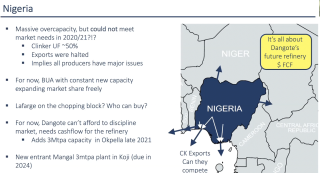
12 July 2022
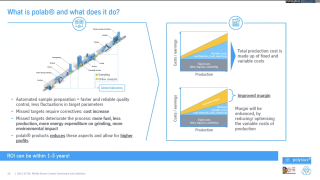
12 July 2022
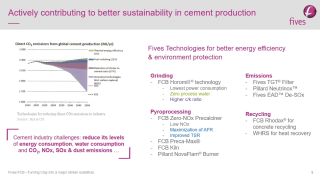
12 July 2022
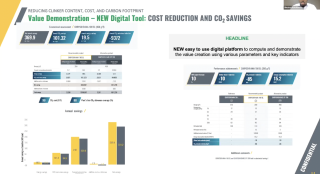
12 July 2022
12 July 2022
12 July 2022
12 July 2022
12 July 2022
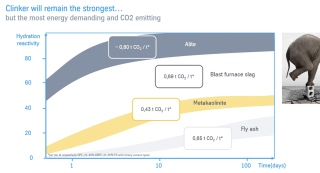
12 July 2022
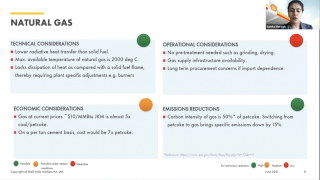
12 July 2022
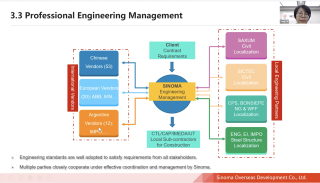
12 July 2022
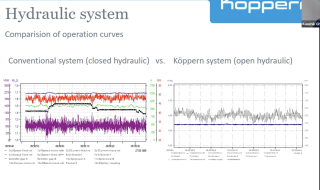
12 July 2022
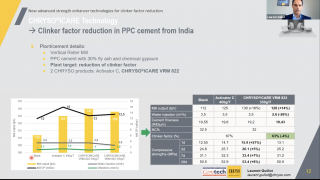
12 July 2022
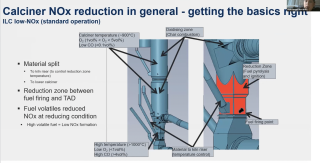
12 July 2022
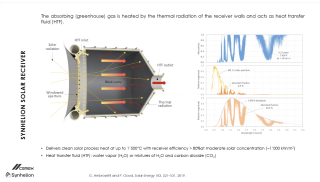
12 July 2022
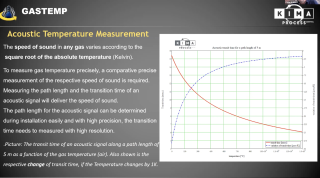
11 July 2022
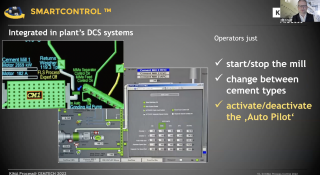
11 July 2022
11 July 2022
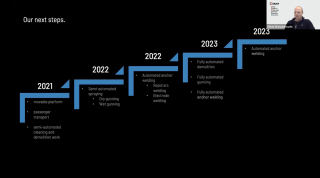
11 July 2022
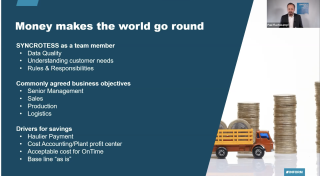
11 July 2022
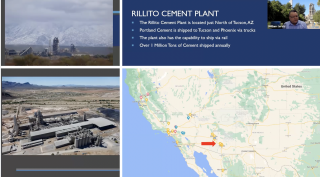
11 July 2022
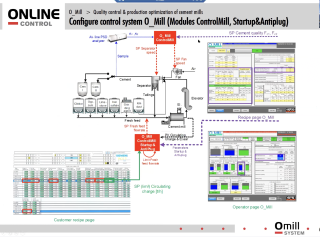
11 July 2022
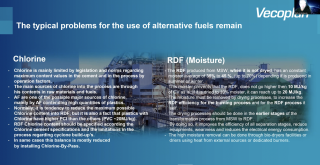
11 July 2022
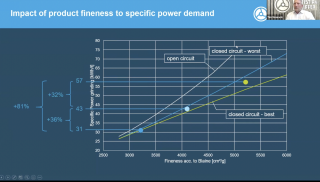
11 July 2022
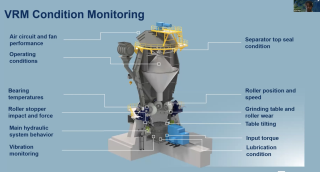
11 July 2022
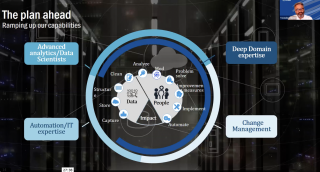
11 July 2022
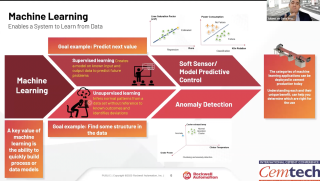
11 July 2022
11 July 2022
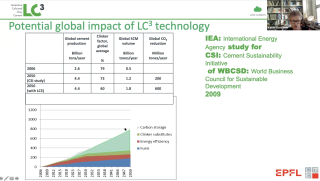
11 July 2022
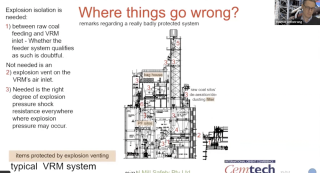
11 July 2022
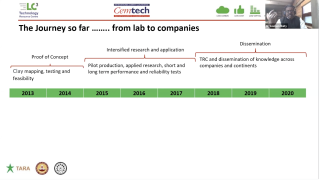
11 July 2022
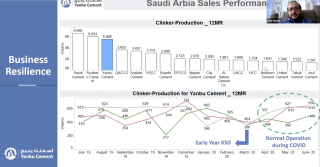
11 July 2022
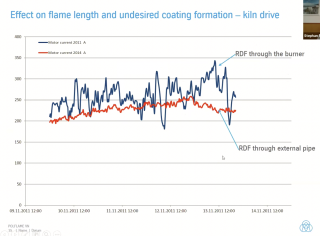
11 July 2022
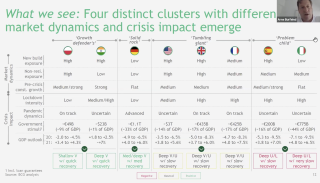
11 July 2022
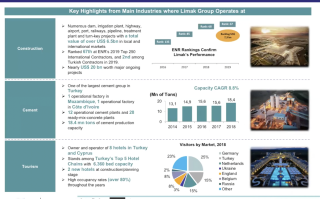
11 July 2022
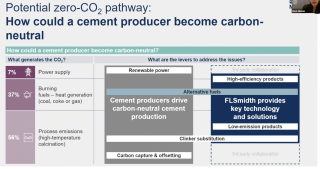
11 July 2022
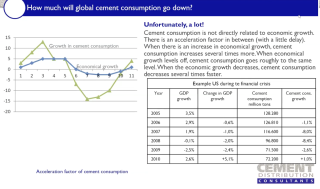
11 July 2022
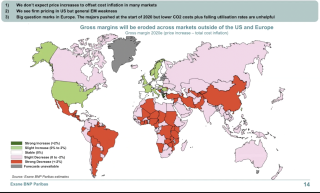
11 July 2022
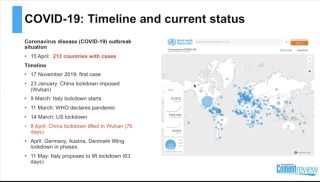
11 July 2022

6 July 2022
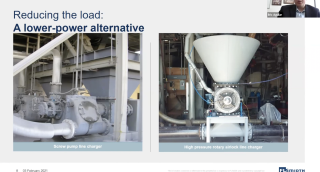
1 July 2022
1 July 2022

8 June 2022

12 February 2021
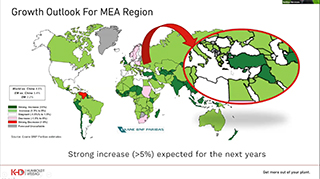
12 February 2021
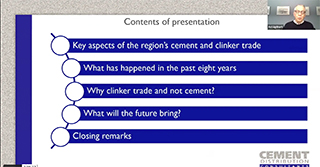
12 February 2021
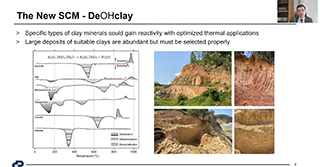
12 February 2021
12 February 2021
12 February 2021
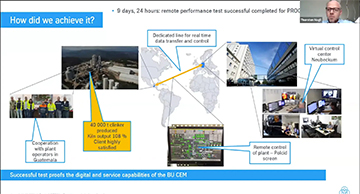
12 February 2021
12 February 2021
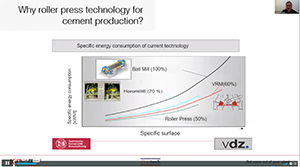
25 September 2020
25 September 2020
25 September 2020
25 September 2020
23 September 2020
22 September 2020
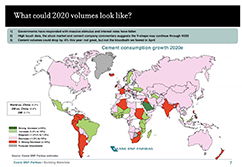
22 September 2020
21 September 2020
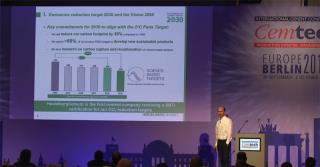
20 February 2020
10 February 2020
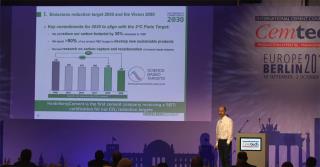
10 February 2020
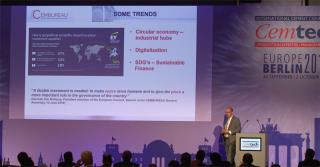
10 February 2020
7 February 2020
27 January 2020
23 January 2020
23 January 2020
23 January 2020
23 January 2020
2 May 2019
30 April 2019
18 April 2019
18 April 2019
18 April 2019
12 April 2019
12 April 2019
11 April 2019
10 April 2019
10 April 2019
10 April 2019
9 April 2019
9 April 2019
4 February 2019
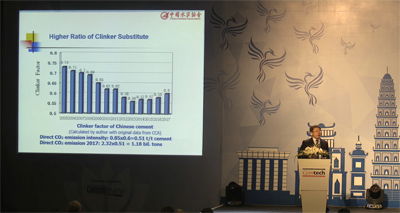
17 January 2019
31 July 2018
31 July 2018
31 July 2018
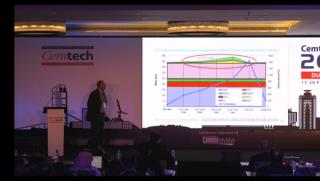
27 July 2018
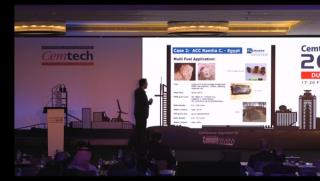
27 July 2018
27 July 2018
27 July 2018
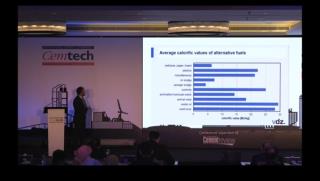
27 July 2018
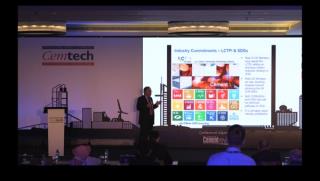
27 July 2018
27 July 2018
27 July 2018
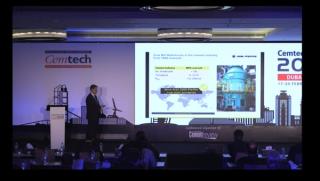
27 July 2018
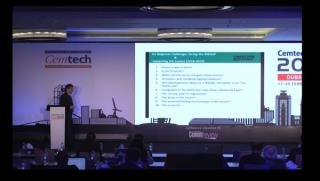
27 July 2018
25 July 2018
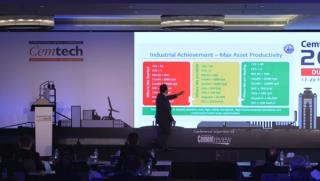
25 July 2018
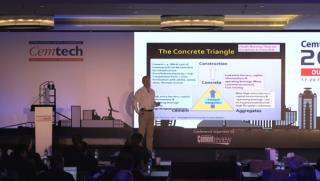
25 July 2018
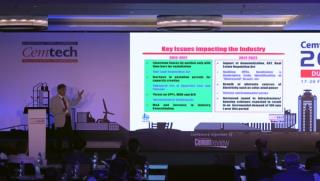
24 July 2018
24 July 2018
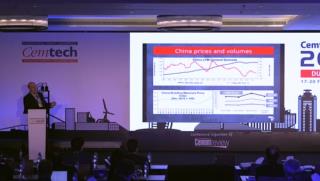
24 July 2018
23 July 2018
23 July 2018
23 July 2018
20 July 2018
20 July 2018
20 July 2018
20 July 2018
20 July 2018
20 July 2018
20 July 2018
20 July 2018
20 July 2018
20 July 2018
20 July 2018
20 July 2018
20 July 2018
20 July 2018
20 July 2018
20 July 2018
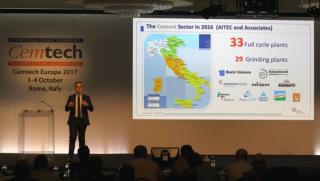
20 July 2018
20 July 2018
20 July 2018
19 July 2018
19 July 2018
19 July 2018
19 July 2018
19 July 2018
23 March 2018
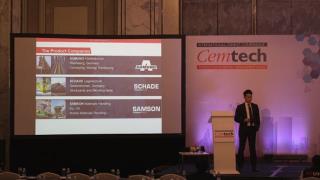
23 March 2018
23 March 2018
23 March 2018
23 March 2018
23 March 2018
23 March 2018
23 March 2018
23 March 2018
23 March 2018
23 March 2018
23 March 2018
23 March 2018
23 March 2018
23 March 2018
22 March 2018
26 October 2017
26 October 2017
26 October 2017
26 October 2017
14 August 2017
14 August 2017
14 August 2017
14 August 2017
14 August 2017
14 August 2017
14 August 2017
14 August 2017
14 August 2017
14 August 2017
14 August 2017
14 August 2017
14 August 2017
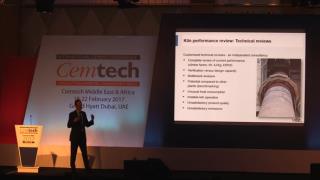
14 August 2017
18 July 2017
18 July 2017
18 July 2017
16 June 2017
16 June 2017
16 June 2017
16 June 2017
16 June 2017
14 February 2017
14 February 2017
14 February 2017
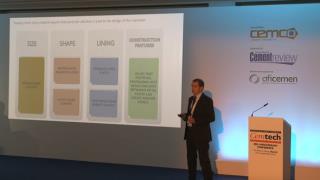
14 February 2017
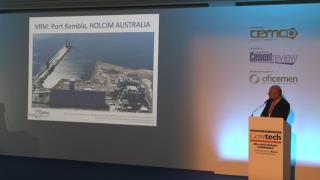
14 February 2017
14 February 2017
14 February 2017
14 February 2017
14 February 2017
14 February 2017
13 February 2017
13 February 2017
13 February 2017
19 January 2017
19 January 2017
17 January 2017
17 January 2017
17 January 2017
6 January 2017
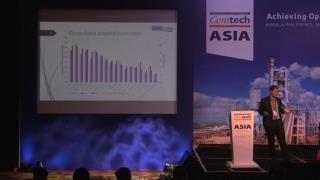
18 August 2016
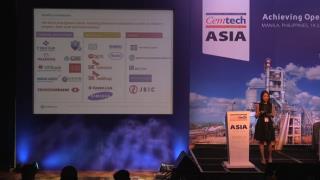
18 August 2016
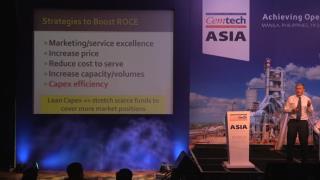
18 August 2016
18 August 2016
17 August 2016
17 August 2016
17 August 2016
16 August 2016
16 August 2016
16 August 2016
12 August 2016
12 August 2016
12 August 2016
11 August 2016
11 August 2016
11 August 2016
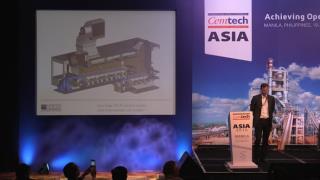
10 August 2016
10 August 2016
10 August 2016
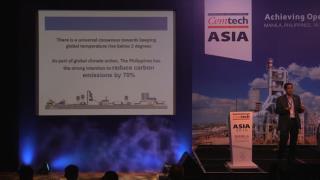
8 August 2016
8 August 2016
8 August 2016
6 May 2016
6 May 2016
6 May 2016
6 May 2016
6 May 2016
6 May 2016
6 May 2016
6 May 2016
6 May 2016
6 May 2016
6 May 2016
6 May 2016
6 May 2016
6 May 2016
6 May 2016
6 May 2016
6 May 2016
6 May 2016
6 May 2016
6 May 2016
6 May 2016
25 April 2016
25 April 2016
11 March 2016
11 March 2016
11 March 2016
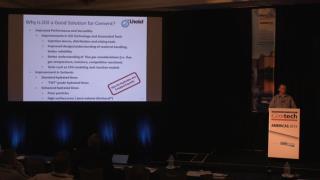
11 March 2016
11 March 2016
11 March 2016
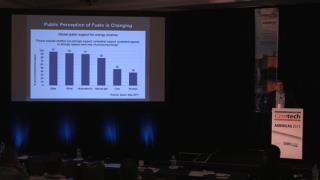
11 March 2016
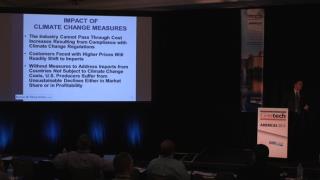
11 March 2016
11 March 2016
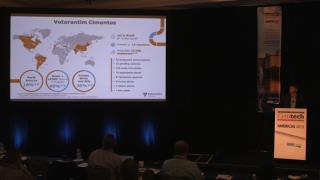
11 March 2016
11 March 2016
11 March 2016
11 March 2016
11 March 2016
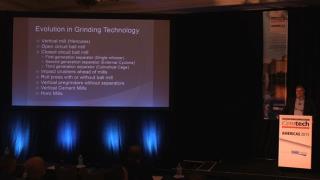
11 March 2016
11 March 2016
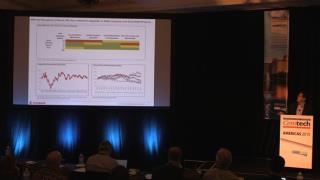
11 March 2016
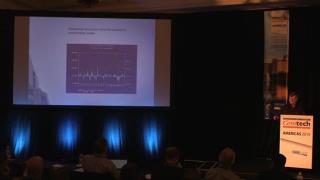
11 March 2016
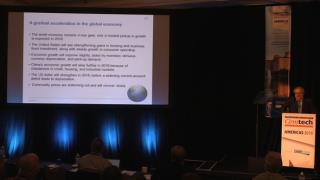
11 March 2016
11 March 2016
21 December 2015
15 December 2015
15 December 2015
15 December 2015
15 December 2015
15 December 2015
15 December 2015
15 December 2015
15 December 2015
15 December 2015
15 December 2015
15 December 2015
15 December 2015
2 December 2015
2 December 2015
2 December 2015
2 December 2015
2 December 2015
2 December 2015
2 December 2015
2 December 2015
2 December 2015
2 December 2015
2 December 2015
2 December 2015
21 August 2015
21 August 2015
21 August 2015
21 August 2015
21 August 2015
21 August 2015
21 August 2015
21 August 2015
21 August 2015
21 August 2015
21 August 2015
21 August 2015
21 August 2015
21 August 2015
21 August 2015
21 August 2015
21 August 2015
21 August 2015
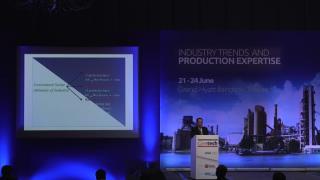
21 August 2015
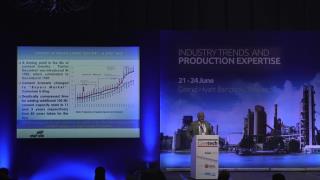
21 August 2015
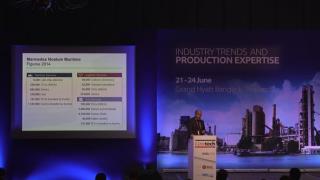
20 August 2015
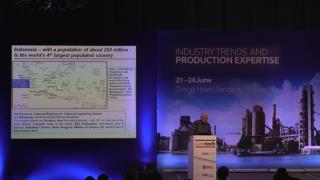
20 August 2015
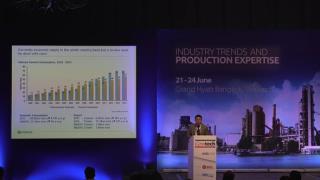
18 August 2015
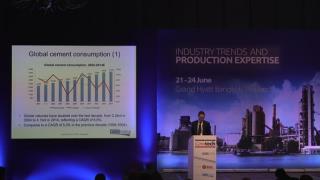
18 August 2015
18 August 2015
18 August 2015

30 June 2015
29 June 2015
29 June 2015
29 June 2015
29 June 2015
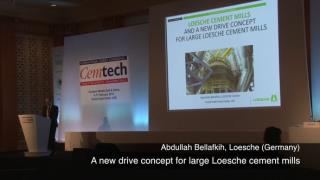
29 June 2015
29 June 2015
29 June 2015
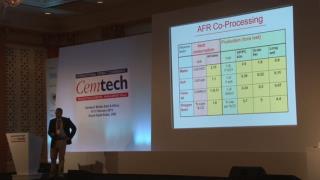
29 June 2015
29 June 2015
29 June 2015
4 June 2015
4 June 2015
2 June 2015
2 June 2015
2 June 2015
2 June 2015
29 May 2015
29 May 2015
28 May 2015
28 May 2015
28 May 2015
18 February 2015
17 February 2015
13 February 2015
13 February 2015
Try searching for another title.