
2 September 2026
This transcript was generated automatically and may contain errors.
Hello, and welcome to the Cemtech Live webinar. It's July 2026. My name is Tom Armstrong, Managing Editor of International Cement Review. It's a pleasure to be here with you today. For those of you who know us, you'll have seen this slide before. We're now well through the year. We've covered lots of ground in the various Cemtech Live webinars that we hold each month. And really, this is a chance for us to spotlight important industry innovations, technology updates, information that we hope will help you identify the best available technologies for your manufacturing plants, and help you work towards the excellence that you're trying to achieve wherever you are in the world.
I think we're going to discover some new things today that will be very helpful. Pyro Processing is our topic. Before we go on, a quick word about International Cement Review. We've been a publication active in the industry for over 35 years. We publish every month comprehensive insights into manufacturing technologies and their application across the entire cement production process. And if you found yourself here today to this webinar, then that means that you should be reading International Cement Review too. So do go over to our website, cemnet.com/subscribe, and you'll find out a little bit more about our publication. This is the Cement Plant Operations Handbook.
And now it's in the seventh edition. But it comes free with your subscription, but it is really actually a very important publication. It's a key reference. It's used by many of the leading cement producers in their training and operation of cement plants. And it comes free with your subscription. Do check it out. There's more information online. Many of you also know us for our intelligence products. Above all, the Cement Report, Global Cement Report, now in its 16th edition. We are publishing that in the next month. It's available to pre-order now. We cover 175 or more markets, consumption, production, trade, narrative describing the industries. It's all online with a dashboard.
Our plant database is available too. But really it's something that whether you're a producer or a supplier or anyone involved in the industry that needs to understand how the markets are moving, this is the starting point. So that's coming up in the next month or so. Also looking ahead briefly to October after the summer, get back into the swing of things, we will be holding Cemtech Europe this year in Paris. And we're very excited to be coming to this important city and important country really for the history of cement. Those of you who have studied the history of modern hydraulic cements will know about Louis Vicat.
This is a great contribution and the industry is still a major contributor to technology and manufacturing, not just in France, but worldwide. So we're really excited. We've got some great speakers and a large sold-out exhibition. It will be another busy Cemtech. So come to Cemtech Europe if you're free in October. But now to the matter at hand. We're going to go into pyro processing technologies. Obviously, the core part, the clinker manufacturing section of the cement plant.
The common theme here really, I guess, is that as the industry is moving more into alternative fuels, into alternative materials, the way that we're operating plants, the priorities, the challenges are becoming more evident in relation to alternative fuels, et cetera. And many of these products and solutions here are helping to deal with those pressures and challenges. And we'll be hearing everything from the hot gas enthalpy to AI to optimizing coolers and waste heat recovery. And we're going to start now with a presentation from Fuller Technologies, formerly FLSmidth, who have a great product, the Crossbar Cooler. I'm going to hear about cooler upgrades here.
And I'm going to just quickly get the slides ready for our speaker. I'm very pleased to welcome Gareshankar Ramachandran, a senior product specialist at Fuller Technologies. He holds a bachelor's degree in mechanical engineering, more than 20 years of experience in pyro systems, specializing in clinker cooler technology. Throughout his career, he's been instrumental in implementing design improvements to enhance the reliability and efficiency of clinker coolers.
With extensive field experience gained from more than 30 cement plants worldwide, Gareshankar is dedicated to driving continuous improvement in product performance through clinker cooler design, development, troubleshooting And manufacturing audits and customer seminars. So here we are. Gouri Shankar, it's over to you. I hope you can see- Yeah... the slides, and I'm ready to be your support here. So welcome, Gouri Shankar, for your cooler upgrade presentation. Yeah. Thanks, Thomas, and hello, everyone. Yeah. Thanks for joining the webinar on cooler upgrades that delivers exceptional value. Yeah. Can you move to the next slide? Yeah.
In this session, we will see about introduction of the crossbar coolers, crossbar cooler features, and cooler upgrades and benefits. Yeah. Next one. Yeah, the development of crossbar cooler. So we launched the first crossbar cooler in 1997. So it is a successful and widely adapted cooler called SF cooler. So we have sold more than 200 units in that period. And SF cooler is a sloped cooler having stationary crossbars and mobile crossbars. Then later, we have introduced our multi-mobile crossbar cooler in 2004, which is a horizontal cooler with only mobile crossbars. And comes the latest one called the CB cooler.
So we launched the original version in 2010, and followed by the latest version in 2021. So it is having highest availability, combining the benefits of both SF cooler and the MMC cooler. Yeah, next one. Yes. Again, over 25 years of proven results for the crossbar type coolers since we are selling from 1997, so more than 450 coolers has been sold so far. Or in other terms, we can say 670 million tons of clinkers per year is produced through our crossbar coolers. And in the charts below, so we are showing the latest CB coolers sales. So we have actually sold more than 200 crossbar coolers, and out of which, hundreds are in the higher capacity range of 6,000 to 13,000 TPD. Yeah, next one.
So how is crossbar cooler different from the traditional coolers? So you can see a quick comparison here on the videos. So crossbar cooler is having reciprocating crossbars just placing above the static air distribution plates, which means the conveying mechanism is separate and the cooling mechanism is separate, so any wear on this moving crossbars will not affect your cooling efficiency. Means it will have a consistent thermal efficiency over a period of time. Say, for instance, after one year, the crossbars may wear out, but your cooler efficiency will not affect. So it will maintain a consistent thermal efficiency.
But on the other side, the grate coolers, you can see in the videos, it is having the movable grates and the fixed grates. So normally, you will see more wear in this connection area, where the grate grates get worn out after six months, and you'll see a lot of fall-through, and then over a period of time, your cooler efficiency also will come down. So on contrast, the crossbar cooler having the consistent efficiency, and there is no fall-through as the grate grates are static. And since there is no fall-through, there is no need for under grate conveyor, and we need only conveyor after the discharge hopper from the HRB or the crusher. Yeah. Next slide, please.
The working principle of crossbar cooler. So the conveying mechanism is happening in three-step process we call shuttle motion. So in the first one, step one, you are seeing the picture showing the air distribution plates in light gray and the blue lanes or crossbars, which are actually conveying the clinker. So in the first step, all the crossbar lanes are moving forward, and in the second step, it alternate reverse, so the odd number lanes like one, three, and five will come reverse. And in step three, even number lanes will come reverse. It's mainly to prevent the backflow of the clinker during the reverse stroke. Yeah. And we also have the features like adjustable stroke length.
Normally, the nominal stroke length is 300 mm, but we can also adjust the stroke length depending on the cooler operation. And it also has an ability to convey the clinker with even one drive in stop condition. Yes. Next slide. Yeah. The crossbar cooler features. So some of the key features, like air blast controlled inlet and M-eforce, stationary sealed grate line, separate cooling and conveying mechanism, horizontal design and optimized transfer method, and hot air recirculation possibility. So we'll see in detail in the coming slides. Yeah. Next slide. So the first one goes ABC inlet, the air blast controlled inlet, which is a default fixed inlet for the crossbar cooler.
But it is also a standalone product that can be retrofitted in all the grate coolers. So it is again a proven equipment which we have launched in around 2006, and its main purpose is to eliminate the snowman by using blasters in the grate plates. On the left-hand side, you are seeing the video, the working principle of the ABC inlet. So you are seeing the stepped grate plates, which is connected to your pipes, and each grate plate is connected to air blaster piping. So the green ones are the cooling air, which is from the fans, and the red ones are from the air blasters to clear any buildup or snowman on the ABC inlet. On the right-hand side, you are seeing the ABC inlet, the image.
So which is showing the horseshoe, sloped horseshoe, and you are seeing the different colored grate plates. So the same colored grate plates are connected to one air blaster, so we call it the zone. So we can actually have a flexible control in the sequence. We can blast two, three zones together to have more intensity to clear the snowman formation or buildup. And also we can increase the frequency by reducing the step times. So the main purpose is to have high reliability by eliminating the snowman and also to have high recuperation by maintaining high clinker bed with sufficient amount of airflow in the ABC inlet. Yes. Next slide. So just a comparison with other suppliers' fixed inlet.
So normally they'd have the air blasters only in the side walls and the back walls. So which will cover only up to 500 meters from the walls, so there'll be a lot of ineffective blasting area, which lead to a snowman formation or a huge clinker buildup in that area. So next slide. This will be animation. Yeah. Here comes our Fuller ABC inlet. Yeah. Can you press one more time, please? Yeah. So it is having a different sequences. So there is, you can see here, so we have different sequences where we can actually increase the intensity by coupling the zones and also increasing the frequency by reducing the step time between them.
And we also option for the mega blast, so where you can blast all the blasters together at the same time. So any severe snowman, which will completely cleared from the ABC inlet. Yeah. Next slide. And ABC inlet impact zone. So we actually introduced a concept called impact zone, so where we are actually having a dedicated compartment for this impact zone. Impact zone is nothing but the clinker falling from the kiln on top of the ABC inlet, so where we can extract maximum heat out of the clinker. So where, since we have a dedicated fan compartment, there will not be any leak air going in the sides. So we have a dedicated fan compartment, so it can have a optimized recuperation in that area.
And we also have the criteria for this ABC inlet loading with 450 to 650, tpd per meter square. So we are increasing the ABC inlet rows means along the length to maintain this loading. So it will helpful for better recuperation and also to have sufficiently cooled the clinker before it crosses the mobile cross bus section. Yes. Next, please. Just a quick comparison or a case theory before and after the ABC inlet upgrade. So we can see the comparison on the images first. So there's a huge snowman before the ABC inlet. So after the ABC inlet, it was completely eliminated. And as I said, so we have been selling from 2006 onwards.
It's a proven technology, and the ABC inlet is proven for eliminating the snowman. And on the table you are seeing here, so the before and after comparison. So earlier it was 100 hours, the kiln is in downtime. And after ABC inlet, it was reduced to nil. Yeah. Next slide. Here comes the mechanical flow regulator. So it's again, the another proven concept we have been following from SF coolers. So the main purpose of this MFR is to adjust the airflow or regulate the airflow in response to the conditions above the grate line. So it can be a fines, it can be a coarse, it can be low bed or high bed. So it will maintain the constant airflow in that particular grate plate.
So on the right-hand side, you are seeing a MFR layout with the short compartments showing only the ABC inlet and the next one. So we are seeing some numbers, which is actually indicating the MFR sizes, like nine or eight. So it's indicating the nine means 90 kg of air per meter square per minute. Means the main benefit is we can decide, we or the commissioning or process can decide how much amount of airflow can be load in the grate plate. So we have a flexibility over the operator. If you're seeing a darker on one side and more hot on one side, so they can adjust the MFR layer to the short shutdown and then improve the cooling efficiency. Yeah. Yeah, next slide. Yeah.
The CV cooler is with horizontal and optimized transport, which means, the main advantage of having the horizontal cooler is your civil cost, because the hot working point height from the floor will be reduced compared to a sloped cooler from one meter to two meters. So your civil cost on kiln piers or the preheater building will be drastically come down. And on operation side, the other advantage is to reduce the red rivers, because the red river is quite normal in the coolers, and once it is formed in the inlet, it will just rush towards the outlet on the sloped cooler. So it's very difficult to control on a sloped cooler.
But on the horizontal cooler, we can tackle that within three ways, like maintaining the cooler in a horizontal position. And then we are also have this adjustable stroke length, and you're seeing in the top images in the slides. So where you can see the maximum stroke length at the center with 300 mm, and the least stroke length at the sides with 200 mm. So we can reduce physically the movement of the red river. And the third one with the MFRs, we can also reduce or limit the airflow at the red river area, so where have the red river is gaining the momentum. So with the three ways, we can easily control the red river. Yeah. Next slide, please. And hot air recirculation.
So this is quite becoming popular, or is already popular, mainly in India and some parts of Asia and USA. We have been sold many plants in India with hot air recirculation. So hot air recirculation is nothing but recirculating the gases from the WHRs or on the XSR back into the cooler. So instead of allowing the ambient air, we are actually allowing the hot air of around 120 degree Celsius back to the cooler. It's mainly to improve or increase your WHR temperatures with addition of 50 degree Celsius, so that can boost your power generation. So we have a flexible drive model, means we have one cylinder per lane up to 12,000 TPD.
So the drive model can be adjusted along the length of the cooler, so where we don't have the hot air recirculation, so we can have this cylinder compartment. Yeah. Next slide. Here comes the low and predictable maintenance. So we have very few wear parts for the cross-belt coolers, only the cross-belts and new profiles. The addition plates are fixed, normally having the life more than four years. And it's easy to handle and for installation. So it's only locked with the wedges and welded with the retaining plates. So there won't be any top tightening bolts or alignments or measurements needed on this cross-belt's installation. And these cross-belts can be easily hand carried.
There is no need for special tools or missionaries inside the cooler. Yep. Yeah. Next slide. And we start about the cooler upgrades. So the first one goes with insert box or the partial cooler retrofits. So insert box is nothing but retaining the existing casing as it is in the picture we have shown below. So we are retaining the existing casing as it is and just replacing the cooler grate lines only. It's mainly to reduce your cost and time during the installation. So it will be less than 30 days. We can actually remove the existing grate lines and then fix our CB modules, which are already shop assembled. So just need to stack the modules along the length and width of the cooler. Yeah.
And the partial cooler is nothing but, yeah, just by replacing the coolers only in the inlet, means the fixed inlet and the recuperation zone. We can also do a partial cooler. We don't need to do a complete cooler. So up to recuperation zone, we can modify. It's mainly to reduce your cost and with improved recuperation efficiency. Yes. Yeah. Next slide. So this is one of the cooler performance guarantees we have achieved with the full cooler replacement. So the clinker outlet temperature is around 106 degree Celsius, and fuel consumption is 680, even less in some other cases, and specific power consumption is less than 4.9 kilowatt hours per ton, and cooler efficiency is 74 percentage. Yeah.
Next slide. And next upgrade we are going to see is a sub CB upgrade. It's mainly applicable for SF coolers. So customers having SF coolers have an option to upgrade it to a CB cooler. So the potential benefits of this upgrade is you can increase your conveying capacity and also reduce your wear parts and also increase your lifetime of your wear parts. Let's see how it is in next slide. Yes, Santhosh. So how we are actually achieving it? So we can see a quick comparison of the SF cooler and the SFCB upgrade on the right-hand side. So SF cooler is having the mobile cross-belts and stationary cross-belts, which in SFCB, we are actually completely removing the stationary cross-belts.
So you can increase your transport efficiency, like 15 to 20 percentage because of removing the stationary cross-belts, and the main purpose of stationary cross-belt is to prevent the back flow of the clinker. And we are achieving this by using the shuttle motion, what we are adopting in the CB coolers. So you are actually increasing your transport efficiency, so means with the same capacity, you can run the cooler at the reduced speed, 10 to 15 to 20 percentage, means your wear on the movable parts will come down, or you can also utilize it for additional production. Like, you can increase the speed further, and then you can have another 1,000 to 1,500 TPD you can extra.
So the life of wear parts also will be extended by 30 to 50 percentage because actually we are reducing the speed, and we also eliminated the stationary cross-belts completely. So your 40 to 50 percentage wear parts were eliminating completely from the existing SF coolers. Yep. Next slide. And the wave grids. The wave grids is mainly applicable for SF coolers and MMC coolers. So the key benefits is to have the reduced power consumption. So on comparison of the old grate plate and the wave grate here. So the old grate plate, you can see, it's quite flat, and the air is actually entering from the bottom. So it has to take the 90-degree bends, and it is having high pressure drop.
And in the wave grate, is have kind of a sloped arrangement at the sides, so the air can enter straight away and also just has to take a turn of 45 degrees to go through the clinker bed. So it is having a reduced pressure drop around eight percentage in the cooler compartment pressure, and so the power consumption. And it also reduced the wear parts because now we are actually splitting into two parts, like a lower part and upper part. So the upper part is only the wear parts. The lower part is actually not at all a wear part now. So with hot facing on the three surfaces we are seeing here, so you will have a better lifetime.
And even you can also rotate 180 degree for further increasing the lifetime. Yep. Next slide. And this is the quick comparison on one of the installed plants. So there are two cases. So one case, after installing the wave grates, so if the same production, say 6,500 TPD with the same drive speed means that you are maintaining the same clinker bed height. So with the same fan flow of 599, we can reduce the power like 10 percentage. So overall you'll get 0.5 kilowatt hour per tons if you are actually completely replacing the cooler with the wave grates. So next slide. And there is an alternative option.
So if your cooler is already overloaded, means you are already having higher production, so where your fans are running in flat and you are unable to push more air, so you can utilize that additional power for your increased air flow. So for same capacity and drive speed, you can see a 10 percentage increase in your fan flow, so your clinker exit temperature will come down and your heat recovery efficiency will be increased with a small addition of this replacement of these wave grates. Yeah. Next slide. And the heavy-duty roll breaker, and this is also a standalone product, which can be retrofitted to any grate coolers.
And the Fuller ABC Inlet, Fuller heavy-duty roll breaker having a unique feature of you can see the C1 roller in the picture down below, so which is actually in lowered position. It is a unique feature for the Fuller's HRB. So the advantage of having lowered C1 is you can get enough grip while crushing the boulders. So it can crush the boulders quickly and effectively compared to the other suppliers if their rollers are in the same level. Normally, it is tend to roll on top of the rollers, and it will actually take time, and it will also increase your wear life of the crushing segments. And we also have the overload safety, means it can reverse multiple times to crush before it trips.
And having a roll out design, it can be roll out from this original position. Yeah. And it's also possible to have HRB in mid and end as well. And it also have an option for additional rollers for future increased capacity. For example, if you are having a four rollers, if you are increasing capacity, just add one more roller, so for the increased production. Yeah. Next slides. So just a quick recap on the upgrades and benefits. The ABC Inlet upgrade, so it's mainly to eliminate snowman and reduce the speed heat consumption. An inlet box retrofit for the cooler replacement, so improved cooler efficiency and fast installation.
And the SFC upgrade for increased conveying capacity and reduced wear parts. Wave grates for reduced power consumption and increased wear life. And HRB retrofit for reduced downtime and maintenance. Yep. And that's all. And any questions? Thank you very much, Garashankar. That's a great overview of the Cross Bar Cooler. A few questions have come in. Interesting ones. I was just wondering about the air blasters that you employ. Is the energy consumption of the cooler as a percentage or is it quite considerable? Can you repeat? So you're asking the air blaster, you want to include the air blaster power consumption in that? Yeah, ABC, yeah. Yeah.
So that's an optional addition to the clinker cooler? For the CB cooler, it's a default feature- Mm-hmm... but you can also retrofit the ABC Inlet in any grate coolers. Right. Okay. Yeah. One question is, if you blast the clinker off the fixed inlet, does that not remove the cold insulating layer of clinker above the grates, introducing both heat damage and abrasive wear on the plates? No. Actually, it will works in different way. It will actually slide. It will not actually throw the clinkers from the fixed inlet. It will actually make a slide. So only the below layer will actually slide, and the top layer will come on top of it.
So we have a also a temperature measurement on the grate plates, so normally we'll see in the ambient temperature. So it's very, very rare case to see high temperature on the ABC Inlet. Okay. Thank you. Another question is, there are several coolers on the market which are similar to yours. What would be the key features of your cooler that make it different from the coolers of your competitors? Like I said, I think, oh, one of the coolest right now- Briefly. Briefly... yeah. Yeah. Only Fuller is having the Cross Bar Cooler technology currently now. So like I said, it is having a separate conveying mechanism and cooling mechanism. So any wear on this, normally any movable parts have the wear.
So any movable parts having the wear, that will not affect your cooling efficiency, means you have a consistent thermal efficiency. That's a key point on the Cross Bar Coolers. Okay. There are se several other questions looking at life cycle cost, ABC castable. One is a little bit more specific, but maybe interesting is, can stationary cross bar removal upgrade be applied to the cooler at five degrees slope, i.e. not horizontal? No, it will not be horizontal because it's already installed with five degree slope. We'll just remove the stationary cross bar. So we have a increased transport efficiency compared to the horizontal lattice CB cooler.
So that's why, so your capacity can be increased, or you can run the cooler at low speed with the same rated capacity. Very good. Well, thank you very much for that presentation. Great way to start the webinar. That's all from Fuller just now. We're gonna go now onto the second presentation, and we're gonna shift away from coolers for a moment to AI. And we're gonna welcome Kenny Wong from Gigaton. So Gigaton, who many of you will have known before as CarbonRe. Kenny is a head of product at Gigaton, where he's building AI control and optimization systems for industrial plants.
He spent more than a decade working inside manufacturing plants around the world, leading high-value process improvement and software development work in some of the industry's toughest operating environments. Today, Kenny applies that plant floor experience by working with cement customers, machine learning teams, and process engineers to turn real process control challenges into AI systems that improve performance, reduce cost, and cut emissions. He holds a master's in national science from Cambridge and is passionate about using software, continuous improvement, and AI to tackle climate change at industrial scale. Kenny, it's great to have you back.
I'm looking forward to hearing the next stage of Gigaton. And maybe you can tell us a little bit about the name change as well. Sure. Yeah. Thank you very much, Thomas. Look, we used to be CarbonRe, and we rebranded as Gigaton in part because, we realized the scale of what we needed to build to actually serve the industry and the weight of, let's say, the challenge in decarbonizing not only cement, but also other heavy industrial environments where it's very carbon intensive. And so, that's the primary reason, and we wanted to have a brand that reflected the weight and the scale of that ambition. So hopefully that makes sense. Great. And thank you for having me.
So, maybe to start off with, I am slightly embarrassed to be giving this talk because at Gigaton, or as some of you know us before, CarbonRe, as I've just said, we made a few key mistakes when building AI for decarbonization in the cement industry. We thought that AI optimizing on top of existing control systems would take us where we wanted to go, where we needed to go. And over the long term, it didn't, especially in the pyro process. And that forced us to ask a much better question: What kind of control system is actually needed for the low-cost and carbon plants that we are trying to run today?
And so I'm here to show you what we've learned, so that when you're advising your teams on applying AI into the pyro process, you don't also make the same mistakes. Over the last few years, Gigaton, formerly CarbonRe, have worked with some of the leading cement producers and plants to put AI into pyroprocess control all around the world. We focused on the pyroprocess because that's where we can have the greatest impact on cost for plants and carbon for the world. We've got a team from the cement industry, world-leading AI labs, and the top universities, and I've personally been a part of every AI deployment that Gigaton have commissioned.
It is very, very clear to me that demand for trusted operational AI in cement plants, and particularly in pyroprocess control, the hardest part, is very real. For example, you're all here at this webinar to discuss and learn about it. So why is that? The answer, I think, lies in the collision of two big shifts, right? The first is what I'd call the substitution era. Due to the push towards net zero, circular economy, and just needing to reduce costs to stay competitive, cement plants are being pushed to run with more substitutes. So that is supplementary cementitious materials, alternative fuels, and alternative raw materials, right?
And these substitutes bring a lot of change and variability into a previously relatively stable process. So in other words, the control problem of cement production is getting harder. And the second shift, then, we have is the age of AI, right? We now have far better tools to model, predict, build, and adapt software than we did even a few years or a few months ago. AI is revolutionizing industries across the world and your life in the day-to-day. For example, I'm sure many of you are using generative AI like ChatGPT or Claude to help you work better and faster. So these two things are arriving together.
The process is becoming more complex, and technology is becoming more capable and faster to build. So right now matters a lot. But right now we see a gap that exists, and the gap is that a lot of the control software that was once effective isn't anymore. And I don't mean that as a criticism of the people who built it in that environment. So for example, you can see on the left-hand side, we've got a plant that we've worked with in South America here running at seven tons per hour of alternative fuel. That's that green line, right? And the calciner temperature, the red line, is relatively smooth and relatively stable.
But as soon as they increased or actually doubled their alternative fuel throughput to 14 tons per hour on the right-hand side, you can see that that existing controller no longer was capable of keeping the temperature steady, which brought instability into the system, and it meant that they had to run more inefficiently at a higher calciner temperature, right? And so these control systems, they were designed and they were set up for a plant with more stable fuels, more stable raw materials, fewer competing priorities, and a lower expectation to adapt to variability. But that's not the world that we are operating in, right? As I said, we're in the high variability substitution era.
So manual control and existing expert systems with limited data aren't enough to run this modern complex cement pyro process. So we asked, of course, can AI help optimize these systems? So a very, very quick overview on AI optimization, right? Fundamentally, AI is learning from data. And to leverage AI, you need to collect a bunch of data from your plant. So that's from your sensors, your lab samples, your control systems, your prices, everything. Both historically, over a few years, and live, to make optimization decisions or control decisions in real time.
With that data, and along with an understanding and an encoding of physics and process expertise, you can learn from the data how your process works, and emerge or come out with an AI trained model, or if you want to call it a digital twin, that tells you, all right, if I change X, for example, if I increase fuel, what's going to happen to my temperature? Or even better, if I take a wide set of actions on fuel, fan, feed, speed, everything, will my cost or my efficiency increase or decrease over time? Am I taking the optimal actions? Right? So if you have that accurate AI digital twin, then you can do two types of things.
Firstly, at any point in time, you can look over all of those things that you might want to change, predict the outcome of that on your key process variables, and then choose the best set of actions to take to make sure that you're targeting your plant KPIs. Right? This is an AI supported controller. And of course, secondly, if you've got a good enough model or simulation or digital twin, running any controller that you want on that AI model, you can determine the best possible controller to then start in your plant. This is an AI trained controller.
So we can get optimal actions out, but of course, nothing is going to happen unless action is taken at the plant level based on that optimal decision that was generated. So for example, I can tell you that you need to hit a 500 calorie deficit every day to hit your weight goal. But unless you actually stop eating those burgers, then you're not going to look fantastic on the beach this summer. Right? So this part is in some ways the most critical, as we've learned over the years of deploying AI into plants. If you don't solve this both technologically and operationally, you're not going to get the impact from AI, no matter how good it is.
So there are a few options that you can take, and maybe this is where we made the mistakes when implementing AI. What did we learn? The first option is that you can tell a human operator what to do. They can review the action, they can check that it aligns with what they think is right, and then they can implement that change if they agree or reject it if they disagree. Right? Sounds sensible. Why does that fail? Well, it fails because operators, if you've ever sat in a CCR, often don't need another thing to do. Right? It's an extra load on them during their busy shifts and is inconsistent between operator to operator. So best operator, worst operator.
Which takes away the whole point of autonomous control systems. And that means that the impact is severely limited at best and non-existent at worst. So second option is that we can feed that optimal target into an existing advanced process control system or expert system. We could generate these optimal targets to shoot for, send it to the APC, winner, winner, chicken dinner. Right? Well, turns out there are two major problems with this. First, you might actually be able to define that, let's say your optimal O2 target in the top tower is 4%.
But if the APC or expert system can't actually get to X, then you're not going to be able to get the outcome that you want, even if you know that that's optimal. And secondly, the system might work at commissioning. But, as most of you know, most APCs and expert systems aren't well maintained over time, and they don't adapt to the changing conditions and priorities, which leads to a loss of accuracy in control, and eventually they are limited or turned off. So layering on top of a system that either doesn't work or degrades to be unused over time limits that impact of a potential optimization.
And so you're very reliant here on bringing in third party experts to update the control systems, get them working again, which can take weeks or even months before you can start to see the impact of your AI optimizations again. So ultimately, it's very, very clear to us that fixed rules and controllers, as you can see in the left-hand side for one of the expert systems that we've worked with, are not effective in a process that is rapidly and constantly changing in terms of man, machine, materials. Right? So much variability. And the chart on the right shows the performance of the APC over time.
As you can see, without maintenance, after the system is fully commissioned, it degrades quickly, and even with regular maintenance, it slowly starts to lose that performance. So that's when we realized our mistake about thinking on AI and control. We were asking ourselves, how do we use AI to improve existing control systems? It sounds like a good question, but it was actually too small given the real-world challenges in maintaining those control systems. So the better question for us and AI really was, what kind of control system is actually needed for the plants that we are trying to run today? And what does the new technology enable? Right?
Bringing together the needs from the substitution era with the age of AI. And the answer is that you need a system that executes control effectively to actually reach optimization, and a system that maintains its performance over time and changing conditions We have now built this system, and we call it self-learning control. So, to achieve self-learning control that works and maintains performance, we have learned that it needs to be three important things. It needs to be predictive, it needs to be adaptive, and it needs to be explainable. This is the architecture of self-learning control.
Look, there's a lot here, but what you importantly need to know is that there is the control system, which is the inner loop. So a controller takes actions on a plant, it sees the response, and then takes the next control action. Right? And importantly, the self-learning system, which is the outer loop, constantly making that inner loop better. To improve the control, like that inner loop that most people have, we add AI models to make it predictive and therefore proactive. We add AI self-learning to make it adaptive, and we wrap all of that up in a system and an experience that can communicate why the system makes changes better.
And I'm going to focus on the adaptive and explain it with a metaphor. So what do parenting, self-driving, ChatGPT, and self-learning control in cement have in common? Well, they're all examples of learning from feedback. So take parenting or a child learning, for example. How does a kid learn not to touch hot things? Well, they put their hand near the hot flame once or twice. They get burned, they learn the pattern, and they avoid taking that action again. Or, if you're an observant parent, you notice that they're about to burn themselves. You pull them away, you teach them why, and they don't do it again. Full self-driving.
If you've ever sat in a Tesla, when you take control back over the self-driving, it asks, "Why did you intervene?" Takes that feedback, and then updates the model so that hopefully you don't have to do it again in the future. And similarly, we can apply the same concept to cement process control. You deploy a controller, you get feedback from how it performed against the things that you care about, so KPIs and how your team felt about it. You learn a pattern, and then you rewrite the controller to make a better action the next time. So let's take the baby example, right?
It's going to try a lot of different things, learn what to do and what not to do based on what makes it cry, for example, and we do the same in process control. Imagine you have a controller where you can change just two things to make it do something different. Here, it's parameter A and parameter B on the X and Y axis. Right? Generally, our controllers have, let's say, 10 or many more parameters, but I can't visualize in 10 dimensions, so you're going to have to work with me here. Each dot is a trial of a set of parameters in that controller. The first chart shows which trials performed the best. So, every different parameter set has a performance associated with it.
The second chart shows where in that parameter space we are more or less certain about how well the controller performs. And then the third chart shows where we think that there is most potential if we go and make another test online self-tuning. Right? So every few hours, the system will try something different within reason, and that's that, let's say, the testing region, that box. And then the system will make a note of how well it did, update its understanding about the optimization space, and then try again. Right? And so all of this is to say that if you didn't have this self-learning online system, then you'd always do the same thing again. Right?
And that is what existing APCs do until a human comes in and changes them. Self-learning control explores and finds the most optimum parameters all of the time, even when you're sleeping, just like your baby that finds ways of getting out of the cot. So, secondly, the example is learning from a parent telling you what to do. So here is Gigaton's labeling mechanism that allows a process expert to select a time period or a state of the plant, describe the optimal action, or why the controller shouldn't have taken the action that it did, and then it gets processed into a label for the controller to be trained on.
Along with all the other labels, this feedback is invaluable for making sure the controller meets the preferences of the plant, all while finding what's optimal and importantly, what's not optimal. So, just as it is important you've got to listen to your parents when they tell you not to eat too much fast food, but maybe that's just me. So one final note to leave you with on learnings from implementing AI is that explainability is everything. Autonomous control systems are still tools for human operators to make their lives easier, not a replacement. Right? If the operators and process people don't trust it, you'll have the same problem.
It gets turned off by the people responsible for actually running the pyro process, and trust comes from understanding. So you need to be able to make sure that the actions done in both the controller and the self-learning system, the updates to the outer loop are explainable so that they can understand and they can challenge it. When the operator sees, okay, the kiln coal was increased because the model predicted that the free line was going to increase, then they can understand and agree with it or provide feedback that it wasn't the right action to take, feeding the self-learning. And there are many ways of explaining both the long-term and short-term actions.
We're working continuously on better ways to help production teams understand and even learn more about their processes, driving utilization of this. At the end of the day, only if you learn from your actions, whether they were good or bad, and you learn from the experts, can you personally navigate this ever-changing world, and that is no different to cement process control. Which is why we know today that self-learning control with AI is necessary in this highly variable substitution era, and only with self-learning control can you make the green line of maintaining performance and delivering value over a long period sustainable. So I've talked a very, very big talk.
Can GigaTon self-learning walk the big walk? Just a final case study to show you it working. What we do is we test or prove the power of the system by running on/off tests with self-learning control and an existing APC system, for example, here. So we deployed a self-learning calciner controller and optimizer into the plant a month before this evaluation and just let it self-learn. It continuously changed its own parameters based on online tuning and feedback and reached the best parameters it could before this evaluation. As you can see here, we've got two tests back to back.
The goal is to control the blue line, the bottom stage cyclone temperature, important for the stable calcination before the material enters the kiln, as stably as possible. And as we said before, because of the alternative fuels, the green and the red lines, it's a relatively unstable process. And what we see really clearly is that the self-learning controller found the parameters to really keep that blue line straight, whereas the existing APC, as you can see, doesn't deal with the variability, and actually it's the disturbances from the controller here in tertiary air temperature fluctuations well at all. Even though the existing APC was recently tuned.
So the impact, of course, is a more cost and CO2 efficient plant. On the left-hand side, you can see it's the distribution of that temperature, the bottom stage cyclone one. You can see how much tighter that is or lower standard deviation. And that allows the AI optimizer to kind of reduce the temperature set point of calcination. So in this plant, they had a smaller calciner. It was more energy efficient, moving fuel split towards the kiln. And if you were to reduce that temperature set point without the improved stability, then you would've made a kiln flush or put non-calcined material and cause a shutdown.
And the overall impact of this control and optimization system is that the specific heat consumption was improved by 2% and a 3% improvement in thermal substitution rate. So I've just got a bunch of examples here, screenshots from our customers, the evaluation dashboards, where we see on versus off. And in each case, at the top left, you can see the annualized CO2 impact and cost impact. We can see that during these on/off tests, we are having meaningful impact on cost and on carbon, and importantly, for companies operating in the EU ETS, we are saving on carbon costs as it's in the optimization function. So you can see here a 700 kiloton per year plant, 90% TSR, high variability.
We're saving them almost 1 million euros a year. So we all know that the future of optimal process control is fully autonomous plants, and it is clear to me that the future autonomous plant does not involve having to put up with black box control systems that degrade, having to call a third-party APC provider to send an engineer out three weeks later to make a change that solves the problem for a very short period before you have to do it all over again. And the need to do that is going to increase if we don't solve it with predictive, adaptive, and explainable self-learning control that updates itself when man, machine, and materials change.
That's what we're building here at GigaTon for the entire cement process to reach a gigaton scale of emissions reduction. So please reach out to me if you want to self-learn more, and thank you for listening. Thank you very much, Kenny. That's a really enjoyable presentation and very informative. Lots of questions. A million euro savings is a lot. Is that after paying for the product or is that before? That is before paying for the product. But we believe that our ROI or IRR is worth every penny that you pay for the product. Yeah. Good. So just taking things back, a couple of questions in this sequence.
If you have an old plant, and the example here is with satellite coolers and just it's not a modern plant, do you go forward with implementing your software, or is the sequence of investment invest in the plant first, then bring in the software? Yeah. I think that's ultimately both a business and a technical question, right? What is the best return on investment that you could spend with your money? And we run what we call opportunity assessments and feasibility studies before we start any AI project. Which means that we can communicate the expected value of installing it, knowing what your roadmap is for upgrades and sort of changes to the plant.
There are going to be cases where it doesn't make sense to install AI before you go through a big upgrade. It's not going to bring you the most benefit, and we would literally say, "You know what? Wait until after you've done the upgrade from satellite cooler to a grate cooler or a crossbar cooler." But it really depends. We will work with you to understand, are we going to be able to show benefit And does it make sense for your long-term roadmap? Sure. Very good. The other question is a lot of the incumbent APC systems are now sort of integrating AI into their offering.
So in that context, what is the advantage of coming to a company like Gigaton to sit on top of that APC layer versus using their newly integrated AI? Absolutely. So I can say with confidence that across those three really important things in terms of being more predictive, more adaptive, and more explainable, Gigaton outranks the rest by far. Right? And so, it is important, as we've said, to have an integrated system that can adapt these controllers to maintain itself over time. No other APC or expert system company actually has a strong enough outer loop as we've seen, in order to make that happen.
And I think that is the reason why you would go with Gigaton, who are building with the best AI engineers on a modern tech stack and able to bring in the state of the art really quickly into our product. Very good. Okay. And then let's just finish off with a practical question. How long does it take to implement and fully train a system in a plant? Although, you say fully train it, it's constantly training itself now, but- Yeah... in order to get the benefits, implement from the word go, from once you've made that investment decision. Yeah.
So right now, it takes about three months for us to get the system installed, all of the data hooked up, and for it to be allowed to learn the parameters to get to a point where you would be comfortable running what we call this evaluation, right, the on-off test. And I think that as our systems and our deployment processes improve, we think we can get all the way down to about a month to get to value. Brilliant. Okay. Well, Kenny, that's excellent. Your details are there on the screen now, but obviously we'll be sharing all the slides. But for now, from Kenny, thank you very much. Wonderful. Thank you very much.
And he's introduced the concepts of age of substitution, and that's the common theme running through all the presentations. And it will be the same now with our next speaker, and I'm very pleased to welcome back Mogens Fons, Managing Director of Fons Technology. Mogens is Managing Director and also one of the leading experts on clinker cooler technology. With more than 200 coolers installed in China and over 100 installed through the company's own workshop and headquarters in Istanbul. In 1999, he developed the patented shuttle flow concept, which has since been widely adopted across the industry.
A fun fact is that the mechanical flow regulator fitted to each grate plate on a Fons cooler carries the initials MF, denoting mechanical flow, but fittingly, also MF stands for Mogens Fons. And, so you're everywhere, throughout China and the world. Thank you. Today is going to continue with more clinker cooler advances, and we're going to hear a bit about chloride systems waste heat recovery. So Mogens, nice to have you back. Over to you. Please share your slides. Yes. Let's see like this. Okay. Welcome everybody. Yes. It's true that I've been working with this for now 35 years or 40 years, starting in FLS long back, and was part of the... Thank you for your presentation, Hanka.
And what we will talk about today is some of the challenges once we are going into alternative fuels. I always say that when we were just firing with coal, it is very easy, that is the cheapest way to get the heat, take another shovel of coal, and you can also pretty much predict what you have, what you buy, and you can adjust your raw meal and so on. So life was easy back in the old days where you knew what you had. So now with the challenges of alternative fuel, we come into both chemical problems and also mechanical challenges, and this is what I will introduce and talk a little bit about today.
Of course, it will be on a high or just an introduction level, but it give the audience a chance to hear about this. So, yeah. Mogens, if you want to put it into presentation mode, that's great. Like that? Yeah. That's better. All right. Yeah. So, Fons Technology International is part of Dahle Group where we can-- this would be the first part, and then I will talk a little bit about the cooler and the carbon emission and some of the solutions.
So, Dahle Engineering Group, we can supply complete plans, which we have done, and in Dahle Engineering Group, together with Dahle, we of course have the clinker cooler and the EPC projects for the cement and lime industry and power, and electrical motors and Dahle automation, and also we have solar The Fons delta cooler, that was actually what I said in '99. Yeah. I knew about the first step where we did the cross paths, but the cross paths still have, what shall I say, a built-in crosser function in the grate, in the clinker layer. So here, in '99, I thought about shuttle flow is well known, for example, from trucks, unloading them.
But here we have the possibility of actually have a stationary pocket of... You can see my mouth moving, right? Yeah. So here we have the possibility of having a stationary pocket of clinker. Of course, the lane moves back and forth, but within that one lane, the pocket of clinker is fixed, so there's zero wear. Nothing that moves above that can make wear onto our grate plates. And it serves two purposes, both for the wear of the grate plates and also for the heat not coming down. So that means that the only wear part is actually the top of the vertical lip here.
Once they retract in sequence and the two neighbors are not moving, then when one lane goes back, it sort of plow underneath a fixed clinker bed. But please remember that there's no geometric constraints on that top of that rib. It can be worn off one millimeter after several years, and you will have the same transport effect. So, where we saw on the previous slide, if you had reciprocating grates, there you really have to take care about all your tolerances between a movable and a fixed grate. So we have less wear here, and we have also no spillages. I solved the snowman by having what I call iso-kinetic on the inlet.
So the grate plate shall be on a slope, and there should be enough wear so that they move iso-kinetically. That means that the bottom clinker should also slide. So, we don't have shock blasters anywhere in the center of the fixed inlet. We have only out at the side on the horseshoe to shoot down if there is any stationary clinker there, because there the slope is not present, right? But like I said, with the alternative fuels, both chemical and mechanical challenges can come. So we have upgraded all our seals. It's quite easy to see here what is the width of the seal between two lanes, the sealing arrangement. And on this lane here, you can see that they have become much more beefed.
So some of the alternative fuel may have metal balls and shims and washers and nothing to do about it, leftover from tires. And, of course, you can say here that this is life. You have to reduce the aerated area a little bit, and you are having these beefed-up seals. But then you have something that is sturdy enough to take any mechanical challenges from your alternative fuels. So we have very little wear on the walking floor, and we have a high heat recuperation. I made the next flow regulator after the mechanical flow regulator, because in the mechanical flow regulator, you have to change the regulator if you need another flow.
So, in the Fons delta cooler, we have a regulator where you can go under the compartment during operation and slide an opening. So you don't need to bring in any spare parts. So you can slide one plate, and we have the constant flow regulator, but you can change the constant by go in the under-grate compartment and reposition this sliding plate there. So we can go into existing casing in the steps of 400 millimeter in width. And with this modular design and the air regulator, snow fall through of clinker, it's a very attractive solution.
But coming back to the greenhouse, the CO2, we have a huge part of this is coming from the industry, and the cement industry alone is 8%, and it's a double bad guy. It's both bad because of all the heat we need, and it's also bad because of the built-in chemical released CO2 when we calcine the lime. And I will give one small surprise in the end here. But anyway, what we can fight with so far is to reduce the fossil fuel. We can come up with alternative fuels, and we all know about greenhouse gases. Actually, before the industrialization, we was around 200 PPM, and now we're up to 400. But if you go back when the dinosaurs were here, we had 3,000 PPM.
So it's actually, this is what it's give us life. It is only because the change is happening too fast. So, the creatures and sea levels and so on are changing faster than we can really adapt to. So I just think it's interesting to think that we have had 10 times more when the dinosaurs walked around, right? And this is just one slide to say, of course, there's a lot of different countries. We can point at the bad guys in the class and the good ones, but we all have to stand together and solve this now in the future, right? So basically, the CO2, like I said, some is coming from the fuel and some is coming from the process.
And if we look into what we have to do to bring down the CO2, we are talking about you can come with these alternative fuels, and thereby we can substitute some of the petcoke with alternative fuels. But this gives always the challenge that in some of those, we have alkalis and we need to introduce a bypass, because in the chemical world, I'm mechanical, so now I'm out on thin ice, but still, we have a plug in each end. So the alkalis, they build up inside the kiln. And this is why we need a bypass. Otherwise, it will condense in both ends, and it will build up. It cannot get out. So we need to have a bypass once we start to have these alternative fuels.
And beforehand, that bypass made our alkalis low, not enough low in level, but we also take out some of the heat, if we need to take out a certain percentage to keep down the level inside the kiln. And what we have done now, now I have to move us, right? Can I do that? Yeah. So before, we also have the possibility to take some of these gases after they are dedusted, and we can bring them back under the cooler. And then hereby, if we introduce a more hot air to the fans, this will, of course, if you think about it, we can get a higher temperature back to the kiln, but we also need a better, maybe a larger area of clinker, of cooler area.
Because, of course, it's not cooled to the same effectiveness if you come in with a hot air. So maybe we need more cold air at the discharge or a little bit more area. So all this has to be calculated about what will be the new operation so that we can make sure that still we are happy with the clinker temperature coming out and the increased capture of the kilocalories from the bypass. And the bypass gases, we normally take that into the first fan. We have to make sure that we are above the dew point so that we don't get any condensation.
But I think it's clear for you that with a hotter temperature going in, of course, the clinker leaving that region is not cooled as effective as if it was cold air from ambient it sucked in. So we have to recalculate and balance how should the rest of the cooler be so that we can still be happy with the clinker coming out, right? So basically, yeah, we can have some hot air here at the discharge of the preheater, and that can produce electricity, or we can also have the waste heat recovery, and that can produce electricity. One way of saving electricity production. And we can also have the, I think it was also mentioned, the return of the waste heat recovery gases.
They can come in another position under the cooler. Don't have to be the first one. And here are just some numbers about what can be achieved with gases back to the cooler from the waste heat recovery and from the bypass. I don't think we should go into all the details. And the little surprise I have for you all is that it could be very interesting. What I found out the last couple of years is that if we have to electrify instead of using fossil fuel, we are now in our R&D developing electrification in megawatt and in high temperature. This has been the whole challenge. And I talked with Thomas some months ago, and we will come with a small article about in the near future.
We have invented the E-Ultra Heater and the E-Vertical Kiln, and if you will, you can visit Frantz Transformers to see explanation and animations. So I guess thank you for your time, and if there's any questions. Thank you very much, Mogens. Lots of really interesting ideas there. Again, really forward-thinking, very practical on the gas flow, waste heat recovery side of things, and a really interesting contribution there. And then always looking forward. The kiln electrification is a very interesting idea. Obviously, we need the renewables in order for it to be effective in reducing emissions. But it certainly is an area that is becoming more popular. Yes. We see Holcim and Soltex.
We see NOC and Fives developing systems for- Yeah... electrification of calcine plate. Yeah, we have to develop the new system, and we also have to come with the improvement on all the system and operation, right? Mm-hmm. So we should go on two paths now. Yeah. Yeah. Optimize everything and, yeah, at the same time, develop these real zero carbon possibilities. And so it's all running in the right direction. I think human nature's always had great success in adapting. Yeah. And like you say, it's a question of speed. Yeah. Can we adapt in the time that we need? And that window is not infinite. So- We will make sure the tools are here. It's always about the hen and the egg, right?
Do we have enough electricity to do this? But now we will make sure that the solutions are here, and then hopefully enough renewable electricity be there so we can step in in time, like you say, Thomas, right? Yeah. No, quite right. And it's good to see even the incremental developments are really important. Yes. And hopefully they can be picked up and- Fleming Post in Dixon Yeah... and put into practice. So- Exactly... there's a couple of sort of questions in the chat I see, and kind of just looking around, riffing on the idea of the waste heat recovery.
But for now, that's a great contribution and we'll send around the slides and hopefully people will look at your new website as well for the- Thank you... transformers. Great. Thank you, Mogens. You're welcome. Very good. Okay, so we're going to move on to our final presentation and we've got two speakers. I'm very pleased to be able to welcome Shervin Sabzavari from KEMA Process Control, who's a project manager where he leads projects in advanced process control and process optimization.
He has background in process engineering and chemical engineering, and his work focuses on the practical implementation of intelligent kiln systems for kiln, calciner, mill, and pyro processing applications, helping cement plants improve stability, efficiency, emissions performance, and operational reliability. Alongside Shervin, we have Marvin Olesch, a project engineer at KEMA, and he specializes in measurement and control technology. He holds a Masters of Science in Energy Systems and a Bachelors of Engineering in Physical Engineering from FH Aachen, with thesis work focusing on energy efficient clinker cooler operation and in-line clinker hardness measurement.
At KEMA, Marvin acts as the project manager for Gas-Temp, continuously improving the measuring system by learning from real world applications and identifying promising measurement points for process optimization. He also leads technology support for SmartFill and contributed to a completed development project on innovative control technology for rotary kiln systems aimed at reducing fuel and energy consumption in clinker production. So two very qualified speakers, and more expertise in the area of clinker coolers as well, I see. So, yeah. Back- Yeah... and over to you, Marvin and Shervin. Okay. So greetings and welcome to our presentation.
I will share my screen and I hope that you can see it. Yep. That's good, yeah. Perfect. So greetings everyone and welcome to our presentation, and thanks that we can share and have the opportunity to share our experience that we so far gathered with our new gas temp measuring technology and with our advanced process control system, the so-called KilnPilot. My name is Marvin, as already introduced. Shervin is on my side and yeah, I'm looking as the gas temp manager on new positions of this measurement technique that I now want to introduce in, and it's challenging with the different environments that we are dealing and we will talk about that.
So I directly want to step into the problems that we have or to summarize the problems as a base. What is affecting a stable pyroprocess? So as already said in the previous presentations, the alternate fuel variability. So that is coming with the different moisture contents and also variable calorific values. And we have also changing hot gas demands, so from the periphery components like the WH air or grinding circuits. And we have also fluctuating tertiary air heat that is coming from the kiln to the components like the preheater tower or towards the calciner. And our goal is to actually measure the interaction between cooler, preheater tower, kiln and preheater tower.
And that is the emphasis for our system, for a system that can in real time measure the gas temperature and the flow but that's also measuring the enthalpy because our goal is if we can measure well and precisely, we can also control that precisely. So that is the goal that we are having. So let's move on to the next slide. So I want to motivate why it's not alone enough to just measure temperature and flow separately from each other in a cement plant. So the bound to the gas is the temperature and also the mass flow of the gas.
So with this in combination, we have the enthalpy flows and The entropy is coming from the cooler, from the recuperation, through the kiln, and then towards the calciner. And the calciner is therefore affected in its stability, of course, as well. So if you have fluctuating calciner burning conditions, it's also really hard to burn stable and to keep the process stable. But the problem is that we need to know what amount of air and how hot is the air that is going into the calciner is. So there is the main focus, to know that, and then to know in the second point, how many energy is coming into the calciner, for instance. And, therefore, you want to know the entropy, the so-called entropy.
We can measure it if we know the temperature and if we know the flow of the gas in a position. So, let's say, I want us to go to the next slide, where we can see key areas that we want to define for our gas measuring system. I will explain it more into detail, what it is and how it measures in the next slide. But first of all, I want to identify the places that we want to install it or we are interested in it. So the key areas we identified are the downcomer, the calciner exit, and the tertiary air duct. The goal is that we can balance the whole process.
So, if we know what is going out of the downcomer, and if we know what is going towards into the cooler, then we can balance the whole process. And, you can see here a so-called Sankey diagram that is summarizing the entropy flows between the different components. So the kiln, the cooler, and the preheater tower. And you can see here the mass flows of the air as well as the entropies. And also the energy that is bounded onto the material. But so far, what we want to focus on is these key points here. And as you can see, we want to measure the exhaust gas. We want to measure the temperature and the flow of the exiting gas from the calciner.
And we want to know the tertiary air flow and also temperature, so that we then know the entropy of it. And as already said, with that, we can balance then the whole process and look ahead and reacting, and not only monitoring, so we can react on energy fluctuations. If we already see in the tertiary air that there's coming more hot air, we can already adapt or react on the calciner, and we are much faster on it. So, now that we have talked about the positions that you want to have a measurement on, I now want to give you a more detailed view into the system and how it actually is working. So here you can see an installation spot. That's the downcomer.
The air is coming from down to go upwards here. And what you can see here is the sender. It's not detailed, but it's just a sketch so that you know what components are within the system. So we have the sender and we have two receivers. The sender is sending a pulse that is generated by pressurized air. So we pressurize air, release it with a valve, and then we have an acoustic pulse that travels through the duct. It travels through the duct and it has a time, so a transit time, that it needs to go from here to the two receivers. And as you know, out of physics, the transit time is changing with temperature. So we are measuring the speed of sound in the gas.
And therefore, we measure the real temperature of the gas. We do not have to have an equilibrium of a thermal element that is into a contact with the gas and then waits until the thermal element has the same temperature as the gas. So, we have the real physical measurement of the gas temperature itself. And of course, we only also have the difference of transit time from receiver one and receiver two. So as you can see here is the parameterization. We can parameterize the system, so we can adapt onto different situations in the plant and installation environments.
And, as you can see here in this principle sketch, we have the sender pulse here in red, and we are talking about microsecond scale. And here we have then the received acoustic pulse on the receiver side. And the principle is, of course, if the gas temperature goes higher, then the transit time goes lower. So, okay, then we know the speed of sound, and therefore, then the temperature. With the flow, it's inverse. So if the flow is getting higher, the transit time is getting smaller. So flow is more crucial to measure. So, we need to be very accurate in the measurement of these times.
That's the main point of our system, that we measure the transit time correctly and adapt on these situations in the environment. And, that said, I want to compare the classic way of measurement and our gas flow measurement system. So as already said, we are measuring the real acoustic, real physical temperature that the gas has. So we are not affected by, for instance, radiation. So if we measure the gas temperature in the calciner, we are not reacting on the radiation, so on the flame temperature just caused by the radiation, and then the thermocouple gets hotter by that. We are only reacting to the gas temperature, and we are only reacting to the average of the gas temperature.
So the pulse has to travel from the sender to the receiver, and therefore we have a mean speed of sound between the sender and the receiver pulse. So to put it in numbers, we can detect temperature changes up to 50 seconds earlier and peaks up to 300 seconds earlier in the calciner. And as I already said, measurement conditions are independent of local radiation effects. And, of course, we are having not a high latency like the thermocouple. Also, for pitot tube, that we can calculate over the different pressure than the flow. We are typically around plus-minus 10% of accuracy. And we are talking on our systems about accuracy sort of one to two percentage in flow measurement.
So we are more accurate, and we are faster. And therefore, as the classic way of measurement is only monitoring because we have to wait until it's in equilibrium and also the flow is slow measurement. We can only monitor and see what happens. But if we want to be active and really control, then we have to use a system that has a real-time picture of the gas temps and the flows and the energy transport then to react on it. And of course, we can then also go into real-time balances and audits of the whole kiln process. So that is so far for the gas temp measuring side. And now I want to give it to Shervin, who is then using this measurement technology to control the process based on.
So if we measure good, then we can also control good. That's the main point. I will stop the sharing and mute myself, and then Shervin can go. Yes, sir, Marvin. Thank you. I will share the presentation. Hello. My name is Shervin Sabzovari, and thank you, Marvin, for the presentation so far. I would go into the details of the three points that my colleague hinted at in the previous slides. The first one is the practical application of the system in the preheater tower in the downcome, where we are headed out of the preheater tower towards the ID fan. The objective there is the stabilization of the gases through the preheater tower.
So since, as my colleague explained, our system can, in real-time, measure the temperature and the flow accurately from the media itself and does not get influenced by any other factors, we can have a very good understanding of how much volume flow we have to our preheater tower and no longer rely on the old methods of the differential pressure, which could have errors in it. We can directly see what the flow is and adjust the flow accordingly to keep the oxygen needed on the calcination process. That also then keeping the volume flow assures that the heat exchange within the system remains stable over time, and that ensures the calcination to happen in a more steady manner.
Also, then if there are any usage from the hot gases that requires the change in the volume flow, if the system is placed correctly, then we can directly measure the amount of gases that are exiting the preheater tower and adjust the fan to keep that consistent over time. Sorry. Okay. Now, the second application is the Gas Temp 1500, where it's just the same system which is equipped to measure in higher temperature media. At the exit of the calciner, since the system, as I said earlier, can measure the media temperature in real time, we can detect the fluctuations or changes that the alternative fuel introduces into the system.
The burst of energy, the fluctuations in the temperature due to the change in the calorific values. These are much more visible to the sensor that we have placed in the calciner. Knowing or having the visibility on these changes, then we can react better to them and also keep the calcination steady and stable. So as the acoustic measurement in these places is way faster than any thermocouple that needs to come to equilibrium with the media to be able to report what the temperature was a few minutes ago, our system delivers every second the temperature at that is actual in the output of the calciner.
That way, then the controller can react in a way that then stabilizes the calcination and calciner much better. So our control system, using a fuel optimizer, basically checks from the input from the sensor and also decides how to dose across the alternative fuels and also the control fuel to keep the temperature stable and stabilize the calcination, the precalcine. The third process application, as my colleague also mentioned, is the tertiary air enthalpy. Usually, the amount of air going through the tertiary air is not exactly directly measured. Our system can, if installed on the tertiary air, we can then have real-time information about the flow and temperature to the tertiary air duct.
That gives us then the enthalpy that is recuperated from the cooler and goes into the calciner. If there are any fluctuations in that due to build-up, due to any other changes that occurred in the cooler, the information that comes real-time from the tertiary air could be forwarded to the controller of the calciner and adjust the input to the thermal energy of the calciner in a way that we keep the temperature of the calciner in a consistent manner. So again, these real-time information from these ducts give us a very good view of the process at the moment, and the reaction to that could be then achieved and, with that, a more stable process could be delivered.
So for us, the gas and flow brings us the temperature and flow the real-time and can pilot by changing the actuators that are listed in front of it. Basically, keeps the process stable throughout the operation. So as the final message, I want to say that the reality is that not only better measurement provides this reduction or increase in usage of the alternative fuel, it is the combination of the measurement system with a good APC that can then bring the insight from the gas then, use the logic in the KymPilot to decide what to do, coordinate the actuators in the fashion that is in line with the KymPilot logic and then, with that, stabilize the process going forward.
That results in then we can have higher alternative fuel handling, way more consistent calcination stability, also then higher efficiency and lower disturbances over time. So the gas and flow, for us, is the measurement that really brings a lot of information from the hot gas reality at the moment in real-time, and KymPilot converts that in a stable processing control. With that, I bring the presentation to conclusion. I open the talk for any questions from the audience. Also, if you want to reach us, the QR codes are taking you directly to our LinkedIn.
And also, if you have any questions regarding the system, you could contact the sales at kymon-process.de, and our website is kymon-process.de. Fantastic. Thank you. Thank you. Thank you very much, Shervin. Thank you, Marvin. Really interesting presentation. Thank you for the background technology understanding, which is very unique with the acoustic system, and for the application description. Can you just highlight again what you see as the real advantage of the acoustic system? It seems to be more resilient in terms of maintenance. Would you say that's correct?
If you want to, you can take it, but I would shortly basically point out the main differences as my colleague also pointed them out. The acoustic measurement gives the real-time information on the temperature and flow. There is no need for the thermocouple to come to an equilibrium with the media to then send that information to the PLCs for the operator to be able to see that or the controller to be able to react to that. This delay or smearing of the effect that happens with the thermocouple is basically completely out. Also, the effect from the radiative heat transfer on the thermocouple. That is completely out from our measurement system as well.
So since we just using an acoustic way to measure the gas flow and temperature, we are just interacting with the media inside of the duct. And the influences from the dust is quite minimal, as we have made extensive studies over that. So this gives us a very good view of the hot gases in the duct in real-time. So that is the big advantage there, that we can see small changes in the temperature directly as they happen in the duct. I hope that answers that. Yeah. No, that's very helpful. And I'll guess in the world that we're in now with AI, this kind of sensor information is highly valuable. Like you say, real-time, very clean and efficient. That is correct.
And if I may borrow the example from our other presenter. If you take away the Tesla sensors, if you have the best even AI model to be able to drive that, it would not be successful. Yeah. Actually, we had a comment, if you look back in the chat, someone was explaining just that. They have tried to optimize with software, and they found that the quality of the sensors was not sufficient. So, it's the rubbish in, rubbish out equation. You've really got to set your plant up with the correct monitoring and sensors so that you can actually apply the technology that depends on good information in real time. And it's interesting to see how you play a role in that.
It's also a very special year for Kyma, I think. 30th anniversary? Yes. That's correct. So congratulations. Thank you. Not quite as old as International Cement Review, but nearly. Congratulations. Thank you. I believe you have celebrations planned in a couple of weeks, so we wish you well with that. And we're obviously great supporters of Kyma process. You've only shown some of what you can do. People who follow ICR and our presentations will know that you really have some great products that are widely installed across plants worldwide. So this was a great showcase of one aspect of what you have to offer. So thank you very much. So we try to stick to the framework of the webinar. Yeah.
Which was dedicated to pyro processing. You've kept us on track for the pyro processing. Very good, very precise, like your measurements. Thank you. So all very good. I'm going to wrap us up now. That's all we have time for, but we've really enjoyed every presentation. Great insights, really well presented. Very pleased that we could bring that to a wider audience. And we look forward to our next webinar. It's not in August. It'll be in September, after the summer break, and we'll be looking in more detail at decarbonization. And then after that, like I said earlier, we have CemTech in Europe, in Paris. So hopefully we'll see some or many of you there. Until then, thank you to our speakers.
How many listened? Can you tell us that? I will get the statistics and feed them out to you. But a busy one as always. So thank you very much and all the best to you. And look out for the email. It will have the links to the presentations, recording, all the information that you need. Stay with us. Head over to CemNet now and get your subscription. All the best. Thank you very much. Bye-bye. Thank you very much. Thank you, everyone. Thank you very much. Thank you. Bye.
Video library
Browse 410 conference presentations, webinars, interviews and technical films from the modern CemNet video archive.
410 videos
2 September 2026

1 July 2026

1 July 2026

30 June 2026

30 June 2026

30 June 2026

30 June 2026

30 June 2026

30 June 2026

30 June 2026

30 June 2026

3 June 2026

13 May 2026
9 April 2026

1 April 2026

4 March 2026

27 February 2026

27 February 2026

27 February 2026

27 February 2026

27 February 2026

27 February 2026

17 February 2026

11 February 2026

7 January 2026

3 December 2025

5 November 2025

16 October 2025

8 October 2025

3 September 2025

2 July 2025

4 June 2025

7 May 2025

2 April 2025

18 March 2025

18 March 2025

5 March 2025
3 March 2025

5 February 2025

8 January 2025

4 December 2024

13 November 2024

6 November 2024

9 October 2024

4 September 2024

3 July 2024
10 June 2024

5 June 2024

8 May 2024

23 April 2024

23 April 2024

23 April 2024

23 April 2024

23 April 2024

22 April 2024

22 April 2024

16 April 2024

16 April 2024
11 April 2024

3 April 2024

11 March 2024

6 March 2024

7 February 2024

10 January 2024

10 January 2024
10 January 2024

6 December 2023

1 November 2023

4 October 2023

15 July 2023

15 July 2023

15 July 2023

15 July 2023

13 July 2023

24 March 2023
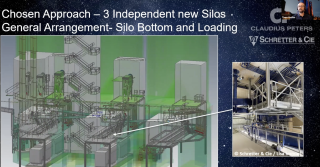
14 July 2022
13 July 2022
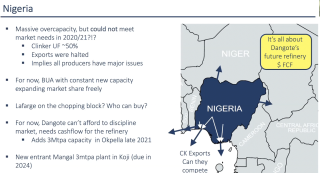
12 July 2022
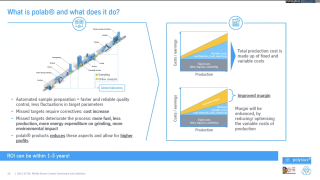
12 July 2022
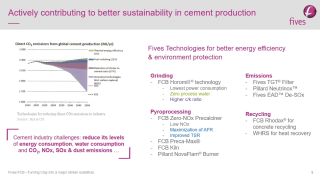
12 July 2022
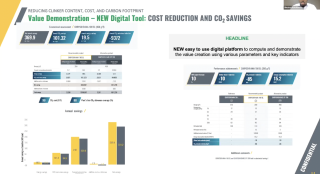
12 July 2022
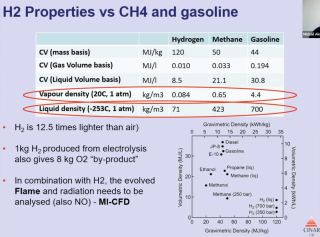
12 July 2022

12 July 2022
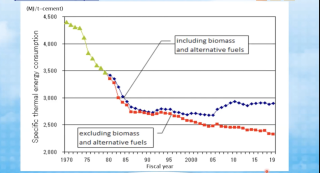
12 July 2022
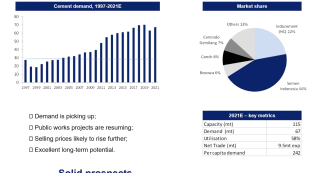
12 July 2022
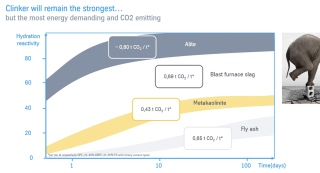
12 July 2022
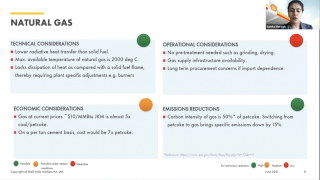
12 July 2022
12 July 2022
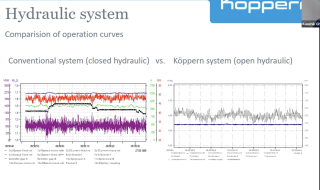
12 July 2022
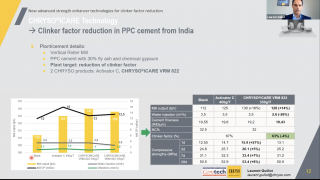
12 July 2022
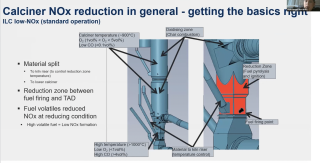
12 July 2022
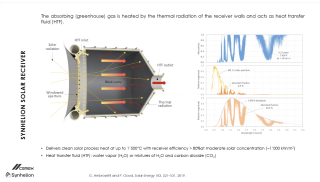
12 July 2022
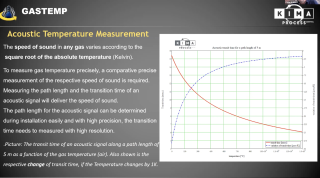
11 July 2022
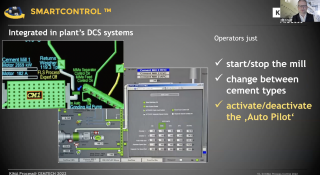
11 July 2022
11 July 2022
11 July 2022
11 July 2022
11 July 2022
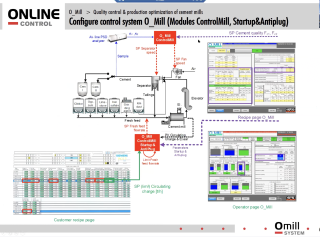
11 July 2022
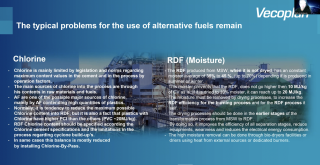
11 July 2022
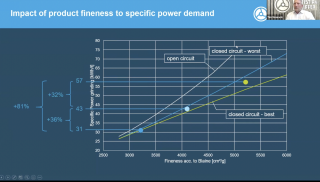
11 July 2022
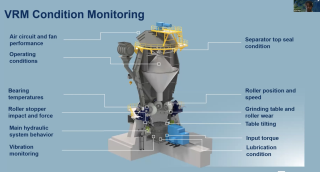
11 July 2022
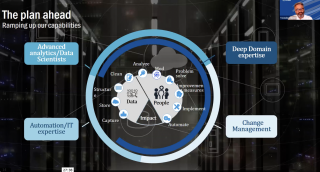
11 July 2022
11 July 2022
11 July 2022
11 July 2022
11 July 2022
11 July 2022
11 July 2022
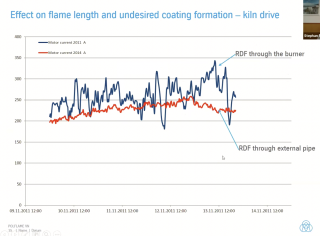
11 July 2022
11 July 2022
11 July 2022
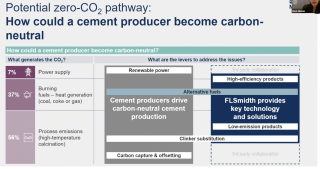
11 July 2022
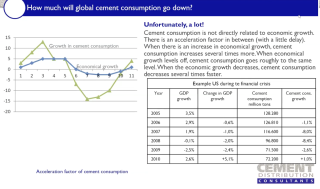
11 July 2022
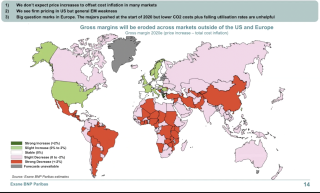
11 July 2022
11 July 2022

6 July 2022
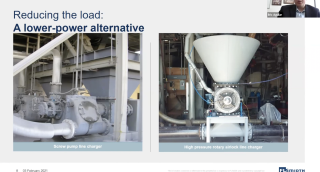
1 July 2022
1 July 2022

8 June 2022
12 February 2021
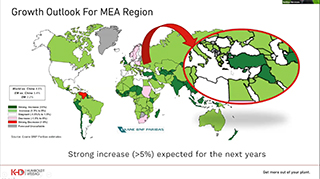
12 February 2021
12 February 2021
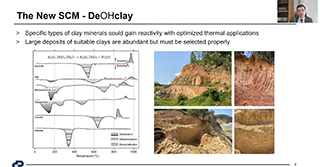
12 February 2021
12 February 2021

12 February 2021
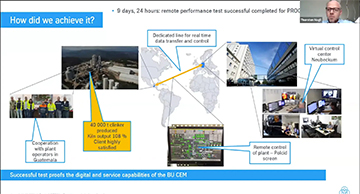
12 February 2021
12 February 2021
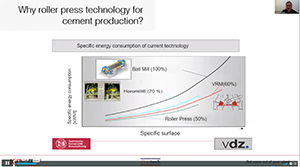
25 September 2020
25 September 2020

25 September 2020

25 September 2020
23 September 2020
22 September 2020
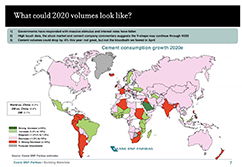
22 September 2020
21 September 2020
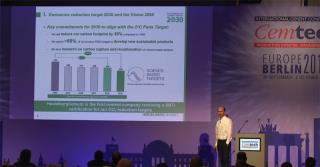
20 February 2020
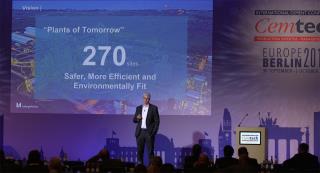
10 February 2020
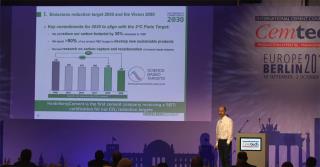
10 February 2020
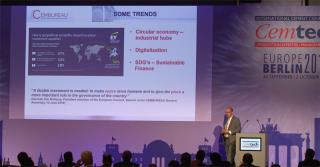
10 February 2020
7 February 2020
27 January 2020
23 January 2020
23 January 2020
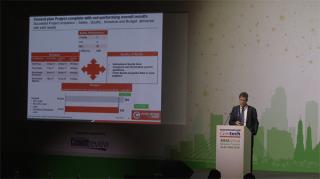
23 January 2020
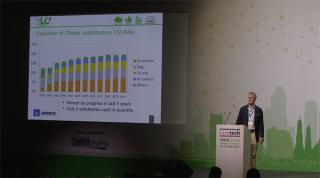
23 January 2020
2 May 2019
30 April 2019
18 April 2019
18 April 2019
18 April 2019
12 April 2019
12 April 2019
11 April 2019
10 April 2019
10 April 2019
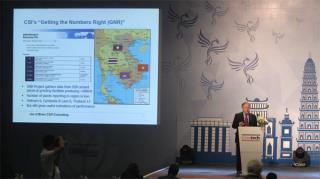
10 April 2019
9 April 2019
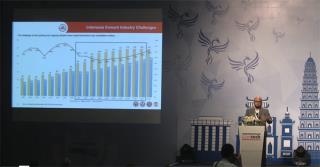
9 April 2019
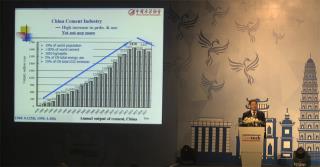
4 February 2019
17 January 2019
31 July 2018
31 July 2018
31 July 2018
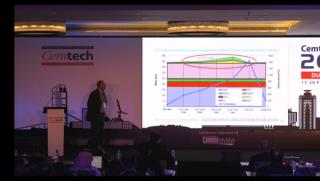
27 July 2018
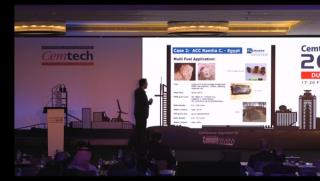
27 July 2018
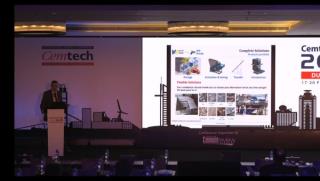
27 July 2018
27 July 2018
27 July 2018
27 July 2018
27 July 2018
27 July 2018
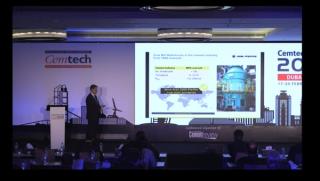
27 July 2018
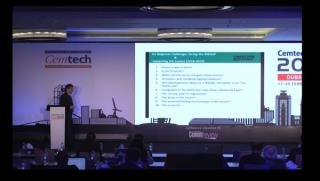
27 July 2018
25 July 2018
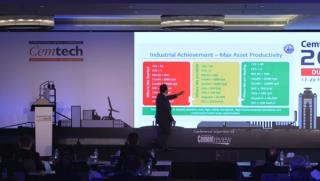
25 July 2018
25 July 2018
24 July 2018
24 July 2018
24 July 2018
23 July 2018
23 July 2018
23 July 2018
20 July 2018
20 July 2018
20 July 2018
20 July 2018
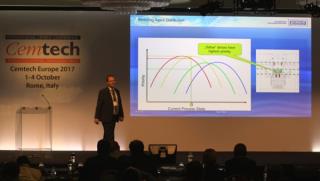
20 July 2018
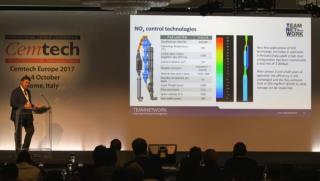
20 July 2018
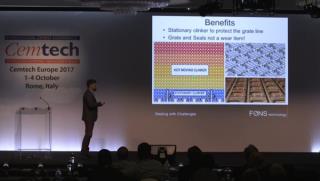
20 July 2018
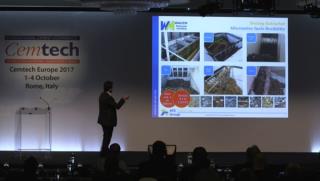
20 July 2018
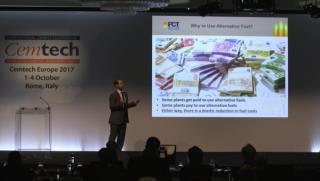
20 July 2018
20 July 2018
20 July 2018
20 July 2018
20 July 2018
20 July 2018
20 July 2018
20 July 2018
20 July 2018
20 July 2018
20 July 2018
19 July 2018
19 July 2018

19 July 2018
19 July 2018
19 July 2018
23 March 2018
23 March 2018
23 March 2018
23 March 2018
23 March 2018
23 March 2018
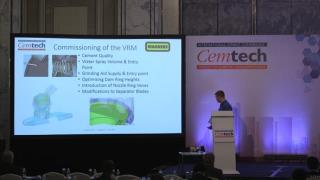
23 March 2018
23 March 2018
23 March 2018
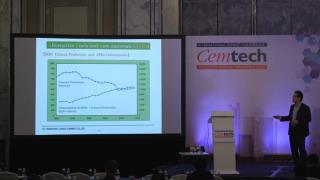
23 March 2018
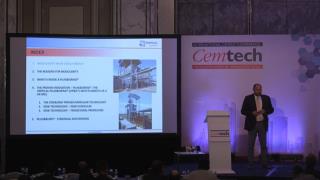
23 March 2018
23 March 2018
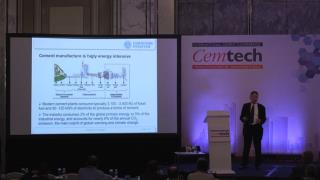
23 March 2018
23 March 2018
23 March 2018
22 March 2018
26 October 2017
26 October 2017
26 October 2017
26 October 2017
14 August 2017
14 August 2017
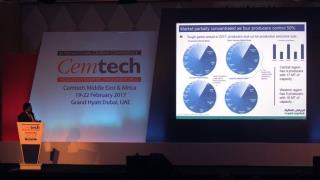
14 August 2017
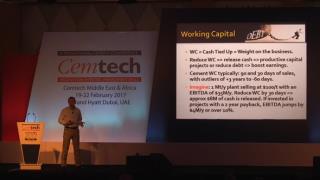
14 August 2017
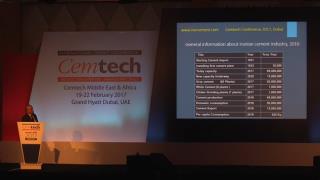
14 August 2017
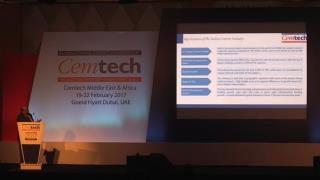
14 August 2017
14 August 2017
14 August 2017
14 August 2017
14 August 2017
14 August 2017
14 August 2017
14 August 2017
14 August 2017
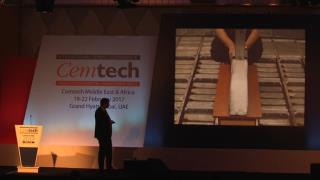
18 July 2017
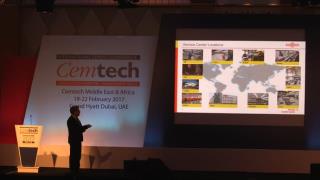
18 July 2017
18 July 2017
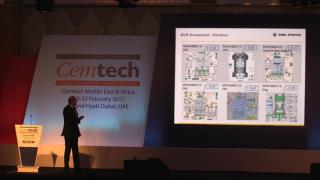
16 June 2017
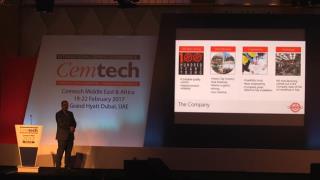
16 June 2017
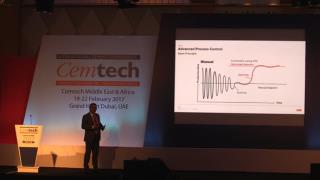
16 June 2017
16 June 2017
16 June 2017
14 February 2017
14 February 2017
14 February 2017
14 February 2017
14 February 2017
14 February 2017
14 February 2017
14 February 2017
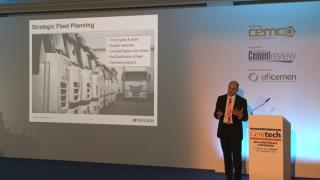
14 February 2017
14 February 2017
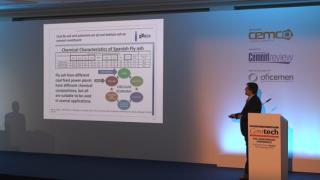
13 February 2017
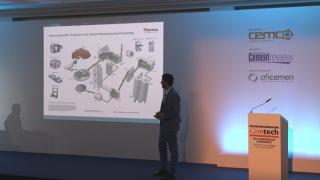
13 February 2017
13 February 2017
19 January 2017
19 January 2017
17 January 2017
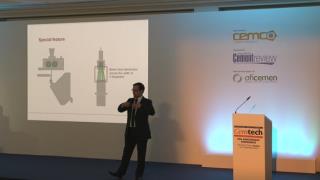
17 January 2017
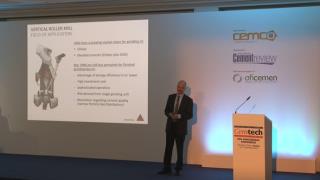
17 January 2017
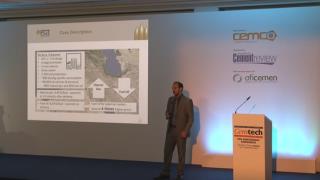
6 January 2017
18 August 2016
18 August 2016
18 August 2016
18 August 2016
17 August 2016
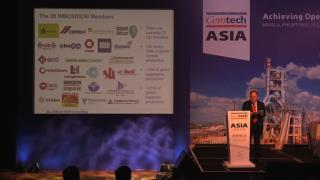
17 August 2016
17 August 2016
16 August 2016
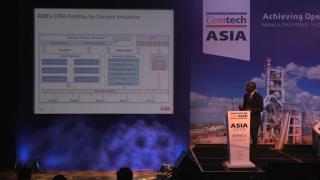
16 August 2016
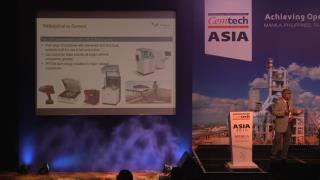
16 August 2016
12 August 2016
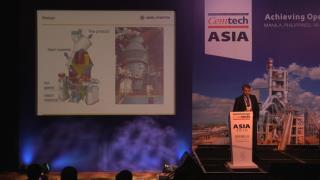
12 August 2016
12 August 2016
11 August 2016
11 August 2016
11 August 2016
10 August 2016
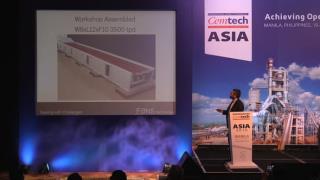
10 August 2016
10 August 2016
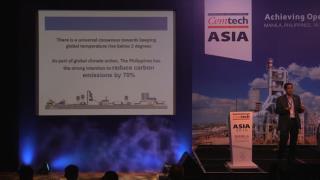
8 August 2016
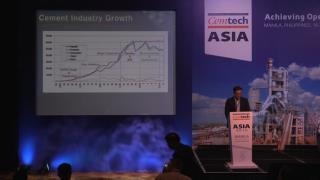
8 August 2016
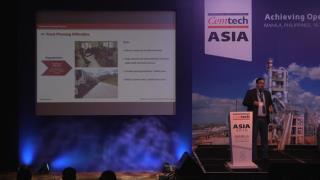
8 August 2016
6 May 2016
6 May 2016
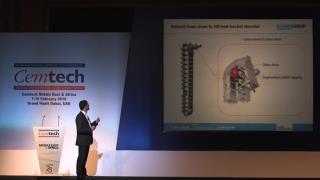
6 May 2016
6 May 2016
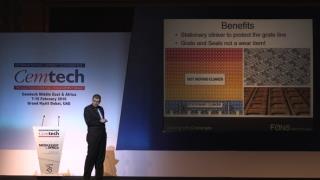
6 May 2016
6 May 2016
6 May 2016
6 May 2016
6 May 2016
6 May 2016
6 May 2016
6 May 2016
6 May 2016
6 May 2016
6 May 2016
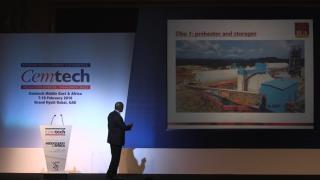
6 May 2016
6 May 2016
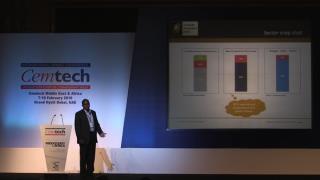
6 May 2016
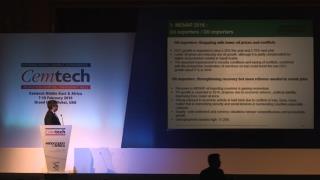
6 May 2016
6 May 2016
6 May 2016
25 April 2016
25 April 2016
11 March 2016
11 March 2016
11 March 2016
11 March 2016
11 March 2016
11 March 2016
11 March 2016
11 March 2016
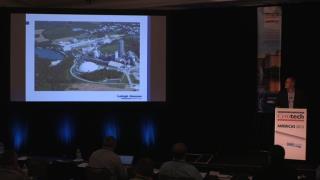
11 March 2016
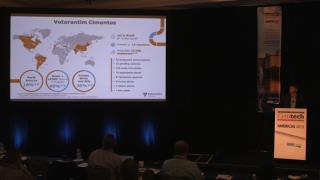
11 March 2016
11 March 2016
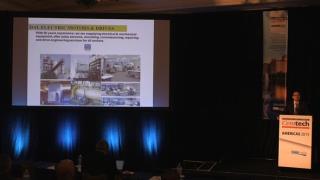
11 March 2016
11 March 2016
11 March 2016
11 March 2016
11 March 2016
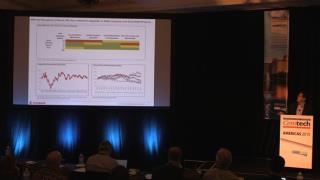
11 March 2016
11 March 2016
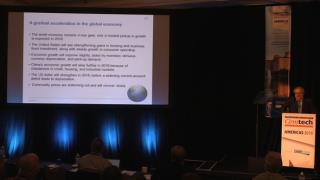
11 March 2016
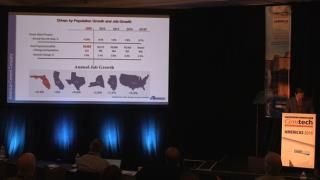
11 March 2016
21 December 2015
15 December 2015
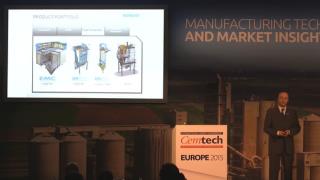
15 December 2015
15 December 2015
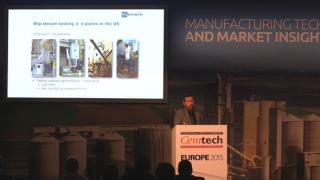
15 December 2015
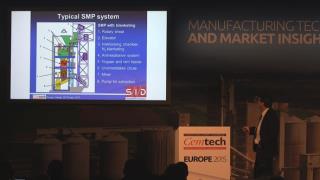
15 December 2015
15 December 2015
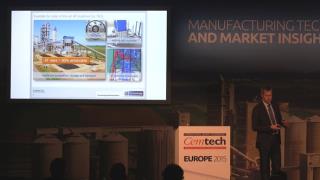
15 December 2015
15 December 2015
15 December 2015
15 December 2015
15 December 2015
15 December 2015
2 December 2015
2 December 2015
2 December 2015
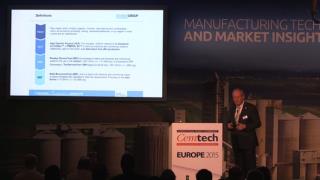
2 December 2015
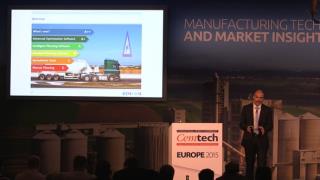
2 December 2015
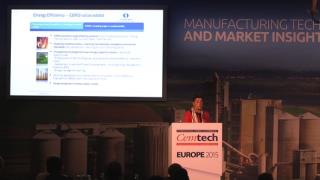
2 December 2015
2 December 2015
2 December 2015
2 December 2015
2 December 2015
2 December 2015
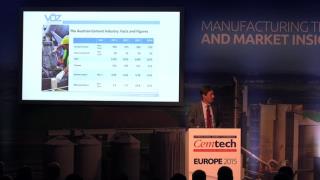
2 December 2015
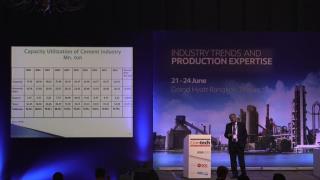
21 August 2015
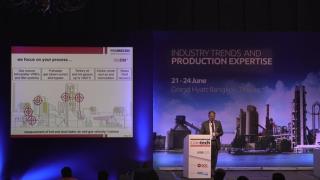
21 August 2015
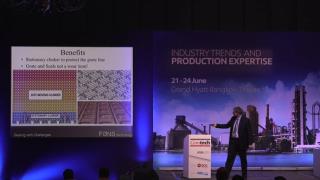
21 August 2015
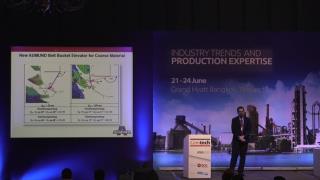
21 August 2015
21 August 2015
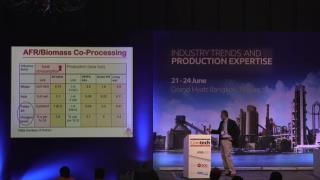
21 August 2015
21 August 2015
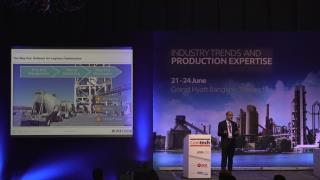
21 August 2015
21 August 2015
21 August 2015
21 August 2015
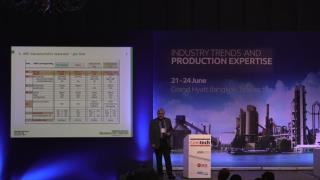
21 August 2015
21 August 2015
21 August 2015
21 August 2015
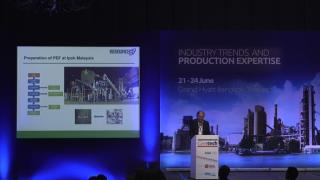
21 August 2015
21 August 2015
21 August 2015
21 August 2015
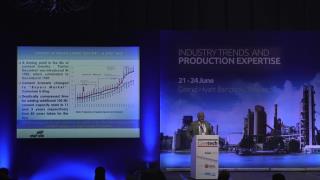
21 August 2015
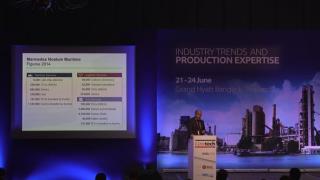
20 August 2015
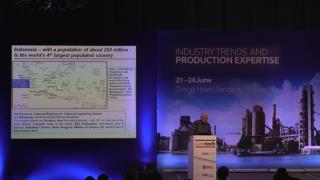
20 August 2015
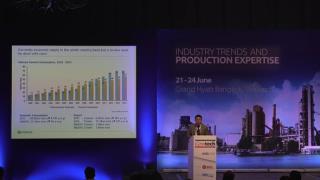
18 August 2015
18 August 2015
18 August 2015
18 August 2015

30 June 2015
29 June 2015
29 June 2015
29 June 2015
29 June 2015
29 June 2015
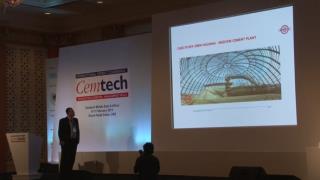
29 June 2015
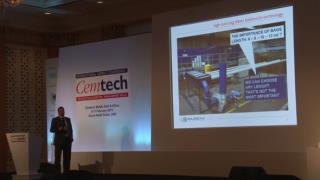
29 June 2015
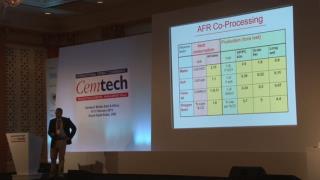
29 June 2015
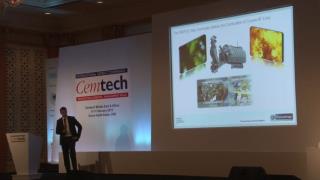
29 June 2015
29 June 2015
4 June 2015
4 June 2015
2 June 2015
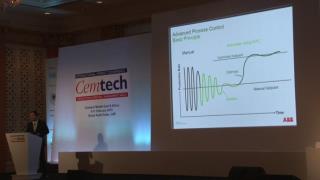
2 June 2015
2 June 2015
2 June 2015

29 May 2015
29 May 2015
28 May 2015
28 May 2015
28 May 2015
18 February 2015
17 February 2015
13 February 2015
13 February 2015
Try searching for another title.