
2 September 2026
This transcript was generated automatically and may contain errors.
Hello and welcome to the Cemtech webinar. it's great to be back here now already in April for this webinar on modern, modern milling technologies. my name's Thomas Armstrong. I'm the Managing Editor of International Cement Review. I'm very happy to be hosting this session here EC Live webinar, the largest webinar series on the internet for the cement industry where we hope to be able to show pace best available technologies so that you as cement producers can move another step closer to manufacturing excellence. So it's great to be here. before we get started I would like to just mention a few words about International Cement review.
many of you are readers but if you're not yet, then do take a look at our website. the magazine comes out every month. it is also available online through.com. and it's a fantastic publication. All subscribers receive a free handbook, the Cement Plant Operations Handbook with each subscription. So why not, while you're on the webinar here, just log into cnet.com/subscribe and just get your subscription today. we welcome all new readers to the publication.
for those of you who are involved in business development you might be interested in tracking the markets and getting a, a more up-to-date view on what has been happening not just in the last few years, but what we are, we're looking out what we're looking forward to over the next two or three years in terms of country outlooks and regional outlooks. So we have a special product for this. it's all online. It's the global cement market outlook. if you've already subscribed to the Global Cement Report this is like a, an add-on. it's a fantastic product. I hope you'll investigate further. and there's a QR code for you to, to find a link, but all on, all on Subnet. one last mention.
I can't get past this without just mentioning that. We will be in South Korea in June. our first visit to South Korea will be in Seoul for our Emec Asia 2025 conference. And I'm really looking forward to that. Two days of conference presentations, we'll be looking closely at what's happening in the Asian region and across the whole suites of technologies as the region comes to terms with decarbonizing. and we'll be looking at company roadmaps and what people in this part of the world are doing to lower their clinker ratios and perform more efficiently. So, EMEC Asia in South Korea, take a look online for more information. so here we are, modern milling technologies.
This is the running order for the session. we have four presentations. we're gonna be looking at a range of technologies. It's a fantastic spread. We're gonna see mills where we hear from Christian FIFA and Thieves, SEB on their different products. we're gonna hear also from Oliver cans from smy on artificial intelligence in cement plants. and we're gonna hear about construction chemicals with Seeker. so it's a, it is a perfect overview of all the different kind of technologies that producers can use to become more efficient. and also target, of course lower CO2 cement products ultra fine grinding, grinding chemicals and other techniques at your disposal.
So it is it's a great pleasure for me to introduce our, our first speaker. and before I go on, let me just, just remind everyone of the q and a button. we've got a q and a button here. If you look on your Zoom screen if you feel like you want to ask a question, just type it in there. Either I'll get to it or one of the speakers will after their presentations. But feel free to use that and for all rather conversations and chat or use the chat box as usual. but yes as I said, I'm really pleased to be able to introduce our, our first speaker. So this is a, a, a company that has developed a very unique grinding technology. and it's I believe 30, 30 years old now. It's the 30th anniversary.
and we're very pleased to be able to have Louis Portier here from thieves, FCB to introduce it to us. lo graduated as a mechanical engineer from the institute, Catholic Desar, a Metier or I a in Leo, France in 1994. He spent a decade in the automotive and oil and gas industry specializing in new model launch projects, and serving as a production sales manager for air cooled heat exchanges. In 2006, LU joined Thieves FCB as an area sales manager overseeing projects in the Middle East and Mediterranean regions.
His experience spans a wide range of initiatives from upgrading milling plants with high efficiency class classifiers in Egypt and Serbia to the managing of large scale plant expansions in Qatar. So I'm sure actually many of you will, will know Loic, but if not here he is now to make his presentation. Please go ahead and, and share your slides, Lu. Thank you, Thomas, for your introduction. thank you also for creating this event and making us part of it. So it was a great opportunity for us and should be like now. Yes, so thank you very much.
so I'm going to talk today about, yes, this very unique grain technology and two very interesting component that goes around and that are part of the, the waste to lower the clean care factor and, and, and the cement production. just a brief to start. so fiv, FCB is part of a FIV group. The, the FIV group is a French, let's say, group of engineering companies with more than 200 years of history. And it's a pretty large group. So giving us let's say two main opportunities. One is the financial strengths to address big projects, as you mentioned. and another one is to give us also a significant support and, and means in term of r and d and this slide in particular.
So give us, let's say, main figures and, and the one which is important today is the, the number of patents because r and D remains within the group, and in particular in our cement industry. very important lever to, to stay ahead and keep innovating in the industry. So you see in the group, we have a lot of patterns and investment in r and d. And in FCB in particular, we have our own testing facility with small scale meals skills cal signers and so on, which help us to develop and address the new requirements of of this market. So as FCB, we serve, in particular the cement and mineral gr egg industry.
A few years back, we have reintegrated the sugar division, which was at the basis the, let's say the, the history of the group. but so we address mainly for all, let's say, sales activity. the cement industry and mineral grinding. Many equipment are common in, in both. And so you see, we are located let's say in many countries as or as sales office or representative office of the group, which give us the right spread and the participation to major association in the cement industry in Europe, in Asia, and in in America, as well as e coba and fear, which are reserv for fly ash and recycling industries. We design process equipment. We develop complete system for grinding or, or power process.
And we go up to compete plant with the constant focus to have the highest performance. Here it is, let's say a list of our proprietary equipment. And you see both all of them contribute in one way to reduce the CO2 footprint of our industry, either with energy efficiency or fuel switching when we're dealing with spiral process equipment, material substitution or CO2 capture. Today, our focus will be mainly on this three ones, the FC mill, the TSV classifier, and the FCBA road counter, which is a flash layer, which altogether are energy efficient and give a significant opportunity to reduce the clinical factor or increase the material substitution.
Each country, each market is particular has its own, let's say, constraint of carbon footprint of the energy or availability of material. But if we make the exercise to look globally in Europe the combination of all the available technologies today that we have in our portfolio from the grinding technologies, the pyro process, the ation the fuel tion, or the concrete recycling for an average CO2 footprint of B, less than 700 kilogram of CO2 per ton of cement implemented, all the solution will reach something like 250, say 50% reduction with already available technologies before thinking to, let's say the, the future of carbon capture and so on.
And this technology are available and already proven for, which is gives a good opportunity to improve our CO2 emission in this industry. So, to go more in detail on the or mill and, and the FCB classifier, so, or mill stands for horizontal roll mill. So it means that it's a bad compression mill. and the TSV classifier is a dynamic classifier. So I will start first with or mill and the principle of the raw mill and the two other one separately, because it can be applied outside and raw mill growing plant.
So it's interesting to look out how we can use all these three different equipment the or mill grinding plant has in the same plant and compact plant, the grinding, the drying, and the classification functions, but in separate equipment, which mean that each has their own operating parameters that can be independently controlled. So this picture is from one plant we have installed in Mexico with a oral mill, four diameter.
And to give you overview, the oral mill running plant is typically a mill operating in a close circuit with a classifier filter and fan, like we're used to see with the bowl mill plants of let's say the, the later generation compared to open circuit that we had some decades ago. basically the feeding is made on one hand, and we have the possibility to feed separated the most material. And so we have the three function that are separated so we can control them separately, moisture, temperature, fineness circulating road load. And there is no influence of the ventilation in the mill because only the classifier in the dryer ventilated. So there is no in no effect on the mill itself.
And all this circuit can be adapted to 20% moisture, which becomes important when we want to process a cement with high additive rate, like wetly ash, wet ola, or granulate base on a sl. And this system can be even more optimized to have only feeding point at the flash layer what we call higher counter. so this layout is very interesting. When we proceed with separate grinding stations, it is fully adapted for high moisture content of the product and can also adapt with high content on fines in the clean air. So when you have independent station and a significant amount of transportation and and handling of the clean air, you create fines.
So you can remove it before, before grinding for a better stability, and then it is suitable for ultra freight grinding. So when dealing with new generation of cement, that is a typical layout that we propose for the the cement market. So with this system, we have numerous possibilities of benefits, which all depend on the market because it'll depend on the availability of material. It will depend on the cost of energy, it'll depend on the availability of water. So here it's a summary, you see in term of green technology. We don't need water inside the mill for cooling or stabilization. there is no particular excessive fuel to dry this water injection.
And then there is less CO2 per ton of cement because absence of water in cement, grinding means absence of predation of the cement. And so we generally observe lower let's say fineness requirement with this meal compared to there or a lower er factor in the cement. No water means no penetration, better quality, better strength development in the, in the product, but it means also less energy compared to bone mill because it's better compression, but also compared to vertical mill, because no water, no ventilation in the mill, all that brings to benefit with 25% energy saving compared to vertical mill and even 50% compared to bull mill on top.
It's fully automatic and, and with easy maintenance. And it's also a key factor when you look at the availability of your equipment to improve your operation. This slide here will give an idea of the range of possibilities we have with this combination of the three equipment, the mill itself, the classifier, and the dryer. On the left, you see example of cement we produce in the Philippines where it is IC cement. You see that the cement to clinker factor is almost two. So it means that you have less than 60% of clinker in your cement. So with some recipient to 50.8.
And this produce what they called the same e, which is similar with European arm to em four B with Another interesting figure in this chart is on the extreme right that we obtain with quite easiness some 52.5 cement. so type same one, so 52.5 air even which is a real door open to separate grinding of clink air and additive, because some customer have made their mind to go to separate grinding, grinding, separate the air and the additive. And typically this equipment allows for fine grinding of the clink air, easy grinding of other material, even if they are moist and mixing the downstream.
And then the middle one with the green color here is to show comparing in the same plant the product obtain with the or mill and the product obtain with the bowl mill. In fact, to obtain the same strength development, we need only 4,500 or 4,400 brain with or mill and 4,700 brain with the bowl mill, but to have the same, let's say, quality product, but you need to grind finer with a bowl mill to reach the same strength development. So that's really illustrate the benefit of this technology compared to other, even the bowl mill, which is, let's say a very classical one.
Another example, but to highlight let's say, to make some comment when we talk about the fineness this is a plant whereby chance we have on the same site or mill and vertical mill, they're producing a, a blended cement with only 55% clean air in the recipe. And both production on, on these mill have the quality, quality criterion of P 75 equal 20 mac meaning that you have 75% passing to 25 micro plant. And when we compare, in fact, to reach this quality in the plant where they only need 4,800 blend with the or mill, they need to go to 5,400 blend with a vertical mill, meaning that there is really a difference of quality to obtain the same performance at the end of the day.
So blame is an easy criterion to assess the quality on the daily life, but when you want to make a relationship between the performance and the finals, it's not the only one. And that's the typical example here in this plant. One of the consequences for sure, is that the power consumption of the, the grinding implants, when you have such a difference in, in bla, means that you need more energy to grind with a vertical mill compared to the oral. So basically this is 10% blend reduction and 25% energy reduction with the or mill. So one interesting component of the circuit is the classifier.
So it's important for us to mention it because we don't use it only in the or mill plant, but also in bowl mill plant. And in particular in upgrade. this is a dynamic classifier, which has more than 280 references today with a large span in term of size, in term of product, and in term of fineness range, which we illustrate here. we start from the TBF, so which means very low fineness up to the UHF, which is ultra high finals. But the topic today mainly will focus us on the THF for very high finals, because it is typically the one that we apply today on cement.
And if we look at the history till, let's say 2020, this type of classifiers, so the TF was mainly used in the mineral industry to grind the limestone, dolomite slag calcite and ironer. And even if there was one in, let's say 2000, in the last, let's say five years, we have sold many of them only for cement application, and many of them in bowl mill plant upgrade, because today the customer are looking for the kind of performance that we were easily achieving in the mineral grinding. So this is an illustration of the range of finals. So you see sometimes customer use the, the blade. So with this classifier, we, we went up to more than 8,000 plane for slag or even for cement.
We had in term of residue, D 50 less than five micro, which is very fine. And this is what today customer are looking in the cement production. So this equipment, which was already let's say proven in mineral industry now is stepping in the cement industry to meet the requirement either of blended cement or separate grinding. So this classifier for sure is, is of the third generation. So it's a ventilated classifier.
One very interesting performance of this classifier in the THA version is a minimal bypass because it's the way you optimize the operation of your bone mill, a very steep, strong curve, meaning that you have a perfect control of the fineness and the cutting range of your classifier, and then of your product, and the drastic reduction of the oversized particle, which is really what kills the performance of your cement at 28 days. So having blend is nice, but avoiding course particles in the finished product is better when you're looking for the performance at 28 days, low pressure drop, low power consumption, and easy installation.
We have a lot of cases where we install it in a very tricky place. And as it is a quite compact machine we have more is to install it in many different places. One word about the counter, the counter is some more like it's from the French world. It's not something for wine to make the wine de conation, but it's too dry and separate the product in the milling circuit. So generally it is located below the classifier and fed as I show in the initial flow sheet with the fresh feed together with the circulating load of the classifier.
One interesting let's say duty of this classifier is to make a first cut of the material when you feed, meaning that all the course material will meet the hot cases and will be dried before going back to the, to the mill, but it'll also avoid to overload the classifier. And when you give some air to the classifier, it operates better, and it's a way that we can defamiliarize the mill, but also reduce the specific load of the classifier for better efficiency in terms of bypass and and steepness of the trunk curve.
And this air de counter is mainly installed in our milk running plant, but it also installed in a classification unit or drying unit when we need to make a separation of the material before the classification and allows for drying the course part before before mill. So here we have a picture, it's like a static equipment, so with very minimal maintenance and easy to to use. And so it can accommodate particle size at the feed up to 100 millimeters. And so it increased the drying capacity because the flash drying is often more efficient than other kind of drying operation.
It's the first step of classification, as I said, the course particular recirculated to the mill with the first drying, and it enables selection before grinding when combined with the TSV, that's the, the reduction of the specific load. And so all these three components are used in the nowadays grinding station. And so that's the one that we are implemented currently now in Quebec for Sea Quebec where we have sold two new or mill plant in San Brazil.
So it was an existing plant where the customer wanted to increase its milling capacity and replaced all generation mills, so mainly B mill, and several of them are in open circuit because North America is now let's say discovering or developing the production of limestone blended cement. So what they call the GU 15 for general use limestone, 15% compared to the gu, which was general use. So JU was typically a cement type one or OPC. And so goal 15 is typically the same two A with 15% limestone. So in that project, the will produce same one at 3,800 blend plus or minus.
And the particularity in this market is that they want to reach the same performance or the same strength development than for the gu. So meaning that we have to compensate the addition of limestone with higher finals. And so this the grain implant will go to 5,000 brain or so for the good 15 and even higher for other, let's say, minor product in the ranch, but therefore to produce typically this type 30 HE to 5,700 bla, and then the, the, the passing to 45 micron is more than 99%. So it's really a very, very fine product to meet both the, the requirement of strength development and the addition of let's say the dilution material, which is simply the, the lambster.
So my marketing team likes also to remember that all that even for verifying product will be done without injection of water because the, the meal is naturally stable without injection of water. So here I, I brought a very recent picture of direction stage, and they are completing erection of all the main equipment have been erected, and they are installing the, the cladding all around the building because you see the winter condition are pretty harsh in this area. So everything has to be enclosed. The building is pretty big because they have installed the feeding uppers and the handing circuit to the feeding uppers in the building.
So all the, the part behind is, is the, the, the feeding bins and dosing system and so on. And we shall produce. So the, the goal 15 at 5,000 blend with only 22 kilowatt perton at the mill, which represent a significant saving compared to other technologies. And we had the chance to have a, let's say a, from the owner of the company who could visit different plants with different technology and made his mind about the efficiency and the adequacy of the or mill for his need to produce blended cement. Many different recipes with regular change of recipe in very good operating conditions. So that's for the, let's say the point of view.
we have on the modern cement mill technology, the raw mill and the verified cement, even if you go on the revamping of bull mill plants with the, the THF classifier. So Thomas, I think I am pretty well on time. Perfect. Thank you very much, Lu. And a fascinating presentation from the beginning. The beginning. I particularly enjoyed that slide showing the whole portfolio of your technologies and the CO2 savings per per type of technology, bringing things bringing emissions down to 353 kilograms per ton of CO2, which is of CO2 per ton of cement, which is amazing, isn't it?
how much that can be done even before we get to the carbon capture investments, which is, which is an, a huge, a huge investment. so yeah, it really stresses the focus has to be on the things we can do now. And the horror mill is a really interesting alternative to the mainstream which you've perfectly described. there's a, that you, you showed it very clearly the energy savings at higher blade and these kind of features. there's a lot of discussion about different grinding technologies how the cements perform the end users experience, the water consumption relating to the, the particle size distribution.
are there any kind of characteristics that are unique to the way that the cement is produced in a horror mill compared to the vertical roller or the ball mill? and how does the water water consumption respond? I think the, the, the, the key points which make the difference is that as we have a separate classification, we have a full control of the parameter for classification for the PSD, which is more difficult to achieve in the vertical mill, which can be easily, I think, achieved with the roller press. For instance, if we look at the roller press the classifier is also on separated stream, but VRM is together with, with the mill and classification.
So you cannot have the optimum parameters for the classification. so what we have with, with our mill, and the second key point is, is the, is the water injection that we don't need in the raw mill. and we have seeker on board. Maybe they, they can compliment if you ask the question later on, we, we know people develop some additives to compensate the predation of the cement, meaning that predation of the cement is an issue. So, which is avoided from the beginning with the raw mill because we don't inject the water and, and this ation and, and the lack of proper classification make probably the difference with the VRM. Okay, that's good.
And, and you, so, so no water added that was another question that that was asked in the, in the q and a the, there's a, there's a, a question about the energy consumption with the GUL 15 cements mm-hmm. at 22 kilowatt hours per ton. Is that separate or combined grinding? The, the oral mill is, is not, is a grinding, it's a finished mill. So with the raw mill, there is no pre grinding and finished winding. it, it's a finished mill. So 22 kier perton is the specific energy of the mill itself. Okay. I think yeah, I think they, they're, they're referring to whether the, the, the limestone is grand and then the, the clinker is grand and there is, I think it's co grinding. Yes. Okay.
The question is that direction, it's co grinding. It is so good. 15, the customer will grind together, clinker and limestone. So it's a complete recipe, and this is the specific energy consumption for the finished product itself. Okay. Perfect. and just maybe one last question about the portfolio of, of of horror mills in the world. I know that you have a, a lot in Mexico with Chen and the Zuma plant. Yes. and there's this massive new reference in, in Mont Quebec. Yes. which is coming up. any others? what, what's the kind of spread of this, this technology? So I think we are 63 or 65 at the moment.
and you were mentioning Cemento Zuma, the, is selling the, the fifth one in the Tepe Zingo plant. so it's the mill is currently also on, on, on on under direction. But yeah, so we, it's still, still progressing. Definitely the, the central American market and the Mexico in particular because of energy, price is definitely a driver for, for the mill. Yeah. On Quebec is, is another development because it meets the requirement of this let's evolution of the market in this territory. Yeah. And, and, and that, and you are hopeful that the the movement kind of globally really towards new, new cements, lower clinker cements will favor the horror mill? Yes.
As long as you need additional capacities, because if you want to replace a bowl mill with a new mill, I think the investment is, is too high. So you better revamp your existing facility. But when you need additional capacity, yes for us, it's definitely the, the best choice that you could do. Okay. Very good. Well, on that note, thank you very much, Louise. Welcome. Very, very good start to the, to the webinar and a really impressive piece of technology. and congratulations on 30 years of the Horror Mill. Thank you. Yes. Be surely show a book this year, you know? Yeah. Well, we look forward to seeing the book and ho hopefully an article in International Cement review. Who knows? Yeah.
We'll be very pleased. Yes. Yeah. great. Okay, well, thank you very much, loe. I'm gonna move on now to our next presentation. We've got two presenters for this from Ika Ahmed Abdel Mon he's a seasoned market development manager with over 24 years in the cement industry specializing in cement additives and manufacturing processes across the Middle East and Africa. he began his career at Cemex Egypt as a process engineer before advancing into clinker production and optimization. in 2008, he transitioned to the cement additive sector with GCP later enhancing operations across Egypt to Algeria and Sudan with ASIC holding.
at BASF, he spearheaded the cement additives business in the region, managing PP and L, optimizing formulations and driving industry education. Now following seeker's acquisition of BASF construction car chemicals, he continues to lead cement additives in the region. He holds A BSC in chemistry six Sigma certification and has ISO expertise. so really someone with great greater background in in our sector. And he's joined by Charlotte Manor, who is a key account manager at cement additives at Sika Germany, specializing in both sales and technical support for the German cement market.
She holds a BSC in geology and an MSC in mineralogy for the University of Heidelberg and has a strong background in r and d for cement additives. working at Seeker from 2015 to 2 20, 20 20. Charlotte brings with her a deep technical expertise and industry insight into her role, helping clients optimize their cer, cement formula, formulations and processes. So a great, great background from the Middle East and from the heart of the European cement sector. So over to you too for your presentation on modern cement mills and chemical solutions to reduce clinker factor. Thanks. Thank you, Tomo, for your introduction and for the preparation of that event today.
And thanks for everyone joining the presentation today. let's jump into our presentation. I'm just gonna quickly jump in Charlotte, if you are, are you sharing this you need to just switch the screen mode. Oh, sorry. so that it's, I go screen. I think that we had that there last time. Yeah, It's starting to share. You see it now? No, It's just coming now. And that's it. Perfect. Yep. You got it. You also see the laser pointer? We do. Perfect. Okay. Okay. Over to you. Okay. Next slide, please, Charlotte. Yes. So Let's jump into our presentation today. Here we go. let's jump into our presentation today where we will be speaking about mainly four different milestones.
We will speak about Zika, we will speak about the milling, modern milling technology. We will and my colleague Charlotte, will present our best demonstrated practice from our clients. And finally, we will have conclusions. Okay, next slide. as you might all know, CICA is a specialty chemical company with a leading position in the development and production of systems and products for bonding, damping, re reinforcing and protecting in the building in sector and the motor vehicle industry as well.
We are a big multinational company with 33,000 employees across 103 different countries, plus 400 different factories worldwide that really give us the chance actually to serve cement producer, whatever they are. last year we closed a, a revenue more than an average of 12 billion tons. 12 billion Swiss francs, sorry, not tons. Yep, That's it. Next Slide, please, Charlotte. if we look back into last year, 2024, we've seen that over 4 billion tons of cement were produced. And as we all know, that 8% of the world, carbon dioxide comes from our lovely industry cement. So this is a big pressure on everyone in the industry to reduce their carbon footprint.
And main, mainly as everyone is speaking these days, everyone is look looking into reducing clinker content. 'cause clinker itself contributes around 650 kgs of carbon dioxide, perton of clinker. So everyone, all our cement producers are looking for various ways to reduce their carbon footprint. Either recently we've seen carbon capture, we've seen many, many different aspects. But what's the most easy way? What is the most easy way? And, and zero investment way simply is to reduce the scms. Next slide, please, Charlotte. So we took the lead in Zika, and we developed and we enhanced and developed actually our current products.
So right now we have a, in our range of grinding aids, very powerful grinding aids, that they can increase the milling throughput up to 15%. What does that mean? If we take an example of a bone mill running at a hundred TPH with a, just the mill, the mill power only. Okay, the main motor only around 30 kilowatt, 30, 35 kilowatts. We can reduce the the specific power consumption by three to four kilowatts. So in just one step, okay, zero investment, you reduce 10% of your specific power consumption.
Looking into our main focus actually, and our main capability in quality improvers, okay, we have developed a wide range of quality improvers that reduce the clinker factor, even even up to 50% clinker factor. If we looked at, and this is mainly applied in cal clays these days in South America and west Africa. And this would dramatically reduce the carbon footprint. So how does this work?
So in our 108 countries that we operate, you will find a secret representative approaching your plant, approaching your technical people, asking questions, getting some information, and then probably collecting some samples, clinker sample, gypsum samples, whatever available scms there in that particular plant. And he sets a goal, a common goal with the, with the, with the plant management and the quality man and the quality manager. And then he takes these samples and he goes back to our r and d across the world, okay? And he start formulating. So that's why we're, we're, we're, I'm, I'm focusing here on most of our products are tailor made solutions.
It's a tailor made solution that takes a lot of work in our lap, and then we go back again to the plant and we try at a larger scale. So this is how we operate. Next slide, please. Charlo. And this slide, we, we will see the evolution of milling process in our industry. And Lloyd just presented to us the horror mill earlier. So we, I'll start from when the technology was only bowl mill. We had a and then with a bowl mill and a roller press, and then a vertical roller mill, and then a whole mill. If we look from DI will present it in from different aspects. If we look into the ener energy efficiency, bull mill is the, as you, it was the very, let's say, the start of milling. Okay?
It was not that much efficient. Then people start. And to mount a ruler press before a bowl mill, that increased the capacity and lower the energy efficiency and, and increase the energy. Efficiency then came into the market vertical ruler mills, what they have very powerful low specific heat specific energy consumption. And finally, the horror mill. We've seen now example of 22 kilowatt hours per ton. Looking into the capacities. Bone mill is the least capacities where back in, back in the old days, we've seen bone mills running at 60, 80 tons per hour, having a roller press went from 150 to 200 range, TPH and VRMs.
Some of VRMs, actually, we, we, we supply chemicals are, are crossing the 300 tons per hour control bone mill. Yeah, we can see that the bone mill is easy to control. We have a separator. We have milling fans. We have a lot of parameters that the operator controls. So many variables in the bone mill moving into ruler press, it's least controlled controlling aspects. And also the vertical roller metal and the horror metal investment for sure. the more specific power consumption less power consumption, we reach the, the, the more the, the, the more investment we, we add maintenance.
Bone mill is a very easy to maintain bowler and roller adding equipments, more maintenance is required and so on with the vertical and hormone. So Is our chemical only for bone mills? 'cause that's a myth in the, sometimes people think grinding aids and ver and, and and, and strength enhances are only for bone mills. No, in fact, actually we have, we have a wide range for every specific technology. So we can see the cica activator optimizer controlled fluid are for bone mills, but also we, it's a, some, it's, it's applicable for bone mills and roller press. So what about the new technology vertical and horror mill?
No, we have a range of CA grind optimizers and stabilizers for the vertical and horror mill. Next slide, please. So if we take a, a dive into a, the bone mill and the roller press, there are some pros and cons for each looking into the whole mill. It's mostly used, low investment and maintenance costs, easy to control, and some cons. High energy consumption capacity is limited. And the final product has a broad PSD. If you look in the roller press with a bone mill, we see it's a, it can act as a pre grinder for many scms. It improves energy efficiency. It has a higher capacity, easier to control, but what's, what's some comes that has it, it's a high Wearing rate.
And the ruler maintenance itself, it's quite difficult. Next slide, please. Vertical roller press. These days there are very high in energy efficiency, huge capacity. As I mentioned earlier, good drying capacity and a finer PSD compared to the roller press and the ball mill. Some cons. It's a high investment for sure. It's a sophisticated operation. Stabilization of the grinding bed. Bed is an, is an itchy issue these days. And water injection or mill, I think we, this is the latest what we found these days. It's a high energy cap efficiency. It can easily change from one cement type to another.
Low nose and pollution, any, and you can use utilize different cement capacity different cement types of cons. That's a high in investment, specialty trained operators and stabilization by pressure. Next slide please. So what additional can service can Zika give to our cement producers? We're not just supplying grinding gaze or strength enhancers and that's it. No, we are a partner to the cement plants in their performance. We have a very wide r and d centers all across the world. And these r and d centers, really, they do first, they tailor made the product for our customers. And secondly, we we supply some service in terms of analysis. What analysis can we do?
We can do microscopical analysis, We can do, we do thermo tric analysis, we do peat analysis. And the traditional XRF and XRD, we do sim pictures with, for, as I mentioned before, formulating products. And we do mill audits where we crush stop the mill with the, with the customers. We check the internals, we check the diaphragm. And in laron outside agile sampling, calculating Trump curves for the separate circuit. And we come up with a recommendation in to our customers. And finally, we do a plan support through field trials. Second slide, please. I've mentioned that we have a wide range for many, many types of milling system. Not only bowling bowl mills and vertical.
bo the traditional bone mills only. Here is a typical example of one of our field trials actually, which where it's roller press and bone milk combined together with two different combined together with two different separators. And we are dosing here and we're dosing here at the reject of the second circuit, which which is the separator of the mill itself. So, as I mentioned in the previous slide, plan support. So we are here with the customer, supporting them with their field trials and following all of the safety rules of the plant itself. I believe I'll stop here. And my colleague Charlotte will take you to some best demonstrated practice for And for different types of our additives. Yes.
Okay. thank you Ahmed. Thank you a lot for taking care of the first part of our presentation. As you said, I will continue with some case studies. and the first example I want to show you is an example in horror milk. we have heard a lot about horror milks today. And let's see an example from a case study from our customer. the target we had was the production of a high slack containing cement or seven three b on this whole mill. And we had to, had to tackle with the vibrations that occurred. So let's have quickly and a very simple look at the cross section of such a hor mill. so this is very simplified just to show where those vibrations can can cure.
So we have here a rotating shell and we have a also rotating roller. And in between those two rotating rollers or shells the grinding material is granted to find power. And there appear a lot of big forces, physical forces. And here we are tackling with the vibrations in a horizontal way, as well as in a vertical way. So our task was to stabilize the grinding process. And as we can see here here we see the most important grinding parameters of this grinding test. let's just have a look at the red line here and the pink line, which is the horizontal vibrations and the vertical vibrations.
And you can see here as soon as we are switching to our ika grind hole stabilizer product, we have a strong reduction of vibration and we have very smooth grinding process. We have stable milk conditions all over the trial. While we were grinding with our ika grind hole stabilizer product and in numbers, we, we achieved over 70% of reduction of those vibrations. We achieved the targeted cement finers quite fast, and we enabled the production with our Zika brain stabilizer product. So we achieved our target. the next case study is also about a slack cement. this time the slack isn't is grant on a vertical roller mill. So what was the target?
we had to stabilize the grinding bed of the vertical roller mill, as well as the activation of slack was also tasked. the activation of the slack leads then in the end and the blended cement to an increased compressive strength. let's first have a look at the grinding setup. We have here two independent grinding systems. First we have the cement grinding, so clinker grinding with sulfate carrier and so on, on a ball mill, including a separator closed circuit. And the slack is ground on a vertical roller mill. And here on the vertical roller mill, our cica grind optimizer is added. Then we have the two powders. They are blend into a stem three B 45 42.5 n.
what did we achieve in the test or in, during the production, we had a production increase, which was actually not demanded, but it's always nice to have of about 6.5%. We were able to stabilize the grinding bed of about 14%, and we were able to increase the compressive strength in the finished cement. And this is especially interesting on the early strength we see here, plus 50, plus 30, 15 and 10%. So at all ages we increase compressive strength. most important of course are the two days results, because in terms of the strength class here, 42.5 10 megapascal is the minimum, and this year is quite the lowest limit.
so we are here very comfortable with our strength increase with 13 mega pascal. So we achieved our target here as well. the next example I want to talk about is grinding a put solana cement on a ball mill. the target was to create a cost efficient product, which means a cheaper product compared to the competitor's product while maintaining compressive strength. And of course ensure the productivity. And as we can see here on the results of compressive strength, we kept the dosage one by one. We achieved the same compressive strength results, so we maintained the compressive strength.
And then in a second step, we increased the dosage of our ccal grind activator, which is activating the clinker phases and leads to higher compressive strengths. And we see here a improvement, further improvement of compressive strength, and also b, we have a little improvement of the production rate. So with these results here, the customer has a little more opportunities. for instance, the clicker factor can be reduced a little more, or energy can be safe due to a higher production rate. so also in this case, we have fully achieved our target. and the last BDP, the last case I want to talk with you about is about a limestone cement.
this limestone cement is ground into a bone mill in a Coke grinding process. And the task of our customer was a bit tricky because he came to us and said, do you have something that improves the workability of our customer's concrete? Do you have a cement additive, which improves the workability in concrete? And this sounds a bit yeah, not impossible, but very hard. But we achieved really, really, really good results. so if you look at the gray line here, this is where we come from. We see here the workability of the concrete. this is the flow table spread. We are the time 10 45 and 19 minutes.
And we have on the gray line here, this is the concrete with the ground, with the old cement additive. We have a very high initial flow, and we have a strong back stiffening. So this initial consistency is actually way too high. And the back stiffening is a problem for the customers since years. Now, the yellow line here, the only difference we have, we have the same concrete, same water to cement ratio same aggregates same superplasticizer, same dosage of the superplasticizer. Everything is the same, but the cement was ground with our Sika grind fluid. And the consistency looks perfect. The concrete has a very beautiful co Haitian.
The concrete is quite quite good to handle on the construction sites, so no worries at all with our cer grind fluid. So that's what happened. that's what happens at 20 degrees. So in summer everything is getting worse, but what's then with our Zika grind fluid, ground cement, we have great results as well. We have here a little back stiffening with one concrete admixture, the same one as we used here. but we can improve this very easily with a second with a slum keeper. But this is just fine tuning in terms of concrete technology. So this is, these are great results. Last but not least, of course, compressive strength needs to be fulfilled.
and we could maintain the compressive strength results. as you see here, the cement with the reference cement additive has the same results compared to our product. So also here we have no issues at all. So we optimized the workability in concrete with our cer grind fluid cement additive. This works at 20 and 30 degrees. We maintained compressive strength and we also a energy efficient production of the cement. Okay, so let me make the final conclusions. we showed you the most commonly used mill types, their pros and cons. We talked about their main characteristics.
We talked about how we are working with our customers together, and we demonstrated how Zika can enhance the value of our customer cements such as higher SEM content, for instance, with the usage of a strength enhancer, or the optimization of the grinding process, such as reduction of vibrations on a vertical roller mill or on a hor mill. And we also demonstrated that it is possible with a tailor made cement additive to improve concrete workability to influence real, real logical properties of the concrete. and maybe this as well, we all know that the cement industry is facing huge challenges.
we don't need to talk about this but I want to make sure that we as Zika, we are convinced that our chemical solutions can, can be a game changer in the production of modern cements. So we are grateful that we had this opportunity here to leave our message on this great platform on the ICR webinar. And if you want to learn more about Ika, Zika, grind, cement additives or other Zika products, please visit us at our webpage. And here you can find the local contact people and global support as well. thank you Ahma. thank you so much for your attention. And Thomas, I give back to you. Thank you. Thank you very much, Charlotte. and Ahmed, a great presentation really covering all the bases.
it's like you say, a very versatile products that you are, you are developing. And one question that looks interesting from the q and a is how long does it take to develop a tailormade grinding additive? So, I mean, I guess it's each grinding additive is pretty much tailormade to a specific situation of a certain te technology or a plant or a chemistry in the raw materials. So how do you, how, how, how does that get developed? How long does it take? what's that process? can I take this, Charlotte? Yes, take it please. actually it's a very tricky question. Okay. it's a very tricky question.
I would say if the request is a typical request, not a very difficult request, and the the transportation of samples doesn't, excluding the transportation of samples we should be coming at least with one or two option within something between six to eight weeks. But that's the, that's the key, isn't it? It's it, it's, it's getting the samples to and from a lab to allow you to do your work. That's, Yeah. But as we mentioned, we have really a widespread in a hundred countries. So supposedly it's, it's, it doesn't take that much time, but sometimes legalities in some countries, you need some papers to get raw materials out the country, et cetera.
This really takes time sometime, plus the request from the plant itself. Is it is it an easy target or a difficult one like char what Charlotte presented for the workability? Mm-hmm. Okay. Very good. Well, there are a couple of questions around that. If you look in the q and a later another theme that it's been asked is really around what is the maximum potential that you can push with these with these chemical additives. So combining all the, all your, your technologies what do you think is the ultimate clink ratio and CO2 reduction of potential versus OPC that will be reached in the long term?
So, I mean, maybe you can give me an example of the maximum that you've seen in practice and also how you see things developing, things like calcine clays I'll, I'll give you a life example. Right now with Calci Place, we are reaching like 50% clinical reduction compared to lc three compared OPC to AL three, we reach at 50% reduction. Actually, it's a life example from West Africa. Yeah. Okay. So that's using limestone with, with the clinker reduction in the calcine clay, 50% clinker. okay. And, and that's and that's something that you've had, you've had success with. And I guess we'll be, we'll be hearing more and more about that application. well thank you very much.
really interesting presentation. there are a few people asking, are we recording it and are we sending slides round? So yes and yes, after the end of the webinar the slides for each presentation will be distributed along with the recording for you to catch up with. So for now, Charlotte and Ahmed, thank you very much for that presentation. Thank you. And now onto our third, and I'm, I'm really happy to be able to welcome Oliver Candace from smy based in Germany. a really interesting technology which will be presented now, and one that we've been following with fascination over the last five years or so. I think we first came across it in 2019 when we did our emec in Europe, in Berlin.
but I'll let Oliver explain more about that. But by way of introduction Oliver is the general, general manager of cement at Alami. leading efforts to drive value through innovative technologies. With over a decade of experience in big data, he's worked with major companies like Google, Amazon, and Mercedes-Benz. before joining smy in 2022, Oliver held executive roles at two major media companies and helped build Zap as Chief Client Officer. He's a firm believer that for any pioneering, pioneering technology to achieve net zero, it must also be profitable for its users. I think everyone likes to hear that message.
so we've got a nice picture of a mill and the title experiences of running AI in 30 plus cement plants. So, over to you, Oliver. Wonderful, thanks so much. Great to see you, Tom, and welcome to everyone who has dialed in from all over the world. So we are now transitioning from the very material world, let's say, to the more ethereal world and the impact that it can have on all the material that you're producing and all these beautiful different types of mill that we have seen. And basically, I'm here today to, yeah, also to deliver a kind of wake up call and to say, AI and machine learning have really arrived in the world of cement.
And so today, as the title says, I want to talk about experiences of running AI in over 30 cement plants. And Almi is a six and a half year old company here based out of Berlin in Germany. And basically we've started like any young company with a single cement plant in Germany. And today we are helping to steer a total of 17 cement plants in Germany alone. So that's almost 50% of the integrated cement plants we have here in the country.
Six groups are fully rolled out already, and as you can imagine in Germany with degrees of over 90% of alternative fuel and lots of different cement recipes in one plant and lots of different s scms we've kind of started with a market that allowed us to test our technology with some of the most complicated circumstances. And in the last two to three years, basically the following has happened after we really solely focused on Germany in the beginning. we expanded and got interest from so many more geographies and yeah, covering a very wide number of countries today, over 12 countries in total across Europe, across North America, south America, America is just coming up.
and also we have a first client in Asia, which we're very happy about. so yeah, it's over 30 cement plants, 12 countries. And interestingly enough, and we'll talk about this a little bit today as well by now, also 80 ready mixed plants. And we have in six and a half years not lost a single client. so it's really important to us that everyone we choose to work with has everything they need to be successful. And we believe that AI can today be a new standard success ingredient for the world's best cement producers. So a quick overview on who's supporting us and also some of our clients. You can see here, Dr. Martin Schneider, the CEO of the VDZ is a big supporter since the start.
Professor Clarence Ner, the luminary on INE clays. Senator John Kerry is part of our main investor, the former presidential candidate, and very big on preserving our climate. And we're working with very large producers such as Sy Sierra age team, mid-size producers and small, smaller producers. So it doesn't really matter how big you are, you can utilize this technology for your advantage. Why are we doing this all and why are we doing what we call the prescriptive quality chain? We are doing it because today, as a cement producer, you basically need to solve at least a four dimensional optimum across the cement and concrete value chain. What does that mean?
Where the four dimensions are, at the very least, you have to manage cost, you have to manage quality, the throughput of your plant, and also, let's call it a new variable, CO2, right? And so doing that, let's say if we look at the last decades in cement production here on the left side, you had the introduction of these incredible lab devices, X-I-F-X-R-D, but then also automation technology such as the rob, which effectively allowed us as an industry to reduce the quality fluctuations that we seeing and to control them. However, this now meets a really highly dynamic environment.
You need to make so many changes, more changes maybe than in the last decades where we were mostly producing some once. And so basically what we are saying is you shouldn't meet this highly dynamic environment with a reality where you're still caught in the tune of yesterday, or my trouble seems so far away because that is not the case anymore, right? we cannot live in the yesterday. We really have to live in the today, if not in the future, and to be able to use predictive technologies so that at any point in time, in real time, why we we're producing our cement recipes.
We know where they're headed, what the quality will be, and what the decisions are that need to be taken in order to reach the optimal or dimensional outcome. And so this is how we started as almi with the cement software that does predictions and recommendations for you to optimize your operations in real time. And then basically the second step was that we saw that eventually the cement and the concrete side have to be on a similarly advanced technological level in order to play well together.
Because on the concrete side, if you look at what's happening today unlike in the cement plant, you don't have you know, really expensive lab equipment and all those wonderful PhDs who can run statistics by themselves, but you basically have lab engineers who can at most control three to 5% of the drugs simply because it's very manual testing that's happening on the concrete side. And so basically what we're seeing here is that what does it bring you as a cement producer if you know the whole wonderful quality of your cement product is basically what happens to it is 95 to 97%, you know, locked up in darkness on the concrete side, simply because you cannot control every single truck.
And so on the concrete side, you have as much of a pressing problem. We would say you have a real hair on fire problem because you have many more variations than in cement. You have hundreds of recipe per plant. And so long story short there's even less information, but even more complexity. So what we as smy are doing is we have one software for the cement side that helps you to steer predictively. And we have one for the concrete side that doesn't just do predictions, but also use the sensors on the cement side we can do without additional sensors.
And in essence, we bring both the cement plant and the concrete plant to a similar level of digitization and predictive capability so that you can optimize your operations across the value chain in real time. And the effect that this has is, and I'm just showing this in a different way. So if you look at a cement plant today, you have your lab devices X-R-F-X-R-D to control the quality of the cement. So effectively, you can today go from data to having information from these devices. And then your head of quality, for instance, turns this into knowledge and is then in a position to think about making decisions.
And what we are doing with the software that we have is we basically take it two steps closer to actual results, which is, number one, we are not just diagnosing something, but we're actually predicting. So we can, we are, we can say what could happen, you know, from what we're seeing. And then we are taking it even one step further than that and closing the gap from knowledge to results effectively, because we are effectively giving recommendations and saying, well, we can see your cement strength is increasing, so you could grind Corsa and I'll, I'll talk about this in a minute, and make the connect to the cement mill.
And basically then we could re make a recommendation and say, well, you could grind, you know, three micrometers, Corsa, you could then save 50,000 euros per year. and you could then execute on that change and get directly to the result with a lot more confidence. So that's why we exist in the market. before we dive a little deeper, what are we looking at today when we talk about AI and machine learning? So of course you can do AI or machine learning on the kiln. You could do it on the mill, you could do it for overarching topics like demand forecasting, predictive maintenance, logistics. You can do it on the cement side on the left, or you could also do it on the concrete side.
And basically what we do is in the cement side, we focus entirely on the mill and we basically use the mill in order to balance out or optimize the final outcome of the product. Because if we would've focused on the kiln, then basically you can get the quality of the clinker under control. And yes, of course that's important, but with more and more s scms being used, basically it is at the mill level where you can really control the fluctuations and influences of not just the clinker, but also the various s scms. That's why we focus on the mill. We help you to produce at the optimal quality and also the optimal recipe.
And then we can continue on the concrete side and help you or your concrete plants to execute those cements in a way that is well at, at the, at the cost. And CO2 optimum. And in essence, this has three core advantages. you can use our software to decarbonize, you can use the software to really digitize a core part of your day-to-day operations. And a big advantage also compared to, let's say, a much larger investments like purchasing a new mill or purchasing A-C-C-U-S is that you can really have an hour. I already within the first or latest the second year, and you don't have to really invest a lot, right?
So it's really just a small add-on financially, and you can get quite a big outcome, as I will show you today. So how does SME work effectively? We have those two softwares. We have the one for cement and the one for concrete, and we will take a closer look at cement today. Of course, this is a very complicated graphic, so I'll simplify it a little bit for you. So basically where we start is with your lab data. So you don't need to implement any new devices or any sensors. You just need, ideally A PSD, an XRF, and an XRD.
So to analyze on a regular basis the fines, the chemical composition, and the mechanic and the mineralogical composition of your cements, if you have that or a little less, sometimes it's okay if one device is missing, then basically we would extract that lab data historically, and we would basically train our AI in order to be able to predict the strength of your cement while you're producing it. So in other words, we're taking historical data that has been strength tested, so the following fines, the following chemical composition and mineralogical composition, and the following strength, like 52 megapascal.
And then we basically train our algorithm on being able to predict the strength without you having done the strength test. And then every hour, every two hours or four hours, depends on how often you're doing these tests in production on your cement mills. We will basically make a very precise strength prediction. And then there's two things that we can do with that in order to optimize. The first thing is we can always and continuously during the day recommend the optimal grinding finest to you to reach at any point in time the desired strength target.
So if our prediction says you're coming out stronger than you are, than desired, then we can grind corr, you can increase your throughput, and you can basically save energy. If you're coming out below the target, then we can grind finer, and you can always have a steady, have a steady outcome in the end. And as a result of that, we can reduce the fluctuation, so the standard deviation of all the cements you're producing, and that can be turned into economic benefits such as a recipe optimization.
So if you have like we can generate 20 to 40% less fluctuations on the se cement you're producing, then you can go and say, well, let me explore what would happen if I would reduce clinker by another 2% and replace it with 1% limestone and slack. And for that we have a simulator. So basically you can simulate how, how would my finances have to change, how would my production cost change? And we can really give you confidence on those recipe changes. And a lot of our clients have switched from doing recipe changes every three or six months to actually doing them every week.
And the longer we exist, the more real time all of this is becoming because of course, for instance, with separate grinding, you will want to optimize both at the same time, the composition of your cement recipe that you are mixing in the end. and at the same time also how the fines plays a part in that, right? So this is what we're doing. We're taking your existing lab data, making precise strength predictions, and then we have two ways to optimize, one to optimize through the fines, and two, to optimize the recipe constantly. Good. this technology is, yeah, it's very powerful because in the six years we have really built something that is extremely automated.
So each algorithm or a set of algorithm is individualized for each plant. Cement plants are very individualistic. We have tried out models for entire groups and, and looked at if they can get better. If we take nine or 10 plants into account and have one overarching model that is currently not the case. So you will get an automatically retrained model for your plant. And all the retrains and so on are basically happening automatically on our site. And also this technology works for any mill. so including the horror mill I think we will very soon be in a position to also test it on a horror mill. so I'll be very, very happy to share the results on that. good.
Without going into too much detail, those are the things that you can do with the tech. So number one, you can deliver a consistently high quality cement. And of course, the concrete side lost this, right? Because for them, it's not necessarily that they always want the highest cement, but you know, based on this particular strength, they need, they want the cement to be stable because then they don't need to constantly adapt to this equality of the cement. Number two, you can accelerate er substitution. Number three, you can save grinding energy by grinding corsa where you can, and you can increase throughput.
And I have an example for you later, you can maximize alternative fuels because those might basically cause the clinker to have larger fluctuations, and we can balance them out in the middle because we see them through the XRD tests. And these are more like the soft topics. You can really make better use of your team resources and have a world class partner by your side. So as we all know, other than let's say in the automotive industry, a cement plant is really handled by very few people who are really key people.
And if we can leverage their time better by giving them a better dashboard for analytics and a better basis to make decisions quickly in real time, then that is worth something because they can really use the time to work on other stuff instead. Good. We are skipping smy for concrete. in essence, you've heard what it can do. I wanna make one more claim here, and that is that we should not as an industry underestimate the power of modern software. and I'll give you one example. So what came before AI 17 years ago, because we like to talk about ai, but we keep on forgetting that there's another revolution that we still need to go through as an industry.
17 years ago, the iPhone was introduced, and basically this happened. Nokia who had 63% of the whole profit of the mobile phone industry within three years lost the absolute majority who within just three years. And the reason for that was that Nokia, just like the cement industry and or the whole industry in 2007, it was very, very proud about, its in incredible engineering possibilities and prowess, right? So incredible engineers, and I feel like this is the same situation in the cement industry. We have incredible mills and hardware engineering skills in this industry. But then Apple came along and basically said, wait, don't forget about the user experience.
Don't forget about the software that counts. So what I'm saying is the more complex the problem is that you're solving, and the more different people are involved across the value chain, the more important it becomes that you can use an interface effectively in order to help them make good decisions in a concerted way to reach an optimized outcome. And that is exactly what we are proposing. So let us be your partner for really modern native software and add us on top of your mills and on top of your cement operations to operate a lot more seamless and a lot more efficient. And so old process plus new technology equals expensive new technology.
So our technology wouldn't be worth anything if we didn't have the software interface to help people change the way that they work. And this is what we are doing by having one screen or one view for each user group. So the head of quality can basically see at any point in time how the, the strength is developing in real time with our predictions, and also measure against the real results. So we are always being measured a against the real kind of strength tested results. The head of productions, they can always see at any point in time per mil the recommendation, how much finer or coser should you grind this cement right now, according to the strength predictions that we're giving.
So it's extremely practical. And we can also produce a closed loop with an expert system, push that data point into the expert system. And all of this happens automatically. We do this with a lot of clients. Then there's a, a steering adherence view, so you can monitor how closely are you actually steering to the recommendations, are you following them? And so a lot more views. This is the recipe optimizer. So simple modern software do. You don't need seven clicks to go where you want to see what you wanna see. you can get there by one single click. This is a short look into the concrete app. So here, it's even simpler. You can see for every concrete truck, am I on target?
Is my slump on target or not good results? So I'll just show you some results. As a predictive company, it's super important. We have very price precise predictions. They're close to the experiment error of the lab instruments. So in other words, they cannot get much better. What can you do with this? Typically, after three to nine months, our clients achieve large substantial reductions in the fluctuation of the quality of their product by 20 to 40%. And then they can do the following. They can, for instance, take cement recipes, where previously the head of quality said, I cannot take out any more clinker, otherwise I'll get into trouble.
And out of those recipes, you can then take out an additional 1%, 1.5%, up to 3.5%, all real life examples from our clients, which results in enormous savings and CO2 advantages, because of course, if you take a main cement and you can reduce the clinker content by one, one more percent, it's a big lever on your entire production volume. Number two, and this is a case study with Titan which is in a different market environment where the primary target is not decarbonization, but essentially maximizing throughput.
We also had a closed loop set up with the expert system, reduce the target deviation by 30%, and then basically they decided to lift the compressive strength because they wanted to be the strongest producer in the local market. And because we reduced the fluctuations, they could do it with much less effort. So they could grind much coster than they would've otherwise had to if they had lifted the strength target. And as a result, they can now produce with a higher strength while producing 2% 2.3% more production volume and saving energy costs. So this is of course, a very important output.
So no matter if you are in a market like Brazil, Turkey, the US where you wanna maximize production volume right now, or if you're in Europe where you want to decarbonize, typically you can basically pursue any of these goals using good on the concrete side. incredible results. We can increase the transparency gap, the darkness, we have really good prediction accuracy. we can reduce manual water additions, cut them in half within a year, also improve the standard deviation, deviation by 35% or so. And then accordingly, also turn that into economic advantages.
So now as an integrated producer or as a producer that only has cement, but who is, you know, once the concrete site to decarbonize with him, you can basically operate on a comparable objective data set and comparable or integratable solution. Good. These are a lot of lighthouse projects we've done in Germany to showcase what our technology can do across cement and content. And now the last question, why should you actually partner up? Because you could also go and attempt to build something like this yourself. And we are seeing quite a few producers who basically say, oh, look, we need to do some machine learning and do something with data scientists.
And we see a lot of them who've just started three years ago, stopping those projects now and working with us. So I want to save you that extra effort because 90% of data science projects fail. And if you want to build something like this, then this is what you need in order to have an algorithm. This is what you need for a pilot, but to actually run it in production and have everyone use it effectively, so you can go beyond good prediction, accuracy to results, this are all the things that you need. And we have 25 people working on this all day long, just on the technical side, so don't underestimate the task. Good. Last statement.
of course, all the data we are collecting for you remains your data. Of course, you could at any point in time also extract it into your systems if you wanted it. And there are simple ways to connect. so this has never been a barrier to us. Thanks so much for your attention. if you wanna get started, it's always good to get like a one hour data readiness assessment. So even if you are not sure that you wanna start with AI or machine learning this year, it's good to know to today what you would need to do in order to do it in two years, because then you can prepare.
And yeah maybe lastly, since there's so many people in this call, we are growing right now and we are looking for some more people on the sales side, customer success side, and also cement value engineer. keep it as mystical as it is. so if you know any incredible people who are looking for their next move, feel free to reach out. Thanks so much for your attention. Thank you very much, Oliver. Fascinating presentation on the cement side of your, your activities. it's a, it's a great a great showcase of, of what AI can be be used for in practical terms.
I was really interested to hear your comment that your models are, are kind of prepared for each individual plant and that they are actually quite individual. I think everyone would agree that each plant has its own characteristics, its own, its own character that needs to be worked with. And and you adapt to that. one, one question. so AI is pretty well known in the industry now, I'd say, but there's still a certain black box element to it. and one question is what about calibration drift of some of the, of some of the instruments? so they have this problem in this particular plant for XRD. how does your model overcome that? That's a great point. So, and, and incredible question.
So basically this is an extra benefit of our solution because the algorithm will pick up on it, it'll identify that there is a data drift as we call it, happening. And we've had quite a few clients in the past where when we onboarded them and when we had trained our algorithm with their historical data, we do a 3D, which is called the data deep dive. So there's over a hundred automatically generated pages on what's happening in the data and what we are seeing.
And that will automatically flag such data drifts so that then the producers will notice it, because previously they don't have many means to notice these kind of systemic patterns that are happening below the surface and then basically talk to their device providers to get it fixed and get their device recalibrated. Mm-hmm. Okay. a few questions about implementation. And I, I saw that, you know, it seemed to be a progression over 3, 6, 9 months of using it that you can hit these targets. So, you know, you are, you are looking for a certain performance level. So is that, what, is that a kind of timeframe?
So if someone onboards with smy, are you, you, is it something that takes a while for all these algorithms to learn and optimize it in a, in a particular situation? Yeah, great point. So if you have all the three lab devices and a significant enough amount of historical data, let's say a minimum of six months of historical data, you can rely on the algorithm from the very start. And the only reason why you would get to a clinker reduction in three to nine months, for instance, is that it takes a little time to get accustomed to the system.
There's usually we need like one or two moments where the plant team is like, oh my God, I cannot believe this prediction, I don't think it's gonna go this way. And then the cement actually goes this way, and they're like, okay, I can trust the predictions now. Right? So that's basically why it, why it typically doesn't happen before three months. if you don't have the three devices and enough historical data yet, then yes, it, it, it can happen that some of our clients have some homework to do before we actually go live. We get an additional device or collect a little bit more data.
What we're currently exploring is really ways to onboard clients and deliver value, even with a very minimum amount of data, so much less than the three devices. But this is currently in first testing. and we'd be very excited about it because of course, we are aware that quite a few plants out there do not have a PSD or do not have an XID. So something like that would be helpful for them as a low, low barrier entry option in order to already experience the value that such a software can deliver. Very good. Okay. Well very engaging presentation. I think it's been well received and we look forward to maybe hearing about the concrete side at a future webinar. But thank, thanks a lot for now.
Oliver, Candice from Thanks so much. Very good. Okay, onto our last presentation. We're gonna go back into the hardware now. very pleased to welcome a representative from Christian Pfeiffer Kwon who is the area manager for North America at Christian Pfeiffer. With over 16 years of experience in the cement and manufacturing industries, specializing in sales strategy, client relations, and market development, he plays a key role in driving growth across the region.
Previously at Cemento Argos, one led r and d projects focusing focused on developing supplementary cementitious materials to, to reduce carbon emissions with ex expertise in process engineering, product innovation, and sustainability. He brings valuable insights into advancing the industry. Juan ready for you to share your, your presentation slides now. there've been a, a few questions on on grinding techniques, and we are gonna talk about separate grinding for sustainable cement production. over to you. Thank you, Thomas. thank you for having us here. it's a pleasure to be here. In this in this seminar I'll talk about separate grinding for sustainable production.
We know that our industry is one of the most CO2 emissions intensive responsible accounting, almost the 8% of the global CO2 emissions worldwide. mainly due to the calcination of, of limestone and the decarbonization of limestone at the kiln also for burning fields and the indirect emissions due to the cement process. and of course we need to do something right now for each cement clinker or cement OP clinker production. We are releasing 900 kilograms of CO2 due to the atmosphere, but we cannot continue that, that way we have to do something. That's why we re, we have to rethink how we produce cement worldwide. that's why our industry is trend into the net zero emissions target in 2050.
but the, the goals are difficult to achieve if we, if we don't start right now. So the clinker ratio or reduces the clicker factor is responsible for the 37% of the emissions right now. We can do it right now. This is a low, low hanging fruit if we start right now. And how can we do that? the opposite clinker is is the base of the cement production worldwide. So we need to reduce the factor. So we need to increase the additions in cement. we need to increase the, the use of s scms in, in cement and the production of low carbon cements worldwide. And how can we do that? The, the, the cement companies has to increase the, the clinker quality.
That means reactivity and the reactivity comes from different ways. Maybe with the chemistry way it's the most complicated one, or maybe with the fines doing the clean care more reactive due to the to the fines. And that will increase the reactivity of clean care, and at the end will allow the producers to add more cementitious materials in their recipe. We're seeing here. how have been the use of supplementary cementitious materials in the last 30 years? the limestone is the most important one in the United States right now. most of the companies are changing their product from OPC or type one from four, three 4% of limestone to 10%, and even 15% in the upcoming future.
And we know for sure that in the upcoming years, 20% of limestone will come. And another cementitious materials like Lan fly ash bottom mash slack, and whatever the producer has in in their vicinities could be a good cementitious material to replace clinker in the upcoming future. What kind of s scms do we have? So, last furnace, slack is one of the most known cementitious materials around the world. coal fly ash could be f fly ash or bottom ash natural ulence. If you have the availability of good natural celent that can help you to reach the compressive strain at 28 days. SL fume, it's not that easy to handle, but, or get cement tissue material.
Now, calcium clays based on on the white availability of clays around the world, limestone and something else. The requirements are related to reactivity strength development. You need to maintain the workability or even improve the workability of cement. the durability is important as well to go directly to the ready mix. Concrete producers the terminal heat or the heat release, the water demand. The water demand is one of the most important key features or characteristics of the scms, and that's why it's one of the reasons that separate grinding is now a trending topic around the world. Kohler. And of course durability or corrosion resistance we're seeing here.
what happened with the w with the clinker substitutions, when you add the limestone to the mortar when you add limestone directly to the OPC up to 10% of substitution substitutions the compressor strain doesn't decrease. And maybe you can get an increase of the air leak strength due to the the, the limestone health, the packing density and, and function and acts as a nucleation side for hydrates to produce c SH gel, but up to 10, maximum 15%, up to 10, 15%. You're seeing here that the compressive strength will decrease when the clinker factor is below 90 85 percent. That's the evolution effect. So you have to do something to, to tackle that effect.
you're gaining resistance and more air leak strain when you add the 5% of limestone fine, ultra fine limestone. But when you add the 20% plus ENT plus another kind of cementitious materials, you're diluting the effect of the, the strength of clinker. And you need to improve the packing density and the specific finance of each material. Look what happened. When you add more than 10% of flying soil to the clinker, you get a curve of PSD bimodal having all the fine particles at the left side of the curve that won't help to get the good earliest strength in, in cement and will increase the high the water demand of the, of the product.
And water demand means at the end less compressive strength in the concrete side. That's why separate grinding is really important in, in this industry right now. Course additions, grinding and fine clinker gypsum ground. Based on the experience that we have in the industry, we've seen that gypsum is ground usually along with clinker to, to get that dehydration of, of gypsum inside the, the meal with clinker. So what is the solution that the, the customer or the producer is expecting to have different grind abilities, different PSD for each material?
In separate grinding, you can have the more reactive material at the left side of of the curve having a steeper car flinger, and a wider curve of a limestone or the cementitious material that will give more reactivity to, to the cement. Cement at the end will increase, will increase the early strengths, and will decrease their water demand in, in concrete, for instance, here we have a comparison with, with two kind of limestones soft limestone. Usually when you inter grind or co or do co grinding of cement, the softer grind limestone goes to the left. It means more fine limestone, finer limestone that leads to more water demand.
And when the limestone is hard, the ground ability is similar to, to clinker. you, you get the, this kind of curve the limestone at the pretty, pretty similar to, to clinker, what would be the optimum? The clinker, the most reactive fa material in, in cement should be at the left side of the, of the curve. It means that should be the finer material, the finest material in the mix and limestone and the other additions should be at the right side of the, of the curve, because clinker is just the responsible for string development should be ground finder finer to increase the surface area and the hydration rate.
And the, the addition should be ground coarser than, than clinker to optimize the packing density to avoid over grinding and reduce water demand. Accepting binary blends, like I showed before final limestone will help to increase the early strength due to the to the hydration that could happen in the ultra fine particles of limestone. But up to 10% more than that, the dilution effect will, will lead to, to the decrease of strength. That's what happened. An narrow PSD or steeper curve will have large void volumes and leads to high water demand.
But white PSD or a combination of different PSDs trying to pack the particles will lead to a low water demand packing the voids with the, the additions, what would be the usual with other experience. We have seen that in the industry right now. the customers are asking for a D 50 or eight to 12 microns in clinker. That means retain of 3 25 mesh, or 45 micron of about 0.5 to 5% leading to blades from 40, 4500 to even 7,000 blame or even higher. But lab testing is required here to, to know exactly the performance of finer clinker and, and what is the turning point when the producer is losing energy or power consumption, just adding more power to the to the grinding.
And what should be the optimal point to grind finer. The, the clinker usual words in the industry are ultra fine grinding, or micronization is the common word to say that the industry is trending to ultra grind. The, the clinker at a finer rate that usually limestone is about a retainer 3 25 or 2010 to 20% with a D 50, between 15 and 25 micron lan. We've seen a lot of standalone lan fossil facilities trying to grind Lan with a D 50 from, ranging from five to 10 microns. And that means an a retainer 23, 25 mesh, or 45 micron of about 0.5 to 5%. similar to clinker trying to get the most reactive reactivity out of the puzzle. Land and gypsum usually not control and usually ground with clinker.
That combination gives us good early strain because fine clinker hydrates, faster optimized packing, packing density, coser, limestone fields, voids and coser scms lo lower water demand cos limestone improves workability and flowability and better workability trying to get the best PSD solution. the advantages of separate grinding, avoid over grinding of soft life. Limestone materials improves packing density and reduces water demand. Disadvantages, you have to do investment in blending facilities.
CapEx, dry insulation may be required to, to dry out the, the, the additives in the, in this case, you won't have the advantage, the advantage to inter grind the clinker and gypsum with a, with a small amount of SEM. So you need to dry out the, the SEM first and more silos as well. Another advantage is the optimum. PSD. You can tailor made the PSD for your process, high flexibility on market demands, and you can do a lot of cement designs and recipes. And the disadvantages are, like I said, the CapEx investment. What do we have to tackle that to get a steeper curve? As you know, the, the curve that you can get with the ball meals that is our specialty are wider curves.
But with the roller press, we can increase also the we can improve the curve doing a steeper curve, because you, you can use the roller press as a pre grinder and then use the ball mill as a second chamber of grinding, trying to reduce the specific power consumption, trying to lead to the product to, of, to a finer product achieve finer clean gypsum product. And for sure to get a steeper curve compared with the one that you have usually in the ball with our roller press, you can use different configurations, and, and I will show you just two of them to use the roller press as a pre grinder. Prior to the bowl meal circuit, this will be the case.
You can get at least 30% of production rate adding to the one that you had in the bowl meal. And this is the most, most advanced one. It's called combi grinding. you could add dynamic separator do along with the static separator coming directly to the roller press and the ball meal, and getting the best of the two equipments, the roller press and the ball mill to get more production. in this case, you can achieve up to 150 production increase with this, with this kind of arrangement. And of course the CapEx investment will be lower than install a, a new meal. And you can use the facility or the meal that you have.
And of course, the specific power consumption with this kind of concept, it will be lower than the one that you have with a single meal and will allow you to get the, the fineness that you need as a final product. Of course, in the bowl meal, if you have a bowl meal, you can with separate grinding, you can tailor made the bowl charge or the grinding media, especially for the, for the product that you need. You can change the grinding media if you're gonna grind limestone puzzle and or clinker itself. And that's that's the, our product range.
when with, with this kind of products, we can help you to do your product in separate grinding, we, you, we can advise and suggests several scenarios to get the most advantage of our equipment, our circuits, and of course, to get the most reactive of your clinker and and the products that you have or than just a grind and separation. We deliver efficient processes at Christian. Five. Thank you, Thomas. Thank you. Questions. Thank you very much, Juan. a really interesting presentation and more more solutions and, and, and probably more questions as well for, for people to think about what, what could they're gonna choose.
We've looked at the horror mill and now bull Mills and Bull Mills with royal presses and different configurations all kinds of pros and cons. the the royal press, that's quite a new addition to the Christian Pfeiffer portfolio. how's it going? how did it get developed and, and, and how do you expect it to, to to take on in the market? Well as you said, it is new development of Christian Fi. we're working with some customers to have the the first approaches. I mean, the, this kind of arrangement with roller press plus bowl meal is really getting good strength in the, in the industry. A lot of producers want to use the actual facility that they have right now using the bowl meal.
They have they want to increase the production. That's why the roller price is here to increase their production rate and also get a, a, a finer product using the configuration that we, that we can offer. So we expect to have some of them the, in the upcoming future in the market. and are you seeing other benefits in terms of lower, lower energy consumption? And of course, you know, being able to work with the multiple products that are coming through now. have you had any trials of calcine clay, for example? Not yet.
For for directly, for, for calcium clays, but for sure depending on the dependability of the, of the material and maybe in a combination with limestone to achieve that synergy that they have, it could be a good option. But we'll see we tailor made a solution based on the, on the, on the materials that the customer has. So it will, it, for sure, the, the roller press will help us to, to get that solution at the end. Very good. Well, thank you very much, Juan, for that presentation. and thanks to all our speakers today it's been a great survey of grinding technologies, chemicals artificial intelligence.
I think there's a, there's a lot of really interesting options out there in the market, and we are seeing great developments in terms of formulations of cements and new raw materials in the mix. So it's an exciting time and I'm glad we've had such a, a, a good engagement with this this topic today. that's all for now. I'm gonna say goodbye and thanks once again to Christian Pfeiffer, to Thieves, seeker and Alami to all our speakers for fabulous job and preparing some really thoughtful presentations. we'll be sending out the recording plus the slides by email. So if you are waiting for those, just keep an eye on your inbox and you'll, you'll have that in a day or two.
otherwise we are gonna be back in a month. again, we're gonna be taking another subject alternative fuels. We've we've got presentations from FL Schmidt, FCD carbon Ry and Thieves, p Lard. so join us on the 7th of May, the first Wednesday of every month. We'll be here. stay tuned. and thank you to everyone for participating today. Enjoy the rest of your day. Goodbye. Thank you so much. Goodbye everyone. Thank you. Have a good day. Thanks, Thomas. Bye.
Video library
Browse 410 conference presentations, webinars, interviews and technical films from the modern CemNet video archive.
410 videos
2 September 2026

1 July 2026

1 July 2026

30 June 2026

30 June 2026

30 June 2026

30 June 2026

30 June 2026

30 June 2026

30 June 2026

30 June 2026

3 June 2026

13 May 2026
9 April 2026

1 April 2026

4 March 2026

27 February 2026

27 February 2026

27 February 2026

27 February 2026

27 February 2026

27 February 2026

17 February 2026

11 February 2026

7 January 2026

3 December 2025

5 November 2025

16 October 2025

8 October 2025

3 September 2025

2 July 2025

4 June 2025

7 May 2025

2 April 2025

18 March 2025

18 March 2025

5 March 2025
3 March 2025

5 February 2025

8 January 2025

4 December 2024

13 November 2024

6 November 2024

9 October 2024

4 September 2024

3 July 2024
10 June 2024

5 June 2024

8 May 2024

23 April 2024

23 April 2024

23 April 2024

23 April 2024

23 April 2024

22 April 2024

22 April 2024

16 April 2024

16 April 2024
11 April 2024

3 April 2024

11 March 2024

6 March 2024

7 February 2024

10 January 2024

10 January 2024
10 January 2024

6 December 2023

1 November 2023

4 October 2023
15 July 2023

15 July 2023

15 July 2023

15 July 2023

13 July 2023

24 March 2023
14 July 2022
13 July 2022
12 July 2022
12 July 2022
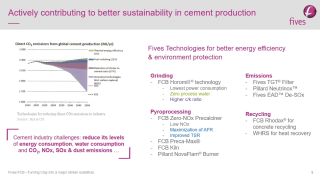
12 July 2022
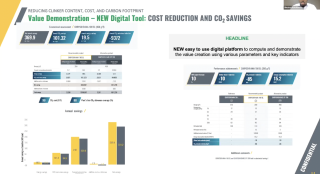
12 July 2022
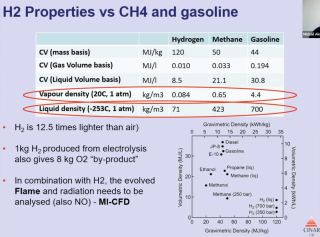
12 July 2022
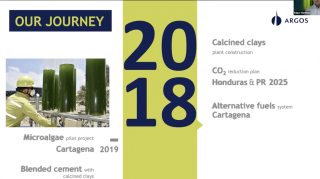
12 July 2022
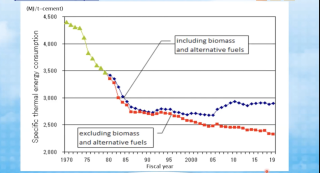
12 July 2022
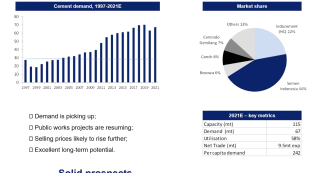
12 July 2022
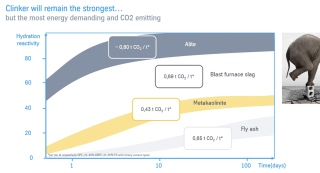
12 July 2022
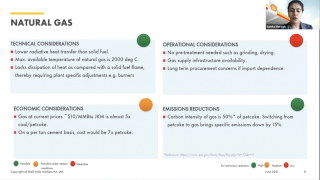
12 July 2022
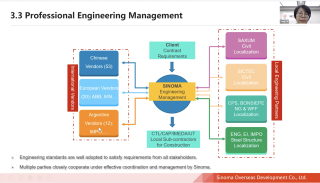
12 July 2022
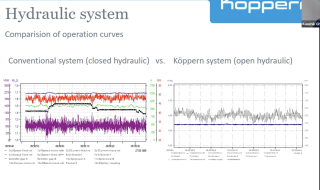
12 July 2022
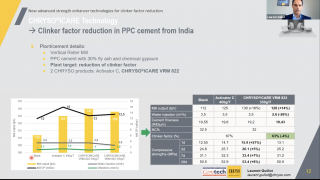
12 July 2022
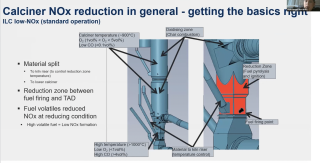
12 July 2022
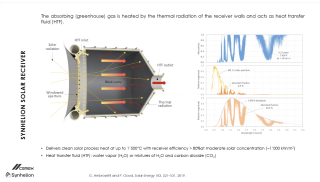
12 July 2022
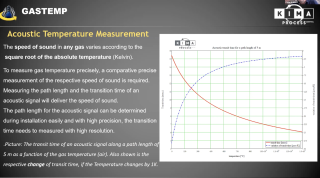
11 July 2022
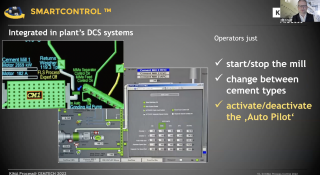
11 July 2022
11 July 2022
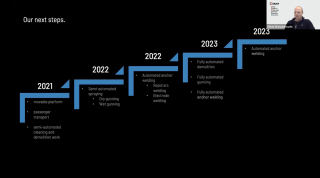
11 July 2022
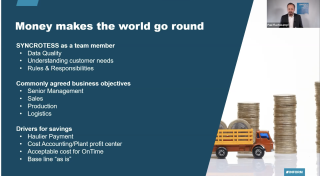
11 July 2022
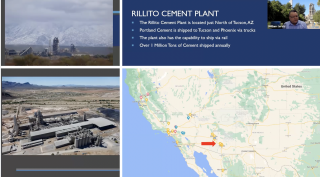
11 July 2022
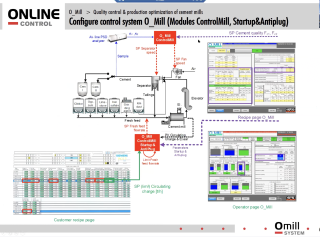
11 July 2022
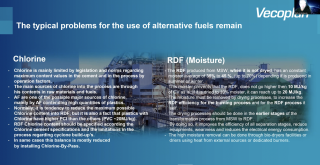
11 July 2022
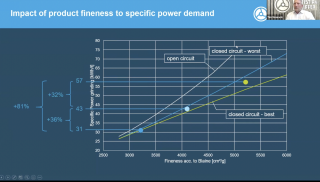
11 July 2022
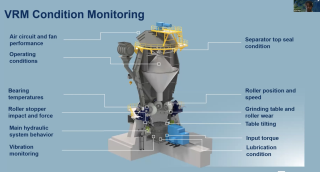
11 July 2022
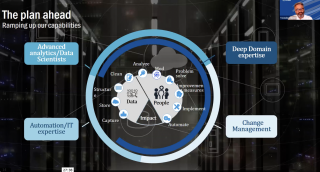
11 July 2022
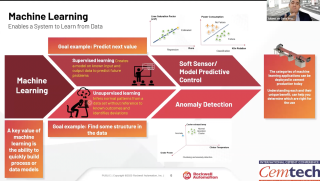
11 July 2022
11 July 2022
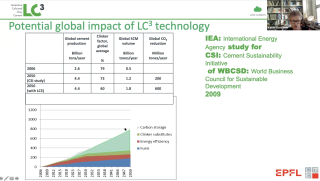
11 July 2022
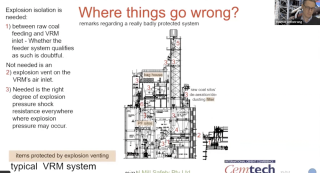
11 July 2022
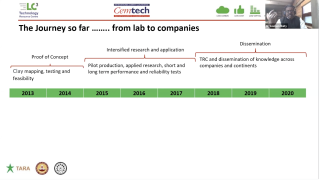
11 July 2022
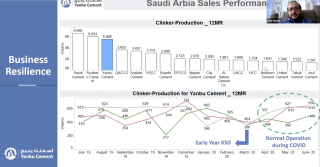
11 July 2022
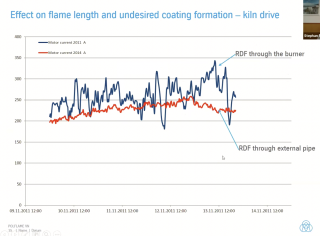
11 July 2022
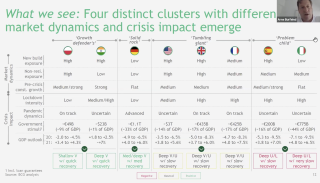
11 July 2022
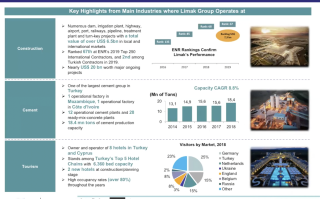
11 July 2022
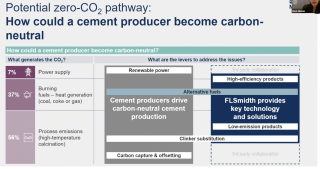
11 July 2022
11 July 2022
11 July 2022
11 July 2022

6 July 2022
1 July 2022
1 July 2022

8 June 2022
12 February 2021
12 February 2021
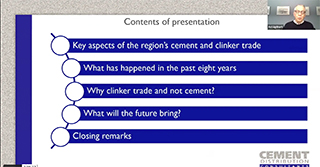
12 February 2021
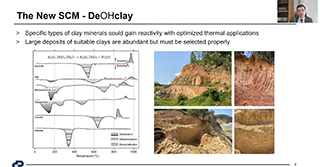
12 February 2021
12 February 2021
12 February 2021
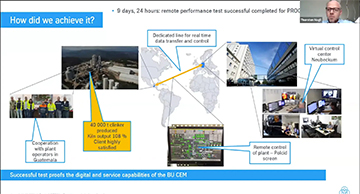
12 February 2021
12 February 2021
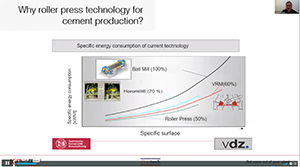
25 September 2020
25 September 2020
25 September 2020
25 September 2020
23 September 2020
22 September 2020
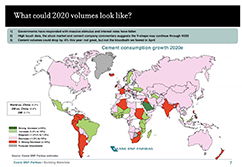
22 September 2020
21 September 2020
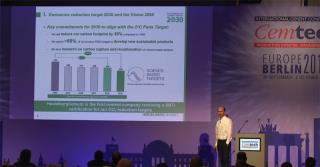
20 February 2020
10 February 2020
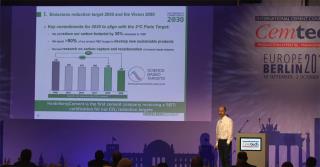
10 February 2020
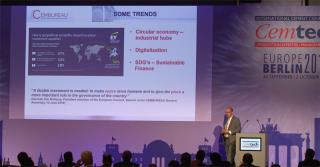
10 February 2020
7 February 2020
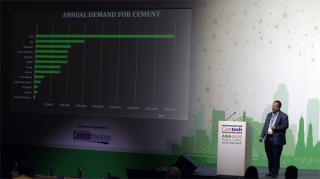
27 January 2020
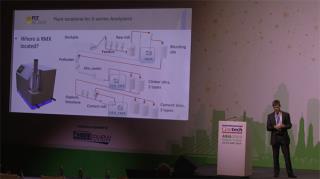
23 January 2020
23 January 2020
23 January 2020
23 January 2020
2 May 2019
30 April 2019
18 April 2019
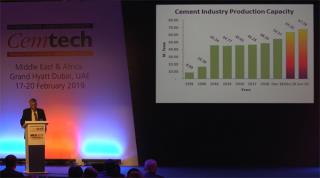
18 April 2019
18 April 2019
12 April 2019
12 April 2019
11 April 2019
10 April 2019
10 April 2019
10 April 2019
9 April 2019
9 April 2019
4 February 2019
17 January 2019
31 July 2018
31 July 2018
31 July 2018
27 July 2018
27 July 2018
27 July 2018
27 July 2018
27 July 2018
27 July 2018
27 July 2018
27 July 2018
27 July 2018
27 July 2018
25 July 2018
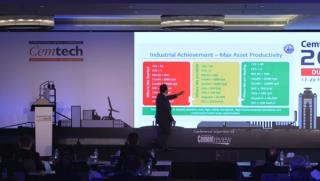
25 July 2018
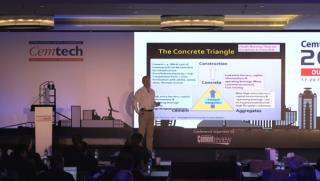
25 July 2018
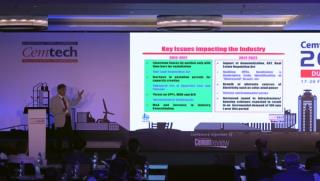
24 July 2018
24 July 2018
24 July 2018
23 July 2018
23 July 2018
23 July 2018
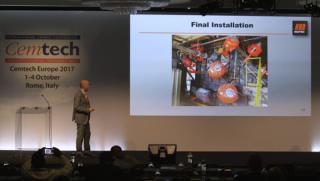
20 July 2018
20 July 2018
20 July 2018
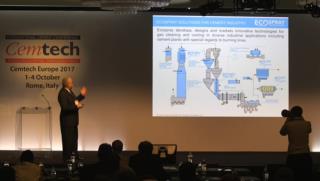
20 July 2018
20 July 2018
20 July 2018
20 July 2018
20 July 2018
20 July 2018
20 July 2018
20 July 2018
20 July 2018
20 July 2018
20 July 2018
20 July 2018
20 July 2018
20 July 2018
20 July 2018
20 July 2018
19 July 2018
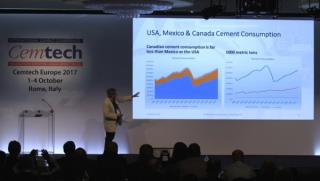
19 July 2018
19 July 2018
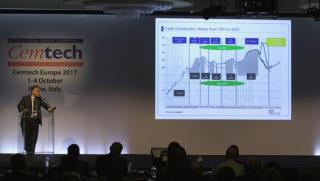
19 July 2018
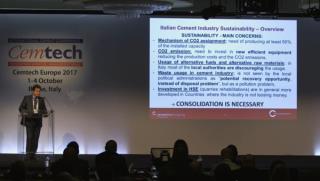
19 July 2018
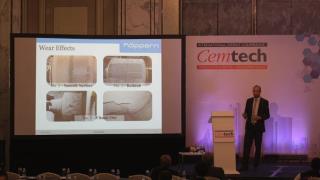
23 March 2018
23 March 2018
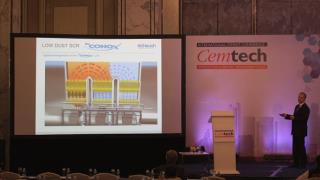
23 March 2018
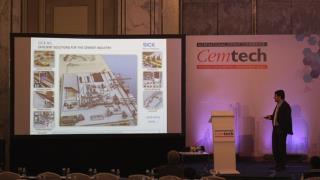
23 March 2018
23 March 2018
23 March 2018
23 March 2018
23 March 2018
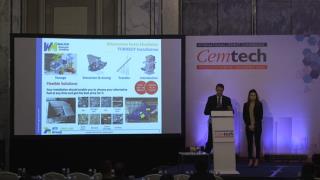
23 March 2018
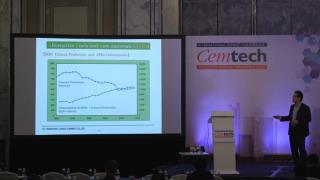
23 March 2018
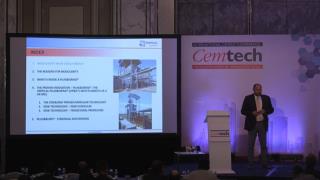
23 March 2018
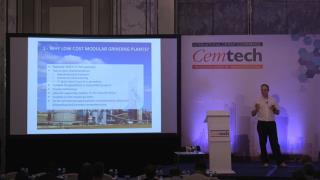
23 March 2018
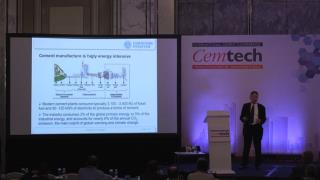
23 March 2018
23 March 2018
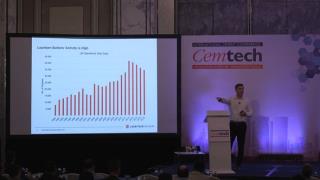
23 March 2018
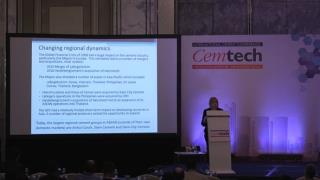
22 March 2018
26 October 2017
26 October 2017
26 October 2017
26 October 2017
14 August 2017
14 August 2017
14 August 2017
14 August 2017
14 August 2017
14 August 2017
14 August 2017
14 August 2017
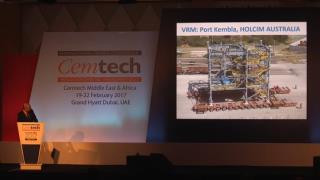
14 August 2017
14 August 2017
14 August 2017
14 August 2017
14 August 2017
14 August 2017
18 July 2017
18 July 2017
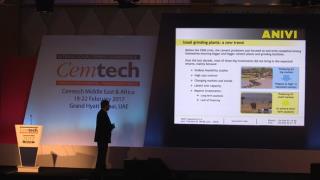
18 July 2017
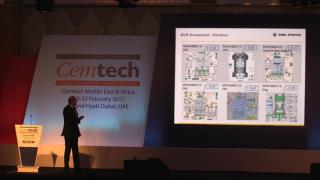
16 June 2017
16 June 2017
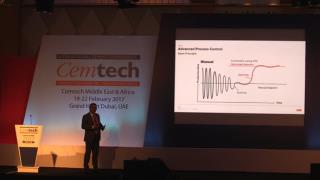
16 June 2017
16 June 2017
16 June 2017
14 February 2017
14 February 2017
14 February 2017
14 February 2017
14 February 2017
14 February 2017
14 February 2017
14 February 2017
14 February 2017
14 February 2017
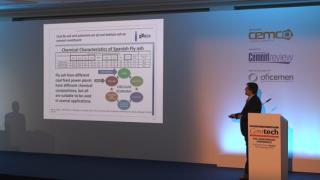
13 February 2017
13 February 2017
13 February 2017
19 January 2017
19 January 2017
17 January 2017
17 January 2017
17 January 2017
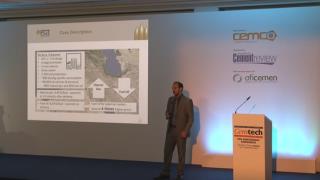
6 January 2017
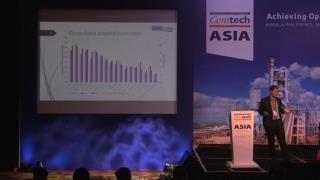
18 August 2016
18 August 2016
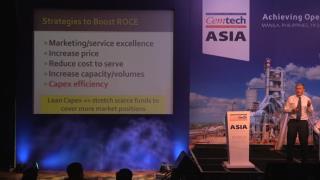
18 August 2016
18 August 2016
17 August 2016
17 August 2016
17 August 2016
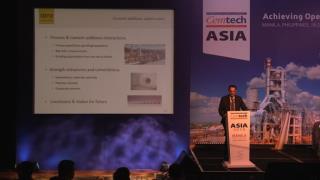
16 August 2016
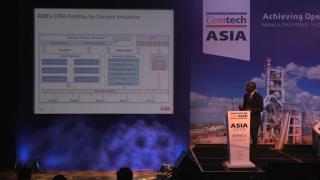
16 August 2016
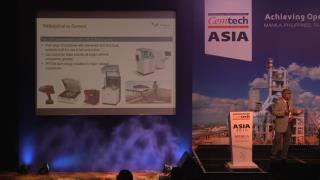
16 August 2016
12 August 2016
12 August 2016
12 August 2016
11 August 2016
11 August 2016
11 August 2016
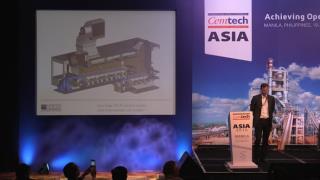
10 August 2016
10 August 2016
10 August 2016
8 August 2016
8 August 2016
8 August 2016
6 May 2016
6 May 2016
6 May 2016
6 May 2016
6 May 2016
6 May 2016
6 May 2016
6 May 2016
6 May 2016
6 May 2016
6 May 2016
6 May 2016
6 May 2016
6 May 2016
6 May 2016
6 May 2016
6 May 2016
6 May 2016
6 May 2016
6 May 2016
6 May 2016
25 April 2016
25 April 2016
11 March 2016
11 March 2016
11 March 2016
11 March 2016
11 March 2016
11 March 2016
11 March 2016
11 March 2016
11 March 2016
11 March 2016
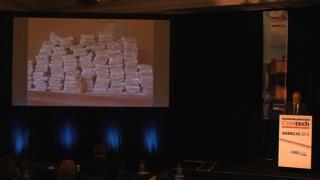
11 March 2016
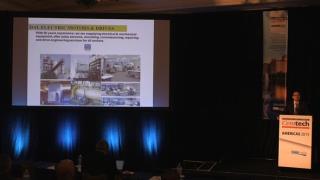
11 March 2016
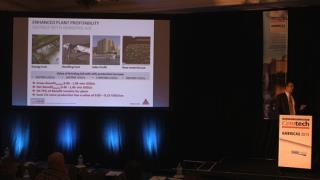
11 March 2016
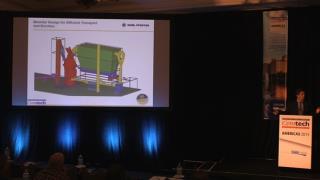
11 March 2016
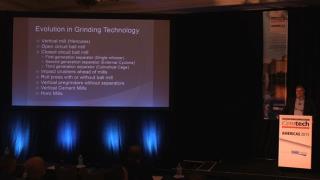
11 March 2016
11 March 2016
11 March 2016
11 March 2016
11 March 2016
11 March 2016
21 December 2015
15 December 2015
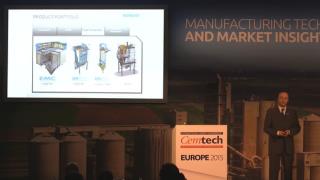
15 December 2015
15 December 2015
15 December 2015
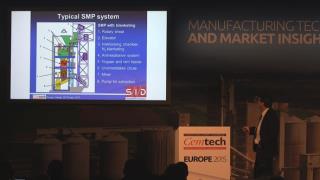
15 December 2015
15 December 2015
15 December 2015
15 December 2015
15 December 2015
15 December 2015
15 December 2015
15 December 2015
2 December 2015
2 December 2015
2 December 2015
2 December 2015
2 December 2015
2 December 2015
2 December 2015
2 December 2015
2 December 2015
2 December 2015
2 December 2015
2 December 2015
21 August 2015
21 August 2015
21 August 2015
21 August 2015
21 August 2015
21 August 2015
21 August 2015
21 August 2015
21 August 2015
21 August 2015
21 August 2015
21 August 2015
21 August 2015
21 August 2015
21 August 2015
21 August 2015
21 August 2015
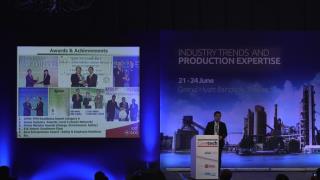
21 August 2015
21 August 2015
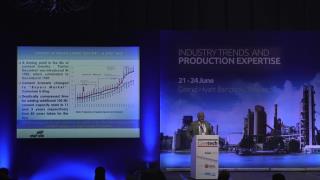
21 August 2015
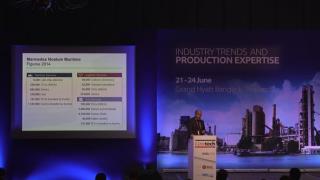
20 August 2015
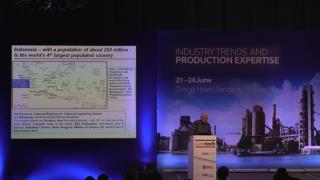
20 August 2015
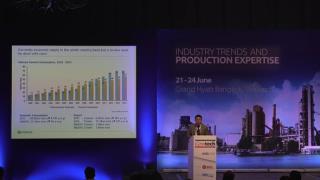
18 August 2015
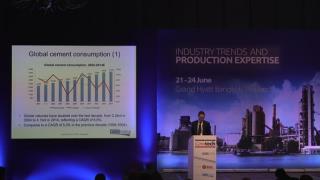
18 August 2015
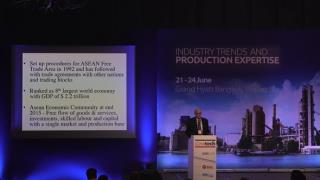
18 August 2015
18 August 2015

30 June 2015
29 June 2015
29 June 2015
29 June 2015
29 June 2015
29 June 2015
29 June 2015
29 June 2015
29 June 2015
29 June 2015
29 June 2015
4 June 2015
4 June 2015
2 June 2015
2 June 2015
2 June 2015
2 June 2015
29 May 2015
29 May 2015
28 May 2015
28 May 2015
28 May 2015
18 February 2015
17 February 2015
13 February 2015
13 February 2015
Try searching for another title.