
2 September 2026
This transcript was generated automatically and may contain errors.
Hello and welcome to Cemtech. it's wonderful to have you all back here for the second webinar of the year. it's it's really great to be back onto these with a whole new selection of webinars for the next several months. But we're already in February and we are gonna take on the subject of digitalization today. and it's it's my great pleasure to have a, a wonderful panel of speakers with me from really all the leading companies in this space. And they're gonna give us very comprehensive presentations, looking at different aspects of how AI can help your cement plant operations. So, welcome to the webinar. My name is Thomas Armstrong.
I'm managing editor of International Cement Review, and I'll be chairing this session. a brief word about us international Cement Review is a monthly publication. we're online with CNET and we produce a global the cement plant operations handbook as well, which many of you will know free with our subscription. as I always say, if you are here at this webinar then this magazine is something you should definitely be reading out every month. And of course, online, take a look at cnet.com, subscribe. I wanted to briefly mention our new products. It's out this week. It's the Global Cement Market Outlook. we provide markets updates and forecasts out to 2027.
it's a global forecast, but we focus in depth on about 50 countries. but provide a wealth of information, narrative everything you need to really understand where the global cement market is today. So that's all up online. it's an online report. It's it matches, it goes, it bookends with the Global Cement report in case you are a subscriber to that product. hopefully you'll find this useful. a brief word about what we're doing next week. ctec, it's ctec, MEA in Dubai. We really have a fantastic program. Two days take a look online, you'll see who's speaking.
If you can make it in this short week that we have left, then do, do come obviously focusing on the core theme of decarbonization, but really looking at the whole of the cement manufacturing process, how it is evolving in the different regional couple of really special presentations. we have the world's largest cow sign, clay cement plant, which is about to go into production in Ghana that will be presented. also the upcoming decarbonized Road decarbonization roadmap for Saudi Arabia. We'll be previewing that as well as having an assortment of panel discussions with C CEOs from across the region. So that's on next week but now to something closer to home, closer to your screen.
And in any case transforming cement manufacturing with digital technologies. we're going to hear from four companies. hopefully you'll know them if you don't. This will be a great introduction. sem ai in the us. very focused on plant maintenance process optimization. We'll hear from Scott Ziegler SMY a, a company that's really zoomed into the picture in the last few years and has an exceptional product, which I think you'll find very, very interesting looking at quality control in, in the product in cement and the concrete. but we we're very happy to have AMI with us today.
Optim if you are a regular viewer of Emec webinars, you will know Javier Gasier Sano, who's a a great person to explain really ai and its its application it depth and how, how it works and how it can help your cement plants. And we have a presentation from Javier but to start us today here in the nick of time, I'm really pleased to be able to welcome Anders no dam from Fl Schmidt meant Anders was having a little, little bit of a time trying to log in a, a second ago. So we're gonna give it a go now. Anders, if you'd like to share your slides and we'll con we could we'll see if, if, if this works for us.
as is an ex expert in automation and optimization, with nearly three decades of experience in the field, he spent 12 years at Siemens providing technical support, customer training, and sales assistance before joining Ffl Schmidt, where he is worked for the past 17 years. His career at FLS has spanned roles in software development, process control management, and commercial product management. Now, as head of product management in the automation technologies division, he leads a portfolio strategy at a time when industry 4.0 is transforming cement sector. Anders, are you having any luck with with sharing? I should already be sharing.
It says that I'm sharing my screen, so I hope that's the case. No, it's, it's not. Are you on multiple screens? In which case you might need to select the screen that you are sharing. I think we're good, Tom Thomas. I think we can see it. You can see it? Okay. All right then. Oh, there we are. I can sit too. Thank you. Okay, that's good. That's great. We're up. We're running. Anders over to you for your, your presentation. Thank you. Thank you, Thomas. So I hope everyone can see the slide and thanks for the presentation, Thomas. So I'll go directly into it.
So basically what we want to look at today is how we enable industry 4.0, and I think joined by my, my good peers, we'll hear a lot of good examples. So let's start. My presentation is structured on a brief introduction to 4.0, very brief, then a bit about the barriers that we have experienced on achieving the industry 4.0 and putting it in action. Then how we are designing our products so they can actually enable 4.0 achievements and then additional things that could help you easier to take advantage of the 4.0 benefits. And what it brings to us here, I'm looking a lot back, probably a little before industry 4.0 started we all the way back in the 1960s.
And that tells a bit about when our journey with automation started in Nesmith. It also tells about a history that starts with industry 4.0 around the early seventies, and how, for example, process control system and other products we have developed has evolved during this period. It also tells a bit about that these products, or it's the question, these products, are they going away or are they actually the products that enable industry 4.0? And my, my comment here is that a lot of these products we have today will stay and some will go away, but not that many.
The second last part of this slide, I will say is that linked to that, what I do in my role is I constantly evaluate together with my product management team, which new services should we focus on, and which of the old products has to adapt to support new services better. So they actually enable the new services of industry 4.0 in a way so they can reach the market at speed. And that's a bit about what I will be talking about in this next 20 minutes. We get a lot of inspiration from elsewhere. We can look at our industry, but we can also look to other industries to be inspired. What are they doing?
Have they developed something that we can bring into cement to help you cement producers at speed to get value from things that have already established themself, but might also be applicable in the cement industry, so that that actually indicates that maybe it could reach the in cement industry fast. And then can it, because the fact is that I, in the previous light talked about industry four 3.0. And to be provocative, I would say a lot of new producers have not really fully explored the industry three point, 3.0 opportunity.
And therefore you may, may have a chassin to fully embed the industry 4.0 at the speed that we would all like, because it's quite it's quite not well, how can I put it? It's, it make me exciting when I look at industry 4.0. So anything we can do to speed it up is, is what I focus on. So here we have a picture of 3.0 and 4.0. And this period we are in where we are transforming from one to the other in 4.0. We are adding a lot of computer power. We had a lot of storage, so we can have much more data than we had in the past. And we thereby enable data analytics to a whole new level than we have done for a long time.
And if we do it well, we would be able to increase the our machinery equipment's performance, the uptime, but also how we do process optimization, add a new leap to what we have done in the past. And I'm sure that my peers here today will also talk a lot about good examples of how they're already seeing results of that. When I split, if I should split AI at least seen from my point of view in three buckets, then I would split it in. Can we increase process optimization, improve it? Can we improve quality optimization, meaning that we make better cement, not just more cement for the same energy, but better cement. And the last thing, can we increase the up time?
And if I look that at that where we can do better condition based monitoring or maintenance because we actually know more about the machines through AI technologies, then, then we actually have three, three areas where we could do a lot for our industry. I would say of the three then condition-based monitoring is what I have seen reach the largest maturity level. And what do I mean by maturity level? The easiest way of moving a value experienced in one site to the next site and the next site and the next site. The level of productization that each of these area has is, in my opinion, different. At least that's what we experience.
and the condition-based monitoring is that what I see is the first, first ahead. And where we also in smid have the most traction and are selling the most services to our customers. On the other hand, another part of industry 4.0 is a connectivity. And connectivity gives us a possibility to make mobility, bringing all the information to the people wherever they are in the world, so they don't have to be on site to contribute with their knowledge to improve performance of individual science around the world. Connectivity also links to getting data effectively from site into a cloud where cloud computing and AI algorithms in the cloud can add value to these data.
Then the AI itself that could be executed onsite or in the cloud. And I spoke a bit to that. And then another thing we are looking into and seeing as a means of enabling industry 4.0 is that we need to get more open standards into the OT world than we have today where there is a lot of proprietary technology that actually limits communication. But all these technologies should lead to something they should lead to value for, for us, for our industry.
And basically one of the things it would lead to if we implemented right, is reduced environmental footprint that can be achieved if we can increase the quality of the cement reproduce, because then we can lower the clinker factor and thereby lower the impact on the environment. Yet again, if we can do that and also optimize the process while doing better quality cement, then we would achieve cost savings. Cost savings would also be achieved if we can get a higher uptime of our equipment. So that's basically what we are looking for. That's the value we are looking for and why we are implementing these technologies on top of what we have.
So what are then the barriers to get all value out of all that? That's what we are looking into. And we are also looking into how we can help you overcome the barriers. One of the barriers is lack of knowledge, maybe not at at the people you see today, but on the sites. And we have learned that for a long time with existing optimization products. If customer doesn't under, if our customers, the people on site doesn't understand what they do, they will be temp, tempted, tempted to stop their operation, and then they for sure don't add any value. So a part of adding technology is also adding education to the industry of using the technology and seeing the value of the technology.
And if we don't get that, then we will not get the priority and the focus we need on site to actually make the the innovations valuable to them to the producers. The other things, when I say immature technology, and I can be challenged on that, but my point is, is it mature enough that when we have seen result on one side, that we can at speed move it to another side? And I still still think that some of these technologies are a little bit earlier than some of the technologies that we have used 50 years on advancing in the industry 3.0 era that where we can have a good learnings on how we remove a value from one side to another.
We are still seeing exploration on how we do that, and I hope to see good examples of that today, but I still think it's it's early days. And when it's early days and we are using a lot of time of on things, then the solution also has a price tag to it. So that could all be limiting factors. But the most important thing, I think where where we have a challenge that is the last one, and that is the data quality we see on sites. And that links back to my comment, have we really implemented our 3.0 solutions to the full extent?
Because if we had, I think we would have a generally have a better data foundation on sites, then what we see today and what we are often in discussion with our customers about how do you improve your data quality so you get ready to implement these technologies, new technologies at scale. So, so that is for me at chasm, we have to overcome in parallel to maturing the technologies. What am I talking about? I'm talking about both for time series basis, that typically is in DCS or in the process control system. Ours is called DCS Control center. But nevertheless, that often to build proper algorithm, you need a data foundation for it.
And often we see in the corporation, we have been part of with universities with research projects with customers that one year of data with a decent resolution is often helping those algorithms to get some value. But the many customer would say, I don't have that in my control system. I have the period you're talking about in my historian, but not at that resolution. So basically that limits to some extent what we can do. And if we come to quality data, then we see even more challenges on having a already digital locked data foundation where you can extract the data you need in order to get good progress with these data-driven technologies.
So the fuel for the data-driven technologies is something we still have to focus on getting right in many cement sites. So a reflective questions to all of you listening today is how is it on your side? How is it where you are working? Is there structure, digital structure, or is there chaos in the data? Because then we probably should focus here to enable that we can accelerate these technologies while they are proving results in other sites and need to be scaled to really make an impact for the industry.
Now I'm jumping topic, but still at chason hurdle we need to or come as an industry, basically, many of the providers of AI solutions structures their algorithm in the cloud and their execution of algorithms in the cloud. So they bring data from site, train the algorithm, run the algorithm in the cloud, and based on the outcome of the algorithm, whether set points or predictions they need to go back to site. That's at least what we are seeing and the desire for many ai startups.
Yet the infrastructure of on site is typically not organized in a cyber secure way where the IT departments, when they get involved like that they opened or putting data out is maybe one thing, but then returning data to site through the same channel. And of course, that can be people that have the knowledge, but we see many constraints on speed of implementation when we actually need to bring the data back to site. I think that is a general topic also to consider in parallel to the new technologies, get your site installation right, so they're ready for the new technologies. Then a last thing I want to mention here is the lack of standards.
If we look in the information technology world, the IT world, we have a lot of open standards. If we look in the operations technology world, like the digital foundation we have on most cement sites in the production area, then we are looking at a lot of proprietary technologies, which again, might not be known to our IT colleague, which also limits speed of understanding each other, but also limits innovation. When we look at our mobile phone and consider how fast innovation have been in the last couple of years or decade, it's about that it's an open standard that many users compared to that. How many users do you have of the different PLC brands?
it's very limited in comparison, and that drives or that limit speed of innovation. So we need to drive open standards also into the operations technology space. That is also something that I believe is important to materialize the new technologies at speed in our industry. So let's see. That was a lot of hurdles. Let's look at what the roadmaps brings here. So basically this is how the portfolio of automation and cement Ethel Smith cement is structured. We have a process control system. We have a lab, automated lab system, we have gas analysis, and then we build optimization solutions. On top of that.
We build them so they can plug into each other and complement each other, and we are transforming them into services. So you can buy them or you can use them on subscription for process control. I will go on and for sampling, I will show a slide later, but for gas, I will just make a short mention. Gas is equally important than the other two or is a very important area as it gives data like oxygen levels, et cetera, to the optimization solution. And even if you were looking at soft sensor for oxygen prediction, then your input for doing the sensor would still be a physical instrument for why way to come for, for a while to come and also for verifying the results of your analytic prediction.
If I look at process control, it is the biggest source of data we still we have for using the new technologies. So I see process control system as a huge contributor to enabling industry 4.0, but I also see QCX or quality system because without quality data, there's no means to make algorithms that provide green cement, cement quality, where we can lower the clinical factor where we are in control of what is happening in our SMCs like calcine clay as mentioned by Thomas for a common webinar. So if we are not in control of what happens in the different materials chemically, then our ability to mix them will not be there.
And here we see that many sites doesn't have the sampling and the analysis in place to do that at full efficiency. Probably they need to expand with XRD into their labs to have more analysis done that can be embedded and used by optimization algorithm in the in the quality space. So coming back here to a picture you've seen before, but linking it directly to a product from Ethel Smith, what I'm talking about is for mobility. We are, I was too fast. One thing I want to say is if you have that control system from the last 10 years from Ethel Smith, you already have a one year data of one second resolution when it comes to time series.
So that is one enabler that you might not be aware of, but that is a fact. The second enabler that is coming now is the ability to distribute without fully integrated data across the world for every data point you have in your control system at the moment through a mobile app. But the next step will be that you see that technology used to make remote control rooms. so actually you get that ECS becomes a hybrid system where something takes part on on site other parts, takes part in cloud and means data can be accessed from everywhere if you have the right user ification to be allowed to log in connectivity.
We have built MQTT directly into our control system, meaning that together with a cement producer that had a need, we have developed the algorithm. So we can provide data directly into a customer cloud that could be the basis for their future analytic platform for ai. We can execute AI scripts directly on the platform, or we can connect to an endpoint in the cloud and bring back predictions directly into the control of the plant. And then for open standards, we are working together with open process automation group and universal automation on pushing open standards into the cement industry. So for quality data, I would just say that where is your data? Do you have manual labs?
Do you have automatic lab? Do you have a combination of the two? Do you make sure that your data is in a structured, in a database base with all the metadata that is needed for sample two to know what is happening in the process? When was the sample taken? What was the outcome of the sample for both your automated analysis and for your manual analysis? And if not, then we have at least a white paper you can look into and get inspired. What might be the needs you have in order to, to really have a data foundation from a quality perspective to source algorithms in that space Also XRD will be a topic that we are exploiting ourself. How can we add optimization based on the XRD our analysis?
When you have the data in your database, what do you use it for and how do you optimize? Let me look at time. Yes, there's a bit more minutes. then I want to, to embed information about our a PC solution that is called process expert. And I will focus only on one of the areas that was launched with our nine major version of the product. And that is a new controller type that is added inside the toolbox of ECS. It's a toolbox that it's an controller type that focus on adapting to the dynamics that happens in the plant. So it can dynamically adapt to varying varying conditions. So we ensure long-term stability of your process.
We have also embedded or have a controller that can be implemented in a way. So we ensure more consistent implementation from site to site and in a reduced time span compared to what it was earlier where we used typically MPC as the main controller type in our solution here. We look to other industries and we found that actually there is such a, a controller type produced and used in other industry. It's a patented technology, but we made a cooperation to embed that technology into our PXP toolbox. So instead of developing from scratch, we took advantage that they are technologies out there from other industries that we can get inspired from and can use in our industry.
But let's get to the most interesting part is what is the value for the end customer? If they embed that technology, that controller type in the solutions at that their site, and basically from our previous version that was NPC based, you see increased numbers across the board in the performance it gives. But the most important thing links to what I talked about before, user acceptance of what the tool is doing for you, which equals two, that you get a high up time, a high run time or high run factor, high utilization. It has many names, but that it is actually in operation.
And we have seen for all our installations that we have done and that has been operating the last half year, that they have a higher utilization than we typically saw previously on open automation. We are a set active in, in two forums that are driving open open standards into the OT space of industry. I would look at this one we are actually discussing here outside the cement world because we don't see so much traction in the cement world yet to get traction. But we are looking for early adapters in the cement industry to work with us on testing this out, bringing it to the cement industry. And if there's anyone here having that interest, please reach out to us.
We believe that this will ultimately, as it's done in the IT world, lead to lower prices and more flexibility and as well hyper higher cybersecurity. If we bring ourself from the proprietary setups to these open standard setups. Then I don't want to go in detail, I just want to say for each of our products, we of course have a roadmap. We have a plan, where should the product go in the coming period? And hence you can get an idea what we are seeing in front of us, what we are pushing ahead that is valid for process expert, but it's equally valid for our control center, our mixed control system, where we make sure that we have the perfect blend into the raw mill or in the cement mill.
And here, as you can see, we are working on XRD to bring more value out of XRD into our optimization. And last but not least, we are working a lot on structuring data in our databases, including adding manual lab data into our database so it gets easier to add manual results into our shared database and foundation for empowering tools or algorithms that does quality predictions. So I think I'm pushed on time, but I just want to say maybe if you want to see innovation at speed, buying the software and owning it for many years is not the right thing.
Maybe it's more right to have a service with the software where you make sure that you are continuously updated, take advantage of the latest innovation as it comes. As you could see the roadmap, there will be innovations coming to market each year. Do you want five wait five year until you get access to those innovations or would you rather go into another agreement model where it's more sold as a service where you are continuously kept updated and take advantage?
And even if you, and if you go to the pure subscription model, have a lower ENT fee, and also with the chance of stepping out at a moment in time without feeling that you have invested a lot of money that you are not getting the full value out of. So we believe in our products. So we are not afraid of going to subscription with a lower ENT entry fee, enabling you to get benefits from the start. And as long as you can see that there is benefits, we have a plan line to support our products. So as soon as you buy on a on a continuous and our model where you're continuously updated, you will be covered by our plan line concept in the lifecycle module.
But are you buying one of our optimization services? Then we would typically also add a proactive module where we are keeping track that you are getting enough out of your optimization and we are in dialogue with you on what could you do to get more value out of the tool you have bought, installed, have a subscription on. So I think that these two goes hand in hand continuously updating the software and having a combined responsibility of making sure that we get enough out enough out of the installed service. So I will end myself here with the last slide saying, if any of this has resonated with you and you have begins to reflect to, we really have the right setup to enable that.
We can go into industry 4.0 at speed, and if you reflect, I need a little bit help here, I need to go deeper than what you told on us today, then we are there and we have different types of supporting you in making status of what your plan is. Plan plant is capable of right now to empower industry 4.0, but also to make a plan. What are you missing and what would the best options be for you to, to get there where you can enable that at full power for your plant, your operation, your corporate. So with that, I would end Thank you very much, Anders. That was a great presentation. and, and nice and refreshing different angles to what we've, we've seen before.
one of the, one of the things you start with is is the requirements for digital transformation to, to get where we need to go at a speed that, that we want to go, go at. the key is that plant data, isn't it? It's really essential. And you were talking about resolution one, one to ten second resolution. how, just off the top of your head, how many plants, what, what percentage of plants do you think meet that standard?
Yeah, based on on, on my experience both in our direct involvement with customers in my involvement and our involvement with research studies that's trying to gate data sets from sites and in in our cooperation with startups on site and seeing where they struggle and what they're asking for and what the sites can deliver, I have a feeling that it's less than one out of 10. Wow, one out of 10 have a sufficient level of the data, data readiness That of course, it depends. If, if they use lot time enough, they will get it.
But it's, it's like just saying, okay, that's what you're asking for, and tomorrow I provided you to you, or in one week I provide that data set to you so you can get started, then it's few, then they have to start looking. They have to start compensating for not having structured that data. that's often the case, and I believe it's something like that. Okay. So before you can get going you need to get a data audit then with Anders and see where, where your plant is at. okay, so that's, that's one, one angle. The other bigger question is like you said open source and, and, and making progress on, on a more universal standards.
So I guess that's something that you are pushing and would be a, a harder thing to achieve, but very fruitful if, if the industry can can can do that. we've got a question. really specific can you track the clinker to cement to concrete asking how do you know which clinker went into the cement and which cement went into the concrete, if you see what I mean? Yeah. So is that something that's, that's kind of going specifically now into your products, but can you talk around that? Yeah, I, I think I, I think I would like to speak to the person, in person or in the sense also bringing knowledge from my, my colleagues here into the discussion. Hmm.
I, I know that it's a space that one of the companies here today is, is putting a lot of energy into it is tricky because typically ours many of our producers stop with the klinger, and if they have cement milling then you stop with the milling. We are, we have not been actively involved when it comes from the milling where you have the mill or the cement and then you go into the concrete that is downstream from, from where we have our main expertise to today to, to be to be direct or, or answer the question. Yeah. specifically. Okay. that's very good. A little, a little comment now. I think we'll get more into that later actually with with Alex. But yes. just just a little comment.
Ricardo CarVal from Cecil he, he makes a point, don't forget that most data resolution limits don't come from ECS, but from aging PLCs. Yes. So maybe that's a, that's an interesting insight there from Ricardo. Thank you. and that question and as was from John Klein, so if you don't know John, we can of course put you in touch. Hi, hi to John. thank you very much. And as that's all we've got time for now, but a really good presentation, very a very good way to start the webinar. Thank you very much. Okay.
So our next presentation, I'm really glad to have Javier Sano with us Javier's founder of automotive and has over 30 years experience in applying artificial intelligence to industrial processes with a background in physics and executive education from IE and IE se business schools. He's developed AI driven optimization solutions for the power generation, cement chemicals, metal processing, and automotive industries. prior to founding automotive, he held r and d management and technology transfer roles at Iola engineering and or Mabel Group and TEGNA Research Corporation. so great experience. he's, he's received multiple awards for his entrepreneurship and innovation.
So I'm delighted to be able to welcome back Javier please over to you for your presentation. Thank you, Thomas. And hello everyone. Good afternoon, good morning, or good evening, wherever you are. Okay. My presentation is here and you see it. That's up. That's great. Thank you. Good. Excellent. So, optimization is what I'm going to talk about. Automotive is all about optimization by means of ai. And I'm not going to discover you today. What is ai? Because everyone is living ai, every one of us, and it's providing us in our daily lives, really marvelous things.
But we are experts in applying of artificial intelligence in the heavy industries and very, very, very, especially in the, in the 17 industry where we are working since 10 years ago. And very, very successfully. The company opportunity was founded in 2008, backed by one of the first research corporations in Europe, which is technology. We have a presented technology. We are a specialist in applying AI in closed loops. So autonomous AI driving in a secure way, the industrial processes that we optimize. And we are operating right now in three continents with dozens of applications, which are increasingly over and over.
So the problem that we solve is in the control room of those industries of heavy industries vary, especially in cement plants, control rooms with process operators who are observing hundreds of variables at all times about the keying the raw mill or the cement meals mostly. But that's not so easy because in those processes, conditions are changing all the time. For example, the raw material mix or the raw material properties, or the alternative fuels availability or the properties, these are disturbances that are conditioning and are making the operation of cement processes really are challenging. And because of this, operators are not able to react properly in the right time.
And with the right amount of the modifications of the adjustments because of this energy and resources are wasted. Moreover there is progressive retirement of the older and more experienced operators, and there is a progressive loss of talent, which is is a, is a problem, means for some factories. So the solution for this is artificial intelligence. I'm not discovering the rocket science right now. Artificial intelligence is all over the place, and in our case, we are applying it since 16 years ago in the process industries. And the way we apply it is connecting to the process control system, reading the data every, some few seconds, learning all the time from those data.
And with those learning if the AI system is able to adjust the set points at optimal points every time continuously in closed loop, that means that the a a system is taking the operation in continuous modality every some few seconds, applying optimal settings without human intervention. And this is the way of obtaining the optimal performance from, from the process industries, especially from cement processes. So process operators do not require anymore to be sticking to their comfort zones and applying all the time their own the, the same recipes once and again and again. Artificial intelligence can do the hard job for them and apply optimal settings every, some few seconds.
We are applying this concept since 2011. We are not new, absolutely not new in this market, and we are applying it in power generation, cement, oil and gas, chemicals, paper production and more. So all the process industry, the heaviest industries share the same problems, but we, we are very, especially focused in the cement industry. Everything that can be measured can be optimized because the optimization is a mathematical concept, and we can optimize the throughput, the energy, we can optimize the quality, vulnerability or stability. Everything that can be measured can be optimized.
And the, the good thing is that right now this is fully aligned with the digital transformation initiatives, which are being implemented all over the, all across the industry in the digital transformation departments of cement holdings. As has this, it has been well described by our colleague of FL Smith. So we have a number of customers in the cement cement industry to put four of them. And we are working with CRH in St. Lemon Plant in Spain. And with Titan, we are working in America and in Europe, and in in Africa as well. with unam, we are working with their plants in in Ecuador with cement molins. We are working in Europe and in Latin America.
So these are samples, some few samples of the, in many customers that we have in this great sector. So where to locate or where to apply after artificial intelligence for automation. if we have this pyramid of the automation hierarchy, we have in the bottom the sensors and actuators. We have the basic control loops on the regulatory regulatory control. Then we have the DCS, which represents the digital control, the skyline. And so, and then we can have or not advanced process control A PC which is mostly implemented by means of MPC, which is model based predictive control. It is possible to find it or not. It depends on the process, it depends on the factory. It depends on the company.
But what you, what you need in any case is optimization, because you want to drive it all optimally. But if you find an A PC, that's okay. You can run it without the a PC, taking the, using the artificial intelligence to take over and, and to implement the task of advanced process control. If you have an advanced process control system, then you can make the optimizer run on top of it and be complementing it in a perfect way.
This is depicted in this slide in which there are two approaches when you find an A PC there in the pro in the cement process, then opt canik can, let's say, optimize the A PC, which takes the optimization in real the, sorry, it takes the control, multi-variable control in real time over the process directly. But when there is not an A PC there, that's not a problem either because I, AI has is right now enabled to implement sophisticated tasks, and advanced process control is one of them. So the opti at the ai, in our case, the, the product which is opti, but is able to apply advanced process control strategies plus optimization all in one.
And this is a fast and cost effective approach, which is absolutely possible as well. And but the other approach which is making, making it work on top of the A PC is a perfect compliment as well. So to, to make it graphically linear. linear, advanced process control is the most frequent one that you can find there where it is installed. And when you have have a linear a PC, it represents everything like in a linear way. So it makes everything to look like a plane linear thing, which is the picture on the left. In that case, it's, this is very good for control, very good for responding to variations, to disturbance system, to reacting and making the process table.
But when you want to optimize, you need a broader picture, a broader map of the pro of the process. And this is only possible when you are a B or when you are enabled to learn all the sophistication, all the complexity of the process by means of data. And only AI can do that in a precise way and in the, in with all the sophistication of data, with uncertainties, with variables which might be missing or or unavailable at a, at a certain time. So, artificial intelligence can take that complex role because we know that artificial intelligence is able to work in ambiguous and uncertain contexts, and this is how it works.
So in that case the way of working of artificial intelligence is that it's able to represent models, internal models of the process, which really are able to identify the optimal points of operation. And this is the good complement, the perfect complement for any control strategy, eh, and the necessary for optimization. For real optimization. So this is working really. And we are implementing in dozens of factories worldwide. So we are elaborating statistics of our results in those statistics. Statistics. in terms of energy savings, what we observe is the most frequent values is around the 4% of savings, energy savings in the section in the, in the kiln and in the mills.
The most frequent result is 6% of savings, whereas in terms of throughput optimization, which is maximizing the throughput, when, when it is a requirement, then we are achieving statistics, which in all cases are around the 6% as most frequent results that we find in our installations. 6% means that you are producing 6% more of your product, be it milling the row material or milling the final cement finish, finished cement or elaborating or producing clinker, 6% more production, more profit, more margin. So this is based on our patent, which is an agent based technology.
Artificial intelligence intelligence agents are there, we implemented them from scratch, from our native AI architecture 15 years ago. But we have been updating it. And and according to the, to the new algorithms and new technologies that are available, and it works assuming that a complex process, a complex task like, like optimization, can be split in individual tasks, individual things that can be performed by skills, skills, our, our, our artificial intelligence agents, and they can learn by themselves. They are autonomous in deciding when it is the time for them to be retrained again, to be kept updated about the new behavior of the process.
So this is implemented in two software tools that we have, which is one of them. On the left is Optiva Studio. And Optiva Studio is, we call it the AI CAD for tool for process engineers, because it enables process engineers non being data scientists to implement sophisticated optimization solutions with ai, with no need of coding, no need of coding, non being the AI experts. They can implement optimization with ai. This is the magic in a graphical way. And they can run simulations, and when everything is good for them, then those models and those solutions can be executed by the second piece of code, which is optiva, RTO. The optiva RTO is an optimizer.
It can, has an optimization AI algorithm for opti for for finding all at all times the optimal settings. It's reading all the time, the process data, it's learning from them, and it's applying the optimization algorithm to find the optimal settings and applying them in closed loop. This is how it works. So making it easy for for non AI experts and making it easy for implementing in closed loop in real time in the process. So this is how it w how it looks like an optimization strategy in which those boxes are skills of several types, which are assembled in a graphical way.
They can be grouped together in composed skills, which facilitates the grouping, the design of the optimization strategy, all in a graphical way. And the workflow is simple designing the solution with Optiv at the studio, and it is possible. And the approaches starting from, from previously solved problems, which that we call blueprints. So starting from a pattern then redesigning or elaborating the optimization strategy and testing it, then when you are happy with the optimization strategy, then implementing it in the opta RTO and making it run by the optio, which is taking care of the optimization every so few seconds in, in closed loop while the operators are there.
And they only have to adjust their priorities if the, their priorities, the energy or the throughput to adjust the operating limits or the constraints. And that's all that they have to do. And they can concentrate on the most of the value tasks, which are supervising the whole process and taking care of the startups and the shutdowns of the different equipment in the plant. So applying this to the clean optimization, then there are several variables like the feed rate, the kin speed, the cooler funds.
So the ID fund that can be manipulated in terms of seeking for the optimal throughput in terms of maximizing it, reducing and mis the consumption, the specific energy cost while the quality is preserved or enhanced in terms on most frequently of the variability of the, of whatever quality. normally the, the, the free lime is the most important one in the kiln. And of course, as well, the alternative fuels, which is a complexity which is more and more added in the, in the Ks, in the sick for sustainability and the saving of of costs. second type of asset that we normally optimize is the horizontal finishing mill. And in this case, mill exceed pressure, separator, exceed pressure.
The feed are typical variables that can be become manipulated for the purpose of in optimizing production, the quality and the energy consumption with results that can achieve up to 10% of energy savings. And the vertical raw mill is, can be optimized by means of variables like the differential pressure, the green roller pressure, which are specific to this type of asset. And the various very careful attention has to be kept to the vibrations and to, and to the bed height which is specific to this kind of set. And this knot is completely different to the horizontal mill even if the purpose can be something, something equivalent, but nothing to do with the operation of both types.
And here again, the throughput, quality and energy consumption. This specific energy consumption is are the KPIs to optimize. And it depends on the day, because when the, when the need for production is, is using the set at maximum capacity because every single ton of cement that you are going to manufacturer is going to be sold, then you, what you want is to optimize the throughput while keeping the energy efficiency at a certain level, but another day that the maximizing the product reduction is not a need. And what you will do is to store the material in a silo. What you want is to opt it, to produce it at your own pace, but optimizing the energy, specific energy cost.
And this is what this approach, AI approach can do for you very easily, because it's only a switch. Oh, today I want the throughput optimization. Okay, that's done today. I want to optimize the energy, then. Okay, that's only, say, changing the switch suite switch with the same optimization strategy based on ai. So the good thing of this is that can run either on-premise or in the cloud. And the great thing of the cloud, it that is, allows the manufacturer to abstract and to forget about hardware, software, cumbersome maintenance and the problems and the concentrate on the operation.
And the this is more and more required, more and more demanded by, especially by, by big groups or big manufacturing groups. But, and this is enabled as well in, in our case complying and keeping as well with the strict cybersecurity standards and with the software and protocols and communication protocols, which are there in the market. So all this is for helping our customers to produce more with lower energy needs optimizing the costs, maximizing the profit and loss accounts. But, and at the same time, very important for us is to help to make a better world, which is our purpose.
and we are so proud of helping our, our customers to save CO2, to preserve CO2 for emitting it, for, for, to, to the, to the atmosphere and to the world. And we are, so far, we have accumulated around 200,000 tons of CO2 that we have avoided to the planet, and we will increase this amount. Moreover, this counter that you can find in our website is running at the speed, which is every time is accelerating and accelerating, eh, because we are, as we are, optimizing more assets than the, the, the speed of this counter is is running faster and faster. So we are so happy about that, and I hope that you will too.
And finally, I would like to share with you all my, our vision of what will be a digital cement plant in terms of operating the, the technical equipment. And we envision a cement plant in which our all the assets, energy consuming assets will be optimized in real time and will be as well maintained in a predictive way with ai, because AI is the tool that enables us to do magic things right now with a very easy way of setting up. But right now, the, the assets in which this concept is beyond being applied, as I have explained the present, is that we are optimizing the kil, the raw meals and the salmon meals.
But when we will be reducing, and this is our strategy where we will be reducing the setup costs, then more and more assets will be able to be optimized. So here where we are sitting seeing in this picture is progressive optimization of more and more assets like crashers, like coal mill, like pumps, like air compressors. So all the plants optimized with a single, single entry point, which is depicted here in this tablet where the operator or the engineer or the manager can access all the assets, energy consuming assets and carry and, and, and supervise how they are being optimized, how they are being maintained, and what are their KPIs in terms of energy throughput and quality.
This is how I, we envision a future in the digital cement plant. And this is and will be very well complemented with the description of predictive maintenance with AI included in integrated with optimization that later on, same ai Scott sealer with, with will explain to all of us. Thank you very much. Thank you, Javier. Very exciting future that you've sketched out there and great stuff that you're doing. a great slide on the sa savings of CO2 and how you're seeing that accelerate as you optimize more more of the, of the plants that you're working in. So a really good overview of your, your product. there there continue to be questions.
Now following on from Anders about the kind of data set up that you need in a plant. if you have what is the right amount of data, if nine of nine out of 10 plants are, are, are not ready how much work is there to do? How do you, how do you bring your plant up to scratch? it's obviously a concern that your, your models won't be able to respond, I guess, in, in an effective way if a, a plant has a lack of data or a lack of sensors. So there must be, it must be a, a, a gradual thing. I mean, different plants mm-hmm. In different levels of preparedness. Yeah.
Look, in terms of the, the data requirements they are quite simple because every process automation vendor, including FLS mid, that has been speaking before or A BB, any vendor of advance of, of process controls, they comply with certain standards for communication with the most obvious one is OPC, but in the future, we will see more and more application of MQTP, MQTT and other protocols. But o PC is always there. And in terms of data quality requirements, the good thing of AI is that when you have a certain tools methodological tools, it is for ai very, very much possible to cope with uncertainty and lack of information and incomplete information.
This is a good thing of ai, and it requires appropriate application of this AI technologies, of course, but we have never found a cement plant that we could not optimize because of incomplete or in or or bad quality of data. And the reason in concept, the reason is simple, is that if the process operator with the available information is able to run the plant better or worse, the same can do AI for him, but in a better way than in real time every, some few seconds. That is the concept. So simple. And that is ai, I guess, yeah, you can go further with better data. Is that, is that the case? you'll always be able to make an improvement, but if you want to go to the maximum, Sorry, repeat.
you, you, if you wanna go to the maximum optimization levels then, then you will need to increase the, the quality of the resolution of the data. Of course. Yeah. Better quality means better and more optimization, but you don't have to stop your initiative of optimizing. Yes. if you don't have your perfect data, because perfect data doesn't Exist, practically Never exist. Yeah. So if you, you stop doing things in a better way because of that then you, you might do nothing ever. Yes. Very good. Okay. Well, lots, lots to think about a great presentation. Thank you very much. So on that note, there's not, there's, there are no, there are no plants that can't benefit from from this technology.
So thanks So much, Thomas. Thank you very much. Javier, that's that's great. I'm gonna move on to the next presentation now, as you can see it up there, digital transformation in cement plant operations. I'm, I'm very pleased to welcome Alex who is a business development manager at smy. bringing over two decades of international experience in cement technology an engineer by training. He began his career at Cemex Mexico in operational management before moving to FL Schmidt in Copenhagen, where he led multiple teams. He has a strong track record in optimizing business unit performance, managing cross-functional international teams, and delivering large scale digital transformation projects.
So, Alex over to you. Yeah, thank you very much Soaz for that great introduction, and I'm really happy to be here with this fantastic form of colleagues. When I see we're close to 300 people sharing you could say the interest in digital transformation in cement, cement, plant operations. So I'm very happy to be part of this forum and and, and join the discussion. So as you already mentioned, my name is Alex Hel, and essentially throughout my presentation, I will cover two topics. One of them is, how is industry all industries are around the world being transformed with newest technologies, but also how can we translate that to cement, plant and concrete industries?
And more specifically, how can we start using artificial intelligence to optimize the, the two products that concern our customers? but before we go into cement, I think it's useful to first of all speak of another example that we can all relate to the car industry. It has existed for 140 years, which is essentially more or less the same age as the m cement industry. And basically for, for a lot of the existence, right up until recently, being a very good, good car manufacturer meant, okay, designing and manufacturing the best combustion engine, and, and then of course integrating the full supply chain to, to manufacture cars and distribute them to, to customers.
But what if we were to design completely new car from scratch today using the newest technology? How would that look like? And in order to start addressing that question, I think we need to also set the scene right and say, okay, which are the technologies that are influencing all industries today? Essentially we see three technology forces, and they have been also addressing the previous presentations. But from, from one, one of the pillars is computing power, right? Today we have processors that are becoming both cheaper and faster, that is allowing all businesses and all users to essentially be able to compute more, more data as, as we speak. the second pillar is connectivity and 5G.
So now we can exchange data around the world seamlessly for very little cost and, and with a great bandwidth. And the third pillar is cloud, which is providing a foundation on which all companies around the world can essentially scale and make flexible their, their computing needs. But also, and perhaps more importantly, they can also create networks or ecosystems by which they can share information with partners or with suppliers and customers. And by that way, enrich information, create new insights that generate more value to all the parties involved. So essentially the, what we see is that data we are, we are generating, processing, consuming more of it exponentially, right?
As especially in the, in the last decade. And that essentially has allowed and democratized artificial intelligence across all industries. So how have these technologies essentially changed the, the auto industry, and how would we design a car from scratch Today? I think we need to look at Tesla to find that answer, right? And, and Tesla became very successful since a little bit over a decade ago, because essentially they decided to, to design cars with a completely different approach, right? It was not about the engine, it was more about thinking of cars as a computer on wheels that were connected on the cloud. And that really changed everything.
A lot of people think that Tesla became very popular because they were nice cars or because they were electric. And, and yes, maybe those treatments are, are also true, right? But what truly allowed Tesla to grow, sorry, is the fact that they were able to operationalize the performance date of the cars. Meaning that they were not only concerned with designing cars and manufacturing them, but they paid a lot of attention from the get go to have their cars connected to the, to the cloud, and have all of those telematics feed into their systems so that they could analyze two things. One of them is how were their cars being used by the drivers, right?
And also, as they developed the self-driving technology, how would that compare versus the way the cars were being used when, when they were in manual mode? And by that way constantly trained their algorithms in a way that full self-driving technology became essentially commercially available. And, and now we're seeing them push it to the next frontier of, for example, the, the robotaxis. So the point that I want to make here is that something that we have actually heard probably many of us in the industry for how to apply digital twins to our industries, right? Digital twins is a little bit of a faucet concept.
And I think in order to understand it better, we should distinguish that there essentially three different use cases of digital twins. On the one hand, we can speak about a product digital twin, which is essentially a model, a digital model that represents all of the components and the assembly of a particular machine, right? and it's very useful in design and engineering. Then we could also speak about a digital process twin, which is essentially a model that represents how is a specific product being manufactured and what are all the interactions and flows, both of components and services and data as those, those products get manufactured and distributed across the supply chain networks.
And thirdly, and I believe this is actually the most interesting application of a digital twin, and the one that is creating the biggest value and the biggest competitive advantage for, for companies in every industry is the performance twin. So how can I fully understand what is happening with my product when the users consume it and use it?
And we can see multiple examples of this whether it's Netflix or Spotify, these companies become very successful Airbnb Uber, not, not because they have a lot of production capacity, but because they have the ability to harness data, understand what users are doing with it, and then improve the algorithms and improve the product and the, and service behind it. So Thomas, you already introduced me, but just briefly speaking, right? as you, as you mentioned, 20 years in the industry, essentially three different companies and, and actually from three very important angles, right?
first in Cemex, I had experience from the product side where I was involved with operations and technical management of different operations in, in Mexico, in the us, central America and the Caribbean. Then I had the opportunity to move to Hel Smith for 12 years where I had different responsibilities that essentially spanned business development business unit general management, and also digital services for our customers, as well as the digital transformation of our own company. And from last year, I'm working with alami which is a software company that is very focused on providing artificial intelligence solutions, both for cement and concrete.
And I will speak a little bit more about that in the, in the next few slides. So I already presented the concept of the digital twin. Now let's start understanding how can we create a digital twin for cement? And if you remember, there's essentially three types, right? So we could apply it in three different ways. And in order to understand this, the best way is to refer to a KPI or a metric that is very standard in the industry, the overall equipment effectiveness, or OEE, which is a combination of factors that reflect the efficiency of the three key functions in SM cement plant.
First, you have availability, which is essentially allows us to understand how effective maintenance is by measuring how much potential time a production line or a process area could run when you discount failures and preventive maintenance time, right? And, and of course, the, the, the cost implication is, okay, what is the cost to repair or the cost to maintain a particular process, area or plant? Then you have the performance factor, which is the one in the middle that is the average production rate or output of a production line or process area versus the nominal capacity. And here comes into play factors like energy efficiency, both el electrical energy and, and thermal energy.
but also the materials that we consume to, to produce the different cement recipes or, or the clinker if we, if we focus on the, on the step before that. And finally, the third factor, which is equally important, but sometimes gets a little bit discounted, is the quality factor, which is the percentage of the production volume of a particular cement plant that is compliant or exceeds the quality targets. And here in the case of cement, we're talking primarily of compressive strength and the standard deviation.
Now, all of these three factors are equally important as you can see from the mathematical formulation, which means that it, if any of them is suboptimal, it will affect the full equation, and it will have can have adverse implications in terms of the production volume, sales or the production cost of the, of the cement. Now, if we return a little bit to the concept that we discussed previously, right? Digital twins, essentially we can optimize availability by creating a product digital twin. And that's where industry of things and and essentially comes, comes in play.
And a lot of things that, that Anders spoke of in his presentation in the middle performance factor can be optimized via advanced process control and other machine learning based solutions. Like, for example, web Javier was presenting us with Optim. And then for the third pillar, which is the quality factor, essentially we would be requiring a performance twin of the product in this case event for which you will have smy. So smy helps our customers address a challenge that is global in the industry, right? How essentially all industry players are interested in, in optimizing their cement formulations.
And, and that means both from a cost perspective and from a sustainability perspective to consume the least amount of clinker possible. So what I'm showing here is a slide from a study by the, which is a German Cement producers association, in which essentially there's a couple of very interesting points. First of all they, they mention more or less around the world, right? the, the status quo is that cement producers consume or, or, or se 70% of the formula is, is clinker. and if you look at the different cement types essentially cement types two class two could satisfy 65 to 70% of the different use cases in, in construction.
And it is actually technically feasible to produce this type of cements with a clinker factor that is as slow as 45 to 50%. So if you do the, the, the, the differential, right? It essentially means that the potential to reduce clinker factor in cement type two, which certifies most of the use cases, is actually 25% points. So if that is the case, why are cement producers not doing that? And I think we all know the answer, but essentially the answer is because all customers need to certify that their product cement is compliant with the compressive strength norms of the particular market where, where they operate.
And in order to do that, they need to do compressive strength tests that take 28 days to deliver results, right? So essentially, they need to wait a month in order for them to discover or validate whether their product was actually quality compliant or not. This is the biggest challenge in SMM plant, and this is the challenge that SM addresses with our artificial intelligence solution. So to explain it very briefly for the purpose of this presentation, what we do is that we ingest all the laboratory data available in a cement plant.
And that more often than not comes from three different instruments, PSD for fineness, XRD for mineralogy, XRA for chemistry, and the results of the historical compressive strength tests, both for the production samples if available, and the dispatch samples which need to be there otherwise the product wouldn't be able to to be sold. And we create algorithms that once we put them in production are essentially providing the customer a prediction in real time of what the strength of the product will be at its different ages. Normally producers are concerned in monitoring early strengths, which could be two, three days.
and, and also late strengths, which is more morph than that, not 20, 28 days. So this strength prediction, which as you will see from the demo, is very accurate.
essentially allows cement producers to gain trust, to gain visibility, and also based on the software recommendations that that we provide, they can make adjustments in the set points of the meal more often than not on, on fineness, so that they can make sure that their production closes the, the variation and meets the, the quality target that they set for themselves, but also that over time they optimize that target and that they actually start optimizing the recipe and reducing the clinker factor or increasing the alternative fuels, whatever it is that, that they, that they want to prioritize. but let's take ourselves a little bit outside the world of PowerPoint for a while.
I think we've seen enough slides. I would actually like to show you the demo of what SME looks like, and a full demo, to be honest, would take at least half an hour. So I will try to be extremely brief and just show you some of the key features. But first of all SME is, is yeah, cloud software that our customers consume or utilize via our, our web app that looks like the screen that I, that I have here in front of me. And there are three distinct views, satisfying different use cases and providing different analytics.
The first one that you see here is the control room operator view, which is a very simple view in which you could have, like in this example, two different cement meals run side by side in a cement plant. And here you can see first of all, what are the finest targets and the latest values that are being obtained from, from the, from the test performed in the laboratory. And then based on that, smy will you would say, return a prediction of compressive strength, both at two days and 28 days. if there is a correction to be made, it will represented graphically.
And in this case there is yes, a small suggestion where the control room operator should make the, the product a little bit finer to get closer to the target. aside from these compressive strength targets and finance adjustments, you can also see that the, that the software is also providing some you could say really important information regarding quality and other parameters that, that the control room operators might want to follow up. very closely. So this would be the control room operator view. then we also have the analytical view.
And here you need to put your yourselves a little bit in the, in the, in the hat of the people working in the, in the laboratory where essentially we create these time series graphs where you can see basically different data sets right here. we're showing production, and as the production samples get analyzed and fed into our algorithms, smy will return a prediction of compressive strength again, in the different ages, and the customers will be able to graphically follow how are those predictions going to either hit or miss the target and take the, the appropriate action. There's a lot of functionality about zooming in, grabbing values and getting very specific and, and detailed statistics.
I, I cannot really show that in, in so little time. But essentially here we're moving ourselves to the shipment view where we're actually here. What is very important to note is that our users will start to compare predictions and realize values of the tests, right? So depending on, on the time series that that you select, essentially you have two different data points. The, the hollow circles or the ones that are not filled out are predictions. And the full circles are the results from the measurements of compressive strengths that our customers performed for which they actually get results one month after. Right? So, so this second legend, it gets populated 28 days after.
But what I will our customers see is that after going live with a solution essentially the predictions are extremely, extremely accurate. We're talking about a variation of about one to one and a half mega pascal between prediction and measurement, which is actually the, the margin of error or embedded in the, in the, in the test method, right? So, so it's virtually impossible to, to make that variation. less than that, you can select values, as I mentioned here, you can get more detailed statistics, then you can actually drill down, right? And get the full data set and all the database of the different tests performed within the software.
And you can get different information around you could say the, the, the degree of variation versus the, the expected value or the means. And here you can see it very well. But if you scroll down, you can also get a, a, a feeling or, or a numerical value for the correlation or the degree of influence that different parameters of finance and chemistry and mineralogy have on the algorithm. So essentially, this removes all the guesswork, provides visibility one month in advance, and allows the customer teams to truly focus on steering and improving the quality targets. And, and more than that, to actually start optimizing their, their recipes. I'm speaking about recipes.
This is the third key view of our software, which is a recipe optimizer, which is a simulation module where customers can play with the different variables, and based on their production costs, they can essentially design new cement types that they have not produced, and therefore they have actually no history. They can use the algorithm to essentially test out simulations and say, okay, if I change my composition of cement in this percent points in the different materials, and if my cost structure is this one, what will be, and, and, and I want to aim for this target of quality or compressive strength, what will be the resulting fineness at which I need to grind my cement?
And what will be the resulting energy efficiency output? And more and more importantly, what will be my CO2 footprint? So this also serves as a way to calculate and more importantly, document what will be the CO2 differentials as the customers improve their, their recipes. So this was the, the brief demo. Now, let me go back to the presentation and speak about the outcomes, and I already mentioned them, but to summarize them, essentially, we, we can, we can speak about four very concrete and direct outcomes that alami provides to our customers, first of all and the, the first one is improving quality, right? We will help our customers know one month in advance what the quality looks like.
They will be able to adjust the production in real time so that the setting point is the, is the right one. This, by the way, can be integrated or coupled with a PC solutions. so, so they don't really compete with each other. They actually compliment each other. and this would be the, the most immediate benefit for customers. Second, and this is, again, something that all customers are interested in, in one way or another.
they will be able to as we reduce the variability of the quality, and they can reduce the safety margin on the quality targets, they will be able to take more aggressive steps of clinker factor reduction and or improving the, or, sorry, increasing the amount of alternative fuels that they consume in the calcination process, and absorbing that variability on the cement grinding stage. third one, because they get recommendations about the optimal fine. And in some cases, that means actually you do not need to ground so fine, dear customer, you can actually grind coser. They will be able to save electrical energy and increase the output of the meals.
and the last benefit is that as I spoke of the most the feedback that we hear the most from the customers is that Alami removes a lot of the guesswork, and it truly allows them to manage quality and, and, and therefore focus more on how to optimize the next generation of of greener cements. So these are the benefits for, from alchemy, for cement, and to give you an example of the state of the art this I would like to talk about Natures 65. This is a cement that is commercially available in Germany, is produced by Spinner Cement, which is one of our customers. I would actually invite you to, to simply Google nature 65. You will find a lot of technical information around it.
And this product was co-developed by Spanner and Smy using our artificial intelligence technology, not only for cement, but for concrete, because concrete is the other 50% of the equation that a lot of suppliers are not focusing on. So together with Spanner, we developed as I mentioned, HSM 65, where the clinker factor of this product is 30%. And I would imagine that most of the people in this forum can, can, can think that this would only be possible in, in, in a very distant future. This is actually possible today this is something that gets sold in, in, in Germany as we speak.
And the corresponding sustainability efficiency of this amount is that this is actually, we're talking about 65% less CO2 versus a cement a cement type one. So, so this is, this is not a step change. This is a complete revolution in the, on the, on the product side just to expand a little bit, right? And, and it was also already hinted before, yes, it is true. SMY has a focus on both cement and concrete. I think that's what also what is making us different.
We don't we're a software company that is only working to address these two industries or these two phases of, of construction and, and we have solutions that are software as a service dedicated for each of the, these two steps of the, of the value chain. Today, I could only speak about SMY four cement, but we also have smy four concrete, where we essentially install a couple of sensors in the, in the truck mixers.
And we create algorithms that correlate the information and the models that, that come from the mixing plant with what we're able to monitor and what is happening in the mixing truck from the moment that the mixing trucks gets loaded and then goes in, in its journey all the way to the construction site, right? We measure the, the performance and the behavior of the concrete via these outside sensors and connectivity box, and we're able to provide recommendations to the truck mix mix truck driver about the adjustments that they need to do in, in the fluidity and, and the water of, of the concrete, so that the concrete arrives with the right performance. at the construction site.
This is extremely important because as you will probably hear from people that know more about cement and concrete technology than I do, right? The more clinker than you reduce or let, let's say, the more fillers that your cement has when you turn that into concrete, the, the, the, the more complicated it is to manage it in concrete phase, right? So, so Sami is providing visibility that simply didn't exist before our product came to the, to the market. And this is why it's becoming so, so popular.
aside from this, we have also created a sustainable Concrete Leaders network because it's, it's not only about digital, it's also about tying and creating a network that ties together cement producers, concrete producers, construction companies, and project developers so that we all share information and we can materialize and realize what we call lighthouse projects, where that are landmark buildings in different cities that are being built with cements that have a very low footprint. So, I would actually like to just leave you with this analogy. I'm thinking of smy as a capability to generate this genetic code for your cement. and as DNA will do, right?
It allows you to create predictions, but also to trace a little bit what is actually happening with that product when it leaves your cement plant, which, which, again, it's a needed visibility to truly achieve your, their carbonization targets. If you're only looking at your cement plant, you are not going to be effective. here you can see a list of our customers. we cannot put 'em all because some of them wish to remain confidential, which we, of course, will respect. But essentially today in, in just a few years, we have now rolled out our software to 30 different cement plants around the world.
On the concrete side we have now covered 81 different concrete plants, and we get very good feedback from our customers. And, and that's why we claim the a hundred percent customer satisfaction, because we our solution is not only software as a service, it's also service as a software. Each of our customers gets a dedicated, appointed person that will speak with our customers on a weekly or or biweekly basis to analyze the data together and to, to help the customers. you say gain trust make the most out of the software, make sure that, that the algorithms are healthy and, and that they make changes in the, in the right direction.
and essentially, as, as you will see here from the bullet points Sami is, is an inexpensive investment. It's very quickly to, very quick to roll out the payback can be very fast, of course, I would like to go into detailed discussions with, with you on how would that look in your particular cement plant so that we can speak about concrete numbers. But we're pretty sure that the investment in alami is a lowest hanging fruit that you can make to make a noticeable improvement in your cement quality, and therefore, in your complete cement plant operation effectiveness. So please reach out. This is all for me for now. I, I hope this presentation was interesting.
Feel free to write me an email and book a demo. So if you just take a picture of the cure code, you will be redirected to a landing page where, where we can set up an appointment very easily. Thank you for your time today. Thank you very much, Alex. yeah, it's a really fascinating product. so many interesting possibilities given how the industry is moving now towards lower CO2 cements, lower clinker cements. this will be a, a really vital tool. quite one question already. I, I can see asking about the, the, the spinner cement. that's a really interesting product that we've, we've also covered in, in our, in our magazine.
just in practical terms to what extent was Smy involved in getting the approval for that cement through through the, the authorities in Germany? Is that something that smy helps with as well? it's a really, it's quite a, it's quite a unique cement. It's quite pushing the boundaries for sure. were all able to be, be produced and certified within existing standards, or was there more to that story? Well the, the approval and, and the development of Naim was before my time in Alami, right?
So, so I do not know the full details on the approval side with the authorities as such, but I, what I can tell is that the development was essentially a 50 50 effort between spinner cement and smy, where, where, as I mentioned, it's not only utilizing our technology on the cement side, but, but actually on the concrete side as well. and to be honest, I would, I would, for the people that are interested in naum, I would, I would prefer we can book an appointment where I can also bring in the people that can, that know the, the, the, the full story. I know that this, this product is, is, is now essentially has its, its its own class in the typology, in, in the, in the, in the cement market.
And what I can also tell you is that we have other customers in, in Germany good customers of alami that are today going through that process of, of getting certified so that they can also produce they're not gonna call it Aon, because that, that, that, that's a trademark, right? But that they can al also develop their, their super low clinker type cements as well. But let's, let's all of you people that are interested, please write me an email or, or book it email. We would be happy to, to expand further.
But, but, and I mean, you, you also presented the recipe optimizer, which has lots of TI mean, that'd be a, I think everyone with a cement plant would, would want one of these pieces of software. But going back to the core kind of function day to day function, the software is really it is really optimizing the finest in the mills. is it operating equally effectively across roller mills and ball mills? Does it, does it matter what the, what the hardware is, if you like? Yeah, that, that's a great question. it, it doesn't matter. So our algorithms, our solutions are grinding technology agnostic.
And what I mean by that is that we can deploy smy on, on ball mill, on roller mills, on vertical mills of any, any manufacturer, because we build the models based on the quality data that we ingest and the outcome in, in, in, in the sense of the availability of the compressive strength history, right? So, so it doesn't really matter which grinding principle the, the customer's use. So, so it's, you could say it's it's a principle for artificial intelligence that it's relatively simple, right? And actually, I would say that's the beauty of our solution.
It's that it's a very simple concept, but where the secret sauce lies and, and the reason why we have been very successful is that it's not only about the software and, and this, I would also also, or I would also like to speak to some customers that, that sometimes would like to try and do it themselves, right? The prediction as such, perhaps is not that difficult to achieve. What is, what is difficult to achieve and, and sustain is, is a couple of things. First of all, to create a user experience, right? To create an interface between data and users, that, that truly provides insights, and that it's easy to deep dive, that it's easy to act upon.
so, so that software UX layer is, is what a lot of people that are trying to do themselves sometimes struggle with, but also what our customer success team does, which is what I mentioned before, right? That we don't, we don't deploy you a software and train you how to do sit and then we leave. No, there's a permanent dialogue and there's a permanent collaboration and data study of, of, of what we see in our cement customers and concrete customers operations.
And we're constantly making sure that the algorithms are, are healthy and providing the right predictions and helping them you know, e even kind of like providing the, the, the, the, the cheering and the spirit that they need and the trust so that, so that they can optimize their, their, their product. We, we have seen by 30 cement plants, right? We have learned a lot. We have this economies of learning. So we have been able to see many different production scenarios with very different s scms clinker factors and, and levels of alternative fuels. But yeah, thank you, Tom. Thank you. Thank you very much, Alex. great presentation and really interesting product there. lots lots of information.
You'll be getting the slide sent to you, to your inbox after this webinar concludes so you'll be able to get contact details and continue any dialogue that you wish. do have a look, Alex, in the q and a button. You might have some questions there that you'd like to answer, but, but for now we're gonna move on swiftly to Scott Ziegler, who is from M ai and is gonna talk to us about cement, plant maintenance and product process optimization. Scott has over 20 years of executive management experience in industrial sales, operations and business development.
He holds a bachelor of science in chemical engineering from Mississippi State University and a Bachelor of Arts in Liberal Arts from Northwestern State University, a current member of the American Institute of Chemical Engineers. He's also been involved with the American Coal Ash Association, the American Coal Council, and the Tampa Bay Authority Executive Shippers Council. so great experience and another fascinating pro product that you're about to learn about. over to you, Scott. Thanks, Thomas. yeah, we wanna, we'll do a deeper dive here on, on a few different items.
a lot of the information you'll hear will be similar to what we've talked about really building upon the other discussions that we've had. But let's, let's jump right into to what we're gonna talk about here. So, sim AI is a cement industry specific again, only focused on the cement industry artificial intelligence service company that focuses on predictive maintenance and on process optimization. And so again, just to kind of recap what we've heard throughout the morning or throughout the afternoon, is there is a significant amount of data that's available.
Anders talked about how mature the data sets and data information is at the plants how we use that data, and how we can turn that into really valuable information and valuable insights on what we wanna do with it. So we can use the data in, in a number of different ways. clearly we use it for, for all the real time reporting. We're also using data to improve logistics, and you'll see artificial intelligence and, and AI in, in logistics. we'll see it as, as Alejandro was speaking about on the quality side of things. and then as Anders was really speaking earlier on predictive maintenance and, and Javier with the, with the process optimization.
So sim AI uses the data for, for really two there are two modules that we offer. One is a predictive maintenance module and the other one is, is realtime optimization or, or process optimization module. So let's jump right in. We'll talk about the, the predictive maintenance module first. and then we'll talk a bit more about our realtime optimization side of the business. So again, anyone who's worked in cement plants understands the, the evolution of maintenance from, from where we have been historically in the past through routine maintenance, preventative maintenance.
we start talking about predictive maintenance being more condition-based, the monitoring that we discussed earlier the prescriptive base, which is really where we want to go to. and I, and again, we'll, we'll think of that more of as an industry 4.0. term is data-driven along with you know, along with using things like artificial intelligence and machine learning. what sim AI does is sim ai adds upon that, the expertise from the cement industry with our human assisted assets there, that, that will actually enhance the artificial intelligence use and, and the, the alerts and the information that we're doing on the predictive maintenance side of things.
So on the predictive maintenance Anders was mentioning condition-based monitoring. And, and this is the basis for condition-based monitoring, is that we want to find issues with equipment prior to them becoming a problem. what that does is it, it, one, it increases your reliability. it reduces your your downtime. it's easier to repair, and it's much lower cost to repair as well. So we wanna stay ahead of the of the curve. If we get to the point that a piece of equipment, we can, we can hear a problem or we can see a problem, we can smell the problem. typically that piece of equipment is getting to the time where it's gonna be very costly to repair.
and the, the, the damage to that equipment could be much more severe. So, where semi AI likes to work is in the, in the areas where we can see very early signs with problems on current or temperature or vibration. again, condition monitoring is, is the term that we use when we start talking about that. So the system is actually looking across the sensors for, for all of the equipment that is brought into the to the software. and when the system detects an anomaly in historical compared to historical operation the system will generate an alert saying that something is different than what it has been before. So the system will immediately generate that alert.
and then the sim AI group will work to give a full diagnostic plan on what to look for and potential ways to make improvement upon that. So again, this is really how we see the, the anomalies will take place and will be generated as an alert within the system itself. Now, the semi predictive maintenance module is a full plant end-to-end installation that monitors all equipment from the crusher to the loadout including all the processes and also looking for interactions in those processes as well. there are different dependencies and hierarchies that are built into the AI model. but again, it's looking for small changes and anomalies within the system.
Some of these anomalies are, are, are process related. Some are due to environmental changes could be weather changes. They could be intentional changes from the plant. but each of those anomalies will be brought up as an alert and then will be taught back to the system by clearing it out as a process change or as a specific step change that needed to be in there, that the, the system thing could then go back and continue its machine learning so that it, it learns the new way of operating the, the, the system itself. we talked a little bit about the human interaction. this is really a kind of a description showing our flow here. the system's monitoring 24 hours a day and analyzing the data.
we analyze data on six minute averages is really the data that we're looking for. so it's the real time data that, that we're monitoring. We'll bring those up into into different batches to the software, so the software can analyze the data if there is an alert generated that is sent both to the plant and to the sim ai expert team where they can come up with a plan for solution recommendations.
once the team on the plan has completed their investigation and has resolved the, the alert the alerts closed, and the system can then learn from what we've put back into the, the machine learning aspect of it, so that the plan and the system can then have a better vision of what exactly is going on with that equipment going forward. for, for, for the system to build the model we're really looking for three specific pieces of of, of information. So we're looking for the process flow a full equipment list and a full sensor list. Now, I would say where Anders said maybe one of 10 have the full data pack, I would tell you that nine out of 10 have the information that's required to do something.
very early on, on the predictive maintenance side of things, obviously a plan has a process flow. we can get equipment list and we can get sensors. the data that we would use to train the model is strictly coming directly from the DCS. And so whatever information is there we can use three months of data to train the system. obviously as we, as, as we spoke with Javier before, the more data the better. but about three months of data will, will train the system so that it can begin doing the monitoring itself. So once we have all of those put together the model is trained and within eight to 10 weeks, the system will be, will be fully operational.
One of the other things that we do, and this kind of goes back to what Anders was speaking of early on, which is a, a really a, we, we call it a digital audit. And so what we're looking for is kind of the base case scenario for where sensors should be included. there is really no minimum number of sensors that are required. but as we have done installations we're at 22 different installations right now, 22, some implants around the globe. We have seen very good digital footprints. We've seen some that are that are less digital heavy.
so we can give a a, a kind of an overlay of what would be, what would be considered, I guess, industry specific and industry best layouts of, of, of missing sensors and where those sensors should be. it's not a requirement to be added in but it's, it is really a good roadmap to help people move and plants move into the, into the fully digital the era. Finally, the predictive maintenance software itself is a web-based software that we can log in it will track all of the amount of alerts it tracks the downtime that that has been avoided. It can track the values of repair costs and, and downtime repair costs avoided. this is easily access accessible for, for anyone who has access to the system.
so it, it gives you a very good snapshot of exactly where things stand, the, the alerts that are still open, the alerts that need attention and, and then the pathway forward for it. really what this predictive maintenance module focuses on, again, is the increased reliability factor of the plant. we need to have equipment reliable and being able to be used in order to, to begin to optimize it. we can see a couple of examples here on what we've seen for reliability factor improvements. the plan on the left was already at a 96% reliability factor. and by adding the system we were able to to, to move that up to over 98% reliability factor.
The plan on the right was actually in the, in the low eighties. and over time, we've built that up to over 97% reliability factor. Once we've got equipment in those levels it certainly makes optimization of the process easier and, and, and a bit more robust. again, the timeline for the predictive maintenance side of the module itself eight to 10 weeks depending on you know, what additional sensors, if someone wants to add that is there do they prefer on-premises or cloud-based services and servers all of that can be built upon as we do the digital audit and as we install the system itself. Let's move into process optimization.
this is the other module that sim ai offers as well very similar to, to what Javier was speaking about. On the, on the optimization side of things, obviously the, the intent here is to to, to maximize whether it's throughput or, or energy efficiency. we can determine those those items going forward. the intent on a, on a perfect system would be into to get to a closed loop. the RTO that we're offering does give just recommendations as well so that the operator themselves can can take the recommendations and make those changes within the system itself.
and then there's some extra time that we require in order to get to a, to a fully integrated closed loop system where we're reading and writing to the PLCs. again, very similar to what Javier spoke to. we, we know the, the physical asset and which variables we have determining what the optimal area on, on which item we wanna optimize, whether it's energy throughput, whether it's a combination of those. and then learning again, which which variables we can manipulate and, and learning the, the, the system and training the system with the historical data as well. is a, is a requirement for the, for the RTO.
I mentioned before the integration directly where we can make recommendations to the control room operators. That's the integration with the SCADA system. That's that's already in place. there's also the basic user interface that, that that comes with the sys the system as well. when we talk about the results on the process optimization side of things this is both an inclusion of, of both the predictive maintenance and the process optimization. But you'll see on something like a vertical roller mill, a five to 8% throughput increase. we see thermal energy reduction in kilns, again, the more critical there on, at this plant.
and then on the finished mills, the specific energy reduction was really the focus point at this plant. So these are actual results that we have across a plant that we have. both the predictive maintenance and the process optimization in place for the process optimizer, 10 to 12 weeks for installation of it add a few weeks at the end for, for full closed loop hands off installation. you know, at that point the plan is really running on what we, what you would consider maybe autopilot or cruise control there, where we're reading and writing to the PLC that can be turned off and on as needed based on, on adjusted that need to be made. The closed loop can be adjusted from time to time as well.
and different models can be put in place and, and adjusted based on, on new requirements on, on production or process quality. really where the where the rubber meets the road for us is the real time optimizer giving a 5% 10% productivity improvement. the failure prediction or predictive maintenance side of things, giving an eight to 10% reliability factor improvement. and what these are where we would expect to see the, the efficiency impacts. Again, it's based on what the plant wants to see and where we wanna really spend our attention and, and focus for the for the, for the process optimizer. I, it was fairly quick, but I wanted to give a highlight there.
I wanna be cognizant of everyone's time as well, Thomas, as we're, as we're trying to wrap up here. but hopefully it's been beneficial to kind of highlight the two that we do here within sim ai, our two modules for both the predictive maintenance and the process. Optimiz. Scott, thank you very much, very concise. and to the point really impressive products especially on the, on the maintenance side, but also on the process optimizer. can you just talk a little bit more about closed loop adjustments? what does exactly, does that mean you shifted closed loop and that's, it is kind of running run state, is it, It it is.
That's a, that's a, that's a run state where the, the system is reading and writing to the PLC, so it's actually doing the changes and the, and the automation of, and the changing of the of the variables itself. depending on what we're looking at optimizing, we'll do some step changes to see how well the system will adjust to those. And so again, it's, it's really fine tuning something like a self-driving Tesla for, for lack of a better term. But we use the Tesla analogy earlier. it's really understanding and making those changes and spending some time on it so that the system itself is not making too drastic of a changes over amount of time.
So it's really just a time to fine tune a closed loop at that point, Thomas. And after the system is operating that way, does it need to be recalibrated or reset or updated or does it, does it, is it a self-learning evolving kind of process? It, it is a self-learning process. obviously if there are significant changes in the process if there are changes in different types of, of cement or clinker or if we're focusing on something different, if we wanna optimize something different obviously there'll need to be made adjustments that we can do that. But, but again, different models can be made for different different optimization parameters. Very good. Well again, a fantastic presentation.
really grateful to you and to all the speakers who have participated today. I think it's been well, certainly our best webinar digitalization, and we've done several now. but I think you've had a view from lots of different angles and like I said at the beginning the best players in the game. So thank you very much to Javier, Alex and all the Anders and Scott for, for their time. as I said, the presentations will be distributed later after the webinar's concluded. check your emails and you'll be able to either watch again or, or flick through the slides. that's gonna be it for us now. our next event, as I mentioned before, is Dubai next week.
and we'll be back for our third webinar in a month's time. that will be on bulk materials handling with contributions from almond cc, Jensen, Nana, like Domingo, and inform. So do join us on the 5th of March if you're able to. but until then that's all for now. Thank you very much for, for joining. and keep in touch. Thank you all the speakers. Bye Everyone. Thank you. Have a great day everyone. Bye.
Video library
Browse 410 conference presentations, webinars, interviews and technical films from the modern CemNet video archive.
410 videos
2 September 2026

1 July 2026

1 July 2026

30 June 2026

30 June 2026

30 June 2026

30 June 2026

30 June 2026

30 June 2026

30 June 2026

30 June 2026

3 June 2026

13 May 2026
9 April 2026

1 April 2026

4 March 2026

27 February 2026

27 February 2026

27 February 2026

27 February 2026

27 February 2026

27 February 2026

17 February 2026

11 February 2026

7 January 2026

3 December 2025

5 November 2025

16 October 2025

8 October 2025

3 September 2025

2 July 2025

4 June 2025

7 May 2025

2 April 2025

18 March 2025

18 March 2025

5 March 2025
3 March 2025

5 February 2025

8 January 2025

4 December 2024

13 November 2024

6 November 2024

9 October 2024

4 September 2024

3 July 2024
10 June 2024

5 June 2024

8 May 2024

23 April 2024

23 April 2024

23 April 2024

23 April 2024

23 April 2024

22 April 2024

22 April 2024

16 April 2024

16 April 2024
11 April 2024

3 April 2024

11 March 2024

6 March 2024

7 February 2024

10 January 2024

10 January 2024
10 January 2024

6 December 2023

1 November 2023

4 October 2023
15 July 2023

15 July 2023

15 July 2023

15 July 2023

13 July 2023

24 March 2023
14 July 2022
13 July 2022
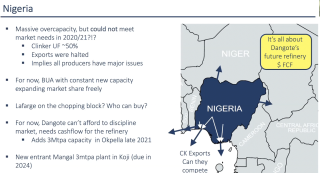
12 July 2022
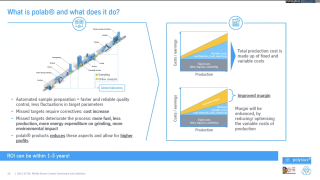
12 July 2022
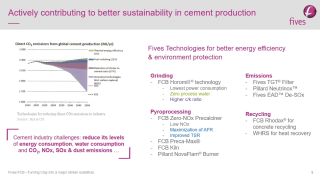
12 July 2022
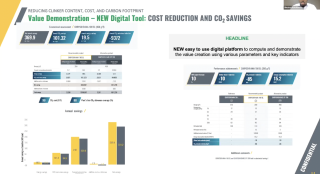
12 July 2022
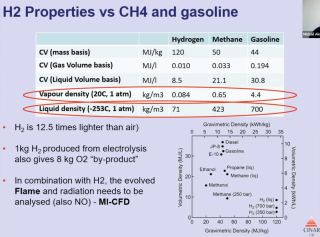
12 July 2022

12 July 2022
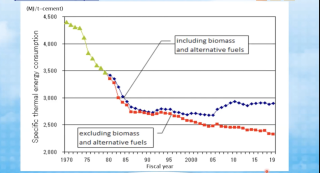
12 July 2022
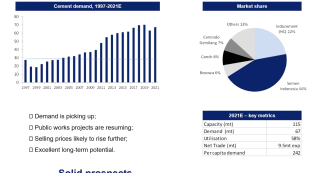
12 July 2022
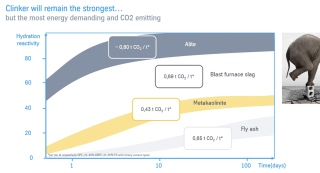
12 July 2022
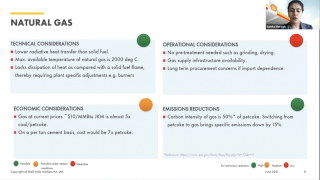
12 July 2022
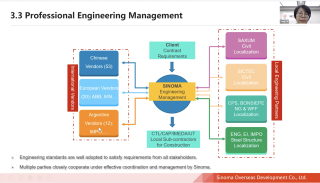
12 July 2022
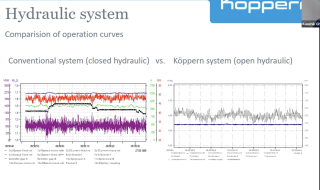
12 July 2022
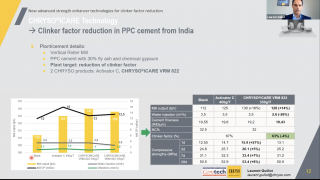
12 July 2022
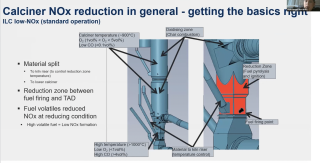
12 July 2022
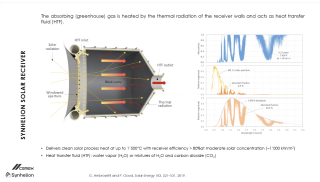
12 July 2022
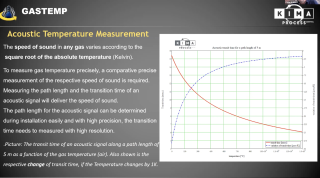
11 July 2022
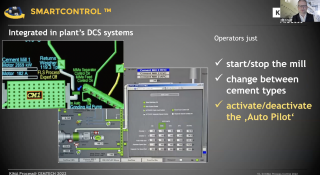
11 July 2022
11 July 2022
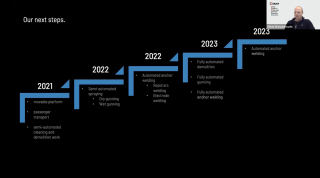
11 July 2022
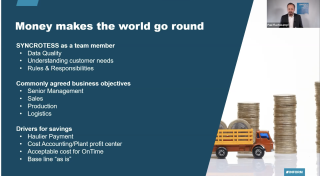
11 July 2022
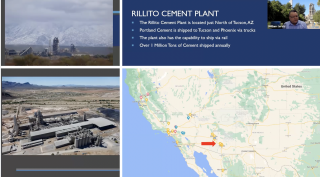
11 July 2022
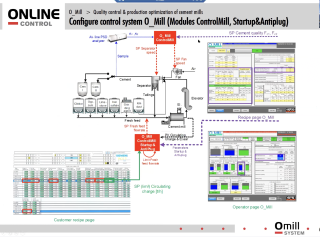
11 July 2022
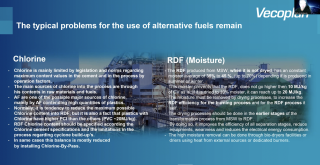
11 July 2022
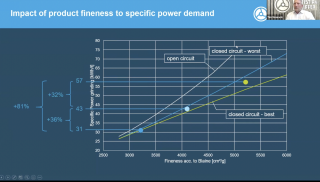
11 July 2022
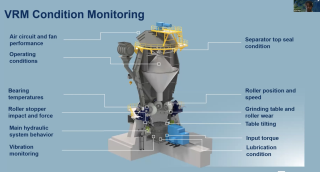
11 July 2022
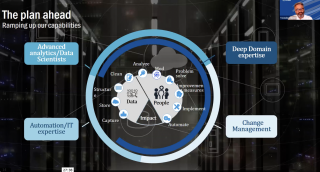
11 July 2022
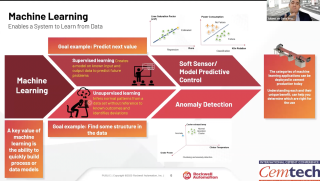
11 July 2022
11 July 2022
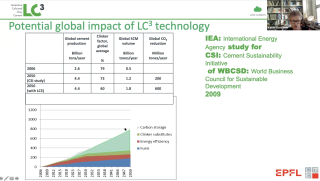
11 July 2022
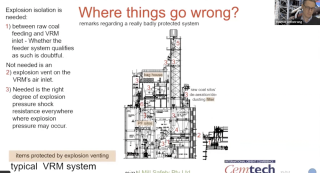
11 July 2022
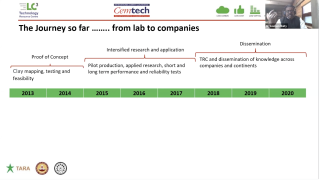
11 July 2022
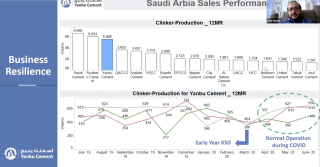
11 July 2022
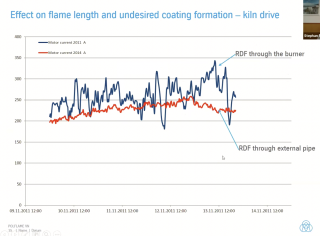
11 July 2022
11 July 2022
11 July 2022
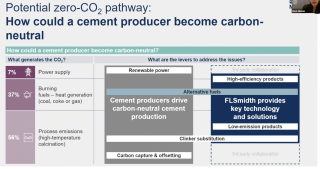
11 July 2022
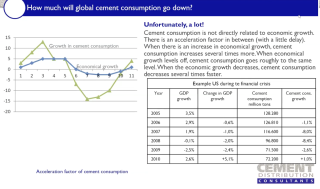
11 July 2022
11 July 2022
11 July 2022

6 July 2022
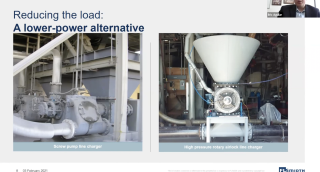
1 July 2022
1 July 2022

8 June 2022
12 February 2021
12 February 2021
12 February 2021
12 February 2021
12 February 2021
12 February 2021
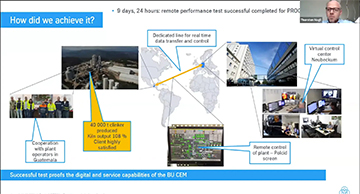
12 February 2021
12 February 2021
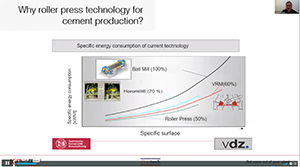
25 September 2020
25 September 2020

25 September 2020
25 September 2020
23 September 2020
22 September 2020
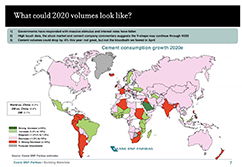
22 September 2020

21 September 2020
20 February 2020
10 February 2020
10 February 2020
10 February 2020
7 February 2020
27 January 2020
23 January 2020
23 January 2020
23 January 2020
23 January 2020
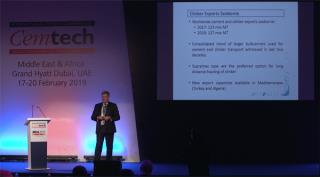
2 May 2019
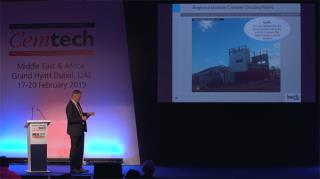
30 April 2019
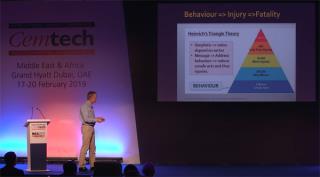
18 April 2019
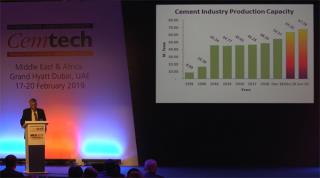
18 April 2019
18 April 2019
12 April 2019
12 April 2019
11 April 2019
10 April 2019
10 April 2019
10 April 2019
9 April 2019
9 April 2019
4 February 2019
17 January 2019
31 July 2018
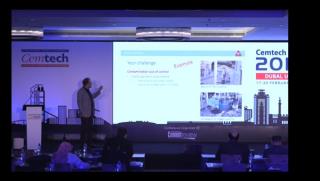
31 July 2018
31 July 2018
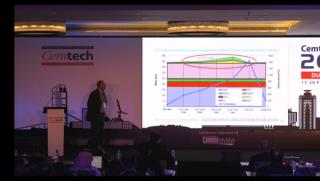
27 July 2018
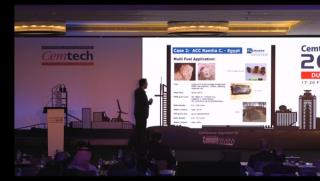
27 July 2018
27 July 2018
27 July 2018
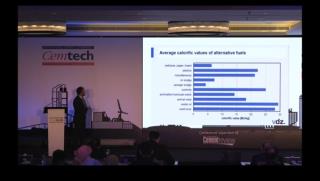
27 July 2018
27 July 2018
27 July 2018
27 July 2018
27 July 2018
27 July 2018
25 July 2018
25 July 2018
25 July 2018
24 July 2018
24 July 2018
24 July 2018
23 July 2018
23 July 2018
23 July 2018
20 July 2018
20 July 2018
20 July 2018
20 July 2018
20 July 2018
20 July 2018
20 July 2018
20 July 2018
20 July 2018
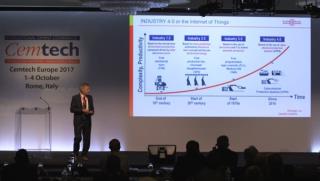
20 July 2018
20 July 2018
20 July 2018
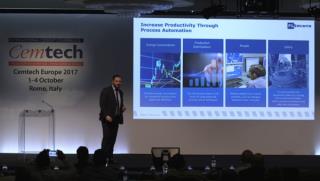
20 July 2018
20 July 2018
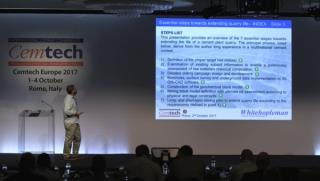
20 July 2018
20 July 2018
20 July 2018
20 July 2018
20 July 2018
19 July 2018
19 July 2018

19 July 2018
19 July 2018
19 July 2018
23 March 2018
23 March 2018
23 March 2018
23 March 2018
23 March 2018
23 March 2018
23 March 2018
23 March 2018
23 March 2018
23 March 2018
23 March 2018
23 March 2018
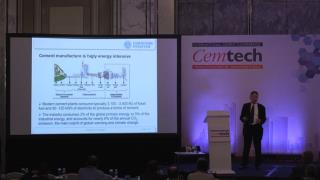
23 March 2018
23 March 2018
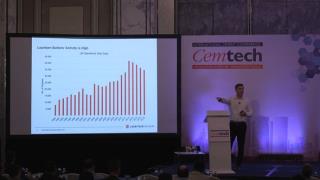
23 March 2018
22 March 2018
26 October 2017
26 October 2017
26 October 2017
26 October 2017
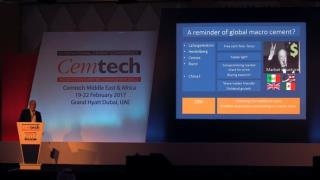
14 August 2017
14 August 2017
14 August 2017
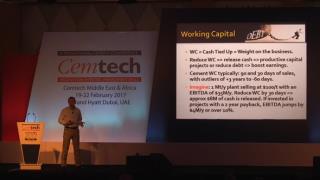
14 August 2017
14 August 2017
14 August 2017
14 August 2017
14 August 2017
14 August 2017
14 August 2017
14 August 2017
14 August 2017
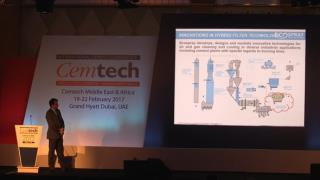
14 August 2017
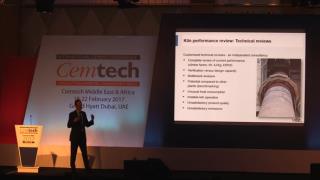
14 August 2017
18 July 2017
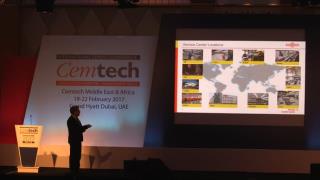
18 July 2017
18 July 2017
16 June 2017
16 June 2017
16 June 2017
16 June 2017
16 June 2017
14 February 2017
14 February 2017
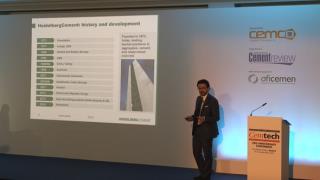
14 February 2017
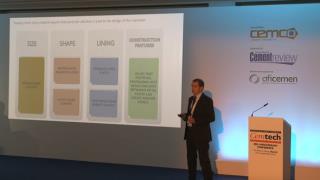
14 February 2017
14 February 2017
14 February 2017
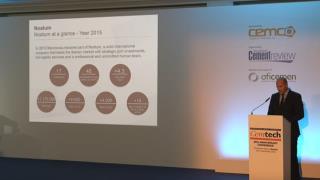
14 February 2017
14 February 2017
14 February 2017
14 February 2017
13 February 2017
13 February 2017
13 February 2017
19 January 2017
19 January 2017
17 January 2017
17 January 2017
17 January 2017
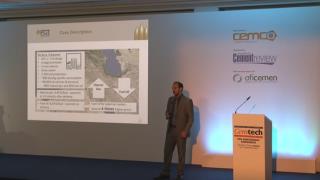
6 January 2017
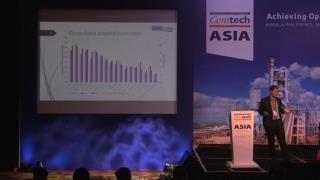
18 August 2016
18 August 2016
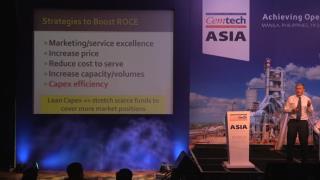
18 August 2016
18 August 2016
17 August 2016
17 August 2016
17 August 2016
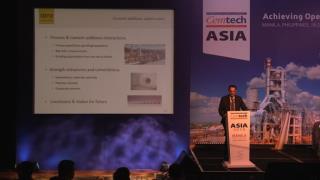
16 August 2016
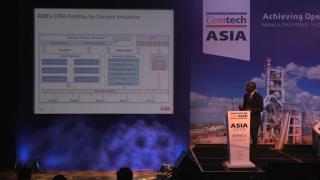
16 August 2016
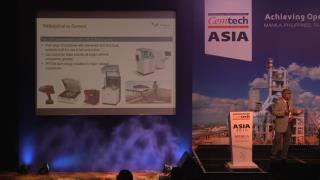
16 August 2016
12 August 2016
12 August 2016
12 August 2016
11 August 2016
11 August 2016
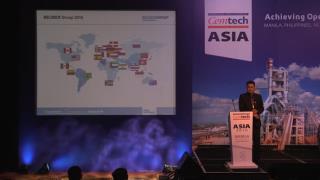
11 August 2016
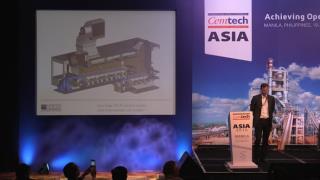
10 August 2016
10 August 2016
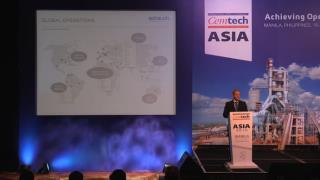
10 August 2016
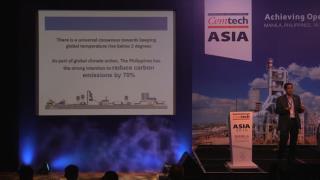
8 August 2016
8 August 2016
8 August 2016
6 May 2016
6 May 2016
6 May 2016
6 May 2016
6 May 2016
6 May 2016
6 May 2016
6 May 2016
6 May 2016
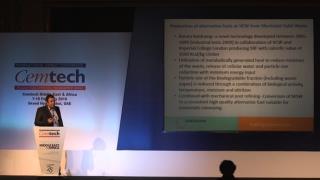
6 May 2016
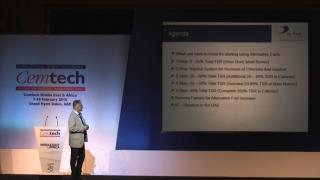
6 May 2016
6 May 2016
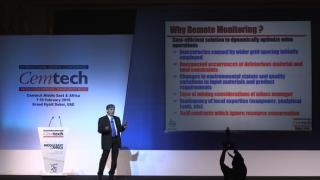
6 May 2016
6 May 2016
6 May 2016
6 May 2016
6 May 2016
6 May 2016
6 May 2016
6 May 2016
6 May 2016
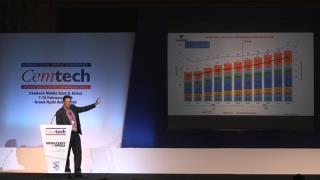
25 April 2016
25 April 2016
11 March 2016
11 March 2016

11 March 2016
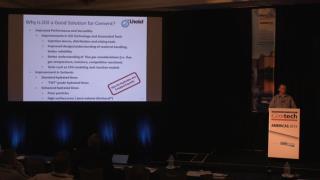
11 March 2016
11 March 2016
11 March 2016
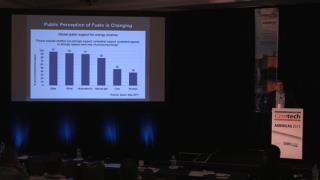
11 March 2016
11 March 2016
11 March 2016
11 March 2016
11 March 2016
11 March 2016
11 March 2016
11 March 2016
11 March 2016
11 March 2016
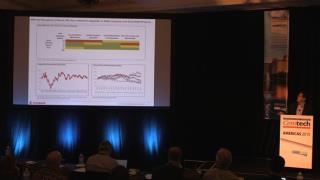
11 March 2016
11 March 2016
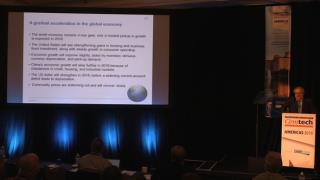
11 March 2016
11 March 2016
21 December 2015
15 December 2015
15 December 2015
15 December 2015
15 December 2015
15 December 2015
15 December 2015
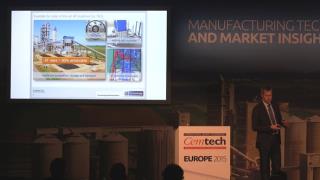
15 December 2015
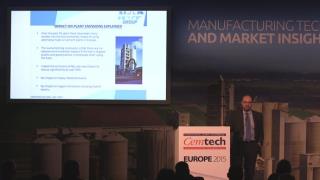
15 December 2015
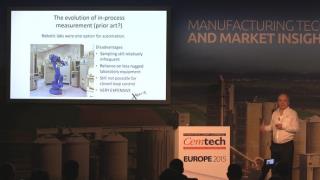
15 December 2015
15 December 2015
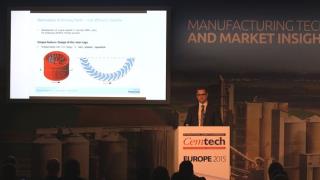
15 December 2015
15 December 2015
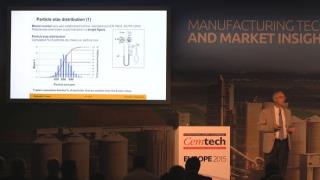
2 December 2015
2 December 2015
2 December 2015
2 December 2015
2 December 2015
2 December 2015
2 December 2015
2 December 2015
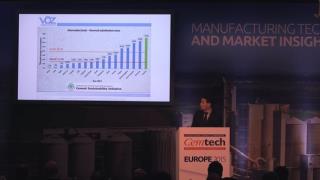
2 December 2015
2 December 2015
2 December 2015
2 December 2015
21 August 2015
21 August 2015
21 August 2015
21 August 2015
21 August 2015
21 August 2015
21 August 2015
21 August 2015
21 August 2015
21 August 2015
21 August 2015
21 August 2015
21 August 2015
21 August 2015
21 August 2015
21 August 2015
21 August 2015
21 August 2015
21 August 2015
21 August 2015
20 August 2015
20 August 2015
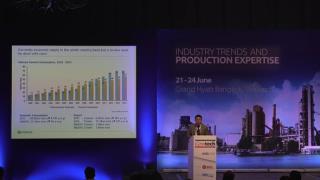
18 August 2015
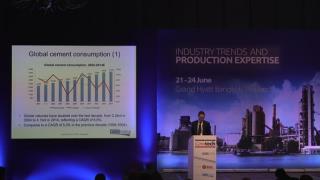
18 August 2015
18 August 2015
18 August 2015

30 June 2015
29 June 2015
29 June 2015
29 June 2015
29 June 2015
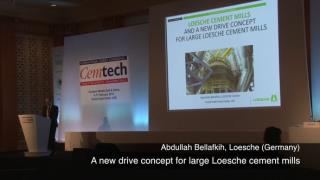
29 June 2015
29 June 2015
29 June 2015
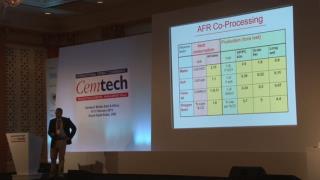
29 June 2015
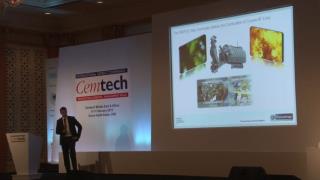
29 June 2015
29 June 2015
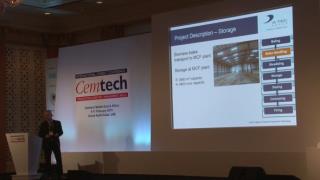
4 June 2015
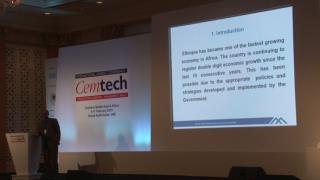
4 June 2015
2 June 2015
2 June 2015
2 June 2015
2 June 2015

29 May 2015
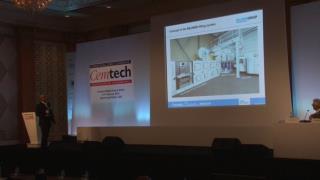
29 May 2015
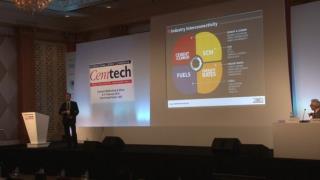
28 May 2015
28 May 2015
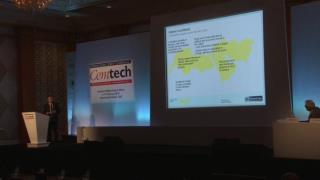
28 May 2015
18 February 2015
17 February 2015
13 February 2015
13 February 2015
Try searching for another title.