
2 September 2026
This transcript was generated automatically and may contain errors.
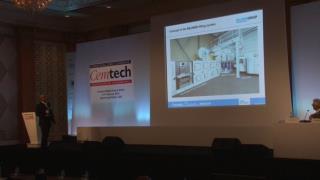
Thanks for the introduction. I'm very happy to be here. Vietnam as well as Southeast Asia is a very important area for us, very important zone. We've been present for a long time and have delivered one of the largest seamen plant on the planet for today. I think it's clear listening to this morning and yesterday, we are all converging as one of the first steps to decarbonize is to transition towards alternative fuel. And in the next few minutes, I'm going to present you what FS Smith has to offer both on the handling side as well as on the firing side. So here we go. Let me start with that. Mimic number one and number two, waste sourcing. And waste preparation is not very much what we touch.
This is more what you need to find as a supplier, reliable and sustainable supplier of waste. But from number three and the material handling and storage, that's where we come into play. In a few minutes, I will show you our docking station, our FedEx Reclaimer, as well as the volumetric dosing unit. Continuing to number four, dosing with our fester T R W. I think everybody knows Fester has been very well known, very nice and reliable products for the, for the last many years. they've been very strong of course in coal, but we have a very, very nice product as TRW dedicated to the alternative fuel and I will present that as well.
And then I will move on to the number five on the pyro processing part with our burner jet flex hot disc satellite burner. And I will have a caveat at the end to present you our fuel Flex Spiralizer, which is one to the first conference in the world where we presented. So our very first product, product number one on the volumetric and gravimetric is a product that is here to help you kick off your transition to fuel alternative firing. On the left side, you can see that it's basically a hopper together with two screws that is pushing into a rotary valve and then transport it with NOMA transport.
If you want to get a higher accuracy, you can combine that together with the Vista feeder and having a drag chain in the middle. This is a very limited civil cost installation. it also has a local control system so you don't have to do a lot of wiring and a lot of installation around that. And it can start handling between zero to to 50 millimeter of fuel. So it's, it's a nice product to kick off your alternative fuel substitution in your system. Next one is our double docking station. This is made for walking floor trailers. They may not be all very present in Asia today, but I think gradually this is what we will come to see as, as much as the fuel substitution is going to mature.
And the double docking station basically works where you bring one trailer, start emptying it and then you bring the other trailer to the side and then then with a drag chain also is coming up and starts feeding our our our CR RW from from Vista. This starts handling a slightly larger also fuel sizes. So this is came to the next level and it of course accommodates also four bull cal signer as well as your main burner. And then the last one on the handling side is our FedEx Reclaimer. This is fully automated system. It has very good accuracy and it's a very robust, it can also be retrofitted in an existing installation.
And the beauty of it is that you can also have si several FedEx Reclaimer side by side. So you can, you can handle different kind of fuel in that way and then start mixing it into your fist filler. That also handles much larger sizes up to 300 millimeter and is a very good way to store your material. So as a wrap up on the handling side, you can see that we have three products to help you kick off your alternative fuel substitution depending on the fuel sizes and the availability of the materials that you have. If I continue now with the T R W S D, It, it is dedicated to the fuel substitution.
It is a rotor like the D R W can be for the coal and here you can see it handles a very large spectrum from 0.5 to 60 ton per hour with a very little deviation of plus minus 1%. So you get all the benefits of a traditional coal feeder but dedicated to fuel substitution with the same reliability and the same accuracy. I must point out that out of 350 of those sold in the world already, only 10% are in Asia. And I think here there is certainly a potential to sell much more in order to support you with your substitution transition. So I've done now the handling the dosing and I will move to the combustion part.
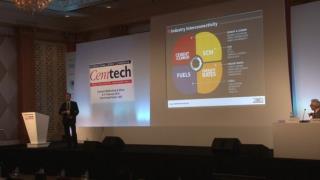
In order to do that, I would like to start with that slide that is a combination of the burnout time together with the diameter where we have split the fuel that you can get into three types, ized fuel, shredded waste and biomass. And then the last one being bulky waste and biomass as well. You can see on the right side also a couple of picture of what those can be. And that helps me as a segue to move to one of our flat cheek products, which is a hot disc reactor. This is really a solution that is here in order to avoid having you to deal with too many process handling and also allow you to buy cheap fuel. This machine does not need to handle a lot of treated fuel.
You can go up to fire as it says, 1.2 meter truck tire. You don't even have to cut them in half so it can handle from the SL screen to the whole truck tires and therefore cover the very high spectrum that you see over here. It is also a product that has been around for more than 20 years, I think in fs. Yes, we, we have had sometimes a tendency to launch product a little bit before the trend. but I think now it is the right time to remind to all of you the availability of that product. And we already sold more than 30 of those around the world and have references that all of them goes beyond 50 to 80% substitution.
And for some of them, even beyond it is of course if you want to build a new plant applicable to new installation. But for most of the cell it has always been retrofitting your plant and upgrading into firing alternative fuel. So if you are thinking to get into into that business, this is really a product that is helping you by handling very versatile type of fuel. You don't have to get too many headaches on getting very high fuel type and therefore very expensive. You can fire almost anything you can think of whether it's solid or whether it's liquid. The next one I'm going to show you is kind of the next development around the hot disc, which we call H M T.
When you want to install such a product, the hot disc per se, some of the challenges you have is you have to basically accept to stop your plan for a certain period of time. Okay? So we've been trying to work around that challenge for you and we came up with this hot disc, which we call with hmt, which stands for hot material transport. It is exactly the same functionality. You can see there is a hot disc on the left side of your can signer and then there is that material transport that then is connecting it to the can signer.
The idea here is that it really simplifies your downtime, but it reduces it and we expect it to reduce or at least what the data has shown from the three installation that we have around the wall is that you can expect a reduction in installation time around 30 days. So I'm sure you're gonna appreciate that to be able to continue to produce for 30 days. But these two versions were made for ILC type cals signer and of course they are all the type of cal signers around and one of them is the SLC type kasina and that we have also tried to figure out how can we bring that robust, those simple product to MA to handle to an SLC like Kasina. And we came up with the hot disc case.
The hot disc case is located at the bottom. You can see that where you need to extend a little bit your cal finer and then you connect it to the hot disk. The idea of that is that it doesn't really, the dropdown doesn't fall into the riser at the end of it, but it falls separately into the ABC cooling inlets that you can see on the bottom left side of it. And it is exactly the same inlet as some of you may be used to from Kuda. So it is again hot, this being a reliable product combined with the ABC and lead. That itself also has thousands of of references around the world.
Here is the table to try to bring an overview of those different types of hot disk or different versions of hot disk and some of the performance that had been achieved. We have three cases, one in Slovenia, one in China, and one in Korea. You can see also different capacity and then you can see the substitution that has been achieved on the first one in Slovenia. More than 85% achieve I think 85% is something that can help probably several of you here in the room to be able to do that transition towards alternative fuel. The next one, only 30%.
And yeah, that doesn't look very high, but if you look at actually the heat value of the fuel that was fired here you have the explanation right and also the moisture content. So it doesn't look like much, but it is then justified by the fuel that is being fired. And here again, it's actually here a support to tell you and state very firmly that regardless of the type of fuel that product is going to run, that product is going to perform. And then the last one, the hot discuss in Korea. Korea is actually the only place right now where we have some of those, we have four references and we have the fifth one coming in Indonesia shortly later this year, which also reach 85%.
So ILC type, SLC type, you can get your 85%, you can maybe even go beyond that depending on how the plant is being run. So think about the hot desk when you, when you want to carry on with your sub, with your alterna fuel transition. Another combustion product from our side of course is a jet flex burner. I think the our burner is quite well known. We have more than a hundred references around the world We stand that it provides you with the best flame and shape and also can help you with reducing your knots. But that burner now is getting a little rather as we have developed what we call the satellite burner. It's, it's a burner that is basically positioned on the side of it.
It's very easy and simple. However, this is a product that just helps you to bridge to the next few percentages on your substitution journey. We have about full sizes today and we will get our first references in Europe starting later the this month actually or early July. So we are very much looking forward to be able to see the performance of that and come back to you with with the results At fuel will be a, would not be a success with without digitalization I believe. And also automation around. And we also have a portfolio of product here that we can offer.
If I start on the very left side on the process control and optimization, we have our e c S range, starting with the control center and software that helps you to run your plan. Then we have the process experts that is here to be able to help you prioritize on whether you want to focus on capacity, on fuel consumption or energy consumption. And then you have the same scanner for your kiln if you move to the sampling preparation and analysis. Here we have our blend experts. We also have our robo lab as well as the auto sampling system in order to really make the plant work by itself trying to limit let's say human interaction there services, plant line service agreement.
It is maybe a very small fragment of what we are talking about today, but I believe that there is an opportunity here to work together and therefore plant, plant line services is here for that where we are constantly aware and it's visible to see how your plant operates and therefore we can get back to you with our comments, with our feedback, but also with our recommendation if we see some trains go some trends going sideways. And then the last one on the gas analysis we have of course our kinlock and gas lock product.
So here comes the caveat, our fuel Flex Spiralizer and as per the words of Kevin Looney, operation Director of Man Cement in Ireland, the success of the fuel Flex Spiralizer is a big win for us as we are now on track to eliminate all cos in the clinker production calculation process by early next year, which surfaces our initial expectation of displacing 80%. So what's the fuel flex Spiralizer? Well first of all, if I go back to now you've seen that slide a few times. It is handling more from the bottom left to the middle type of size of fuel. So it is not in competition with the hot disc, just to make that clear.
It is an addition to our portfolio that will help you to do the fuel substitution, but I will show that to you in the next slide. Also has a benefit in NOx reduction. And here is the example here is literally what has been measured not just for a day, not just for weeks but for months at manuk. If you look at, so you can see on the left, you can see on the right side, this is of course the pre heater and then you can see our fuel Flex Spiraler with the two loops. And then on the table we have SS being fired to the fuel Flex Cal signer and then the cool to Calina.
And then you can see the measurement of the NOx and how much ammonia is being used in order to be able to maintain that certain level of NOx. Now if I go vertically, there was a baseline, a baseline when we, when we came in that baseline was SRF already they were already doing some substitution by themselves. They were reaching almost nine tons per hour and then they still had to fire 7.4 tons in the cal of coal that was resulting of 474 Knox per milligram and 214 liters of ammonia being fired or injected. If you look to the right as scenario number two, SRF only to cals, you could wonder what the difference between one and two.
Well the difference is that when we came in before we came with the fuel flex, we're trying to support Manano into improving the substitution rate they could achieve. And number two is the best they were able to make before the fuel flex came into into order. So SRF to the fuel flex is still zero of course, but you could see that could increase their substitution up to 13.6 tons and reduce the cold substitution for that already there there was a certain benefit in terms of the ammonia injection but the nos were still at 474, which is by the way, the limits they have to show in Ireland in order to maintain their license to operate.
Now what I believe is the most interesting for the conversation today is of course scenario number three, when we have fired the fuel flex, we have achieved 10 tons in that product. While in parallel they were still of course firing SRF into the cal. So almost 20 tons, almost 20 tons were fires there with only 1.6 tons of coal. Now the extra caveat is that there was absolutely no ammonia being injected in the NCR system And they could reduce their no emission to 358 and maybe not in Vietnam today, but I know in South Korea as well as in Japan, NOx emission is actually I think some of your limitations to continue to operate your plant.
So here is a product that I believe in the years to come will be able to support you with your su with your sustainable transition with the fuel of course, but also combining it with a Knox reduction from light house to game changer. That's how we like to brand it. And as a wrapup then on this lower nuts, I think I've been repeating myself on that lower fuel substitution with virtually no coal as a fuel. It is a bolt on installation and that has also been one of the focus areas.
I think the products that are available on the market today in order to help you with your substitution can be in terms of the civil, quite heavy, but this product really comes and get bolts on and you don't really have to worry too much about the extra weight and loads. there should not be too many, too many considerations around that. And then of course the business case, which makes it for you very attractive, where if you reduce the ammonia being injected and the cost of that which has tripled, if you also look at how much alternative fuel you can fire instead of the coal, we expect a return on investment between one to three years.
And so to conclude, we have had successful operation at Manock since June, 2022. We have signed another partnership collaboration with Continental Cement in the us and as part of the strategy we want to have, we would like to have another reference in Europe, but we also want to have the next reference in Asia. And here is to open the door to all of you.
Video library
Browse 410 conference presentations, webinars, interviews and technical films from the modern CemNet video archive.
410 videos
2 September 2026

1 July 2026

1 July 2026

30 June 2026

30 June 2026

30 June 2026

30 June 2026

30 June 2026

30 June 2026

30 June 2026

30 June 2026

3 June 2026

13 May 2026
9 April 2026

1 April 2026

4 March 2026

27 February 2026

27 February 2026

27 February 2026

27 February 2026

27 February 2026

27 February 2026

17 February 2026

11 February 2026

7 January 2026

3 December 2025

5 November 2025

16 October 2025

8 October 2025

3 September 2025

2 July 2025

4 June 2025

7 May 2025

2 April 2025

18 March 2025

18 March 2025

5 March 2025
3 March 2025

5 February 2025

8 January 2025

4 December 2024

13 November 2024

6 November 2024

9 October 2024

4 September 2024

3 July 2024
10 June 2024

5 June 2024

8 May 2024

23 April 2024

23 April 2024

23 April 2024

23 April 2024

23 April 2024

22 April 2024

22 April 2024

16 April 2024

16 April 2024
11 April 2024

3 April 2024

11 March 2024

6 March 2024

7 February 2024

10 January 2024

10 January 2024
10 January 2024

6 December 2023

1 November 2023

4 October 2023
15 July 2023

15 July 2023

15 July 2023

15 July 2023

13 July 2023

24 March 2023
14 July 2022
13 July 2022
12 July 2022
12 July 2022
12 July 2022
12 July 2022
12 July 2022
12 July 2022
12 July 2022
12 July 2022
12 July 2022
12 July 2022
12 July 2022
12 July 2022
12 July 2022
12 July 2022
12 July 2022
11 July 2022
11 July 2022
11 July 2022
11 July 2022
11 July 2022
11 July 2022
11 July 2022
11 July 2022
11 July 2022
11 July 2022
11 July 2022

11 July 2022
11 July 2022
11 July 2022
11 July 2022
11 July 2022
11 July 2022
11 July 2022
11 July 2022
11 July 2022
11 July 2022
11 July 2022
11 July 2022
11 July 2022

6 July 2022
1 July 2022
1 July 2022

8 June 2022
12 February 2021
12 February 2021
12 February 2021
12 February 2021
12 February 2021
12 February 2021
12 February 2021
12 February 2021
25 September 2020
25 September 2020

25 September 2020
25 September 2020
23 September 2020
22 September 2020
22 September 2020
21 September 2020
20 February 2020
10 February 2020
10 February 2020
10 February 2020
7 February 2020
27 January 2020
23 January 2020
23 January 2020
23 January 2020
23 January 2020
2 May 2019
30 April 2019
18 April 2019
18 April 2019
18 April 2019
12 April 2019
12 April 2019
11 April 2019
10 April 2019
10 April 2019
10 April 2019
9 April 2019
9 April 2019
4 February 2019
17 January 2019
31 July 2018
31 July 2018
31 July 2018
27 July 2018
27 July 2018
27 July 2018
27 July 2018
27 July 2018
27 July 2018
27 July 2018
27 July 2018
27 July 2018
27 July 2018
25 July 2018
25 July 2018
25 July 2018
24 July 2018
24 July 2018
24 July 2018
23 July 2018
23 July 2018
23 July 2018
20 July 2018
20 July 2018
20 July 2018
20 July 2018
20 July 2018
20 July 2018
20 July 2018
20 July 2018
20 July 2018
20 July 2018
20 July 2018
20 July 2018
20 July 2018
20 July 2018
20 July 2018
20 July 2018
20 July 2018
20 July 2018
20 July 2018
19 July 2018
19 July 2018
19 July 2018
19 July 2018
19 July 2018
23 March 2018
23 March 2018
23 March 2018
23 March 2018
23 March 2018
23 March 2018
23 March 2018
23 March 2018
23 March 2018
23 March 2018
23 March 2018
23 March 2018
23 March 2018
23 March 2018
23 March 2018
22 March 2018
26 October 2017
26 October 2017
26 October 2017
26 October 2017
14 August 2017
14 August 2017
14 August 2017
14 August 2017
14 August 2017
14 August 2017
14 August 2017
14 August 2017
14 August 2017
14 August 2017
14 August 2017
14 August 2017
14 August 2017
14 August 2017
18 July 2017
18 July 2017
18 July 2017
16 June 2017
16 June 2017
16 June 2017
16 June 2017
16 June 2017
14 February 2017
14 February 2017
14 February 2017
14 February 2017
14 February 2017
14 February 2017
14 February 2017
14 February 2017
14 February 2017
14 February 2017
13 February 2017
13 February 2017
13 February 2017
19 January 2017
19 January 2017
17 January 2017
17 January 2017
17 January 2017
6 January 2017
18 August 2016
18 August 2016
18 August 2016
18 August 2016
17 August 2016
17 August 2016
17 August 2016
16 August 2016
16 August 2016
16 August 2016
12 August 2016
12 August 2016
12 August 2016
11 August 2016
11 August 2016
11 August 2016
10 August 2016
10 August 2016
10 August 2016
8 August 2016
8 August 2016
8 August 2016
6 May 2016
6 May 2016
6 May 2016
6 May 2016
6 May 2016
6 May 2016
6 May 2016
6 May 2016
6 May 2016
6 May 2016
6 May 2016
6 May 2016
6 May 2016
6 May 2016
6 May 2016
6 May 2016
6 May 2016
6 May 2016
6 May 2016
6 May 2016
6 May 2016
25 April 2016
25 April 2016
11 March 2016
11 March 2016
11 March 2016
11 March 2016
11 March 2016
11 March 2016
11 March 2016
11 March 2016
11 March 2016
11 March 2016
11 March 2016
11 March 2016
11 March 2016
11 March 2016
11 March 2016
11 March 2016
11 March 2016
11 March 2016
11 March 2016
11 March 2016
21 December 2015
15 December 2015
15 December 2015
15 December 2015
15 December 2015
15 December 2015
15 December 2015
15 December 2015
15 December 2015
15 December 2015
15 December 2015
15 December 2015
15 December 2015
2 December 2015
2 December 2015
2 December 2015
2 December 2015
2 December 2015
2 December 2015
2 December 2015
2 December 2015
2 December 2015
2 December 2015
2 December 2015
2 December 2015
21 August 2015
21 August 2015
21 August 2015
21 August 2015
21 August 2015
21 August 2015
21 August 2015
21 August 2015
21 August 2015
21 August 2015
21 August 2015
21 August 2015
21 August 2015
21 August 2015
21 August 2015
21 August 2015
21 August 2015
21 August 2015
21 August 2015
21 August 2015
20 August 2015
20 August 2015
18 August 2015
18 August 2015
18 August 2015
18 August 2015

30 June 2015
29 June 2015
29 June 2015
29 June 2015
29 June 2015
29 June 2015
29 June 2015
29 June 2015
29 June 2015
29 June 2015
29 June 2015
4 June 2015
4 June 2015
2 June 2015
2 June 2015
2 June 2015
2 June 2015
29 May 2015
29 May 2015
28 May 2015
28 May 2015
28 May 2015
18 February 2015
17 February 2015
13 February 2015
13 February 2015
Try searching for another title.