
2 September 2026
This transcript was generated automatically and may contain errors.
I want to say thank you for coming to listen to my presentation. I want to say thank you for the organizer to give me a chance to present what I call the ultimate challenge for everybody involved in the cement industry. And the ultimate challenge is how to make the cement industry total decarbonized. If you look at the cement CO2 emission today, it should be approximately 38 million ton per year billion ton per year. The cement industry counts for 6% of this 38 million. And may be surprising for you just from us breathing, we release approximately 3 billion ton, which is more than the entire cement industry in the world.
Another interesting thing I think, is that if you see the 24 CO2 emission since 1950s, it's almost linear from 1970 until today except a jump around year 2000 that China increased the CO2 emission about 7 billion ton. But else you can see the line is parallel to the population of the world, which means that the more people we are, the more CO2 we will generate For, For all of us in the cement industry, it's important to understand where does the CO2 come from? And you have approximately 500 kilo coming from the raw materials, 170 kilo coming from the fuel depending on what fuel and heat consumption. But today, very close and 30 kilo from the electricity.
So totally if you have cement based on 90% clinker, you generate approximately 700 kg of TO two. So if you should attack and reduce the CO2, of course the easy step is to reduce the 500 kilo. It's much easier than to go for the 30 in the power. And luckily there are materials that can substitute clinical flyers slack from blast furnace partial and waste our ceramic factories, which the number four is very little used but extremely good to keep strings.
So now you can see if you can add some of these products into the cement, you automatically reduce the 500 kilo from the raw materials and some of the fuel besides this, you can also use slack from arc arc furnace as a raw material where you can substitute five 6% limestone with 10% arc furnace and get a reduction in the heat consumption. And like this CO2 indirectly. Now you can see what unfortunately many authorities are still not accepting the idea to make mix cement substitute clinker. But if you could substitute clinker from 90 to 60%, the total CO2 emission would go down from 700 to 468 or by more than 30%.
So I think that some of you, your job is to persuade the authorities to change the norms. Recently, WHR is introduced a lot and contributes for about two 12 kilowatt hour pattern of cement or which means that today we stand with a technical knowhow how to reduce the CO2 by 35%. So what is the next step? LVI have developed the next 10% saving in form of a bypass con concept. And the bypass is not only to reduce the chloride. If you see a bypass system today, you you take an airstream out at the right from the killing, you sequence it and collect the dust in the back house.
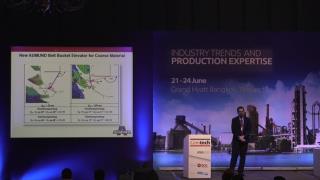
Some companies want to minimize the dust by installing the cycle, but still you have the headache that you have to clean this gas coming out. And the more you clean this one, the higher concentrated of chloride in this one. And in countries where there's some heavy metals in the fuel or in the raw material, this product can be hazardous, which is a big headache for the Korean cement industry. Besides this, you add heat consumption and you add power consumption. So we have introduced a new bypass system. Instead of take out the gas in the kiln, we drain out some of the lower states cal signs material into a either a cyclone, so we get bypass dust.
I prefer to today to take out 10% of the kiln capacity or we can make a dividing gate here if the existing plant allow. From the layout like this, we activate the bypass dust and there are two simple chemical reactions in this activation. One is hydration where we generate calcium hydroxide. And the other one is we re carbonate. We decarbonize the calcium oxide to calcium carbonate within, if it's done in the correct way, goes out as approximately one micron size and activates the cement strengths accidentally. That means that we have a reactor where we do both processes at the same time.
We feed the material in, we feed the water in, and we take the EXOS gas gases after the ID fan through the reactor and collect the product. The back filterer should be possible to make it run better. This is more or less how it looks like, at least on the presentation. It looks good. So it means that we are now, you get the benefit that heat consumption will go down because now you don't have to add the 300 kilo calorie in the ki for the 10% of the product. That gives you a saving or 30 kilo calorie, but at the same time, your cement capacity goes up from CO2 and from water. So it's highly profitable.
We have the first system under installation at the moment, expect to recapture 200,000 ton CO2 annually and generate about 50,000 ton extra cement. So the challenge for you is get the authorities to accept at additives in the cement. So now we came to almost 50% savings. So how to get the last 50%? And I would like to tell you that for the last 10 years we have been experimenting on and off with a university in Thailand in the biological sector where we grow alga and is basically the same like trees. They eat the CO2 and generate a product C 6 8, 12 0 6 and release O2.
And from the chemical weights, molecule rates of the, you can see that for one kilo CO2 absorbed, you generate about 0.7 ki kilo of fuel. We grow them in batches about one cubic meter per batch and we, the job of the university has been to isolate the best Pega, the one that grow fastest and then we keep them different conditions, temperature, phs Even. We add some fertilizer sometimes to make them grow faster. The CO2 is sent into the bottom and it's controlled that there should be no CO2 coming out in the top. That means that the alga will eat all the CO2 before it releases back into the atmosphere.
Each of the container, a small control box where we control pH eights, it's important pH should be a little bit basic. It cannot be as acid, then they will die. We control the temperature and we add some, some drugs, some chemicals to speed them up. But the funny thing is that even you add ultraviolet light to make them work more than 12 hours per day, they will die. Need rest in the night. Believe it or not, this is how they look like. One piece is about five millimeter long in the real life and the heat value of the elga is approximately 3,600.
So if you recall that one kilo of CO2 gives you 0.7 kilo fuel, then you can see that if you capture all the CO2 from the cement plant con converted into the fuel, you will get excess fuel. So you can also run your power plant. So in this way we are at the moment able to absorb one kilo. We are at the main, we are able to absorb one kilo CO2 per one cubic meter per hour. At the moment, we want to go up in scale a little bit and most probably we fit the cooperation with the cement company so we can go up in a bigger scale and take the directly back into the, into the fuel.
So the ultimate challenge is for all of us to continue to develop the gate technology because in my opinion, number one, it keeps a very good economic benefit to the cement industry. I do not believe in capture of CO2 and drain it into the ground because the cost will be tremendous. And if there's no profit behind, it's difficult to persuade people to do it. But I also want to tell you that you should not do it without support from a highly professional biochemical from universities because it's very different from the system we do in the cement. So I, when I look around, it's difficult to see you, but I can see a lot of question marks in the floating around.
And I will say that is it really possible and I would like you to take the attitude in life. Everything is possible. It's only how to do it. Thank you very much for listening and I wish you all good luck.
Video library
Browse 410 conference presentations, webinars, interviews and technical films from the modern CemNet video archive.
410 videos
2 September 2026

1 July 2026

1 July 2026

30 June 2026

30 June 2026

30 June 2026

30 June 2026

30 June 2026

30 June 2026

30 June 2026

30 June 2026

3 June 2026

13 May 2026
9 April 2026

1 April 2026

4 March 2026

27 February 2026

27 February 2026

27 February 2026

27 February 2026

27 February 2026

27 February 2026

17 February 2026

11 February 2026

7 January 2026

3 December 2025

5 November 2025

16 October 2025

8 October 2025

3 September 2025

2 July 2025

4 June 2025

7 May 2025

2 April 2025

18 March 2025

18 March 2025

5 March 2025
3 March 2025

5 February 2025

8 January 2025

4 December 2024

13 November 2024

6 November 2024

9 October 2024

4 September 2024

3 July 2024
10 June 2024

5 June 2024

8 May 2024

23 April 2024

23 April 2024

23 April 2024

23 April 2024

23 April 2024

22 April 2024

22 April 2024

16 April 2024

16 April 2024
11 April 2024

3 April 2024

11 March 2024

6 March 2024

7 February 2024

10 January 2024

10 January 2024
10 January 2024

6 December 2023

1 November 2023

4 October 2023

15 July 2023

15 July 2023

15 July 2023

15 July 2023

13 July 2023

24 March 2023
14 July 2022

13 July 2022
12 July 2022
12 July 2022
12 July 2022
12 July 2022
12 July 2022
12 July 2022
12 July 2022
12 July 2022
12 July 2022
12 July 2022
12 July 2022
12 July 2022
12 July 2022
12 July 2022
12 July 2022
11 July 2022
11 July 2022
11 July 2022
11 July 2022
11 July 2022
11 July 2022
11 July 2022
11 July 2022
11 July 2022
11 July 2022
11 July 2022

11 July 2022
11 July 2022
11 July 2022
11 July 2022
11 July 2022
11 July 2022
11 July 2022
11 July 2022
11 July 2022
11 July 2022
11 July 2022
11 July 2022
11 July 2022

6 July 2022
1 July 2022
1 July 2022

8 June 2022
12 February 2021
12 February 2021
12 February 2021
12 February 2021
12 February 2021

12 February 2021
12 February 2021
12 February 2021
25 September 2020
25 September 2020
25 September 2020

25 September 2020
23 September 2020
22 September 2020
22 September 2020
21 September 2020
20 February 2020
10 February 2020
10 February 2020
10 February 2020
7 February 2020
27 January 2020
23 January 2020
23 January 2020
23 January 2020
23 January 2020
2 May 2019
30 April 2019
18 April 2019
18 April 2019
18 April 2019
12 April 2019
12 April 2019
11 April 2019
10 April 2019
10 April 2019
10 April 2019
9 April 2019
9 April 2019
4 February 2019
17 January 2019
31 July 2018
31 July 2018
31 July 2018
27 July 2018
27 July 2018
27 July 2018
27 July 2018
27 July 2018
27 July 2018
27 July 2018
27 July 2018
27 July 2018
27 July 2018
25 July 2018
25 July 2018
25 July 2018
24 July 2018
24 July 2018
24 July 2018
23 July 2018
23 July 2018
23 July 2018
20 July 2018
20 July 2018
20 July 2018
20 July 2018
20 July 2018
20 July 2018
20 July 2018
20 July 2018
20 July 2018
20 July 2018
20 July 2018
20 July 2018
20 July 2018
20 July 2018
20 July 2018
20 July 2018
20 July 2018
20 July 2018
20 July 2018
19 July 2018
19 July 2018
19 July 2018
19 July 2018
19 July 2018
23 March 2018
23 March 2018
23 March 2018
23 March 2018
23 March 2018
23 March 2018
23 March 2018
23 March 2018
23 March 2018
23 March 2018
23 March 2018
23 March 2018
23 March 2018
23 March 2018
23 March 2018
22 March 2018
26 October 2017
26 October 2017
26 October 2017
26 October 2017
14 August 2017
14 August 2017
14 August 2017
14 August 2017
14 August 2017
14 August 2017
14 August 2017
14 August 2017
14 August 2017
14 August 2017
14 August 2017
14 August 2017
14 August 2017
14 August 2017
18 July 2017
18 July 2017
18 July 2017
16 June 2017
16 June 2017
16 June 2017
16 June 2017
16 June 2017

14 February 2017
14 February 2017
14 February 2017
14 February 2017
14 February 2017
14 February 2017
14 February 2017
14 February 2017
14 February 2017
14 February 2017
13 February 2017
13 February 2017
13 February 2017
19 January 2017
19 January 2017
17 January 2017
17 January 2017
17 January 2017
6 January 2017
18 August 2016
18 August 2016
18 August 2016
18 August 2016
17 August 2016
17 August 2016
17 August 2016
16 August 2016
16 August 2016
16 August 2016
12 August 2016
12 August 2016
12 August 2016
11 August 2016
11 August 2016
11 August 2016
10 August 2016
10 August 2016
10 August 2016
8 August 2016
8 August 2016
8 August 2016
6 May 2016
6 May 2016
6 May 2016
6 May 2016
6 May 2016
6 May 2016
6 May 2016
6 May 2016
6 May 2016
6 May 2016
6 May 2016
6 May 2016
6 May 2016
6 May 2016
6 May 2016
6 May 2016
6 May 2016
6 May 2016
6 May 2016
6 May 2016
6 May 2016
25 April 2016
25 April 2016
11 March 2016
11 March 2016
11 March 2016
11 March 2016

11 March 2016
11 March 2016
11 March 2016
11 March 2016
11 March 2016
11 March 2016
11 March 2016
11 March 2016
11 March 2016
11 March 2016
11 March 2016
11 March 2016
11 March 2016
11 March 2016
11 March 2016
11 March 2016
21 December 2015
15 December 2015
15 December 2015
15 December 2015
15 December 2015
15 December 2015
15 December 2015
15 December 2015
15 December 2015
15 December 2015
15 December 2015
15 December 2015
15 December 2015
2 December 2015
2 December 2015
2 December 2015
2 December 2015
2 December 2015
2 December 2015
2 December 2015
2 December 2015
2 December 2015
2 December 2015
2 December 2015
2 December 2015
21 August 2015
21 August 2015
21 August 2015
21 August 2015
21 August 2015
21 August 2015
21 August 2015
21 August 2015
21 August 2015
21 August 2015
21 August 2015
21 August 2015
21 August 2015
21 August 2015
21 August 2015
21 August 2015
21 August 2015
21 August 2015
21 August 2015
21 August 2015
20 August 2015
20 August 2015
18 August 2015
18 August 2015
18 August 2015
18 August 2015

30 June 2015
29 June 2015
29 June 2015
29 June 2015
29 June 2015
29 June 2015
29 June 2015
29 June 2015
29 June 2015
29 June 2015
29 June 2015
4 June 2015
4 June 2015
2 June 2015
2 June 2015
2 June 2015
2 June 2015
29 May 2015
29 May 2015
28 May 2015
28 May 2015
28 May 2015
18 February 2015
17 February 2015
13 February 2015
13 February 2015
Try searching for another title.