
2 September 2026
This transcript was generated automatically and may contain errors.
Good afternoon, good morning wherever you might be. it's great to have you here for this Cemtech webinar the 2024 live webinar series from Cemtech. and as you can see here, we are well well through most of the the year's agenda. This is the penultimate webinar that we'll be having in 2024. and I hope you've enjoyed it and and hope you'll enjoy what we have on offer for you today. a little bit about us. my name's Thomas Armstrong. I'm managing editor of International Cement Review the monthly magazine and publication. We are also CNET online. if you are here watching this webinar, there's no doubt that this magazine is for you.
if you don't already receive it you can subscribe online at simnet.com/subscribe. with it, you'll receive the cement plant operations handbook absolutely free. really one of the most treasured references in our industry. tells you how to run the plant a lot on maintenance as well. it's worth a look free with your subscription to International Cement Review as is the Environmental Handbook. a collection of around 40 articles from some of the biggest experts in our sector covering everything from alternative fuels grinding systems everything up to net zero cement plants, the Cement Plant environmental handbook, and a brief word about our research in to statistics and the industry in general.
This is the Global Cement Report. the 15th, 15th edition is out now. comprehensive statistics on over 175 cement markets consumption, production, trade capacity everything there. And a database with over 3000 cement plants. So if you're looking to understand the sector or any country in more depth, then this is the product for you. And a and a very quick mention of our upcoming in-person conference. we'll be in Dubai at the start of next year at the Tel ninth to 12th of February, 2025. More information online. take a look and hopefully if you are in the region or you are working or related to this region this event will be a great help for you.
Some of the exhibitors alongside the conference program all the usual big names there and, and a few more coming in that, that we haven't been able to display. But yeah, a, a comprehensive exhibition with technology suppliers taking part at Cemtech, but now onto the webinar advances in cement plant maintenance. we are, we're delighted to be able to cover these very important topics that we have for you today. whether it's plant lubrication or other kinds of monitoring techniques and technologies we'll be covering them now. it's a great pleasure to be able to welcome also my first speaker today who's Preston Otten from Lubrication Engineers in the us.
he is director of Lubrication Reliability Solutions at Lubrication Engineers and studied engineering management at Wichita State University, and brings a background in heavy airframe manufacturing, specializing in hydraulic systems and machine tool alignment. He advanced into maintenance management before joining Lubrication Engineers in 2014, now leading a team since 2019. Preston develop develops lubrication programs for multi-location organizations, offering assessments, recommendations, training and implementation. He holds MLT one and CLS certifications from ICML and STLE respectively. And today he's gonna talk about lubrication excellence in the cement industry.
Preston, if you'd like to share your slides, I think this will be great way to kick off our session over to you once those slides up and running. Okay. I can see the the slides up there now, Preston. Alright. All right. I apologize for that. Alright. good morning. thanks for having me, Thomas. I look forward to having a discussion here and presenting more about lubrication excellence. so today we're, we're looking at the overall effectiveness of a well executed lubrication program the actual strategy of lubrication within the organization. A little bit about lubrication engineers. we're a global lubricant manufacturer. we, we are also considered a machine reliability partner.
So we work with customers to define the lubrication strategy within their plants operations to, to assure that machine uptime is, is optimal through reduced friction and, and reduced downtime from poor lubrication practices. what you see here on the screen is our, is our circle of reliability. We start with a premium lubricant as we manufacture here in the United States, and we pair that with training, onsite training for our customers.
we also do machine equipment assessments, and I'll get into here a little bit to understand how the lubricant is being taken to work and how it's being protected and treated like an asset instead of a commodity grade product that's drained on calendar based intervals. Now, we offer oil analysis to understand what the lifeblood of the machine is doing, to understand what the wear and maybe the lubricant usage rate looks like for that asset. really, really a one-stop shop for all things lubrication. So bulk storage and handling transfer of lubricants, taking lubricant from bulk storage to the asset in a, in a well organized manner. lubricant automation is a big thing for us.
We like to take the grease gun out of technicians hands where it makes sense. We implement tools like the single point automatic lubricator or multi-point systems to precision dispense amount of gr precision amounts of grease to bearings and not over grease or under greasing consistently. Also, big believers in reducing contamination and aggression. So desk and breathers and proper breathers are a must for a well-executed lubrication program. And if contamination does get in, there's several strategies to remove those contaminants with different types of filtration and, and drain adapters. A little bit about us.
So looking at the holistic program, the Lubrication excellence program, overall strategy within the maintenance organization. Again we'd like to start with this defined approach. So talking a plant benchmark assessment or audit, excuse me. So our team likes to come inside your facility and understand where the current lubrication program is, what does the strategy look like now, then make recommendations for improvement upon some of the weak points, and then bolster some of the, the shrinks that are in place to, to kind of create some momentum. full plant assessments or partial plant assessments. We look at how the lubricants being taken to work.
we look at what the lubricant's being treated like in the asset to make sure that we are getting the optimal life of that lubricant. And then making sure that the, the disciplines are in place to ensure that it's properly actually protecting the equipment. At the same time, with this overall program, we do take into consideration lube routes PM optimization, making sure that we sampling program is well executed, making sure that it's taken a consistent spot every time for proper trending. And that data comes back good and is actually implemented into workflow for your organization to benefit from.
And like I said, we, we do believe in grease automation where it makes sense and are big believers in that. We also offer open gear inspection reporting, understanding what your open gear health looks like, making sure you're not over-consuming lubricant chasing friction due to poor lubricant health or poor lubricant performance. you know, all, all of this kind of comes into full circle when we start talking training. we really believe in, you know, fundamental levels of training is the most important factor of lubrication excellence.
If you don't have buy-in at the top level of leadership to the technician level who's executing the work a lubrication excellence program does not stand a chance. And, and helping your organization. And then finally, at the kind of root level of all this, the machine lubrication program, where we're actually looking at different, different factors that I'll get into in a second, but making sure that it's implemented properly and the right steps is, is crucial. Alright, so I mentioned the lubrication program. We're looking at the asset level now. So what does this look like? When, when we mentioned an ex machinery lubrication excellence program?
This is at the asset level, we're making sure that the lubricant selection is, is correct from the OEM recommendations. we're making sure that storage and handling is being done correctly, making sure that when, when lubricant comes in, it's being stored properly, it's not being stored outside or, or open BS on drums, we're, we'd really like to get lubricant out of the drum into bulk storage with filtration and proper breathers to dispense from for technicians application methods, we're making sure that we, we implement precise application methods to ensure the right amount of lubricant is applied at the right interval.
So more specifically around bearings, we wanna make sure we're not over lubricating, under lubricating short shortening the lifecycle of those bearings. you know, the, one of the biggest things in cement industry is contamination control. I, I've been to about 25 different cement plants this year in the us and one of the biggest struggles that we try to kind of get over the hurdle of is contamination control and stopping the ingression of product or dust from the production side of things. It from stopping it ingressing into the asset to, to create excessive amounts of wear.
So there's a lot of different ways to, to prevent contamination, but it really starts with when that lubricant, hence the dock, making sure it's stored correctly. And again, training education, the machine level, we're understanding what lubricant goes to the asset, making sure that we're topping off with quick connects and different ways to not open up that asset to make sure that we're sealing out all contamination ing aggression. And then lastly is performance monitoring. or, or oil analysis. Making sure that the lubricant's protecting the asset, making sure that you're seeing any wear that may be generated because of poor lubricant performance or inadequate performance of a lubricant.
but really oil analysis drives the whole program and it tells you exactly if you are filtering correctly, if you're, if you're having the right additive package, if you're able to dissipate the heat from the load that's being generated. So oil analysis is definitely the critical part of this, and I'll get into it here a little bit more. All right. Looking at the holistic program of lubrication excellence, our overall goal is to improve productivity. also looking at how we can maximize manpower efficiency through the lubrication excellence program. So automation, making sure we don't have to drain oil more often than not through good filtration practices.
Making sure oil analysis is telling us how we can start that workflow process to allocate the resources of technicians time properly. And we're not, we're not overusing that time for, for changing oil that's still good, or for reg greasing something that's, that doesn't need grease. And ultimately all of this adds up to improving the environmental health and safety of the facility. So when we look at environmental specifically, we look at the amount of lubricant that the facility uses.
So the tonnage or the actual waste stream is being produced from the lubricant coming out of the facility a lot of times we find that there's excessive amounts of lubricants that are going downstream or, or to the waste stream from a facility just due to poor practices. so there, there's a lot of improvement to be made in the SMA industry. We feel like, from what we've seen over the past several years working with different customers and some of these efficiencies that we help with save hundreds of thousands of dollars and either downstream cost avoidance or, or downtime cost avoidance. And then the overall program, the overall savings of not having to repurchase lubricant is significant.
Alright, so I mentioned benchmark audit. So these are the nine things that we look at in a facility. So we look at the accessibility and safety of, of re lubrication at the technician level, making sure that it's performed safely and making sure they can be done without shutting down machines. these are the things that we look at with the PM optimization route. So again, these are the audit is we're, we're scoring the current program and we're providing feedback of your strengths and weaknesses, pretty much, and where we can improve that with the weaknesses and then again, bolster the strengths to kind of drive that momentum of making improvements.
again, analysis CMS, so we're looking at contamination control and storage and handling all the practices defined here are what we consider world class or, or lubrication excellence program. all these contributing factors build up to the overall program. So the question is, you know, where do we start? the plant-wide audit delivers the roadmap to where you, the, at the organization level need to start to make improvements. So under that audit, we start with looking at the asset level. So we've defined, okay, we need to improve lubrication programs, how we take our lubricants to work, what lubricants do we need? How much lubricants are necessary on site to protect all of the assets we have?
Can we do consolidation of our lubricants? are we using the right grease? There's a lot of different formulation differences in greases that are often overlooked. So by doing an equipment reliability assessment, we're looking at the asset, we understand exactly what lubricants needed. we, we record all the loop points. We understand the frequency of the methods. We also do a lube room audit where your lubricants are being stored. And on the backside of all of this, we provide those details of this lubricant goes here, this, this bearing takes this much grease, you know, very fine minute details all the way to the cc or or gram of lubricant per bearing and provide that data to you.
And then again, implement the roadmap of, Hey, this is where we should start. We see glaring issues because of the X, Y, Z. We look at downtime drivers and, and weak points of the facility to improve the lubrication program through this, this assessment. Okay, so I've talked about storage and handling. When lubricants come on the facility, how do you handle those? So we, we've done the consolidation of lubricants. We know the exact amount of lubricant types and greases that you need, oils and greases that you need. so we really like to simplify it. So we designate a color coded system every, everywhere it makes sense. We have posters.
So posters have lubricants tags identified with colors and shapes lubricant specifications on it. All of these posters have tags that transfer to a, a card that goes onto a jug that also goes onto the asset. So you're going from bulk storage in a maintenance facility to the asset all the way cradle to grave. We're really bringing it together and simplifying it for new maintenance techs or, or operations that, that do autonomous maintenance. So top offs and, and maybe some light greasing here and there. We really mitigate the risk of cross contamination.
So we, we drive that standard to mitigate the risk of cross contamination and help educate everyone across the facility through this crad over grade approach. So I mentioned contamination control is one of the biggest contributors to premature failure in the SEMA industry. I, I firmly believe that after as many tours that have taken up SEMA facilities, I understand the, the ingression risk of improper breathers on systems like hydraulics or large ear boxes where cement dust or or debris comes into the asset just be because of the natural air exchange that these assets are doing. a dust and breather, and it doesn't, does not necessarily need to be a dust and breather.
It could be as simple as a particular breather that's rated at a good low micron, maybe a three to 10 micron rating. something just to stay, keep it simple, put a breather in place that's actually filtering debris. but ultimately a deskin breather is ideal because of the moisture that forms in the head space of the equipment. So a deskin breather protects from moisture in particular ingression creates a visual on the run check for moisture ingression. So the beads actually change colors if you have it on, say, a hydraulic system with a heat exchanger, a water cooled heat exchanger, and you spring a leak in the heat exchanger, you can see that it turns pink from the top down.
we have several customers that have benefited from this to understand that there's moisture ingression at a rapid rate. They're able to pull analysis, oil analysis, confirm that there's water in the system, and schedule the outage instead of it scheduling the outage for you or, or shutting down because of the water failure in the pump, the pump is shelled. So again, desk and breather is a very quick, easy thing to install. we also have these adapter kits to help install desk and breathers. And the, the benefit of having these as just an industry standard, there's a lot of different adapter kits to help seal up assets.
So I'm not really advocating for ours, but look at this as a standard across the industry. it provides the quick connect that I spoke about earlier. So on your top off container, you have a, a female quick connect, you're able to transfer oil or top off with oil without ever opening up the asset to the environmental debris or contamination in the air. So I, I think these are probably one of the more critical tools for cement cement industry because of the amount of debris in environment in most environments. Again, desk and breather mounting oil sample pour on most of them.
And then a quick connect on, on the top off and on the drain of the asset allows for top offs and easy filtration connections. So the most, the most critical process to define in the lubrication program is a filtration route based upon oil analysis feedback. you can have a, let's say a commodity grade or a lower tier lubricant as, as well, or as long as it's filtered properly to the correct filter micron rating, you can improve the overall health of that asset by keeping that lubricant clean and dry. so we're big advocates on filtration.
We really wanna see filtration executed at the precision level, making sure that filtration micron ratings are, are, are correct, making sure that iso particle counts are being monitored and, and goals are set there. So improved fluid cleanliness equals reduced downtime, more liability equipment, longer fluid life, fewer maintenance hours, and reduces costly component replacements. so what I have here is a life ex extension chart. So on the left, far left is an iso particle count. So that's the measurement of particles and oil analysis. As it goes to the lab, they, they look at the four, six, and 14 micron rating of the fluid that's going across a laser particle counter.
In most cases, this is showing you, if you reduce the particle count by certain percentages, you extend the life of every component in that, in that asset. So and it, it truly does make a difference. If you have a, a extremely dirty hydraulic system, you clean it up to some of these targeted goals of maybe like 16, 14 11 or 12 you can hear the system run different. You see less heat being generated, you can hear valves, shovel more quickly, more precise it, it truly makes a difference. And at the same time, you're, you're reducing the wear on those hoses and, and valve seats and pump face pump shoes and different components there.
So filtration is, is very important regardless of what lubricants in place. Okay. So looking at some real world scenarios of that. So we had an Ellie Field engineer who made filtration recommendations based upon the oil analysis and results that came in from a customer. We supplied a filtration unit. This is on a trendon roller, on a kiln train rollers are are large journal bearings with the heavy viscosity oil ISO six 80 to 1000. So we specified a filtration unit that has a a high torque capable pump micro glass element that doesn't compress with high viscosity oils being pushed against it. So we're, we're, we're actually engineering this for the application.
We understand exactly what this application's doing, what, what the fluid formulation is, and how we can filter it without harming the fluid. So with this system in place, this is dual analysis chart there, but we were able to increase the fluid cleanliness by six x and only five passes of that sump. So we had a limited amount of time perion, we were able to turn that over five times, and we saw a, a six x increase in fluid cleanliness. And, and again, looking at that life extension chart earlier we're able to, IM improve the life of that tru or the journal bearing two and a half times.
So again, very simple, quick way to improve life, but saving that ion journal bearing or from from where or from excessive heat buildup is critical. So it eliminates the downtime of, of a future failure there. Alright, so again, we, we spoke about automation earlier. Automation of multi-point systems or semen point lubricators, just, it comes down to buying back time for the facility and allowing technicians to go do more proactive work to, to eliminate that, that manual task of greasing. So, you know, it, we have a lot of different systems in the industry to choose from. we, we carry a, a handful of different distributors that, that we've partnered with.
But there's a lot of different options to help build these efficiencies into your plant and help reduce wear and increase increase efficiency overall. But some, some of the stats we see in the industry is it's been said that 60% of bearing failures occur due to cross contamination. So one type of grease going over another top of grease because of the formulation differences. not all greases play well with each other, and it's a common misunderstanding that grease is just grease. So if a grease contamination occurs, you lose your lubricity and your additives fallout and your bearing is not protected.
So, expanding on the single point lubricators we, we do believe that Singapore lubricators are some of the best tools to implement as you're starting with automation. we, we really like to consider the electromechanical. So it has a little drive motor that pushes a plunger down. We set that drive motor given the bearing specs. so the, the dimensions, the load environment temperature, all those things are taken into consideration. We, we fill these with e grease, we understand what the formulation is, what the base oil viscosity is, all these things are taken into consider before we make a a recommendation. these are Bluetooth capable for remote monitoring.
really a great tool to have when you need automation for hard to reach areas or, or looking to reduce the, the burden on the technicians. Some of the documented results that we have or successes that we've seen. some of our, we have a customer that have implemented these on cooling towers. The cooling towers are they have 48 motors. we've provided a $225,000 annual savings on cost avoidance because of electric motor failures. So that was a, that was a five year study. So we've, we've provided significant savings to the organization based upon that. repeatedly across SEMA industries, we see on average about a 30% failure reduction on conveyor bearings.
So again, we're taking all those bearing dimensions into consideration. We install these my team installs these and services these here in the us. So we have a very good grasp on this reduction rate, and we're able to work with our customers to see that success Open gear spray system. So we offer a lot of gear services around auditing current gear practices routine inspections and lubricant usage monitoring and audits around lubricant usage. There we found that customers often chase friction with more lubricant thinking that more is better. And, and that's not always the case. poor lubricant performance is producing the friction.
So we often lead them to looking at other lubricants to help provide a substantial amount of savings. so earlier when I talked about excessive amounts of lubricants, this is one of the applications that we see, that we see lubricant consumption at high rates that we can see significant savings to 60 to maybe even 80% reduction and still have proper protection. and one of the tools that we do implement there is a, is a spray system. So this is a, a diagram of a spray lance that applies lubricant across the face of the gear equally so we're able to dispense precise amounts given the gear width and speed and, and diameter and everything.
but it, it ensures that all critical gear sets are lubricated regardless of location or ease of access. So again, it's automated to run completely by itself, depending on runtime decreases lubricant consumption through proper coverage like I mentioned, and helps lower energy consumption due to less friction. So we typically see somewhere from five to 10% amperage reduction on open gears with tools like this paired with our lubricants. Alright expert lubrication education. So again, I mentioned trying to change that culture, trying to get technicians trained and, and leadership trained is critical.
So we have industry certifications available for our customers, but also we do, we do fundamental training coming in to understand what the current program is, like, understand how to increase the overall effectiveness through, through better training, oil analysis. you know, there's a lot of different oil analysis providers out there on the market. I would encourage customers or for partners to consider a third party oil analysis program. So having someone else do the oil analysis for your lubricants is critical and not your oil supplier.
Oil analysis results this is just showing some of the performance characteristics of our lubricants, 98 months or eight years of safe runtime without changing oil on the air compressor that we're looking at here. this is a a lubrication engineer's product that was implemented in this compressor. And, you know, I, I mentioned earlier, lubricant is an asset, not a commodity. So every quarter this oil was sampled, it was filtered, and we're actually monitoring that as if it was lifeblood of the machine that it is. So the, the goal is to not change good oil, but the goal is to change good oil.
So meaning we wanna make sure that it's, it's good in protecting the asset and change it before it fails, but we wanna make sure that we run it to the absolute end of life to get the most savings and protection there. Again, the holistic program documented results here. So this is a clinker cooler hydraulic system. This customer is running a commodity grade hydraulic oil that was failing every six months due to rapid oxidation. So we saw varnish and sledding in the system that we're able to clean up. the le holistic approach was taken with this asset, just specifically this asset, to prove out the program effectiveness.
the results of this was a five year plus fill life, which is still in the asset. It's still going. So the oil has not been changed in five, over five years. The savings for that was 4,000 gallons of fluid savings. the waste stream. The waste stream was eliminated. Technician time was, was eliminated, downtime was eliminated. so a dollar figure for that was about $65,000 plus in, in savings or cost avoidance for that one specific asset. So when, when I talk about holistic, we, we wanna look at how to do this across several assets in the organization to increase that overall savings or cost avoidance for the organization. So where do you start? holistic approach. Let's look at the whole thing.
Let's identify what strengths and weaknesses are there through the bench audit, benchmark audit and equipment assessment. And provide that roadmap of where to start making sure that the correct lubricants are on site, making sure that the proper stores and handling is being done. And oil analysis helps drive the boat on everything. So if you need any support on where to start with your program, please reach out. Last quick question. Your current supplier what does your current lubricant or reliability partner or lubricant supplier or reli partner do for you? we really wanna focus on the entire MRO of, of your business.
We wanna look at what spare parts are coming in because of lubricant failure. We wanna look at repeated breakdowns because of poor lubrication practices to help mitigate some of that cost to you. but, you know, we wanna make sure we offer your, your suppliers are offering a cus complete line of lubricants for you, infield implant certified technicians having experts on site that make recommendations for you to increase the overall efficiency of these, your facilities. you know, and overall we really just want a partnership with customers to make sure that we can make proper recommendations and drive your organization to success. All right. That is it. Thank you everyone.
Thank you very much, Preston. That was a, an excellent presentation. really the holistic approach, you, you covered lots of bases there. from my side it was particularly interesting what you said about the 30% failure reduction on conveyor bearings. That's quite an impressive statistics that it just illustrates how important correct lubrication and practices are. sure. There's a few questions in the q and a if you'd like to look at those after Sure. After we've finished. a quick question though from one of the, one of the audience, what are the recommended lubrication intervals for different machines such as kilns, crushers, mills, and conveyors?
it's a big question that, but just briefly, what, what can you say on that topic? Yeah, that's a great question. So ultimately that's, there's a lot of different applications there with a lot of different demands. the change interval should be driven by oil analysis. so looking at the health of the lubricant and each one of those assets it could be the main drive motor, or I'm sorry, the main drive gearbox on the kiln that sees increased temperatures that, that are actually forcing more often than not the change of lubricant there.
So there's a lot of different environmental factors that come into each one of those assets compared to like, say, your roller roller grinder or, or a vertical mill of some sort. So I would let oil analysis dictate that and see what results come back from that before you start changing oil on a calendar base. Great. Okay. well thank you very much, Preston. Really appreciated that. great presentation. take a look in the q and a. there's a few more specific questions for you there. in the meantime, we are gonna thank, thanks, Preston. We're gonna move on to our second presentation. so we, we've got three more to get through. We're gonna have one more on lubrication.
We've got stockyard technology coming out, but right now it's the ecosystem for wireless condition monitoring and smart lubrication in cement plants. presented by Frank ano a little background. Frank has over 35 years in portable and continuous vibration monitoring technology. He's been a leader in the field since passing the Vibration Institute CAT level two test. He's held various frontline roles, a across reputable organizations and past the certified maintenance and reliability professional exam, reviewing his certification six times due to his consistent work with reliability centered maintenance programs, training and technologies at end user facilities.
So with that great cv I'm really pleased to hand over to Frank from, from Schaeffler and based out in the us Thanks. Thank you very much, Thomas. my CV sounded somehow better in a British accent. I don't know what's going on there, but Always better in a British accent. There You go. There you go. I'm just gonna set my little timer here and make sure I stay to about 15 minutes or so. Again, thank you for the invite. sales manager for condition monitoring here with Scheffler Group in the USA. We're based in Fort Mill, South Carolina, which is a Charlotte suburb. And we're gonna talk about we do a lot of work in in cement as an organization.
And if you're not aware of scheffler we're the large world's largest bearing manufacturer. we've got a bunch of employees. It's a German based organization. It's one of the world's largest family owned companies, actually. And we're in every country that you're in, 16 billion as of 20 23, 2 of these manufacturing facilities. And one of the r and d centers is right here at our campus in Fort Mill, South Carolina. Some of the names you might recognize out in the field, F*G bearings, ena bearings, barden bearings some of the brands that you may see out in your facilities. So as a bearing manufacturer, we deal with a lot of the OEMs that build these machines that we see on the screen here.
So when somebody goes to upgrade their design or create a new piece of equipment for a certain application, we usually get involved. We do a lot of the r and d work, virtual work as far as selecting types of bearings, types of lubricant, and and assessing the long life and the validity of a certain design in a certain asset depending upon what that asset's designed to do. So we've got a tremendous out of amount of experience there, whether it be crushers shakers, roller presses. and then the other advantage that we have as an organization is we've got the aftermarket business bearings and industrial solutions.
I have two screens here, so you're gonna get to look at the side of my face a little bit. and you can see we've got some, some good activities going with and Heidelberg and some of the companies that you see listed here. And we also have a ton of a bunch of customer success stories that that we'll talk about a little bit as well, conveyor belts. But you, you ended it, it was a nice presentation, Preston, I like the way that it ended, which is, you know, you change things based on the condition, and that's what we're talking about here, condition monitoring amongst the things that we have.
So in our lifetime solutions group, which is the group that I'm part of, this is all the things that go around the bearing. we've got the bearings covered, we've got ways to get 'em to the market. We've got application engineers. Our job here in the Lifetime Solutions Group, like I said, is all the tools and technologies that we can offer around the bearing. So the first three here are vibration solutions. these are some more critical asset monitoring. Our op time is what we'll focus on in this presentation. It's a wireless vibration monitoring solution. LER has been doing condition monitoring vibration solutions for nearly three decades.
And we've got a lot of experience that went into the development of op time. We have lubrication delivery systems. as, as mentioned in the prior presentation, single two, four and eight port lubricators. we have our own blend of grease that we call ar andal and has some good successes with that in the cement industry. some of the bigger bearings in cement if we catch it early enough and we, there's an opportunity for us to remanufacture that bearing recon, recondition it, bring it back to life as new. we've got laser alignment kits and we've got bearing heaters and hydraulic nuts for mounting bearings. And these heaters are for mounting and dismounting bearings, couplings components.
So you can see the, the tool set that we have and the applications across the things in industry. So we move on to one specific application. Let's look at an HPGR. Obviously a very critical piece of a lot of these facilities. very big very expensive bearings echo inside here. our lovely numbering system. these bearings got so big, we had to create a, a a slash category. So we, we go up slash 600 slash 900, which would be the shaft bore in millimeters roughly. So you know, three feet diameter, if you will, on this side of the pond. We we talk about going metric here. We've talked about it since I've been in the fourth grade. I don't know what's going on, but anyway, metric is better.
so if we look at from, again, from the bearing side, we can make modifications. We know these applications, we know the OEMs, we find these solutions out in the aftermarket. We deal with customers that are doing change outs. We'll look at the bearing, we'll determine what has happened to that bearing in its application. Was it due to lubrication, contamination, improper fit, heavy loading. A lot of things will affect the life of bearing, certainly not the quality. that's a little joke. We're the manufacturer, of course. And again, we've got our AAL lubricants, our AAL 1000, which we've had some good success in this application.
as I mentioned, the CSS number 1 49 I sent a PDF, which should have these links in it, but we've got customer success stories. This one happens to be on our, our ARL 1000 in an HPGR. And it talks about the savings and how we came about those savings. So we've got a lot of success stories out on our website. We also have a very nice monitoring solution, vibration monitoring solution that is designed 16 channels perfect for an HPGR. We can pick up the motors, planetary gear boxes, and the ever critical roll bearings in a nice little package, which is designed to really integrate tightly with a local site via O-P-C-U-A, via email, via ethernet IP protocols.
we could send a four to twenties out of this. We could send contact closures. So there's a lot of different ways we can track the results of what's going on with the machinery and integrate that to daily life in a facility. Lighting lights whatever it happens to be. And as I mentioned before, the lifetime solution group. Kind of another view of our maintenance and two maintenance tools and mounting solutions, our entire line of lubricant and lubricant delivery systems, condition monitoring, which is what we're gonna focus on from here on out reconditioning. And we've got, you know, experts up and down the the lineup if you will. several of them I think are on the phone.
so if we look at op time, this is just a high level view of our system. And it is a system that we came out with. five, six years ago. We started to think about this type of technology. Again, we've been doing condition monitoring for nearly 30 years, so we had some good experience internally. We've been monitoring machinery for many decades remotely. And we kind of know a little bit about how to do that. And then we went out to the voice of the customer and asked what they wanted to see in a solution.
And what we have right now in the portfolio is vibration and temperature sensors, and actually a smart lubricator, single point lubricator, we can add a base unit to it and make it part of this solution. these devices are senders and repeaters. they talk to and through each other, and they get back to a cellular gateway, which sends that information off to the cloud every four hours. and so we can keep track of the condition of the machine and the status of the lubricator. Is it full? Is it empty? Is it too hot or too cold?
Wherever this is mounted due to seasonal changes in the weather as well as if there's a clog in the line letting us know, Hey, lubricants probably not getting to the sparing. You need to go out there, you need to call Preston and, and get 'em out there to fix that. we bring it up to the cloud where we apply our algorithms to the data. We automatically produce what we call probable cause. We come up and we say, Hey, we think you've got a lube issue, you've got bearing damage, you've got a balance issue, whatever it happens to be. And we share that with you via an iPhone Android app or your desktop computer. So that's kind of the base system, if you will.
We'll be adding to that in the new year. but we can also integrate from the cloud to any local data historian CMMS package via an industry standard rest, API interface and the ProLink that I mentioned before. We can also, in addition to what that does and what that really is designed for us to integrate locally, let people know locally something's changed. We can email people upon alarm. we can integrate to your CMS directly or your PLC data historian, but we can also send that data to the cloud. So you can have your critical machinery monitoring, your balance plant monitoring, and your status of your lubricators all on your phone for easy access.
just to give you an idea, I looked at my backdrop. I'm not used to zoom. I would've had a better backdrop. But anyway this is the op time vibration sensor, nice, small and compact. this is our smart lubricator with the base unit and the little gas cartridge lubricator that goes on top of it. So I wanna talk through a couple of examples. And yeah, got about five minutes left. So this is I like talking in about this one in particular was just a great great story, great win. was about four years ago, we, we did this one. A customer agreed.
We were doing a little beta testing, we wanted to test it out, and he said, yeah, put it on these machines, because after the fact I learned he knew he had problems with those machines. So he is like, let's see if these guys can figure this out. So it was kind of fun. we put it on obviously a big motor, 3000 horsepower, probably $150,000 new. this is last year. this is, you know, kind of in the covid times, that's if you could find it. so monitoring the health of these kinds of assets is critical for the reliability and productivity of the plant. You can see the sensor right here on one end op time sensor. So we put the sensor on, we collected some data.
We said, well, you know, based on you gotta 63, 32, whatever bearing there we see an outer race defect very clearly. And then we shared that information with the end user, and then he shared a photo of the outer race of that particular bearing, which clearly showed some sping and flaking in the outer race. If you see this closely, you can see fluting lines. So there was an electrical issue with this bearing developed into surface surface cracks started flaking and sping and they were already scheduled to take this machine out and replace it, but it was just nice.
you know, we had a shot to do this data to collect this info, and we were able to see the bearing defect in a measurement we call demo modulation. So it's a signal processing technique for finding bearing defects and actually metal to metal contact if lubrication is not doing its job. It'll indicate those kinds of things as well. But a little bit more about the rest of the story. as I mentioned, this is about four years ago in March. We got data. They were already shutting it down, so they, they shut it down, they replaced it, and about six months later, they had another problem, a different issue on the same well, the spare motor.
And in that case, what we ended up finding out is that the motor shop that they were working with were not properly storing or managing the spare motor. it wasn't in a, a humidity controlled room, and they were not turning the shaft every month, which is typically best best in class. You wanna rotate that shaft, make sure that nothing we don't start some false for knowing and, and damage to the bearing as it just sits in a store room somewhere. So within six months, they had two issues on this gigantic motor. but one of the other things that a system like this will deliver for you is peace of mind, because since September of 21 for the last three years, we've got a, we've got a flat trend.
So we know that this asset is okay, let's see what else we have to work with, what else in the plant is acting up where we need to spend some resources? So click our cooler fans. you know, this was another great example. This is just a, a nice picture. pillow block bearings. we've got vibration and our single point smart lubricator on here. So we're managing the status here as it falls at empty as I mentioned. But in this particular case the system kept some coming up and saying, lubrication issue, high temperature, lubrication issue, high temperature. And it was around June. And you know, I talked to the customer and I said, you know, something's, something's not right.
So they went in on a Saturday morning, they opened up and they found out that they the bearing was caulked in the housing. So what the system alerted them to was the fact that they just repaired this machine and they didn't, they didn't repair it properly. So perhaps we've identified a training issue that these guys could work on. But so they went in, they rectified that situation, and you can see the trend dropped immediately, but it climbed right back up as, as the machine ran for the next couple of days. And as we did a further deep dive into the data, we could see that they've developed an outer race defect in this particular bearing as well, which is typically bad news.
I mean, you just rear repair a machine, you change out the bearings and you gotta go in right away to rework it. And then there's also damage on this bearing already. So we've shortened the life somehow along the way, whether it was improperly mounted, somebody dropped it, whatever it happens to be, there's damage. These bearings don't typically fix themselves. it'll just continue to run. But with a system like op time, we can keep track of that and we can know when it starts to the hockey stick curve and starts to take off in the wrong direction. In the meantime, you know, we've got damage, order the parts, have them on hand be ready for the repair so we can plan the maintenance.
this is another good example where my time is beeping. Okay. and, and this is just over a one year period, a hundred sensors in a facility on a variety of different machines. these guys documented with us 135 hours of production savings. 337 grand ROI was, was absurd. and, and they just, you know, just by finding issues and going out and fixing those issues, and as I say down here, manage machine repair. So maintenance is planned and executed with the parts on site and the skilled technicians to do the work rather than 2:00 AM on a Friday morning, which unfortunately seems like when these things typically happen.
one last success here, which I was just kind of impressed with our fell is down under have got some sensors on a shaker screen exciter and been running probably close to three years at this point. But had a beautiful save again with our demodulation measurement where they had a, a bearing go from good to bad in about a three day period. and they were alerted, they knew about it. They, they made, took corrective actions, shut it down, changed out the bearing, and, and this is what they pulled out. And electrical fluting again, I've got some CSS in here for different applications in the cement industry. and you go, well, 10 grand, okay? But this is, you know, this is per bearing.
So again, we could see the demodulation starting to climb as they had some polluting issues in the spar started to eat away at the bearing, and we could see that change in the data. This is roughly a one month period six weeks maybe. So again, bearings don't fail, typically don't fail very fast. We know that we're a bearing manufacturer. sometimes they do for, for a variety of reasons, but typically you'll have a slow progress like this. And these systems are about finding those issues, identifying them so the maintenance and reliability folks can plan the outage during down days when people are there and the parks are there. It's all about asset reliability.
this is just a graphic showing where we've deployed the Opttime ecosystem around the world. And with that, I am finished. Brilliant, thank you very much. That op time really is impressive and it's so visual as well when you see it on the charts there, and you can just to have that ability to anticipate it must be a, a great help. So thank you very much for that presentation. there, Frank. there are a few questions in the q and a, but I just, one that interested me actually was with all these sensors coming into the industry, how do you see customers handling all these alerts, these apps and these dashboards?
Do you think you know, is there some way of integrating them and, and you know, it is kind of, it's kind of building, isn't it? Yeah, it is. it's a great question because what we found lately is a lot of customers just say, look, put this stuff in for me and you monitor it and let me know what machines I need to repair. We're seeing a, an uptick in that type of activity, but it's across the board. We've got advanced customers that integrate it to their data historians so they can compare, you know, ampers amperage to, to, to, to speeds the loads, to, to quality, you know, the product they're making as well as the vibration and some of the condition monitoring stuff.
So, so it's really, and, and that's why, you know, as Preston said, you need to adapt to where the customer is, have solutions, whether they're starting out a little more advanced or or way down the road in their reliability journey, you need to adapt and, and join them where they need to be to be helped. Yeah. Okay. So there's, there's a lot of ranges of how people can use this information and like you say, pass it over to you or, or be more active and and integrate it more into their, their own systems and and analysis. Mm-Hmm. well that's great. Thank you very much, Frank. thank you. Really good to have you on the webinar. Thank you. I appreciate it.
Okay we're gonna be going back to lubrication away with oil filtration. Now we have Stefan Dagar from CC Jensen and a great presenter, really nice to have you back with us, Stephan. hello. A little a little background. Stephan Andes, BSC in mechanical engineering in 1996 and worked in technical sales for over three years. Since 2000. He has focused on training and documentation for sales, service and technical teams, certified as ICML machinery, lubrication Analyst two and technician two. Stefan has been a corporate trainer at CC Jensen since 2004, conducting hundreds of seminars on oral maintenance, including filtration technologies across sectors like steel paper and indeed cement.
So saving in plant maintenance using oil filtration. Your 20 minutes starts now. Stefan, Thank you very much for letting me come in. Thomas, I'll just share my screen here. Just a second. I hope that one is correct. And that's it. You see? Yeah, that's correct. You can see my screen? Yeah, that is good. Alright, so yeah, like Thomas said, I'm Stefan Niman. I'm corporate trainer with CC Enson here in Denmark, and I'm also consultant and trainer with Noria partner. I've been with them for 11 years and 20 years here with CC enson.
So we're gonna talk about you know, how you can save money on the plant maintenance using filtration, and we have a lot of good documented, pro proven track record on reducing oil consumption where and downtime in these you know, industries. So let see, there we go. So the topics we're gonna touch today is different kind of contamination sources and how they affect the machine reliability. the problem you may see with insufficient feed filters and breathers the, you know, the different kind of contamination control we can work with and some cases. So I'll start with this one. So why is it important to look at clean oil? Well, clean oil is, is definitely where there can be a lot of savings.
So you can eliminate 50 to 80% of your oil changes. Of course, that's a lot of your opex costs. So operation costs and of course also good for the environment. you can decrease the downtime with up to 75%. Now this is probably the biggest expenditure in the plant if you had downtime. So definitely a good saver here. and of course increasing productivity, profitability and, and and so on, reducing spare parts cost, but about 60%. So again reducing the, the cost for the spare parts now. So pump sparing valve, whatever you have. So making them more reliable and, and therefore last longer. So this is your, your main takeaway. I could say. Well, very briefly on cc, it's a family owned company.
we established in, in 1953, so more than 70 years back, we work in different kind of industries where you could say mining cement is in one of them. and we work with documenting, making the oil in the, our customers documented clean and dry, meaning prolong the life of the oil and the machinery. And that will benefit you. you know, the owners, the, the manufacturers of the machine parts in the environment. and Ethel Smith that we worked with for many years are now just called FLS say that the frequency are the best investments with the shortest return on investment you will ever meet. So definitely good words. we also work with Noia Corporation.
It's an American based company that do training. so we run some training in Denmark and also Iceland. Iceland and Norway, Sweden. And you can get more information if you look at the website here, cgc, dk. But the stuff we're gonna work with today is, is of course I'll just take the the later pointer here. So if we look at us at the s cement plant, so there'll be mobile equipment that there'll be oil in, there'll be crushes, conveyor belts, raw mills, coal mills, of course the kilns, the clinker coolers, cement mills, and so on. So all the very important systems have oil in where that needs to be cleaned.
And even, you know, power plants and transformers that supply you know, power to, to the plant we can work with. So lots of good in systems that we can clean. Now, the main problem is that if you have oil in operation, it will be contaminated with particles, maybe water acidity and oxidation is breaking down of the oil, will reduce the lifetime of the oil in the machine. Reliability and efficiency. And many studies have shown that up to 80% of the oil related failures actually due to contamination. And you will see a lot of contamination in cement. so there will be a lot of, yeah, dirty oil in your systems.
so therefore, a question for, for you guys, I don't know if you can actually answer a chat here, but at least get you thinking just for a few seconds. So, what is a typical operation hour on your machines? let's say you know, a pub, for example, would it last maybe less than 5,000 hours which is less than a year. If you're working 24 7, will it be five to 15,000 hours or more than 15? I'll let you think just for a a moment. Well, I, I picked this question just to make you think that. Well, I see a lot of machines running in crazy dirty oil, and there you see, typically a few thousand hours of pump life, and that's not good.
If you're running 24 7, it means maybe three months you have to replace the pumps. but if you're operating in clean oil, you'll typically see something like 50 or 60,000 operation hours. So a big, big difference between running clean oil and dirty oil. So here's a case here. I just want to show you first on a cement mill. So this is the there's a floating and, and a fixed bearing on the, on the mills here. so the iso code, the, the cleanliness in there was very dirty at the the fixed bearing and a little still dirty, but a little better at the floating. and they had to stop because of all these pumps that had to change about only three months, so about 2000 hours for pub life.
And every stop cost them 800 tons in lost production. So, fitting on this filter, as you can see over here not fairly big actually they mean they, they didn't have any pumps to change. Now they, it would remove all the, the dirt in there, so they didn't have any OnPlan maintenance and so on. And the the six years later, you still have a low a good cleanliness of the oil you see here, the cleanliness in the fixed and the loading bearing. So cleaning down 99% and 98.6% reduction of particles. And you can see here, of course, there's some savings in the pumps that were changing four pumps per year. and but in the six years here that we work with them, it's $40,000, which is of course, a lot.
But savings you know, these about six 1600 tons per year is cost even more interesting. And here, very happy maintenance manager. So lots of, lots of savings to be had. If you look at the oil so typically the challenges that the contamination goes out of control, these are some photos I got from FLS. You can see have vertical raw mill and a cement mill gear. This is just without breeders. So just breathing out on the floor and here is just like, okay, they properly just gave up. So, very often the systems are difficult to keep sealed, and you'll get very, very high eyes counts or very high nest count if that's what you're working with. So the oil will be saturated with dirt.
You'll not get the expected lifetime out of the machine, typically a hundred thousand hours. And you will get a lot of failures, like 80% of them are due to contamination. and typically very short oil life, less than a year, so $8,000. so larger oil and maintenance costs, and of course, loss in production also cost a lot of money. very often the filters you have are insufficient. The OEM filters that are built in are typically very cost, so very open in, in the, the pause, and they don't meet the requirements, and therefore they cannot keep up with the ingression and the generation of wear.
typically the whole very little volume, like something like half a kilo or one pound of dirt, and you need to change them. Often it's because of the technology. So the in front of my face, you may see these, that is a pleated filter. So it's, it doesn't have a lot of dirt holding capacity. also because for example, in, in a, in a hydraulic system, you'll get some pressure pulses, and that will actually release some of the particles already captured. Also, you'll see water issues and varnish and oxidation residues that you will not be able to take out with the standard filters. so we need to understand first that the filters actually need to remove very, very small particles.
so if you heard about a micron before, a micron is a thousand of a millimeter, so very, very small. You can actually have 10 micron in your fingerprints without feeling it. So very, very small. A hair is about 70 micron as the smallest particle you can see would be dust. Dancing in the window is about 40, but the particles that are getting into your, your systems and destroying your machines, we are looking at those you cannot see. They will be like one micron, three micron, five or, or maybe 10 microns. So very, very small particles, but still they can destroy your machines. Now, why is that? Well, you have what is called dynamic oil film thickness in the machine.
So when the machines are in operation, you have a certain oil fin that's protects the machine. Now, if we look at the biggest one, so hydraulic cylinders not operating, or could you say on the very l light load will have maybe an oil film of 50 micron between the, the, yeah, the moving part and the cylinders. So the, and the, but often on the load, it's less than 10 micron if you're looking at the valves and so on, like you see here, the moving part, the planter and the stationary part, the housing, there's room for less than three micron in between here, roller bearings, ball bearings, and gears. Less than three micron. In fact, very often less than one micron.
pump types, especially the sensitive piston pumps less than five micron oil films gears less than one micron. Oil films and dynamic seals less than a half. Now I got these from Noria Corporation, but you can see there's a lot of them that are crazy, crazy small. So I know we cannot remember all these, but just remember that most of them are actually in the ballpark of five micron or smaller at least 10 T smaller. So they're very, very difficult to capture. so, and, and that's why if we look at the, the difficult sizes of contamination here, and look at the distribution curve in the used oil, unfortunately, you'll see something like that.
So the particles that are bigger than 10 micron, there's only about 10% of that majority. So 90% are smaller than 10 micron. So all these particles, in fact, 70% are smaller than five micron. They will go into your bearings, into your gears, into your hydraulic systems, into different components and create wear. so why would you say it's like this? Well, typically your inline filters are only 15 micron or maybe 15 micron. So that will give a certain life for the filter, but also a lot of machine wear. So meaning that they will only remove a few percent of the particles here, majority, maybe 95% will continue to go round.
And therefore, if I change that kind of filter to a better one, let's say a three micron, suddenly it needs to remove 60, 70% percent of the particle. It can't do that. So it will be very, very short operation time for that filter. and therefore we need to combine a number of different filters to get to this good cleanliness. So particles are getting in, are getting crushed like a biscuit, you know, you step on and there's only room for, like I said, very small, maybe three micron or smaller particles. and therefore a lot of them are getting crushed. So combining different kinds of filters, this is how you need to do it. So I need to have and kind of a breather.
So something that stops the, the dust and water and so on, getting in. So the breathing air is clean. That could be a 10 migrant maybe with some desiccants, as you see here, my inline filter may be 10 micron, so it is still there, but it can stop some of the particles. And then an offline, also called kidney loop filter that loops on the system like this and takes everything that falls to the bottom. So it continues to remove what is in there. And that can be three micron or five micron or something like that. Then you get the total protection at the lowest cost. So the two system work in different ways. So you have your pleated, your typical built-in system filter.
It could be preferably 10 micron, but a lot of them are much, much bigger. It has a higher flow rate, but a very low dirt hold capacity because you have only the surface and the depth here. As you can see, I cut one up, it's very, very thin, so it may look like there's room, but it's very, very limited, and they only focus on particles. The offline filter is also called the kidney loop run from the bottom of the tank or the, the gearbox, whatever, and continuously loop the oil with a lower flow rate, but a very good cleanliness. So a three micro rating, typically very hard dirt, a high dirt hole capacity because it's done in a different way.
I'll hold one in front of my face, and yeah, you can, you cannot see my face because it's a big filter. So it also takes a lot of particles out, but also varnish and water is absorbed because it's made of cellose, you know, wood pulp. and by removing all contamination, you can in fact get longer oil life as well. So you may think that well, I have this pleated filter, it costs 75 euros, so it's an okay cost, but if it only holds a hundred grams, so, you know, 0.1 kilogram, it's gonna cost you 750 euros to remove one kilogram.
While if you go with a cellose based offline filter, you will typically, they'll be a bit more expensive, but they will maybe hold four kilograms, some of them even more. so 4,000 grams instead, and then your cost is gonna be a 10th. So in fact, it's not more expensive, it's cheaper in operation cost. So and other thing we need to be aware of when we work with filters is that how do they actually live up to the promise on, on a, you know, the entire filter life. so we need to combine them and so on. But also we need to question now, how was the filter tested? A lot of filters are tested very briefly in a, what I call artificial test. The, the multipass test, I know everybody's using it.
The problem is you are running a very, very cost dust. It's called medium test dust. Very, very big particles. Majority is actually something like 2050 micron. You don't have that in a real gearbox, but they use that of course, to block the filter in one hour, two hours, maximum three hours. And in order to do that, you need a very coarse dust. Now, you'll not meet that kind of dust in real life, but in a test, that's what you're doing. Now, what happens over time is that typically they cannot keep up the high efficiency because this is tested very briefly, but over a long time it actually cannot keep keep up.
Typically, you start to build up pressure and get channel in effect after a few days. so here's a comparison. The black curve, it may be difficult for you to see, but the black curve is the inlet, so about 4 million, no, sorry, 10 million particles coming into the filter. Then on the discharge, so after the filter here, we have a number of different CDC filter insert, so maybe a hundred or 10, 15 particles on the discharge. Here's another competitive filter tested. You see, it looks okay in the start, but it's getting very quickly worse, and we test for 72 hours. You can see suddenly it's getting very close to black and the red curve.
So in fact, the efficiency is getting worse and worse over time. So be aware of that. So if you average cleanliness cannot be kept good, you will actually risk getting like this. So spikes of peaks up and up and up, get more and more dirty oil. So make sure you get some good quality filters, both for your breathers, your inline filters, and your offline filters, and ask your supplier how they were tested. So a few more cases here on a cement mill the main gearbox you see very, very dirty oil, iso cos in the twenties. So millions and millions of particles. yeah, 17 million particles, almost bigger than four icon. And then cleaning the oil about 50% was cleaned in a couple of days.
And then in 18 days, you're down to a NAS six or 17, 15 11, which is for cement application. Very, very good. So that means you're going from 17 million particles to 116 thousand. So definitely a big, big improvement. And what was also important of course, is that the component life is now extended by three. So you have longer life for the component and bearings and so on in the gear. we have different kind of tools you can you can use. So to calculate the, the operation cost so here's for example, an or here's an example. So a crusher with a thousand liter key oil. So normally they would change every two and a half thousand hours and two inline filters every six months.
And the, the total downtime for a year would then be close to 23 hours after CDC installation. You'll see the same crusher will now have an oil change every 12,500 hours instead of 2,500. Inline filters only change once per 18 months and only eight hours of downtime. So a lot of savings here. And you can see payback break even in yeah, 2.12 years. So a few months and a lot of savings here, 60,000 savings in a year. So there's crazy amount of savings you can work with if you can clean the oil to the right extent. So, summarizing up my time is almost up. So summarizing, so you can eliminate 50 to 80% of your oil changes.
You can decrease the downtime up to 75% and reduce spare part consumption by 60%. And again, fl Smith, FLS has really said, this is the best investment you can do. So thank you very much for listening. You can get much more information if you go to cdcc.dk here, the website site. You're also free to ask me something. you, we have a YouTube channel and a lot of papers and so on. You can download, for example, how to take an oil sample on the website. So my brief input, I hope you you like it and, and I'm open for questions. Well, I hope we have the time for it. Depen, thank you very much.
So really enjoyed that a very straightforward presentation, just very clearly outlining savings, like you said decreased ti downtime by up to 75%. some really good illustrations of how important filtration is. pump life going from 2000 hours with dirty oil up to 60,000 hours with clean oil. It is very very clear what the benefits are. I mean, to what extent is it important to actually stand back and look at the system first and make sure things are in place to allow, you know, a clean operating system before you start the filtration? You can't, the filtration could do a lot of the heavy lifting, but you don't want it to be doing work when the system is fundamentally flawed.
No you are right, definitely correct. Yeah. So if you, you, you know, I've shown the photos here, I showed where you, where people just gave up. Everything is just covered. I've been out in application where they say, well do you have a read on it's probably beneath there. Well, it's not breathing because it's underneath a pile of of cement. So the fundamentals need to be in check. So of course you need to stop the, the, the massive leak or, you know, ingression. that's of course the first thing you look for. so, and, and I normally, I'll also look at the most critical assets first.
So, and then you can see the savings here that will make you, your savings you can use for then improving other machines. So start with the very critical ones the vertical mills, the you know, some, some of the, the very critical systems, and then get the savings, you know, learn from that, and then go to the other applications and make more and more savings you know, the clinical coolers, hydraulics and all the kind of, there's lots of savings to be had, but of course you need to manage the, the ingression. If it's just crazy because no seals are working, then you probably can't solve the issue with a filter. Yeah, sure. in terms of introducing new lubricants, there was a question earlier.
should you filter incoming lubricants before using Yeah, that's always recommended. I mean, Nora that I also work for, they, they say actually when you get your new lubricants, put them in a corner and say, not ready for use, then spot check them that they are as they should be, and then start filter them. And then when they're filtered, you know, typically two to three times through a good filter, then, then you are okay, then put a, that a date stamp on them and put them the correct place, and now they're ready for use. So that's how you should be doing because well typically hydraulics, you need an ISO code 16, 14, 11, and you cannot buy oil without ISO code, so you need to do it yourself.
Well, if you could, it would be crazy expensive, so please don't do that. Just do it on your own, you know, take the, take charge of your, your own operation and clean the oil. New oil is unfortunately too contaminated for hydraulic and gear boxes. Great. Okay, well, that's a really interesting answer. a top tech there for, for everyone introducing new oil to their systems. Stefan, that's a great presentation. Thank you very much for, for joining us. And I know that you were, thank you. You were very busy coming off another call, so it's great that you can make it. Thank you. I appreciate it. So everybody, have a wonderful day, and feel free to contact me if you want. so we can get a talk.
Yeah, thank you. and just to add that we will be sharing all these slides they'll be sent to your inbox, look out for the email. of course you'll have all the contact details of the speakers there. and that brings us swiftly on to our, our final speaker Ahed Ben Ban, who's been very patient to wait until now to to speak. he's gonna change the topic a bit and, and we're gonna hear from him about stockyard technology for cement plants. and as those slides get put up, I'll make a little introduction to Ahmed. he started in 2011 as an industrial methods engineer at SD microelectronics optimized production processes before moving to BA Systems as a project design engineer in material handling.
Joining Claus Peters in 2018 as project and sales engineer. He progressed to territory sales manager in 2021, and as of two 2023 served serving as managing director of cloud SP technologies, leading cement industry efforts from Iza office in France. really pleased to have you with us, Ahmed. I can see your slides. thank you, Thomas, and, and the sound and, and video is great. So over to you. Thank you. Thank you, Thomas for this this presentation and for the introduction. I'm pleased to be with you today to present one of the product line that cloud use Peters is able to offer to our customers. so myself, you have already introduced me.
So I'm the managing director of cloud use Peters, France. We are located in Za, and we are a part of cloud speed group. so our group is one of the historical supplier for cement industry since decades. And we are an engineering company and we are a producer for component and also for industrial solution that are disin mainly to, to convey and to handle the, the, the, the, the, the material inside a cement plant. the storage of also raw material of cement and of all the let's say the material usage in the cement plant is also a part of our expertise. And we have let's say our hubs around the world. our mother company is located in in, in Bhu north of Germany.
and we have mainly two unit that are able to execute project in US and in France and other commercial subsidiary and outpost around, around the world. So cloud speeders as a proof introduction is specialized in, in, let's say many products designed to cement plant, but also to other type of, of, in, in industry. the clinker cooler, it cooler is one of the let's say a well-known product of clavis speeders. We are also expert in, in grinding. the tech stockyard technology is a part of the expertise of cloudy speeders, France as, let's say, hub for the design and the execution of such, such a, such a pro project.
we are also able to offer this passion packing machines, silo technology, and matic conveying, conveying system. cloud disputes is one of the, let's say the, the, the, the rare company, which has a, a technical center for research and development, and also to test different type of material, which is an advantage for our let's say customer especially risk simply because many customer are looking to use a new type of material like biofuels, like caine clay to reduce the footprint of CO2. And we are using our facility to be able to test the, the, the, the character characteristic of the material and which technology is let's say better for, for, for, for the handing of such such material.
Now talking about the stocker technology, which is, let's say a classic part of a cement plant, but also for other type of, type of, of, of industry globally we, our stocker technology are used to handle the bulk material inside a plant. those bulk material can have a different characteristic for which we are queen to select the right technology depending on on the, the density, depending on the humidity, depending on the capacity of storage, reque requested by the customer.
And depending on the environment of handling those type of material, either we are indoor or outdoor depending also on for which destination this ma material are used, we are keen to, to, to, to, let's say, to adapt our technology in order to be able to prepare this material in the right way first to ensure a good let's say input to the process. And second, also to reduce the consumption of the energy either upstream, but also the, the, the, the, the downstream.
So normally for a cement plant, the, the, the existing of storage facility is required to ensure in an average five to 3.5 days of, of storage capacity which allow our tic technology to let's say prepare this material for the process and to be able to ensure a problemization of, of, of the, the, the, the raw material, and also for of the additive to introduce it in, in into the, the, the process. So the classic let's say a logistic chain of, of, of the, the material is that those material are brought either via land, but also via via sea ship, train, or track. And then we convey those materials to the storage area. This area could be an outdoor area, but it could be also an indoor area.
and then the machines are working to prepare the, the, the, the material either by stacking, but also by reclaiming the, and, and to convey it to the, to the, to the process. So for cement plan, this could be an additive storage which is use it for, for the, the, the, the, the, the with the clinker grinding or, or also use it to be introduced in the, in the, in the, in the upstream part of the, of the, of the, of the process. It could be also the fuel. now we are more and more talking about biofuels and how to handle the biofuels in order to reduce the CO2 print foot. It could be clinker additives to prepare the final recipe for the cement.
And for that, we have a different categories of machine, depending on the solution requested by the customer, depending on the space available for such facility, depending on the throughput required for the process, we are able to supply a large weight of machines to stack, to reclaim using different type of l let's say confi two, two main configuration for storage, either linear one, but also a circular one. The capacities of stacking and claiming are, are, are wide, could go from some tens of tons per hour to thousands of tons per hour. And with that, we are able to ensure the stacking and the handling of, of, of material regarding the two main storage configuration.
Both of them are used in the cement plants, and both of them allow to pre homogenize the material and to prepare it to be let's say introduce it in the process so that for such configuration, we are using different type of equipment. As you can see in this photo, for example, we are let's say reclaiming clay the methodology used to reclaim this clay is particular, we are using pegram method of reclaiming. And this method, although to reclaim, let's say, different layer of the pile, because we would like to pre homogenize the reclaiming of the, the, the, the material to introduce it to the process.
The goal behind this is to allow a stable feeding of the material in terms of quality, in order to ensure the same quality of final product by, by by the end. So the linear configuration in this case is easy to install. we are able to extend this type of facility easily by extending the, the, the, the building. And we are able to work in the same time, either on stacking, but also on, on reclaiming. The circular configuration is also another option. this op, this configuration is able to ensure a 24 hours running mode that we can use it also for pre homogenization. The design is very compact, mm-hmm. And there is no effect of end of fire.
Of course, the, the goal of stockyard is to ensure stable material in the process. Now the is able to, to, to to offer stock air technology, but also silo technology. And by let's say offering the right equipment with the right option, we are able to ensure a better pre organization for the material. And then let's say less power consumption inside the homogenization silo to reduce the the, the, the, the energy consumed by the raw, the raw material. Mm-Hmm.
So for that, for that we are promoting for the, the an x-ray granary analyzes SMA stack, which is able to analyze in real time the granary of the, the material or also for many type of material in order to stack it in the right way on the, on the pile, stack it in, in the right way on the pile would allow the reclaiming phase to be more smart and to adapt let's say the power conception of the machine to be able to reduce let's say the energy use it to reclaim the material and to convey it to the, to the, to the process.
So the, the smart stack, using the pg NNA let's say concept are able to analyze, let's say, what is coming from the query, and to be able to create, create, let's say, a smart way of stacking and smart layer of, of, of the pile. So that what is installed as, as a, as a power inside the on, on the machine could be used in an intelligent way to reduce the consumption of the complete stockyard stockyard system. This is also, let's say, an important data that we can get from our stockyard plant, in order also to adapt, let's say.
What what would be the, the, the, the mode of working of the downstream part, like the homogenization silo, and in order also to, let's say look after a better energy consumption balance for the, for the complete the complete system. So as a, a future challenge, the, the goal of our equipment is to adapt them in order to reduce the environmental footprint of CO2 emission. This is already the case with the stock air technology, looking to the fact that with those type of machine we are replacing wheel loader will loader, let's say, are using the, the, the, the, let's say engine are, are, are, let's say more consuming of energy than let's say stock stockyard, stockyard machines.
we, the goal of this is to reduce the, the, the fossil foil consumption and to secure the working condition. Today, we are working on making our Stockard machine more smart by analyzing the material that our stockard are handling, and by making the stacking and the reclaiming operation more smart and more adapted to the type of the material, to the type of query, to the need of the customer. And we are also trying to integrate, to integrate renewable energy sources in the, in, in our stockyard technology in order to reduce the energy conception. Thank you for your question. I was looking just to adapt my presentation to 20 minutes, so if you have any question, you are welcome.
Thank you so much, Ahmed. really interesting presentation. it's a huge area and a really impressive machinery and a great heritage from Cardia Peters in this area. I was really interested really towards the end, you, you mentioned your, your adapting to new materials and in, in that respect have you had any interest in, in, in clays, and there's a lot of talk about the development of cal sign clay technology for the cement sector.
Is that an area that you are, you're looking at let's say regarding the, the, the clay, one of the requests, we let's say the major requests we are receiving from the customer is to adapt the raw material stockyard to be used for clay, as we know the clay is in particular material with sometimes a high humidity rate. so we are now making a, a benchmark about let's say the need for this type of f request and how to adapt our equipment for a different material, which is the clay that's I, the tendency is to be used it more and more to reduce the factor of clinker in, in inside the, the, the, the, the, the, the cement composition.
So it's not, let's say revamping existing machine is not let's say the, the, the, the solution in each case, but we are trying to analyze how to, to, to, to adapt those existing installation to, to, to, to the use of, of, of, of click. Sure. and do you see a lot of potential for digitalization in terms of the technology surrounding the stockpile? you know, you're mentioning the, the homogenization as a key function of the homogenize of the stock pile technology. do you, are you increasing your, your use of digital technologies? Yes. let's say this is one also of the, the, the, the discussion we have internally in order to improve the remote maintenance of our machine.
for the recent project we execute, we installed some remote model inspection model that we are able to gather the information coming from the machine if the customer is allowing us to get this in order to analyze the different rearing levels and to be able to let's say propose a plan, a maintenance plan to the customer in order to in advance, be prepared for any potential failure or to respect the, the maintenance plan of the our, our machine. And this has been already installed in some some, some machines use it. and, and it's a part of our Digitali digitalization plan. Fantastic. Well, thank you very much for the presentation.
your slides I think extended slide deck will be available by email to all participants and anyone who's registered to for this webinar. but for now, thank you thank you very much Ahmed, for that presentation. You're welcome. And don't hesitate if you have any question or request. We, I know that nowadays there are a lot of chains and, and let's say question around this type of new material and new new fuels. And we have those topics on the table for a lot of of, of, of, of demand. So we, we, we are able to, to, to, to, to answer you want to support. Fantastic. Well, thank you very much. Yes. new fuels, new new cement products as well as new raw materials.
lots of change and I'm sure the technology will evolve with it. So that's that's it for, for today. Thank you for taking part thanks to the speakers for their excellent presentations. I think really a, a fine webinar penultimate of the year from, for, for us now that, that's all. just a quick mention to check out our website for the upcoming Cemtech conference. that will be in Dubai in February. A great way to start the year a little way off still, but nevertheless, if you're planning to be in that part of the world I highly recommend this conference, but for us for now, thank you very much. Thanks to all our speakers. that's all for now. Goodbye.
Video library
Browse 410 conference presentations, webinars, interviews and technical films from the modern CemNet video archive.
410 videos
2 September 2026

1 July 2026

1 July 2026

30 June 2026

30 June 2026

30 June 2026

30 June 2026

30 June 2026

30 June 2026

30 June 2026

30 June 2026

3 June 2026

13 May 2026
9 April 2026

1 April 2026

4 March 2026

27 February 2026

27 February 2026

27 February 2026

27 February 2026

27 February 2026

27 February 2026

17 February 2026

11 February 2026

7 January 2026

3 December 2025

5 November 2025

16 October 2025

8 October 2025

3 September 2025

2 July 2025

4 June 2025

7 May 2025

2 April 2025

18 March 2025

18 March 2025

5 March 2025
3 March 2025

5 February 2025

8 January 2025

4 December 2024

13 November 2024

6 November 2024

9 October 2024

4 September 2024

3 July 2024
10 June 2024

5 June 2024

8 May 2024

23 April 2024

23 April 2024

23 April 2024

23 April 2024

23 April 2024

22 April 2024

22 April 2024

16 April 2024

16 April 2024
11 April 2024

3 April 2024

11 March 2024

6 March 2024

7 February 2024

10 January 2024

10 January 2024
10 January 2024

6 December 2023

1 November 2023

4 October 2023

15 July 2023

15 July 2023

15 July 2023

15 July 2023

13 July 2023

24 March 2023
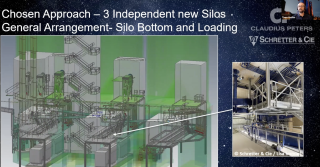
14 July 2022
13 July 2022
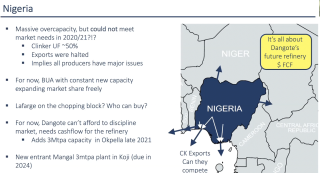
12 July 2022
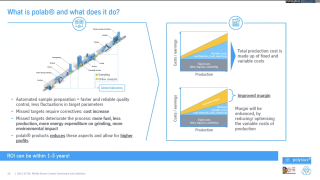
12 July 2022
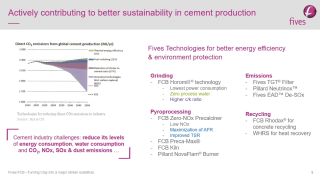
12 July 2022
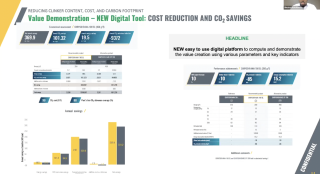
12 July 2022
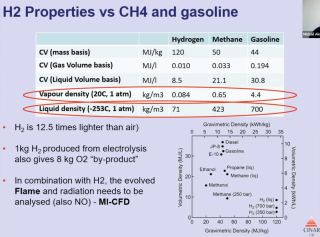
12 July 2022

12 July 2022
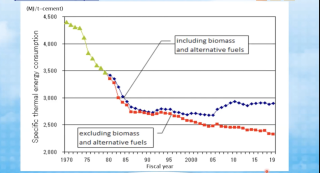
12 July 2022
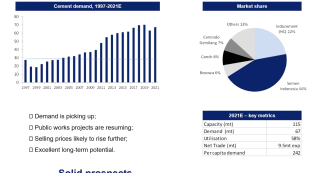
12 July 2022
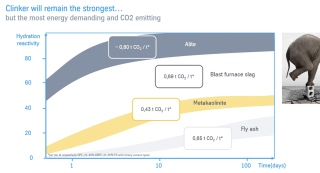
12 July 2022
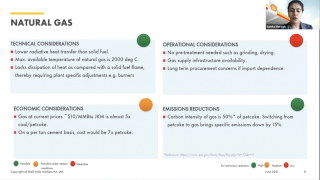
12 July 2022
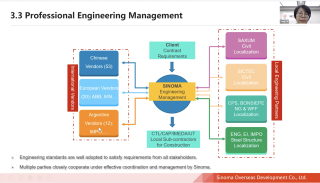
12 July 2022
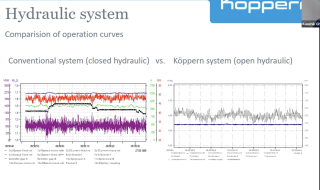
12 July 2022
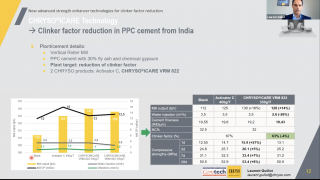
12 July 2022
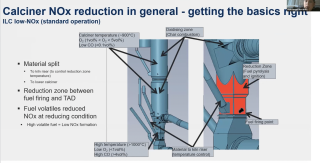
12 July 2022
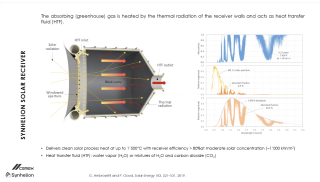
12 July 2022
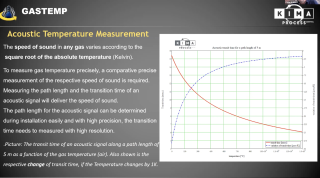
11 July 2022
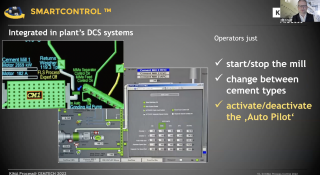
11 July 2022
11 July 2022
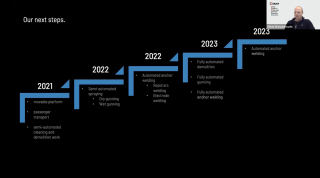
11 July 2022
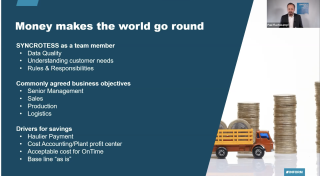
11 July 2022
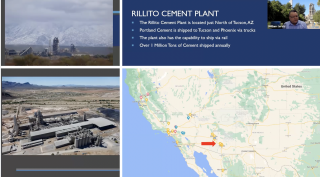
11 July 2022
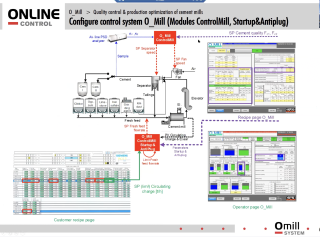
11 July 2022
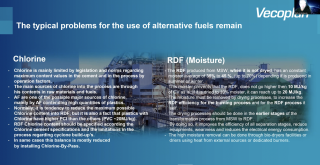
11 July 2022
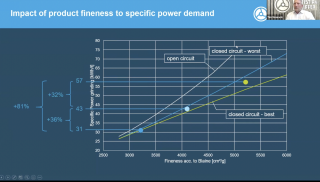
11 July 2022
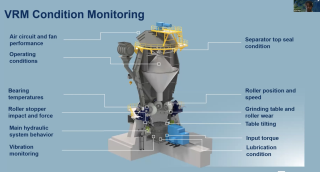
11 July 2022
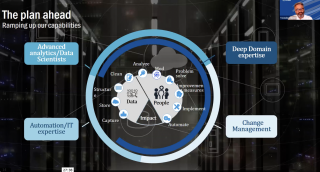
11 July 2022

11 July 2022
11 July 2022
11 July 2022
11 July 2022
11 July 2022
11 July 2022
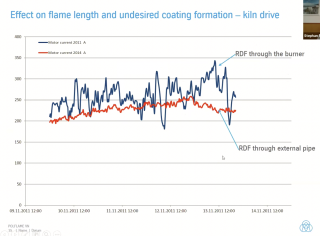
11 July 2022
11 July 2022
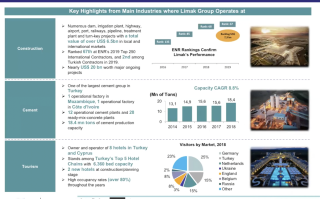
11 July 2022
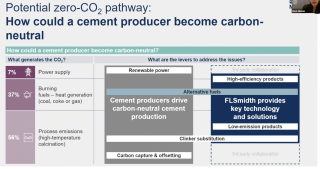
11 July 2022
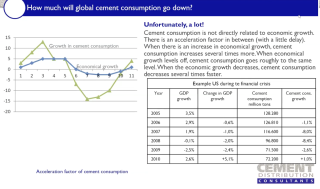
11 July 2022
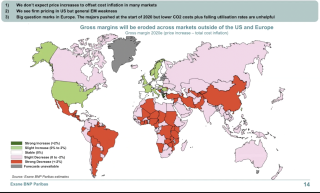
11 July 2022
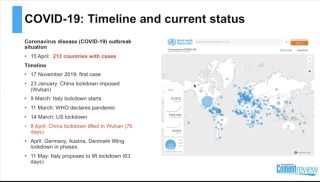
11 July 2022

6 July 2022
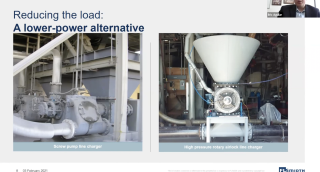
1 July 2022
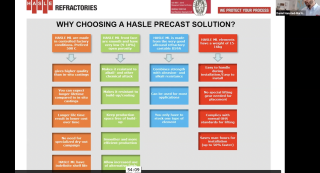
1 July 2022

8 June 2022

12 February 2021
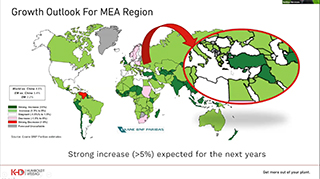
12 February 2021
12 February 2021

12 February 2021
12 February 2021

12 February 2021
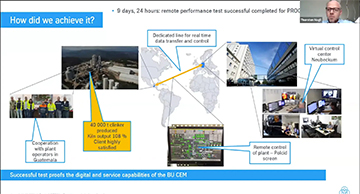
12 February 2021
12 February 2021
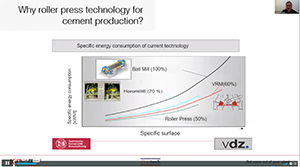
25 September 2020
25 September 2020

25 September 2020
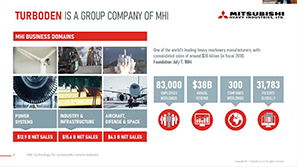
25 September 2020
23 September 2020

22 September 2020

22 September 2020

21 September 2020
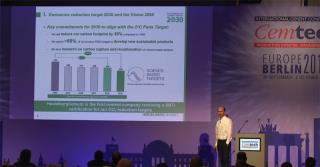
20 February 2020

10 February 2020
10 February 2020

10 February 2020
7 February 2020
27 January 2020
23 January 2020
23 January 2020
23 January 2020
23 January 2020
2 May 2019
30 April 2019
18 April 2019
18 April 2019

18 April 2019
12 April 2019
12 April 2019
11 April 2019
10 April 2019
10 April 2019
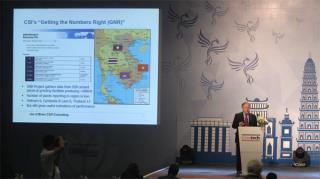
10 April 2019
9 April 2019
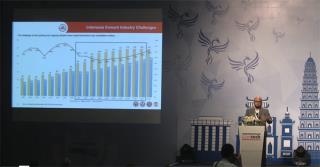
9 April 2019
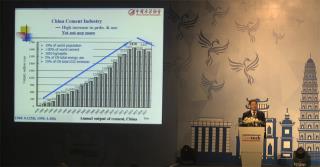
4 February 2019
17 January 2019
31 July 2018
31 July 2018
31 July 2018
27 July 2018
27 July 2018
27 July 2018
27 July 2018
27 July 2018
27 July 2018
27 July 2018
27 July 2018
27 July 2018
27 July 2018
25 July 2018
25 July 2018
25 July 2018
24 July 2018
24 July 2018
24 July 2018
23 July 2018
23 July 2018
23 July 2018
20 July 2018
20 July 2018
20 July 2018
20 July 2018
20 July 2018
20 July 2018
20 July 2018
20 July 2018
20 July 2018
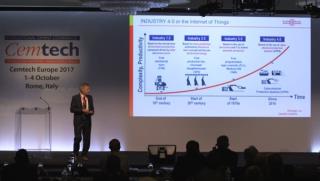
20 July 2018
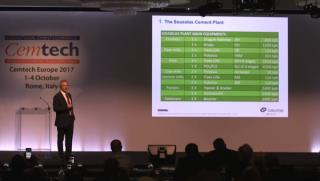
20 July 2018
20 July 2018
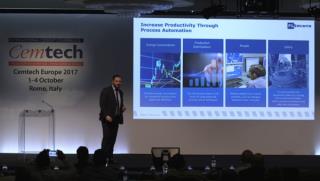
20 July 2018
20 July 2018
20 July 2018
20 July 2018
20 July 2018
20 July 2018
20 July 2018
19 July 2018

19 July 2018

19 July 2018
19 July 2018
19 July 2018
23 March 2018
23 March 2018
23 March 2018
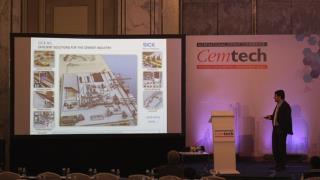
23 March 2018
23 March 2018

23 March 2018
23 March 2018
23 March 2018
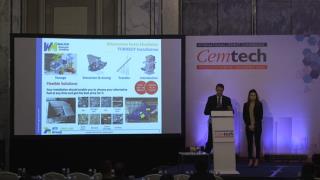
23 March 2018
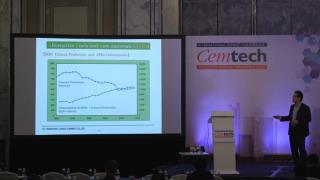
23 March 2018
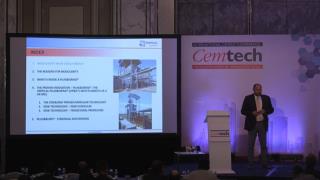
23 March 2018
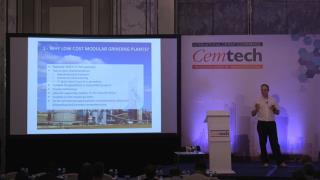
23 March 2018
23 March 2018
23 March 2018
23 March 2018
22 March 2018
26 October 2017
26 October 2017
26 October 2017
26 October 2017
14 August 2017
14 August 2017
14 August 2017
14 August 2017
14 August 2017
14 August 2017
14 August 2017
14 August 2017
14 August 2017
14 August 2017
14 August 2017
14 August 2017
14 August 2017
14 August 2017
18 July 2017
18 July 2017
18 July 2017
16 June 2017
16 June 2017
16 June 2017
16 June 2017
16 June 2017
14 February 2017
14 February 2017
14 February 2017
14 February 2017
14 February 2017
14 February 2017
14 February 2017
14 February 2017
14 February 2017
14 February 2017
13 February 2017
13 February 2017
13 February 2017
19 January 2017
19 January 2017
17 January 2017
17 January 2017
17 January 2017
6 January 2017
18 August 2016
18 August 2016
18 August 2016
18 August 2016
17 August 2016
17 August 2016
17 August 2016
16 August 2016
16 August 2016
16 August 2016
12 August 2016
12 August 2016
12 August 2016
11 August 2016
11 August 2016
11 August 2016
10 August 2016
10 August 2016

10 August 2016

8 August 2016
8 August 2016
8 August 2016
6 May 2016
6 May 2016
6 May 2016
6 May 2016
6 May 2016
6 May 2016
6 May 2016
6 May 2016
6 May 2016
6 May 2016
6 May 2016
6 May 2016
6 May 2016
6 May 2016
6 May 2016
6 May 2016
6 May 2016
6 May 2016
6 May 2016
6 May 2016
6 May 2016
25 April 2016
25 April 2016
11 March 2016
11 March 2016
11 March 2016
11 March 2016
11 March 2016
11 March 2016
11 March 2016
11 March 2016
11 March 2016
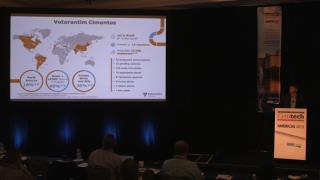
11 March 2016
11 March 2016
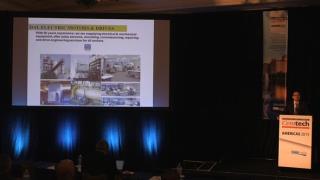
11 March 2016
11 March 2016
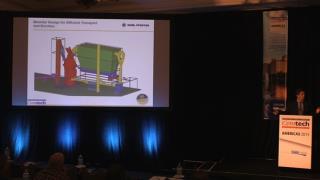
11 March 2016
11 March 2016
11 March 2016
11 March 2016
11 March 2016
11 March 2016
11 March 2016

21 December 2015
15 December 2015
15 December 2015
15 December 2015

15 December 2015
15 December 2015

15 December 2015
15 December 2015

15 December 2015
15 December 2015

15 December 2015

15 December 2015
15 December 2015
2 December 2015
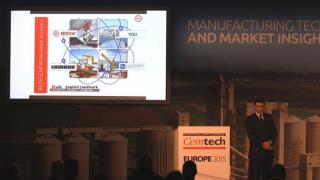
2 December 2015
2 December 2015
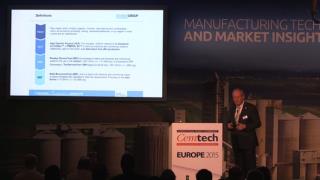
2 December 2015
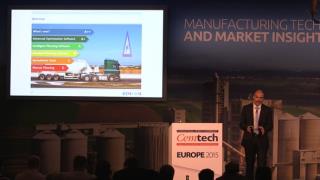
2 December 2015
2 December 2015
2 December 2015
2 December 2015

2 December 2015

2 December 2015
2 December 2015
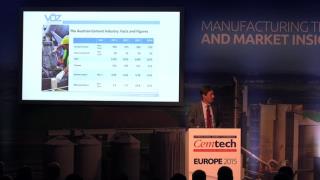
2 December 2015
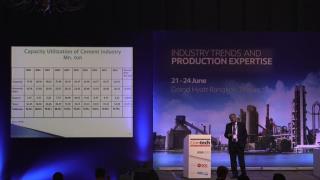
21 August 2015
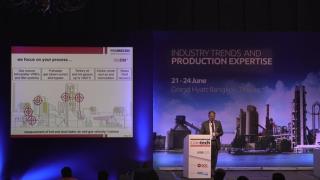
21 August 2015
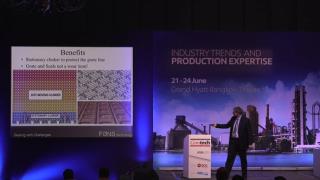
21 August 2015
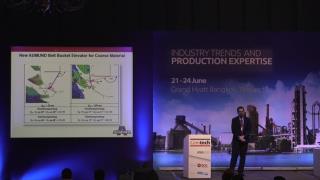
21 August 2015
21 August 2015
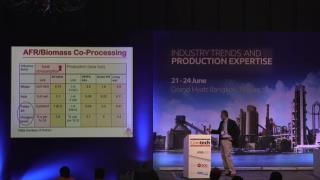
21 August 2015
21 August 2015
21 August 2015
21 August 2015
21 August 2015
21 August 2015
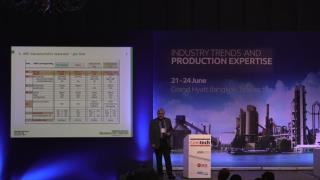
21 August 2015
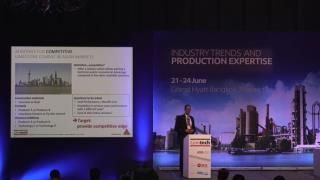
21 August 2015
21 August 2015
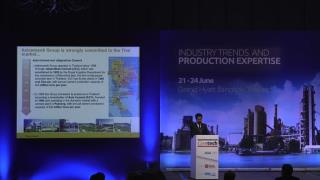
21 August 2015
21 August 2015
21 August 2015
21 August 2015
21 August 2015
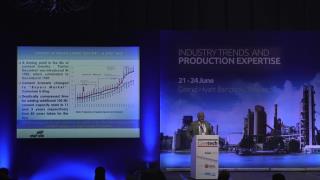
21 August 2015
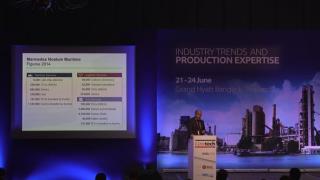
20 August 2015
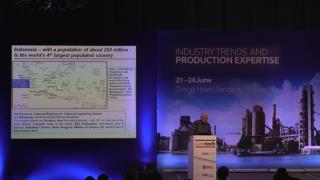
20 August 2015
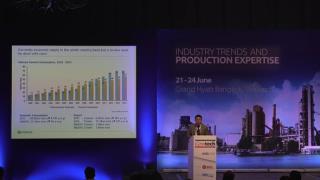
18 August 2015
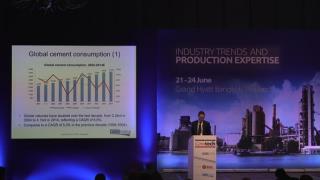
18 August 2015
18 August 2015
18 August 2015

30 June 2015
29 June 2015
29 June 2015
29 June 2015

29 June 2015

29 June 2015
29 June 2015
29 June 2015
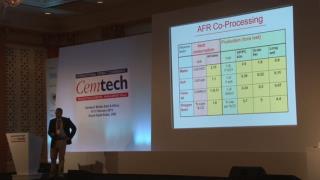
29 June 2015
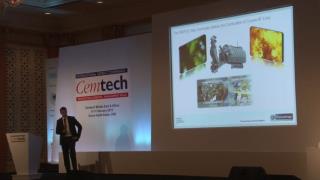
29 June 2015
29 June 2015
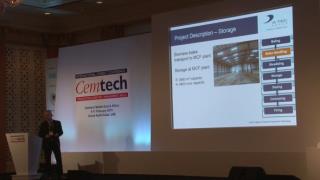
4 June 2015
4 June 2015
2 June 2015
2 June 2015
2 June 2015
2 June 2015

29 May 2015
29 May 2015
28 May 2015
28 May 2015
28 May 2015
18 February 2015
17 February 2015
13 February 2015
13 February 2015
Try searching for another title.