
2 September 2026
This transcript was generated automatically and may contain errors.
All right, good afternoon to everybody who's made it into the conference hall. you've got me again, it means everybody, you've got to work, not us. So just be aware of that. I've been told, I've been told that this morning when I said there was a free gift for everybody who asked a question, that I won't be able to do that again because we haven't got lunch after this session. But I still have a free gift for everybody who asks a question, and you will hear what the free gift is and the end. So it's the same deal, everybody. The idea is that it's an inclusive inclusive exercise. We work together. These guys will present their stuff. It's on manufacturing, low carbon cements and concretes.
So we're moving now from the thought leaders in, in OEMs now into now into the actual making of, of cement, the people who actually do it at the sharp end. And also, we're gonna be looking a bit at what happens in with chemicals, molecules, and then that, that feeds into concrete. So, I had a fact, I had some factoids this morning. I've got a factoid now we're on manufacturing of low carbon cements. If you talk to any policy maker around the world, and you say to them, how are you gonna decarbonize something as difficult as steel, cement, fertilizer, aluminum, and so on, they say, it's easy. It's easy what you do, you've got a chimney a molecule of CO2 comes out of the chimney.
You get hold of that molecule, you compress it, you purify it, you transport it, you inject it underground game over easy. It's a, you know, a sound bite for a politician. It's very, very straightforward. You know, the deal is done. So, factoids, Tom mentioned this morning, Breck, which is a plant on the coast of Norway. It's a Heidelberg plant. Heidelbergs not here on the, on the stage right now. So I'm safe to say this. it's around about a million ton of clinker a year. It produces about 800,000 tons of CO2. And the project, which, which Bre is involved with is called the Long Ship Project. And this is a project together with two other big CO2 producers.
one a energy from energy from waste operation in Oslo and the other a fertilizer plant on in, in Belgium, I think. And together that is about 1.8 million tons of CO2 A year. Now, Breck is contributing 400,000 tons. It's not a full decarbonization. It's only 50%. So a few, a few factoids. It's a, it's an amine process. You know, the classic today, the total cost for 400,000 tons of CO2 to be captured, cleaned com compressed, liquified, put onto a ship, taken to a terminal called Northern Lights, joining the other CO2 from the other two, and then going off into the North Sea.
But just for Breck plant, up to the up to the key, up to the port is 450 million Euros for 400,000 tons a year, and 10 years operating costs, 450 million euros. You can build a clinker plant for 220 million euros. In other words, to capture half the CO2 costs twice what a clinker plant would cost and the way that works, why would Heidelberg do that? Well, because the, as Tom said, the, the Norwegian government and other regional grants have donated an incentive, a subsidy of between 75 and 80% of the CapEx and the operating costs for 10 years. So all actually, that, that Heidelberg has to contribute all is about a hundred million Euros.
And in return, they get the EUAs, the, the carbon permits, which they save. So 400,000 tons a year. Today, carbon in, in Europe is about 60 Euros. So it's 24 million euros of income to them for the saved CO2. It's amazing project. I've been there, I've seen it. The the money being spent is absolutely incredible. I am rocked to my core by that. But when it comes to decarbonizing cement and this session that factoid, I'd like just you to remember, because when you're gonna hear these guys speak, they've got a range of other solutions, perhaps not as expensive as that. So you are gonna be working again this afternoon. You'll be glad to hear you are gonna need your mobile phones.
But before we get onto that, we're gonna have Rafael Alona, who is the CEO of Cemex here in the Emirates Rafa's from Dominican Republic, which is a lovely place. I know it very well. but he's been here as CEO of the Cemex business in the Emirate since 2020, and has worked with Cemex for 17 years. And it's amazing the places he's, he's led he's run commercial vice president in Egypt, he country director in Haiti, which is rather a, a, an interesting place. He was a commercial academy regional ambassador in South Central America and the Caribbean and country director in, in Jamaica, which is, I mean, just a amazing life.
so he is gonna talk to us about Cemex, which as you know, is an action packed company. The title of what he's gonna say is Future in Action, the Path to Carbon Neutrality. So, a big hand, please for Raphael. Thank you everybody. Thank you everybody. Good afternoon. So my presentation won't be too long as we wanna leave the most amount of time for the panel, and we can get the interaction going. But I'm just gonna give a quick recap of kind of the progress that we have seen at Cemex from a global stage with some, maybe some tidbits about our operations here in the UAE. So I'll be talking about future in action.
Future in action is basically our umbrella for all the sustainability decarbonization initiatives that we have in, in Cemex in our portfolio. And primarily, we focus on six pillars sustainable products and solutions, which is one of the main topics that we will be discussing today, decarbonizing our operations, circular economy, water biodiversity, innovation partnerships, and promoting a Green Economy. I will not touch on all those points, but I'll touch on some of them during this presentation just to make sure that we have a compact and, and pretty straightforward.
So before we move forward, obviously we are one of the, the largest companies in the world when it comes to Ready Makes and Cement. So we have a huge responsibility in terms of what we're doing to get to the road path of a Carbon Net Zero future. in 2022, we admitted 55.7 million tons. And as you can see, 94% of them were between Scope one and Scope three. So that's, those are, let's say, the primary areas of focus, where if we tackle them, they're going to severely move the needle. Now, we set up very ambitious goals for 2030, and these goals were validated by SPTI.
on top of that, we also are part of the the Race to Zero since COP 26, and we're part of the Women Business Coalition and the First Movers Coalition. Now, looking a little bit towards where we were and where we are today our baseline of 1990, we were at 802 kilos of CO2 per ton. We closed 2022 at 562, so a 30% reduction. And we are, we see very, very feasible to get down below 430 by 2030 with the current technologies that we have today. There's no, no new innovation, just the levers that we have now.
There's a lot of ha low hanging fruits some of them that need some policy change in, in, in certain countries, but nevertheless, nothing, let's say innovative just to get to the four 30, then after the four 30 to the zero from 2030 to 2050, then of course, there we're gonna need some, some breakthrough in initiatives. So when it comes to sustainable products and solutions UA is, let's say our, our branded product for that. and we have virtual products for cement and concrete. since the launch of ua, our sales have been increasing dramatically.
here you can see that in from 21 and 22, you saw a jump of 26 to 41% and the cement and 17% to 33% in ReadyMix in the UAE, we introduced Virtua in 2020 1st of August. Today, 95% of all our sales in the UAE are virtual. So we're way ahead of the curve now in the cement part, that's where we're lagging, right? Because in the cement part, there still needs some, some help with regulations. there's also need a, a more buy-in from cement producers to, to position these blended products, blended cements to, you know the ready mix companies and the prefab companies.
So there's a lot that can be done with very little effort and without having to go to, you know, more expensive technologies like carbon capture. some other initiatives that are noteworthy is the DFAB 3D printing. We actually produced that material here in the UAE. and this was a partnership that we did with Cobalt, where we are doing 3D printing with concrete, not with mortar. And that this admixture is the one that was like the secret sauce to making that, making that happen. And another product that we're very proud to announce we already are casting it this month in the UA for the first time, is INS Solaris. So in Solaris is a concrete that is made to have thermal thermal resistance.
So let's say a conventional concrete, we'll have a Lambda of around 0.45 to 0.5. Our in Solaris gets all the way down to 0.15 for structural use and for non-structural all the way to 0.08. So we believe, you know, in these type of climates, this is a very good solution for thermo efficiency. when it comes to UA in Virtua, we have, let's say, three classifications above 30%, CO2 reduction above 50% CO2 reduction, and above 70% CO2 reduction. And during COP 28 we sign an MOU with aldar, where we are casting the first ever 70% reduction ready mix for villas. And that that, that's already underway. And the results have been better than expected.
So we will be seeing a lot of more increases of cemex virtual 70% in this market moving forward in terms of decarbonizing our operations. So last year we during the last two years, we reduced 9% of the CO2 footprint. That's the equivalent of the previous 10 years combined. So that shows that these technologies, the efforts, the focus on it, it is actually working, and we're seeing a lot of momentum. So we are actually currently ahead of schedule for our targets and in the, in the CO2 footprint. So we believe that our 2030 goals will be probably achieved before 20 20 30. in terms of alternative fuels as a company global, we had 35%, but our European operations are very advanced there.
They're already at 70, above 70%. in the clinker factor, we have 73.7%. This one is affected a lot by the US market. We have a big footprint in the us. and let's say that market is still not that friendly for blended cements but we have operations like Egypt, where they're in the low sixties percent in, in clinker factor.
So, and this is not considering, let's say GGBS, where if, of course, if you combine your, your, your operations with your GGBS sales, you can be sub 50, sub 40% on this clinker factor thermal efficiency, 44, 40 4% of all the production already has hydrogen injection decarbonation decarbonation raw materials over 740,000 tons of CO2 and Novo Clinkers low temperature 46% globally in the UAE. just last year, we reduced 92 million kilos of CO2 in our operations. And let's say we're mid-size, we do about 1.2, 1.3 million tons of, of cement cementitious and 1 million cubic meters. So with that size, we were able to reduce 92 million kilos of CO2.
And again, this is not pulling all the levers that we know that can be pulled. it's a transition, it's an adoption process. It's con, it's convincing the consultants getting approval, you know, from construction companies. So it's a whole ecosystem to have to move in the same direction for a lot of this, to take traction. In terms of circular economy, Regenera is our flagship brand. So we focus primarily in municipal waste construction, demolition, waste, and byproducts. The byproducts part is, is very simple. I think most, most countries are, are doing that if it's available. I know slag is starting to become a little bit tougher to source fly ash as well.
but when we look at municipal waste we have seen a lot of success there. And what most parts of the world, especially let's say Latin America, it's a lot of the constraint is more policies and regulations that make getting this waste and using it more expensive than just dumping it. So we also need policy support to make sure that these type of solutions can be more economically feasible than just throwing them in a, in a landfill. and when we look at the amount of waste that we manage in 2022, we're talking about 27 million tons. just so you have an idea from our Europe operations alone, the amount of waste that they manage is like the, the waste generated by a city of the size of Madrid.
So it's, it's very, very impactful, and we see a lot of progress and, and a lot of upside in this type of business moving forward in a lot of countries that we still haven't deployed it. Last but not least water and biodiversity. So a hundred percent of our qua quarries have rehabilitation programs. Just so you have an idea. We have roughly about 450 quarries around the world. so it's, it's a large number, but all of them have their, their plans. 98% of those quarries have implemented biodiversity action plans. And 88% of them have the, the both mentioned plus the third party certification.
we also have a a conservation ground where it's roughly the size of the city of Houston where we have tons of species. But, but more importantly here, it's, it's a way to also do some carbon capturing. so we, we try to offset with, with with this conservation land. it's not, let's say we don't, we're still not pushing for, let's say, carbon credits and those, because I think there's still so many levers that you can do with your clinker factors, with the type of materials that you're using, with the policies and regulations that exist. you can still achieve your goals without having to go that route. But this is, let's say something additional that we're doing in terms of preservation.
and that's, that's basically it. this was just a little bit of some pointers to hopefully ignite the conversation later on. Thank you. Okay. Thank You, Rafael. So the, if you remember the, the rules of the game are that we try to get this interactive. We'd really appreciate some questions from the audience. So if we could get the, the mic there. And I, I, I, I logged you. Yes, you can, if you'd be so kind is just to introduce yourself. Good evening, everybody. I'm Hamad Dei from means company Saudi Arabia. Okay. for cs, in one of the present, in one of the slides you have mentioned that you reach the clinical factor is 73%. is it due to consigned clay or I would in different way.
what are the contributors for that? Mainly this is first question, second question. Did you catch second question? I will keep it later to the organizer. Maybe this is not the right time for it. Okay. Thank you. Okay. Hello? Hello? Hello? Hello? Yep, we're Rolling. Perfect. okay. Thank you for the question. it depends, I would say it depends by country. we are not, we haven't seen that much, the adoption of lc three, although lc three is a very good solution. you just have to have the right clay for that. So most of the clinical factor reduction that we are seeing is using Atlantic material. That's, I would say that would be the, the first one.
the second one is also being able to use a little bit more limestone and in, in occasions slack cement as well. But primarily, And the second question, You said the second one's for Later. Oh, second for later. Okay. Alright. Can we take the mic and just bring it over here, please. I already have it, so. Oh, you got that. Sorry. Sorry. It's Okay. You've hijacked this, this Proximity to the mic. Help me. So my name is Farro Hamad. I am representing Bestway Cement from Pakistan. We are the largest cement manufacturing com company in the country. So we are looking at alternative fuels. And one of the slides contained a lot of improvement in the use of municipal and solid waste.
So can you share some story, success story, or can we find some of this some material about this? Because in Pakistan, the waste sorting, the transportation and management, it's, it's totally useless. We don't have any system in Pakistan. So what are the avenues, which where we can, you know, get some advice from companies like you who have already done a lot of work on using waste as alternative fuel. So it'll going, it's going to help us reduce carbon footprint and also maybe in the region where there are other companies who are facing the same problem. Thank you. Okay. good question.
So I, I would, I would refer to Europe because that's where, let's say we are, we're leading the pact there. they have done a tremendous job working with the municipalities and, and the government in terms of the policies. also I think biomass have, has been really something that they have really that has taken them to the next level. of course there are a lot of challenges, right? you, you, you have to be careful with the material and the storage, and you can have fires. And I mean, there, there's a lot of of processes that, that go into it. But if it's managed properly, I mean, it, it's really, it, it can, it can change the number dramatically for your cost in your operation.
So definitely I will look into, into biomass as, as one of the top levers. And also make sure that the municipality is in favor of, of the, the, the action that you're having so that you can collaborate with them. And maybe the way that you receive the waste is let's say, handled maybe differently than what you're currently doing it, because right now, maybe you're just receiving it as an afterthought instead of something that is directly planned with the municipality. So I, I would, I would plan with that. And of course, after the, after the panel, we can probably talk a little bit more about that and see how we can connect you. Okay, very good. Thanks. There's one more here.
my name is Mahmud ab from Royal Cement regarding the hydrogen hydrogen injection. This is for thermal efficiency. So it is not for burning. That's correct. Correct. And, and it is 44% of your operations around the world is having this technology. Correct. So it's, it's just an, it's like an, an admixtures almost, right? Because it's just a, a like a spark plug that you're using. It's not really, you're not substituting a lot of the fuel for that. Okay. Okay. Thank you. On there and one at the back, and then we'll, and then we're all gonna work after that. Hi, my name is Richard from five FCB France. You have talked about waste recycling and especially concrete waste recycling.
Today, we know that is a big subject for circular economy, which country have started using of recycled aggregates, recycled sand and recycled cement paste and concrete manufacturing and new cement manufacturing. Yeah. So I'll, I'll tell you our story here in the UAE. there, there's a lot of waste generated here due to the fact that like other countries, you normally, your, your pump and your trucks are washed at the job site here. No, they have to come back to the plant. So you have a big amount of waste. what we have been doing is a zero waste strategy. So we extract from that, waste all the aggregates and, and reuse it, and you're left with a sludge.
And actually, for that sludge, we partner up with UltraTech locally here, they're called star cement. we have a partnership with them where we are working to turn that sludge into a fine with a certain gradation that can be re-injected in cement as an admixture. the testing so far is, is showing very positive results. So we are, we feel con right now is the, the process, let's say that we're doing is manual. but we're, we're going to be investing CapEx to get this lodge to the, the right gradation, consistent gradation that we need. And we are very confident that this might lead us to have almost zero waste.
anything above 40 MM will probably be rejected through that system for what we're trying to build. But it will, it's, it's a small percentage of a big percentage of waste already. So I would say that is something that it's innovative that we're currently working on. And it's showing promising results Actually in, in in Europe last year. a new EM 1 97. It's a, it is the, it's the cement standard was was issued in which there is now a permission to use concrete fines as an SCM. So you have the, you have the cement paste in the fines, which you can then recycle back into a concrete and use it as an SCM. Exactly. And even Heidelberg Poland have started already.
yeah, they have here as their installation. Yeah. Very good. Thank you. I think one of the back, yeah, there you can. Thank you very much. good afternoon. My name is Eugene Becker. I'm from the company AGAs one recycling technology. And my question relates to your slide. where have you have shown the substitution rate of cemex? And you touched the topic that the regulations are missing from the governments and from, from the municipalities to con to increase the landfill taxes that it makes economically feasible to turn waste into fuel, especially when we talk about MSW, what's really challenging 'cause of high moisture content.
And my question is now do you see that the countries in MENA region are going the right direction in, in implementing this kind of regulations and increasing landfill taxes that it makes more reasonable to convert SW into fuel instead putting on a landfill? I, I think the answer, the, the quick answer would be yes. I mean, my, my context honestly is Egypt and UAE because these are the, the, the two main operations that we have in the MENA region. but we have seen a lot of acceptance.
So I, I think the governments, if you come with a business plan, if it makes sense for them, if, if it's really going to impact positively on the landfills and on the red reduction of the CO2, I think they're open to, to solutions. I think sometimes we just need more effort from industries to push and not, you know, one or two people or, or companies, you know, pushing certain topics. But, but I do see the governments being very open to these type of solutions We are happy to support. Sorry, didn't Get that. Could you repeat? We are happy to support you if you need help. Okay. Thank you. Thank you. Okay. Very good. Thank you, Rafael. Thank you for the questions.
Right now out with those mobile phones we've got a new question coming up. You've noticed that Rafael talked a lot about using s SCMS as part of the main levers for decarbonization in cemex. Here's a new question. same, same idea. get the the QR code and you'll see the question is Question, Looking ahead to 2040, what do you believe will be the contribution of low carbon supplementary cementitious materials? That's ground slag, fly ash, NPO lens, calcine, clay limestones, say to cement decarbonization. And before you, you press your selection. I'll give you a bit of a hint.
And the hint is that if you look at all the roadmaps, whether it's GCCA, em, bureau, MPA, you go all the way through them, nearly all of them only have something around seven to 8% for S scs. And I'm very interested to know if you agree with that or if you think we can go further than that in our quest for decarbonization in this industry by 2040. So imagine new standards for cement, new standards for concrete, opening up the horizons. What do you think is gonna be possible in 16 years time? So please vote. Please vote. Did you go? no phone. I left it for the microphone. How we doing? Still coming in. Oh, sorry, sorry, sorry. they're still trying to upload the QR code. How are you doing?
Still uploading. So it's all about what contribution to decarbonization of our sector do you think we can achieve with new standards, cement and concrete in 2014 slowing down, Tom? Oh, this one Was, well, okay, okay. I'm not sure who that was. Still voting. Okay, let's go. So remember the roadmaps nearly all say something like seven or 8%, which is this area here, oh, sorry, this area here. Now, Very interestingly, only 12% of you think between 10% and 5% is what is achievable with scms.
I'm so happy with this because you think, and I'm, I completely agree with you that 50, 40 or 30% is possible if you add together that it's 76% of you, 76% of you believe that we can get to that level of of decarbonization, 30, 40 or 50%. It really speaks. That's you. I mean, you know, the, the industry, I think maybe, you know, the big players need to look at those decarbonization roadmaps. Again, because I'm right with you. I think this is where a lot of our future lies in the next 15 years. It doesn't get us to zero, but it gets us a long way there. So thank you very much for that.
We are now Going to shift a bit to one of the biggest enablers to allow us to use things like more s scms to perform better in, in cement and to use what is now a boom area in the financial markets to use molecules and ad mixtures and construction chemicals. And we're really lucky that we've got here today. Martin Whitehead from FOS Rock he's entitled, his presentation is, it's a, it's a real cracker cement additives. That's what we're into. Is it a bandaid? Is it a, a plaster or is it really a, an effective decarbonization tool? I think I know what answer he is gonna come up with. but Martin is Foz Rock's international head of technology and product development.
He's based here in Dubai, so you can easily see him either during this conference or any other time afterwards. he's a very smart guy. He's got a doctorate in analytical chemistry from the University of Manchester. And he's got a business angle as well. He is got an MBA from Durham University. So he is got a lot of international experience in our sector in heavy building materials and a construction chemicals industries, both as operational and functional roles. So I think it's gonna be extremely interesting to see what Martin says as one of the enablers for what you've just voted on. So Martin, thank you very much. Perfect, Thank you.
I think after introduction, there's not really any pressure at all, is there? So yeah, so as you said, the the target is really looking at cement additives and we'll talk a little bit about that. But really, is it a bandaid or is it a decarbonization tool? I'm interested, Peter thinks you know the answer. My intention is to be a little bit provocative with some of this, because in my personal view at the minute, it's more in the bandaid role rather than really something that we really look at.
Car decarbonization a useful additive and useful for cement production generally, but not way close to using its power for, for decarbonization fo walk I won't talk about, we have a booth the next door you can come and see to us, grinding edge performance enhancers, you know, grinding aids, most cement plants know what these are. They drive improving powder fluidity mill efficiency. They got a little bit better. When we moved to performance enhancers, we started talking about, hey, let's improve some cement performance, cement strength and things like that. And functional additives, which are not really as relevant for decarbonization when we talk about air entrainment and chrome juices.
And we're really gonna focus on the grinding aids and performance enhancers and how we can really utilize those. So let's start, we, where I think we are now. Usually when we go to have discussions with customers and clients, the conversation usually starts something like this. If for finished grinding, first of all, we're not looking at the whole process mainly. And it's usually a question of I need to increase strength by two, seven, whatever, how many of day you wanna choose and by a certain number of megapascals. And I want to have more limestone slag, PFA, again, your SCM of choice, which product do you recommend for this?
Now, inherently, I mean you, you think back to setting objectives and targets, it fits this smart logic, you know, it's pretty good, but not if you're looking at decarbonization. 'cause this target is not necessarily aimed at that. I think a good analogy is, I like racing, so it's a good thing to point formula one corner. The left hand side, there's a point towards just, yeah, you know, these things are designed to go around corners really, really fast. That's really what one of the key properties of that is, which means they lose a little bit of speed in a straight line.
So some smart person came up with this DRS, this drag reduction system, which means when you need it, you tweak a little button and off you go. If our cement plants are optimized like this, then sticking and grinding it at the end or cement additives is fantastic. The reality is, in most cases, we're looking like this. We want some improvement, but we haven't optimized the rest of the system yet. It will still do something, it'll still be useful, but it's not gonna be the full potential of what you can do. And this is usually what we are facing. So we say, okay, look, these are real examples.
Raw mill grounding a cement plant had some massive issues in terms of, you know, stability of the raw mill. Yes, we can supply now that stabilizes it. The, the plant is happy, you know, it does what it needs to, they get much improved production. Does it affect decarbonization? Hmm, little bit on the second side. We'll, at finish grinding, and this is probably more common, you know, we want to reduce the clinker factor. So we switch the additive out, we get the same strength performance. Cement plant is happy 600,000 tons of production, they're saving $350,000 a year. Does it contribute to decarbonization? Yes. Could it be better? Absolutely. I think this picture illustrates something.
We all see the same picture, but depending on your perception, you, you'll see different things. Some of you may see the old, old man with some wacky hair, others may see some knight with some windmills in the back. We're all looking at the same thing. We're all trying to achieve something, but just the perspectives are a little bit different. I wanna try and make things really quite simple and that's on on, on purpose wise. We'll be here for hours. For me, there's two real steps that we can look at when we talk about optimization. The first one is to, when we go from the raw mill to the clinker, we make some decisions.
You know, we have the raw materials that we have, the limestone, the clay, the sand, the corrective materials, whatever it is you have. But we make decisions at that point, right? Things like LSF, silica ratio, Illumina ratio. And that has a massive impact on what the clinker chemistry is. The clinker immunology. And once that's fixed, pretty hard to change. The thing that's missing is, okay, we can use, sorry, we can use grinding aids and additives also in, in these areas to improve things. But we rarely ever have a discussion about, okay, what happens if we start to change this and what is con grinding a do to help optimize those things as well.
The second simple step is then we go from the clinker to the cement. Again, the clinker chemistry we just said is pretty much fixed. We have a choice of scms, you know, we have different mill systems we can play around with gypsum source of it's gypsum anhy and we get the cement. What I wanna do is take a little bit of a more deep dive into this and understand or start to show how to then cement additive really contribute to this to rate burn ability. What are some of the key things that we look at? And we talked about the chemistry, the LSF to rate silicon ratio. There's also then issues on course cal site course quotes.
We define these parameters to achieve a certain chemistry in a certain performance. But rarely do we start to question, okay, if we want to start loading up s scms, how much can we play around with this while still maintaining the performance, still maintaining the lifetime of the quarry. This was a trial that we did in, in Turkey. This was on the raw mill. The focus here is it really wasn't so much on, on decarbonization it around improving variability, improving or reducing the energy required to to, to burn. And what you can see is, okay, we fixed the chemistry. It's similar, it wasn't a big change.
We did some trials with the grinding in and without and we massively improved the burn ability. And this was simply by adjusting here. This is the particle size distribution. We reduced the amount of course calcite when we used the grinding aid compared to when we didn't. And we've proved this when we looked at the some XRD analysis to show there's reduction in the calcite content. What does this mean in reality? Well, when we took this and point through thermal analysis, we get a 6% reduction in the theoretical heat of formation of clinker formation, which is huge, right? Okay, you'll get some losses and so on. But this is from a cement plan. This is not in a lab.
Similarly, if you take that then to, to cement, you start to look at what are some of the key things, and there's some great work. I mean, none of this is my research, this all, all across at the bottom key things that impact, you know, particle size. We all know that typically the most active particles are between three to 30 or five to 30. We can argue a little bit on that, but why is that? Obviously it changes the rate of hydration, how much you can penetrate into the particle. And similarly on the, the cement hydration side, this is just what happens if you start to add more sulfate. So this is just plain air light. This one here is with gypsum, and this is your sodium sulfate.
And you start to change the morphology. And if you do that, you start to impact the, the, the strength development and the strength performance. And this is just in a normal system just with gypsum, we start throwing cement additives into there where we can start to tailor chemistries and they start to interact. You can see very different performance improvements. Does it work? Again, this is where current, there are some trials. So is again, in a real cement plant, we started with a reference, which is grounding aid. We tweak and understand the chemistry and the performance. We get much higher strength performance, which means then we can reduce the clink effector further.
But what does this mean for decarbonization? You know, if we take all of these different elements without even really talking about can we start adjusting chemistries of raw meal and so on, you can start to understand that if we look at cement additives across the whole reduction process, you start to massively reduce. Think of factor goes down, which means then you know, the associated CO2 emissions also reduce. And overall in a standard cement implant, you're looking at four to 5% reduction in CO2, just by thinking about the process a little bit differently, just by applying additives to different steps, it doesn't cost you anything else. We don't change anything. It's not new technology.
And I think for me, this is really the starting point where we're going to, and this leads into hopefully the questions at the minute. You know, we started probably maybe 20, 30 years ago, touching the top of the iceberg here when we started about summit additives. Now we may be breaching the surface, but we have all this area here that we need to, to start to explore. And that's gonna require a lot more collaboration, a lot more understanding because it's a trust thing. You know, we say, okay, we can provide the solution, we can start using additives to improve the burning process, but that's a massive investment. And cement well, it's easy, you know, a hundred tons an hour.
We put an additive in, it works. If it doesn't work, not so much lost. We start playing around with the other process like the kale and the raw mill and so on. That requires a lot more to us, a lot more collaboration, a lot more discussion. We'll hopefully start to add in this direction. And that's before we even touch onto the new technologies that are coming and new technologies that could potentially come in the future. And before we even get into the concrete admixture side, which I think we can maybe save for the, the next Cemtech conference to go into depth on that as well. So thank you very much for your attention. Okay, Martin, thank you.
That's great, Martin, well you've focused on, on cement. You haven't said a lot about concrete. And there I believe it's not a bandaid, it's a real decarbonize. But anyway, would you have any questions, ladies and gentlemen? So would you, we got the Thank you very much. thank you very much. My name is Ali Ga, I'm from company called SIMer. We are providing services and spare part to the cement industry. I'm just wondering how on earth we will be able to increase the CSMs in 40 years time if the environmental regulations are to close coal, coal plants and you from where you will source those s scms if coal plants are not there or greatly reduced. Okay, anyway, I can tell this question.
I mean, I think it's looking at what the range of S scms are now. So SL and flash will always the common ones, but there's a much wider range of potential s scms you can use. Whether that's, I mean, even limestone, which we know three 5% reacts. The rest is these nerve Limestone never made the the strength. It's a blaster cement to not reach the no, No, for sure. So I said three 5% temperature tends to to react and the rest is more in a filler. But then you've got the calcine clays, you've got natural puzzle ons. There's lots of these in, in in various countries. And and there's also potentially artificial ones as well that can come along that you can start from blend and work on.
I'm worried, I'm worried about our Saudi market. It's very hard to find clay. Mm-hmm limestone is not strong enough when you add it to the it's not providing the strength because we are using the cement for very heavy structures like the one in frontier. Yeah. And the only thing we are using now is fly ash and the slack. And many consultants are putting all these things inside, but sooner or later it's becoming harder and harder and more expensive to find it and to source it and to bring it in, in, in, in the country. Mm-Hmm. Thank you very much. Okay. Thank you for your question. I, I mean, if, if I may, I, I I think the, the, the, the whole, the whole landscape is, is changing so fast.
I, there's now technology available to produce a very, very good concrete, an equivalent concrete to one made with cem, one with high levels of, of limestone even up to 50%. there's a, there's a formulation, which is a company called Eem. They've got a, a brand of it called Act a CT. It's 20% clinker, 30% slag, and 50% limestone. Now, everybody knows that if you have that with, with normal water cement ratios, you get a very poor concrete, extremely weak, doesn't work.
But equally, it's been known for many, many decades that if you reduce the water cement ratio from a normal N 0.5 and N 0.6 to N 0.3, you get a, you get a strength at 28 days, which is equivalent to a SEM one mix Problem is that mix is very, very stiff. It doesn't slump properly. How do you, how do you pump it? You can't use it in, in, in construction. So the solution is admixtures and it's for this reason that you, you, you can, you can see this, I, I mean, I've seen it in my own eyes. You, you go and produce a a 50% limestone filler with a specific particle size distribution, 20% clinker, 30% slag with maybe twice the normal level of admixtures super platy sizes, et cetera.
And you get this really, really good high flowing pumpable concrete. And this tech is moving at light speed everybody. And the, the standards obviously need to catch up. I mean, in, in, in Europe you have em 1 97 5, which allows you to go to 35% limestone. but EN 2 0 6, the concrete standard only allows you to go to 20% limestone. So currently you're stuck at 20%, which is okay, but the next step is to go to 35%. And that is now a question of durability, testing, carbonation, all the normal tests, who in concrete and then beyond 35% is coming. But I believe the use of super plasticizers and admixtures are going to make these concretes much, much more available.
So I understand, you know, you think limestone, this is very weak and it's a, it's nothing. But actually when you look at the, a thin section of concrete, the actual surface chemistry piece, sticking the pieces of stone together is only a very small part of the clinker. The rest of the clinker sits there as a filler, which is why when you, when you break up and crush, demolition, waste a lot of the, the, the cement paste, iscar, unre, carbonated, and you can use it again. So the trick is to replace that by limestone and not affect the strength. So anyway, I, I think there's a lot coming this in this, this area. The capital markets, by the way, have realized this.
And that's why you see the, the multiples for CICA and so on, rocketing, because people recognize are gonna use a lot more admixtures in the future to allow you to get to deal with water cement ratio issues in not only limestone, but also pola and and and fly ash. Sorry, that's quite a long answer to that question. My apologies. Any more questions for Martin? Yes, Amra, we have a I actually have a fact for you first, which is there is a roadmap of WCA that had a minimum of 25% SCM since day one. It was done two years ago. So there are some roadmaps that have SCM as 25% plus this is one two is it's for Rafael and for you as well. It's a question for the s scms in cement.
So replace changing the type of cement to different types. And when we have a standard like M two or M three or even makes it cement and the specifier on concrete side, 'cause we can do what a lot of things to produce a lot of green cements. But the problem is not us. The problem is in the value chain on the concrete side for buying that cement regardless of the regulation. The regulation is another story. There are specifiers globally that are still, and you said the new example are still specifying OPC one. So this, this is a food for, so we would like to have your view on this. And one last comment is regarding Saudi Arabia.
the SMS in Saudi Arabia is utilizing polan, which is a great source, much better than slag and fly ash. And they are circular, it's natural material inside the country. In addition to, there is currently ways in addition to the I would say uplifting of the concrete from by admixtures of concrete being cement manufacturers, we would like to keep it on our side. There is ways to activate non-active novel material like Baal, like non-active clays by mechanical activation and carbonation to generate a more active s scms that can be used with clinker as a replacement in addition to limestone. Absolutely. Thank you. Am that's that there's a, I mean, there's a number of questions in there.
Jen, do you want to have a go at that? I'll take the first part. yeah, so you're absolutely right. I, I think it's the whole ecosystem is dealing with the consultants, dealing with the construction companies. I will tell you personally, we, we are currently the only ready-mix company using SEM two in this country, right? So 95 to 97% of all the sales in this country are OPC 91% clinker factor. and there's no need for that quite honestly. So right now we have a project in Khalifa port where we're using a EM three A, right? Which has about 50 to 55% clinker factor.
almost all our concrete is SEM two is using EM two, we are doing C nineties and C one hundreds in the country for these mega towers. So we have proven that you don't need a high clinker factor to achieve the strength and the durability. Actually the durability is even better with the EM twos, right? So it's, it's working with the consultants is people that are used to working a certain way for a long time and changing that and change sometimes is perceived as risk. So how do we make them feel comfortable with the decision and how how can we move together as an industry? I think the more and more people jump on the same bandwagon, the more common it'll be, the less fear there will be.
but I will tell you that we are having a lot of success. I, I mentioned earlier, 95% of all our, our ready mix right now is with ua with virtual EM two. So there's, there's tons of opportunities there. I think there's opportunity for EM three C where you only have a clinker factor of 10% that's not being used in the country. But you have so many applications where you can substitute. I even see in the construction sites people using OPC, you know, for just rendering. Like, do you really need any 1% clinker factor for rendering? I mean, it is just, there's so many different applications that we can use. we will get there. It's just a matter of when.
Matt, if Great question maybe Then to follow, So Martin, go on. Yeah. Onto the alternative cementation materials. I, I agree. I think a lot of it is just understanding, you know, what's the concerns and trying to address them. But I think back 15 years ago, we were doing some projects when I was in a cement company in Ghana and bi between El Paso and they don't have very good quality limestone, but they have Dometic limestone. And there was always this fear events, okay, you get de dramatization, it's not gonna work.
You get, but actually, you know, if you do the work, which we did and we sure it wasn't a problem and might then change the, the standards both in Ghana and then subsequent legend became El Paso. So they can start to use this door del limited limestone, which means then it opens up, you're not shipping. 'cause in the past I think they were shipping limestone from Spain or something into, into West Africa. And then it may allow them to utilize their own resources and go on just 'cause there's a fear of certain things. Similar with the granite ones. We looked at things in some like high amor silica materials in Liberia and that were locally available.
And it worked a little bit like a puzzle on, you've gotta balance arcade, you get as r and so on, but actually there's materials available and being a little bit more flexible in what we do and, and start to not bend rules, but really understand the science behind it, demonstrate it works, and try and move it then in, in that direction. Tombo, you got any comments to make on this? I Just wish to share a few words about what's happening in China with with, we are going to put this SEM in the cemented concrete is I believe there are many countries like China. So we have the similar, you know, this, you know, the dispute about, you know, about the, the same question.
So, but at this moment, mostly we use a lot you in China for producing plant cement. But in, in the future we might have actually, you know, have to discuss ways or negotiate with down the end users. You know, we are going to put because concrete user, end user, you know, they also like to have the, you know, the SEM when makes concrete it's very important to see, you know, what's the standard about the cement and the concrete and also the building code. What's, what, what the standard say. And the other thing is is the, the habit or the appetite of the, of the, of the U and the user. Yeah, it's a great issue. I, I remember in in the UK in the 19 early 1980s, somebody said, let's use slag.
And the customers said, you what? It's a waste material. It's rubbish. You don't wanna put rubbish into cement and then roll the timeline forward 10, 15 years. And customers couldn't get enough of slack. They realized better sulfate resistance, better finish, better workability, better long-term strengths, better color, you name it, it had you tick every box. It does take time and you need the standards. I couldn't agree more. The standards have gotta move. But they are, I mean, today the standards the standards committees are not blocking new products. They're inviting it to go ahead because they know we've got to decarbonize.
And that's why you've seen em two cms, you know, lc threes for example, moving very fast in, in, in Europe by normal standards sort of rhythms much faster than before. So part of it is getting the standards sorted out. Any, oh, sorry. Yeah, one more there please. Yeah. Thank you Alexander. Further of Kerman cement, it's it looks like some tricky that we are talking about the decarbonization of the cement, but we should talking about decarbonization of the concrete, everybody talking about the reduction of the clink factor, but can be the cases when the our customer concrete producers just take the OPC and put some fly or put some SL inside and the balance the same.
But you can take this additives, which they use in concrete and put the cement and talking about that. Yeah, we are reduced the clinical factor, we reduce the decarbonization, but it's not true. It's tricky. We should start talking about the decarbonization of concrete in concrete. Yeah. Alexander, I promise you I did not place that question. Everybody please note this. You'll see in the next poll, we're gonna talk about exactly that. But any, any comments from Yeah, I can add to that. So you, you're right.
And, and we do do that in I mean here in, in the, in the UAE, especially in Dubai, there's a circular, circular 2 25 where they specify OPC plus a certain percentage of GGBS depending on the, on the strength. that's a way to go. but that's still not the full package. So we we're, we're trying to focus on the cementitious 'cause it's, it's the, let's say, the start of it. And that's the one thing that emits the most CO2. So you can use a SEM two or a SM three and add other, you know materials to combine it and even have a lower carbon footprint. and that's what we're doing in, in the country locally right now.
we are having a foot, I think it's one of the lowest in Cemex globally 2.1 kilos of CO2 per mega pascal. So it's super, super low. and we're doing that because we're using CEM two and we're mixing it with the fly or with the GGBS or with Atlantic material. So there's, there's ways to go about it there. You cannot do it only on the cement, and you're absolutely right. You have to also focus on, on the readiness, but they go together. I think just to add to that point as well is just so understanding where is the key optimization, Stephanie, who has the most flexibility? You know, once those additives go to a ebix plant, it's very difficult to start changing the parameters.
But if you're in a cement plant, you have the ability to start to adjust, find those particle as generally a lot easier. I mean, it doesn't mean in the future that you might not have to separate gran plants for slides. I gran plants for fly larger volumes. It's just at the minute, why does it fade? But a hundred percent, I mean, concrete at the end is, is the key. And, and, and let me add something real quick. also the limitation of the silos in ready mix. Mm-hmm. Right. So in ReadyMix, a typical plan might have four or five silos.
So if you're having OPC and GGBS and fly ash, I mean it just, there's so, there's a restrictive amount of products that you can hold on ReadyMix So you do need the, the cement players to support you with that finished product. yeah, just a few remarks. What we are talking about is the decarbonizing, the cement, whether we, we, whatever decarbonize the cement or concrete. The most important is de carbon that decarbonize the clinker, because that's where, you know, the, the main part of CO2 coming from. So it is very important to see where we are going to, in terms of the CO2 mentioned. mitigation, we have to, you know, understand cement is just intermediate products.
The concrete is, is final, and even the concrete is not final, the building. So it really depends on how we think about in the boundary where we're going to put the boundary, you know, in terms of when we access, assess the, the, the, the CO2, you know, of for per certain products. For me, actually. So we are going to put the cement the SCM in the in cement concrete. I worked for cement because we, in the cement process, we, we, we have with strict production process control system for, in terms of high quality control of the cement waste, s the m, but in the con, in the real, in the, in the, in the, in the in the red is concrete plants.
I really doubt, you know, within such a, you know, short period of just one minute or two minutes, we can make a homogeneous product of concrete. I really thought about that. So in, in what I, I prefer, you know, to use SEM in the cement, that's my personal, you know, comment on that. Very good. Anymore, ah, is that close again? Hi. Yeah. Yeah. I'm, I'm trying to use as many opportunities as possible to clarify some of the part of the GCCR roadmap, which we showed many times today. The GCCR roadmap is a concrete roadmap, right?
So we, we agree it's, it's, at the end of the day, it's concrete, and if you read it in details we speak about of clinker to bin ratio, most will happen as Tobo said, at at the cement level. But it's, it's a clinker to bin ratio. So we have looked into also increased use of s scms at the level of concrete. just one, one mark. Ah, yeah, sure. just following, you know, what CLA just mentioned, I really agree actually to, to use some kind, use kind, some kind of KPIs as the, the clinical factors per cubing meter of concrete. That's actually what I think, that's what you meant. Okay. Oh, okay. Last question and then we'll go on to you doing some more work. The mic is on its way.
I'm Megan Mustafa, European Cement Company. the question is a little bit out of the flow. I know normally we are all going decarbonizing the cement, but the problem is that the more cementitious material we are using, the more additional linker capacity we will have. Currently in the Middle East, we are having around 60 million tons, or even 100 million tons extra capacity. Most of this clinker exported to Africa, east or west of Africa. Within two, three years, we expect we will have some Cal Clay projects in Africa, Camero, Ghana in Al. So where to put this additional clinker, this is a problem.
Yes, we are going for decarbonizing, but on the other hand, there will be a lot of losses for the cement producer because they are running with 50 or 40% of the capacity. I, I'll, I'll add a little bit here. Go for it, Rafael. So It, it, in most cases that I've seen, I i, we, we come into this argument about, well, if I'm reducing my clinker factor, then my C utilization is dropping. So then, you know, my cost per ton increases, et cetera. but actually, and this again depends on where you're finding the substitute materials. Most times the substitute materials is way cheaper than the clinker.
So the, you will have an efficiency drop, which will cost x, but the savings that you're gonna have in the material and the final material is going to be more than the extra cost that you're gonna have. So the final equation will give you savings, even with a lower utilization. But again, that will depend on where you find the materials And also, but they have a CO2 tax as well add Onto that. Well, once the CO2 tax, that's a game changer. So I, I mean, I just say in Europe, if you talk to some cement analysts, they're projecting 30% of the clinker capacity will be closed down at some point. I, I agree. Working at 30 or 40% capacity utilization doesn't make any sense.
So you may have some weeding out of the of clinker capacity. Okay. Right. Let's, let's move on. this is the Alexander, you asked a question, it wasn't placed by me saying, shouldn't we be looking at CO2 per per unit of concrete, maybe even go beyond that CO2 per unit of building or structure. But let's, let's stay with that point and get your mobile phones out because we are now gonna ask you to do something which is a bit more challenging than the last three votes. So if you wouldn't mind putting up please, the the QR code, we are gonna actually answer that question, Alexander. Sorry. Alright, so here we are in 2024.
Say, I mean, please, please don't, don't get too hung up on the numbers, but say an average C 30 concrete in MEA, we use around three 50 to maybe three 80 kilos of of binder per cubic meter. And if you do the sums that converts into about 270 or 280 kilos of scope one CO2 per cubic meter, that's your point. So what I'm asking you to do now is I want you to get out your crystal balls and to project into the future with new standards, new new techniques, new molecules, new everything, and say what you believe is going to happen in terms of the CO2, the scope one CO2 per cubic meter of concrete in 16 years time in MEA.
And you've got various options between two 60 kilos, which is around about today, right down to 70 kilos. So please vote. How are we doing, Tom? Still, still coming in. Not quite there yet. Okay. Alright. So here it is. So it looks like the two ends of that that panorama not much belief in getting down to 70 or a hundred kilos of scope one CO2 per cubic meter of concrete. Okay? There's still quite a lot thinking that we're gonna have two 60 ish, which is around today's number in MEA. Maybe that's to do with, you know, a belief that there's quite a lot of resistance from the engineers, the architects, specifiers in big contracts.
But, you know, look at this, there's, there's quite a body of thought. You know, 50% can see, you know, around about a hundred kilos per cic, meter of concrete less, if you think about that. And you do it worldwide with 12 million, 12 billion meters cubed of concrete per year worldwide, and you're losing a hundred kilos of CO2 per cubic meter concrete. That is 1.2 billion tons of CO2. If you project that worldwide, and I think probably, maybe other regions will be even higher. So you are pretty, you are pretty optimistic. There's gonna be some big changes at the two ends of the panorama. It's not gonna be there yet to go down to 70 or a hundred. Maybe Cemex will go for it.
Well, I was just gonna say right now our average is 112 and we're doing C 90 C eighties in the UA There. So, so another example in 2021, it's now two and a half years ago Pinewood Studios in the uk, which is a a cinema you know, producing films, put out an RFQ for a new contract, and it specified scopes one, two and three CO2 per cubic meter of concrete between 1 0 5 and one 15 kilos per cubic meter. And that was two and a half years ago, and they specified it in the RFQ. So it's really coming. It really is, but that's very good. Raphael, any comments, gentlemen, about that?
No just one one comment about about the, you know, the, the, the KPI, the CO2, the CO2 or the clinical factor, or the CO2 embedded in the, in the cubic meter of concrete. So it really depends on, you know, the, the strengths of the strength grid of the concrete to be used for building. If we, supposedly we use high strength concrete or USPC, that's makes, you know, higher the, the CO2 embedded in, in the USPC, but with the UPC, we can, you know, make the stronger and last longer. you know, the, the building and also the volume concrete use, it can be remarkably reduced. It really depends on how we assess, you know, the holistic thinking of the CO2 assessment.
It's true, but this is for a C 30. Yeah, The C 30. So C 30. Okay. So everybody after this warning session, I got a bit of a hard time when I went for lunch because some people came up to me and said, you had FLS, you had KHD, you had palius sitting on the top here. Where was Sonoma? Where was Sonoma? Why, why wasn't Sonoma there with you? So I said, well, hold a minute, just a second, wait till this afternoon. And here we are. Really, we are very, very fortunate. We've now got one of the world's best experts in this field sitting here at the end of the day. So pin back your ears. We've got Mr. BU's suite from Sonoma Research Institute. he is a global expert in this area.
he's currently vice president of Sonoma International. He's got two decades of experience in r and d, and particularly with some more exotic types of of clinkers, like be light based and ultra low CO2 clinker cements. And so he's recently done a lot of work on Cal Sign Clay, which is very topical from the earlier parts of today and has also looked at some energy efficient calcining or dehydrating technology for the thermal activation of clay. He's also a visiting professor at UCL at University College London, and he is a big advisor, senior advisor to the China Cement Association. We are really very fortunate to have him. Thank you very much for coming.
Many thanks Peter for the kind introduction distinct delegate colleagues. Good afternoon. I'm very happy actually to be here really before my presentation. I wish to actually exchange my sincere thanks to the organizer to, to Thomas, you know, thank you for, for your kind invitation. today. I'm very, very happy to share with you what's happening in China with the low carbon cement. in the last 10 up to 15 years, we have seen a lot general, you know, technology roadmaps, you know, towards the cement, concrete neutrality.
But in terms of cement, now we have the common agreement about the, the technical levers we are going to, we are, we are implementing, you know, moving towards, you know, the, the decarbonization of the se cemented concrete. So many actually, we know in the, in the falling four aspects. First, the energy efficiency improvement. That's actually the, the continuous, you know, the, the topic, you know, we are working, working on in the, in China's case we are now implementing the new standard for, for some cement manufacturing you energy efficiency some more. And also the, the power efficiency.
We are working we are using the, the new generation of the, of the, the heat signers and also the gener the coolers to upgrade, to upgrade the, the energy efficiency of the, of the cement manufacturing, energy efficiency. and another features of a Chinese cement sector is we use a hundred percent of the, the waste heat recovery system for the power generation, for our cap, for our production lines, with capacity of more than 5,000 tens per day. the second lever, we, we all know that that's you know, the alternative fuels, raw materials, mostly alternative fuels. frankly, we are not just in the starting point of the, of the using alternative fuels in the, in China's cement sector.
at this moment, averagely, I I believe less than 3%, only 3% at this moment for using fuel replacement alternative fuels in the China cement. That means we have more potential in, in, in this alternative fuels in the future for decarbonizing the Chinese cement industry.
We are now actually say, encouraging to use the pre-processing of the waste molecules to co-pro different type of waste, solid waste, hazard waste, or the model I wish to share with you, what we are doing you know, biosimilar internationally is that we are working with municipality, with co processing technology to to use our cement queues to, to deal with, you know, the, the municipal waste, for example we, I can, I can do one example, can give exact something around 1 million population of, of of one city. We can use actually the corporate sizing of the corporate sizing of the minister solid west with man Ks.
So in that case, we can make with man quis and, and co-pro solution to make the zero wind solid waste city. That's the model we are promoting in China. Quite a few products we already completed in China, which actually we can continue the model to work with municipality to make the sustainable or circular or zero waste city. That's what we are, we can do, we are doing without cement sail cement, cement ks without cement, cement, cement industry to, to, you know, to serve the, you know, the, the world, sustainable world.
And the thirdly, that's, you know, the, the main topic for, for this session, the low carbon cement or low carbon concrete in China, we have actually for many, quite, quite a many many years, you know, in, in China for using, you know, the quite a lot of blending materials or scms for producing the, the cement. I will show you later, you know, another features of Chinese cement industry is we are also, we develop and we are using quite, you know, a few types of special cement here. Actually, I use a few examples. The low energy, low CO2 er cement as an example, you know, and just the, the fourth aspects of the technical levers.
That's what we call, you know, the best emerging technologies that CCUS. Also, you know, we have a lot, lot, you know, speakers already mentioned, you know, the CCUS, that's actually the in dispen indispensable solutions for cement, because what our sector are considered is a hard, hard, hard beat sector. You know, like just like like steel and steel with China's case in the in cement sector we have actually our, our colleague company k you know, to already have the, had the the post combustion technology demonstrated in China with capacity of of a yearly capturing CO2 50,000 tents.
We also have, have, you know, the cinemas projects in, in, in China using the fu combustion technology to capture, to to capture the, the, the CO2 200,000 tents per per year. That's those, that's, we are expecting, you know, the, the full scale process because this's even two, 200,000 tens, that's, you know, really as very small compared with just one one production lines. We are expecting to, to do that. We are also have, have demonstration cases for, for using CO2, either from the, from the chim nature, from the stack stack or from other source, you know, to secretate the, the CO2, you know, that's what we call the mineralization wise carbon sequestration, carbon curing.
We have the example by our colleague hu cement in China doing the demo projects to produce the the precast now come to the, you know, to the low carbon cement, as I just mentioned. Generally, we have, you know, Chinese cement have lower clinical factors. in recent 5, 5, 6 years, we actually increased quite a bit. The lowest the lowest clinical factor in chi in, in, in Chinese cement has history in recent 20 years, I may say there's something like 0.56, but in recent years we increased, you know, quite a bit at this moment. It's something like 0.65, the clinical factor, this moment.
In that case, we, we can, we can just estimate roughly, you know, the direct CC O2 emission for Chinese cement taking the, the, the year of 20 20, 22 as the, the example, you know, the, the er the direct CO2 emission intensity of, of Chinese cement averagely. We have something like 0.56, that direct CO2 emission for Chinese cement. That's why actually it's I, when I, when I heard the story, you know, given, given by the, by Mr.
Bill Gates in, in the states, you know, she, she he in, in, in his block, he talk about, you know, China used three years to produce produce the, you know, cement where us take 200 years, you know, to produce the, the same amount then approach, approach to us, you know, during the a CI meeting, you know, the, yeah, bill gas, you know, Mr. Bill Gas is you know, his, his comment is reasonable, but not correct. not exactly, because I, my calculation is it's five years, not three years because of the standards, because the cement, cement is cement, but cement is not that cement. China cement is not the same as US cement because of different standards in us.
We know A STM standards specifies, you know, type one, type four, this mainly the, your pure specimen. But Chinese, we have at that time, 0.56 clinical factor. That's, you know, gives different estimation of the years. recently as Peter just mentioned, we have actually a international support from, from a current in the professor Karen screener, you know, support to, to conduct national projects. I will explain later the, the low carbon er cement. That's actually, that's my main preference. and I like it.
we have a CSA, the calcium software management invented by by, by my, you know, senior generation in that for this establishment, we have more than 30 years of using application and protection. We like cement. That's my favorite, my favorite. we have actually developed and use cement in China for more than 15 years. I had a very good, good connection, good exchange with US colleague. you know, the in border, you know, about using, using cement for massive concrete, and with the combination BCSI ability to be light, to combine with, with, yes, a, we have just, you know, start from start for using this type of cement. Yeah, that's very small.
Oh C3 really appreciate actually the, the, the kind of support from international team handed by by Karen. We actually successfully, you know, the developed the, you know, the, the suspension calculation system, actually same, same, similar, same, same as as what we mentioned flash car system. So with the project, we actually, there are two milestones.
Well, one milestone, we developed the low carbon cement with clinical factor of zero, 0.5, but with the equivalent 20 day strengths compared with, with, with the pure clinical cement and with, with RC three cement, RC three 50, the low carbon cement, the concrete of the RC three, RC three 50, you know, expert, actually very high dur durability in terms of the, the INE resistance or, or c or chloride ingress, for example. You, I, I, I believe you have read, read a lot of you know, literature from, you know, Since since the, since last 10, 15 years.
And with the suspension ion system, we we actually, during the, you know, the, the demonstration, the pilot pilot production with capacity of 600 tenths per day, we have actually achieved, you know, the energy efficiency less than five, 500 kilo kilo calie per k per kilos of caran clay. So with the recent projects we completed in China for caran, caran is clay with capacity 1,350 times per day. The carine is, is a clear emission. We actually have higher energy efficiency, a little bit more than 400 kilo kilo category per, per kilo of carine clay low carbon clinical cement.
So that's actually, actually here actually I listed three, three types of commonly common commonly used, commercialized, you know, special cement, low carbon clinical cement in China with the lower, with, with the chain of the, of the mine mine mineralogy. Of the, of the, of the clinical we have, we achieve actually the lower burning temperature for for be light for CSA and BCSA. And also the fuel, the fuel energy consumption as well as CO2 emission are also expected to, to reduce.
He actually shows actually a few pictures for the application of the CSI cement in China in, in the last 30 years, mainly due to the, you know, the, the accident performance for the CSA cement, the, the, the quick quick hardening and the early early high, early early strength cement. We mainly use, use the CSA for fast construction, winter concreting precast, for example, and with the B light based cement, HBC and the BCSA, we have actually, we all know that B light cement actually hydrates slowly at the early age, but after 28 day, it gained strains very quickly. And then we can have, we can, we can have much higher strengths in the, in the later age of daylight compared with normal pc.
And most important thing, I wish to mention that with daylight cement, you know, hydrated under all temperature compared instead of the, the standard currenting temperature 20 this 20 degrees thick, we actually can, we can see actually the, the be light on the be light with combination of 30 15, 20, 20% of addition of of blending materials. We actually with, with increase of the curing temperature from 20 up to 70, actually 20 strengths increase. And with CC three C3 s based cement or combined with blending materials, we actually have studied, oh, sorry, study decrease of the, of 20 day strengthen.
here, actually that's the, you know, the, the, a few examples for in China to use the, the, the daylight. With, with, we are, we are, we were very lucky actually at that time to, to use the be light in the third phase of the three guard stamp. That's world largest stamp. And recently we just, you know successfully used the be light to build the whole dam of the, of the world. Second largest stamp. That's the back 10 with the whole dam. We using 8 million metric metric, 10 metric cubic meter of concrete. Yeah.
Oh, this, the low carbon the low carbon BCSA actually because of, we don't have, have the cement standard for, for B Cs A there's only mainly use the non-structure purpose for, you know, all this find a quick con conclusion. We know that to, in terms of cement concrete sustainability or, or new carbon neutral in the future, we rely on all package of of the technical solutions as no single bullet. Actually, we rely on all these solutions from process, from, from carbon from clinical substitution, from CCOS high. And also we are, we have to work with the value chain.
We have to work together even across the region, across country collaboration, you know, in that case we can, we can succeed together. So that's the end of my presentation. Thank you very much. Thank you very much. Right. Well there's some more exotic formulations there. Thank you very much, Togo. Sweet. Do we have any questions please, from the floor? Amra? question to Dr. Sue is personally I'm a big fan of polite clinker, and it's a great idea. we have tried that in some cases even some big groups have tried to do that. So I would like you to shed some light on the challenges of the process.
What is the process constraints to move from normal Eli clinker to be light clinker C two s based more clinker? What is process constraints on that and what is main blockers to replicate the idea? It's quite straightforward. It use the same technology that we have for CCS clinker additives and it produces clinkers. So we, there is no loss of cap as Arabia cement was saying, so there is a lot to it. So what are the, the barriers to replicate and what are the process constraints? Really good question about, you know, the, you know, the, the, the future picture of the, of the binders, you know, what are I going to, to have in the future?
for the, for the, for the be light I have, it actually shows that, you know, mainly, you know, the advantage of using be light, it's the lower energy, the, the lower COT mission and also the for the, for the, for the, for the mass concrete. It really gives us a lot, not just CO2 emission and energy efficiency. And so this advantage, I, I may see the challenge we have is actually the, we, we also have, you know, the, the higher power consumption during grinding the, the BE light. That's that's one thing. The other thing is is the, is the, the lower early strengths. That's also, you know, the, the, the back door, you know, the, the shortcoming of the be light compared with normal pc.
That's exactly, you know, the, the advantage, you know, when we use, use that for, for mass concrete, but recently actually is five year, I had done a lot of work with to use Be light for high strengths, even U pc. We actually, we actually very good result, you know, compared with normal pc. I believe in the future, you know, for UXPC, you know, there, there, there must be some, some room for, for daylight to cement to penetrate in.
And also the, for the, for the place like here, like like Dubai or in, in subtropical tropical regions you know, where our temperature is very high or I believe daylight can walk very, very good, you know, for, you know, we, we must find, you know, the, you know, the, the best room, you know, place or situation for, for the, for the cement. Thank you. Okay, thank you. Is there any more, so got a question across there for the, for the mic, I suggest that this is the last one because we have, oh, I have already stolen 15 minutes of your evening. So we just, I talking about active belt cement. It's the same as calcium, low head cement. Can we use as low head cement? for, for the what project?
Project we actually we demonstrate in China for like starting from three up to the, the latest, the dam we use pretty much the same, same as cm amount to compare with morely heat ment we used Previously, but for low cement, we we go to around 250 and 250. Okay. For belt, we, we already C two s and yeah, Yes, exactly. The, the, you know, the with with the same amount of SCM, you know, you know, added in, in be light and, and pc, you, you're right, we have actually much lower early strengths that's that advanced.
But for, for the, for the, for the, for the concrete concrete team procedure, you know, the, they actually told me that they have the method actually they can adjust the working skin for concrete. So in that case, Z can avoid, you know, the lower, the lower early strengths for, you know, with beline compared when added blended with the same amount IC. Okay. So we how to work with, with, you know, the, the, you know, the engineering Calcium as reactive belt. Yes, totally. Calcium illuminate will be as reactive belt as s caloric value as head. Yes. I think you talking About the CSA part? Yeah. Oh, CSA part, the CSA part CSA or BCSA part C3 A is around C3 A, C3 A is around 850.
Why not the two of you just convene after this? Okay. Okay. I, I'm gonna just wind it up. I'd just like you, those of you who've stayed this long and allowed us to have that 15 minutes we've had a, a real superstar set with this trio. I think it'd be great if you can give them a tremendous round of applause. Please, again, I'd like to thank you for all your participation, the great questions, the voting and so on. I did promise you prizes and free gifts for asking questions. It'll be no surprise to you after this morning to hear that the free gifts are free lunch tomorrow. That's my gift. and just, just maybe just in, in summary, I think it's worth us going back through those four votes.
Vote number one was what you thought was gonna happen with, with CO2 pricing in MEA in 16 years time. And it looked like the median view was $50 a ton of CO2 with some significantly higher than that. But wow, what a big change from, from today. The second, if you remember, was by that same time, by 2040, which of the various levers did you see as being the real main one to accelerate decarbonization in this region? And if you remember, it looked like you were very much of the view that SCMS had a really big part to play in the next one and a half decades. We then went on this afternoon to look at, well, how much of the decarbonization routes could be delivered by scms.
And if you remember, again, I think the median number was something like 30%, maybe even a bit higher. So a third of the decarbonization route coming from SCMS in the next 16 years. And then finally looking at concrete your view was in that same time period, we were probably gonna see something like 40 to 45% reduction in CO2 per CIC meter of concrete in this region by 2040. I mean, I'm very humbled by, by that the, the, the scope of, of your ambition and your belief as well, really demonstrate that there's a huge change taking place in this industry. And I congratulate you. Thank you very much for all of that. Thank you, Tom. And Taking us through the day two sessions.
He's done a, a really fantastic job. the prize is the gala dinner tomorrow. Ah, don't forget to pick up your tickets. If you're gonna join us tomorrow evening, we'll be by the pool. We have a lovely evening planned, and tonight, I hope you're gonna enjoy Dubai and all the things it has to offer. But for now, for all our speakers to Peter and everyone who's participated, thank you very much. Thank You guys.
Video library
Browse 410 conference presentations, webinars, interviews and technical films from the modern CemNet video archive.
410 videos
2 September 2026

1 July 2026

1 July 2026

30 June 2026

30 June 2026

30 June 2026

30 June 2026

30 June 2026

30 June 2026

30 June 2026

30 June 2026

3 June 2026

13 May 2026
9 April 2026

1 April 2026

4 March 2026

27 February 2026

27 February 2026

27 February 2026

27 February 2026

27 February 2026

27 February 2026

17 February 2026

11 February 2026

7 January 2026

3 December 2025

5 November 2025

16 October 2025

8 October 2025

3 September 2025

2 July 2025

4 June 2025

7 May 2025

2 April 2025

18 March 2025

18 March 2025

5 March 2025
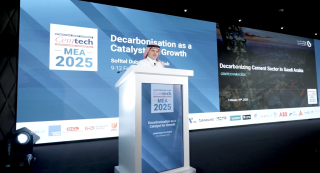
3 March 2025

5 February 2025

8 January 2025

4 December 2024

13 November 2024

6 November 2024

9 October 2024

4 September 2024

3 July 2024
10 June 2024

5 June 2024

8 May 2024

23 April 2024

23 April 2024

23 April 2024

23 April 2024

23 April 2024

22 April 2024

22 April 2024

16 April 2024

16 April 2024
11 April 2024

3 April 2024

11 March 2024

6 March 2024

7 February 2024

10 January 2024

10 January 2024
10 January 2024

6 December 2023

1 November 2023

4 October 2023
15 July 2023

15 July 2023

15 July 2023

15 July 2023

13 July 2023

24 March 2023
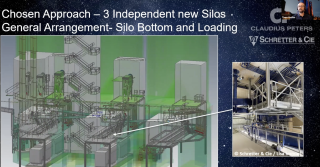
14 July 2022
13 July 2022
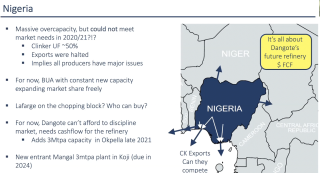
12 July 2022
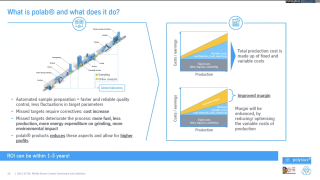
12 July 2022
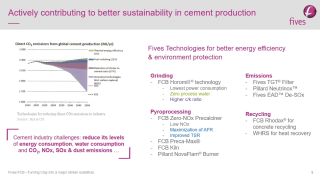
12 July 2022
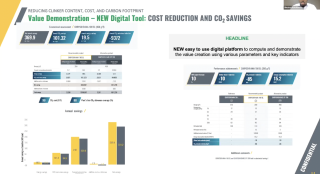
12 July 2022
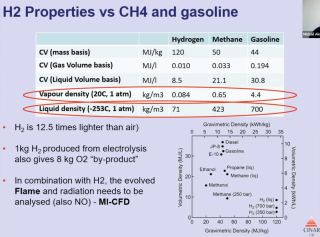
12 July 2022
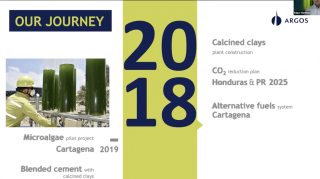
12 July 2022
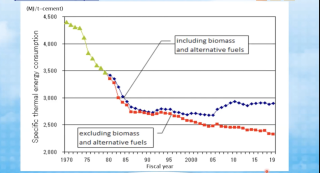
12 July 2022
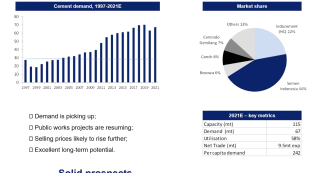
12 July 2022
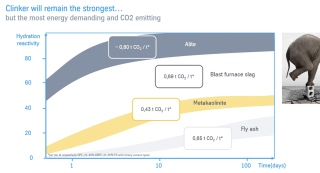
12 July 2022
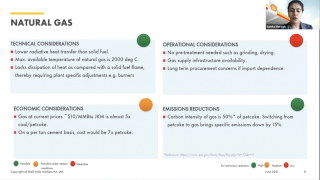
12 July 2022
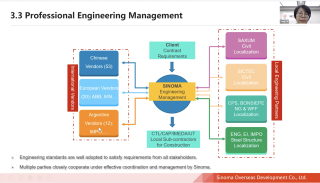
12 July 2022
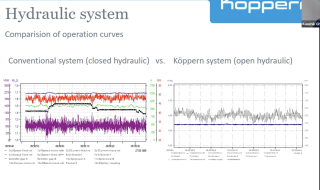
12 July 2022
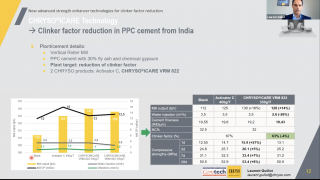
12 July 2022
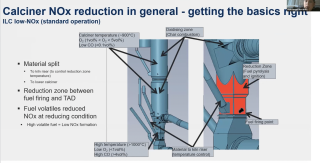
12 July 2022
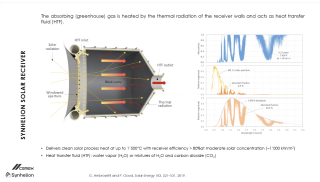
12 July 2022
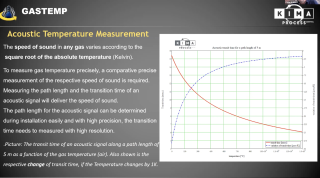
11 July 2022
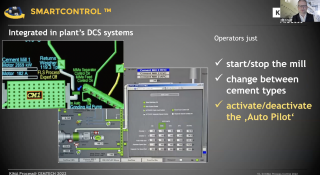
11 July 2022
11 July 2022
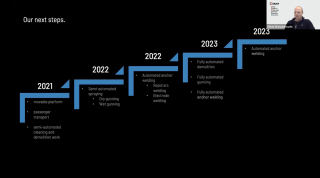
11 July 2022
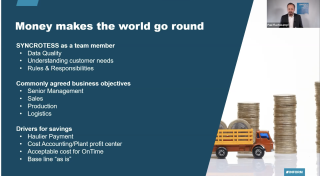
11 July 2022
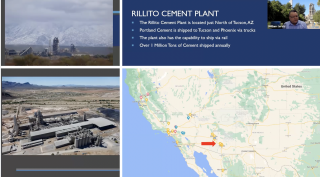
11 July 2022
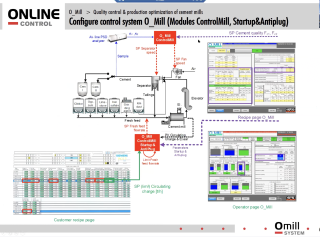
11 July 2022
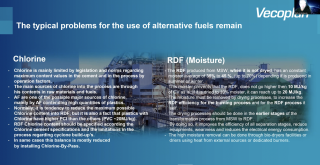
11 July 2022
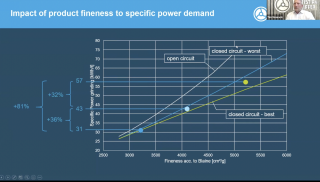
11 July 2022
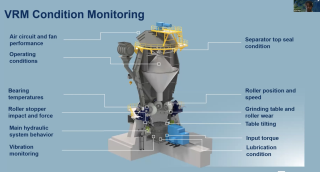
11 July 2022
11 July 2022
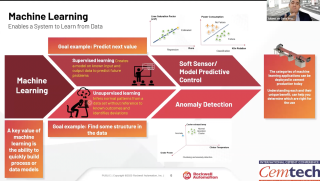
11 July 2022
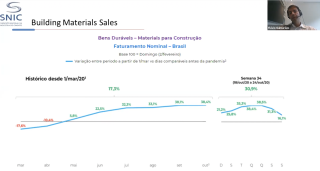
11 July 2022
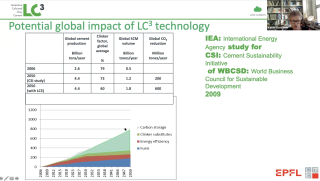
11 July 2022
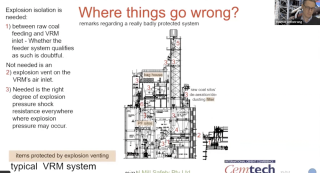
11 July 2022
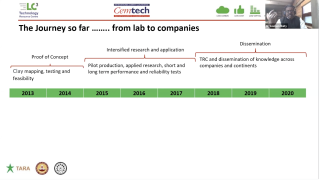
11 July 2022
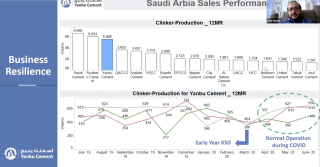
11 July 2022
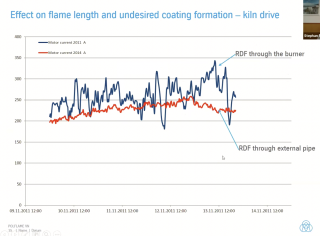
11 July 2022
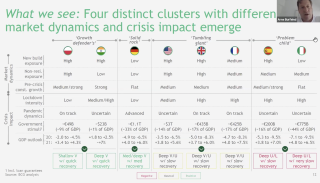
11 July 2022
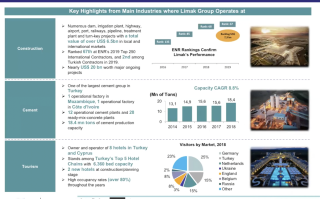
11 July 2022
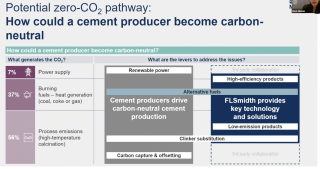
11 July 2022
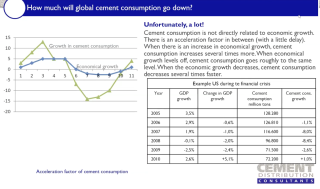
11 July 2022
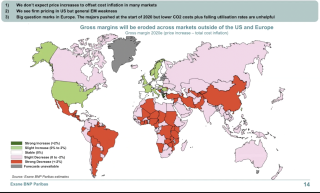
11 July 2022
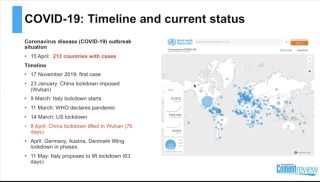
11 July 2022

6 July 2022
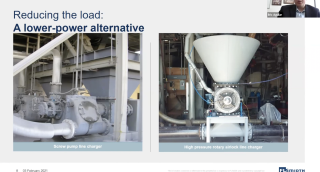
1 July 2022
1 July 2022

8 June 2022
12 February 2021
12 February 2021
12 February 2021
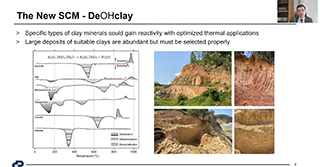
12 February 2021
12 February 2021
12 February 2021
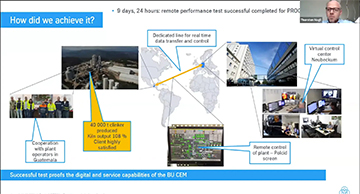
12 February 2021
12 February 2021
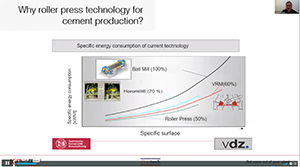
25 September 2020
25 September 2020
25 September 2020
25 September 2020
23 September 2020
22 September 2020
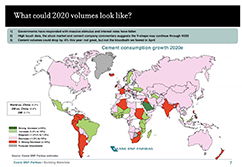
22 September 2020
21 September 2020
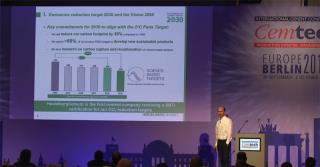
20 February 2020
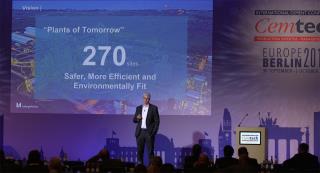
10 February 2020
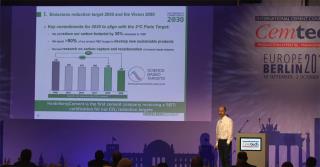
10 February 2020
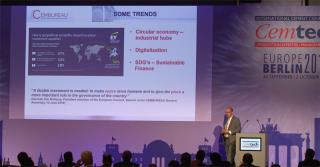
10 February 2020
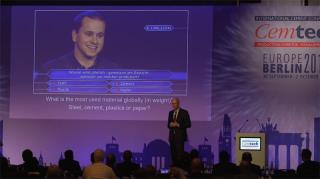
7 February 2020
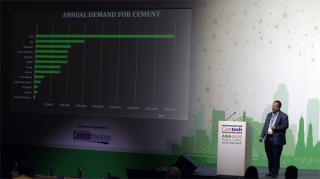
27 January 2020
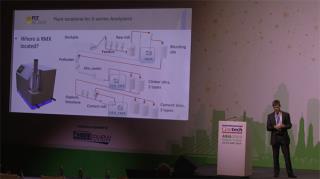
23 January 2020
23 January 2020
23 January 2020
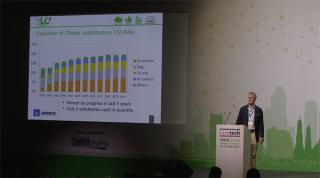
23 January 2020
2 May 2019
30 April 2019
18 April 2019
18 April 2019
18 April 2019
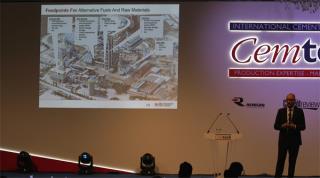
12 April 2019
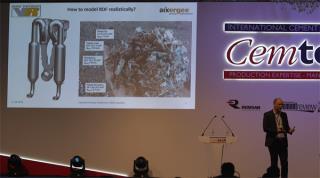
12 April 2019
11 April 2019
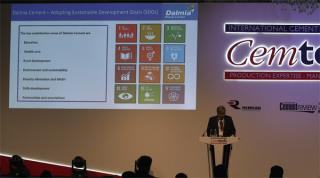
10 April 2019
10 April 2019
10 April 2019
9 April 2019
9 April 2019
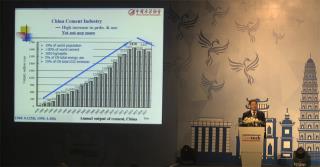
4 February 2019
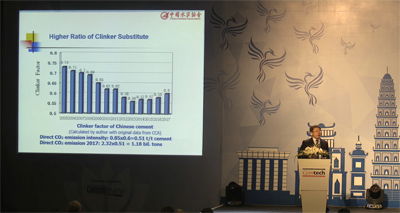
17 January 2019
31 July 2018
31 July 2018
31 July 2018
27 July 2018
27 July 2018
27 July 2018
27 July 2018
27 July 2018
27 July 2018
27 July 2018
27 July 2018
27 July 2018
27 July 2018
25 July 2018
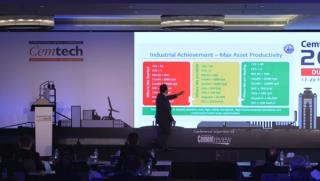
25 July 2018
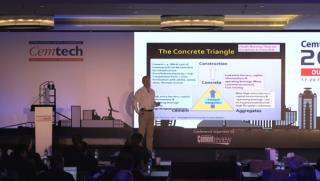
25 July 2018
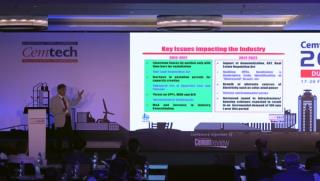
24 July 2018
24 July 2018
24 July 2018
23 July 2018
23 July 2018
23 July 2018
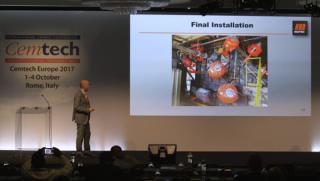
20 July 2018
20 July 2018
20 July 2018
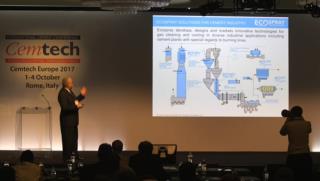
20 July 2018
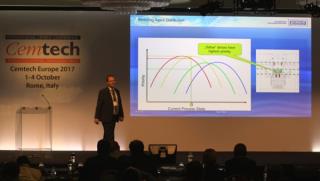
20 July 2018
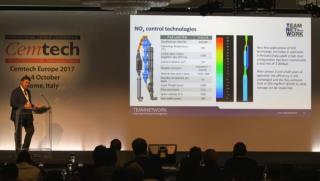
20 July 2018
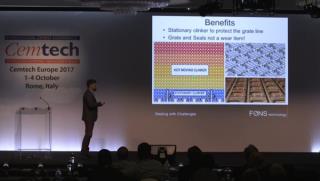
20 July 2018
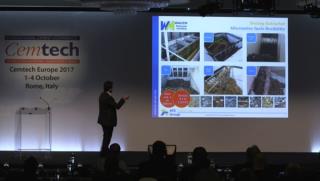
20 July 2018
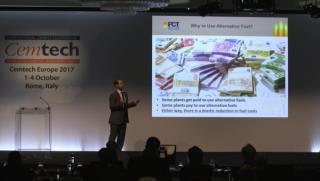
20 July 2018
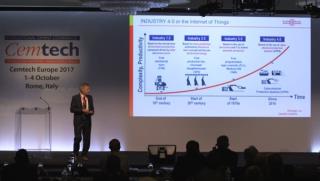
20 July 2018
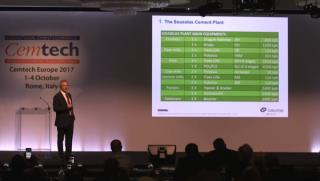
20 July 2018
20 July 2018
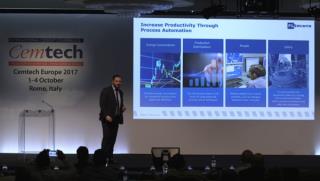
20 July 2018
20 July 2018
20 July 2018
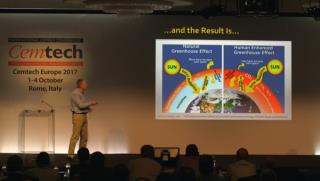
20 July 2018
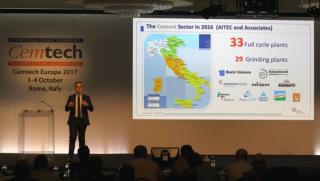
20 July 2018
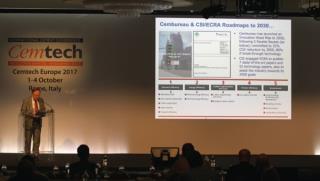
20 July 2018
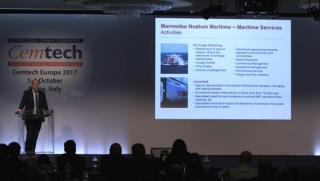
20 July 2018
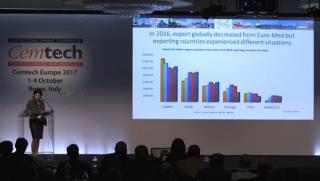
19 July 2018
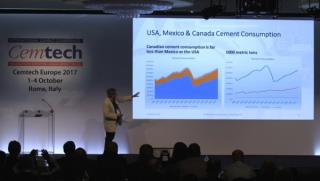
19 July 2018
19 July 2018
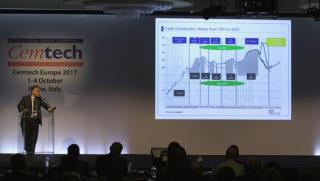
19 July 2018
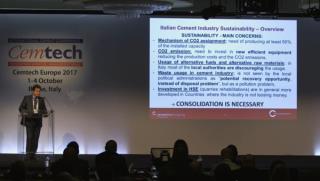
19 July 2018
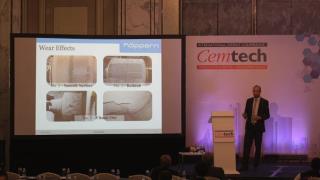
23 March 2018
23 March 2018
23 March 2018
23 March 2018
23 March 2018
23 March 2018
23 March 2018
23 March 2018
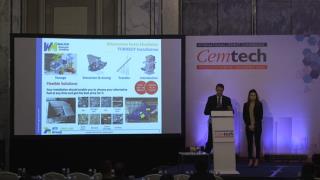
23 March 2018
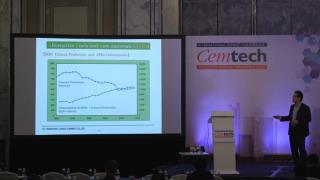
23 March 2018
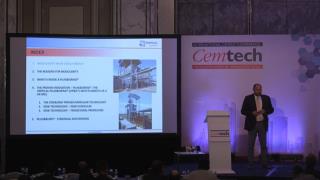
23 March 2018
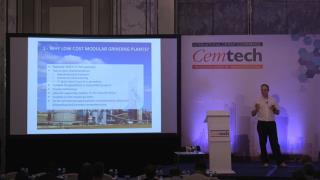
23 March 2018
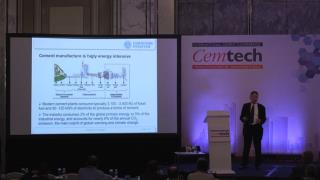
23 March 2018
23 March 2018
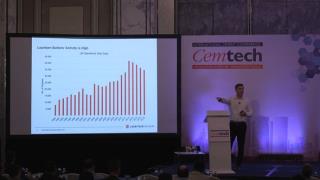
23 March 2018
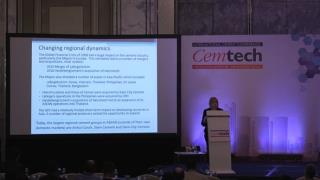
22 March 2018
26 October 2017
26 October 2017
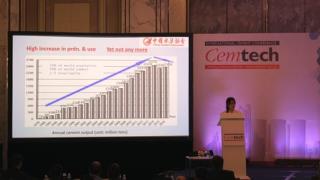
26 October 2017
26 October 2017
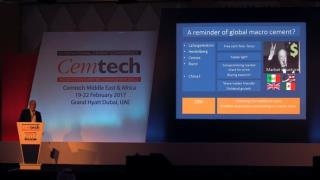
14 August 2017
14 August 2017
14 August 2017
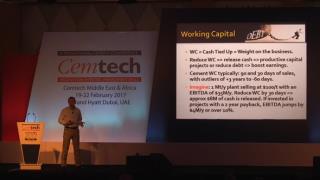
14 August 2017
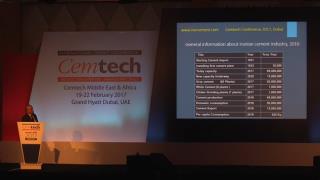
14 August 2017
14 August 2017
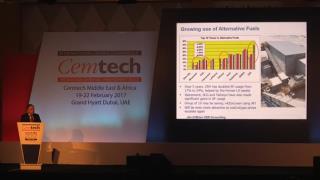
14 August 2017
14 August 2017
14 August 2017
14 August 2017
14 August 2017
14 August 2017
14 August 2017
14 August 2017
18 July 2017
18 July 2017
18 July 2017
16 June 2017
16 June 2017
16 June 2017
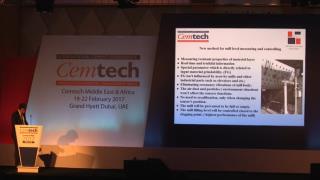
16 June 2017
16 June 2017
14 February 2017
14 February 2017
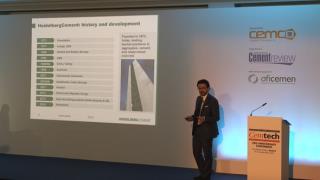
14 February 2017
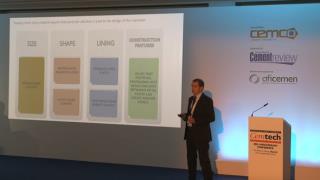
14 February 2017
14 February 2017
14 February 2017
14 February 2017
14 February 2017
14 February 2017
14 February 2017
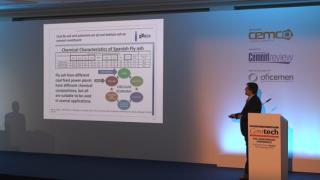
13 February 2017
13 February 2017
13 February 2017
19 January 2017
19 January 2017
17 January 2017
17 January 2017
17 January 2017
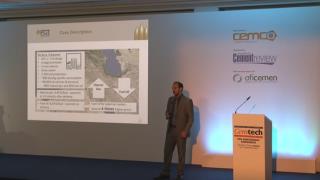
6 January 2017
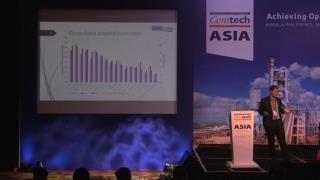
18 August 2016
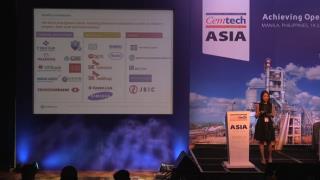
18 August 2016
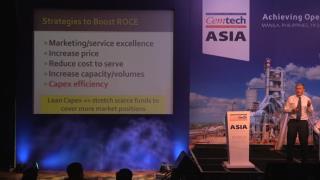
18 August 2016
18 August 2016
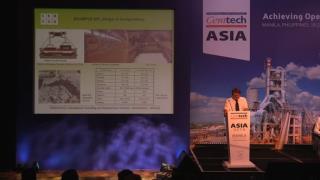
17 August 2016
17 August 2016
17 August 2016
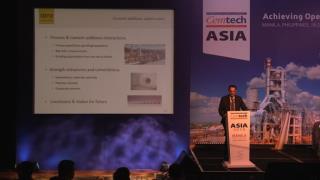
16 August 2016
16 August 2016
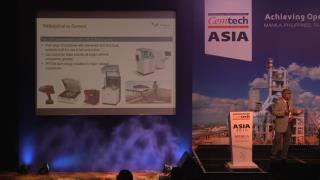
16 August 2016
12 August 2016
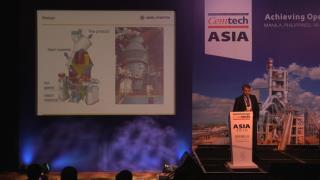
12 August 2016
12 August 2016
11 August 2016
11 August 2016
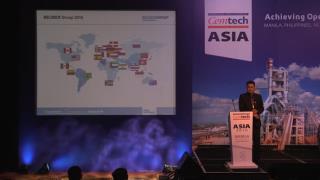
11 August 2016
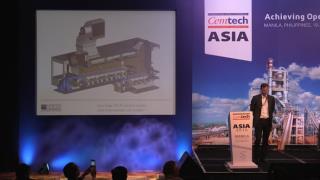
10 August 2016
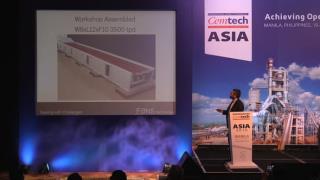
10 August 2016
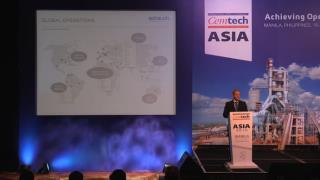
10 August 2016
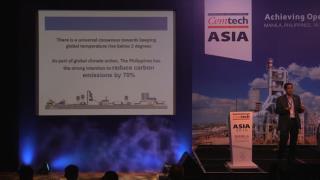
8 August 2016
8 August 2016
8 August 2016
6 May 2016
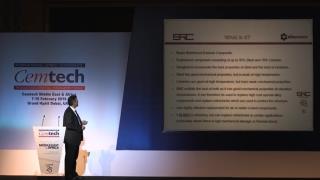
6 May 2016
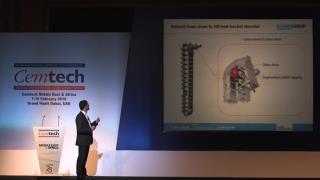
6 May 2016
6 May 2016
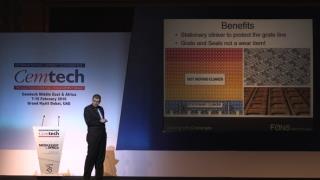
6 May 2016
6 May 2016
6 May 2016
6 May 2016
6 May 2016
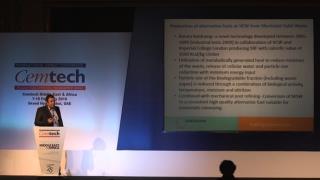
6 May 2016
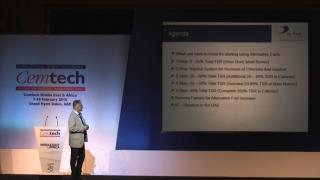
6 May 2016
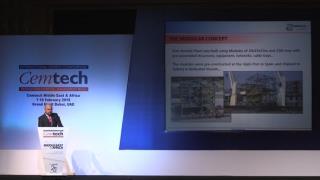
6 May 2016
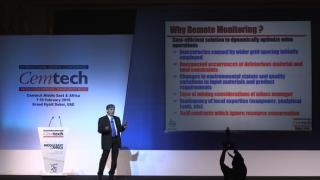
6 May 2016
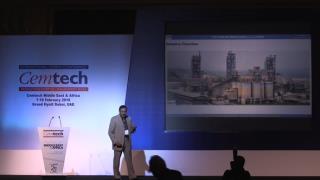
6 May 2016
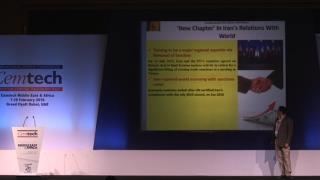
6 May 2016
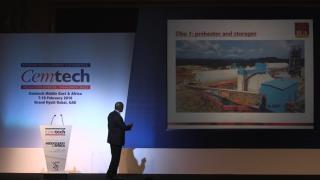
6 May 2016
6 May 2016
6 May 2016
6 May 2016
6 May 2016
6 May 2016
25 April 2016
25 April 2016
11 March 2016
11 March 2016
11 March 2016
11 March 2016
11 March 2016
11 March 2016
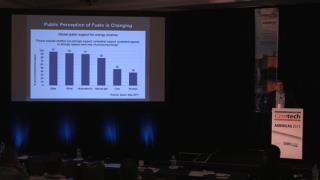
11 March 2016
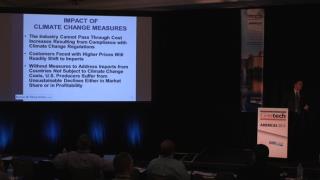
11 March 2016
11 March 2016
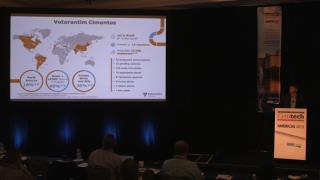
11 March 2016
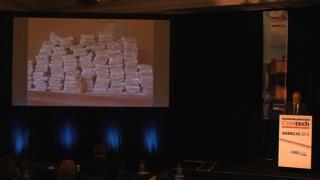
11 March 2016
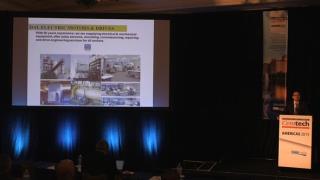
11 March 2016
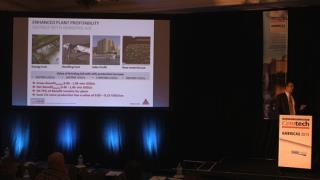
11 March 2016
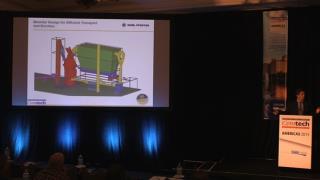
11 March 2016
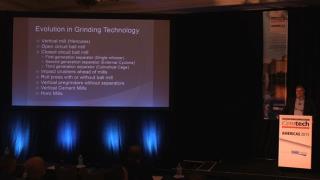
11 March 2016
11 March 2016
11 March 2016
11 March 2016
11 March 2016
11 March 2016
21 December 2015
15 December 2015
15 December 2015
15 December 2015
15 December 2015
15 December 2015
15 December 2015
15 December 2015
15 December 2015
15 December 2015
15 December 2015
15 December 2015
15 December 2015
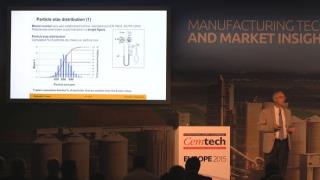
2 December 2015
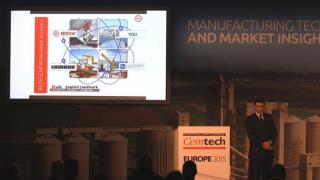
2 December 2015
2 December 2015
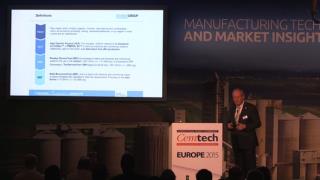
2 December 2015
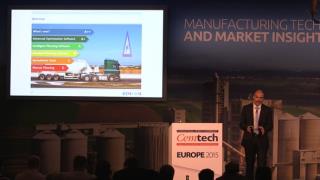
2 December 2015
2 December 2015
2 December 2015
2 December 2015
2 December 2015
2 December 2015
2 December 2015
2 December 2015
21 August 2015
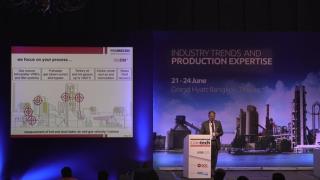
21 August 2015
21 August 2015
21 August 2015
21 August 2015
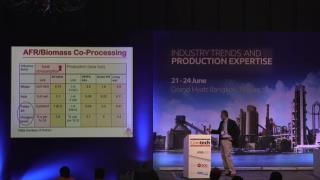
21 August 2015
21 August 2015
21 August 2015
21 August 2015
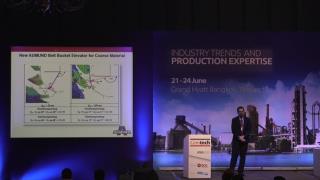
21 August 2015
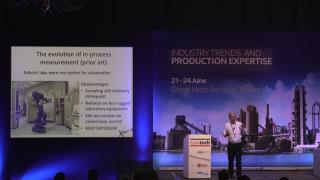
21 August 2015
21 August 2015
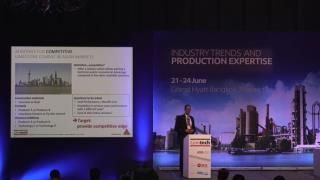
21 August 2015
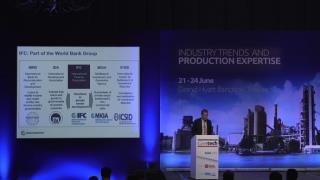
21 August 2015
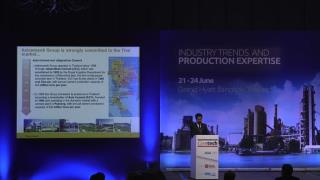
21 August 2015
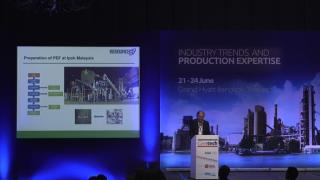
21 August 2015
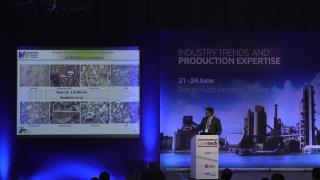
21 August 2015
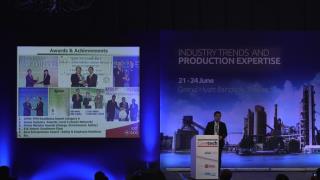
21 August 2015
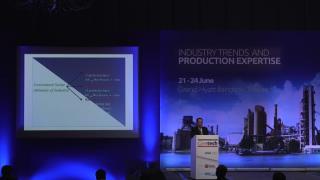
21 August 2015
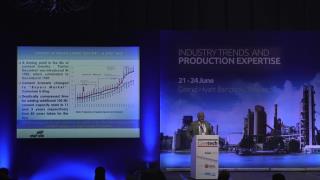
21 August 2015
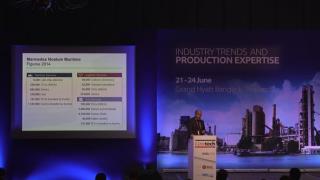
20 August 2015
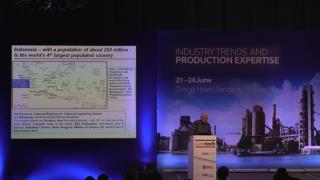
20 August 2015
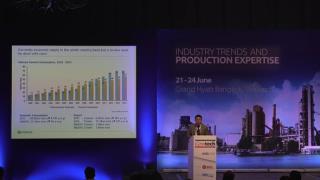
18 August 2015
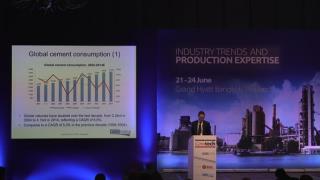
18 August 2015
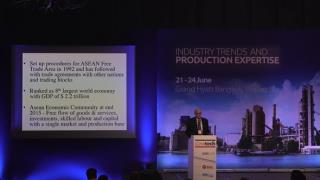
18 August 2015
18 August 2015

30 June 2015
29 June 2015
29 June 2015
29 June 2015
29 June 2015
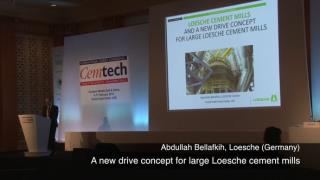
29 June 2015
29 June 2015
29 June 2015
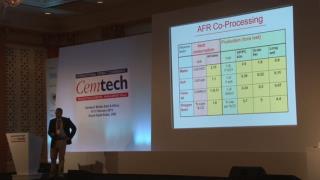
29 June 2015
29 June 2015
29 June 2015
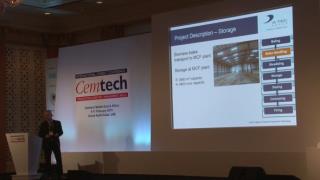
4 June 2015
4 June 2015
2 June 2015
2 June 2015
2 June 2015
2 June 2015
29 May 2015
29 May 2015
28 May 2015
28 May 2015
28 May 2015
18 February 2015
17 February 2015
13 February 2015
13 February 2015
Try searching for another title.