
2 September 2026
This transcript was generated automatically and may contain errors.
Hello, and welcome to the Cemtech webinar. It's a pleasure to be here again. My name's Thomas Armstrong, managing editor of International Cement Review, and here for the next hour and a half or so as we present all the different aspects of cement plant maintenance with three or four speakers, hopefully another one joining us, to take us through some interesting technologies that will hopefully be useful, interesting for you in your cement plants. A quick reminder, International Cement Review, we organize Cemtech conferences. And of course, we're a monthly subscription as well. With just April 1st today, we've sent the April issue out.
Hopefully those of you subscribing have received your hard copy, if not, have logged in online. But that's there for you, 12 issues every year. If you're not already subscribed, do take a look at our website, www.cemnet.com. And as well as all the daily news, we also have fascinating articles published every month, and with an archive going back many years, covering every conceivable part of the cement manufacturing process, industry reports, and interviews from key industry players. So do take a look, subscribe, and also you will receive a copy of the Cement Plant Operations Handbook. The core text, the fundamental textbook for cement plant operators worldwide.
A brief word about our upcoming conference, of course, as well as our webinars. And for many years before, we've been organizing Cemtech conferences. Each year we have one in Asia. Our next is in June in Thailand, and it's going to be a fantastic event. We're partnering with SCG Group, one of the largest regional cement players and the largest in Thailand, for this event, which includes an exhibition with around 40 technology suppliers. And we'll be talking about all the issues facing cement producers in Asia, but not just Asia, around the world, focusing in on decarbonization especially. But well worth joining if you're in the region. We'll be meeting in June. Do come and join us.
That brings us to the start of this webinar. And you'll see here the agenda ahead of us, really looking at some different aspects from refractories, looking at kiln shell monitoring. We'll move over to vertical roller mills and horizontal mills as well, looking at gearboxes, and the maintenance with the help of Mark Gear. But to kick us off now, for a presentation on air cannons, we are very happy to welcome back Jeff Shelton, CEO of Jasion USA. And if I allow Jeff to share his slides, I'll make the introduction. He's the founder and president of Jasion Corp. and has had more than 40 years of experience in air cannon and SCR technologies in the cement industry.
He was previously vice president of IGS and a member of the senior management team at Marston Engineering. Over his career, he's founded and successfully sold two companies, Halcyon Corp. and Drayton Technologies, both focused on innovative air cannon solutions. Widely regarded as a pioneer in the field, he holds numerous patents related to air cannon technology, with additional patents pending. Jeff, over to you if you'd like to share your slides now. It's a real pleasure to have you with us, dialing in from the US. It's quite an early morning for you, but it's a pleasure to have you with us. Now are my slides not showing? Have you- Not yet. So if you just click on the share slides icon.
Guys, I'll tell you that I know air cannons better than I know technology. So I thought I'd shared it and now I'm having trouble finding where to share it. So hold on. Okay. I'm sorry that I'm the hold-up of everybody. But I will tell you that I know air cannons a lot better than I know computers, which is a good thing because when I wake up in the morning, I think of air cannons and I dream about air cannons. So... So Jeff, if you need a bit of help, we've got a copy of your presentation here and we can share the slides for you. But just let me know and I will get them up. Well, I can't even find the Zoom meeting now. Okay. Well, you're well and truly here.
Well, go ahead and do it in which the-- Because I'm so technology-adversesavvy, you'll have to go to our website to see some of the videos. But there's some very impressive videos that I had shown, and I'll describe them through that. So if you could share my slides, that would be great. Jeff, can you see that? No, I can't because I'm having trouble finding the- Okay... Teams meeting. All right. We're going to try this. We're going to go on to Lars, and then if you could have a look and see if you can arrange your screens, then we'll have another go. Does that work for you? Yes, it does. Oh, wait a minute. That would be okay. I just found it. Oh, okay. Here we go. Yep.
Okay, you're sharing me. I can see me. How about now? No. I'm not seeing it. You'll need to open your presentation and then click the Share, and then select the presentation that you can see. That's it. I can see it now. If you put it into presentation mode, like we did before. It's showing it's in presentation mode on my screen, but I have a stupid dual screen. Well, we can go this way. But first of all, what I'd like to say is- Right... International Cement Review is a big part of who we are, and we are frequent advertisers, and I love working with these guys. They are really good. Now, do you see the second screen? Yeah, we can. It's all good. Proceed. Please go ahead.
Did you see the video? Here it comes. Yep. Now, one of the things I wanted to say about this is that I've been in the air cannon market for 40 years. I understand that many of the people haven't even worked in the cement industry for 40 years. And so I will tell you this, that if you cut me, I still bleed a little bit of orange. And I will tell you that the air cannon market is something that I've been involved with for many, many years, and the key that we focus on is we try to utilize your existing investment as best we can. So we can provide a bunch of different options for it. But this slide here.
Now, one of the things is that you can see just that sand, you can see that it's kind of wet. And it's wet on purpose because sand is a dry material, and making it wet make it a little more stubborn. It makes it harder to clean. But our big thing is, is that we clean further. In many, many applications, the legacy, and I call the old air cannons legacy air cannons. And so when I refer to a legacy air cannons, I will refer to what many people have. And what happens is that they just don't clean enough distance because of the design. You must match the nozzle and the air tank with the air cannon design. And in many, many applications, it is not the air cannon design, it's how it's installed.
And one of the things that this picture that I have up that shows is, look at this water vapor that's coming out. Water vapor impacts you by at least two functions. One, it decreases the reliability of the air cannon because water will, no matter what you do, when you discharge air out of a nozzle rapidly, it will condensate. It will condensate, and you can clearly see that this air has condensated. Now, moisture in the air will decrease the life of your solenoid valves and your air cannons, but also the nozzles.
Because what it does is it allows the nozzle to get a little bit wet and it gives it a place for buildup to sit on and create corrosion on the nozzle, and hence, short life of nozzles. We believe a nozzle should last, some cases, the life of the plant. But in some of the harsher applications, at least three years. But we recommend water separators. We're not smart enough to solve the problem, but we know that a water separator will reduce 99% of it. So we can make it better, but we just can't completely reduce it. SoOne of the keys to a proper air cannon, and I will tell you this, it's not the air cannon design, it's how you install the air cannons.
People want to put air cannons up as close as possible to the application and many times will lay the tank so where that it's horizontal, which is not good. But many people don't fully understand the operational sequence. Any air cannon, the more you operate it, the more frequent it's going to require maintenance. It's really just that simple. And many people operate their air cannon-- One, I've been to plants all around the world, every continent but Antarctica, and I don't think there's any air cannons in Antarctica. But the one thing that I've always seen is that plants have too many air cannons, plants have air cannons that link, and plants have... Sorry, I got a notification.
Plants operate the air cannons too frequently. And one of the things that we do is many people look at our cannon and one of the ways you can tell, "Oh yeah, that's a Dreision cannon," because we have bigger tanks. Every air cannon derives energy from the air in the tank, and it takes energy to move material. So it's the volume of the tank and the design of the nozzle which is the key to our performance, cleaning and maintenance. But one of the things that we really say that you've got to protect your air cannon from the environment. If you take care of your air cannon, your air cannon will take care of you.
And we believe protecting it from moisture is also one of the keys of protecting it from the environment. All air cannons are subjected to the same plant air supply, but not all air cannon people will take care of the air supply like we recommend. Now, if you have existing air cannons, we can recommend that you install a water separator on it and you can improve the performance of any air cannon. Now, the next slide is-- These are cannons installed on a cooler. And we see many things that we don't like about this installation. Number one, look at the cannons. They're horizontal, which allows moisture to fill in the bottom and reduces the life of your tank.
According to AI, if you're going to put your air tanks horizontal, you need to consider stainless steel air cannons. Air tanks, I'm sorry. But also look at the temperature, how they're affected by the temperature. Now, we replaced these air cannons with this one. Now, notice that we've got everything away from the heat of the application and we have everything where you can get to it and perform maintenance on it relatively easily. Now, one of the things that this air cannon is upgradable. We have one air cannon, that's not cement, but it's power. But one air cannon will replace 16 air cannons. So you reduce the number of air cannons, and you reduce the maintenance.
Now, one of the things that we do, if you look right here, we have what we call a protector valve. So where the air cannon is never subjected to the heat. And every air cannon, I don't care whose you've got, they hate heat in the back and they hate material. So we keep the heat down of the air cannon, and we keep the material out. It has to go through these, we call these power valves. These are sealed, so it makes it harder for the material to enter, but then we have the safeguard here with our protector valve. Now, one of the things people say is, and this next picture is showing it during the installation.
So one of the things that we'll do, we recommend that you put the air cannons, and the first thing is that all air cannons are operated by solenoid valves. So protect the solenoid valves and we'll put it on a-- Typically, we'll put it on a stand and make sure that everything's pre-plumbed so you don't have to do that in the field. It is a big savings. But sometimes we actually go to extremes. This is what we call a modern air cannon in a cooler. And the air cannon is installed in this building, which we call a mansion. The engineers, we call it Carter's Mansion. The air cannons are in there, so where they're easily acceptable forFor maintenance.
And what we always recommend is that you put a pressure transducer on there. Because one of the keys is that you don't know when an air cannon will fail. But an air cannon should go from full pressure to zero pressure instantly, and you can monitor that with the pressure transducer, and you can have an alarm, since this air cannon didn't function right. But now, this screen right here shows this is a 150-liter competitor cannon, and look what it does to that cement block. Now, I will tell you with 100% certainty, look at the moisture too. That is a powerful air cannon. So that table, if you noticed, it moves a little bit. That table is 165 pounds, but it doesn't break the block.
So the next slide I'll show you is where we took the same air cannon and all we did was change the nozzle. Wow, what a difference. That is quite a difference. Now, the way that we do this is, this is an illustration of what I showed you, has four ports on it. But now, this is the cheapest way that you can install it, but actually if you really want to do it right, what we do is we recommend adding two Ts and put the power gate out of the direct heat. But even more importantly, because of our design of the nozzle, you can have a rodding port there.
Now look, if I told you that my air cannon never failed, you would say, "Liar, liar, pants on fire." And so it will fail, but when it fails, the nozzles become plugged and then the air cannon can't overcome the hardness of the nozzle. So we recommend when that occurs, which is very infrequent with ours, you open that rodding port and you manually rod it. So that's just a better way of doing it. Now, one of the things that we do is we strive not to be successful. In other words, we strive to not make money on spare parts, but rather be of value. And that's why we offer a 10-year warranty on our air cannons, a three-year warranty on our nozzles.
But more importantly, if it does not do what we tell you it will do, if it does not clean like we tell you it will, you can get your money back. Now, the question that we have is, and this is the function, and if you disagree with this, then you need to go with another air cannon person. Because we think by improving the reliability and the operational cost, will be you clean your buildup with a hammer instead of a sword. Because as material is, you burn more in modern plants, buildup is getting, we call it stubborn, which is a word for sticky. It's harder to move, and so you have to move it with a hammer.
Now, this is one of the modern air cannons, which is clearly you can see power is not an issue with us. But look at the third block, which is three meters away. If we break a block and you remember what theirs did. But more importantly, as it comes out, the peak force strikes the pumpkin and you think, "Okay, it's done," but whoa, look at there. Just think how much peak force that we applied to that pumpkin to send it that high in the air. Not only do we have a greater peak force, but we have a far greater kinetic energy and momentum. Momentum and kinetic energy is what moves the material, and the peak force is what breaks the bond.
Now, again, this is that, but now we have this one here just to show you just how far that we can clean. Let me... I can't seem to make it play. Oh, there it is. Now, this is in a coal-fired SCR. But one of the things I want to tell you is look how far that thing cleans. That thing's cleaning, we can move dry material up to 50 feet. But more importantly, look at all the dust that falls from the bottom. Now, I will tell you that a monitoring system is essential with us or a working pressure gauge, so where you can watch it go from full pressure to zero pressure instantly. But people say that you can't really hear our air cannon because we don't have as nearly as much exhaust air.
So it's much quieter than theirs. But inside, it's much louder, which is it's the sound pressure level that's moving the dry material. Now, in every cement plant, you have a combination of the sticky material, which may be in your feed shelf sulfur because you're burning tires. When it gets below the melting point, it gets sticky. But the dry material put up will stick to thatAnd how long it takes to run it depends on how long it takes to get hard, depends on the application. And that's what determines how often you have to fire it. But I will tell you this, we generate more power, so we don't have to operate our air cannons as frequently.
But even more importantly, people go, "I can't afford the air for that tank." And for years and years, I used to say, "Well, isn't build-up more expensive than air?" And the answer to that is yes. But people have to guard their compressed air. They have to guard their compressed air. So what we do is we fill our air cannon and then fire it. And in between the firings, for instance, we would say that typically in one application, it's on a cooler, we're firing every four hours, but typically we would fire it every 10 minutes. But for nine minutes and 50 seconds, there's no air. Takes us about 10 seconds to fill a cannon, and then you fire it.
So again, I say all air cannons will leak, but we leak 10 seconds out of 10 minutes instead of the full 10 minutes. So the leakage is the number one use of air. Many, many plants fail to get their air cannons to full pressure because they have so many leaks. We've done a lot of studies on this, and believe me, if you have 100 air cannons and they each leak by 5 CFM, that's 500 CFM that's wasted money. That's like taking a $100 bill and putting it on fire because it does no good, and it actually does harm. So you can reduce the cost. But I will tell you this, and some people say that this is me being negative, but I will tell you this, that an air cannon that's full of air is dangerous.
I call it a bomb. And so our air cannons are not bombs except for 10 seconds every 10 minutes if that's your operational cycle. So we can save you money on compressed air. We can save you money on reliability. Now, remember, it's the nozzle and the tank, not the air cannon that's the key. It's not the air cannon. We can take your air cannons and make them better. I will frequently tell customers, I've never seen an air cannon that I can't make work. Never. Except maybe if it's Chinese. But I will tell you this, you've got air cannons, you've got a lot of money invested in your air cannons, and we can make them improve.
What we will offer is to do a walk the tower, and we'll make recommendations, but I know that I've gone a little over, but here's my website and here's my phone number, and we will be more than happy to answer any questions and do anything that we need to do to solve your needs. So I think I'm over my time, Tom. Sorry. Jeff, thank you very much. We got there, and it was a great presentation. And some new slides there that I haven't seen. Really interesting product that you're developing, and it seems to be evolving all the time. We've got some great questions. We've got a minute just for one or two.
One that occurred to me as well while you were talking is, what are the risks associated with the high-pressure air discharge? What's the impact on the refractory life in the kiln or on the preheaters? Is there anything you can tell us about that? Yes. One of the things is, and I'm going to use the riser duct. If our cannon is too powerful, it's easy to reduce the power, and you can reduce the power by reducing the pressure of the air. So we can clean up to five meters, we can clean three meters, we can do two meters. So we can reduce it.
So actually, we will increase the life of the refractory because the nozzle placement, and we've done some tests and we'll release them probably in two weeks because it takes us a while to go through all the videos that we've done. But the nozzle placement is critical. The nozzle placement enables you to move a lot more material, and it's all about moving material. But in a riser duct, when you're cleaning from two sides and you have, say, a three-meter riser duct, and you're cleaning only a meter each side, that means that you're building up in the meter, which means that you have to supplement the cleaning with high-pressure water washing.
And it's the high-pressure water washing that will kill your refractory. So we extend refractory life by dialing in the air cannon for the application. Very good. A couple of quick ones here. Can air cannons be integrated into smart control systems, PLC, SCADA, optimization? And what are the most common failure modes? Is it valve, air leakage, nozzle clogging? All air cannons leak, so the number one issue that I have is leaking. Leaking allows you to set up recirculation, so it's valve failure. Our valve won't fail because we protect it from the material and we protect it from the heat, or will fail less frequently. Every air cannon valve will fail.
But it's the air leakage that allows the recirculation, and it's also installing the air cannon too close to the process. We have a plant that nicknamed some air cannons the flying air cannons because they can't get to them. They're way up high. Build-up does not cooperate and be in a local place where you can perform maintenance easy. And we have a simple thing. If it's worth buying an air cannon, it's worth being able to work on it online safely. So we install an air cannon so where you can always perform maintenance on it safely. Right now, plants use performing maintenance on an air cannon because it's so hot and so unsafe as a deterrent.
If you've come in late, yep, you're doing the air cannon. We want it to be an honor, not a punishment. And just quickly, do you want to just talk about whether it can be integrated into smart control systems? Yes. We- I see that you've developed that measurement function. Yes. We can supply a PLC which talks to your DCS, or you can control it entirely from your DCS. We can do either one. It's up to you on how you want to do it. Very good. Jeff, thanks very much for that presentation. That's all we've got time for now, but very informative and I'm sure there'll be some other questions that are in the Q&A. If you could take a moment to look in there, that would be great.
But for now, Jeff Shelton, gracias. Thank you very much. Okay, I stopped sharing. That's it. That's great. Okay. Well, I'm going to move now on to our next speaker, Lars Andersen. Lars, if you could share your slides. Yeah. Lars is Product Line Manager for the ceramic full text finder at Hasle Refractories based in Copenhagen, in Denmark. He holds a degree in Power and Energy Engineering, and a master's in Mechanical Engineering and Strength of Materials from the Technical University of Denmark.
With more than 25 years' experience in heavy industrial equipment and system engineering, he's worked extensively in the cement sector, including a long career at FLSmidth in roles spanning design, commissioning, sales, and product management. His current role focuses on delivering performance improvements and sustainable upgrade solutions for high-temperature processing industries. Lars, that's great. We can see your presentation slides, and I'm just thinking of FLSmidth. I think yesterday they sold the old headquarters in Denmark. Yes, they did. I noticed that maybe that's somewhere you spent some of your career. That's right. Quite a moment. I spent a lot of years there, yes. I did. Yeah.
Well, now we're with Hasle and Refractories. Jeff obviously has helped introduce the topic. I'm going to hand it over to you, please. And of course, Jeff, thanks to you. It's always nice to hear this down to earth, very practical views, which is important actually. It is. I'm here today to talk about Hasle Refractories. It's a Danish manufacturer of high-quality refractory solutions for high-temperature industries such as cement, power, waste, biomass, steel, glass, paper. Whatever can come up with high temperatures.
Rather than supplying standardized refractories, Hasle focuses on high-performance materials designed to stabilize and protect the most critical parts of customers' production process, extending lining life and improving operational reliability under extreme conditions. The company's head office and main production facility is in Rønne. It's an island on Bornholm in Denmark. All Hasle refractory materials are developed, tested, and manufactured at this Danish site, ensuring full control of quality, consistency, and performance. It's a bit special, I think, with such a remote location for manufacturing.
And from this location, Hasle produces wide range of refractory castables, including the traditional low cement and non-cement castables, as well as engineered precast and precast module elements. Finished products are produced and packed in production facility according to products and types and customer requirements is shipped out from this site. In summary, Hasle Refractories combine Danish quality manufacturing, advanced refractory technology, and global logisticsTo deliver reliable solutions for demanding high-temperature processes. And at HESLA, our mission is clear: to deliver the best castable pre-cast solutions for the most demanding high-temperature industries.
In short, HESLA Refractories protects the most critical parts of our customers' process, helping them to operate more reliably, more efficiently, and more sustainably. Our mission is simple and measurable: to improve our customers' run factor, extend lifetime, and reduce unplanned shutdowns. We do this by stabilizing the most critical areas of the process, also helping to lower energy consumption, reduce raw material losses, and ultimately support lower CO2 footprint in high-temperature operations. And we have decades of experience in high-temperature industries, especially cement. We understand that no plant operates under identical conditions. Everything is different.
That's why HESLA focuses on applications-driven materials designed rather than standard solutions. HESLA is headquartered and manufactures as set in Denmark, when all core materials are developed and produced in Denmark under controlled conditions. This gives us full control of quality, consistency, and performance, and allows HESLA to combine high-quality manufacturing with reliable and consistent performance, and allows HESLA to combine manufacturing with supply for globally dedicated sales organizations. And we are spread out in both Bangkok, India, and, of course, in Copenhagen. We specialize in low-cement castables.
Our focus is not on standard refractory products, but products where extreme temperatures, chemical attacks, abrasion, coating, and thermal shock limits life and production stability. While we began in focusing on dense and low-cement castables, we are today engineering pre-cast solutions, and our products are primarily made for critical processes zones with high temperatures. And what is it, in reality, that our customer face when we look at the cement industry? In a typical cement plant, refractories account for roughly 15% to 25% of the total maintenance budget.
Despite this substantial amount, refractory strategy is often driven by volume and unit price rather than by risk and criticality. Many plants still rely on what's called one-size-fits-all refractory solutions across very different process zones. But we all know that areas like burner pipe, kiln hood, kiln inlet and outlet, riser duct, cyclones, and clinker cooler areas operate under extreme and very different load conditions. Even with good planning, unplanned incidents always occur.
And when failure happens in these critical zones, the result is often emergency repairs, which stops, and those reactive repairs typically cost significant more than planned inventions, both in direct cost and lost production. HESLA's approach is fundamentally different. We don't try to optimize the entire lining based on bulk volume. Instead, we target specific critical zones with high-performance materials where failure has the highest operational and economic impact. Our solutions are built around preparedness and preventive maintenance, understanding site-specific wear mechanisms, performing frequent inspections, and intervening before failure occurs.
The result is better control of maintenance budget, fewer surprises, and more stable operation, especially under today's demanding conditions with higher alternative fuel uses and more aggressive productive chemistry. This targeted approach is only possible because of how we do research and development at HESLA. Our laboratory and research development is not isolated from the plants. It's driven by materials, products, and processes all linked directly to real operation conditions and cement plants. We haveThree lines we go out from in our research and development.
On the material side, we continuously investigate new trends in refactory and technology, including the movement from dense low cement and non-cement castables to more advanced materials using additives, fibers, and optimized particle size distribution. The goal is always the same: higher density, lower permeability, and better resistance to chemical attacks, abrasion, and thermal shock. On the product side, we focus on castable and pre-cast solutions with no compromise. Designed specifically for critical zones, constant making better and not generic applications.
Pre-cast and modular solutions allows us to control quality, geometry, and surface finish, which directly improves durability and reduces coating formations. And finally, on the process side, we work closely with the industry to understand how cement process are changing. Increased use of waste-derived fuels, higher temperatures fluctuations, and more aggressive chemical environments. This understanding allows us to adapt material design, installation methods, and multilayer concepts accordingly.
The result of this integrated R&D approach is faster and easier application, improved durability and functions, and solution that supports stable operation, higher run factors, and ultimately, a lower environmental footprint for our customers. And how does HESLA approach this challenge differently? I just want to show you how that philosophy translate into real solutions, our products. At HESLA, our portfolio is structured around three solution types: castable solutions, pre-cast solutions, and system solutions. All designed specifically for critical high-temperature zones.
Our castable solutions, based on dense low cement technology, are typically used on hot phases where resistance to thermal shock, alkali attacks, abrasion, and mechanical stress is essential. These materials form a strong, dense matrix which controls permeability, giving long service life even under aggressive alternative fuel operations. Our pre-cast and modular lining solutions go one step further. By manufacturing under controlled factory conditions, we ensure consistent quality, precise geometry, and smooth surfaces. This reduces coating formation, improving flow conditions, and shorten installation and restart time compared to in situ linings.
And finally, for our system solutions, such as the modular linings and the ceramic vortex finder, this combined material performance with process understanding is essential. It's not just refractory products. They are engineered solution designed to stabilize the process itself across all solutions, and focus remains the same critical areas like risers, smoke chambers, cyclones, kiln inlets, pool noses, coolers, hot zones, and feed pipes, where failure directly impact production stability and energy efficiency and maintenance costs. And to just give a few examples, I have taken some case stories from our HESLA book, which can be found on our webpage. And I start with the castables.
The first case is from a plant in southern India where we applied the castables onto main kiln burner tip area. This is a zone exposed to extremely high thermal loads, flame radiation, chemical attacks, especially with alternative fuels. Prior to HESLA's involvement, the lining lifetime was typically only two to three months, very short. HESLA supplied a D52E, a castable that combined with the design optimization, supervised casting, and controlled pre-heating, resulted in a lifetime of 12 months, four to six-fold improvement. Achieved not only through material selection but through correct installation, controlled dry out, and secured strength and permeability.
As a second example, an Asian cement plant where we applied a castable in a cooler takeoff at the tertiary air duct area.Another highly abrasive and thermal aggressive zone, the original lifetime was 12 to 15 months. By selecting Hasle D59A, a dense low cement castable with optimized grain size distribution and validating the material through trials before full-scale application, the achieved lifetime increased to 40 months. These examples clearly show that extending life is not about choosing a strong material alone. It's about understanding the specific load conditions, selecting the right materials for that zone, and executing the application correct.
This is exactly where Hasle adds value, transforming refractory lining from a consumable into a reliable tool. And two examples for our precast modular lining. In the first case, it's a modular lining cyclone roof, a cement plant in France, located in the preheater cyclones at the lower cyclone, operating with coal and alternative fuels. The initial lifetime in this area was 18 to 24 months. Hasle delivered a modular lining solution supported by engineered design and supervised installation. The achieved lifetime was 72 months.
And worth noting on the slide as important, a smooth surface, which is on the modular lining, helps minimizing coating, which maintains cross-section and supports stable gas flow and heat transfer profile. And that's directly a process benefit, not just a refactory benefit. And the last case here is a 10,000 tons per day cement plant in central India, talking about raw mill feed pipes. Here we had a customer with initially a lifetime of 14 months, when Hasle implemented a precast lining solution.
The achieved lifetime increased to 22 months using a structured approach, adapt original dimensions, first of all, to a small area as trial, and when the trial area is showing good results, then we go to a select precast, and then we scale up to a full installation. And just to sum up here, precast and modular solutions helps customers in two ways. Long campaigns and easier, faster, more predictable maintenance, especially in complex geometries and high build-up risk areas. And finally, when we go to the Hasle solution, that is a unique solution. I want to talk about the ceramic vortex finder. Designed as a real alternative to the traditional existing dip tubes today.
The ceramic vortex finder is positioned as a product to be used beneficially in the lower and hotter stages of the preheater tower cyclone, lower second and middle stages. Middle stages, if you have five, six stages normally. It combines process understanding and refactory design to improve stability in cyclone stages. When the cyclone is operating and intended using a dip tube, the process will experience less power consumption and less heat consumption compared to not having a dip tube. And I would say that all cyclones are born with a dip tube. On this slide, what customer focus is that we tend to improve operational lifetime, including at very high temperatures, 1,200 degree Celsius.
Plus, we give wear resistance to chemical attacks and overall production stability. And as another major benefit, we reduce operational risk. The CVF is designed to reduce the risk of blockage by minimizing coating and buildups, which is one of the most expensive and disruptive failure modes in a cyclone system in the cement industry. The slide also highlights the connection to a broader operational and compliance needs that customer have today. It refers to health and safety through the, for example, a Chromium 6 health issue. And least but not most, properly operating with a dip tube can becomeA path to the plan for energy savings on both electricity and heat consumption.
And that's important because it's a lot of value which is hidden there. So the summary is that the CVF is not sold as a refactory part, it's sold as a way to reduce stoppage, stabilize the cyclone system, and support efficiency, especially when aggressive conditions make conventional solutions unreliable. Yeah. This is a map of credibility, so to say. The ceramic vortex finder is proven. It's not experimental concept only. It's sold worldwide based on continuous development and generations of improvement from the generation one in 1980s to what we have today, the generation three. For a cement plant, adopting a cyclone component is not a small decision.
Customers only adopt and repeat when the solution is proven reliable and supported during installation and operation. And this map actually shows Hesla can support global customers through our international organization, and that CVF performance is relevant across different operation philosophies, from conventional fuels operation to high alternative fuel substitution environments. In short, this is a global solution to a global problem, coding, wear, and instability in cyclone systems. And just to show two cases of CVF or ceramic vortex finder installations. One in United States, Florida, Sumterville, Sumter County, 3,000 tons per day plant, operating with a five-stage preheater system.
And the CVF is installed in the low stage and operating with average temperatures around 950 degree Celsius. The CVF was installed in March 2024, and so far, lifetime 24 months. Replacement is planned while it's still in operation. And there's a strong customer quote, which I would like to repeat. "We reached out to Hesla looking for new innovation to improve reliability and longevity of our bottom stage cyclone thimble." And they got it. My second case, Australia, New South Wales, Adelaide, Brighthead. Here, the plant is 3,500 metric tons per day, four stages system, a little bit different from the first one in Florida. Fuel included coal with 45% alternative fuels.
Operating temperatures is around 850 degree Celsius. It was installed in January 19 or 2023, and at lifetime of 32 months, it was replaced January 2026, and the replacement is still in operation. The plant stated the reason for choosing Hesla is that the plant had used the old CVF version generation one historically and wanted the last generation three features, and they got it. The takeaway from both case stories is simple. These sites did not choose CVF for novelty. They chose it to improve reliability and longevity in one of the most critical process zones.
And if today's topic resonates with your challenges that you're facing, coding, unstable cyclone operation, frequent repairs, or short campaign life in critical zones, we would be happy to engage. You can reach out directly to me, Lars Andersen, product line manager, or through our Hesla website, or directly to our sales locations. We have regionally support by highly competent key commercial contacts in Europe, Asia, and in South Asia and Australia, Southeast Asia and Australia, India, Middle East and Africa also. And the best next step is usually simple.
Share your process configuration, operating conditions, and the failure modeYou're seeing, and we can quickly advise whether a castable upgrade, a precast modular concept, or a CVF solution is the right fit. Thank you for your time, and we look forward to protecting your process with solutions that improve stability, availability, and long-term performance. Thank you very much, Lars. Very comprehensive overview of Hasse Refractories products. Really interesting developments there, and obviously the key product, the ceramic vortex finder, CVF. A couple of questions.
I guess just asking what's the maximum lifetime achieved with the CVF, and is it lighter than the metal dip tube, and by how much? I would start in reverse answering. Yeah. As to the weight of the CVF, it's usually, as I see it, it's around 10% heavier than a steel dip tube, in average. So around the same, I would say. So no significant issues in terms of swapping from the metal dip tube to ceramic? When you talk to structural strength and the exchanging, usually the supplied cyclones and the rooftop, which has to take the weight, has substantial more load capability than what we would serve here. So it's no problem at all. Yeah.
And when it comes to the lifetime, it's a little bit dependent on what the factory has shown for that particular cyclone, because we have had, for middle stage, which is least loaded cyclones, we have had experiences with the lifetimes which goes up five, six years. And for the lowest most cyclones with the highest temperature loads and so on, down to 12 months. So it really depends on where are we in the actual process of the plants. Yeah. It's process dependent and, obviously, there's a whole range there. Have most of your experience has been in Europe? I mean, its application is very suited to high levels of alternative fuel, so is that one thing?
And having said that, there is interest here on Middle East, Saudi Arabia. Have you had any experiences there? Not yet. Okay. We have had a lot of interest from that area, yes. Yeah. And it seems that Middle East is also seeking to change from the normal fuel, to something with alternatives in the mixture. Yeah. The start of that process, for sure. Okay. Lars, thank you very much for your presentation. As before, there are a few questions in the Q&A. But to keep the webinar moving, we're going to go to our next speaker, Sebastian Rutgers, who's head of measuring technology at KEMA Process Control. Sebastian, if you could pop your slides up, I'll introduce you.
Sebastian has held his position at KEMA since 2019. He previously worked at the company as a project and development engineer, building expertise in process control and measurement systems. He holds a degree in physical engineering from the University of Applied Sciences in Aachen, Germany. Earlier in his career, he worked as a laboratory assistant at Forschungszentrum Jülich, contributing to physics-based research. His experience spans instrumentation, process optimization, and industrial measurement technologies. So very pleased to have Sebastian here. We've moved from inside the process to the refractory, and now we're going to be looking at the shell. So a nice transition there.
Over to you, Sebastian. Yeah. Thank you very much for the introduction, and thank you for the opportunity to present today. So, in cement plants, the maintenance is not just repairing the equipment, it's about keeping the equipment running. And that's the topic I'd like to speak about. How does it work? Here we go. So, this is becoming more and more challenging over the time. So we do have increased use of alternative fuels in the kilns, and this leads to higher wear and unstable coating conditions.
So at the same time, the kilns are getting larger, which increases the mechanical stressAnd the consequence of this is that we are facing more unplanned kiln stops and have increased risk to not achieve the planned kiln campaign runtime. The kiln itself is the heart of the entire plant, and downtimes here affect the whole production chain. And of course, maintenance windows are limited and planned months ahead to get everything in place and reduce the downtime. So avoiding unplanned stops is absolutely critical for the production. And I'd like to share with you a typical kiln scan with conspicuous temperatures.
So usually this is well-known and mostly how it starts when you're facing a situation that could lead to an unplanned kiln stop. So as you can see here at meter 23, there is a temperature difference on the circumference. You do have a high temperature area which needs some action. What I'd like to do, I'd like to dive a little bit deeper into this phenomenon and talk about that. Because the indicator of the high temperature shows there is a deeper problem in the kiln. And usually, especially when we're talking about the end of a kiln campaign or we're heading to the end, we are facing coating drops. And these lead to a higher temperature on the outside of the kiln, which you can measure then.
So what is the issue here? Usually they don't just disappear. And why is that? So when we have a look, we have an increased temperature on the outside. Let me try to point this. We have an expansion of the outer shell, and this expansion leads to more space for the refractory to move. And once the refractory can move more or less freely, it is much harder to build up new coating that is stable. So it destabilize itself and once this started, it will not stop by itself. It will get worse and worse over the time. And if you don't take any action, you will finally face a bad situation. In this case, it's far of everything that is acceptable and the kiln needs to be stopped.
What you can see here is the regular approach. So you do have a hot area and you're placing fans next to the kiln to bring down the temperature somehow. And usually you start with it before it reaches the critical temperature, as we can see here. But if we have a close look to this, what happens here, I just have here a diagram of a kiln circumference, and we do have a target temperature in green and a real temperature, so it's just a theoretical example, in red. When we add air cooling to the kiln, it will cool the whole circumference down. And this is marked here in blue.
So in the end, you may achieve that the hot area is in the acceptable range of temperature again, but on the other hand, you're cooling down the rest of the circumference as well. And this leads to, let's say, a little shrinking of the shell, introducing more stress to the rest of the refractory where it isn't needed at all. So if you introduce more stress on the refractory, it's not that healthy. So in worst case, this could harm the area that was fine before and can create new potential failure zones later. So in the end, what we do with this approach, we try to solve a local problem of the hot area with a global action on the whole circumference.
So if we follow this idea, what can we do better? So in the end, it would be nice if we are not cooling the whole circumference. So let's focus just on the area that needs the cooling itself, and that's just the hot area only. If we can do so, we can reach our target temperature again and bring down just the temperature in the hot area back to normal mode. This will allow us, even if there is a coating fault, marked here, to stabilize the outer shell, keep the refractory in position, and makes it much easier for new coating to build up here. So we can stabilize the situation. So it's not simply cooling the kiln.
It's in the end, we are controlling the mechanical tension on the refractory and keeping it stable. And we avoid to overcool the rest of the circumference and keeping also here mechanical tension stable andDon't affect the area that doesn't need any action. So the conclusion here is pretty simple. So do not cool the whole circumference, just cool the hot area and control the thermal stress on the refractory. But if this is so obvious, so why do we still struggle with hot areas? And this is because the regular approach by air cooling is not addressing the problem correctly. So we can't cool targeted the hot area.
We need to cool the whole circumference, and in the end, we do not control the stress. We are just bringing the whole area down, and the mechanical problem due to the heat difference still remains. And in the end, we addressed this issue and took this idea and implemented this in our kiln cooler system. The system is able to react fast and targets it on specific areas, and it can follow the temperature profile that is given. So as you can see here, I'm not sure if this is so well seen. You can see it is just taking action on areas that are over the specific temperature. To achieve this, we changed the basic idea.
So we use water nozzles, flat nozzles, that can be switched on and off pretty quick. And to measure the temperature, we have individual temperature sensors on each unit with a nozzle to ensure that we are just spraying on the correct spot. But in the end, the big question is does it work under real plant conditions? And for this, I just brought you three cases that shows that. So the first one is in Leube in Austria, and they were struggling with unstable coating conditions, which are causing several problems, and they used our system to stabilize the refectory stress and build up new coating.
So in the end, they were close to unplanned kiln stop, and by using the precise cooling, they were able to extend the runtime for two months and reach the planned shutdown. So in the end, they had two months of production instead of an unplanned early stop. Summarized. Our next case is from Germany, from Holcim. And in the end, it's pretty the same story. They are facing the end of the kiln campaign in November '15. It's quite a while ago, but it's a nice example. They had also very big issues with several hotspots, and by using the precise cooling, they could stabilize the situation.
And all of this appears just before the Christmas season here in Germany, and they're also facing an unplanned shutdown just before Christmas with a long downtime of the kiln because no staff will be available there or very limited. And they could manage to stabilize this within hours and prevent the unplanned shutdown and could run the kiln line over the Christmas period and reach the scheduled stop. My last example, it's newer and this is taking this idea to a larger scale. So at Heidelberg Materials in Slite plant, Gotland in Sweden, we installed a system on the whole kiln, so over 50 meters, and replaced the classical air cooling with it. So also here the result is clear.
We have significant reduction in unplanned shutdowns. We could extend the kiln campaign lifetime, reduce refractory damage, and lower the maintenance cost. So it is not just a technical improvement here, it's also a direct impact on the plant availability. And in the end, we wrote an article in International Cement Review in 2024, and if you're interested, you can have a closer look here by yourself. So I think I'm very much ahead of the time, so I'm coming to an end here. So in the end, to summarize it, we can say the hot areas are indicator of a problem that is a little bit deeper in the kiln.
And if you control the stress in the kiln shell, you have very good benefits for the building new coatings and extending the lifetime of the refractory and the campaign. So from my side, thank you very much for your attention and I'm looking forward to the questions. Thanks. Thank you very much, Sebastian. A very clear presentation and it's just a very simple insight, but a very productive solution in the way that you're targeting the cooling and it being able to therefore extend kiln life substantially. How many of these kiln coolers have been installed worldwide, out of interest? Meanwhile, we're talking about... I must lie a little bit. I'm not 100% sure.
My last stand, it's a couple of weeks ago, is something 130 units. But the real number will be higher for sure. Yeah. I was out of office for a couple of weeks, so yeah. Yeah. So, obviously a very popular piece of kit. And you showed the review in International Cement Review. Of course- Mm... we can read in detail about the product. Are there any sort of conditions or circumstances when the kiln cooler is the ideal solution, and one to move from the traditional fan technology? So- Does it depend on the size of the kiln diameter and these kind of things, or? No, not really. So in the end, you can use it on every kiln.
And I haven't made the experience that there is a case where you shouldn't use it. So of course, there are limits to the cooling capacity, even if we can add much more cooling capacity than with a regular van. But of course, if you lost your refractory completely, it's tough to cool the flame down. Yeah? So when you just have bare naked metal and the hot material right behind it without any refractory, you have to stop the kiln. There's a- Yeah... but if you take action in time, you can avoid this usually. Yeah? Mm-hmm. And that's the key. We usually say, you can compare it a little bit with a fire extinguisher.
If you have one on site and you have a fire, you can move and take action pretty quick. To go to the supermarket and get one is difficult then. Yeah? So time is key in taking action when you're facing a hot area on the kiln shell. Yeah. And does the system completely replace fans or is it one that is used alongside fans? You can do both. So in the end, we do have two different types of kiln cooler. So we do have the mobile solution, which is, yeah, mobile and you can move it quick from spot to spot. And we do have a stationary solution and this targets for replacing the vans completely. Mm. So you can build it next to your kiln on the whole length and replace the regular fan cooling with it.
Very good. Well, thank you very much for that presentation. A very interesting piece of kit and we really appreciate you coming in and showing that to us today. So Sebastian from KEMA, thank you very much. Thank you very much for the opportunity. Thanks. Just to mention, all of the presentations will be available after the webinar's finished. We'll be sending out an email, and from there you'll be able to click on and download each presentation and see the slides and contact the speakers if you're interested. So, from the kiln to the mills, I think, and thank you for patiently waiting. Anbu Roney Thangaseevan, Project Manager from MAAG Gear.
If you'd like to share your slides while I make your introduction. Anbu has over 17 years experience in the cement industry. He specializes in installation, commissioning, maintenance, and troubleshooting of equipment across regions including Asia, Middle East, Africa, and Australia. He also provides condition monitoring services and technical support for after markets operations. Anbu holds Master of Technology in Manufacturing Management from Birla Institute of Technology and Science, and a Bachelor's Degree in Mechanical Engineering. I can see your slide, so I think we're ready to go, Anbu. Welcome to the webinar.
Thomas, thanks for the nice introduction, and once again, thanks for this opportunity to share our experience with the maintenance of heavy duty gearboxes. For MAAG Gear, generally people in cement industry knows us very much and we don't need a big introduction.Our company has started in 1930 at Zurich, Switzerland. Over the years, we are having a lot of developments, and we are the one who developed the very first planetary gearboxes for the ball mills. And later on, we have been acquired by Felssmith, and since 2024, we are an individual entity, and we are under the management of Solix Group.
So here, we are pretty much into gearboxes today, and we want to explain the maintenance of the gearboxes. And this is the gearbox life cycle. It's started from the manufacturing, installation at plants, put it into the operation, doing services or maintenance, and repair or refurbishment when the time comes. And then finally, it scraps and going for the new gearboxes. So our main focus here on the maintenance part, and the maintenance, how we can delay the repair or refurbishment or scrapping from that particular gearbox from the operation. So reason why we need to do the maintenance for the gearboxes. There are three simple reasons.
One is increased production, security by avoiding breakdowns. The second one is increased reliability by securing continuity in the production. And save money by doing scheduled maintenance and keeping very less spare parts in the stock because inventory costs are killing the cement plant's economy. And the second one is avoiding unexpected breakdowns of the machinery, which will have a huge production loss and money loss. And increasing productivity and quality by means of improving reliability of these gearboxes by doing maintenances. There are three way to do the maintenance for the gearboxes. One is run to failure. That means no maintenance.
We just install the gearbox and run till it fails. The second one is time-based maintenance, mainly for the gearbox perspective. These time-based maintenance are mainly for the lubrication and other sealings, because based on the run hours, irrespective of the condition, we change the lubrication and the sealings part. The third part is condition-based maintenance. This is our main focus area today. And the conclusion is if you're not doing any maintenance for the gearboxes, then it will be a high risk for the failure. So this is a chart. Then the x-axis was the time, and then y-axis was the condition of the gearboxes.
Generally, when we install the gearboxes, it will be in the excellent condition, but over the period of time without any services or any maintenance, the condition of the gearboxes will deteriorate. In some cases, once you are slightly deteriorating the original condition, it may go for the breakdown for any unexpected reason. If it is not, then the condition will be further deteriorated from the excellent to acceptable range, then it will go for a wear and fatigue failure. So if you have some sort of repair or replacement when the condition is deteriorating from acceptable to poor, then you can extend the lifetime, but you cannot extend the condition of these gearboxes.
But if you are doing regular services or regular maintenance, in that perspective, you can improve the condition of these gearboxes, and then it will not deteriorate furthermore. And if you are doing any change in the rotating parts or any other internals, it will improve the condition of these gearboxes, and it will extend the lifetime for a longer period. But key here is when we need to do the repair or when we need to do the replacement of the rotating parts. So that is what condition-based preventive maintenance serves to us. So what is the need of condition-based preventive maintenance for the gearboxes?
Because gearbox is absolutely essential for this plant economy, as I earlier said, because it is the heart of the machines like mills and other rotating equipment. So the highest availability, it's pretty much needed. For that, we need to do the preventive maintenance in a proper manner. The second one is, it is the one of the most expensive equipment within the cement plant and technically developed part as well. So the delicacy of which must be taken seriously into account by the way they are handled and maintained. In addition, the tolerances of the gearboxes and the parts are within microns.
So the maintenance strategy imposed worldwide on this important equipment is condition-based maintenance. So these are the five elements of condition-based preventive maintenance. Started from planning of conditioning monitoring of the particular gearboxes, then doing conditioning monitoring, analyze the conditioning monitoring results, then the fourth point is decision on necessary maintenance activities and their order of priority. Then fifth step is execution of planned maintenance activities.
Most of the cement plants, as per our experience, they do a conditioning monitoring and they analyze the results, but they will take a long time to make a decision to implement all these maintenance activities, which results a big failure of these gearboxes and there will be a huge loss. In cement plants or any gearboxes, we used to see three conditions. One is the mechanical conditions, which is already referred to all the internal parts like teeth, shafts, bearings and all.
And operational condition, how they are operating, and then do operation temperatures during the operation, vibrations, run out and any overload or like, so on.And the maintenance condition, how the alignment is kept and the two contactor for the gearboxes, lubrication system for its condition, safety system like automation and all, and the sealings. So these are the three major conditions we could see for the gearboxes. But we have three problems also. One is the mechanical related problem, then operational related problem, and maintenance related problem.
So here the problems are interconnected one to another, but some of them having influence on the other, some of them are not having the influence on the other. For example, if there is a mechanical problem, like any damages in the teeth and all, then it will definitely give impact to your operational problem. During operation, you will get the vibration, increasing temperature, like so on. But it will not give any impact on your maintenance problem. It will not have any influence on lubrication or something like that.
So, likewise in operational also, if you have any operational problem, definitely it will need to have a mechanical problem the same way, but it will not give any impact on the maintenance problem. But in case of maintenance problem, it will always having impact on operational as well as mechanical problem. So we insist to reduce the mechanical problem as less as possible, so it will improve the condition of mechanical condition as well as the operational condition. So the maintenance is the key here to keep the gearboxes in a good shape. So these are all the factors. Then how to improve the lifetime?
There are three factors influencing improving the lifetime or improving the reliability of the gearboxes. The very first one is design factor. The most of the cases, in recent days, we could see in cement plants during the operation, suddenly the power has blockout. So the main drive is running and then the instrumentation parts are failing, our lubrication units are not running, like issues we are facing it. But in that condition, we need to have a fail-safe interlocking system like a hardwire, so it will not allow the gearbox run without any oil. Because oil is like a blood for a gearboxes. Without oil, it will destroy the gearboxes in seconds.
So make sure you have a improved design factor with the fail-safe interlocking system. And then second one is operational factors. Like, don't push the gearbox a lot. Maintain the static and dynamic forces are never too high from the designed values as well as like belt conveyor and metal detectors performance to be checked time to time, and then if there is any discrepancy, it needs to be corrected immediately. In case of vertical gearboxes, the metal detectors are having a big role on this one. Whatever the impact on the table, that will also give impact on the gearboxes as well. So make sure all these auxiliaries are in a good condition and then working in a proper manner.
And then finally, the maintenance factors where we have a big hand on it. And during the maintenance, then just ensure all the alarms or interlocks are working properly at all times. Then quality of the lube oil to be maintained as per the specification. Oil filters to be cleaned and there should not be any leaks. And coupling and alignment to be maintained in a proper manner. So with these factors, you can definitely improve the lifetime of these gearboxes. So this pictorial image is for your reference, because that millions worth of gearbox internals just laid there because of the failures. And maintenance schedule.
All gearboxes OEMs having this maintenance schedule for their respective gearboxes. It's having the various descriptions, what are the works to be done in different timeline. So there are checks for the daily or weekly, monthly, as well as yearly checks. So please follow all this maintenance schedule and do it from in-house or calling for a service specialist for the checks will be always advisable. And then this will have a big impact on your gearbox lifetime. Skipping these things, maybe initially you don't get any kind of issues, but it will have impact in the longer run. The gearbox will not survive for its designed lifetime.
For daily checks, these are the main things, and all the OEMs are recommending this. So whenever the gearbox is in operation, just have a walk around of the gearboxes. Just observe the leaks, because leaks are the fatal ones. Whenever we are having the leaks in the gearboxes, that will lead to the damages of the gearbox internals. So make sure there should not be any leaks, there should not be any abnormal sounds, vibration, and broken or loose bolts. Just ensure that one in this gearbox surrounding area. The similar way in the oil supply unit, you can check the oil levels for the marking during the operation and then filters for its condition.
Is there any pressure across the filter developing or not? And then operational data. It can be in the central control room or nearby the gearboxes. You can check it and then you can fill it all these things. So if there is any abnormality, then it can be immediately informed to the superiors in the plant level, otherwise to connect with the OEMs so that they can guide you to come out of these issues. The weekly and monthly checks, if possible, then just open theA manhole covers and then check the internals for its condition.
Is there any deterioration or any rusting, any sort of issues noticed can be immediately informed that can be rectified because the earlier detection and the earlier repair will help and then it will extend the lifetime of these gearboxes. The similar way that all these instrumentation parts need to be worked, the values to be checked here. Then in the lubrication unit, check the oil condition, oil level, and so on. So this will give a comprehensive overview of this gearbox condition. Then the same can be noted down in the prescribed checklist for the individual gearboxes.
So in the weekly manner, if you are having this kind of information, so that can be easily compared over the period of time. Is there any deviation? That also to be addressed and then whenever you have any gear specialist at your workplace, then you can show and then you can ask for the reason why it is deteriorating. So once the deterioration is observed, then we can easily identify the root cause, why it is having that impact, and then we can rectify those things in the initial phase itself. Other than that, this is pretty much important to have an oil sample analysis for these gearboxes. As I said that gear oil is like blood for these gearboxes. Oil is having two functionalities.
One is lubricating the surfaces to avoid the friction, and then second one is it cools down the gearbox internals. So if the oil is not proper, it will have a thermal stress and then we can get earlier damages of these gearbox internals as well. So we always recommend to have an oil sample analysis in every three months, to determine the quality and then you can check with the oil supplier as well as the external party. So with this oil analysis you can find so many factors and then you can see if it is a viscosity of this oil is deteriorating, that means you have risk of wear, it leads to scuffing.
If the lubrication is more oxidized or the total acid number is high, then that means the oil is relatively old and then it's time for a replacement. If there is more water, then it will lead for corrosion and scuffing. And in the spectral analysis you get a more wear particles or additive particles then that's a high time to replace the oil as well. So ensure every time that oil cleanliness to be maintained, the NAS value or ISO value, whatever as per your local regulation, that need to be monitored very closely and need to be maintained to have improvement in the gearbox life. Then second one is viscosity, because viscosity is the most important property.
Whenever we are having lubrication between the gear meshes, we need a full fluid of lubrication. If the viscosity drops, then the full fluid lubrication will be deteriorated to boundary lubrication. The issue with the boundary lubrication is due to the high gear meshing pressure, the oil will come out from the gear mesh, and it will lead to the metal-to-metal contact that will have the damages of this gearbox internals. So as example you see the decreasing of temperature from 60 to 50 degree, then the theoretical oil film thickness will increase by 43 percentage. So make sure the selection of oil is apt to your ambient temperature and the working temperature.
If not, then you will just connect with the OEMs for any improvement in the viscosity level. Third one is additives, because only with the base oil, we cannot do any sort of lubrication for these gearboxes. We need additives like excessive pressure or antifoaming and all. So time to time please check the level of additives also and also make sure that whatever the lubrication we are selecting for the gearboxes that having the proper additives to overcome all these issues. So whenever you are having a shortage of additives and all, just connect with the lubricant supplier to overcome this one. Otherwise, replace the lubricant with proper additives.
Contamination, this is the main factor and most of the damages for the gearbox internals as well as bearings happens due to the contamination. You could see the table that 48 percentage of bearing failures, bearing defects happens because of the dirt in the bearings. So mainly the sources of this contamination are built in pollution from the erection or wear or corrosion, service pollution when lubrication system is opened, sealings are broken or new oil is added and system breathing. If you're not maintaining the proper breathing, it will also having the condensation then air will be mixed with oil that foaming will create.
The foaming is the worst part and then it will lead to the pitting to this gearbox internals. So this is how contamination works. It goes in between the teeth and then it's having the cavity and then in this cavity the dirt particles will accumulate and then it will have a stress on the internals and then subsurface cracks will be developed and then over the period of time, the gearbox surfaces, sorry, gear internal surfaces will be come out from the surface. So to avoid that one, to maintain the oil in a perfect quality and check the oil quality time to time and then replace if it is neededThe next topic is vibration.
So vibration is the easiest way to identify the condition of these gearboxes. There are two types of vibration measurement happens for the gearboxes. One is broadband measurement. The other one is narrowband measurement, as well as scholars frequency analysis. Broadband measurement is only we are checking the RMS values, that is root mean square values for the particular gearboxes. During operation, what is the maximum range or what is that range it is running during that operation? So in that one, we can just having the threshold limits like a four millimeter per second or five millimeters per second would be the alarm so that the operator will be intimated with this one.
And when it reaches seven millimeter per second, then the system will be tripped. But in this case, the issue is, you know there are some issues in these gearboxes, but we don't know the source of issues, whether it is inbuilt one or the external factors are creating such kind of vibrations. But it will only give the system protection to you. Then these broadband measurements also having various benchmark against their national or international standards. Otherwise, some places they have in-house standards for these broadband measurements.
So based on that one, they are having some sort of trippings and alarms for the particular machinery or gearboxes, then they will just operate with that one. But we always recommend to have a narrowband analysis. In this narrowband analysis, you can see the individual frequencies and it will have a clear indication what is the source of vibration, why it is happening, whether it is because of that rough operation or any other external factors or because of the bearings or gear messes and so on. So it will give a big eye-opener for you whenever we are having a higher vibration and it will give the intimation to you as well.
So when this is the chart where, for example, it's a bearing failure, when the damage starts, initially it will not give any sort of indications to you, but over the period of time it will give some kind of acoustic emissions. But very rare people used to identify the bearings failures with the acoustic emissions particularly for the gearboxes because most of the bearings are kept inside of this gearbox so it is very difficult. And then second detection can be with the narrowband measurements and then as the damage grows, then you can find the damages through the broadband measurements.
That means that the amplitude will be higher, then it will be feel and listen from outside of the gearbox itself. Then later on it will have the bearing failure. But if you are having narrowband measurements you can easily identify the failure before it's having the failure so you can be ready with the spares and other arrangements so that the downtime can be minimized or the immediate stoppage can also avoided. But the conditioning monitoring system is implemented nowadays for all these gearboxes because for these narrowband measurements you have to do it manually, but every time it is not possible.
In most of the cases, they are having the schedule once in a week or once in a month they are doing the measurements of gearbox vibration, but this will not give the immediate effect to you and then you will not informed about gearbox failures in a lifetime. So that's the reason we are having the conditional monitoring system for the gearboxes. This is having this setup, but this conditioning monitoring system will give the indications about the gearboxes, but it will not directly improve the performance of the equipment. This is only just collecting the data and give you the indications. So this is going wrong.
So it is our responsibility to do such kind of a maintenance to improve the performance of this equipment. So this conditioning monitoring system having four parts. One is sensors, which is mounted on the gearboxes and having the monitoring cabinet where all these sensors been connected and it's collecting all the signals from these sensors. Then it goes through the software. We need to analyze through the software and then experts will give the reports. Based on the reports, the corrective actions can be taken. So this is the general flow. It's gearboxes. All the data is going to the CMS cabinet.
Then through the internet it will go to the external server and then external server will be connected with our systems and the CMS experts used to check the vibration on time and they will give the alerts indications. Nowadays, AI also incorporated all this analysis, so the analysis will be faster and then you will get immediate alerts over the mobile or over the mail to the team and now we are working on process control also so that it can control the process directly. So this is one of case study for the bearing damage area. So the gearbox was installed in 2018.
Due to some blockage in the pipes, they have identified the developing fault in one of the bearings in latter part of 2019 and then all the spares and everything been arranged by the customer immediately so that they have stopped and then they have removed the bearing and replaced. So unavoidable stoppage was avoided and in the planned shutdown they have taken the corrective measure and the gearbox was running in a perfect condition.So this is how conditioning monitoring system helps to improve the reliability and then performance of these gearboxes. That's pretty much it for me, and thanks for your attention. Thank you, Anbu.
That was a really fascinating presentation, and I'm very interested in the condition monitoring that you showed at the end as well. Clearly, these all go together. The maintenance package, like you've said, it's the process of daily, weekly, monthly, yearly checks, and keeping the lubrication up in good condition. But the new monitoring technologies that have come in over the last five, 10 years are very important and can really help avoid catastrophic failure. Are they standard systems now? Does every gearbox that you see or sell have this condition bay monitoring system, or is it something that's often retrofitted? Yeah.
Because some of the older gearboxes is not having this conditioning monitoring system still, because we know the gearboxes which are running for more than 40 years, but without any conditioning monitoring. But the only thing is, the maintenance is in a perfect manner. They are following the procedures, so they are running it. But the new gearboxes are having the inbuilt sensors nowadays, most of the cases, and everything is monitored. Yes. Yeah. A few questions. One of them is around inspection. How can we monitor or check the VRM gearbox's internal condition without dismantling the gears? Sometimes it's not possible to look in. So I guess that's where condition monitoring is helpful.
Exactly. Because for VRM gearboxes, only we can see the bevel stages, the input stage, and the oil quality as well as this temperature and vibration will be the key factors, and then it will give the indications. Likewise, for the thrust bearing and other conditions, you can see the high pressure values, and then you can easily determine how the conditions are. And as well as, as I said, the lubrication analysis will give you a bigger insight of the condition of these gearboxes. Whether it is any debris from the gearbox, from the gear particles or bearing particles, it can be easily segregated, and then we can take a corrective actions based on that. Very good. A question about moisture.
What are the causes of moisture or water content inside the gearbox oil tank? Foaming creation in the gearbox lube oil. Can you talk around this? Yeah. There are two reasons for this one. One is any sort of leakages from the oil cooler because we are using oil cooler to cool down the oil to keep the perfect inlet oil temperature to maintain the viscosity. That is one case. So we need to check the oil cooler for any sort of leakages. The oil and water can be mixed. The second and the most common thing is the air breather is not properly maintained. The ventilation is not so good.
If the ventilation is not so good, then there will be a condensation inside this lubrication unit where we have hot smoke. And then it will happen, then water droplets will just fall over and then mixed with oil. It will give a big foaming. Okay. Thanks very much, Anbu. I think there was a problem with the connection just at the end there, but luckily we made it most of the way through there. So, we can see you again, but thank you very much for that presentation. Really, it was excellent, as all the presentations today were. Very practical. I hope you've enjoyed watching them.
There's lots to take away for people in the plants, and we really appreciate the contributions by our four speakers from Tracion, Hase Refractories, Kema, and MarGear. It's great to have such well-known and established brands taking part in the presentation. So, thank you very much. That's all we've got time for today. We'll be back next month. But until then, take a look at our website. You'll see what's happening in Asia. Love to see you in Bangkok in June. Lots more information. You can see who's exhibiting and many of our speakers today, in fact, will be there or represented in our exhibition. So that's all for our webinar. Thanks again.
Please look out for announcements for the next and sign up as usual. We'll be sending the presentations round later today by email, along with a recording. Thank you very much.
Video library
Browse 410 conference presentations, webinars, interviews and technical films from the modern CemNet video archive.
410 videos
2 September 2026

1 July 2026

1 July 2026

30 June 2026

30 June 2026

30 June 2026

30 June 2026

30 June 2026

30 June 2026

30 June 2026

30 June 2026

3 June 2026

13 May 2026
9 April 2026

1 April 2026

4 March 2026

27 February 2026

27 February 2026

27 February 2026

27 February 2026

27 February 2026

27 February 2026

17 February 2026

11 February 2026

7 January 2026

3 December 2025

5 November 2025

16 October 2025

8 October 2025

3 September 2025

2 July 2025

4 June 2025

7 May 2025

2 April 2025

18 March 2025

18 March 2025

5 March 2025

3 March 2025

5 February 2025

8 January 2025

4 December 2024

13 November 2024

6 November 2024

9 October 2024

4 September 2024

3 July 2024
10 June 2024

5 June 2024

8 May 2024

23 April 2024

23 April 2024

23 April 2024

23 April 2024

23 April 2024

22 April 2024

22 April 2024

16 April 2024

16 April 2024
11 April 2024

3 April 2024

11 March 2024

6 March 2024

7 February 2024

10 January 2024

10 January 2024

10 January 2024

6 December 2023

1 November 2023

4 October 2023

15 July 2023

15 July 2023

15 July 2023

15 July 2023

13 July 2023

24 March 2023
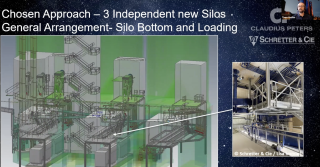
14 July 2022

13 July 2022
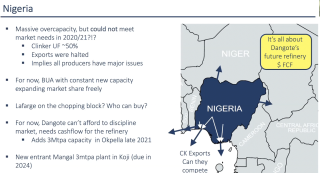
12 July 2022
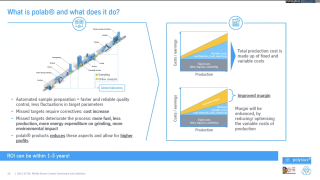
12 July 2022
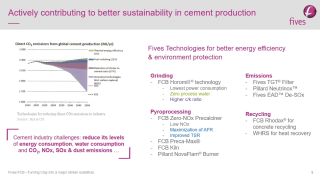
12 July 2022
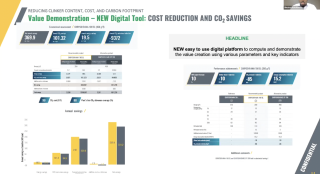
12 July 2022
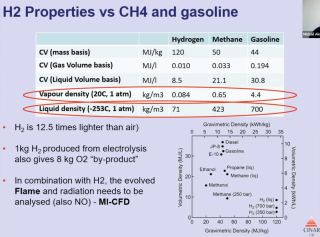
12 July 2022

12 July 2022
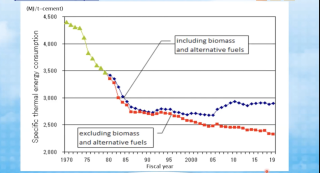
12 July 2022
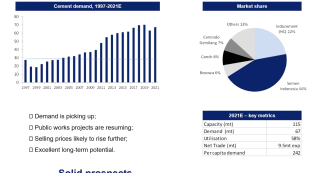
12 July 2022
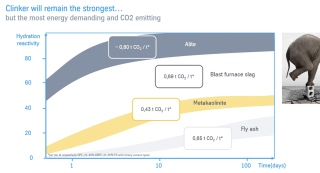
12 July 2022
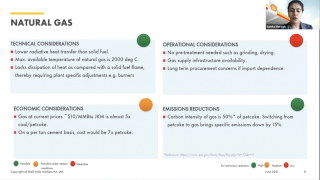
12 July 2022
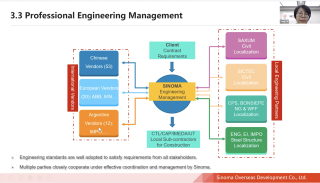
12 July 2022
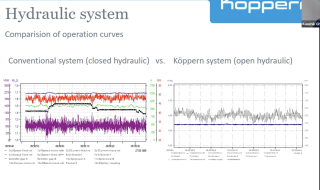
12 July 2022
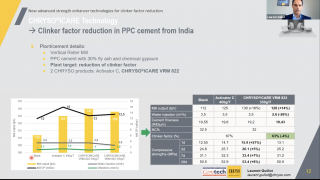
12 July 2022
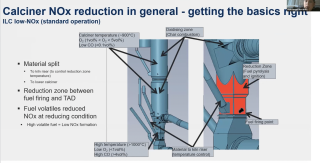
12 July 2022
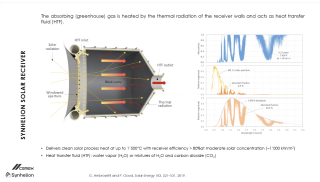
12 July 2022
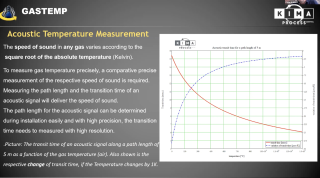
11 July 2022
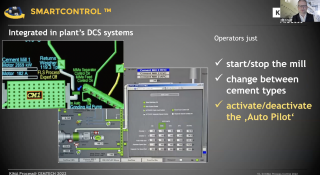
11 July 2022

11 July 2022
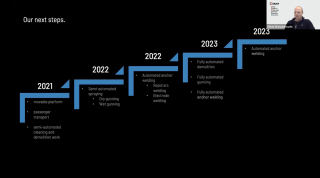
11 July 2022

11 July 2022
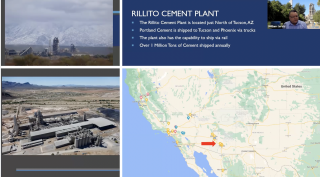
11 July 2022
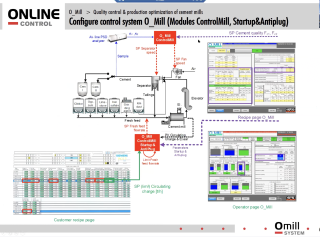
11 July 2022
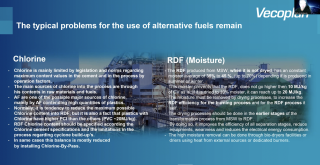
11 July 2022
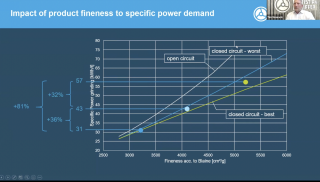
11 July 2022
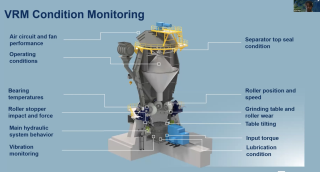
11 July 2022

11 July 2022

11 July 2022
11 July 2022
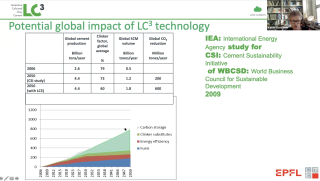
11 July 2022
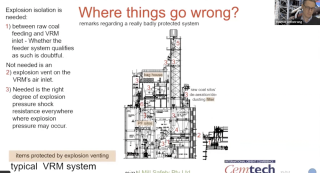
11 July 2022
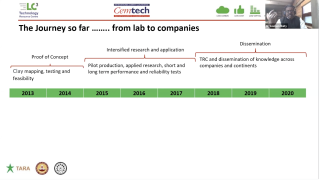
11 July 2022
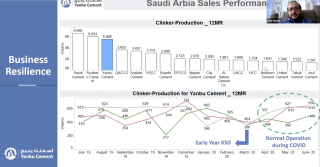
11 July 2022
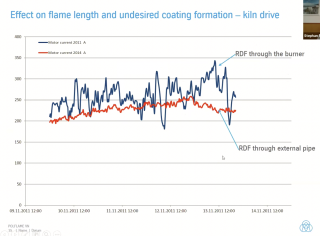
11 July 2022
11 July 2022
11 July 2022
11 July 2022
11 July 2022
11 July 2022
11 July 2022

6 July 2022
1 July 2022
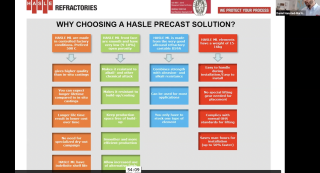
1 July 2022

8 June 2022

12 February 2021
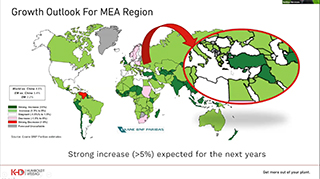
12 February 2021
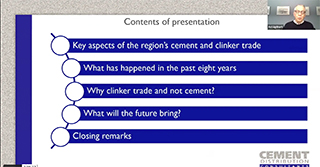
12 February 2021
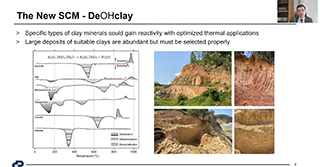
12 February 2021

12 February 2021

12 February 2021
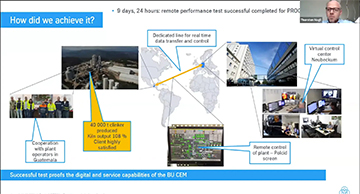
12 February 2021
12 February 2021
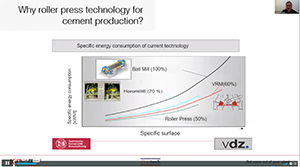
25 September 2020
25 September 2020

25 September 2020
25 September 2020
23 September 2020

22 September 2020
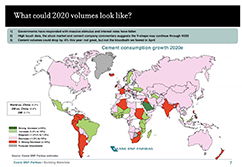
22 September 2020

21 September 2020

20 February 2020

10 February 2020

10 February 2020

10 February 2020

7 February 2020
27 January 2020
23 January 2020

23 January 2020
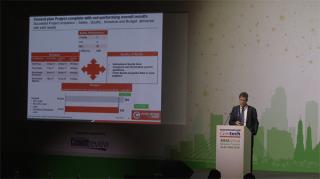
23 January 2020
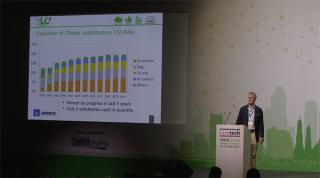
23 January 2020
2 May 2019
30 April 2019

18 April 2019
18 April 2019

18 April 2019
12 April 2019
12 April 2019
11 April 2019
10 April 2019
10 April 2019

10 April 2019
9 April 2019
9 April 2019
4 February 2019
17 January 2019
31 July 2018
31 July 2018
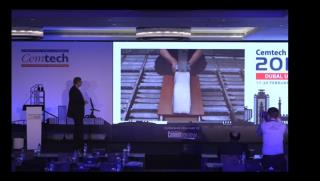
31 July 2018
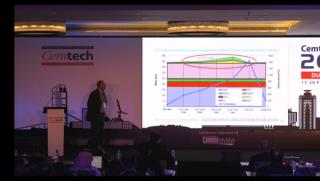
27 July 2018
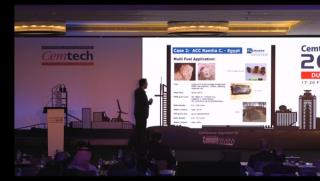
27 July 2018
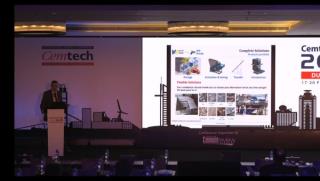
27 July 2018
27 July 2018
27 July 2018
27 July 2018
27 July 2018
27 July 2018
27 July 2018
27 July 2018
25 July 2018
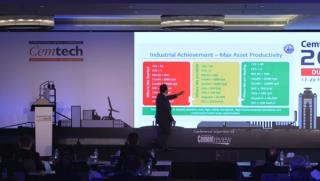
25 July 2018
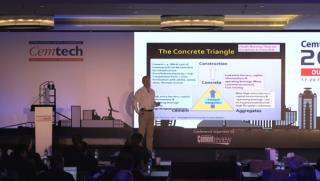
25 July 2018
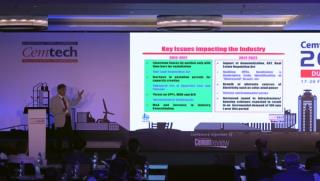
24 July 2018
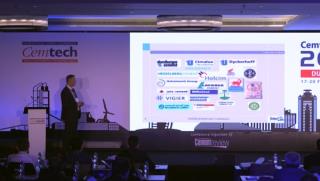
24 July 2018
24 July 2018
23 July 2018
23 July 2018
23 July 2018
20 July 2018
20 July 2018
20 July 2018
20 July 2018
20 July 2018

20 July 2018
20 July 2018
20 July 2018
20 July 2018
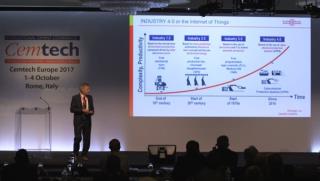
20 July 2018
20 July 2018
20 July 2018
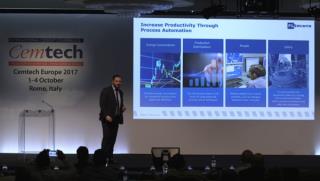
20 July 2018
20 July 2018
20 July 2018

20 July 2018
20 July 2018
20 July 2018
20 July 2018

19 July 2018

19 July 2018

19 July 2018
19 July 2018
19 July 2018
23 March 2018
23 March 2018
23 March 2018
23 March 2018
23 March 2018

23 March 2018
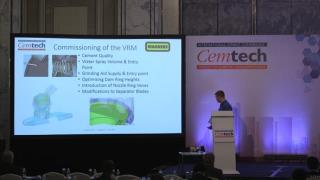
23 March 2018
23 March 2018
23 March 2018
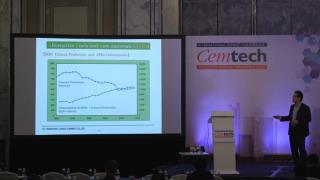
23 March 2018
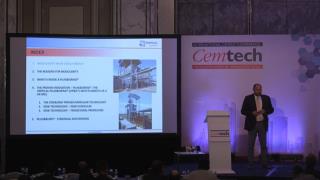
23 March 2018
23 March 2018
23 March 2018
23 March 2018
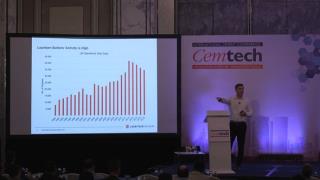
23 March 2018
22 March 2018
26 October 2017
26 October 2017
26 October 2017
26 October 2017
14 August 2017
14 August 2017

14 August 2017
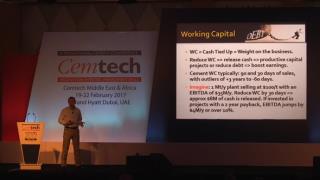
14 August 2017
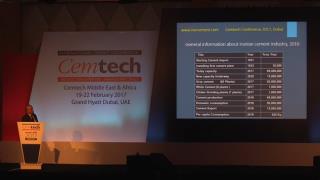
14 August 2017
14 August 2017
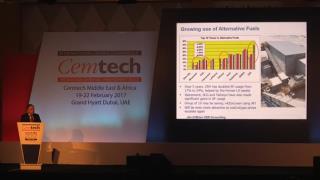
14 August 2017
14 August 2017
14 August 2017
14 August 2017
14 August 2017
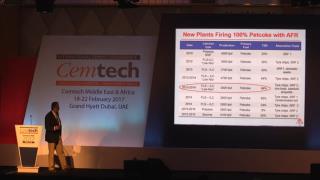
14 August 2017
14 August 2017
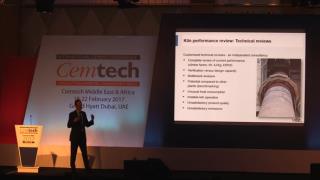
14 August 2017
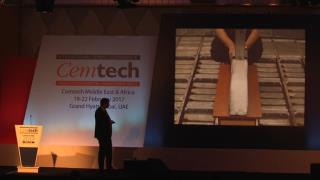
18 July 2017
18 July 2017
18 July 2017
16 June 2017
16 June 2017
16 June 2017
16 June 2017
16 June 2017
14 February 2017
14 February 2017
14 February 2017
14 February 2017
14 February 2017
14 February 2017
14 February 2017
14 February 2017
14 February 2017
14 February 2017
13 February 2017
13 February 2017
13 February 2017
19 January 2017
19 January 2017
17 January 2017
17 January 2017
17 January 2017
6 January 2017
18 August 2016

18 August 2016
18 August 2016

18 August 2016
17 August 2016
17 August 2016
17 August 2016
16 August 2016
16 August 2016
16 August 2016
12 August 2016
12 August 2016
12 August 2016

11 August 2016
11 August 2016

11 August 2016
10 August 2016
10 August 2016

10 August 2016

8 August 2016
8 August 2016
8 August 2016
6 May 2016

6 May 2016
6 May 2016
6 May 2016
6 May 2016
6 May 2016
6 May 2016
6 May 2016
6 May 2016
6 May 2016
6 May 2016
6 May 2016
6 May 2016
6 May 2016
6 May 2016
6 May 2016
6 May 2016
6 May 2016
6 May 2016
6 May 2016

6 May 2016
25 April 2016
25 April 2016
11 March 2016
11 March 2016
11 March 2016
11 March 2016

11 March 2016
11 March 2016

11 March 2016
11 March 2016
11 March 2016
11 March 2016
11 March 2016
11 March 2016
11 March 2016
11 March 2016
11 March 2016
11 March 2016
11 March 2016
11 March 2016

11 March 2016
11 March 2016
21 December 2015
15 December 2015
15 December 2015
15 December 2015

15 December 2015
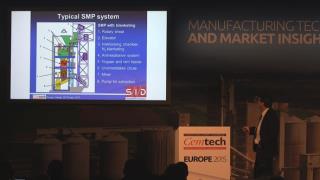
15 December 2015

15 December 2015
15 December 2015

15 December 2015
15 December 2015
15 December 2015
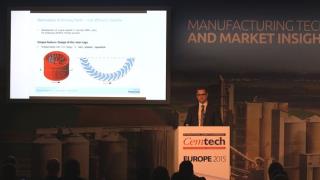
15 December 2015
15 December 2015

2 December 2015
2 December 2015
2 December 2015
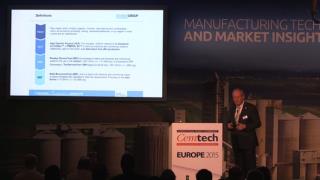
2 December 2015
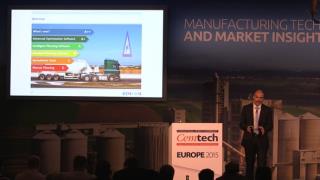
2 December 2015
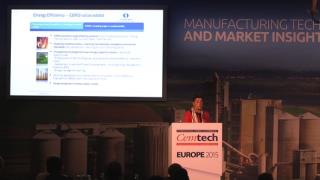
2 December 2015
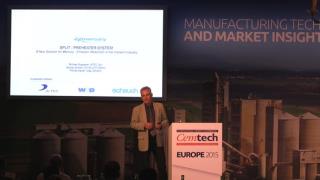
2 December 2015

2 December 2015

2 December 2015

2 December 2015
2 December 2015
2 December 2015
21 August 2015
21 August 2015
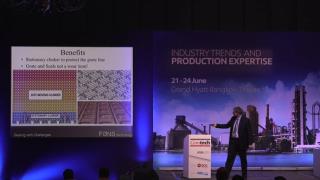
21 August 2015
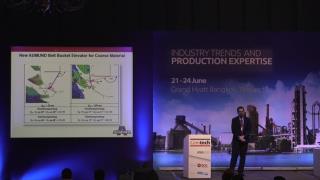
21 August 2015
21 August 2015
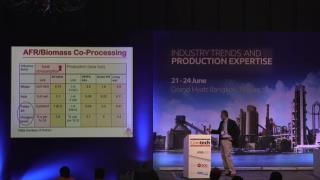
21 August 2015
21 August 2015
21 August 2015
21 August 2015
21 August 2015
21 August 2015
21 August 2015
21 August 2015
21 August 2015
21 August 2015
21 August 2015
21 August 2015
21 August 2015
21 August 2015
21 August 2015
20 August 2015
20 August 2015
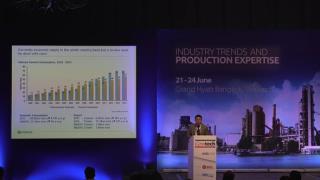
18 August 2015
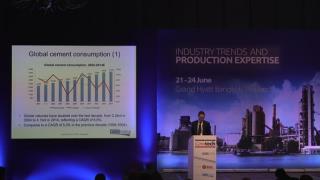
18 August 2015
18 August 2015
18 August 2015

30 June 2015
29 June 2015
29 June 2015
29 June 2015
29 June 2015
29 June 2015
29 June 2015
29 June 2015
29 June 2015
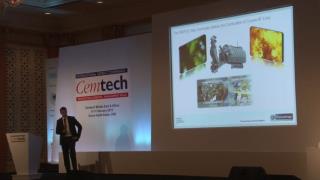
29 June 2015
29 June 2015
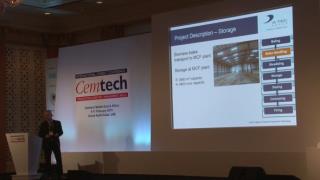
4 June 2015
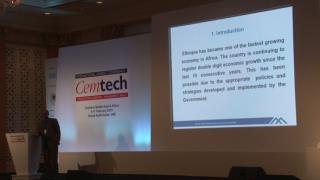
4 June 2015
2 June 2015
2 June 2015
2 June 2015
2 June 2015

29 May 2015
29 May 2015
28 May 2015

28 May 2015
28 May 2015
18 February 2015
17 February 2015
13 February 2015
13 February 2015
Try searching for another title.