
2 September 2026
This transcript was generated automatically and may contain errors.
Hello, and welcome to this emec Live webinar. welcome back after the long summer break. It's nice to be here again. September, 2025. my name is Tom Armstrong. I'm managing editor of International Cement Review. and I'll be guiding you through the the next hour or two. we've got some fantastic presentations lined up and really doing what we, we like to do on these webinars. just to shine a, a spotlight on some specific technologies best available technologies to help you as cement producers take practical steps towards manufacturing excellence and sustainability. So as we move forward this webinar series has been going monthly all year apart from our, our little break in in August.
So, as I said, it's really great to be back organized by International Cement Review. the cement industry's leading monthly publication for over 35 years. if you don't know our magazine it's it's really a, a must have. we offer deep technical insights each month into cutting edge technologies across the entire cement production process. and if you work in the cement sector and you enjoy our webinars, then really it's it's something that you should check out. Please go and visit senet.com and you'll find more information in the menus about international cement review. we are also publishers of data statistics analysis of the global cement industry.
most recently we've released the global cement market outlook with forecasts to 2027, covering the key markets worldwide forecasts for demand and production, and a wealth of information and narratives on, on the key dynamics in our sector. So if that is gonna help you in your work, then go to simnet.com and have a little explore around the global spent market outlook. This webinar really is just warming up for our in-person event. we'll be in Barcelona from the 28th of September for Cemtech Europe 2025. And we have an exceptional program lined up for you, a sold out exhibition. We have a plant tour and a tour of a local cement export terminal.
And we have a program covering pretty much every area of cement manufacturing you can think of, whether it's digitalization, alternative fuels, cow sign clays. we have speakers on carbon capture. We have a profile of the reic CCS carbon captures project that was recently commissioned given by Andrew Burns, who's head of CCS at Heidelberg. and we have a panel discussion also on CCS featuring leading leading lights from the cement industry, from Titan Cement, mentia and Mullins. So please come and join the the event.
If you haven't signed up already, I would like to find out more, go to our website and get a bit more information on, on what we have to offer there, but well worth it especially if you are interested in what we talk about in these webinars here. so our agenda for this session is up here now. okay. We are looking at decarbonizing cement production. It's a very, very wide brief. but as you'll see, we, we go into some very familiar areas principally, I guess clinker reduction. we'll be looking at calcine clays, we'll be looking at coal ash beneficiation two very key emerging areas at the moment in our sector.
obviously running your plant as efficiently as possible is is gonna be a first step for anyone hoping to decarbonize the cement process. And we'll be hearing from Kima about real kiln optimization. and we'll be hearing from grid beyond with some really interesting solutions for your energy asset management. so hopefully quite a wide and useful and thought pro provoking session today. I'm gonna invite our first speaker Dr. Martin reformat to share his slides. Martin is very e experienced cement manufacturing specialist. he's head of sustainable technologies at Lusia and he holds a PhD in civil engineering from the Bauhaus University Yar.
with over a decade of experience in building material science and process engineering, he now leads innovation in CO2 reduced binders, recycling of concrete waste, and the development of sustainable building materials. a fascinating presentation ahead. very pleased to welcome you here today, Martin. the floor is yours, please switch on your mic and off you go. Yeah, Thanks, Thomas. I hope everybody can see my presentation. thanks for having me here after this very long summer break. long time, no. See, I hope everybody is, is very well today. I'm gonna speak about our CRE key solutions. I want to give you an overview about our capabilities at at leisure.
first of all I want to introduce the, the creaky solutions to you, how we came to that, maybe. As you know, leisure is a equipment supplier. Our core product is the, the cement mill. cement mill means final grinding and also raw mill, raw mill grinding, and also coil grinding. But as everybody know, coral grinding is, is fading out, especially in Europe. So we we had a new approach to go, a little bit product to have more products in our group. So we are not only LU group, but we are also not, not only lu, but the LU group.
So within this LU group, I think some of you will know these these brands and this companies like ATech from Austria, they're specialized in deep bottlenecking cement plants, ex process from Germany. They are experts in CFD simulations. two of our news members are dynamics from Brazil, from Sao Paulo. They are very expertise in sea clay or Caine clay plants. So they have a lot of references. They joined us in 2022 and fu hydraulic German brand that joined us recently. So with this, let's say powerful group all over the world we, we started to, to pro, pro in our few.
So as I, as I told you, cement industry, power generation with coal crowning plants and the mining industry are the, the, the basic core industries of leisure. But five years ago, and let's say in the decades before, we always deal with new and let's say green technologies, and now we form this brand, it's called Creamy Solutions with a, with a bunch of of very nice products and equipments that helps you to reduce your CO2 footprint and to save resources. I cannot go in every detail. But today I want mainly talk about clay and the concrete recycling and give you a small outlook about the other products.
So concrete recycling is a topic that is let's say within our group for, yeah, two or three decades now. because concrete is all over the world. We are a global company, and all over the world, we have the demand for solutions for concrete recycling. and we have a regular emergence of around 3 billion tons of let's say waste of con construction waste. Half of it is concrete waste. And we have also let's say unregular waste that coming from earthquakes, from natural events but also from, from war. And yeah, also, this waste has to be recycled at the end, or let's say, to be used for, for the best case, new building materials to build this countries or this, let's say regions up again.
And the good news is that in the concrete, we have several components that have different credibilities. So what we find, or what we will find in hardened concrete is sand rel and the so-called cement stone, whereas cement stone is consisting of water and cement. And the credibilities that are shown here indicates that the sand and the rel are very hard to cry. And the cement stove is, let's say, more or less soft. It's in the range of the typical cement strengths classes. And the rel in the sand is factor 10 more so this circumstance we use to process this material in our vertical roller mill.
For those who are not familiar with the, with the behavior in a, in a vertical roller mill, we feed the material in this case, the crush concrete in the size of, let's say 10 centimeters. It's depending on the size of the mill, but let's say up to 10, 15 centimeters, we can feed the mill. the material is falling on the grinding table is due to the centrifugal forces going under the rollers is crushed or it's a cod there, but it's not really comm commuting. It's more a vegetation of this material. And then it is falling over the the DAMing. And from bottom to top, there is a gas flow that is raising the material, let's say, smaller than four millimeters.
The course particles, let's say the gravel is going out of this grinding circuit, and we reject it as a, as a rel the rest is going to the separator or to the classifier system. And here we can separate it to the, the fine product. It's at the end cement stone and quasar product from let's say 100 microns to four millimeters is rejected out of the grid con extraction. So this is a, let's say, a very quick overview about the system. it was pretended 10 years ago. And we are able with this system to de accumulate this constituents of, of concrete.
yeah, just to get a visual impression the, the feed on the left side, and then the, the fractions of the products, and of, of course, always the question is what to do with the, with the products. And as you can imagine, the sand and the gravel we can directly reuse. for, for fresh concrete as an example, in Germany, we can use this material up to 45 percent. In other countries, it's much more without any restriction. but the performance performance based concrete receipts. but the question is then what to do with the cement stone. And the cement stone is a very let's say variable material. We can use it in several ways.
The first way would be as a, as a filler like limestone, or let's say as a inert SCM. We can use that up to, let's say, 35% by the new standard in Europe. But of course, 35% will cause high water demand and so on. So I recommend 10%, 50%, maybe the second way for the cement stone could be to use it as a Romeo substitute substitution. So that means the, the Clinker Rome meal can be substituted with this at, at the end, CO2 free material. And according to the chemical composition, this can be substituted up to 50%. So this is a great, a great amount.
And the CO2 the CO2 amount will decrease rapidly another way, but this is more in the r and d is determined activation to get a so-called be light binder. That means we activated it by burning with 700 to 800 degrees of Celsius. and the most advanced way, and it's, it's, let's say not, or it's, it's applicable now, but let's say all this process around has to be developed is to use this material as a CO2 absorbent, that means I can do real CCUS with this material. Hence, it tends to to recap the CO2 out of the atmosphere. So a very smart way to use this material. Yeah, small overview to, to have a to have it on one page.
And also good news is we can apply it to almost every kind of concrete waste or let's say construction rate. So, so we had let's say pure crush concrete, but also the crush concrete sand. This is a fracture that cannot be used in, in some other applications. we had fiber concrete earthy crush, concrete and concrete with bricks impurities and so on. And all these materials are working very well in our, in our building. if you have a, a material that has to be tested, we of course can perform it in our own test lab. We have a very nice technical center here at, with four fully automated vertical roller mills. So please send us the material.
we can check where we can get with your, with your material. what we found in the last years is that installing a big mill somewhere, let's say near a big city or the, the urban area is not very sufficient, because you need a constant flow of mass flow of this concrete. So what we develop in the last five years are the so-called mobile plants. So mobile, it's not like picking up on the, on the pickup and go somewhere. It's, let's say a little bit bigger. Of course, we are we are talking about four to five frame containers. they can build up within several days. So then you can go to the site to build it, or deconstruction site to build it up.
You process your material, and then you pack it again and go to the next site within some, some days, let's say. And the capacity can be up to four tons, maybe five tons, depends on the materials. So this could be a very smart solution, and we already have references for that in the, in the oral sector. So we, we have some of these mobile plants all over the world for the ore processing, and it's working very well. Yeah, to summarize the, the ssc, the, the selective concrete part you can start up the plant very quickly. You can protect the landfill area. You can reduce CO2 by using it as as raw meal as SCM and so on. So, at the end this is my understanding or our understanding of real mining.
Another nice product I want to show you is cat and clay. I think everybody is dealing with that in these days we call it sea clay. And the fact is that all over the world, there are, there is a clay, raw clay in, in various qualities. But let's say most of them can be used to to be outside. this is a, a clay pit in Germany. And from this big picture, you can see that the quality is in a, yeah, in a very wide range to be some, some, some British earthy clay, some brown clay, lytic, clay, ili, clay. So a bunch of clay types.
And this makes this material a little bit difficult to, to handle, or it's challenging to handle this because it can vary from a very brittle, soft material to sticky material like the, like the clay for the, for the kids very muddy clay. So, first of all, you have to prepare this material to get to the designer. And and this is a very tough task, but if you once have that with, with dryers, with comb and all these things, then you always have to decide what to do. Should you go for a, a roti kill solution or for a, a flash cut cyanide solution? We can offer both.
And our, our slogan is we are coming from the material that means we have a very close look to the material, and then we decide where to go. beside the new rotary kill, beside the new flash cut signing systems, we can also convert old or must bolt equipment or kilts. We have now two ongoing projects. one in one in Portugal Right now. It's in commissioning where a cement producer has some, some mass bolt kil, and they want to reuse it. So in terms of CapEx, it's very nice project. Yeah, in some cases, we prefer the flashcard sign. In other cases, we prefer the rod kill. And I think the most important parameter for that is the tic, or let's say the IC content.
What we found is that the tic content is very nice for flashcard signing for flashcard sign, because there is no centering in the opposite to lytic clay, they tend to form a cinder shell. And with that, it's, it's, it's sticking on the, on the wall. So if you go with this material into a flash curl sign, you will, you will clock the cas and it'll be blocked. So we have a, a lot of testings before we decide where to go. And for this we have also a technical center in Germany with the rotary kill the diameter or with the length of six meter and a diameter of 4.6 meters. So we can test the, the one route or, but we also can test the flash curl sign route.
So we have an own flash curl sign built up in Germany where we can test this material in a, in this flash curl sign system. Also, together with dynamics, this device was commissioned last year, and it's very high and frequent frequented at this space. Yeah, this is just a short sum summary. the material is deciding. We have not the one fits all solution. We have a holistic approach. And of course we are working as a group. That means we as a equipment supplier, dynamics as experts in ex process for certainty relations and ATech in, let's say, in in maintaining the the project references are all over the world.
I want to go, I don't want to go into this details, but the, the most exciting was the reverence in Columbia, in VO in Agus. It's today it's the biggest scale sign clay ca China in the world, with 1,500 tons per day. It's working as far as I know very well. we are building up in, in Portugal, in Germany, and also in south America. So clay will be the, let's say the hot topic for the next, for the next years. if you have a material and you don't know what to do with that, of course we can, we can guide you through all the steps I explained to you, and we all do it step by step to to have the right, right solution. But that's not all. We have concrete recycling.
We have can clay just two more slides to to give you an outlook about the over, over the other creaky solutions. alternative fuel is a big topic also especially in, in this developed countries because we have to go up with our tsr with our terminal substitution rate. So we are using everything that we can get for like RDF, like biomass, like waste, what whatever you get. And to prepare all these materials. We have some, some solutions like the rocket mill. This is an atec development. it's it's sold very often in, in the recent days. It's a, a shredder that is pretreat is pretreating the, the waste, the RDF to go into the cal signing systems or in the, in the burning systems.
And these burner burner systems can be the D gasifier or the DF bed gasifier or DF bed chamber. these two babies are developed by by the, that the gasifier is, like the name is saying, is a gasifying system fluidized bed gasifying system where you insert shredded and small particles of your RDF of your waist or biomass within tears are over 90%, let's say in the DF chamber. This is a much bigger device. It's a massive, it's a massive equipment with a diameter three to six or seven meters. and the advantage of this DF bed chamber is that you can insert every size that you, that you, that you like. we produce this gasifying systems, so-called sun gas.
And the sun gas, you can transport via let's say, a pipe to the, to the burner systems, and then can be burned. Ultra fire materials are getting more and more intention attraction. We developed multi cyclone technology. Maybe we can talk about next time where we can cyclone the material out of our mill down to D 50 of one or 1.5 microns. This is a very nice for substitution of micro silica. This is a very nice solution for a niche products. and it's very, it's a lightweight equipment, and yeah, it a very small footprint. Hydrogen is a big topic. Also, we have prepared our leisure own burner systems for that. So we are hydrogen ready.
And as you may know, all over the world let's say the same like with concrete rubble, we have a lot of slacks everywhere. And these slacks have to be utilized. And we developed a dry solution as well as a solution within the steelwork plants to reactivate these products and to recover the metal that is still inside these slacks, CCOS we can, we can guide our customers. We we are not producers of let's say CPUs or something like that. We are not Linda or whoever.
But what we can do is we can, first of all, and this is what, what I found in the, in the, in the many talks I had to, to this specialist, we can guide our customers to to get C cs ready to dissolve the bottlenecks to yeah, to reduce fault air. Fault air is a big topic for oxy fuel for, for instance, and all of these steps, we can, we can do together with our group members to come to a solution for every specific cement plant. Now, last but not least last slide. From my side there is still de notion available. You may, you may, you may mention, and also there are a lot of of develops ongoing developments ongoing. We are, yeah, increasing efficiency. Evaporation is always a big topic.
The application is getting wider and wider if you, when, when you think of only of all this waste of slacks. So these are new applications for this very experienced equipment. and of course, it's always about cost. We have to reduce the CapEx, we have to reduce the opex efficiency and of course, the maintenance of, of this machine. So with that, I want to say thank you again for having me here. And I hope Thomas that I'm in in time. Absolutely. That was a, a great presentation.
And, and thank you, Martin, for covering a lot of ground the green key solutions across concrete recycling cal sign clays and grinding slags the traditional products we know about from Lusia, but also making plants CCS ready. very interesting presentation. I mean, there's so much in there, it's hard to know what, what to, what to start with. But there are a couple of questions on the recycled concrete segment of your presentation. it's one, one of the questions is what is the impact of when you mix the cement stone, what is the impact of the, on the Portland cement quality in terms of strength setting, time, durability?
So I guess, what is the, what is the quality of these recycled concretes and how do they perform? Yeah, this is, this is a good question. of course you, you cannot you cannot expect miracles of this material. This is at, at the end, it's a, it's a hydrated cement, it's a hydrated cement stone. So we have two effects. One effect is, let's say the dilution of the OPC, like, let's say limestone, because it's more or less an inert material. But on the other hand, what, what we found, and what I found in my former university studies, is that you have some somehow like nucleation effect that means you you insert this this at the NCSH phases, DY phases.
And on this phases, there are growing up new and fresh phases from the hydration of the OPC. So it can somehow act like a, a accelerator, but the effect is, let's say, slightly above the dilution effect. a supplementary question what is the average size and silica content of your crushed concrete fines? The, the, the you, you mean the, the, the fine product out of the classifier or the powder? yes, yes. The crushed concrete fines. So yes. Okay. Okay. So, so of course, percent and the gravel, they, they are more or less, let's say over 90% sica. And in the, in the fine fraction coming out of the classifier, we can achieve roughly, roughly about 30 to 50% of CAO.
So this is somehow the range that we are that we are in. But of course, we have to say it depends. It depends on the, on the concrete of the on the edge of the concrete. Yeah. it's a different, if it was a, a street or a, a chimney or whatever. So, but somehow in this range, it's a little bit under the let's say the, the OPC ca content. but of course you can substitute the raw mill or use it as a raw mill substitute to a certain extent. Yeah, so it's a very interesting area.
actually, we will have Heidelberg cement will be presenting there their recent project from Poland where they combine this reclamation and of the cement paste from the crush concrete and then combine it within forced carbonation to absorb CO2. and it's a very successful project. I think it's one worth everyone investigating. but there's certainly a lot of potential in, in this area. And it's it's a really common sense thing to do to reuse resources. and as you highlight, especially in areas where they've had a lot of destruction the next phase of the, of the presentation was calcine clays just very, very quickly. let's touch on that before moving on to our next speaker.
the cal clays are, are picking up maybe not as fast as we, we thought they would, but they're, they're certainly a lot of projects around. can you give any kind of little guidelines on the CapEx and opex for these projects? and maybe also the difference in, in, in, in that respect from the flash cow signers to the, the rotary kilns, which seems a lot simpler, cheaper approach. Yeah. What, what, what we found in the last yeah, five years is or, or, or let's begin, what we thought is that the flash cut is, is cheaper than the, than the rod because there is no moving elements and no so let's say a smaller footprint, you have no bearings for the, for the rotary tube and so on.
But it's not, to be honest and this is the, the, the outcome of the last years the most expensive part is the gas abatement. You have to, you have to see that we are around, let's say seven to 900 degrees of SIUs. We are not at 1550, 4000, 15 degrees of Celsius, like an S cement plant. So we have to take care of SOX, nano X, we have to have a thermal oxidizer and so on. So the, the main the main CapEx is in a gas abatement. And the rest, let's say, is more, more or less equal. So this is why the most or many, many, many cement producers using mass bold kils, so old kils that are, that are let's say closed and reactivated for alation. And this is opex wise, the best you can do. Yeah, okay.
So good, good perspective there. Thank you very much, Martin. we could talk on, but that's all we have time for, unfortunately. many thanks for your contribution and thanks for the questions that we, we had then to onto our, our next speaker. and I'm really pleased to be able to introduce Dr. Matthias Cal, Kurt who's the managing partner at kema Process Control a company that we're, we're very familiar with on, on Emec webinars. he studied mechanical engineering at RWTH, Aachen University in Germany, specializing in process engineering, where he also completed his doctorate on process modeling in rotary kilns with experience spanning both academia and industry.
He now leads Kim's corporate strategy, innovation, and digitalization in the cement and mining sectors. So Mathias, over to you. Yeah, thanks, Tom, for the introduction. And good afternoon, everybody from ish, also close todo in Germany. So I'm not that far from Martin, from from Russia. So we are close by and yeah, I hope you all had a good summer break. And yeah, I'm delighted to present you some of our solutions for the cement industry for what I think is one of the main challenges during our days. bring down the CO2 and bring up the efficiency.
And this is what we do since now nearly 30 years, mainly in the cement business, but we are also digging into minerals and mining industry together with our, our partner from Belgium, which I think some of you know, and we also have a small share and energy. There is our aim also in precise measurement of filling degree in, in hardcore grinding. So coming to the cement market, no, it's not I have to go here. Oh, here, here it is. So I think we, it's, it is a good chance to keep again in mind what is the e electrical energy demand for cement production. So what are the big points we can concentrate on? So what we have here is nearly 22% is used for grinding and free blending.
We have the raw grinding, we have the cement grinding, and of course, here sorry, the wrong, the, the burning and cooling. And so these are the three main areas where we have the most electrical energy demand, and cement production. And in all these three fields we are concentrating on and find solutions for our customers all over the world to optimize these steps by their existing equipment. So the, the main question is then how can we reduce the energy demand? And the, the first and most important part there is you need a constant running process. So it doesn't matter if you look on, on grinding or on on the burning process.
Every time when you do not have a stable process, you lose production and you use far too much energy. Is it electrical energy or burning material, or even you are in the, in the bad situation that you produce a product which does not fit to your specification. So first goal is always keep the process constant. And if you can achieve this, then you can go and optimize the use of your equipment, meaning fill up the mill to the maximum, what it can handle all the complete grinding circuit, or bring the kiln to its maximum production cap capacity and to be able to go to this borders of the equipment.
the first step, what you need is you need exact information and about the process, meaning if you have a black box, where do you do not do? Where am I in the in the, in the process and in the capability of my equipment? Then you even will not be able to have a, a constant process and even also not to optimize it. And then with this information, then you can go and take on hands for controlled strategies to handle the process most optimized. And this is in the end, what we achieve to do and successfully do with our customers all over the world. So we are company going in two fields. We have one area of products, which are specialized measurement technologies, especially for theand industry.
And then this is the part where we gather the information about the process, and then we can use this additional information from the process to optimize it, meaning for ball molds, we have the fitting degrees send the smart fill, which I think most of you know. So till today, we installed more than 1000 of the system worldwide. And the newest one here is a gas temp flow, which is acoustic gas temperature measurement and volume flow measurement system, which I will, I explain more deeply in my presentation. We have some kind of a filter here, which is a kiln cooler, which is the most efficient device to cool down the current shell by use of infrared controlled water mis.
And so instead of normal fans, we use water. And we have really a lot of successful installations also all over the world, actually, the longest one at Heid back materials in Sweden with 55 meters where we control the kiln shell temperature for the whole kiln. And then on bras on this measurement technologies, we have our own platforms, smart control, where we can set up control circuits for any kind of process. And of course, as we are yeah, our home base is a cement industry. We have a predefined controllers for mills, whether it's a bundle, whether it's a combination of pre grinding with more mill or also vertical ER mills. And in addition we have a solution for kilns.
And there's also, which I will show you in, in the presentation, does not matter what kind of kiln it is. So we have the solution for most modern kilns with pre consign and normal cooler one. But we are also able to control so-called old fashioned kiln, like red kilns without any kind of pre retail, for example. And for this, I also have an example, and all of this can be really easily adapted to the needs of our customers. So I just want to give an overview what, what the smart control can handle and what is basis of the smart control. So in, in a lot of presentations, we see yeah, everything is AI driven.
Yeah, this, it's a huge and like big potential nowadays that we are able to use big data to yeah, do analysis, whatever it is like, like Jet GPT or also for processes have a view into the into the process more, more deep for huge data. But AI is not only neur nets or what we use for no, for from JGPT. It's also, for example, model predictors control, and also physiologic, for example. And what we do is we use not only neural networks, or not only MPC or not only physiologic, we can combine all of these parts of AI to be able to have the best solutions for the question that we are looking for.
So, for example, neural networks are really good to search for patterns and to look at processes, what strategy cannot be expressed, meaning you, you know, that there is some kind of behavior, but you maybe can imagine in the data, but you're not able to write down, for example, an exact me mathematical description there. Then it's a, it's a good way to go for neural nets. Then empathy for well master processes where we have a mathematical description available. So, for example chemical reactions normally well understood residents, time within the kiln can be modeled really good, for example.
So we are using this, this for, for this part, but all of our processes in the cement are more or less critical. And for this, it's really a challenge. And the most important thing to have a control strategy, which can handle the process even if some information is leaking. And this, for, we are using, especially for the kilns, also the fuzzy logic, because it's really good for closed loop control for technical processes with low number, relatively low number compared to all nets of variables.
But I think the most important thing is you can handle processes where safe operation in critical situations is mandatory, meaning we do not need a training, like for, for example, we can set up the complete controller for every situation, which can occur during the process. And this is leading to how we use the, the air all these possibilities of AI in the smart control.
So we have a lot of optimized digital filters, for example, as mentioned, we use middle predictive control and ai, but especially the neural net or the data driven algorithms are used in our solutions, more or less as a soft center, so that the overall control strategy is handled by safe controller, which works in every situation. And for this four, especially for the kiln physiologic control with nonlinear processes, and the most robust controller are used by us, and it has another plus point. It is not a black box.
So we can discuss with our customers the strategy, what the controller should do, in which situation, even in situations which are really uncommon or, or maybe only occur once a year or whatever. So if you are talking about startup strategies, for example, for the mil, for the, and there, we found in our experience that this is the best way to handle it. So meaning in the end, we are not limiting things to only use neural net only MPC or only physiologic. What we want to do and what we do is to combine every part of it to the best possible solution for our customers. So I want to dig in a little bit more on our kiln pilot, which also called a solution for kiln control.
And we have nowadays a, a, a new approach to look onto the kiln. So the classical approach is you have a complete control arm for the pre heter. You have a control loop or more, or than one controller for, for your rotary kiln, and you have control loops for your clinker. and all of these are working well individually, but there is not the overall view of the complete system. so, you know, especially the kiln is a countercurrent system guess in one direction, the material and the other. And the most of the old controllers or the, the, the common controllers do not take this into account.
So they optimizing the preheat, they optimizing mainly the main burner, but not knowing directly, for example, which energy is within the next minutes coming from the, from the approval, or what is a precal iron in my pre tower. And the, the most problem there is this, this leads to energy fluctuations or that the system is pumping, and this especially over long time periods, which is maybe something you cannot directly see in your data, but over a long period of time, hours, even sometimes days, you see that the complete system is pumping. and if you remember one, my second slide, the first goal is always to keep this system as constant as possible to bring it to the edge.
And especially this fluctuations in, in your kiln leads to the fact that you are not able to run the kiln and in optimized position. So what we do now, nowadays is take the complete energy flows within the system into a car. So not singular preheat, kill and cooler, but the overall system and generate there or calculate there the energy and mass balance for the complete system and of basis on this, then optimize the kill process. and the, the rough estimation is that you can increase or yeah, decrease calorical value for the, for your clinical process by two to 5%, depending how good or bad the kiln is running till now. But I will show in the example that even more is possible.
And here, just overview, this is under development, how we, we calculate all the energy and mass flows, which is the basis for our controllers back behind. And so this is, and this diagram not meant for, for the customer, it's, it's for us, but it will be updated to be more more designed so that even the customer has the possibility to have a more or less live audit about the energy flows and mass flows in is complete current system on this. In the end, our aim is to minimize the thermal exit here. This should be the minimum, minimum the smallest as possible. So here a short overview about how the current pilot looks like for, for the customer. So as in, in all control strategies.
So you see, you are able to see the actual values for each measurement part, you can go through the underlying control strategies for co signer, for the kiln and so on. So in the end, the main control circuits are for the D fan, for the kiln feed, for the carina kiln speed main burner cooler. So that's the, the, the main ones. So I think the most important thing, especially when it comes to CO2 reduction is our fuel manager. Because for example, in in Germany or all over Europe alternative fuels are more and more common, and the fuel manager is able to find the optimum in regards to the energy demand, the processes, and then the costs, what you have for your fuel.
So meaning it could be in some situation that it would be the cheapest way to use as much as possible alternative fuels. This is normally the efficient one, but maybe your process need now some additional energy which is burning fast. So this can be then optimized. And if you have the information, how many alternative fuels are stored, what are the actual cost for this, and what are also the, the cost for CO2 certificates, for example, this can be all be handled by the fuel manager. So you get the optimum for cost and also for energy demand for the process. yeah.
And then as I mentioned before, we do not only control, we have also our measurement systems because what we found in, in the past here for the mills and also for the kilns, there's always some information lacking to really optimize the process. And this therefore for the gas flow in information, we develop the gas temp and gas and flow, which works with acoustics. So what we do is in the end, we have a sound transmitter on one side of a duct. So here as an example, it's a touchier duct from cement plant, and then we emit sound. This is then or will goes through the duct, for example, the air duct. And then we have two receivers, and the system works for the temperature.
And this way there's a, that the speed of sound is directly correlated to the temperature of the gas. So this is a direct measurement if you know the gas composition at this point. And as we use two receiver arms by the difference of the time, which it takes from transmitter to receiver for receiver one and for receiver two, we also in addition, can calculate the volume flow. So, but what the gas temp does in the end, if you multiply it with the CP of your gas, you have directly NLP measurement system within your process.
And this enables us even to optimize the kiln wall because we know, for example, how much energy is going through the tertiary air directly to the cuts and can optimize it there. so other points of application would be, for example, the down camera, again, temperature and flow. We have some installation for the cuts Act exit, where we only use the temperature because the gas temp is much, much faster and more reliable than thermo couplets. For example, air already mentioned, flu gas tech bypasses. we have also now installations for wasted recovery, where the system afterwards is using our measurement information, secondary air temperature.
And also it is be possible to measure the volume flow at the exit of A VRM, for example. and here to just to explain what is the plus points, especially for the kiln operation of this kind of measurement here is in green the measurement of the gas temp. It's temperature information, and the other two lines are thermocouples and then church airline. And what you see here is from time to time events in the green lines. So you could men mention may, maybe it's a fault in the measurement information, but it isn't. I can show here zoom in a little bit. So what we had here is, for example, a big peak in the temperature, which lasts only for more or less one minute or, or 2, 2, 2 2 minutes.
And then the temperature is going down direct di afterwards to the desired value. And you see the same peak in the stronger couples, but it is more than 302nd LA last later than our measurement. So what happened here in the end, the thermo couples are that slow that they see the peak this few minutes later, and the controller would then react on the peak in the temperature and for example, go down with the burner in the car, in the precal sign. But at this point, you can see here the temperature is already in the situation where, where it should be.
And so if you decrease at this position here, the burn, the temperature will go down, and then after a few another minutes, the temperature will be too low. For example, in the precan, and this is what I meant before, this is leading to fluctuations in your system. So in the end, if you know precise and fast, how is the temperature, how much energy is at which point in your process, you can react faster and better and reduce fluctuations in the process. Okay? And then I would like to come to a small case study, what we have for the kil pilot. it's a red kil.
So as mentioned before, we are not only able to equip the news up to date kilns, but also for our customers who may have for some reasons also wet kilns. We, we are able to provide the solution also on basis of the kiln pilot and have data from evaluation period from this year. And the objective for this project was to improve, improve the thermal control, of course, improves the throughput and have a better product ability. And here you can see the setup. So as I mentioned, it's a we cancer, no pre-sign, no pre tower, but it's it had a great cooler from the units. You can see it's not located in in Europe. It's in kil United States.
And there the, again, the main goal was to have the throughput increase as much as possible for the process. So on the first glance, from the, from the scada from the customer, you can see here comparison without the K pilot, you see a lot of fluctuations in all the signals. And here you see the situation with the K pilot. So we were able really to stabilize the process and have a much smoother operation for the kiln. And this leads then, if we have a comparison to an increase in the throughput of the kiln of nearly 12%, and a reduction in the specific energy consumption, also by nearly 12%.
So I mentioned before two to 5% are always possible, but we were able more or less to have 12% in both energy consumption and also increase in throughput. And in addition, we had also much more stable process. So you can see it here, the main values for from, from the lab and showing the standard deviation with and without kiln pilot running most of them are improved by the stability by, by more than 20%. So besides the more throughput, the product was also much better than before. so the benefits for this project for our customers was that he has an advanced predictive control. So it's easy, even more easy for the for the operators to handle the kiln.
We have a really stabilized kiln operation. We could reduce the variability in key metrics, increase the throughput and the quality, and again, reduce the specific energy demand. And I mentioned the kiln is located in the United States, so they're burning not that much with alternative fuel. Most of it is hard coal, a coke. So if you reverted to decrease in CO2 emissions, this 12% by coal is also a mess. So I think this shows this, that if you, if you have a good look into the process, you know what you do, and have the process experts on board, then it's possible even to optimize a to, to, to a good situation.
And yeah, this, we are also doing at the moment in two projects for really new Ks with Precal sign in in, in, in Europe. And I hope it's the next ec I can show you also some in results from these two projects there. And this was my last slide. thanks for your audience, and if you have questions, please feel free. And in addition, I will also attend in Barcelona and of the months you can also discuss further there. Thank you. Thank you very much, Matthias. it's a really interesting portfolio of solutions that you offer. and overall, we see you, you are offering that optimization two to 5% reduction. it's a, it's very compelling.
do you offer people companies an assessment do you review their operations and say we can make you this amount of savings and guarantee it? Is that how you operate? How, how do people engage with you? So for, for, for both, for the mill and for the kilns before we start a project, we do a view, view on the process data. The, the customer already has discuss his goals, right? Because depending on, on the market it's depending if it's more going to reduce energy demand or the electrical energy demand or increase the throughput as much as possible despite the, the, the energy effect.
And yeah, then we, we analyze normally a few months and we are working together in both areas for kilns and also for, for the mills with some experts from the industry, which also analyze together with us what is the current situation, what can be achieved. And then we can also then afterwards guarantee our customers what can be achieved after installing our systems. And also we are able to show up the bottlenecks, for example. And because the best controller cannot go over the limit, for example, from the, for the separator or for the bucket elevator, it's the bucket elevator is at 100%. In a grinding circuit, it's at 100%.
And so we, we, we, we can point out there and also for, for mills for example, we, we are able to provide mill audits or, or also kill audits to our customer. So it's not only on the control strategy, we try to have a more or less complete package if the customer will wants it. Yes, Very good. Very interesting. a great series of products there from Kima and Mathis would be in Barcelona at the end of the month. So come and come and meet us there if you are able to. Thank you very much, Mathis. Thanks. Great. and now on to our next presentation.
I'm really pleased to be able to welcome back grid Beyond and manic Low, who's gonna be discussing decarbonization without disruption, powering Cement's path to net zero. manic is the global Director of sales operations at Grid Beyond, with over 12 years experience in commercial energy sector, including seven years specializing in grid services and demand response holding an MBA from Cranfield School of Management and A BSC from Kings College. London Manic has worked across 11 grid networks worldwide and played a key role in developing innovative energy solutions for industrial and commercial customers.
His expertise lies in enabling energy intensive industries, such as cement to decarbonize, while maximizing operational and commercial value through demand side flexibility. So to reveal more about his presentation and his offering welcome to Manic. Hi everybody. glad to be here today. Thank you very much. so today I've got, I've got a lot of things to run through, but I'll be keeping it quite concise. 'cause obviously we've got 20 minutes to go through quite, quite a few things here with you. so yeah, I'll be going through a little bit around grid beyond what we do.
you know the current solutions we provide for industrial, commercial customers focusing specifically on op, on challenges and opportunities when it comes to the cement sector, decarbonizing. so let's just get, make a start here. So in terms of who we are, so Grid Beyond is a global energy technology company. we operate in multiple locations predominantly UK Ireland, US Japan, and Australia. we work with a range of customers, whether it be large industrial, commercial energy users renewable asset owners and developers all the way through to, you know, even sort of ev ev operators and even down to the residential level.
And all of our services are geared around helping customers to secure sustainable energy drive increased revenue through new revenue streams uncover en energy savings where possible and doing so whilst increasing resilience as well for our customers. So we currently have around 2.3 gigawatts worth of load power connected to our platform through the various customers that we have in, in multiple markets. And we have around 900 megawatts of batteries under contract. And that's anything from sort of industrial scale batteries, you know, one or two megawatts all the way up to grid scale, you know, hundreds of megawatts.
our services sit at the intersection of what we call the three Ds in the energy transition decarbonization. And now that's from a, a site level, customer level, all the way up to the grid level. You know, as we're, as we're transitioning from fossil fuel energy sources to renewable energy sources, that obviously presents a significant challenge in terms of ensuring that we have a balance of supply and demand on the grid network.
obviously renewable energy sources intermittent, they're unpredictable, and to ensure that we have enough supply and demand to supply, to meet the demand at any given time, demand side, flexibility, IE energy users being more flexible with the way they use their power during the peaks is really become very important. the, the next D is d decentralization so long, no longer does power flow, you know, in the sort of traditional way from a, from a, from a power plant into the grid than into businesses and homes.
Now, many businesses and even homes have what we call distributed energy resources, you know, solar, wind gas generators, and they're, they're actually generating their own power from the demand, demand side. And then finally, digitalization. So this is you know, affecting all industries and the energy sector is no different. So whether it be, you know, automation you know, better ways of capturing data in the industry or incorporating AI and machine learning is happening in the energy sector. and also in order to facilitate ai, you know, the amount of data centers that are being constructed are obviously drawing a huge demand on the grid globally.
So we're, we're embedded completely within all those. and we have some pretty large and reputable investors and partners across various markets like a, b, B Constellation energy Impact partners, yda. So they're helping us to facilitate our, our mission and vision with customers in terms of what Grid Beyond does. So we could probably categorize that into four pillars. So I'll be focusing on a couple of these today in the interest of time. But our core offering and, and where we started 15 years ago was all around flexibility services.
So incorporating what we call energy flexibility, which is essentially latency within various processes and utilizing energy assets, energy intensive assets to deliver what we call demand response. so we, we aggregate and combine that together in what we call virtual power plants or VPPs, to deliver flexibility to various grid networks for which customers get rewarded. They get a financial incentive for doing so. We have then expanded our offering from traditional demand response into much more intelligent demand response.
and I'll be going through that today, specifically how we're doing that in the cement sector to essentially utilize significant savings on energy bills whilst decarbonizing. through the advent of the, the same sort of flexibility services, we've also developed innovative funding models for implementing new energy assets. So whether it be looking at commercial industrial energy storage, solar heat pumps, ev, ev chargers, you know, through, again, utilizing flexibility services, we have found an an innovative way in which we can fund these assets for customers with zero CapEx. and then from that, you know, we, we provide other services like, for example PPAs.
So these are power purchasing agreements. So whether it be private wire on site, PPAs, you know, with, with customers having, you know, solar panels connected to their site, or indeed virtual PPAs where, you know, the generator and supplier may not be anywhere near each other, but on the same grid. So we, we manage you know, things like automated portfolio management, A PPA advisory, and even sort of e what we call renewable energy credits and, and how we can trade those in the market.
And then the ultimate goal here really is to, to push the back, to push the forefront of decarbonization taking it from where it is today, which is mostly what we would call annual matching of energy, all the way down to the hourly matching of energy. So ensuring that, you know, in the future, every unit of, of power that's consumed by a, by a customer is matched with a, a renewable, e renewable, a unit of renewable energy. and that's really what we're trying to get to, and we call that twenty four seven carbon free energy. And there's various things that are happening in the market at the moment to, to push that.
So today, today I'll be focusing predominantly on flexibility, which is really what we see as a starting point on how we can get customers to essentially fund their route to net zero, and then how we can deliver onsite assets like battery, solar through our innovative funding model to be able to again, help accelerate customers and their route to net zero. just quick example of of some of our customers. So we work in a broad range of industrial commercial sectors, you know, from food and logistics to glass, steel mills, cement mills, chemical sites, air separation units, water plants, data centers, crypto sites EV operators and renewable developers.
So this is giving you an idea of a few of our customers, and obviously we work with some pretty global companies when it comes specifically to cement such as CRH and, and Hal Sim and Cemex and others. So that's just giving you an idea of the sort of range of customers that we deal with across various industrial commercial sectors. So now, if we focus in specifically on the cement sector, obviously, you know, cement production is a heavily energy intensive process. cement companies are obvious, have obviously have very ambitious targets for decarbonization, you know, through initiatives like science-based targeting initiative, you know, near term midterm, long-term targets.
So this is showing the journey of, of how we would help a customer. So, like I said, we work in every step of the way really to help companies firstly look at identifying how much energy flexibility they have to, to be able to provide demand side response services or, or engage in energy peak avoidance to avoid high prices. So identifying flexibility is the first step, because the value that we can generate from that, we can pull that into a decarbonization fund for our customers to then look at additional services.
So it starts with identifying which assets and processes have energy flexibility that can be offered to the grid in exchange for which, like I mentioned earlier, the grid offers significant rewards. Once we do that, then we typically then look at how we can help customers to implement what we call distributed energy resources. So many customers in the cement sector are currently focused at looking at, for example, onsite solar corporate power purchasing agreements, you know, energy storage, electrification of vehicles.
So our, our view is a bit different to others because by utilizing energy flexibility and the schemes that are available, we provide an alternative funding mechanism for these type of assets. So it allows us to be able to deploy for customers zero CapEx assets, like zero CapEx energy storage, the solar. And the way we do that is by incorporating these assets or optimizing them within various energy markets. So and I'll touch on that in a bit more detail shortly.
and then, yeah, you know, like I mentioned earlier, we can support customers all the way through into power purchasing agreements and, and indeed 24 7 energy matching which is getting onto, let's say, the more cutting edge of, of decarbonization when it comes to specifically when it comes to power in terms of what a VPP solution looks like. So, VPP is, is essentially a virtual power plan. It's whereby we work with, you know, thousands of assets across hundreds of sites across multiple grid networks. But what we're doing is we're offering baskets of flexibility to that particular grid network through aggregating assets and what we call A VPP.
So essentially what we're doing here is either through our own EMS energy management system or through an API link, we are connecting assets firstly into our VPP platform, which we call CenterPoint. this is incorporating AI based forecasting price forecasting. It's incorporating solver based digital twins and, and asset optimization. And it's allowing us to then effectively operate assets or, or bid assets into various grid, net grid services, whether it be the capacity market or whether it be the wholesale energy market, or whether it be what we call balancing services or ancillary markets that are, that are designed to help balance the grid supply and demand.
So it is a fully integrated network in which we have a combination of both hardware on site that integrates with customer assets, that's then connected to our central platform, which is incorporating data science, ai, machine learning, that's then allowing us to in, in incorporate or enroll these assets into grid programs. And that thing together, whether it be through cement mills or other types of manufacturing sites, or ED operators or microgrids, all connects into what we call our VPP. now I'm gonna focus a little bit around how you know, our solution for energy optimization in cement mills.
So what we mean by energy optimization here is essentially avoiding very high peak prices in the market. So as we, you know, as we transition into renewables and decarbonized grids the energy market itself from, from a demand supply price point of view, they're becoming increasingly volatile, which means that customers that can respond to these prices and shift their production accordingly, can really benefit in terms of reducing their energy bills. There's a huge opportunity here. So the way that we work here is, is we have a, a platform called Flex Pilot.
So flexibility pilot, which basically guides customers and is essentially a, a, it's an AI based optimizer, which allows us to help reduce customers e energy costs by helping them to shift their production to low price peaks without disrupting their, their operation. And the way we do that is by building in weekly production targets for cement mill, you know, raw mill cement mill targets by incorporating energy load data. So which allows us to be able to find consumption patterns and identify where flexibility is on the site, and by incorporating what we call inventory aware management.
So utilizing the various storage points that we have in the cement process, which I'll show you shortly we can e effectively help customers to make a huge saving in, in that. and then finally, we marry that up with our price forecaster, which is an AI based forecasting system that allows us to essentially provide a time horizon of about a week worth of prices, energy prices.
So once we look at, once we look at, you know, where we can fly in flexibility, we have customers production targets feeding into our system, we know their silo stock levels, we can essentially marry that up with our AI based price forecasting systems to decide when are the optimum times to increase the power output of the raw mill or cement mill. And conversely, when we can reduce it to, to, to realize savings without affecting the the product, the, the production targets. And the way we do that, I'll just explain that here.
So here you have the cement manufacturing process, and if you can see here that the key assets that are flexibility within, within the cement meal is the raw meal and the cement mill. So the way that we can, we can actually optimize these within the markets without affecting the operation, is by monitoring the storage points, the raw mill silo, the clinker storage, the cement storage. We can essentially work within certain hard constraints and dead bands to ensure that there is always enough storage to feed downstream assets.
So we can effectively adjust the raw mill power output without affecting the preheat kiln input because it's being fed from the raw mill silo, or in a similar fashion, we could turn down the cement mill, for example in, in these services or against high prices. But by looking at the cement storage ensuring we have enough storage to keep feeding the, the, the bulk cement delivery process, we're not gonna affect that downstream part of the process. So this is, this is just demonstrated to you here. So the key thing here is by monitoring storage buffers, we can turn down upstream production assets at the right times for very discrete periods of time without affecting downstream production.
And that is the, the, the, the crux of how we can find flexibility or increase flexibility in cement mills to do all kinds of things, whether it be put them into balancing services to generate revenue, or whether it be to help them avoid high prices within the wholesale energy market. In terms of our digital twin platform, it can be as basic as just tracking the energy data and the production targets across the week and marrying that up with energy prices.
Or it can be as complex as us building in all of the fixed and variable asset parameters, whether it be so fixed parameters like silo capacities, storage capacities, conveyor rates, the speed at which product is moving through all the way into variable asset parameters, like the levels in the silos, the way they're changing the production schedule, production targets, the power consumption, the cement mill, raw mill, and other parts of the process. And then obviously, when we marry that up against the prices, we have various benefits here. So things like, we can improve the cement and raw mill production scheduling against energy markets by shifting load to those times.
We can do multi-site energy management, taking transportation into account. We can maximize the, the savings from what we call load shifting. And we can do all of this while minimizing operational downtime and ensuring that we adhere to the production targets of the mill. This is giving you an, an example of a site and, and sort of the before and after. from an optimization point of view, this is a 12 megawatt site. So here we can see that the site was engaging in some manner of wholesale energy trading, so being responsive to price peaks and the capacity market. This is in the UK market.
by implementing grid beyond solution, we managed to increase the value from about 650 k for that 12 megawatt site per year to 1.35 million. and that's through a combination of, of allowing the site to access the full value stack of response reserves, so grid balancing services, wholesale energy markets, and then if we implement an, an energy storage solution on top of that, I mean, from the pure financial point of view, it adds a little bit of value, but from the decarbonization and increasing the energy resilience point of view, that added massive benefits as well when we implemented energy storage. which we shall go through with you shortly.
this is giving you some snapshots of our platform. so here we've got you know, a cement mill that we've, that we've been optimizing. And this is doing various things, you know, from AI driven load shaping, using their silo capacities all the way into real time optimization. So again, you know, in the interest of time, I won't go into everything here but this is giving you an idea of, of the depth of the platform. it's good. We've also, you know, we can also track key energy costs optimization metrics. So cumulative cost tracking, cost efficiency monitoring, asset specific cost insights, and we can use it as a continuous improvement tool. a little bit on energy storage here as well.
So obviously energy storage is we're seeing a significant uptake in, in industrial sites for, for, for commercial energy storage. it has various use cases from peak shaving, so protection against high prices in the market to, you know, connection management. So if companies are looking to expand you know, it may be incorporate electrical infrastructure like EVs, heat pumps, so to increase their connections, we can use batteries to do that. solar storage.
So if companies have excess solar on the roof and they want to be able to store that power, excess power, either deploy it into the site for, for, for reducing carbon emissions or be able to trade it in the market from a financial point of view, you know, batteries can do that. the actual pure revenue that a battery can generate in the markets that I've mentioned, additional resiliency. So, you know, like I mentioned earlier, power security is becoming an increasing factor as we decarbonize is becoming more volatile. So having you know, a backup backup system to help protect against voltage disturbances is key.
And then, like I said, by combining batteries with solar power purchasing agreements, we can help to, to help support customers on their path to net zero a little bit here on, on what a, what decarbonization would look like through grid beyond. So you know, whether it be looking at onsite private wire type solutions, onsite solar battery, you know, helping reduce maximum demand, you know, we can help with that. and that would, that directly impacts companies sort of science-based targeting initiatives. but we can also support with virtual CPAs.
So these are, these are virtual power purchasing agreements where there's no direct physical connection with the renewable asset, but we, by using renewable energy credits, we can, we can again, help companies to achieve their, their, their scope to GHG reduction targets. and eventually we're helping customers here on hourly energy matching to go from an annual point of view down to a, to an hourly, hourly match point of view. And this is where we see the, the, the future of of energy and carbon accounting to, to be heading down to a time timestamped sort of hourly view. so yeah, this is giving you a bit of an overview there of our solutions and how we're helping in terms of net zero.
And then finally, in terms of a case study here, so this is a cement mill we've been working for for many years. it's a five megawatt site with a, with a raw meal and cement mill, and it's making three separate cement products. So we manage 25 megawatts overall for this particular customer. And we, the customer has sort of maybe three or four cement mill and 15 quarries in the uk. So we provide a range of services here from the energy, energy price optimization that I was talking about earlier, all the way through to being their net zero consultant and supporting them with onsite asset implementation like batteries and solar.
and the, the benefits here have been that through the revenue and the savings we've generated for this customer, we've offset their energy costs by 10% which is quite significant. not, not to mention the carbon savings that we've generated along the way. So that, I think that's 20 minutes I have that. So I'm gonna wrap it up here. So thank you very much for your time and happy to go through any questions if there are any. Thank you very much manic, a really interesting presentation and looking at that, you know, crucial area of power consumption and and you've got a very compelling offering there.
10, 10% is a, you know, it's a really dramatic figure is that something that's replicable frequently and in similarly sized facilities. So each site is different. but what we've done is but we, we've been building this intelligence into our system as we've been going along. So now we find that yes, even though each site is different, the digital twin optimization model we have at the core of it remains the same, which we can tweak for other markets. So yeah, based on revenue savings, you know, that's not unheard of to be in that realm of savings 'cause there's such a huge opportunity because, you know, as you know, energy prices are becoming more volatile.
So there is a growing opportunity for this. And, and, and you talk about the digital twin. Do you have a, a kind of a cement plant model that you, that you apply in all these cases? Is, is it are you working with cement specialists when you, when you set this up for each company, how, how does it work and how do, what's the most common form of engagement that you, that you have with a, with a cement producer? Yeah, so we find this, definitely, it is a very collaborative solution. We work very closely with the cement company, with engineering teams, with what's achievable.
So we have a core cement optimization model, which we then work with the company to enhance and, and specialize and sharpen as per that company specific parameters and metrics. And that could take a few months to develop together. So typically we'll show customers what they're missing out on in terms of, you know, how many, how, how much value they could be generating in these particular services. And then once customers are interested from the financial and carbon point of view, we'll work very closely with them to sharpen the model as per their site specifics. and do you engage with carbon trading or, or any of that side of things? Absolutely. Yeah.
So thats Part, that's part of the package, is it? Absolutely. So we, the dashboard also offers a complete view of carbon emissions. We have an EMS system that can track how much solar is coming into the site, you know, batteries load. And then, yeah, we also have a separate, call it a renewable energy credits or certificates arm that helps customers with carbon credits, ETS credits, renewable energy credits, and helping to trade those in the market as well. Yeah. Okay. Very interesting. thank you very much manic for that presentation, and hopefully that's food for thought for any cement producers who are in your area and region of operation.
so I guess that's north America and Europe and a Australasia, that kind of territory, Correct? Yes. I mean, we, we would, we would work if there's enough, if there's any projects when you demand other grids, we would look at it from a software point of view. But in terms of full on implementation, it's those markets that you mentioned. Yeah. Yeah. Very good. Thank you very much manic from grid beyond. Thank you. Great. Okay. And we're gonna move now to our fourth and final presentation. I'm very pleased to introduce Cina Shahi, who is from Thieves Group and is gonna talk about coal ash beneficiation. So we're back into the, the process looking at I guess clinker reduction essentially.
but this is a really, a really key component of that. And we're seeing more and more of it. we'll also be featuring it at Cemtech in the form of a presentation from Eco Materials who are engaged in this kind of beneficiation in, in North America growing rapidly in, in so doing so welcome to the webinar. SOA uma's, a graduate mechanical engineer from the Echo NAIA superior DA DAR in Meier. actually earned a master's in fluid mechanics from the Echo il. she gained four years experience in the compressed air industry, working on high pressure hydrogen compression and oil and gas projects as a calculation engineer and project manager.
in 2017, she joined Thieve's FCB as a project manager, engineer handling proposals, implementation, and commissioning of cement and minerals, grinding pyro process and new technology projects in Mexico, Canada, China and Europe. She later became EPC project manager for large scale projects, and in 2024 was appointed North America sales manager in the commercial department. So a really interesting cv lots of experience in the cement sector. And over to you. So, Kay, let's talk about your coal ash beneficiation. Yeah, thank you. Thank you, Thomas. Good afternoon, everyone. It's a pleasure to be with you today.
today I'm going to present the innovative solution for the decarbonization with a little focus on the treatment of co wash in its visualization in the cement and concur. So there is a plenty to cover, but I promise I would try to be as consistent as possible. but first let me just say a few words about the history of fiv. Oh, yes. FIV is an industrial engineering group with over 200 years of history, and originally established in 19th century in north of France at fiv in a, which is a district of field.
And the company has played a key role in many of the great industrial revolution from buildings, team locomotive, and the metal framework of the OR train station to designing the original elevator at the Eiffel Tower. Just to give some number for the group, the group has grown is the into agro global industrial engineering group, known as known for its contribution to major industrial revolution and its commitment to innovation. The group held more than 280 active patent demonstrated that the group makes innovation really a top priority.
So FFCB is a subsidiary of field group specializing in the design supply of process equipment, complete production lines in turnkey solution for the cement and mineral industry. Since 2022, FIV has also integrated a sugar business F fiv, FCB has more like 90 years on cement industry. We have already delivered 200, 240 Ks all over the world, more than 300 mills of crusher. And more and more, more of 90 complete cement line.
We have plenty of equipments in different type of and the cement plants from the crushing with the F with fev with fev FCB crusher with the grain in system with the FCB rods for demolition concrete valorization F-C-B-F-C-B ball meal ts v classifier combustion system with the pillar with pillar burner pyro processor with complete burner line and gas treatments with the, with the so and control and optimization. We are very active in many of the, of the MA main measure association like for EBI in Obi in Europe, in a CIA in us.
by the way, we held the Oracle coal in, in li in June, so maybe some of you have already had the chance to visit our testing center in maybe also our, some of our references in college. So fifth design solution does help to build more efficient low carbon in future red cement plants. As an example here, fifth, technology can reduce a cement plants carbon emission by 50%, resulting in 353 kilo CO2 perton of cements produced, comparing to a sonder cement plant that emits 688 kilos, CO2 of, of ton of cement of cement produced typically using coal as fuel and bowl mill and as grain for grain. Sorry.
And this is thanks to our process expertise, our extensive experience in high process, in tailor made equipment. We work closely with the customer to tailor the solution to their specific contract and operational goal, whether it be the solution to optimize the use of carbon free fuel to recycle the, to recycle the construction concrete to pro or to produce the low carbon clinker. So let's dive now into a specif, specifically into the coal ash, which is for, for our understanding at least the resource for tomorrow. And let's, let's explore, no, let's explore how. So when we talk about the carbonization, one of the main lever is reducing the clinker into the symmetry or the concrete ratio.
If I may say, using SCM coal ash is one of the most interesting substitutes to the clinker or the cements, but only if it's good quality by using especially coal. Why using, sorry, especially a coal is interesting because it's can, it's because we can use it in several sector, for example, in the concrete, in the construc material industry as a mineral additive to, to reduce the cements contact in the concrete and contrast material. We can use it in the cements manufacturing to be incorporated into the clinker as a cement addition, a addition. And in the blended cements, we also can use it in the polymer as a mineral or in the water treatment or heavy metal capture.
Second, the coal ash is interesting because thermal plants closer are really accelerated, especially in US coal, coal ash being byproducts from the, from the power station. and even if using is increasing, it's remains like 45% stored in the landfill and with the possible subsequent soap oil contamination. And the third, in the third key the third key keeping the coal very important in the CM beneficiation is the regulation, the regulation, the, the re the reg, the new regulation opens to 50% of alinker issue, which was like seven 70 or 60% before. So that all this makes the legacy of the coal ash a really interesting new resource stored coal ash.
Once waste now can be re reprocessed development in advances, technology in advancement is changing really the game in harvesting ash, turning it into high quality supplementary monetary material. So this is just a, a little quick highlights on the new cement European standard that I, that I talked about earlier with 50% of SCM permitting, the reduce of carbon footprint of the cement valorizing display products. So what is the key quality criteria for the coal chemical ash? Ash ha having higher silica, Illumina and iron oxide are more oleic. So react with lime in the presence of water to form cements components.
Ash is having more calcium oxide making itself cementing in can heat rates in harden with water alone. Second thing is the alloy, the ice, the ice steam norm fix it to 6% to control the inboard carbon carbon content, decrease the air entering and increase the water development. So the second part is for the physical propri. The fin, the, the fineness is really interesting in the quality of the coal ashes. Cosar is the fly ash, more free water is in the concrete, and then the need to add more cement to obtain the good resistant, which decrease their activity. But, but you still need to keep some of this free water to increase the workability. The best size for us is 20 micron.
We targets between 10 to 30 per 30% residue at 45 micron. Why this fines? Because it'll be at the same range as the water for a cement without coal. Coal spherical parts shape contributes also to the flowability and the workability of the concretes. That's why we will avoid also the over grin in, in this case. carbon absorb, also the air entering in the air entering agents, which lead to inconsistent air in the concrete. It's ly interesting for the co for the concrete. In some country, where is the la where is what is the, where there is a lot of snow to avoid the spa and it's also lower the strength and increase the permeability.
So to assist you in FCB, we have the capability to conduct comprehensive testing, both physical and chemical and laboratory well as one pilot unit to characterize collage and defy the optimal technology solution. Depending on the characteristic of the collage. Our testing capability include chemical men analysis data, ga, moisture, content measurement, particle size distribution and alloy testing, calcination emission analysis, ground ability test, and reactivity test with Chappelle test or with earth air tree test, which can be also interesting for. And so now let's talk about what FCB can offer as a solution for the coal ash benefici.
In fi of it, we have technology to treat all type of fly ash in bottom ash, depending on the need flash dryer for, we have the flash dryer for final, final for final products. We have the FCB ball mill and the VSB mill talk about later. The f the TSV classifier, the flash cooler flash calculation, the disa, the FCB disa aome when the, when the material is really sticky. And the fifth TGT or sonar process filter and the pillar burn, of course, each equipment is addressed to the its specific challenge in order to be tailored solution into ensure the compliance with the standard.
So for example, for for small, for smaller for smaller size, we will propose BSB ball meat instead of ball mills, which is which is a small ball meat that comes with that comes fully mounted on skit. We have already many reference on this, more than 6 69 next 69 reference. So we, we are also always working on really tired solution depending on your need and your capacity to and your capacity and, and the, and the works in work in the, in the mode of work to do on sites. Oops. So we are not new in this business. We have like 30 years of experience in in processing, in in processing the coal.
one of our one, one of our references is ka, which with the 80 ton per hour of ashes flash dry, which comport flat dryer F-C-B-F-C-B classifier treating 25% of moisture puna 30 tons per hour of ash with fly ash with flash dryer, sorry, up to 25% of moisture. we have also sassy in Italy with a bal with a system with balme classifier and flash dryer and is, and in Poland with classifier flash dryer with also moisture up to 25 percents. And of course, yeah, as I said, already processed more than 6 million tons of plant field ashes. So let's talk more precisely about the fly flash drying solution. Our FCB flash dryer offer high capacity solution up to 800 ton per hour.
Hot gas is temperature flexibility from 300 degrees to 900 degrees. The lowest thermal cons, the lowest terminal and electrical consumption. And this is based on our, our, the experience of our, some of our client that did the comparison between our, our solution of flat drying and other solution like for rotary dryer or rapid dryer. But so that's, so this is the, this is the outcome of this, of this study. And of course the lowest investments, very easy, very easy to install, and low footprints without any rotating parts. So, and yeah, that's enough for the grinding parts. this is another case study with an additional gring function.
Proper grinding course will enhance the reactivity of the collage, as we said earlier, especially when avoiding the over graining. So by the, in this in this scenario, and by feeding directly to the flash dryer, the material having already the proper finances, finance is the, is directly guide separates in the classifier in directed to the product without over avoid.
Avoiding the grove over grinding will preserve the spherical shape of the fly ash, and then the concrete workability as well as for the bombing in its flight flash dryer, it's permit to reduce the mel losses of the pressure by introducing the hose gases directly when it's required, means where the moisture is present and permits to reduce then the mill internal wear by reducing the moisture content inside the mill by installing the, the flash dryer in the green. And se will avoid installing a separate green and se in consequently reducing the cost advancements. And well about the, the reduc.
Now about the reduction carbon reduction solution, especially for the LOE course, we can propose three type of solution. One of the major the first is the classifier as the combo content is higher in the course of practical. We see it earlier, the flash cal sign, the flash cal signer or what we call the combustor system is also used for flash, but it's all, it's still underst study in our research center. And the third is electronics, electrostatic se sro, we work with state on this. So this is one of the, so this is the three solution that we can propose depending on the, on the, on the products.
For t is very classifier, as I said, is often used for the carbon reduction because carbon content is usually higher in the course particle. They are usually the unburnt one. the more we go finer, the less carbon content. As you can see, the the at 45 micron, we are lower than 6% requested by the is TM. Of course, we can go lower by using other solution as for example, the static separator. Some of our customer, for example, tend to use this test V classifier to do the, to do the separation. The reject of their separation will be added as in an acceptable fraction in the SIE and the high quality one can can be sold.
We can assist UAE by measuring the carbon content and correlate it with LOE to measure what will be the reduction of the LOE in case we do it by the separation. So, and you can see here a Trump curve where you can see that's this, the, how the curve is steep. so there is there is a no BPAs, it's like less than 1%. And this is, can really help in better low carbon content in the coal recovery and reduce the overriding. So now some of the case study of of the case study of the, the configuration that we can propose. so we can see that we have the technology to propose different configuration depending on the, on the use of it, on the, on the, on the type of material.
Of course with grain, the, and more the con more we combine the configuration less. We ha less more we optimize the electrical consumption and we heat consumption. And yeah, just, and to summarize this coal ashes, so particularly fly ash, bottom ash hold really as we can see for this la latest, latest years, a significant value to the Siemens in concrete industry decarbonization. So quality testing and promise process optimization are really a key to successful integration. compared to the traditional processes methods, we, we see that f fifth's benefication process offers several key advantage, including for the dry ingrained in classification in carbon reduction.
So by implementing this solution, using coal ash, we can reduce the waste. we can lower the emission and we can also enhance the Simmons performance at the same time. And finally, I would like to, to just draw your attention on this 3D view which represent a real industrial chapter for us just waiting to be reading. So thank you. That's it. Thank you very much for Leslie. Thank you Sina, for really interesting very thorough presentation. great technology and just trying to understand the potential for it. mm-hmm. do you have any assessments for the, the, the amount of flash available for this process? in, in Europe?
You mean in France, in Europe or, or North America, or, or Yeah, or anyway, is it, I mean, I, my impression is that there is a, is a large quantity. Yeah, Exactly. Yeah, yeah, yeah. And especially in, in, in France of course, but in, in Germany where they are, where they are, they are moving on in to different to different power power, how to say, power process, yeah, process. So yeah, there is, I, I don't have a, I don't have numbers in mind, but we figure out that is really a real Just to be clear, this is processing mm-hmm. Fly ash that is fresh or that has been buried and, and stored in in large storage Boats.
We can process boats, the harvested ones, so there is buried and also the fresh ones, it is depend, as I said, is it if it, of course, if it's, if it's the buried one, it'll be harder. We can to gr so maybe need more process to, more processing to do. But yeah, can pro, we can work on Boths, we already did. And, and most of the references that you have, are they are they standalone producers of Flash, or are they related to the cemented industry already? They are standalone producers. Most of 'em. Okay. Yeah. Yeah. So they're seeing the opportunity there. Yeah, Exactly. do you think that will change and that more cement producers will try and invest in this kind of table? I think it is all.
I think it's already changing. We have already some demon from the cements from cements producer to, to study some of the new installation with Fly. So it's already, it's already in on it. Yeah. Yeah. I think this is going to be one of the primary levers for decarbonization. Yeah. as clinker is reduced and and clearly it's, it's a very a very good technology and a good product for, for that. So thank you. Thank you very much. ENA. thank you. And, and thank you very much to all our speakers today. quite a long session.
thanks to everyone who's, who's stayed the course most of you I think you'll agree they have been absolutely fantastic presentations and really valuable addition to the discussion. So thank you to Lusia, Kima, grid Beyond and Thieves. I hope to see more of all of you at future webinars. hopefully we'll see some of you in Barcelona at the end of the month. and if not, at the next Cemtech webinar, which will be coming up in four weeks time. So that's all for today. have a good rest of the week and thanks again to our speakers for sharing their knowledge and expertise. Thank you. Goodbye. Bye. Thank you. Bye. Thank you.
Video library
Browse 410 conference presentations, webinars, interviews and technical films from the modern CemNet video archive.
410 videos
2 September 2026

1 July 2026

1 July 2026

30 June 2026

30 June 2026

30 June 2026

30 June 2026

30 June 2026

30 June 2026

30 June 2026

30 June 2026

3 June 2026

13 May 2026
9 April 2026

1 April 2026

4 March 2026

27 February 2026

27 February 2026

27 February 2026

27 February 2026

27 February 2026

27 February 2026

17 February 2026

11 February 2026

7 January 2026

3 December 2025

5 November 2025

16 October 2025

8 October 2025

3 September 2025

2 July 2025

4 June 2025

7 May 2025

2 April 2025

18 March 2025

18 March 2025

5 March 2025
3 March 2025

5 February 2025

8 January 2025

4 December 2024

13 November 2024

6 November 2024

9 October 2024

4 September 2024

3 July 2024
10 June 2024

5 June 2024

8 May 2024

23 April 2024

23 April 2024

23 April 2024

23 April 2024

23 April 2024

22 April 2024

22 April 2024

16 April 2024

16 April 2024
11 April 2024

3 April 2024

11 March 2024

6 March 2024

7 February 2024

10 January 2024

10 January 2024
10 January 2024

6 December 2023

1 November 2023

4 October 2023
15 July 2023

15 July 2023

15 July 2023

15 July 2023

13 July 2023

24 March 2023
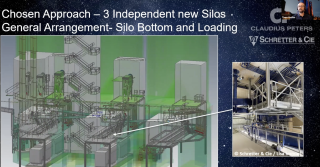
14 July 2022
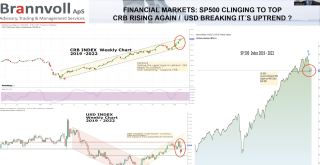
13 July 2022
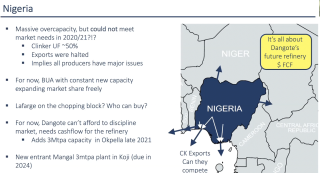
12 July 2022
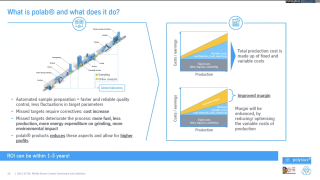
12 July 2022
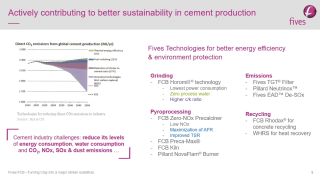
12 July 2022
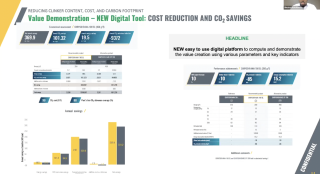
12 July 2022
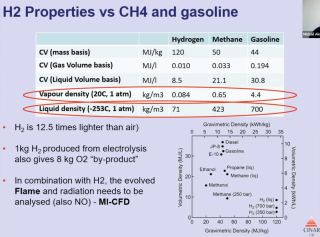
12 July 2022
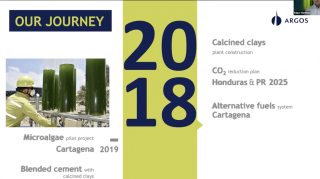
12 July 2022
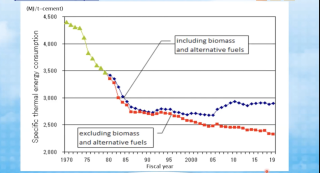
12 July 2022
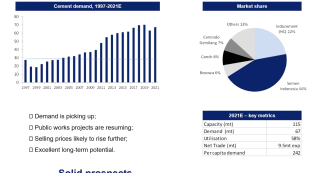
12 July 2022
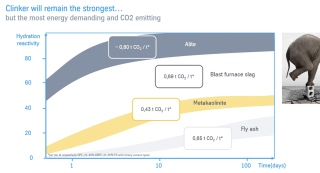
12 July 2022
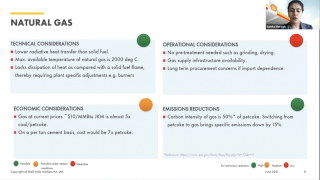
12 July 2022
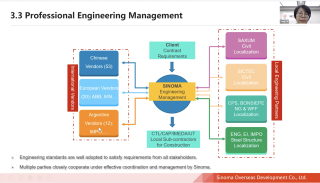
12 July 2022
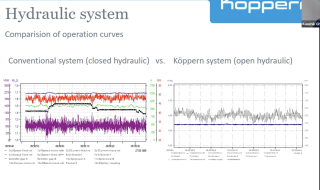
12 July 2022
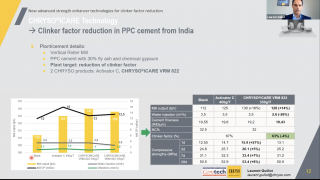
12 July 2022
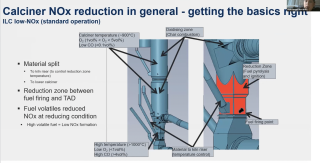
12 July 2022
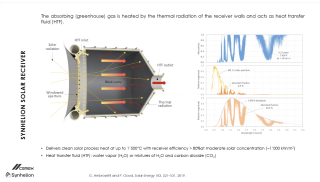
12 July 2022
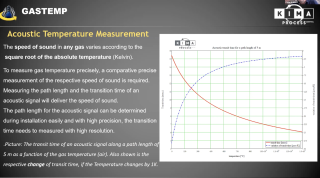
11 July 2022
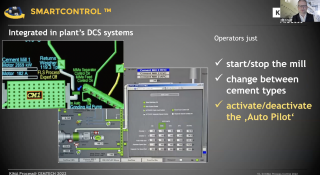
11 July 2022
11 July 2022
11 July 2022
11 July 2022
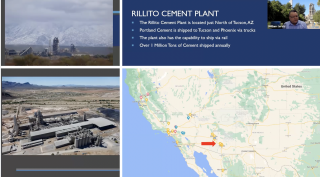
11 July 2022
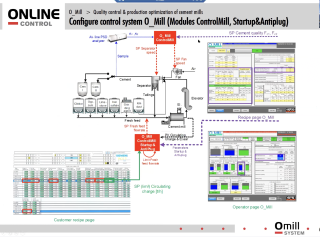
11 July 2022
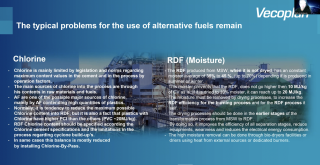
11 July 2022
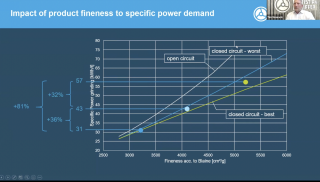
11 July 2022
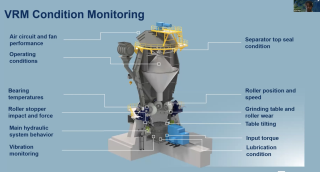
11 July 2022
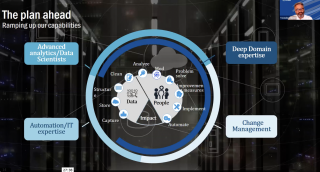
11 July 2022
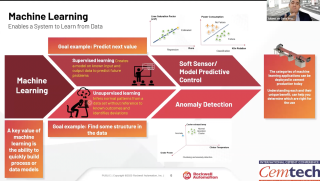
11 July 2022
11 July 2022
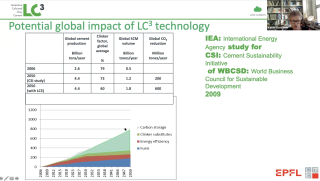
11 July 2022
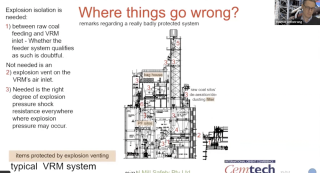
11 July 2022
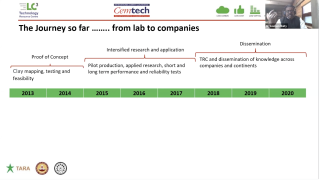
11 July 2022
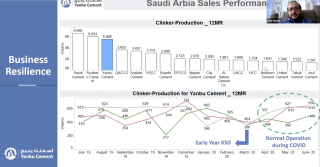
11 July 2022
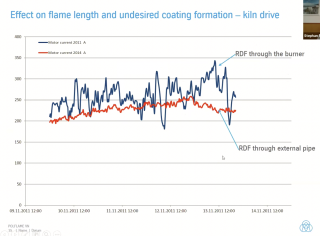
11 July 2022
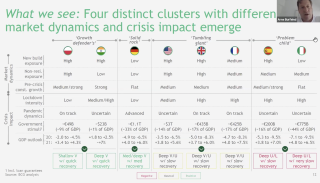
11 July 2022
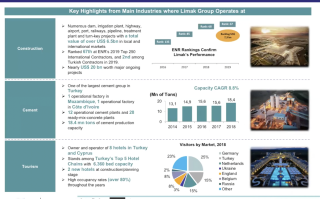
11 July 2022
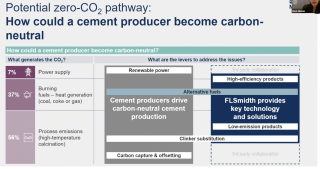
11 July 2022
11 July 2022
11 July 2022
11 July 2022

6 July 2022
1 July 2022
1 July 2022

8 June 2022
12 February 2021
12 February 2021
12 February 2021
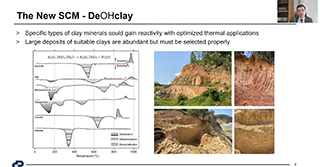
12 February 2021
12 February 2021
12 February 2021
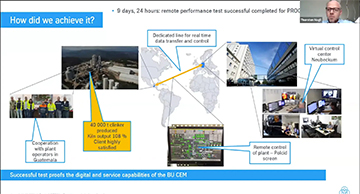
12 February 2021
12 February 2021
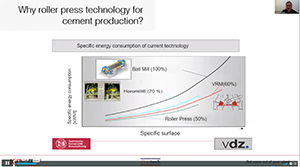
25 September 2020
25 September 2020
25 September 2020
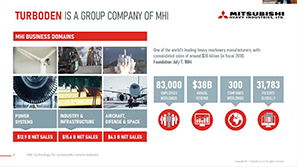
25 September 2020
23 September 2020
22 September 2020
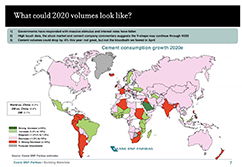
22 September 2020
21 September 2020
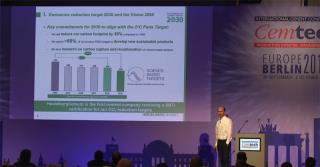
20 February 2020
10 February 2020
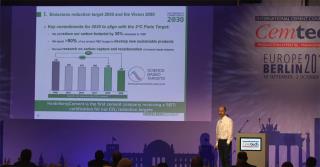
10 February 2020
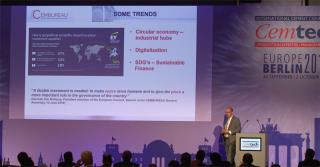
10 February 2020
7 February 2020
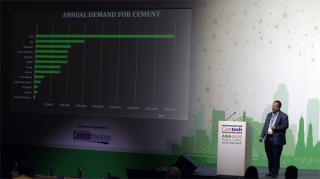
27 January 2020
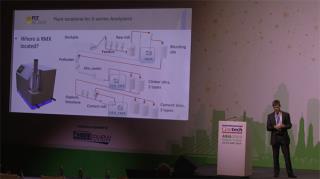
23 January 2020
23 January 2020
23 January 2020
23 January 2020
2 May 2019
30 April 2019
18 April 2019
18 April 2019
18 April 2019
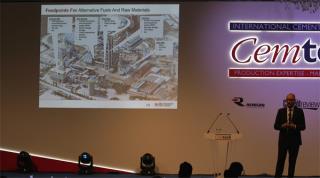
12 April 2019
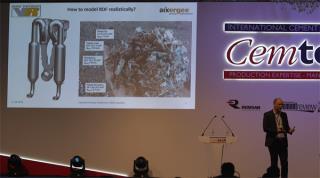
12 April 2019
11 April 2019
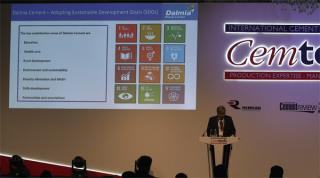
10 April 2019
10 April 2019
10 April 2019
9 April 2019
9 April 2019
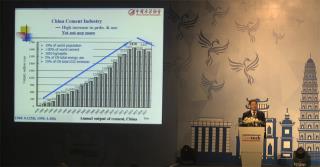
4 February 2019
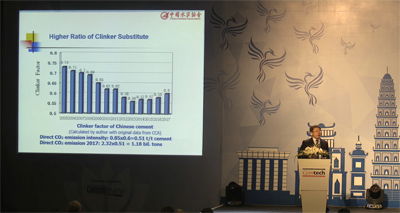
17 January 2019
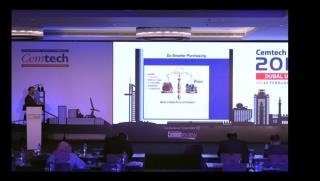
31 July 2018
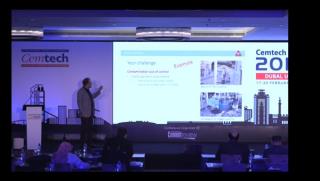
31 July 2018
31 July 2018
27 July 2018
27 July 2018
27 July 2018
27 July 2018
27 July 2018
27 July 2018
27 July 2018
27 July 2018
27 July 2018
27 July 2018
25 July 2018
25 July 2018
25 July 2018
24 July 2018
24 July 2018
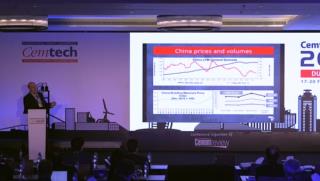
24 July 2018
23 July 2018
23 July 2018
23 July 2018
20 July 2018
20 July 2018
20 July 2018
20 July 2018
20 July 2018
20 July 2018
20 July 2018
20 July 2018
20 July 2018
20 July 2018
20 July 2018
20 July 2018
20 July 2018
20 July 2018
20 July 2018
20 July 2018
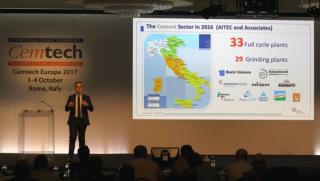
20 July 2018
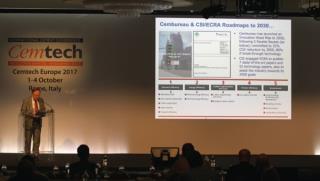
20 July 2018
20 July 2018
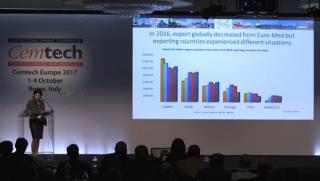
19 July 2018
19 July 2018
19 July 2018
19 July 2018
19 July 2018
23 March 2018
23 March 2018
23 March 2018
23 March 2018
23 March 2018
23 March 2018
23 March 2018
23 March 2018
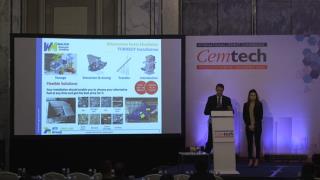
23 March 2018
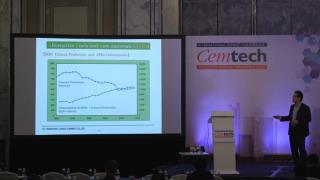
23 March 2018
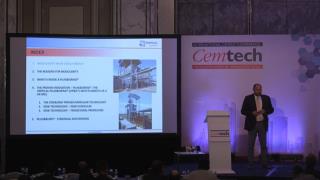
23 March 2018
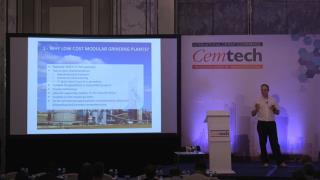
23 March 2018
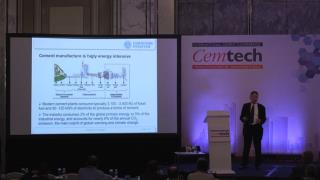
23 March 2018
23 March 2018
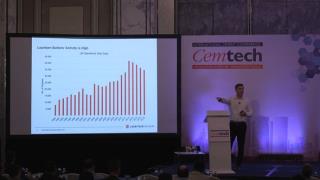
23 March 2018
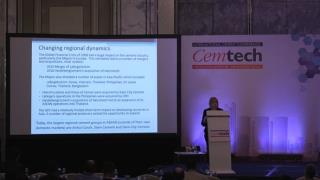
22 March 2018
26 October 2017
26 October 2017
26 October 2017
26 October 2017
14 August 2017
14 August 2017
14 August 2017
14 August 2017
14 August 2017
14 August 2017
14 August 2017
14 August 2017
14 August 2017
14 August 2017
14 August 2017
14 August 2017
14 August 2017
14 August 2017
18 July 2017
18 July 2017
18 July 2017
16 June 2017
16 June 2017
16 June 2017
16 June 2017
16 June 2017
14 February 2017
14 February 2017
14 February 2017
14 February 2017
14 February 2017
14 February 2017
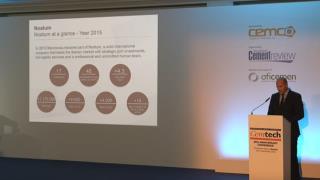
14 February 2017
14 February 2017
14 February 2017
14 February 2017
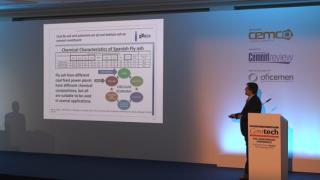
13 February 2017
13 February 2017
13 February 2017
19 January 2017
19 January 2017
17 January 2017
17 January 2017
17 January 2017
6 January 2017
18 August 2016
18 August 2016
18 August 2016
18 August 2016
17 August 2016
17 August 2016
17 August 2016
16 August 2016
16 August 2016
16 August 2016
12 August 2016
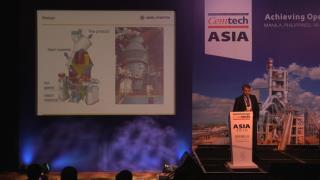
12 August 2016
12 August 2016
11 August 2016
11 August 2016
11 August 2016
10 August 2016
10 August 2016
10 August 2016
8 August 2016
8 August 2016
8 August 2016
6 May 2016
6 May 2016
6 May 2016
6 May 2016
6 May 2016
6 May 2016
6 May 2016
6 May 2016
6 May 2016
6 May 2016
6 May 2016
6 May 2016
6 May 2016
6 May 2016
6 May 2016
6 May 2016
6 May 2016
6 May 2016
6 May 2016
6 May 2016
6 May 2016
25 April 2016
25 April 2016
11 March 2016
11 March 2016
11 March 2016
11 March 2016
11 March 2016
11 March 2016
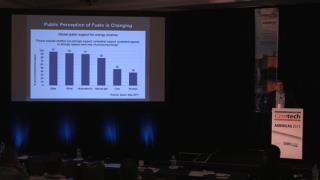
11 March 2016
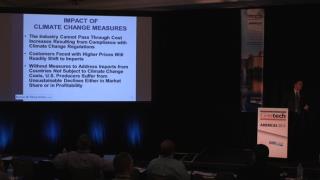
11 March 2016
11 March 2016
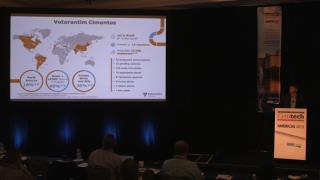
11 March 2016
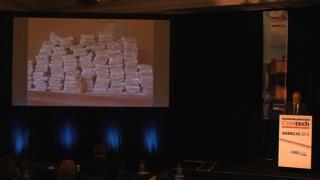
11 March 2016
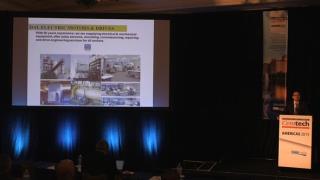
11 March 2016
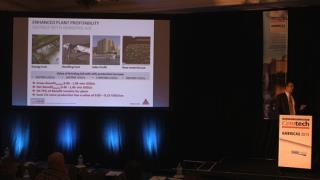
11 March 2016
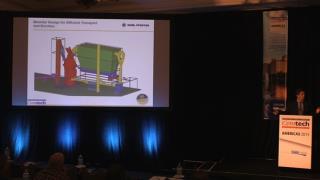
11 March 2016
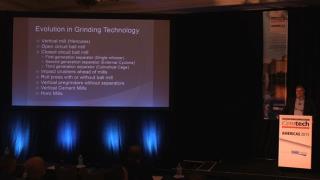
11 March 2016
11 March 2016
11 March 2016
11 March 2016
11 March 2016
11 March 2016
21 December 2015
15 December 2015
15 December 2015
15 December 2015
15 December 2015
15 December 2015
15 December 2015
15 December 2015
15 December 2015
15 December 2015
15 December 2015
15 December 2015
15 December 2015
2 December 2015
2 December 2015
2 December 2015
2 December 2015
2 December 2015
2 December 2015
2 December 2015
2 December 2015
2 December 2015
2 December 2015
2 December 2015
2 December 2015
21 August 2015
21 August 2015
21 August 2015
21 August 2015
21 August 2015
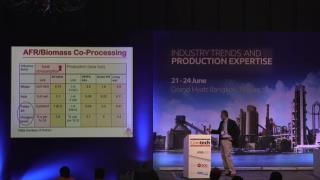
21 August 2015
21 August 2015
21 August 2015
21 August 2015
21 August 2015
21 August 2015
21 August 2015
21 August 2015
21 August 2015
21 August 2015
21 August 2015
21 August 2015
21 August 2015
21 August 2015
21 August 2015
20 August 2015
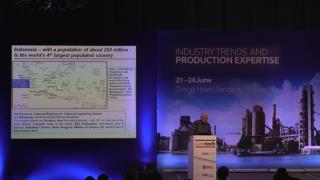
20 August 2015
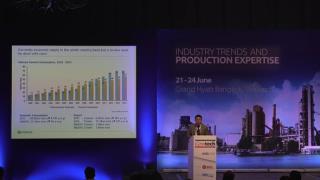
18 August 2015
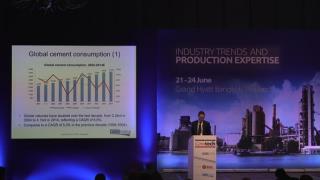
18 August 2015
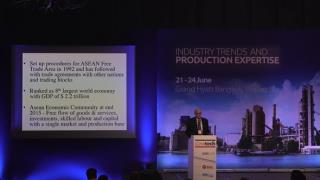
18 August 2015
18 August 2015

30 June 2015
29 June 2015
29 June 2015
29 June 2015
29 June 2015
29 June 2015
29 June 2015
29 June 2015
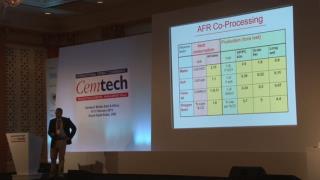
29 June 2015
29 June 2015
29 June 2015
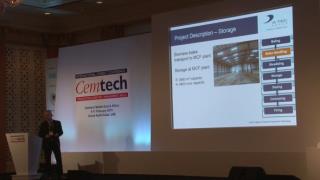
4 June 2015
4 June 2015
2 June 2015
2 June 2015
2 June 2015
2 June 2015
29 May 2015
29 May 2015
28 May 2015
28 May 2015
28 May 2015
18 February 2015
17 February 2015
13 February 2015
13 February 2015
Try searching for another title.