
2 September 2026
This transcript was generated automatically and may contain errors.
Good afternoon and hello and good morning and good evening. we, wherever you are calling from today it's really great to welcome you back to the May symtech webinar. this week we are gonna move on to our next topic. we're gonna be looking at energy efficiency in cement plants and taking it from lots of different angles. of course we've already covered energy efficiency in different ways. in past webinars, we've done digitalization, looking at alternative artificial intelligence. We've looked at alternative fuels grinding systems and obviously carbon capture at the beginning of the year, but we're about midway through our program. thanks to all of you who keep returning.
it's really fantastic to have such good participation. so just take a look on the, the chat. hopefully it's enabled and we can get you communicating. I'll just like set that up for you now. so you should be able to take part in the chat. Please introduce yourself and get some questions going as well. as we move through the webinar, you may have questions for the speakers, and you've got a little icon at the bottom q and a icon that you can press and type in any question before we get going, a few words about us we're International Cement review. our application is monthly, and we also have wonderful services and information on cnet.com. take a look.
there's a sub subscription offer there for you. keep in touch with the latest developments in the cement industry. subscribers automatically receive a free copy of the cement plant operations handbook, invaluable for all plant engineers whichever section of the production process you are working on. and there's also the cement plant environmental handbook available for those of you wanna focus more on the kind of emissions monitoring CO2 reduction topics. but also everything from quarry to the higher process clinker and grinding is, is covered in the environmental handbook. global cement report is out now.
for those of you who are working on the markets, Mark May be possibly entering a new market or wanting to scope out your market in more detail. this is now fully updated, the Global Cement Report. 15th edition comes with a wonderful database of cement plants and statistics for the last 10 years for around 175 countries. We'll be in person in Asia in June, come to Jakarta for EMEC Asia 2024. it's gonna be a fabulous event. We have over 50 exhibitors and participants from across the region. a wonderful way to stay in touch with your colleagues throughout the industry. that's in June. and just a quick mention of emec Europe.
this will be taking place at the start of October in Poland one of Europe's Europe's biggest cement markets. And we're gonna have a very exciting program for you there. the call for papers is now open. if you'd like to make a presentation, and especially if you're a cement producer and you wanna share some of your knowledge experiences operating cement plants do get in touch, just send your proposal to info@emec.com. Enough of my introduction. I think there's enough of you. now logging in for us to get started with the program for today. energy, be Efficient, cement Plants. we're, we're gonna be looking at different things. obviously Paro process will be part of it.
we have optim and chemo looking at that aspect of the cement manufacturing process. We'll be looking at maintenance and lubrication and how that can impact on energy efficiency. And we're gonna go beyond the plant itself, in fact, and look at logistics for cement producers and how you can do great things by deploying certain software, ai powered software to improve your, your logistics. So a, a great program for you line up. we're gonna start with Dirk Schmidt who I'm sure many of you know from attending these webinars. Dirk is a a director at KEA Process Control. he's has a wealth of experience in the industry.
he began in 1990 as an r and d engineer for combustion optimization at BFI automation in Germany, and later became head of sales at Durag Group. 10 years later, he founded Power Tech Intelligent Technologies, one of the first artificial intelligence companies in the cement industry. From 2008 to 2015, Dirk acted as director of sales for in Cement engineering, PECO, Kein, and ProCon, and most recently for chemo process control companies based in in Juli in Germany. But I understand today Doug will be dialing in from Hanai in Vietnam. So Dirk, we are ready for you if you'd like to share your slides now. a warm welcome to you and over to you now. So I give free my, my screen.
I hope that we can also start the presentation from here if you would give me a short feedback if it is to see. That's lovely. We can see that and we can hear you very well. Thank you. Excellent. In this moment, I say from Hanoi, from Vietnam. I recently opened the Asia Pacific yeah, technology and service center here in the region, and I'm very proud to present today to all of you, improved energy efficiency for the salmon industry. Yeah, since 1996, chemo process control is not doing something else than improving energy efficiency. In the last couple of years, this was becoming, of course, more popular because energy efficiency is not only money saving, it is of course also CO2 reduction.
The carbon footprint is of course very important. And if you see how we can improve energy efficiency, I would like to share with you a few products. Smart will. The well-known precise fill level measurement for boil mills is a absolute necessary instrument. If you want to optimize boil mills in energy efficiency, even for other artificial intelligence control systems. This sensors supply or provide the most significant informations to bring boil milks to an optimum of operation. The kine cooler mix that what you see here behind on this short video, it paints rotary kilns. No, it is of course not that we want to make this rotary kilns white.
We use instead of air blowers, water spray water mist systems, which cool the k shell efficiently instead of air. It'll be part of my presentation of course. Guest temp and guest temp flow is a brand new data mining guest temperature and flow measurement system, which improves or gives the opportunity to improve pyro line operation because it measures much, much more precisely. Airflows contactless airflows today are measured by delta P or pit tube. We are measuring it with an acoustic principle. Finally, we measure just time.
So we come to a so precise measurement that we can measure gas flows with plus minus 1% of failure only, but our company's name chemo process control shows what we are originally doing with AI modules and advanced process control. We developed a software called Smart Control, and Smart Control is a toolbox of various software tools to enhance and to kick up the, the, the operation and energy efficiency of ball mills as well as of vertical roller mills. But the system's name is Mill Pilot. Then we do the same of course on kilns using again, ai, latest AI modules, inclusive model, predictive control for the control of entire pyro processes.
And here also to say mill pilot and kiln pilot are new names in advance and in before we have called it Mill Master and kiln master, but recently we decided to change these names, not only because of this master, especially also because the company HOL Bank Holsen was partner from 2008 to 2018 of Kima, and we provided them this kiln master and middle master systems. The software is not too comparable today with that, what wholesome is using today. So this is why we changed this name. Now, coming to energy efficiency improvement, energy efficiency, you know, is very often very disaster. When you cool your kiln shells, your k shes are usually cooled with air blowers.
The necessities of course, there that kilns must be cooled to protect, of course, the steel and the refractory inside. We know since more than 10 years as operating this Kuhn cooler technology that this water must, which is sprayed just there when necessary gives a lot of energy efficiency. You see that we are working here with four TERs and these TERs are controlled to just spray water when necessary. So you see that we build up here a closed loop control. So originally we should not talk here about kiln shell cooling. As you can decide which temperature exactly you would like to have. We should talk here about kiln shell temperature control. This system is based on infrared sensors.
As I said, TERs, they are a little bit air perched so that they cannot become dusty and affected by, by their precision. And of course then the water spray nozzles where we need three bar of water pressure and a very, very low amount of water. It is not that we bring here with a garden hose or so, a shock cooling to the kiln. We make that very, very carefully. And this is with this mobile unit possible also alongside the kiln where you see here, this, this handrail and alongside this handrail, you can move the system easily by open and closing this clamps. Here you can move the system easily to the point of necessity. Even in desert area, like here, fu Jira cement.
These systems are operating now since more than six, eight years without any big trouble and important without any damage of the kiln. So when anybody says still don't put water onto a hot kiln, please be aware it is necessary to co bring controlled water onto a kiln. This is what we do also since 2015 already at lo cement in Salzburg. And you see here the mobile device, which is used today. And after the big success of this small system, the K cooler mobile, the K cooler stationary was born. And you see that not one mobile unit, but certain clusters are now used. and the control is not taking place anymore on the, on the maintenance platform. It is taking place from the central country room.
What we do, we exchange here, the air fans completely, and the latest installations of that is installed in the Hedberg materials plant in Goodland Sleeter, where we equipped unbelievable 55 meters with this complete water control excuse me, temperature control based on water mist. The electrical fans are since seven months in this plant switched off. To make clear here, electricity around 10 kilowatt hours per meter are saved. This is energy improvement here. In this small video, you see that the spray is taking place only where necessary. That means in the zing zone so far.
If in the earlier stages here somewhere would be a coating drop, immediately the temperature would be detected and the spray nozzle would spray as long as necessary until a new coating is there and the temperature is acceptable. Again, with these systems, you see that you not only save the electrical energy of the air blows, as you can see here are huge areas where the system is not cooling. The black cubes show now where the system actually is spraying. So we don't kill this expansive energy, which is usually bought into the system by the main burner. So we don't have a over expected energy loss from the heat radiation from the kiln.
We keep the energy of the main burner and also the energy of the heat corporation from the clinker cooler in the kiln and in the pre heater. Another big, big step in view of of increased energy efficiency. Another picture here from the installation in Thailand, this is SCG in Kenko. And you see here also how rarely the system is just spraying. It is not that the system is continuously spraying water comparable to the air fans, which would run the entire circumference on and on and on and on. Yeah, savings of nearly 2.4 kilowatt hours million kilowatt hours per year on a 30 meters stationary are realistic.
And you can see also from the savings per year when you consider 10 US dollars sand, that a return of invest of this system is easy to reach over below 12 months. This was the kiln shell cooling, but I would also say that the K shell cooling has an effect directly on our kiln pilot, our pyro system, control system, the software, because when we reduce the losses of the energy from the kiln, we see that also in our controller. You see here, the pre heter, you see here, the main kiln and the clinker cooler and everywhere you have of course losses also. And there are huge losses from radiation usually happening from the kiln shell. This can be reduced.
How this can be reduced and how does it work in a kiln pilot or also in a mill pilot. We are using smart control. Smart control is the software name, as I said, of Keas toolbox where we can select between various modules of AI model predictive control, neural nets, but also and important physi logics. I call physi logics always lingual based programming. The big difference compared to the more machine learning and something like that systems is that you don't have to teach, don't have to create a statistical math mathematical model. These math, mathematical and statistical models, which are used in MPC and in neural networks are very, very often a result of 2, 6, 12 months operational data.
The problem in the cement industry is that these data as a reference, build a model, which is later on historical. It is not new anymore. It is not adaptive and fast enough adaptive. The problem is that we fight in the cement world with changing clinker conditions based on artificial fuels, that we have alternative fuels, sorry that we have changing raw materials that we have, have a huge wear situation in mills and also in the pyro system.
So the adaptivity of such mathematical statistical models is from my perspective and from the perspective of chemo process control, not used by the way, this is why we give up with or I give up in 2008 with my own company, Polytech Intelligent Technologies. The mill pilot itself is based on very, very important instrument signals, and this instrument signal is the smart fill over 55 countries in the world, manufacturers there and over 900 ball mills are operating worldwide with this state-of-the-art or better best available technology fill level measurement for Chamber one and Chamber.
Two big groups like Lafarge, Holim, Bootsy, Heidelberg Cement, all of them have their own expert systems, but they use SmartFi as the most important instrument with our system. The Mill Master or Better Mill pilot we reached with SmartFi and the software at YTL in content plant in Malaysia on two cement mills. Just as one example, 6% production increase under full autonomous mill operation. That means yes, this mill is driving full automatically without any interruption or interference from the operator. Interference from operator. You see here how the fresh feed is controlled based on the smartphone information by hand and comparable.
Then when it is controlled by the mill pilot itself, the difference is 6% production increase certified by the customer YTL. So cement met group. Recently we have reached here also on cement mill number one, 12% production increase 12% based. Again, here you see the original pictures from this plant of the on mill unit and also the base cabinet of the smart wheel here, the sound sensors, which we are using on the smart wheel to listen inside chamber. One on the other side is a second sensor for chamber two. Also here, a big difference in the control. You see the manual feed and you see the fill level in the, in the mill itself from smart fill. nice.
When the fill level goes down, the operator says, give more feet. When the feet is or the filling is too high, the operator says less. You see how difficult and continuously he should do that. But operators have to do sometimes different things. And in this moment you see how the mill becomes empty and you can be sure that in this moment you produce not the same cement type anymore, like here because the fineness will be here much higher compared to that. The full automatic fresh feed with the middle master, again, we speak here about 12% production increase smart control is the key, and we use smart control. This software also for the overall concept.
Now in the pyro section, the energy flows from sector to sector are very, very important and make it so difficult for the today's single loop controls. The pre heter, the K and the clinker cooler are often separate control loops, and the interaction of this energy flow brings them into skating effects. This makes it very, very difficult to bring one and the other control loop smooth in operation. That's why we decided to make it in one complete package, in one complete model. Yes, statistic, mathematical models are here necessary in this moment to make predictions into future and to open up the delay times between the clinker cooler and the preheated.
For instance, we have recently made some case studies and analyzations and we see clearly that we are able to increase or better reduce the heating value by two to 5%. And this is a huge amount of energy savings as you can imagine. By the way, when we make such figures and give such figures, we would make it always after an out in this moment, a kiln out. We offer also mill outs after a kiln out, and then we precisely guarantee these figures also.
Yeah, and the key issue for these energy flows between the kiln cool between the clinker cooler, the kiln and the pre heater is this new gas temp flow measurement, which we are using a system which measures precisely and contactless the flow and the temperature. So the anth LP, the energy between one and two, this is done on gas ducts. We can work here on various dust amounts and on temperatures up to 1,500 degree toss. You see here the installation on the tertiary air without any big problem down camera, tertiary air flu, gas stack bypass and waste heat recovery. everywhere we can measure, but the temperature we can measure also in the secondary air.
Very interesting, because here we get the heat recuperation from the clinker cooler online. So this measurement principle, as I said, has a precision of plus minus 1%. As I run a little bit out of time, I would say I can give this presentation easily on another day. I hope I will be able also to present this presentation in Jakarta on the Emec which was mentioned Cemtech Asia, which was mentioned by Thomas already. But here you see the yellow spots again, where everywhere we measure now in the pyro system, and now you can imagine that pre hitter kiln and also the clinker cooler become transparent.
We see now the effect if the secondary air is dropping, we see it in the entire picture everywhere. Where is the influence under condition of the several delay time? This makes it possible to smoothen this process dramatically and save a lot of energy. I hope that this presentation was interesting. I am at the end if there are questions which I cannot answer now in the f and a, please give me an email. I would be pleased to do so because as Tom said, I'm sitting here in Hanoi and yeah, the night has broken up already. I will not participate in the further presentations. I give my excuse to the other presenters and hope for your understanding. Tom. Thank you. Thank you very much, Doug.
Really fascinating presentation especially with the the, the kiln cooler and the temperature control application. very interesting. there are a few, few questions regarding that application. one is it occurred to me how much water is typically used in, in the application, and is it, is it any water that you can use? Are you recycling water from elsewhere in the plant? is that a big consideration? big consideration is maybe the water quality because you cannot use two acid water to bring it onto the steel. That's clear. So we are working here with a hardness of maximum 15 pH on the German scale. However we can deal here with of course cleaning.
The amount of water is important because that, that the spray is taking not place continuously. We speak here per cluster, per two and a half meters, about 50 liters an hour. Can you imagine? This is not very much the most people believe there is hell of water, which we spray no need. after months only such white rings come here onto the kiln, which you see on this picture here from the first plant, which developed with us the system. And this is the shark, which is of course in the water itself. it is comparable. When you paint a wall at home, there is not so much water inside. There's more shark inside here. We have less shark, more water, but at the end shark remains on the kiln.
Very good. and, and you highlighted the the energy savings from, from using that, that system. There are a few other questions in the q and a, but just a another one on the chemo smart control. do you have 24 7 operational support or is that necessary? First, it is not necessary. I can say that we have in the AUM grinding plant of Dun ke, it's, it's a CRH group in France. We operate there fif 14.6 lusher vertical roller mill using smart control. And from Friday afternoon to Monday morning, so 72 hours, this mill pilot is operating this vertical roller mill manless in this plant, not even a person is there. we have the opportunity to switch always between full automatic mode and manual mode.
You can make single loops which you can control or even not, and you can decide, of course, how is the preciseness and the efficiency. You can make it very safe and you can make it very sharp. These are always big influences which you have on the system which makes it very easily to handle. Last but not least, we have a standard office hours, if necessary, we can make also contracts for 24 hour services. Yes, Very good. and just briefly, but it's a good, it's a good question from John Klein, who I think many of us know, Greeting Thankss, John what's the next big step in AI integration in the plant?
The big, big next step is what you see here and what I have maybe shown to combine the kiln pilot with this K shell cooling to combine really outside measurements and control of this Dino area, which we see here on this picture, which has not get that attention over the past decades, which is necessary. A huge optimization potential is in this, in this field here. Very good. Okay, well, that was a really interesting presentation. I'm sure a lot many people would wanna get in touch. do have a look at the q and a, just in case there's anything else that you can answer. But for now, Doug, thank you very much for your time and have a good rest of the evening in Hanoi. Thank you so much, cia. Cia.
Okay. so that's our first presentation getting us underway. I'm delighted now to introduce our second speaker. I'm just gonna make that possible. now Preston if you'd like to start sharing your, your slides Preston Rubbo from lubrication Engineers. he's currently a, a director at Lubrication Liability Solutions. began his career, his career at Spirit, A systems specializing in manufacturing, maintenance and FA and facilities management. He joined Lubrication Engineers in 2014 as a technical advisor before moving to his current position in 2019.
Preston works with large multi-location businesses, providing lubrication, reliability assessments, products recommendations, training presentations and program implementation. He's gonna talk about the impact of machinery lubrication on energy efficiency in industrial operations. Over to you, Preston. Great, thank you. Can you hear me all right, Thomas? Yeah, we can hear you great. Perfect. Well, hey, today we're, we're diving into the maintenance strategy behind rotational equipment at Cement Industries. specifically looking at ways to increase energy efficiency through better lubrication practices. A little bit about lubrication engineers.
at LED, we formulate and manufacture our, our own lubricants using our proprietary additives that our company has derived. our headquarters is in u Wichita, Kansas, USA where we have a manufacturing facility in technology center. we placed a strong emphasis on research and development and technology that ensures that our lubricants meet the needs of our customers and continue to exceed performance of conventional oils and greases in a wide variety of industrial applications. we built lubrication programs, like holistic programs that fit into the maintenance organization to achieve these savings for total cost of ownership.
So our all encompassing lubrication program provides maintenance organizations significant savings when implemented holistically. So we're not, we're not just focusing on lubricants, we're focusing on the holistic program and how that fits in the maintenance strategy of each facility. So we really like to change the mindset when it comes to lubrication. A lot of times we hear, you know, oils, oil, and grease is grease, right? Let, let's just make sure that there's some in the asset to protect from where and and friction there. Well, we really like to ask the question is, how do you view your lubricant? Is it an asset or is it consumable?
A lot of people change out lubricants based upon a timeframe or, or a runtime interval saying, you know, it's time to change the oil because it's December. Well, it's not necessarily true anymore. We have a lot of technology to help show when the actual end of life is for the lubricant and make a more educated decision when to change that out. Some functions of lubricants, obviously, we wanna reduce friction and wear also helps transfer heat, prevents rust and corrosion, seals out contaminants with materials such like purging contamination from ingressing into that bearing transport, contaminants to filters, and then transmits powers in.
In the case of hydraulics today, we wanna focus on reducing friction wear, and that's where we're going to see our energy efficiency increase. So looking at the energy it takes to create work during conversions from one form of energy to another, some usable energy is lost. These energy losses can be extremely costly. So the key is, is looking at the friction produced when we're converting that energy to an actual production movement and reducing that friction. The reduction of friction is where we're going to see our energy increase. The science of physics reveals that lubrication can play a role in reducing energy losses by reducing the friction.
As I just mentioned, the the better lubrication film you have, the less friction, the more efficient the movement is. physics shows that reduction of friction will result in less energy needed to complete the desired work place between two moving surfaces. The lubricant decreases the coefficiency of friction. So the lubricant that does that the best is the ultimate winner and energy efficiency, put it simple, you know, we wanna reduce as much friction as possible to consume less energy. Looking at two surfaces microscopically or, or very closely under magnifying glass, we see peaks and valleys of machine surfaces, or actually where, where paths from metal.
We wanna make sure we're keeping that separate with a full fluid film and actually protecting those surfaces from ever touching again with additives or flu full fluid film of lubricant. so it's possible to measure energy savings in variety of ways including production output, meaning we're able to speed up as much speed up much more product through the, the asset temperature changes or reduction or electrical reduction. so production output is when the equipment can be used to perform more work and have more throughput temperature reductions, you know, increased friction is going to increase temperatures.
We wanna reduce the friction to reduce temperatures and actually, you know, extend the oil life, extend the machinery life, and see less energy consumed to make that rotational asset produce work. You see the, the monolith additive here, monolith is one of our proprietary additives that I mentioned early on. we use in most of our lubricants to reduce friction. So we, we build lubricants beyond just the standards. We, we advertise it with these additives to help reduce friction and extend life of the machine. And the os it, it truly helps keep the two surfaces from ever touching as, as well as or as long as there's not third party debris in between those two surfaces.
So just looking at electrical reduction following some of our energy assessments saving assessments and the implementation of our lubrication reliability improvements that you'll see here shortly. we've documented typical savings on gear boxes, compressors, and electric motors in these ranges that we see here below. this is, this is pretty standard when going from a commodity grade lubricant to a high performance lubricant to be able to see those. The, the key is to make sure that the lubricant stays healthy and leave it in place as long as possible. So, how we break this down is within, within the steam industry, we don't look at a certain asset.
We don't wanna look at just a gearbox or just electric motors. We certainly can to look at, you know, a snapshot of what potential savings could be like, but we wanna look at the entire asset train. So for example, we look at a vertical mill, we look at the electric motor, we look at the gearbox, the lube skid, the electric motors on lube, skid, the hydraulic systems for the rollers. You know, look at everything as, as one package and look at how we can increase the efficiency just from either better lubrication practices or better lubricants overall. And typically we see all of those savings mesh up very well to see a significant savings overall.
So none of this really comes into place unless you have a good maintenance strategy for the equipment. I believe the best, the best approach is defining the five Rs, so the right lubricant, making sure that the, the fluid meet spec for, say, a gearbox. There's standards to make sure that the lubricant has the right additive package, right viscosity can handle the temperatures and the loads that you see in the gearbox, making sure that it's in the right place, the right amount, the right time. We're not changing out good oil. We're not changing out oil. It should have been drained, you know, 3, 4, 5 years ago.
actually having analysis and actual technical approach to it, and then have the right attitude. You know, like I said earlier, a lot of mentality out there is oils, oil and grease is grease, right? We're not gonna change because it's been this way for 50 years. Well, there's technology today that can help the operation overall improve with a better lubricant, and that's, that's what we hope to achieve. So, improve fluid, fluid cleanliness equals reduced downtime, more reliable equipment, longer fluid life fewer maintenance hours and reduces cost component replacement repairs. So filtration is critical.
I'll get into that here in a little bit, but just knowing that there's, there's tools available to use to clean fluid to leave it in place. cleaning the, the fluid itself and actually protecting the entire asset through having cleaner fluid. Again, start with the fundamentals. get a good baseline strategy of these five Rs, and then go from there. Don't, don't overthink it with using today's technology first. Let's make sure that the actual strategy is correct and implement in a small scale that's achievable. So one of the, the major sources for lubrication pain points is contamination.
So we look at, you know, the SEMA industry, there's always dust and debris and, and, and things to get into lube oils. So there's, there's typically D three different types of contamination that's generated. So it's the machine's generating its own wear and kind of compounding that wear mode to, to generate more debris. built in is where maybe you commission a new machine that doesn't get flushed correctly. so new hose is new. New tanks get set in place with contamination already in it. There's a proper procedure to actually, you know, commission a machine. There's flushing, there's, there's cleaning that needs to be done to make sure that the fluid is as clean as possible.
So we don't see a, an instant wear start just upon commissioning the machine. The effects of contamination could be abnormal, wear corrosion and ca of the system. And then there's, there's ways to prevent all of this contamination. Better oil handling processes, making sure that we're keeping containers clean and, and out of the heavy debris area. You know, creating the awareness through better training of technicians and plant personnel to understand that, you know, lubricant is the life flow machine and it is an asset. We wanna treat it like so, so where, let's, let's keep it out of the the back of trucks or the back of, you know, plant mobile equipment.
So we're actually able to keep it clean when it goes to the asset. So I mentioned earlier ingress particle contamination. We're looking at a third body abrasion that. So abrasive pieces that gets between two hard surfaces and starts where generation, again, we're talking about friction here. So friction is increased with more articulate contamination. So if we can filter and keep that out through better handling and storage practices, better filtration practices and actually keep very tight filtration in place where it makes sense, this is critical for increasing efficiency. Looking at that little further this is a example of a hydraulic system for se for example.
So particle count is measured with the iso particle count. This is what your, your numbers here in the, the call. The second column is showing if we lower the particle count, the, the cleaner, the fluid. So for example, at ISO 24, 21 18 cleanliness code, this hydraulic system passes one hundred and thirty six fifty pound bags of dirt through the teeth of the pump in one year. if we're, if we look at the filtration needed and we understand if we could put a filtration car, offline filtration and really get that iso particle count down, and we're, we're stopping the contamination ingression.
So we're able to get, get ahead of that ingression and clean the fluid we drop that particle count to a 17, 14, 11, you are only going to pass one 50 pound bag of dirt through the pump. So again, a hundred thirty six fifty pound bags, we clean it to pass only one 50 pound bag of dirt, you know, through the pump. So we're significantly increasing the efficiency of the overall system, but we're also creating less friction, less heat less wear on the machine, and ultimately increasing the uptime of that asset. So again, oil filtration is critical. I really, I, I'm a big believer in filtration, right?
So you can have good filtration practices with kind of middle of the road lubricants and still see a great energy efficiency increase because of that particle being removed and you're not using so much energy to create the flow that you need. So oil filtration extends the life of the oil, obviously allows easy transfer of clean oil, so you're topping off using filtration, making sure that the fluid's clean as it goes in removing both dirt and water, so you're able to absorb water as well as dirt with filtration. And then oil sampling can be done on these filtration skis and, and making sure that the the fluid's always clean. So good filtration practices truly affect the entire organization.
So good clean fluid reduces the amount of spare parts. machine downtime is reduced, production capabilities are increased, and they allow the, the company or, or production site to be more profitable. Another way to remove contamination is proper breathers. breathers are where the air exchange happens. So like on the hydraulic system air is coming in as flu is going out. So we're making sure that that air is clean from partic and dry from moisture. So dust breather is a great tool for that. This is example of a dust breather that replaces the factory OEM So prevention is 10 times less expensive than removal.
So these breathers are very cost effective compared to a, a very large filtration skit. the most harmful particles are that three to 10 micron range for systems like hydraulics or circulating systems. 70% of failures are caused by surface degradation. So surface degradation is where we're seeing those particles come in and, and start that compounding wear mode. So 50% of that is mechanical and typically 20% of that is corrosive wear. you know, a good quality breather is, is very simple to implement.
Most machine manufacturers have decent breathers in place, and there's a lot of aftermarket breathers and help that you can find on the market to make sure that they're speced out accordingly to the asset and can protect the equipment that you have in mind. So we talked about lubricant as an asset and treating it like the asset and keeping fluid clean from storage to asset. So we really believe in a cradle to grave approach here. We, we like to put color codes in place, consolidate lubricants, making sure that anyone in the, in the organization at your site can understand that, you know, this is the red fluid with a triangle, that that goes to this storage jug that goes to this asset.
And having posters and different indicators of what that program looks like to make sure that the correct lubricant is in place, and to make sure that the machine is running at optimal state because of that lubrication that needs to be in there is in there and not cross-contaminated with other lubricants. So I talked about increasing throughput earlier through simple lubricant change. this is a customer of ours that we put a business case study together with several years ago that had a series of CE Raymond Pul rises. So we, we looked at, at changing the fluid to an LA fluid, a lubrication engineer's fluid temperatures went down.
there was, there was no sludge in deposits on the coolers, which was one of the earlier challenges with the commodity grade lubricants. We were able to reduce the amperage reduction. So here's the commercial grade fluid on the right. So we saw on average around a 96 amperage usage or so we increased throughput from 72,000 pounds an hour to 82, or, you know, about 4,000 on average tons per hour and while having reduced amperage. So another challenge that they had was extreme gear wear. So since converting to gear oil, their pulverizer ball gears did not have to be flipped or replaced, so no opinions replaced due to wear, and the bearing replacement has been minimal.
So really, really increased the uptime of those assets and made them more efficient just through having, having a better lubricant in place. and I believe that this has been going on for the same fluid's been in place for over 10 years. Now. Another application, this is a, a snippet from a customer or business case that I could share. So steady state machines like compressors and blowers are often overlooked for ways to improve efficiency of an organization. So simply by looking at the maintenance strategies in place, they did time-based oil changes, OEM lubricants were only used and there was no oil analysis performed.
So, so with oil analysis and high performance lubricant from, we were able to provide substantial savings shown here. So about a $20,000 annual savings just on these two compressors. so we're able to reduce the routine maintenance because the lubricants are lasting longer. We're using oil analysis to, to dictate that oil drain instead of time. so we're able to reduce the amount of oil used and increased the energy savings there as well. So about a $12,000 energy savings and a seventh $8,000 lubricant savings heavily loaded applications like open gears are a target for us. They lend themselves vary very well to significant savings when looking at reducing friction. So reducing friction.
We're also reducing the amount of lubricant used because of our additive technology we're able to provide. But we reduced this lubricant by 50% lubricant usage by 50%. this was on a kiln at a, a customer, one of our international partners. So the spray interval was four minutes with the previous lubricant and is now backed out to 18 minutes with our Power Shield product. So every four minutes you'd have to spray to have proper coverage. We, we time that back to 18 minutes. We still have good coverage and we're able to see a 5% reduction in kilowatt hours while using less.
So in conclusion you know, the reasons to reduce energy consumption include conserving natural resources, reducing emission that we all know, and improving profitability. So the waste oil, the waste stream of lubricants can be significantly reduced. We have good practices in place. indirect energy use, the more commonly called industrial use, is greater in all regions of the world than direct or personal use, or are homes and personal use there the greatest source of potential reduction in the industry. And we feel that targeting lubricants is, is one of the best places to start to reduce the friction and reduce the overall energy.
the key to success here is finding a, a lubricant com company that can provide, provide the right high performance lubricants for all applications, as well as recommending reliability solutions solutions that pair well with that lubricant to extend the life of it and the equipment itself. Right? So that is it. I hope that this presentation has helped everyone take a deeper look at lubricants and start viewing them as an asset and shed some light on the fact that they're, they're not all the same and they should be looked at very, very closely. We're trying to make improvements. Thank you very much Preston a great presentation.
Lots of ideas and tips for improving maintenance and really very effective for just practical steps that you can take, you know, to set, you know, check out your maintenance plan, set a strategy, and then I think this filtration seems to be the key to really improving the effectiveness of lubrication systems. and I think you said that one, one application that had used the same fluid for 10 years, Correct. Which sounds extraordinary. yeah, that just shows you how a, a a a a well running system can, can really have you know, it can really is very durable For sure.
So and, and you also highlighted you know, five 5% reduction in CLO hours there at the end in open gear systems again really just highlights very, very clear savings. must be a great incentive for people watching this today. So you are based you are based in the us. where, where else do you work? where else can people get in touch with lubrication engineers? Sure. So we are a global company. We have about 70 global partners that we distribute through and work in the field with. we cover the US very well, but also our team out of the US does support our global partners.
So my contact information there on the slide would be a great place to start, and I'll get you in touch with the right support team in your area. That's fantastic. Well everyone will receive these slides along with the recording of these sessions. just check your emails out and that information will be sent to you. But for now Preston, thank you very much for your presentation. Thank you, Thomas. that's great. Okay, so moving on from maintenance and lubrication to a very different topic. we're gonna have a look at logistics. and now we're gonna hear from Lars Lambrecht from Inform in Germany. And he's gonna talk about inform some software for truck and distribution optimization.
Lars is a, an expert in digital transformation and optimization of production and logistics processes. previously as co-founder and managing director of Energy Desk, Lars gained experience in the design implementation of smart devices as processes and products including predictive maintenance solutions and industrial IO OT projects. He joined Infor, a German based software company in 2022. in his current role as head of road Transport, he helps global cement and ReadyMix producers improve their logistics performance. and, and there we go. Your your graphic is, is showing nicely there on the front of your presentation. Lars, I hope everyone can see that. Lars, over to you.
Yeah, good morning, good afternoon, and good evening from me. thank you Thomas for the warm introduction at the opportunity to speak on this event. in our time together, I would like to speak about some of the use cases and related benefits you can achieve when you allow AI based tools to support your building material logistics. to set up the stage, I would like to start with an AI example, which is not directly related to our industry, but beautifully shows the dynamics and the profound impact AI is already exerting and will continue to exert in our world.
I'm not sure if the video is running smoothly in this Zoom webinar, but what you might see on the right hand side of my slide is a photorealistic video sequence that was generated by an AI on the basis of a simple text prompt. using that I a by space tool, you can describe anything from a cement truck driving on a dirt road in the mountains to bicycle race on an ocean with animals riding the bicycles. And this will create video, which is incredible realistic. here we have a very new AI technology with, which was revealed to the world just three months ago, and I think it's very easy to imagine that the impact that technology will have on industries such as filmmakers or special effects.
having said that, I'd like to use the next 20 minutes to share five examples of how you can already take advantage as of as AI use cases in our industry and contribute to the overall energy efficiency of our business. No, but before we start on our deep dive into the ways AI can empower and future-proof logistics, I would like to take a moment and say a few words about our company inform, at Inform everything is about digital decision making. We are a software company with more than 1000 employees, which is it's headquarter in a, in Germany and offices all around the world.
And as this claim digital decision making is whether abstract would like to give you some examples of how you may have already benefited from our software products and services without even realizing it. first of all, I would like to mention aviation. if we were all meeting at real conference that rather than a virtual one, there's a good chance that we would have flown from an airport near our hound hometown to get there. And as airport ground operations of many airports around the world are operated based on our AI supported software tools, you might have benefited from those without even noticing it. The second example are our activities in the risk and financial crime management.
Let is assume you would have used your credit card to rent a car or pay for the conference holder. Well, our AI based risk and fraud software solutions are protecting more than 70 million bank and mobile accounts, and may also used a third example among a lot of others. Our activities in the building material logistics. Here we are making use of AI based software tools to support your strategic tactical planning activities, as well as your daily law or logistics operations. So what are the five use cases I want to address today? The first one is related to strategic planning. Strategic planning normally takes place every few months and addresses questions around your distribution network.
For example, how many trucks should I buy? The second one is related to the technical planning process, which typically takes place the day before the order execution and tries to figure out what is the best setting to balance costs and service level. Now, coming back to the amount of trucks, the question would be how many trucks to use for that specific day? And third, I would like to showcase three AI examples related to your daily operations. AI supported realtime scheduling how to use dynamic prices to lower demand peaks, and how to make use of large language models like chatt PT in your daily operations.
So coming to strategic planning, the goal is to identify the most cost and resource efficient supply network for the current or any expected future demand, not related questions among others. should I close, open or move any of my plans? Or how many trucks do I need to fulfill the demand? Not to answer these questions. AI based algorithms are fed with informations to your plant network, the demand distribution, the transportation distances and capacities and further information. The typical outcome is now shown here on the right hand side of my slide.
on the left part of the picture, we are seeing that the as is situation of the demand fulfillment of one simulation we conducted last year every duct indicates a customer and the color is an indication for the plant, which has been used to fulfill the demand. On the right hand side, we see the demand fulfillment for the optimized network. As you can see the color distribution of the dots is different, which is one of the results of this kind of simulation. Now, for example, we do not see any dark dots on the right hand side anymore, which indicates that the related plant is not used anymore and should be closed in a cost and resourced optimal scenario.
Also, what do you get from this kind of AI supported and data-driven strategic planning process? the table on the current slide shows the result of a network simulation we have performed last year in the ReadyMix business. As the actual figures are confidential, I can only give you a relative figures, but I think they illustrate the added value variable. What we see are the results for the travel distance, the travel costs, well, the fixed plan costs and the production costs. And finally, the total costs for the initial situation. Of course, these are all 100%.
If you now compare these with the results of the network optimization, we see that the average costs to fulfill the demand could be reduced for in this specific scenario by something between 60 and percent. And as most of these cost aspects are correlated with resource consumption, reduction in costs come along with a reduction in resources. So I think this AI driven approach gives you a very nice opportunity to compare different setups of your supply network as a basis of, for example, for your investment decisions. The second use case of AI in our industry I would like to address today is the tactical planning or pre-planning, as it is called sometimes.
as already mentioned, the pre-planning typically takes place the day before the order execution and tries to find a setup to balance logistic costs on the one hand with the service level or on-time performance. On the other hand here, AI supported algorithms can be fed with the order book for the next day the available truck fleet and all other relevant data to calculate different plans for different setups for the next day as a basis for your decision of how to run the next day. Now, here in the upper right picture, we now see exemplary plan. Each line represents one truck. Every solid bar is representing a delivery to a customer, and the shaded bars are the empty runs back to the plant.
No the color dots are indicators that this specific delivery is, is expected to be late. Now, if we now play around with the input data, for example, by removing some of the trucks or adding some trucks, we are getting different plans with different related KPI sets, and we can now make a data-driven decision of how to operate the day in question. So in the lower right picture, we see, for example, that in this scenario, every truck will do five deliveries and we will expect that nearly 88% of all deliveries will be on time. So what are the short to term goals of this process? what we see here are, or is the typical relationship between loads per truck and day and the on-time performance.
what we see is that more loads are typically related with a lower on-time performance. and one of the initial steps of the pre-planning process is to define the server service level, a cost relationship you want to achieve for your operations which is a kind of an optimal process window as shown in the picture. And if you're now analyzing a scenario no for the following day, and you find that the relationship is outside your target window the pre-planning gives you the opportunity to modify the setup so that the day in question will be in that particular predefined window afterwards.
Now, the strategic goal of this process, of course, is to move the target window to the upper right side, which means that you're doing more loads per truck and day without a negative impact on your on-time performance. So having said that, I would like to move on to the possibilities AI is providing in the area of your daily operations. So here we have three different aspects. The first is real time scheduling, which which is the core of your daily logistic business. After that, I would like to talk about the possibilities and benefits AI provides in dynamically adjusting the price point.
And finally, the use of large language models like chat GT or related technologies to overcome language barriers between your drivers and your dispatchers. So how does an AI supported dispatching process looks like? First we have the orders being entered into the ERP or order taking system. Those are then being forwarded into the dispatching system where the AI supported algorithms are executed every one or two minutes to provide an updated plan for the day, which takes all available real time information into consideration. The dispatcher account now work with this or, or those proposals.
And when they assign a load to a truck, the ticket data is forwarded to the telematics system so that the driver know what to do next. And simultaneously, the ticket data is pushed back to the EP system to eventually be forwarded to the batching computer or the weight bridge so that the batching computer can start production. during the order execution. The telematics system then sends status and position data back to the dispatching so that the AI supported algorithms have relevant real time data available at all time. So what are the benefits of this approach?
The first thing we see are at our customers when they start using the system is that the truck utilization is increased, which means that the trucks are doing more deliveries per day. Another aspect is that the optimizations taking the complete distribution network into consideration, which means that when one plant has much more to do than another plant, the trucks are automatically transferred between the plants, if that is providing any benefits. The third aspect I would like to mention is that there's an immediate reaction to all realtime changes.
Now, if, for example, a truck has a breakdown or the driver is late in the morning, the plant future deliveries are automatically distributed to the rest of the fleet. And to put that in numbers, including AI based algorithms into dispatch, leads to an increased track productivity for all the different business lines. And as there are in our industry ready mix, aggregates, and of course, cement. Due to the short distances of the deliveries, the effects the biggest in the really ready mixed business and can be up to 37%. But also in cement, we have seen improvements so far between something between seven and 21% in productivity.
So to give you an idea of what that means for a typical customer, roughly, I would like to share the following results of a case study where we compare the financial outcome of a manual plan with an optimized. Now we see that the company has done 580,000 cubics with an average track productivity of 24.1 cubics per day without optimization, no resulting in logistic costs of roughly 9.6 million euros, including AI based optimization. We have the very same amount of volume, of course, no, but we find an increase in truck productivity, two 30 cubics per truck and day, resulting in a reduction of logistic costs to a value of only 7.4 million.
That leads to a saving of over 20 percent of the logistic costs equaling out to a total saving of nearly 2.2 million euro in this case per year. As a fourth example of how to make use of ai, I would like to showcase how AI driven dynamic pricing can help you to reduce logistic unit costs. The idea behind this is that you're using incentives to flatten your order book. No. The initial situation is typically that your order book and the related deliveries are somehow unequally distributed for day, like shown in the current picture. If you're now able to flatten this curve, you would need less trucks for the day.
Therefore, the same order volume of course, which, which leads to a reduction in logistic costs. So how to achieve that the first step is the customer request for a specific time slot based on your current order book for the day and your historical data. And AI is able to provide an variation if this request will nicely fit into your expected final order book, or if you are most likely to achieve an unbalanced order book like shown on the previous slide. Now, when you see that a time slot might app to the unbalance of your order book, a second algorithm is able to calculate a price reduction you are able to offer to smooth your order book.
This is then resulting in a better resource utilization directly leading to a more cost efficient logistic operation. The last example I would like to share today is the integration of large language models into your driver's communication to overcome language areas. Now, various different configurations are conceivable here, but the basic idea is that AI-based tools can translate spoken language into written text and then into another language. Now, this goes so far that a chat bot is used to answer question about the historical data in the database if you connect the database to this AI based algorithms.
So after we now have spoken about the benefits AI made add up to your business the main question is does this oil make sense for your business? No. what we typically do to answer this question is to conduct something we call a simulation study, which is basically a comparison of a manual plan. And the optimization result of this very same order book basis for that is your existing order book I day. ideally for three different days, one busy day, no one typical day and one quiet day. The data is then used to do two things, first to visualize your current situation and second to calculate an optimized plan for the very same data.
No the comparison of the KPI set of both plans is then providing a difference in logistic costs for your individual situation, which can be translated into re and return of invest of including AI into your logistics operations. So thank you very much for your kind attention, and Thomas, I'm handing back to you. Thank you so much. really enjoyed the presentation, especially the the real time scheduling. I think it's really incredible service and, and something that, you know, can't be done without this ai and without this, this new technology, it really is a jump forward.
and then, I mean, as you highlighted, the productivity increases that are cap that are possible, I mean, you know, around five to 10 at the bottom range, but as much as 30 40% at the higher range is, is quite quite something. So for, for companies out there listening, I hope they are paying attention to, to those, those things. dynamic pricing takes it a little another step forward. I guessing, you know, you are, you're looking at mature markets for that kind of product. how well accepted is, is dynamic pricing in the, in the markets that you've you've deployed this are, are we talking mainly Western Europe, north America, or or elsewhere? no, that's a topic. for the complete world.
basically we are just starting into that topic but we have found that we can reduce logistic costs by another 10% by moving the orders around. And that is only possible by providing incentives to the customers. Okay. That's an interesting way to see it. So it's not about price maximization, it's also about delivering better value to the end user then through, through a more sophisticated scheduling. Yeah. The, the trick is that by moving orders around you, you're able to, to save trucks, and that gives you a cost reduction and you are able to, to give a part of this cost reduction, bad as in back as an incentive to your customers. Mm-Hmm.
So for example, if you, you are finding that you're saving up to 10% by removing orders, no, you're able to give, for example, a three or 5% discount, and you're ending up earning more money after that discount. Yeah. Fantastic. It's fantastic. And I think you know, we're talking about energy saving that translates as less trucks, less fuel you know, all these productivity enhancements. and, and, and, you know, we can also talk about decarbonization really you know, just, just resource efficiency in, in the broadest of, of terms. But a very, very impressive presentation. thank you very much Lars, for, for that. You are welcome.
any, any questions you have his details there and we will be circulating the slides after this webinar. Great. Thank you very much, Lars. So let's let's move on to our last presentation. we're moving at a good rate, so I think it's capturing everyone's attention and I'm, I'm really pleased now to, to keep on the theme of ai, but move back into the plant. and now we're gonna hear from Optim from Javier Gasier Sedano who's the founder of the company. he has over 35 years experience in artificial intelligence application spanning industries such as power generation, chemicals, metal processing, and cement.
He's worked with companies such as Iola Engineering or Mabel Group, and TE Research Corporation, carrying out r and d management and technology transfer responsibilities during his career. He has won several awards for entrepreneurship and innovation. but now Javier, if you'd like to share your slides he's gonna talk to us about AI and its its use and applications side the plant. Thank you. Thank you, Thomas. Thank you. And nice to, nice to be here again, nice to be speaking for you all guys. And we have participated in this webinar since the pandemic and very happy every year to be here.
So I am going to talk to you, to you about artificial intelligence application in the optimization enclosed loop for energy and throughput in cement plants. first of all, some few words about Optim. the company was created in 2008. we have a patented technology. We are specialists in optimization, in open loop, in closed loop, and we are right now operating in three continents. In May case, I've been working for artificial intelligence applications in industry since 36 years ago, starting from the power generation, but in the last years, very focused in the cement industry. Here you can see the control room of a typical cement plant.
And the challenge there is that process control room process Operators in the control room have a difficult task to do, which is adjusting the set points according to variable conditions. Changing conditions like those coming from the changing room materials. This is challenging. This is difficult. They have to adjust the temperatures, the pressures, the flows of material and energy and it's not possible for them to adjust them in a, in, in a proper way. And therefore the energy and resources are wasted. And moreover, the veteran operators are retiring, and there is a gap of knowledge and the LA talent laws that is difficult to replace.
So, but because of this this solution is artificial intelligence. Why? Because artificial intelligence can solve those human limitations by means of applying optimal settings, which are the right amounts of of the variables, of the set points, and very important at the right time. So this can be only done by artificial intelligence because artificial intelligence is precise in its amount of of movement. And in the timing of the adjustments, artificial intelligence can be installed on top of the cement process, reading the data from the control system, and learning from those data and making the optimal settings and by means of adjustment back to the control system.
And this is the way of what they obtaining the optimal performance from the cement process. We can be talking of the kiln, or we can be talking of the cement mill or, or the raw mill. Artificial intelligence is all over the place. Practically. Most of you will have experimented with generative AI with those chat bots like chatt pity. And most of you, or, or many of you will have those tools like your set tools for, for your work, for your, for your daily work. The, so, artificial intelligence is here to stay marvelous. Things are achieved by means of ai, and those marble things can be achieved as well in the cement industry. Our product based on AI is optiva.
Opta is an optimizer based on artificial intelligence and machine learning, which has been applied and is operational since 2011. And we are applying them applying it in the, in different verticals, including power, cement, oil and gas chemicals, but very specifically and very, especially in cement industry. And we can optimize by means of opti at the throughput energy, the quality vulnerability, and the stability of the process as well. Some examples of customers who are already using this technology with TIVA are the ones that you are observing in the p in the picture with CRH, Titan Cement, unam, cement, Molins.
but we have customers in in the USA in Latin America, in Europe, in Asia, including China and India. And it's interesting because due to the artificial intelligence effect and the machine learning, the system is continually, continuously learning from the process data. And for example, in Titan Cement one of the factories that we have optimized for them they started with, with 5% of energy savings in the first year, then it did increased to 6%, to 7%, 8%. And right now, they are in 9% of energy savings in the bowl mills of that factory. So this is one simple example, but many other examples are there, like the ones representing in, in this statistic.
This statistic represents the results that we have obtained, validated by customers in terms of energy savings. And you can see here the, in the horizontal axis, the amount of percentage of energy saving ranging from 2% to 12%. And here the frequency. So we can see that, for example, in the vertical meals, we are obtaining maximum peak, most frequent, most frequent result is 6% of energy savings, similarly to with the bowl mill. And in the ca case of the kilns, the most frequent result is 4%, but we have cases as well of 6% or six, 6% savings or more what happens with the throughput? With the throughput.
We have this statistic in our results also validated by customers in which we can see that the vertical mills have the most frequent result is 6% happening as well with the ball mills happening again with with the bisection, with the, with the kill. So the 6% is really possible and feasible result in terms of increasing the throughput by means of ai. So what happens with artificial intelligence and how it assembles with existing systems? Here we can see the pyramid of the hierarchy of automation systems in plants, starting from the sensors and actuators, the basic control loops, the distributed and digital system control system. And then we have the layer of model-based predictive control.
And representative by most of the advanced process controls the APCs that you can find. artificial intelligence is not limited to one or the other algorithm. So it can bring a a lot of different algorithms state of the art, art algorithms that are being created and improved every day. And this is the way that it has at its reach the real time optimization, which is going one step farther and bringing to the optimal parameters like the specific energy consumption or the throughput together with the quality of the, of the, of the process.
So this is what artificial intelligence can do, is put together functionalities of, of advanced process control, plus real-time optimization of the high level parameters. So how can this be done in, and in our case, we have a US patent that is increasing its positioning also. we have obtained it in India recently. And it's it allows us to create and to assemble sophisticated solutions of artificial intelligence for real time applications like the processing of process data and in a graphical way. And by means of composing individual artificial intelligence pieces, which we call skills.
So basically, with simple skills, you can perform sophisticated tasks, and this is the concept behind the, the, the patent. So one skill is not simply one model, because one thinks that oh, one, you are speaking about artificial intelligence, neur networks, you are talking about models. No, it's not only a model. The model has to be accompanied with inference and machine learning algorithms, also with extrapolation, with data selection algorithms. And it needs as well pre processing selection when the skill is appropriate to be applied. And also filters for the output for the results of the skill. So a skill is more than just a model, okay?
And the skill can be train, can be training and be self-learning continuously, and be adapting to the performance of the process in real time. And this is very important functionality. So what we have is sophisticated application like optimization, which is able to solve, learn by means of the self-learning on the individual skills that solve the problem. This is the concept. So sub types of skills include the self-learning, predictive, of course, that's one. Mathematical constraints, diagnosis, skills, optimization skills, skills, which are composition of other skills. we have some as well skills which include fas rule, sci fa inference in capacities.
And if you want to to incorporate a new algorithm, for example, generative ai, you can include another skill. And this is perfectly co regarded in our architecture. So this has been implemented in two of our tools, which is one is Optiva studio. Optiva Studio is the design tool. It allows process engineers without being process process without being experts in AI or data scientists to create solutions for optimization. And this is possible because it's possible to import historical data to train master models, ma, which are converted into skills in a in a very simple way by training the, the skills then assemble the skills in a graphical way and run simulations.
When the solution is okay, then it's executed by the ortho opt, which is the tool on the right optiva, RTO is the optimization tool in real time. It's connected to the process data, reading data in real time, learning from those data, and applying the optimal settings autonomously without human intervention in closed loop. So this is one screen of our Optiva studio tool. And in this screen it can be observed like how different skills of different kinds are put together, are, are assembled in a graphical way. This can be done by a process engineer, a chemical engineer, mechanical engineer the expert in the process. And in this way, it is possible to create, to assemble solutions.
The good thing is that we count with a blueprints, with templates of solutions already created by our experts. We can be which can be applied and, and simply adapted to each specific case for the kilns and for the meals. So this is one example of how the optimization strategy works for for a kiln, including the pre heater, the rotary kiln, and the, and the cooler. And in this assembly of skills that we can see here, we can see different kinds, those skills, which are let's say predictive and self-learning on those in, in a, in a gray color.
And those are able to, to predict, for example, the specific energy cost, the torque the free lime, the consumption energy consumptions in different parts of the, of the kill, of the emissions, of NOx, the emissions of CO the all these kinds of parameters. Everything that is important for the factory, for the operation is able to be predicted here. So there is an optimization engine around and surrounding this architecture and searching for the optimal settings at each simple and at each, each and every condition of the plant. So the workflow for setting this up is starting with configuration and design of the solution with Optiv at studio.
Then it's installed in Optiva, rt o where it is working and reading data from the process control system and learning all the time and making the adjustments in close closed loop Without intervention of the operators, the operators simply are there specifying their priorities. Now, I want to optimize the throughput tomorrow I want to optimize the, the energy, but keeping the throughput in a, in a mini, in, in a level above certain level and their priorities. The product specifications, like for example, the quality constraints, operating limits, all this is specified, but this is only specified once per shift or every time that the product, the type is is is changing.
So not necessary to have the operators adjusting the set points every single minute. That is the task that optiva RTO is doing every single minute or every single five some few seconds of the operation of the plant continuously optimizing and searching for the optimal way of, of driving the plant. So we have patterns and examples in which this is a typical case study for a kill optimization in which you define your degrees of freedom, which are the, the set points that you can modify. You define your constraints, and you define as well your objectives normally in the kill objectives.
Typical objectives are, are the reduced to minimize the energy consumption, the specific energy cost, thermal energy the throughput max to be maximized, and the quality to be preserved or improved. Because the fact is that the, the free line, it normally is improved because of the effect of having it strictly limited by means of the optimizer. Also we find very frequently that there is an interest in optimizing the utilization of alternative fuels. And the good thing as well is here that the full ki the, the, the full system, including the pre heater, the rotary kil, and the cooler are optimized together because all of them have an influence that have a a, a on on each other.
And it's important to take into account the whole system. In the case of the bowl mills, there are, are different set points that can be adjusted. Also, constraints are defined and the normal normally the production quality reflected by means of the blame or passing. For example, if thi if this is a finishing mill, and the energy consumption are the normal objectives in the case of the vertical mills, either for row or, or for or for finishing. similarly, we have different set points that can be adjusted, like the differential pressure, green control pressure, the exhaust fan separator speed, the warrior spray.
And similarly as well, you can select to optimize the throughput, keeping the, the energy under certain, certain limits or optimize the energy, keeping the throughput of the in certain limits. And at the same time preserve the quality or improve the quality. So different optimization objectives can be orchestrated by the optimizer. So the how it works, and normally and this is our, our vision, that more and more factories in the future will be adopting cloud infrastructures because cloud infrastructure allows to abstract from having to maintain software hardware and be worrying about keeping those data centers with more and more machines ever.
and, and the fact is that many things are moving to the cloud, starting from our bank data, for example. But the fact is that factory data is perfectly well seated there. And the, the architecture that can work, for example, is like this one installing the opt at RTO, which is the software running in real time, and to connecting to, to one instance of our software, this solution, which is this assembly of, of skills that configure the solution. This solution can be defined by our own staff by partner staff, but also many seven manufacturers are showing more and more interested in and doing by themselves.
This is the modality that we call the do it yourself, in which specific staff in the semi manufacturer are qualified because we train them to collaborate or to do them by themselves, the the creation, the configuration of the solution. And this allows very well to scale inside the f the inside, the, the factories and inside the, the cement buildings.
But also, of course, there is the possibility of running this on-premise maybe based on edge cloud technologies or maybe in the traditional data centers in the same way, exactly the same way con taking an, an instance of our optimizer and asem putting it together with the solution, the specific configuration of the solution, which can be worked out by automotive partner or the M manufacturer. So the result with this is that we are preserving energy and preserving CC O2 to the planet. We are proud to have accumulated so far more than 165,000 tons of CO2 and this fast. this number is growing faster and faster as we are accumulating installations.
And well, my conclusions is that for you people is that it's possible to apply low CapEx solutions with no need of extra equipment, no need of additional sensors. This is very important for optimizing and having the best, the optimal from your current equipment. In terms of meals and cans, it, this has a very, very fast Roy return on investment in some few months. The re the, the investment is returned because the profit and loss increases by means of increased throughput and reduced energy cost. And this as well has a collateral effect of reducing the CO2 footprint for you and for the world.
Demonstrative results you have seen is 4% in kills and 6% in meals in terms of energy savings, typical result and typical result as well in terms of increasing the throughput in 6% in all those assets. And that's all. Thank you very much for your attention. Thank you very much, Pavier a wonderful presentation. again, very compelling you seeing AI in a different context in inside the cement plant working across all the different processes, raw mills the kiln, the preheated and, and the finished mills. So thank, thank you very much. very compelling.
I, I was I was thinking when you were discussing energy costs when the system's up and running, how are you feeding it pricing data as well for different, the different fuels that are used, or are they, are they being taken into account when, when when conducting the earth 'cause of optimization for, for energy costs? Sure. it's so, such simple as multiplying every energy source that you are using, including alternative fuels and the different fuels that you are using by the price. And what we optimize is the total energy cost per tone of product manufactured. Yes.
So the answer is definitely yes, And, and that, that information's readily available and can be, it can be extracted and, and brought in as necessary. Yes because remember that assembly of skills that was the solution for the k the output of those skills is all, all the individual KPIs that you are interested in. so if you want to calculate some energy cost at some part of the machine, you can obtain it. If you want to calculate the specific energy cost, the total energy cost per, per day, whatever, you can obtain it in a mathematical way and display in the user interface. So it's very simple to do. you say there are, there are no new sensors required.
It can, it can, it can go on any, any plant and, and work with the existing sort of data that, that, that's there. Is that, are, are there any instances when you do require some kind of base level of sensor data? really not because the most challenging kind of data that you can find in real time is the quality data. For example, sampling the, the free lime in, in Kansas is typical in some plants. you can have samples every hour. In others, you can have samples every two hours. In others you can have samples every four hours.
But in those three cases we have worked, and that's possible to create skills that are able to predict to to re to resembles accurate models of, for the prediction of the free line. Even in those circumstances have those models, those skills be learning all the time just on the basis of the available data that they have. So it's and all the data is process data, which is perfectly controlled by the control system. So very, very few exceptions. Yeah. In terms of availability of data there's one interesting que question here. the role of AI in case of process disturbances or, or emergencies how does it, how does it fare under those kind of more extreme situations? Mm-Hmm.
For more extreme situations the concept of a skill is such flexible that you, you in a way that you design yourself your own optimization solution, and you can create a skills that can take care of a specific conditions. You can create the skills that take care of of instabilities in the plant and recover the insta the instability before continuing or before focusing on the optimization. And this is possible thanks to optimize mathematical skills, and also by means of s rule skills, which are there, which facilitate the rule-based let's say rule-based conduction of a situation which may be in a abnormal situation. And this is in coordination with the optimization.
So the strategy is if you find the situation which is abnormal, then restore the normality by means of specific situations. Then when you have the normality situation, then is when you can continue the let's say normal optimization, the steady state optimization. Very good. and just to go back to an earlier question that we had what do you think is the next big step in ai in terms of, you know, part integration? is there, is there something much bigger that we can look forward to, or are we just gonna be going further with with what we've got here?
I think that in the short term I'm talking of few years we will be observing more and more movement to the cloud because it has a clear advantages, even if you go to some cloud, provider of euro prefer to have your own cloud cloud provides a lot of facilities and and simplicity for the maintenance of every kind of hardware and software. But in the longer term, what we will observe is systems able to more and more able to self conkey figure to complexities and be able to reduce the setup times of these kind of solutions. Because we normally our setup times range from eight to 16 weeks including everything including data acquisition and final testing and commissioning, everything is included.
But Does that, does that include the, does that include the learning phase? Yes. well, it's the configuration in fact because the learning comes continuously once we, we leave the system working with the tested and configured skills, but the skills will be still learning along along the years and improve, in fact, they will be improving their performance. But what I mean is that we will be observing systems by be that because of artificial intelligence, we'll be, have more capabilities of self confi configuration, and we will be reducing the setup costs more and more a long time.
This is something that I foresee, and there are technologies which are coming not only the typical generative ai, but other technologies which are being developed in the silence and will show the best effect in the next years for sure. Very Good. Well, very optimistic future. thank you very much, Javier, for your presentation really fascinating and, and hopefully we'll be hearing more from you in your developments in the future. Thank you, Thomas. very glad to be here once again and wish you all the best. Thank you. that's great. And that brings us to the end of our webinar today. a big thank you to chemo process control, lubrication, engineers, inform, and just now Optim.
really fantastic presentations. As I said, you'll be receiving the slides, a recording and your certificate for participation pretty soon after this webinar by email. So check your inbox. thanks again to all the speakers. just a, a a little reminder that we will be in Poland for emtek Europe. the call for papers is out now calling on every, anyone who is interested in presenting manufacturing advances for the cement industry with a focus also on decarbonization. we're looking at clinical reduction energy efficiency and everything up to carbon capture and utilization. So do get in touch. but that's all for now.
thanks for your attention and we look forward to seeing you in June for our next webinar. Goodbye.
Video library
Browse 410 conference presentations, webinars, interviews and technical films from the modern CemNet video archive.
410 videos
2 September 2026

1 July 2026

1 July 2026

30 June 2026

30 June 2026

30 June 2026

30 June 2026

30 June 2026

30 June 2026

30 June 2026

30 June 2026

3 June 2026

13 May 2026
9 April 2026

1 April 2026

4 March 2026

27 February 2026

27 February 2026

27 February 2026

27 February 2026

27 February 2026

27 February 2026

17 February 2026

11 February 2026

7 January 2026

3 December 2025

5 November 2025

16 October 2025

8 October 2025

3 September 2025

2 July 2025

4 June 2025

7 May 2025

2 April 2025

18 March 2025

18 March 2025

5 March 2025
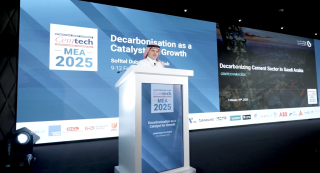
3 March 2025

5 February 2025

8 January 2025

4 December 2024

13 November 2024

6 November 2024

9 October 2024

4 September 2024

3 July 2024
10 June 2024

5 June 2024

8 May 2024

23 April 2024

23 April 2024

23 April 2024

23 April 2024

23 April 2024

22 April 2024

22 April 2024

16 April 2024

16 April 2024
11 April 2024

3 April 2024

11 March 2024

6 March 2024

7 February 2024

10 January 2024

10 January 2024
10 January 2024

6 December 2023

1 November 2023

4 October 2023

15 July 2023

15 July 2023

15 July 2023

15 July 2023

13 July 2023

24 March 2023
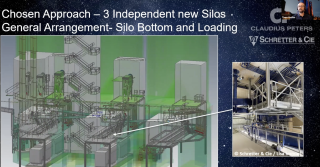
14 July 2022
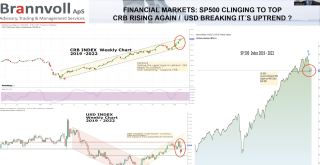
13 July 2022
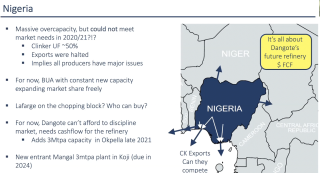
12 July 2022
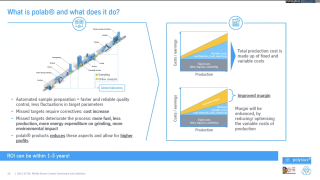
12 July 2022
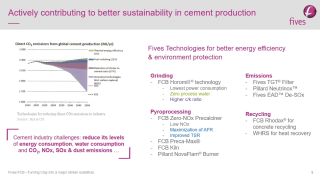
12 July 2022
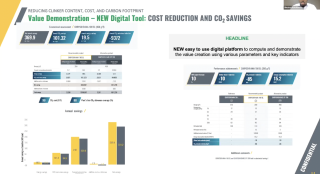
12 July 2022
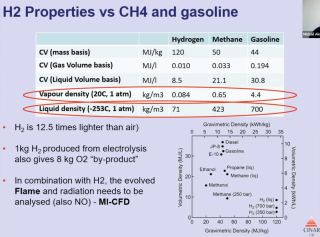
12 July 2022

12 July 2022
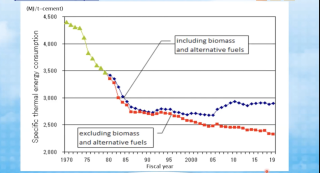
12 July 2022
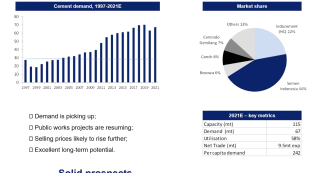
12 July 2022
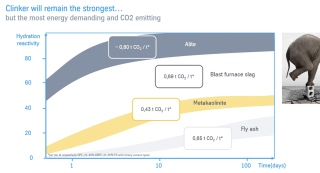
12 July 2022
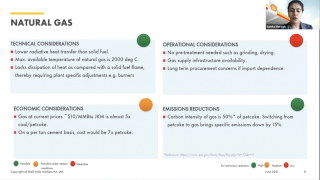
12 July 2022
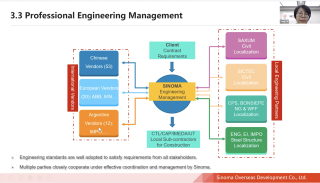
12 July 2022
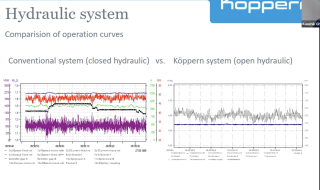
12 July 2022
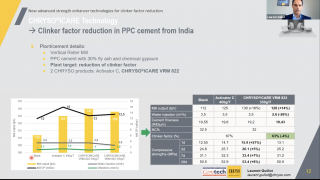
12 July 2022
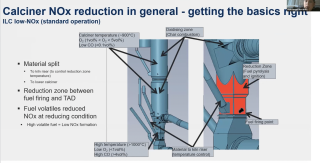
12 July 2022
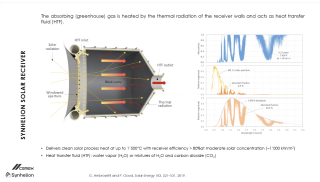
12 July 2022
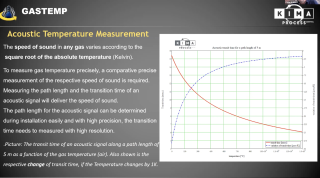
11 July 2022
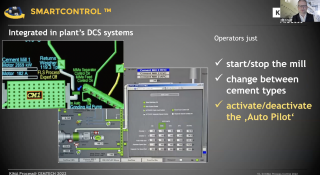
11 July 2022
11 July 2022
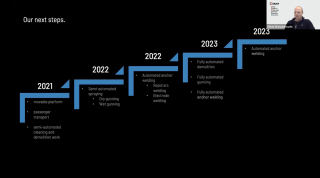
11 July 2022
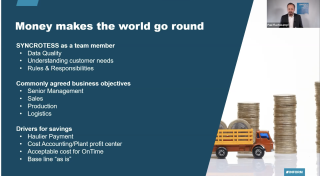
11 July 2022

11 July 2022
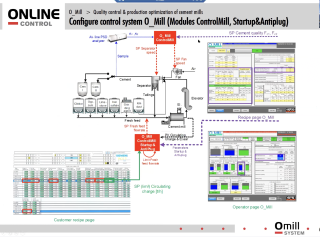
11 July 2022
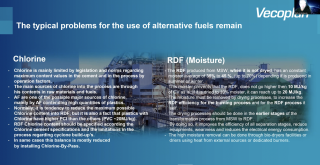
11 July 2022
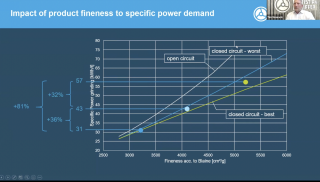
11 July 2022
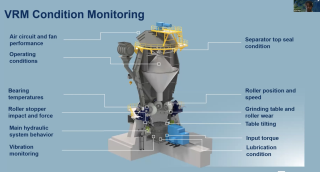
11 July 2022
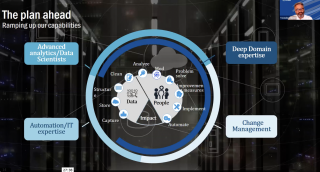
11 July 2022
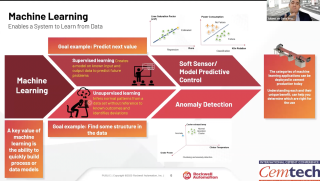
11 July 2022
11 July 2022
11 July 2022
11 July 2022
11 July 2022
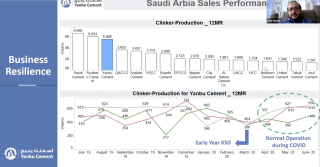
11 July 2022
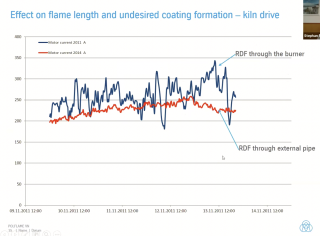
11 July 2022
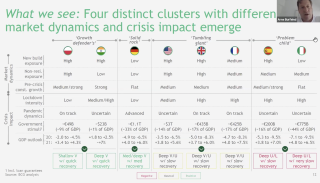
11 July 2022
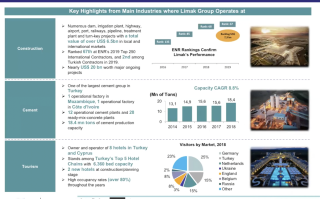
11 July 2022
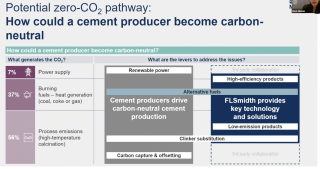
11 July 2022
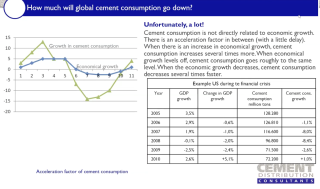
11 July 2022
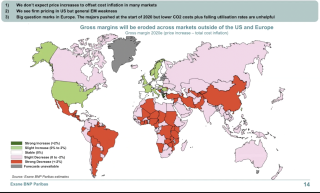
11 July 2022
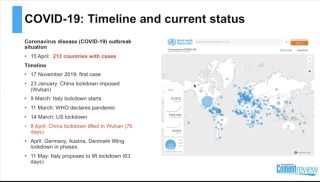
11 July 2022

6 July 2022
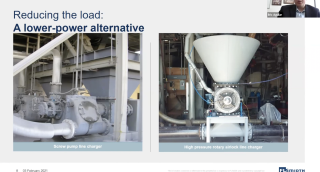
1 July 2022
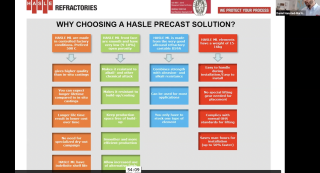
1 July 2022

8 June 2022
12 February 2021
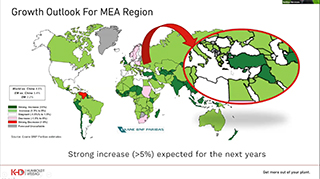
12 February 2021
12 February 2021
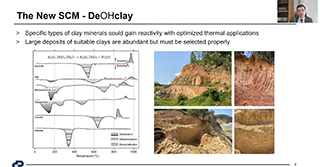
12 February 2021
12 February 2021

12 February 2021
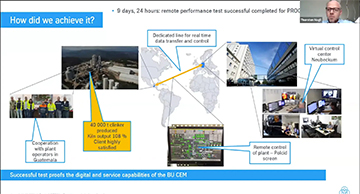
12 February 2021
12 February 2021
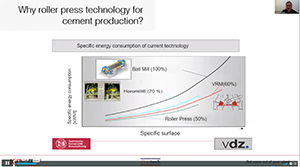
25 September 2020
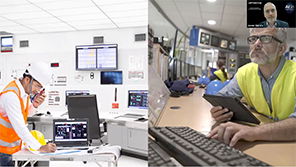
25 September 2020

25 September 2020

25 September 2020
23 September 2020

22 September 2020

22 September 2020
21 September 2020
20 February 2020
10 February 2020
10 February 2020
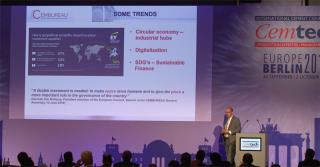
10 February 2020
7 February 2020
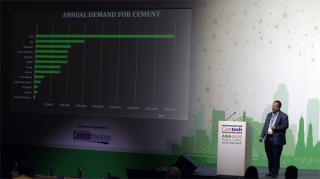
27 January 2020
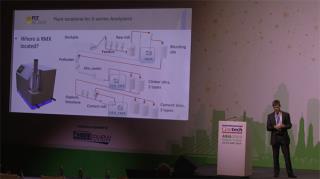
23 January 2020
23 January 2020
23 January 2020
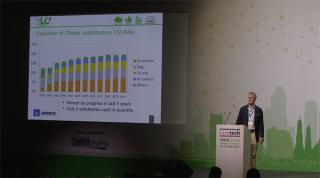
23 January 2020
2 May 2019
30 April 2019
18 April 2019
18 April 2019
18 April 2019
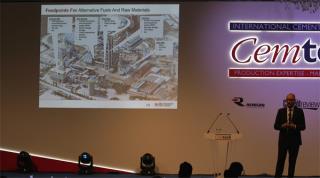
12 April 2019
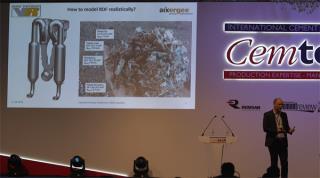
12 April 2019
11 April 2019
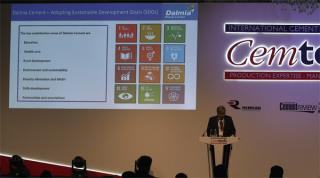
10 April 2019
10 April 2019
10 April 2019
9 April 2019
9 April 2019
4 February 2019
17 January 2019
31 July 2018
31 July 2018
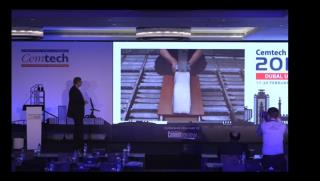
31 July 2018
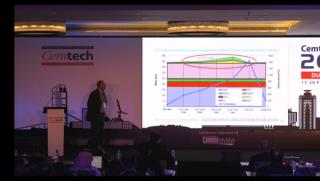
27 July 2018
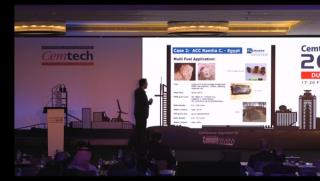
27 July 2018
27 July 2018
27 July 2018
27 July 2018
27 July 2018
27 July 2018
27 July 2018
27 July 2018
27 July 2018
25 July 2018
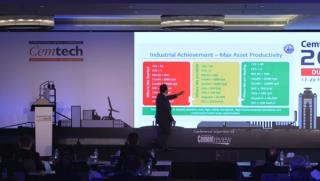
25 July 2018
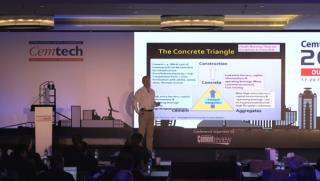
25 July 2018
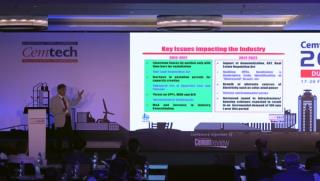
24 July 2018
24 July 2018
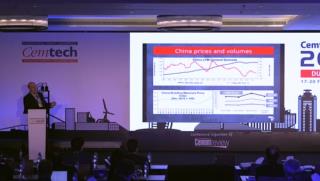
24 July 2018
23 July 2018
23 July 2018
23 July 2018
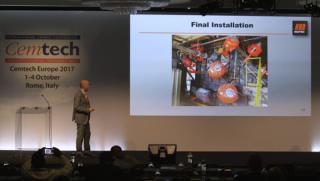
20 July 2018
20 July 2018
20 July 2018
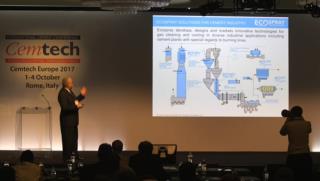
20 July 2018
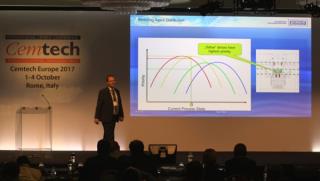
20 July 2018
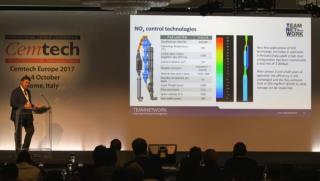
20 July 2018
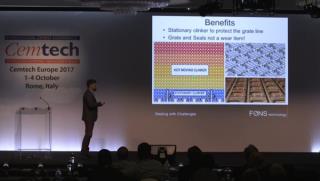
20 July 2018
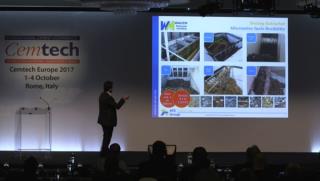
20 July 2018
20 July 2018
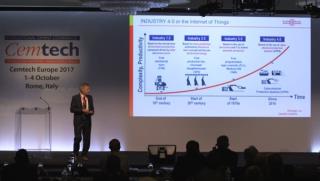
20 July 2018
20 July 2018
20 July 2018
20 July 2018
20 July 2018
20 July 2018
20 July 2018
20 July 2018
20 July 2018
20 July 2018
19 July 2018

19 July 2018

19 July 2018
19 July 2018
19 July 2018
23 March 2018
23 March 2018
23 March 2018
23 March 2018
23 March 2018
23 March 2018
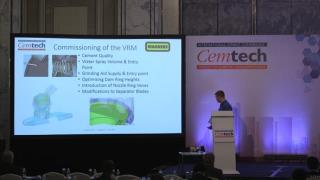
23 March 2018
23 March 2018
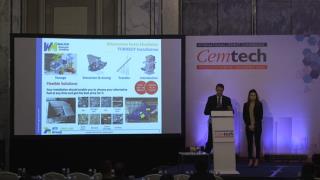
23 March 2018
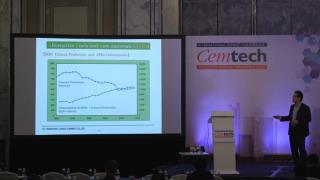
23 March 2018
23 March 2018
23 March 2018
23 March 2018
23 March 2018
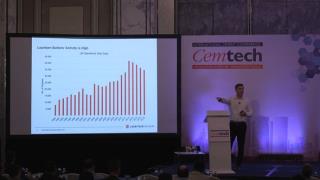
23 March 2018
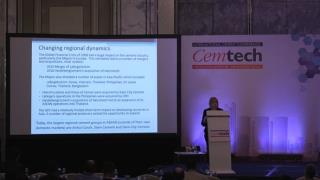
22 March 2018
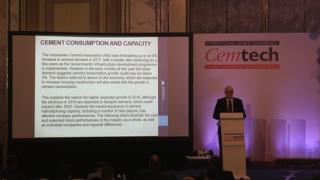
26 October 2017
26 October 2017
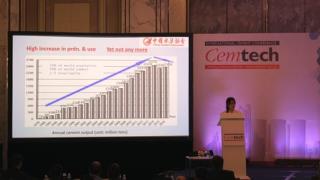
26 October 2017
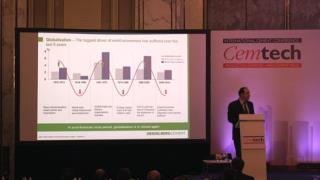
26 October 2017
14 August 2017
14 August 2017
14 August 2017
14 August 2017
14 August 2017
14 August 2017
14 August 2017
14 August 2017
14 August 2017
14 August 2017
14 August 2017
14 August 2017
14 August 2017
14 August 2017
18 July 2017
18 July 2017
18 July 2017
16 June 2017
16 June 2017
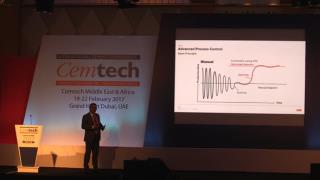
16 June 2017
16 June 2017
16 June 2017
14 February 2017
14 February 2017
14 February 2017
14 February 2017
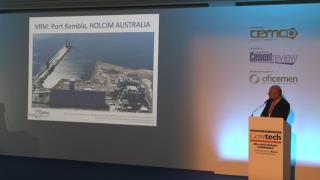
14 February 2017
14 February 2017
14 February 2017
14 February 2017
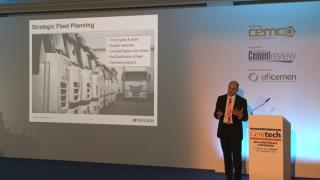
14 February 2017
14 February 2017
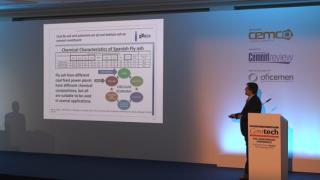
13 February 2017
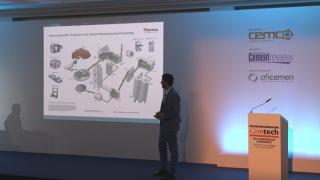
13 February 2017
13 February 2017
19 January 2017
19 January 2017
17 January 2017
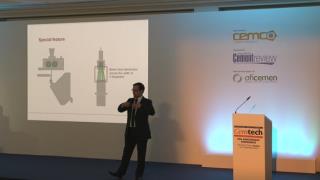
17 January 2017
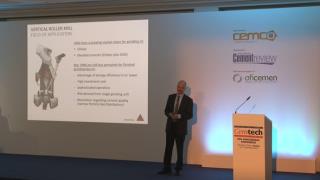
17 January 2017
6 January 2017
18 August 2016
18 August 2016
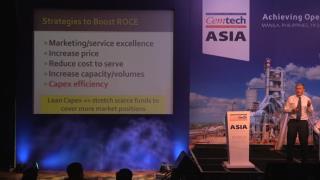
18 August 2016
18 August 2016
17 August 2016
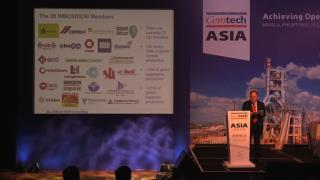
17 August 2016
17 August 2016
16 August 2016
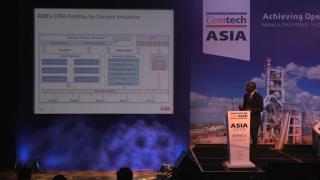
16 August 2016
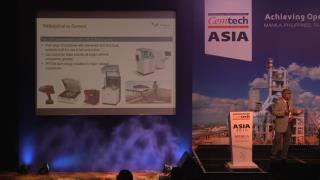
16 August 2016
12 August 2016
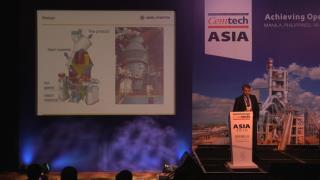
12 August 2016
12 August 2016
11 August 2016
11 August 2016
11 August 2016
10 August 2016
10 August 2016
10 August 2016
8 August 2016
8 August 2016
8 August 2016
6 May 2016
6 May 2016
6 May 2016
6 May 2016
6 May 2016
6 May 2016
6 May 2016
6 May 2016
6 May 2016
6 May 2016
6 May 2016
6 May 2016
6 May 2016
6 May 2016
6 May 2016
6 May 2016
6 May 2016
6 May 2016
6 May 2016
6 May 2016
6 May 2016
25 April 2016
25 April 2016
11 March 2016
11 March 2016

11 March 2016
11 March 2016
11 March 2016
11 March 2016
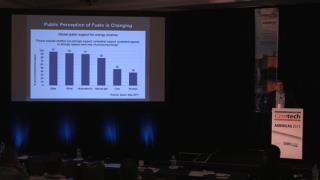
11 March 2016
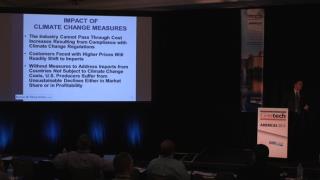
11 March 2016
11 March 2016
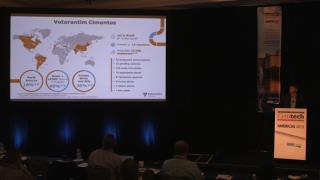
11 March 2016
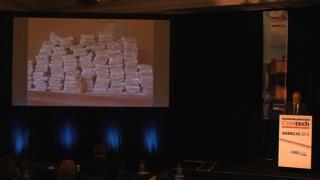
11 March 2016
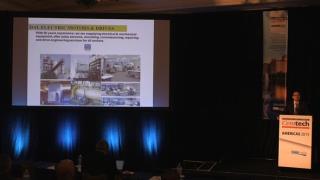
11 March 2016
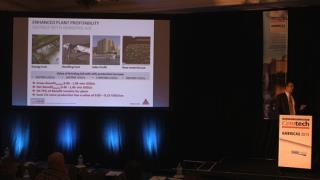
11 March 2016
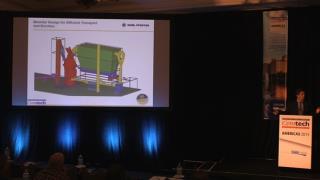
11 March 2016
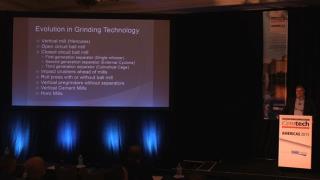
11 March 2016
11 March 2016
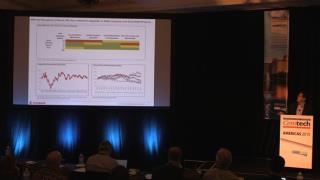
11 March 2016
11 March 2016
11 March 2016
11 March 2016
21 December 2015
15 December 2015
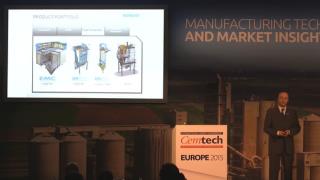
15 December 2015
15 December 2015
15 December 2015
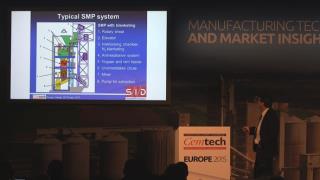
15 December 2015
15 December 2015
15 December 2015
15 December 2015
15 December 2015
15 December 2015
15 December 2015
15 December 2015
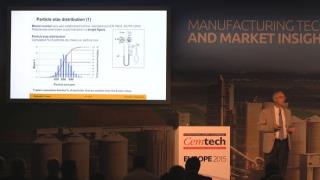
2 December 2015
2 December 2015
2 December 2015
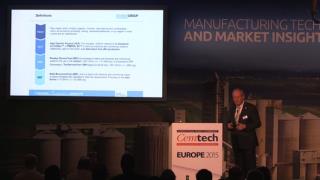
2 December 2015
2 December 2015
2 December 2015
2 December 2015
2 December 2015
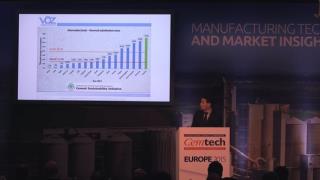
2 December 2015
2 December 2015
2 December 2015
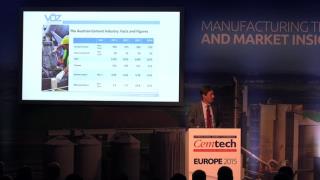
2 December 2015
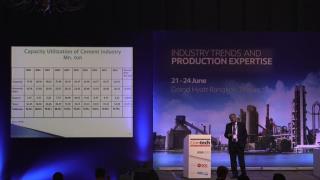
21 August 2015
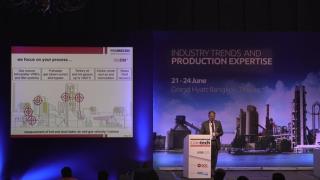
21 August 2015
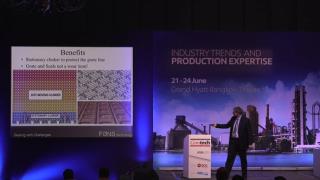
21 August 2015
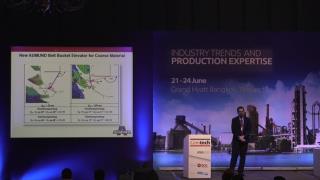
21 August 2015
21 August 2015
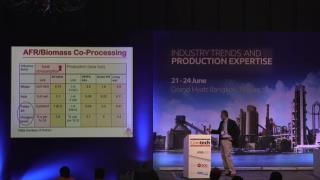
21 August 2015
21 August 2015
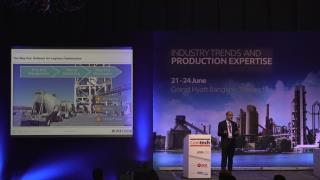
21 August 2015
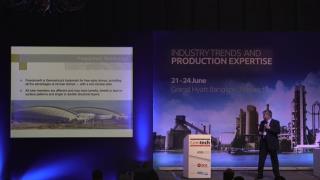
21 August 2015
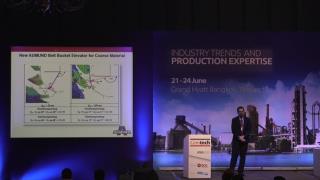
21 August 2015
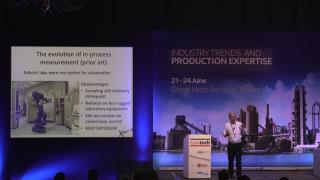
21 August 2015
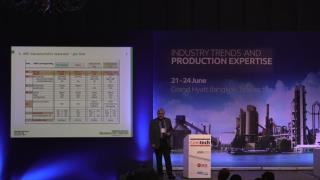
21 August 2015
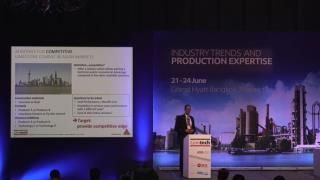
21 August 2015
21 August 2015
21 August 2015
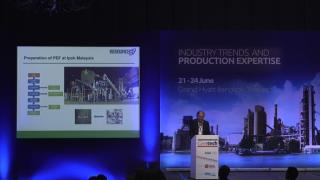
21 August 2015
21 August 2015
21 August 2015
21 August 2015
21 August 2015
20 August 2015
20 August 2015
18 August 2015
18 August 2015
18 August 2015
18 August 2015

30 June 2015
29 June 2015
29 June 2015
29 June 2015
29 June 2015
29 June 2015
29 June 2015
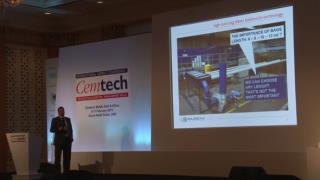
29 June 2015
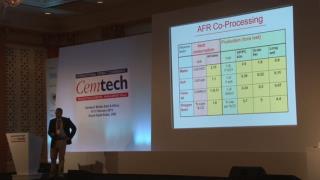
29 June 2015
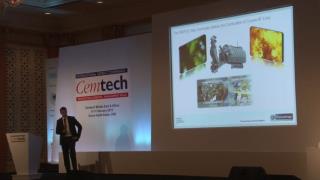
29 June 2015
29 June 2015
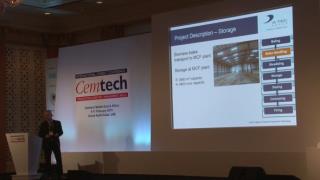
4 June 2015
4 June 2015
2 June 2015
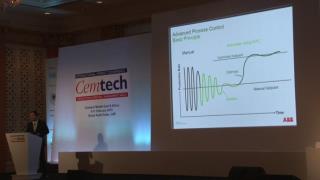
2 June 2015
2 June 2015
2 June 2015
29 May 2015
29 May 2015
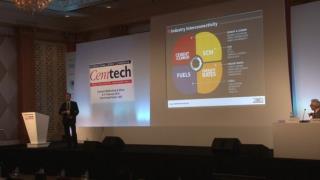
28 May 2015
28 May 2015
28 May 2015
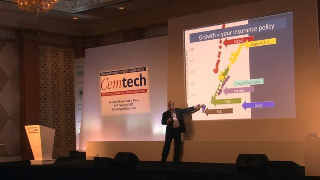
18 February 2015
17 February 2015
13 February 2015
13 February 2015
Try searching for another title.