
2 September 2026
This transcript was generated automatically and may contain errors.
Hello and welcome to today's webinar. It's December, 2023 the last webinar of our series. my name's Thomas Armstrong. I'm a managing editor of International Cement Review. it's my pleasure to to be here today. we'll be discussing advances in cement prior processing technology. So if you've been following our 2023 series we've been through really the whole of the cement manufacturing process. we've looked at emissions control, energy efficiency all sorts of angles relating to decarbonization alternative fuels quality to control, grinding, and as I said today processing just a quick word. about next year, we've we've confirmed our program.
we'll start again in January on the 10th of January, and we'll be looking at carbon capture technologies. I'm looking forward to hearing KC eight capture Schneider Electric Sum Turmo, KHD in that webinar. So put that in your diary, and we'll be circulating the rest of the dates in due course. A quick word about international cement review. these events are organized by ICR and our magazine is published every month. it's the leading industry subscription magazine offers a wealth of in information on the global cement sector covering technologies and markets.
in each issue of the magazine, you'll find detailed art articles covering all subjects featured in our monthly webinar series, giving you the chance to keep on top of industry developments, technical innovations, and market trends. So, for more information and to subscribe, please visit simnet.com. We'll be given a chance to have a free copy of the Cement Plant Operations Handbook, the standard reference size guide to cement manufacturer, or you can choose the Cement Plant Environmental Handbook free, absolutely free to all subscribers. take a look at at simnet.com/subscribe. before we get going, a quick word about our next event. we'll be in Dubai in February.
lots in the news at the moment about the COP 28 meeting. obviously discussing decarbonization across the world, and we'll be fo focusing on the cement industry in our annual Middle East and Africa conference. really excited about this, that a lot of well-known names will be in our exhibition and speaking at this event. we also have a, a, a great series of panel sessions organized, so please, if you wanna update and get started and new it new year do look at our website and register. It's ww ctec.com/mea 2024. And now onto our agenda for today, advances instrument power processing technology.
very pleased to have three very well known comp companies and presenters who have something to offer on this very broad but very important subject. we're gonna be looking at different aspects of prior processing but with a particular emphasis on the application of AI in advanced process control systems and also various angles on combustion but also looking to the future looking to the net zero cement production scenarios that are so well outlined in the various roadmaps. and in particular looking at hydrogen and what role that has to play in the cement sector going forward. So it's a, it's a great pleasure now to be able to welcome our first presentation and speaker Tahi abba from Cena uk.
Tahi, if you'd like to load up your slide deck now. Mm-Hmm. Tahi is a director managing director at Cena, LTV. he's works as a research fellow at Imperial College in London, specializing in various research projects related to low emission and higher efficiency carbon technologies, flame stability, and the co-processor and firing of waste derived fuels. He's also authored and co-authored about 250 papers and sat on research proposal evaluation panels for European Union. CNR specializes in solving industrial problems related to combustion optimization and emissions reduction using its in-house computational tools.
tejas Tahir if you'd like to share your slide deck now we get we can get started. Share screen. Okay. That's it. Yeah. Okay. And now you're in, you're in presentation mode and we can see all slides. So I'm pleased to hear it's, it's great to have you here. and please get going. Yeah. Thank you, Thomas, for the introduction. I'll start straight with the subject. global Cement and Concrete Association projection for CO2 reductions 2023 to 2050. So, initial progress the last 30 years, so we can, we can see some energy of efficiency and use of altered fuels and the raw materials.
We have 30 percent reduction roughly in CO2, and now we have the, this decade seven years left here to prepare the technologies. And then the next 20 years to implement. I'm sure there's going to be some overlap between 2030 and 20 35, maybe up to 40. And then we arrive to the net zero CO2 emissions. Is it doable? only with the worldwide agreements like this conference of parties 28 is happening now in Dubai and the technology readiness level and at what price the technology is available, but at currently very expensive to be implemented. So we need to find better ways of improving these technologies cost-wise. And that's another stuff from GCCA roadmap for net zero.
there are various actions to be taken, and the CCUS is not applied yet, but it is going to grow and grow up to 36%. So major part would be coming from the CCUS to reduce this CO2 emissions and use of hydrogen as a fuel is, is taken into account, considered there for the future CO2 emission reduction measures. And here is a project which ran for three years on the short term CO2 emission reductions from the combustion. So detailed technical, environmental and safety aspects were considered.
And Cena was involved in the modeling part mineral interactive computational flow dynamics and physical demonstrations at two full scale plants was taken, and biomass was CoFIRED in the kil as well as in the calci. And then we have the plasma and hydrogen in the, and in the calci respectively. And then we have the plasma shift towards hydrogen, 40% hydrogen TSR in the calci, along with the biomass. so a study which was a hundred percent carbon and neutral ran for one month, which I will, will, will look at. And then that was the words. I'm having some problem here. Yeah, that was words. first, such large scale exercise.
So hydrogen as alternative fuel to replace a hundred percent coal in a, in a kiln. So detailed mathematical modelings simulations, but carry out to design the for hydrogen and also spec specifications for the kil L and boundary conditions. And during the demonstration, coal was completely replaced with the hydrogen and meat and bone mill. And, and the trial was planned to take place over a month five separate days to replenish some of these fuels, biomass fuels, and acquire the hydrogen.
so that's the coal typical ous coal with liquid fuel, similar chloric value air here, and CO2 emission factor kg of carbon dioxide per gigawatt value, 95 and 85 85, slightly less because of the higher hydrogen content as compared to the coal. So the comparison would be made for the coal as a base case. So the solid fuels based on hydrogen coal fired with the hydrogen biome base fueled for net zero. So that's the hydrogen meat and bone milk dried per rice, and then glycerine that as a liquid. So chloric value very high for hydrogen on mass basis. And then we have medium to medium to low for the glycerine.
And the CO2 emission factor here, we have zero CO2 emission factors, and the main concern was the five times higher nitrogen content than coal, and the meat and bone mills. So very high NOx values were expected. So can we reduce these high values generated in the kil with the similar setup. And the, the signers are through better viral processing. So these are some of the reserves for net zero fuel trials from the kiln energy consumption. So hydrogen rich net zero fuel mix had neither thermal energy efficiency gains, nor the losses. CO2 emissions awarded 40%, as was the thermal split for the kil. And then we look at the flame shape and the temperature.
No significant change either in the flame shape, peak and kiln back and gas temperatures were slightly higher due to earlier ignition of the hydrogen. Higher activity kiln code formation remained the same. No change related to the coating formation and the impact on the clinker quality. Again, no significant impact on the clinker quality as verified through microscopic investigations, XRD beck and CO and NOx emissions harbor increase CO2 10 to 21 which is still insignificant, but for the NOx 900 to 1,250, so that's 40% under optimize conditions and 70% up to under non-optimized conditions.
And that needs to be taken into account as, like I said before, five times higher nitrogen content in the meat and bone mill. And that let the fuel and thermal locks formation pathways for the NOx as we had the hydrogen. So higher peak flame temperatures slightly. And that is the hydrogen loss designed. So hydrogen was fired through the central nozzle, and then the cooling air from the outer nozzles, and that's the, in the burner the location of the hydrogen lands and the other fuels and the airports. So now looking at the flame ship and the reason why we had high knocks and why not so high as was expected. So these the ISO surfaces for the temperature.
So that is the flame on all of high temperature region. So flame is slightly lifted off around five half meter to one meter. And with the hydrogen co-firing flame starts very close to the burner tip. So if that wasn't the case, it will have very high NOx formation due to the diffusion or ingestion of the secondary air heart, second rear at the root of the flame. So premix flame would have higher nitric oxide formation. And then the flame slightly is, is, is wider. So the reduction in the, in the NOx, we can slightly improve further with bringing this, this broader flame closer to the bib. so CO2 emissions from the M-I-C-F-D.
So there we see 20% CO2, and only 6%, and that's where the hot meal is coming in. So we have the combustion generated CO as well as some CO which is generated inside the kil. over here we see no CO2 generation earlier on in the flame. But then we have some, a loi loss, one ignition related CO2 formation inside thecal. so what can be done if we can reduce these emissions in the calci calci was coal-fired hydrogen with the wood pallets. So 2D iCal hollow two millimeter diameter and length wearing between 10 and 25 for 80% of these pals. And that's the cal signers with these black lines showing the solid particles or the pallets and the particles. So coal, and that's the four burners here.
red values are the higher values. Here. We have 23% by mass and oxygen is diluted where these particles are traveling over there more blue region. And for 40% hydrogen and 60% wood pellets. We see these wood pellets spread more as they fall down. And some of those bigger size would not burn in the cal, but in the hard area, sochar burn out 93% for coal and for wood pallets around 90%. And thus, we see some of the erected oxygen available where this value has slightly reduced. And, but still, some of the char particles are burning until reaching the CALS exit. And that is seen from the temperature radial segments. Here we are looking, the purple particles are the wheel particles.
So we see for the temperature around 1100 Celsius in the riser. And this temperature region increases which would reduce the NOx values for coming from the kil higher values, as we have seen, 40% increase, which were used as an inlet to the caler. So temperature around 860 and temperature slides increases as these wood pallets continue to burn near the calcior exit calcination, 93% for coal and for the wood pallets around 90%. And when we look at these volatile concentrations here, we see some of these volatiles are more higher values in the upper calcior part.
And with the wood pallets we have where the higher temperature regions were observed, and these are the oxygen and particle trajectories we have seen earlier with the oxygen and black lines, the fuel particles. So in this case, we, we see the particles where we have some volatiles, and then the, here, these higher volatile concentration levels are in the riser duct where we have higher temperature. And that would lead to higher destruction of the kiln generated co and NOx. So in, in, in cases here, we are comparing with the kiln coal firing and calci coal firing conditions, around 30% lower NOx values and carbon monoxide values as well. So that was for the conversion only.
But if we are looking at the long term, CO2 captures we have the amines technology readiness level of around eight oxy conversion. And calcium looping are more closely connected with the, with the process. But most of the available technologies offer around 90, 95% carbon capture ratio. But for the mono ethanol amines the equivalency o to avoid it is the lowest due to higher power demand on mega all per kg of CO2 capture. And that is due to the regeneration of the spent solution.
So, MEA or monoamine would have value like 7.1, where the oxy combustion would have value of 1.6 or four to five times higher values for the mono amin technology, which is more developed and widely has been applied in other industries. So that gives us the incentive to develop the oxycon combustion for the semi industry. So in order to go for oxycon combustion, then air has to be replaced with the CO2 recirculation.
And that would need some, some changes to the flow rates and the velocities, modifications to the clinker cooler kil and calcior is going to be the main issue here as the primary difficulty to estimate the calcior residence time for the same level of calcination under higher CO2 partial pressure. So that would inhibit the calcination reactions. And other factors are the ingression of the false air and re carbonation above 900 Celsius temperature where you have calcium oxide and higher CO2 concentrations in the flu gases. So CCU as for the same industry, it can be in two stages first in the calci, and then for the whole kil and the cal signer. So retrofitting for the CO to capture.
And then the experience from the retrofitting can transform the design of the new future cement plants. So now we look at the example for a lime. So that is the PFR. Okay, so paddle flow of regenerative kiln 800 tons per day. So CO2 is, is comes out of the combustion, as well as the calcination directions in the firing kill. And it crosses over to the cost of our channel to the preheat shaft. And then air is introduced, but it is sealed. It's not mixed with the processed gases. And then air comes out and through the heat exchange, it is CO2 is heated heat recuperation, and then oxygen is introduced, and then CO2 is captured. And the TRL level of between seven and eight out of nine.
So even negative CO2 if biomass is fired. So that is a good prospect. And Lyme industry is moving quite fast in this direction. but for the cement, it's like 5,000 to 10,000 tens per day, more complicated. The level of five or six is estimated oxygen production from air, and then the clinker cooler, it has to be sealed like the previous example to seal the air from mixing from the CO2. And then that air can be used in the process. And then the k and cal signer, and then filtration to remove the water and organic Rankin cycle to produce electricity. And they will have around 95% CO2 concentration in the gases.
So to look at what happens there in line 5,000 tons per day tested for CCUS seven, second residence time, single burner, two millions, and single tertiary air duct. so that is without the CO2 enrichment, around 35% concentrations of CO2 in the gases going out of the cal signer. But for the CO2 enrichment case, we have the CO2 enrichment in the kil gases, as well as in the tertiary air, but not with the burner. So around 90%, and the Calcination 93, and with the CO2 enrichment, it drops to 91, and for the temperature 914, which increases here to 930. So what can be done to compensate for the reaction rate, which has inhibited, has been inhibited by the higher concentration of CO2.
So maybe we can try with the oxy burner oxy combustion and that the oxy fuel burner, so coal, with the axial sleeve of oxygen enrichment there around 32% oxygen. And there we see the iso surfaces of the volatiles, so volatiles that remain for a longer duration over here as well, the red and the green color. But here, volatile are depleted very fast. So combustion reactions would start earlier on, similarly shown in the particle trajectories here as well. So burnout in with the oxy fuel burner would increase from 96 to 99%. And also we, with the earlier ignition and combustion reactions, we see an increase in the calcination rate and also corresponding decrease in the exit temperatures.
so that's the future technologies. But for now, with the alternative fuels for now, how far a plant can can go well our a hundred percent. So that is an example of the biomass chips and the oxygen. So there we are looking at the tertiary, which is in the shape of a horseshoe type ter air coming in from two sides. And then it's open from the inner side. And the lines are the wood chips trajectories. 40% ts are the thermal substitution rate is possible. And below is the meal particles in the temperature radial segments of the temperatures.
And there we see at the shelf, we have slightly higher temperatures, but afterwards we have uniform temperatures, and where the meal particles per particular meal particles are traveling, temperatures reduce. And for the 70% TSR, we see some of these biomass chips come down. And then when they go up, they're entering with the rise gases. So the, there's trajectory change and we see from the meal and the temperature, the meal particles travel still at the same location. So we have higher temperatures on the opposite side that would lead to the buildups and the kill instability issues due to the pressure losses. So what can be done for 90% TSR?
So adding a lower meal and that splitting the meal. So there, we see the meal particles coming down from the lower the burner for lower meal injection location. And these particles are also burning from the lower end, and they are traveling now in the same direction as the meal particles. So we have more uniform temperature with this approach for a hundred percent TSR of TSR of alternative fuel from coal to Petco. It depends on the design of the cal signer, how we can optimize the cal signer for hair.
it was two second residence times, so the cal signer had to be length and residence time had to be increased and in this other one, it was already six second residence time, so some optimization. It was possible to fire a hundred percent alternative fuels with some modifications to the mill inlet coming in and distribution of the, of the meal to suppress the higher temperature regions where some of the alternative fuel chips were burning. And for third type of cal signer with RSP to guarantee the NOx and CO values as before. So that had to be converted to its inline calci version. So these are the optimizations which one has to look into.
So just to summarize, future net zero CO2 solutions, several r and d projects are underway on the CO2 enrichment as well as its capture and utilization strategies. besides CO2, capture its utilization and its storage pose, even bigger challenge like ana house oil recovery or deep sea storage produce aggregates and precast concrete. So as we have seen, EA stops at c shear to capture half. So why not use electrolyzers? There are some projects which are looking at this for oxy combustion producing oxygen for oxy combustion, and hydrogen and CO2 captured can be combined together to produce a fuel like methanol, which can be fired, co fired in the kil or the calsus.
But that is going to be another big leap wet or dry process as we have seen moving from wet to the dry process. So if successful, that means it would need another 70 meter tower to be built with half of the diameter, half of the diameter of it cell length, and to process the methanol formation through hydrogen and CO2. but what can be done for now, fuel switching a higher TSR biomass or higher hydrogen to carbon ratio alternative fuels, that is to replace the coal and pet cook, especially pet cook, which has higher carbon content that would be easier in the calci than the kiln, unless these are polarized the liquid fuels in the kiln.
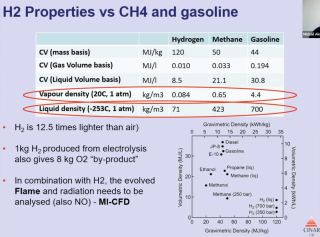
but for now, small percentage of hydrogen, two to 4% is already in use in the kilns to improve the flame stability, to enhance the combustion of the difficulty to burn fuels. So using dedicated electrolyzers a trend which is expected to increase as hydrogen production costs to be offset by inexpensive biomass fuels or the use of oxygen enrichment each kg of hydrogen or create eight kg of oxygen. And that would have a positive impact on the clinker production. Thank you. Thank you very much, Tahir. That's a very, very quick run through some huge topics. looking at alternative fuels now maximizing, using carbon capture and of course, hydrogen. these are fascinating topics.
And if we look just quickly at alternative fuels now you know, a plant mo most plants should be able to reach very high levels of substitution rates, but may need modifications. Mm-Hmm. What, I mean, the modifications in a, in a par process system are, are mainly to increase residence time to allow the thorough burnout of, of the fuels. would you say that's, that most most pre heaters and kill systems need modification in order to, to, to reach those high levels of 50 to a hundred percent alternative fuel replacement levels?
Yeah, that's for the old plants, old, old designs where we have the residence time of two to three seconds, but the those cal signers, which were built during the last 15 years, 20 years most of them, they have four to six second residence time, so that should be enough depending on the alternative fuels. but it's highly nonlinear to see where the meal particles are traveling and where the fuel particles are burning. And if these heavier fraction are like tire chips where they are falling.
So that needs to be optimized, not necessarily in all the or I showed one example of R sp where we cannot condition, we cannot reduce the kin generated NOx and CO as the volatiles, which are required to reduce the NOx and c or CHI radicals, hydrocarbon radicals. And the O radicals will be fully consumed by the time the sp combustion chamber gasses meet with the izer gasses. So those type of cal signers. But those are the mostly old design that needs to be chained. but the chips of these alternative fuel, they need to fall between the tertiary and the izer gases. And, and that would be to be determined through the detailed modeling so that they have the oxygen available to, to burn.
But at the, at the same time, they are in the higher velocity region. So the residence time is not the only criteria, but it's the velocities. If these style chips are the heavier fraction of the alternative fuels, they fall down, then they get mixed up with the hot meal, and then the combustion rate is very slow as compared to the suspension combustion of these fuels. Okay. So that's, that's one for residents time. Mm-Hmm. you were then talked about net zero fuel, so using hydrogen at 40% and 60% biomass. Mm-Hmm. that's obviously that was a trial of five day trial. Mm-Hmm. but it pr it was a proof of concept, and it was, and it was successful. Mm-Hmm.
the key, one of the key questions you highlighted, and, and that's come up in one of the questions here, is the NOx increase Mm-Hmm. the question is, was this, what was the simulation result and how much was the real measured NOx increase in the kiln during the trials? Yeah, that's the quite close what, what we predicted around 40% increase, and what plant measured was around, I think 42 40 3% increase in the, in the Knox. So that was quite close comparison. And that was the usefulness of the mathematical modeling to validate the, the model so that model can be applied to other, other, other plants. And the base case was also validated against the data.
Once we had the good comparison with the predictions and the plant measure data, then the hydrogen and the meat and bone mill, these were the two main factors. Increasing the NOx values, hydrogen to increase the peak temperatures and meat and bone mill was the, had five times higher nitrogen content than the coal. so the the balancing these three coal firing fuels to minimize the Knox emission increase led to even 40% increase in the kill. So that is expected. Okay.
And, and what are the obstacles apart from, apart from the nitrogen and I guess the the, the handling and, and procuring of the hydrogen, which is something else, that is another separate discussion in terms of the operation of the kiln and the quality of the clinker were there any other observations? Yeah, plant did not find any other observations except for they had to move the solid handling and feeding system from the Cal sinus towards the, to have so high biomass thermal input. Mm-Hmm. And they, they did not observe any change in the clinical quality, neither in the coating formation and, and the flame shape remain more or less the same.
So there wasn't any, any issue with finding hydrogen. Okay. 40%. and then just talking about the, the, the, the supply of hydrogen you, you mentioned electrolysis in plants Mm-Hmm. do you, do you mean that you, you we're gonna see a trend of plants installing electrolyzers in order to pr produce hydrogen for, for their own use? Yeah. That there has been a couple of publications last year. some of the one of the major cement producer they are firing two to 4% hydrogen Yeah. In their main kin burner. And that is to, And that's the trend now that that's the enhanced yeah. Combustion using H two. Yeah.
So you're not trying to replace high levels, but you're using it as a, as an enhancer to increase the amount of alternative fuels that you're burning. Yes. Yeah. That, that, that would increase the alternative fuel utilization as the combustion would start earlier. Yeah. So the tho those fuels, which are difficult to burn biomass fuels with higher marsh moisture content, and slightly bigger chip size. So if they can be ignited earlier on so the throughput can, can be increased. And just, just for for knowledge we have the experience of burning down gas, for example, which used to have around 40 to 60% hydrogen the balance with the carbon monoxide which was gasification reserve of the coal.
So we can, we can go up to 40 or 60% hydrogen content with the, with the biomass or the solid fuels, if that is available at a correct price and is feasible. Okay. Tahir, thank you very much. We could speak a lot more, and there are a lot of questions in the q and a for you Mm-Hmm. but we, we don't have time if you'd like to look in there and, and maybe type some answers. mm-Hmm. That, that would be great. yeah, sure. So so, but for now, TA Abbas thank you very much for sharing that presentation. we'll be sending the slides to everyone who is participating, so you'll be able to follow up and indeed contact Tahir directly if you if you need to to, to speak to him or ask him any questions.
Thank you. Yeah, Sure. Thank you. Great. well, that was a good way to get started. we've kind of a lot of ground there. and we're gonna now move on to our next presentation. I'm very pleased to be able to introduce Sohu from tics in, in Germany. you'll probably know the name Siemens. well, TIC is the new name for one of their divisions, which Sonny will, will talk about in just a minute. suddenly has over five years experience in mineral process technology and digitalization. he began his career as a researcher at the Institute of Advanced Mining Technology in Germany, specializing in the development of advanced sensor technologies for cement applications.
His current role at OMO focuses on the mining and cement industries, developing and implementing projects involving digital twins and artificial intelligence targeting cement, plant process monitoring and optimization. So a very interesting topic. we've talked quite a lot about alternative artificial intelligence over the course of the year. and I'm delighted now to have Sonny here with us to share this presentation. So please, if you would like to put your slides up, Sonny. Yes. welcome to the webinar. again if you are watching and you have any questions for Sunny, just pop 'em into the q and A box. and we'll get to them in the q and a at the end of the presentation.
but for now, those slides are, are visible. Okay. Thank you. Over to you. Welcome. Yeah, thank you, Thomas. Thank you for a nice introduction. And it's a, it's a great pleasure, and, and I'm really honored. It's a great honor to be here today to get opportunity to speak a little bit about our development brokers broker in our AI application for the cement, for the entire power process. and from the beginning on, sorry for my voice, but the last days I got knocked out from a code. So I give my best today to, to, to keep in line and, and give the best quality of the presentation. So, but let's jump into the topic.
I think I try to keep the time, but before we go directly straight into the AI for the cement power process, and maybe some, someone is, is a little bit wondering about the colors and, and the name like Thomas mentioned before. We are new. So it means we are a new company in the market with a strong focus on, on minerals and cement. But to be honest, not to scare you, we are not completely new. So it means in the end, our, our, our name in the Marx is new, but we are known as a former business of the Siemens ag company, global, former known as LDA. And, and what happened in the end? So in the end, the Siemens Ag decided to bundle our motors and drives portfolio.
Our verticals means minerals, cement, and so on in one dedicated company in the new business, newd, and carve it out as in to standard on their own legs. So it means in the end, 150 years of experience and expertise in motors and drives in, in automatization technology and driving solutions business or project business in the let's, let's say in the heavy duty industry is bundled and carved out, this is a certain goal more in the years.
So in the end, what we wanna do or what, what the goal of this of this next step is more or less being closer to the market, being faster, being closer to our end customers have a bigger ear into the market, field pulse, and be always there for you without this huge complexity of, of a multi, multi company like the Siemens Ag. So to introduce a little bit in the short term, and I really have, we rush through the slides to about in tics to give you a glimpse about what we are doing before I jump into the AI for the cement and our, and our development there. So TIC is new, like I mentioned, but of course it's a Siemens company, former known as LDA. So what happens now is the, the reforming.
And we are placed in 49 countries in the world. We have 16 factories globally. but what is more or less now new is we have a clear focus on mining and cement oil and gas metals. So in total the heavy duty industry. So this is our DNA, this is what we wanna follow, and this is what we now present into the market under the new name. under the Siemens umbrella, our company is divided into, let's say five divisions. so we have our product portfolio side, so low voltage drives. We have our high voltage motors our low voltage motors, our high voltage motors. Then of course, to complete it, we have our medium voltage drives, I think really, really good known in the market.
And then we have two different, or two specialized departments. One is our solution business department, I will jump into in detail in a few, few seconds. And of course, our customer service to keep systems and of course our projects or solutions in place running for our and, and being there all the time for our customers. In the end. So I will jump to, 'cause I'm not the expert of this portfolio, but to give you a picture, of course, we have our low voltage motors, we have our medium voltage drives, like I mentioned before, our high voltage motors. And now we are coming more closer to the area I'm working in is more or less our, our solutions portfolio.
So it means we are combining several technologies to one solution for the cement in the, in the, in the mining market, based on the complexity, what we see here in this, in this end customer area or in this vertical. And that's also the reason why we decided to create an own vertical only for mining and cement based on the complexity and the requirements from our end customers and from the market. So this is more or less an overview about our complete portfolio and also a little bit our, our strength, what we developed in the last years and what we solved now in a new, in a new area of the digitalization development solutions in the end.
So it means we are talk, always talking about e, a and D. So our, let's say historical start was the electrification. I think this is this is clear with our strong portfolio in the mining and cement market. I think we are mining horse are well known G MDs e houses our rectifier of course. then on top over the while the automatization comes, and I think the, the most known automatization solution from our side is the PCs seven. There's a special kind or a specialized version for the cement market known as. And then more or less, we decided five years ago to start with a digitalization approach.
And this is a little bit special to our rest of our portfolio in the complete entire in and also in the Siemens ag, our digitalization portfolio. What you see on the right is completely vendor free. So it means the installed base from our end customer don't cares for us, it's good if it's semen, of course then we earn money in the past and maybe in the future. But if there is another solution, another vendor in place, it's, it's not an issue for us. We are integrating our digitalization solutions.
That's the reason why we call it solutions into environment of our customer, developing customized solution to fit into the requirements and to the to the needs and, and pain, pain moments or pain points from our end customers. So let's come to the, to the cement and again, back. Yeah, I think the amount or, or a special version from PCs seven for automatization solutions, pretty well known. I think we have a Mac market share of, of 40%, so more than thousand installations worldwide. And I would say this is our biggest footprint in the market. I think there, therefore we are known, and this more or less was the solid foundation for our, for our new developments in demand.
So in the end, we, we asked several years ago, what's our future? So where's the trend going? And of course, the answer was AI or a PC. We, we call it a PC, so it means advanced process control or advanced process management, which is one chapter of our digitalization solutions. And we decided really to start with a dedicated portfolio in digitalization for our cement customers and for the cement environment. So before we start with this development, we had a close look into, into the, the process the material value chain of our demand customers, and of course, of of the experience from the past, from our automatization projects in the end.
And of course we also did a discussions or get a feedback from our end customers where the need comes. And of course, when we look into the, the, the complexity of the material ready chain, we see of, we, we located the pre heater or more or less the mill, the pre heater, the K and the cooler, and its cement mill as the most complex, the most important steps in the process value chain. And I think this was all really, really make was, was clear clarified from the here and in the present presentation before that this processes are the most intenses process in regard of energy and regard of production necessary and, and things.
there's a lot of difficulties to, to control and to optimize and to handle in a proper way. So this of course is our focus area. So we decided, okay, we go there and we want to support this in a PC based on ai. And we know upfront, okay, of course they, they are solutions, they are good solutions in the market from our competitors. of course this is a tough game to to, to tackle them or to be competitive in the future. But we decided to be, to, to, to start with a new approach in this technology.
So, so not with thresholding, not with expert system, because a new way, we really want to create an a multi-layer AI solution, which is more or less open and self-learning and, and, and self-aligning for the future. So, and to do it not apart from the market, we decided, okay, we want to develop it with customers, with pilot projects in the field so that we get from the beginning on the feedback and the requirements from our, from, from end customers in the market. So the challenges here was more or less, yeah, with our pilot projects to, to stabilize the production.
I think this is clear, and this means more or less handling thermodynamics in this complete process, preheated, kiln and, and cooler in the proper way. And then this was our first approach to say, okay, AI for the, for the pilot process, it's clear. And then afterwards we decided also to create an AI for our mills. So we have two different solutions in total, to be honest, we have three different solution because the pilot process solution is for when you're using alternative fuels. When you're using only fossil fuels, it's en it's enough to use an AI for your kiln. And we have this AI for the mills in the end.
So this was the start together with our, with with the end customer to, of course tackle the, the major tasks, the major problems of the future or challenges of the future from our cement market. Of course, we want to reduce fuel consumption, especially for the fossil fuels. So in this regard, or directly linked to this point is the reduce of energy consumption. we want to avoid downtimes. This I think is also for the productivity, a huge point. we want to bring a higher transparency in about the, the correlations between different aspects in the production.
And of course, increase uptime, throughput, lower down the maintenance time cycles and frequencies support your operators with, with better decision control. And more or less support also maybe operators with a technology which are not or the operators which are not so experienced from the past to support them with a proper technology, though that they can also make the right decision decisions in the right moment. So we created a, a platform dedicated or really focused on the cement market with several functionalities, of course, in such a platform. There, there are some KPI calculation system reporting modules.
There's some alarm modules, which is more or less making such a solution complete. But of course, our heart. So, so the core of the solutions are our AI models for the different steps of the production line means AI for the mill or AI for the pilot process. So in the end, this solution, so this platform is integrated to the side of our end customers in their environment. So it means, no, none of the data is more or less streamed out from your side. It's always keep in your place. So we are not touching as we only have the remote control to learn our algorithms to to train our A equipments or to, to optimize them, to maintain them.
But the rest of the solution in the end is in your environment, close, close to your, to your, yeah, to your plans or to your operation centers. So not to lose too much time in the platform system, I think this is more or less a, a gimmick. We need this to keep the hard running our ai. So what does it mean? And I took here the example to more or less go step by step what we do through the AI approach about the power process. And yeah, I'm feeling a little bit stupid to explain you more or less that the, that the power process, the protection in this region underlies a huge complexity, a lot of influence, values, cause you all will really experience in this area.
So in a nutshell, we are taking into account each and every data point, which is available in this area. This is more or less the, the first message. and in our first step, that's the reason why here on the slightest standing step one and the first step, we are taking everything into account. I think we are there with 35 values in our pilot plans. And then we are doing data correlations means behaviors learned from the past and doing a forecast for the future. So a forecast into four 15 and or 30 minutes means we learn from the past with correlation, we are checking the, the actual, the current data, and then giving a forecast what happens in 15 to 30 minutes.
And this gives the operator and really in a really user friendly user interface or interface in the end, a feeling about, okay, my process, how is the reaction? What will, what will, how will it react into the, in the future, which is more or less as a nice gimmick, but it's only giving you a more transparent picture of what, what, how, what happens in the end? This, of course, we are doing via machine learning, but this is only the, the first step of four in the end. What I mean in the beginning, when I start with my presentation with a multi-layer AI approach.
So based on this, based on this forecast models, we are talking here in this moment, we are using the forecast and then we fill it into into into a newer network. And this newer network is more or less aligning the forecast with the possibilities, the physical possibilities, and the mathematical possibilities and align more or less a recommendation. And this recommendation for the operator means, okay, we give them, we give the operator new set points decisions for their control values. And of course, there are often only several control, control values based on the fact how the, the killing is designed, or how the, the production is, is driven by the operators.
So in the end, the, the, the, the third step, or the second step in the end is really this, this recommendation. So it's not only giving you a picture, it's directly giving you a how to react to avoid things, what happened in the, in the of what was forecasted in the first step. And to react on it, to harmonize the production, to optimize the, the, the film fee, for example, to optimize the, the, the fuels usage and so on and so on. And then of what I forget, sorry. Upfront is we are not only giving in this forecast, this is new one step back, sorry.
we, in this AI current forecast, we're not only giving the forecast for the production values, we also give the forecast for the quality values means free line and eyelet, for example. So this is something, what is really, really new, which was developed in the past months to underline more or less the forecast and the reaction, and to be sure that the reaction to this forecast goes in the right direction based on the fact that we secure our forecast and the recommendations afterwards based on the quality values, which is in the end, the indication about how our product in the end looks like and is it sellable or not.
So this was something what was for us necessary to really give the, the operators the confidence to, to trust in our solution. So now back to the recommendation. So we get the recommendation to say, okay, this is the, the suggestion to react to our forecast and to the current situation based on all the influence possibilities which are given in the, in the dedicated plant. And then in the last step we had in, in and developed this fingerprinting, this means in the end, and now it goes a little bit deeper into into data science. When there is a decision or recommendation, then you can build a pattern model, and then you can, you can filter from the past if you can find this pattern again.
And what was the reaction of this pattern? So it's a, it's a fourth type of alignment between the recommendation based on the current situation and all the experience from the past. And then with this fingerprinting, it gives you a new suggestion, a new recommendation to say, okay, from, from all the behaviors in the past, this was the best. And the, and and the best decision was what made in this, in this moment. Then you do this decision, you, you fill in, okay, we wanna do, we wanna use this fingerprinting model. And then of course, you directly build up a new picture of fingerprint. And this is again, more or less saved in the historical.
And after this fingerprint, the next decision comes. So it's not only to say, okay, there's one recommendation, one fingerprint, and then of course you have 30 minutes and, and try an error. So this is a more or less cycle, which is repeating in a high frequency to align every time, step by step in which direction you want, you go with your production, with your operation. In the end. And this is then here of course, also the, the, the self-learning aspect. Every decision and the result of the decision is directly fit into the historical means. Of course, the, the fingerprinting solutions and the accuracy of your fingerprinting is growing and it's getting better and better over the time.
So yeah, I hope I I I, I was able to explain it in a, in a, in a understandable way. And this in our, in the nutshell in the end is our solution. And that is something what you can get in open loops means you, your operator get a new interface with the recommendations, and then he's able to set up the new setpoint or to, to control the setpoint by his own. But he also can decide to do it in a closed loop means that the set points are directly pushed into the OT system and the operator is only to align or to, to check or to say, okay, it's fine, it's not fine. Or maybe only has the opportu opportunity to, to interfere if something goes wrong.
And the same approach we also use for the, for the mills. And of course, like I mentioned before, what was the result? In the end, we want to harmonize the complete production means keep the process in the, yeah, the, the best working conditions in the best performance conditions lower in this regard. In the same moment, the fuel consumption, especially when we have a composition of, of fuel fossil fuels and alternative fuels. So means lower down the fossil fuels, raising up the alternative fuels be safe in the production and more or less stress this pilot process as low as possible.
So in the end, and sorry that I'm not allowed to, to name our, our customers or our, our pilot project based on the fact that it's under development. And so I can give the first results from, from this year, for example, this is about our AI mill and not going, going into deep in all the different values, but I would say 3.5% of increased production after some months, only this 25% of usage of this solution is a big thing. It's a big topic. And this value is growing.
And also the end customer, especially the management, recognized this behavior or more or less this higher productivity with the use of our AI for the mill and decided to give the operators incentive to use these technologies more in the future. So there's a limit up to 80%. The operators has to use our solution to optimize the throughput to the mills. And cause in this regard, not only this throughput is increasing also in a nutshell, we, we are keeping, or we, we are, we are reaching a higher productivity with a lower energy consumption. This in the end means we are saving a lot of money for the end customer.
And of course lower energy consumption means directly lower CO2 emissions in the end. Then this slide is a little bit and more or less my last slide, a little bit more complex to understood. This is a comparison about the decision of an operator and the decision of our solution in one case of our, of our test phases and our AI for the bio process. So on the left side, the, the operator decided in the special conditions just keeping the, the current feed in the end to use more fossil fuels in a nutshell then alternative fuel scores.
In the end, operators want to secure the operation or the production wants to secure the, the quality and decide it's more or less in a more saving regard from his, from his possibilities in the end from more, more safer reaction from all his possibilities. And our AI for the prior process suggested by the same kil feed. So by the same production rate that you're allowed, it is possible that you can lower down the fossil fuels consumption and raising up the RDFs at the alternative fuels in this moment. And the complete production will not having any influence. So lower fossil fuels, same production rate means higher efficiency or lower through two emissions.
This is the reaction, and this was confirmed from the end customer in the end that it was the right decision. And in parallel, more or less the decision leads not to a a, a problem in the production. So of course our accuracy and discounts for all our things. What we are doing there, we are lying up to 95% of our performance in indications has a accuracy in, in this, in this, in this level. In the end, and I'm over the time, sorry, but the last slide is about the AI k so it means, this is also an example this time from India where we can say, okay, and the most important information is on the right down here.
So over the year you are able to save a tremendously amount of tons in code per per year. And you use our solutions and being safe in your production, being safe in the quality of your production and yeah, being more productive and, and optimize your, your fuel consumption and, and you your killing process over a year with our solution. So what also a topic is, which is not on a slide here, and this is my last point also for the, for the operators in the beginning I would say there was a back and forth discussion if such a solution is helping or if such a solution is bringing benefit to them and to, to their life or it's only too complex to, to use it.
And after a while the the operations recognize that, that this solu that this, that this solution also helps to make their life easier because they have more or less in the recommendation, the knowledge of all situations and all experience from all the operators in the past. And therefore they're more or less double check, or they secure their, all their work life in the end, and they have more time for other decisions, their, their higher transparency about what happens in their plant. And in the end, for them it was a huge help for, for handling all their, let's say, their trouble what in, in such a operative day in a, in a, in a shift, in a demand plan can occur.
So this was in the end, my, my, my introduction of the A PC. Thank you for your time and for your attention. And now I'm looking forward for the question. Thank You very much, sunny. That was a really interesting presentation. And yeah, highlights the, the possibilities of ai in, in terms of the advanced process control systems, really enhancing the performance. and you showed some very clear benefits. The, the, the three point a half percent increase in production, two and a half percent reduction in power consumption for the mill, for example. really exciting to times for, for, for the industry.
it's the, the obviously's question is you, your, this is a, a system that is enhancing the, the options for the operator. It's it's something that is, is providing recommendations to the operator set points for, for the control values or whatever. is there a, an idea that these systems will be fully autonomous and replace the operator? I mean, what, how far away is that from reality? it's a bit like, I guess self-driving cars. Is it something that's desirable? is it, is it a reality or is it something that's just not gonna happen for, for a long time? I think this is a difficult question and a good question. I think every industry is more or less facing this question in this moment.
'cause ai, what means ai are we completely replaced into the future? I would say, I don't know what really happens in, in the far, far away future in my opinion, and, and this only my opinion it's not the best way to replace us from these areas. I would say mining and cement, especially, or not. Yeah, especially this, this market underlies a huge change in complexity. But not only means, okay, we are complex. We are complex, it means really okay, based on the fact that we are handling with raw materials. And raw materials are changing a lot over the time.
And it means in, in all this, when we go to the mine, the, the deposit can change from day by day, from, from, from shut from from truck load to truck load. And of course also for, for cement plants, moisture can have an influence. RDFs could, could be, are changing over the time. Qualities is changing over the time. So when we talk about in our market, we have a huge complexity in production, I think we are telling the truth. And yeah, such AI technologies can heavily or tremendously support and can learn. But in the end, I would say replacing the operator totally is, is not, not the goal and not the task at this moment. Yeah.
and I think that was one of, one of the questions is how, how, how do these systems cope with the, the variation and inputs? And that could be, like you said, the raw materials. it could be also the, the fuels when people are getting more sophisticated alternative fuel portfolios. lots of unexpected materials coming into the system. Is that one area where really you know, there's no precedent in historical experience of the the system. I guess, I guess in those situations the controller has to make new decisions for the first time. Yeah. Mm, yeah, of course, exactly what you say.
And, and the second thing, the storage feeling, let's say in this way is something what we always brought as human on it, but it is based on experience. And of course we can double check it now with technology. And this, I would think makes a, makes a huge syner synergy for the future in the end. So I think, I think things, what, what AI never saw before is difficult to handle for the ai. Maybe an operator is, is better to, to handle it in this moment. And so in the end, the combination of both, I would say is, is giving the, the best operation in the end. is there, have you noticed where the system works best? Is it working more effectively in the AI mill?
'cause it's a simpler process or, or you know, are you, are you looking more at developing the pyro side? 'cause that is so complex? I would say the impact on the pyro side is much bigger. So, and it's not only the pyro. So especially for example, when you, when you're talking about plants driven by the, by RDS for for example, then of course like we saw in the presentation before, you have the influence to the pre heater, you wanna avoid the clogging, the cooler has a huge impact into quality. And I think this, this interfaces, this interlocks and, and this power process are bigger. And then of course the impact is bigger, what you can reach afterwards.
The middle, of course, you can lower the energy and you can optimize the throughput, and you can keep this operation control of the mills out of the focus from the operator. So of course then he's able to more to focus on this, on this more, more, more bigger topic in the end. So the am mill is, is pretty good running. I think we, we reached there a huge level of optimization at the moment. But of course, the power process is based on the complexity, a bigger topic and more interested more interesting for us for the development of this technology. and is there a kind of a didactic function to these systems? you may have different teams of operators through the cycle.
does it get to know the operator, what, what each operator behavior is like? Can it help instruct the operator therefore, to improve it, their, their, their decision making? Mm-Hmm. okay, maybe my, my answer is too romantic in this moment, but the operators are the key. So when we insta, when we win the, in the end customer or, or, or i, let's say partners say, okay, we want to do it together, then it's a co cooperation or collaboration in, in this moment. So from the beginning on, of course, in the first step, we are learning from historical data.
So we say, okay, give us a set of your historical, and we can try to learn or to teach our, our algorithms in the beginning to get a more or less foundation. But from this point on the feedbacks loops, the, the further development loops are together with the operators on site. This is what's really important to take really the, the feedbacks into account in this development. And then step by step customize the solution to the different specialities of a plant in the end. Because, again, cement, I think it's a pretty good known process, but it doesn't mean that it's that one cement plant is another cement plan.
There are always specialties, there are always differences, there are of different behaviors. And to learn also from the operators, it's really, really important to have persons in place to work together with them. And spa later on, for the, for the usage of the technology is also really important to, to take the operator with you so that he can trust the technology that he more or less get the interface, which for him is, is good to understand or, or possible to understand. And then avoid more or less this non-trust behavior of an operator. Of course, if you're not using the technologies later on, then the technology is not working.
And when you're doing such things in a capsule light, and, and then in the end deploy it and say, okay, let's go use it, then the acceptance of an operator is not there in this amount. Like we, like we needed for, for usage of this technology. And like I mentioned with the AI for the mill, the operator in the beginning says in the beginning, okay, I'm not trusting the technology, but my manager wants it, I use it. So yeah, sometimes I will click it on, sometimes I will click it off. And now after a while they realized, okay, there is a huge benefit, we wanna use it. And this is the, the goal, what we have to see together with our customers. Very good.
Well, thank you very much sunny for that presentation. really interesting. and we look to see how, how the technology develops over, over the years coming I'm sure we'll see more improvements and even greater optimization potential. So thank you very much for that presentation. Thank you, Thomas. And of course, for the rest of the questions and the community, please feel free to contact me and then great. Go for it. We'll we'll we'll send the presentations round and you'll be able to contact Sunny. No problem. so that brings us to our, our third presentation.
I think they've been so, so fascinating, and I know the next one as well is also gonna be stimulating a lot of questions and and thoughts. I'm gonna introduce now Renato Greco who's chief technology officer at FCT Combustion. Renato is responsible for leading the development of new technologies with a particular focus on reducing environmental impact. He previously held roles as chief executive officer and director of new technologies and other leading companies in the industry, accumulating extensive experience in designing entire higher road processing lines, including environmental technologies to reduce carbon dioxide, pho dioxide, volatile organic compounds and particulates.
so very well qualified speaker please reo if you'd like to share your slides. thank you. Thank you. Let me share, So Ronaldo's gonna continue the discussion on hydrogen, hydrogen usage, cement production opportunities and challenges. And That's, can you see ready To go? We can see your presentation. Thank you very much. as before any questions as we go along, just pop them into the q and a and we'll try and take them at the end. But for now, over to you, REO. Thank you. Just thank you very much Thomas for the introduction. Thank you to all the attendees and, and participants of this webinar.
So I'll jump right into the, into the topic and try to cover a little bit of every, every important thing that we see the in production in the opportunities and challenges in the production of, of cement. so I'll first I'll, I'll give you a brief overview of the, of what's, what the hydrogen production today is. I'll talk about the cost and availability the challenges with the process w with keeping the process well delivering while using hydrogen and how we can overcome obstacles. So to start with just for gen it's a general information.
we produce about 90 million tons of hydrogen in the world, and most of it, if not 90, over 95% is hydrogen produced with unabated emissions of CO2 meaning to generate hydrogen today, apart from electrolysis and, and, and steam reform, methane steam reform with car carbon capture hydrogen produces more CO2 than most of the, of the fuels, like natural gas and fuel oil. So the key thing here is unless we use electrolysis or methane steam reform with carbon capture, our hydrogen is not doing any good to, to the environment. Talking. Getting back to what Tahi told about the net zero the participation of hydrogen in the net zero environment by 2050 is quite small.
So if you see here in the graph, it's about 6%, seven, six to 8%. So it's a very small participation in the, in the whole fuel let's say matrix in the world. So what I want to tell is hydrogen is not the, the only solution is just small part of the solution of the net zero challenge we have today. And if we go on the sources of hydrogen in the future, in a net zero scenario, and we are talking about 500 million tons of hydrogen 300, about 300 million would be produced with elec electricity. And we need renewable electricity, otherwise, we are polluting with CO2 or emitting CO2. And the other 200 million, it would be with fossil fuels like methane reform or gasification of coal.
But with carbon capture, again getting back to the, to the future in 2050, this is, I don't know why it's repeated. Sorry, I I went to the wrong slide, sorry. So pretty much we have to align cost with availability and resources and the process in, in, in the, in the cement kils. So we are looking for, to reach this small area that today it's, it's a really challenging because costs are high, we have no availability, or it's a very small availability. And it, regarding the process there are some ways to, to to use hydrogen, but we'll see that it's not so simple to replace all the fuel in the cement in a cement plant or in a cement Kuhn by hydrogen cost and availability.
it depends on the technology for sure. if it's steam methane steam reform is one price, if it's electrolysis is a different price. if it's electrolysis, you need renewable energy again, otherwise you are still emit emitting CO2. So do you have renewable energy available? And what's, what's its price? If we are talking about the methane steam reform, natural gas price is important. CO2 price is part of the equation as well. and, and it can play a, an important role in the, in the economics, in the overall economics of, of the, of the use of hydrogen in, in cement plants. And if we talk about electrolysis, do we have water in some places? Middle East, you don't, we don't have water.
So I mean, you have water, but it's you have to use desalination. So it's an increased cost. You have to make the desalinization of the sea water to get proper water for, for the electrolysis. And do we have a distribution infra infrastructure? How are we going to distribute the hydrogen, the, that's produced to the final to the end user? So pretty much it's difficult to put a price to the kilo or giga ga giga js Jules of hydrogen, because it depends a lot, a lot on, on where you are in the globe.
So if you have renewables, non renewables, if you have the natural gas, natural gas prices, the CO2 prices and, and so on, I'll try to give a a, a picture of what we have today in terms of studies of the cost of, of of a kilo of hydrogen. So this is the cost in different countries for the production of one kilo of hydrogen, assuming you have photo VoLTE or panels. So if you go, for instance, in Japan, the price, we, it's only for production. There is no distribution, no margin. it's not sell a sa sales price. So if you go to Japan, you would have about $9 per kilo to produce hydrogen if you go to European Union, 4.3 Canada, 6.7, Italy, France, Germany, and et cetera.
So as I mentioned, it's, it'll depend a lot on where you are to, to get a r reliable price for the hydrogen. Of course, the closer the lower the cost of capital and the lower the cost of capital, the cost of capital, sorry for the money, the fin weighted average cost of capital, and the lower the cost of the photovoltaic plant solar panels, the better. The other part of the equation is how much can we get for the, for the tons of CO2, we we will produce in using hydrogen. So again if you are in eu, there is a, a price for the, for the carbon. That's the USD per tons of CO2, about 90.
On the other hand, we have 70, oh, sorry 10 for Japan, putting together, for instance, the two, two graphs, Japan would be a very, wouldn't be the best hydrogen wouldn't be the best solution for Japan. So you'll have a very low price for, for the CO2 and a very high price for the production of, of hydrogen. So you have to pretty much to combine all of this to make a study, a feasibility study, if it's worth using hydrogen and in what extent? 5%, 3%, 10%, whatever. Again, it's obvious that if you have a higher carbon price and you have programs that cover most of your greenhouse gas emissions, this, this is the higher here, the better.
So and in an exercise assuming we have a electrolysis plant and steam methane reform with carbon capture and without carbon capture, and we use those costs for renewable ener energy, 70 euro per megawatt hour, which is a very good price. And if the opex of the electrolysis without energy, all the other costs are 2.9 euro per giga giga, we would have a price of 9.2 for natural gas euros per giga, Juul electrolysis 39 steam methane reformed without carbon capture, 17, and Steven, and with without carbon capture 12 point 0.4. So it's still pretty costly. It's it's high cost to, to produce hydrogen.
So from the economic perspective, it's not still not feasible unless as or as tire mentioned you use it as a fuel enhancer. So you can use a small part of, of hydrogen of your total fuel matrix to use, to be able to use other alternative fuels cheaper alternative use. And to give a, a claim just to give a, a flavor of what each country's doing. And I apologize to whoever is not citizen of those countries because it's, it's quite easy to find information from those countries. That's why I'm using it. So even in the most advanced countries in term most advanced in, in the timeline, we are still talking of marked growth at 2030.
So when two, 2030, we are talking about technology readiness mean two, three years and then start market penetration. And then the market growth itself for the use of hydrogen. And again, to, to give an idea of the challenges, there are about 4,500 kilometers of pipeline of hydrogen installed in the world, not installed, sorry, operating in the world, while we have 1 million kilometers of pipeline of natural gas operating in the world. So we don't have infrastructure today to distribute hydrogen in large scale. So it'll take time and it'll take a lot of investments getting getting to the process what we want in the kiln.
And then I'm talking specifically in the kiln, in the rotary part of the kiln, the, not the cuff signer itself. we want process requires radiation because it's the main heat transfer mechanism. And when I use hydrogen, at 100%, at least, I will have, we will have low flame tivity and very high temperatures. So it doesn't mean we cannot use, we can use, but together with other fuels. For instance, if you have coal or you have bone MBM or tires or other fuels that can produce a significant radiative flame, then it's fine. So here you'll see the effect of adding this is gas, it's, and then if you add coal or sand or carbon bicarbonate, sorry, sodium bicarbonate.
So you see that the luminosity of the flame increases significantly. here it's this is in a cement kone. In fact, this is in, on the upper part, it's burner using a hundred percent natural gas, and with hydrogen will be even worse than this. And the same burner with 30% natural gas and 70% coal. So you see a huge increase in the luminosity of, of the flame. So this increases the missive, and then we can keep operation the kone operating in, in good conditions without losing production or changing in kone in the clinical quality. If we go for 100% hydrogen in, in the, which would be extreme we, we would have a longer thermal profile. We expect to have compared to, let's say coal flame.
So a higher peak of temperature closer to the burner tip, and then a smooth decrease in the thermal profile due to the very poor radiative heat transfer of, of hydrogen flame. So we don't see at this stage and not at this stage, we don't see really hydrogen and in as being a fuel for 100% use in, in rotary Ks, naturally hydrogen in, in the, in the cal signer, where radiation's not so important, depending on the cal signer it's, it would be, this problem would be not, so, not would be minimal respect, high NOx generation as well as TES showed with the simulations and, and in the tests, hydrogen use can lead to significant NOx increase in NOx. So here we have a flame with, in lab.
This is a lab, lab tests, okay 100% methane. And then increasing the percent percentage of, of hydrogen, you see that NOx increase, increase a lot. So as of today cost and availability, we are not there for and full substitution of hydrogen. We, we are not there. What we see as possible in the future is cost and availability. The, there, there is ma a massive investment in improvement of technologies. So the price will go down and the renewable energy will go down as well. The electricity produce with renewable sources we'll have to pay a price for it. So if you want it'll be, if you put a penalty on CO2 emissions we'll have to pay it.
So if we increase environmental consciousness, consciousness we will do it because it's, it's good. And, but there will, it's a, there is a price. And from the process perspective we understand the, the multi fuel approach is the, is the only way to, to go. And it means use a small percentages of hydrogen in the total mix. And for instance, for countries where natural gas is available, you can dope the natural gas with 5% hydrogen, for instance, which in the pipelines, I mean this in the supply line, and you don't have even to, to, to change the pipes or to make modifications to the pipeline. So this could be, could be a possibility. A possibility.
So I think I am in, in time, and it's, this is the last slide. Thank you. Thank you very much for that. reo a really interesting presentation, again highlighting the, the challenges of, of burning hydrogen at very high levels, but at smaller levels, certainly up to five, 5%. It, it's, it's, it's very viable. and with existing infrastructure and systems, and, and I think what you said at the end there about the doping natural gas pipelines seems like a very sort of viable, very sensible approach. So for any producers out there who are, who are using that natural gas as their primary fuel, then that's something to, to keep an eye on a very, a big advantage in, in some respects.
and you highlighted the multi fuel approach which is, is is really the way forward. again, I think the big, the biggest problem is, is the, is the cost and the supply. do you, do you see that changing quickly in the next sort of five to 10 years? or are we looking at a longer time horizon? I see at a longer time horizon prices are dropping in terms of dollars per kilo, dollars per giga, jo, they are dropping, but they are not comparable to, to the, let's say, traditional fuels coal or petco or natural gas is still not competitive. But again if there is an incentive why not from the economic perspec perspective?
And in terms of availability to have a high substitution, you, you would need a huge electrolysis plants. Mm-hmm. So I don't know, perhaps a football field or something like that to produce a substantial amount of, of hydrogen. So the distribution passes through either doping, as I said, the natural gas pipelines or installing new, new hydrogen pipelines. But it's, in the longer term, I don't think we'll see available in scale, in a reasonable scale before 10 years or so. in interest interesting question. how much in terms of kilograms of hydrogen is required for the production of one ton of clinker? is there any rule of thumb? One, one kilo of hydrogen has 120 meg megajoules.
So if you, if I mean 800 kilo calories, let's say per, then we divide by a, sorry, I'll do this, just the calculation here. So what would be 20, 28 kilos per of, of, of clinker? Per, per, sorry. Let me, I'll do the maths and I'll, I'll, I'll, yeah, Yeah. Don't we, we don't wanna put you under pressure. That's but that, yeah, no, the, the principles are all, all very clear. and I guess it, it's like I said, going back to the multi fuel solution that's the way forward. do you, I mean, you see, it seems to be straightforward to burning a kiln. cal signers are, are, are a different thing. Yeah, cosigners are a different thing because we don't have the constraints of, of the radiation.
So it would be fine to reach almost 100% in the cal signer, but again, it's a huge amount of, of hydrogen. Yeah. so we won't, I don't see it in the near future, or even the me medium term, I don't see it. Perhaps it's better to use as a fuel enhancer part in the ll signer part in the, in the, in the main, main burner. Yeah. And that's that's certainly what a lot of producers are now doing. and I guess unless we've also heard of some that are setting up their own electrolysis facilities in, in plants I think Rues, Dorf cemex is, is, is doing that in Germany. Yeah. but all, all still, yeah, small scale, 2%, 1%, 3%. There is no high scale test in, in, I mean, high substitution rate in, in tests.
not that I know at least. Very good. Well, thank you very much re Bernardo for the presentation. and that brings us to the end of this session on on PY processing. And it's it's amazing the, the topics that we're now discussing in the in the cement world. But but thank you very much for rounding that. Thank you. Just a quick it's 30, about 36 kilos per kilo. Okay. We have it. We have it there. if anyone was, was wanting to know that value. Okay. Very good. Good. Thank you very much. Okay. So so everyone that's the end of this session. like I said before, we're gonna be sharing the slides with you by email. keep in touch for next year's program.
We're kicking off, like I said, at the 10th of January with carbon capture. and you can see the theme is very heavily skewed towards decarbonization. that's where things are moving greater efficiencies ai, we're looking at alternative fuels. We're gonna look at all kinds of technologies in the air ahead. please join us for our regular webinars. and don't forget to subscribe to International Cement Review as well to keep yourselves updated. So thanks again to all the speakers. if you'd like to see us in person then please do come to our next conference. Sentec, MEA 2024, be taking place in Dubai on the 18th to 21st of February. pop over to ctec.com/me 2024 to register. That's all for today.
look forward to seeing you in the new year. keep in touch. all the best. Thanks again. Bye-Bye.
Video library
Browse 410 conference presentations, webinars, interviews and technical films from the modern CemNet video archive.
410 videos
2 September 2026

1 July 2026

1 July 2026

30 June 2026

30 June 2026

30 June 2026

30 June 2026

30 June 2026

30 June 2026

30 June 2026

30 June 2026

3 June 2026

13 May 2026
9 April 2026

1 April 2026

4 March 2026

27 February 2026

27 February 2026

27 February 2026

27 February 2026

27 February 2026

27 February 2026

17 February 2026

11 February 2026

7 January 2026

3 December 2025

5 November 2025

16 October 2025

8 October 2025

3 September 2025

2 July 2025

4 June 2025

7 May 2025

2 April 2025

18 March 2025

18 March 2025

5 March 2025
3 March 2025

5 February 2025

8 January 2025

4 December 2024

13 November 2024

6 November 2024

9 October 2024

4 September 2024

3 July 2024
10 June 2024

5 June 2024

8 May 2024

23 April 2024

23 April 2024

23 April 2024

23 April 2024

23 April 2024

22 April 2024

22 April 2024

16 April 2024

16 April 2024
11 April 2024

3 April 2024

11 March 2024

6 March 2024

7 February 2024

10 January 2024

10 January 2024
10 January 2024

6 December 2023

1 November 2023

4 October 2023
15 July 2023

15 July 2023

15 July 2023

15 July 2023

13 July 2023

24 March 2023
14 July 2022
13 July 2022
12 July 2022
12 July 2022
12 July 2022
12 July 2022
12 July 2022
12 July 2022
12 July 2022
12 July 2022
12 July 2022
12 July 2022
12 July 2022
12 July 2022
12 July 2022
12 July 2022
12 July 2022
11 July 2022
11 July 2022
11 July 2022
11 July 2022
11 July 2022
11 July 2022
11 July 2022
11 July 2022
11 July 2022
11 July 2022
11 July 2022
11 July 2022
11 July 2022
11 July 2022
11 July 2022
11 July 2022
11 July 2022
11 July 2022
11 July 2022
11 July 2022
11 July 2022
11 July 2022
11 July 2022
11 July 2022

6 July 2022
1 July 2022
1 July 2022

8 June 2022
12 February 2021
12 February 2021
12 February 2021
12 February 2021
12 February 2021
12 February 2021
12 February 2021
12 February 2021
25 September 2020
25 September 2020

25 September 2020
25 September 2020
23 September 2020
22 September 2020
22 September 2020
21 September 2020
20 February 2020
10 February 2020
10 February 2020
10 February 2020
7 February 2020
27 January 2020
23 January 2020
23 January 2020
23 January 2020
23 January 2020
2 May 2019
30 April 2019
18 April 2019
18 April 2019
18 April 2019
12 April 2019
12 April 2019
11 April 2019
10 April 2019
10 April 2019
10 April 2019
9 April 2019
9 April 2019
4 February 2019
17 January 2019
31 July 2018
31 July 2018
31 July 2018
27 July 2018
27 July 2018
27 July 2018
27 July 2018
27 July 2018
27 July 2018
27 July 2018
27 July 2018
27 July 2018
27 July 2018
25 July 2018
25 July 2018
25 July 2018
24 July 2018
24 July 2018
24 July 2018
23 July 2018
23 July 2018
23 July 2018
20 July 2018
20 July 2018
20 July 2018
20 July 2018
20 July 2018
20 July 2018
20 July 2018
20 July 2018
20 July 2018
20 July 2018
20 July 2018
20 July 2018
20 July 2018
20 July 2018
20 July 2018
20 July 2018
20 July 2018
20 July 2018
20 July 2018
19 July 2018
19 July 2018
19 July 2018
19 July 2018
19 July 2018
23 March 2018
23 March 2018
23 March 2018
23 March 2018
23 March 2018
23 March 2018
23 March 2018
23 March 2018
23 March 2018
23 March 2018
23 March 2018
23 March 2018
23 March 2018
23 March 2018
23 March 2018
22 March 2018
26 October 2017
26 October 2017
26 October 2017
26 October 2017
14 August 2017
14 August 2017
14 August 2017
14 August 2017
14 August 2017
14 August 2017
14 August 2017
14 August 2017
14 August 2017
14 August 2017
14 August 2017
14 August 2017
14 August 2017
14 August 2017
18 July 2017
18 July 2017
18 July 2017
16 June 2017
16 June 2017
16 June 2017
16 June 2017
16 June 2017
14 February 2017
14 February 2017
14 February 2017
14 February 2017
14 February 2017
14 February 2017
14 February 2017
14 February 2017
14 February 2017
14 February 2017
13 February 2017
13 February 2017
13 February 2017
19 January 2017
19 January 2017
17 January 2017
17 January 2017
17 January 2017
6 January 2017
18 August 2016
18 August 2016
18 August 2016
18 August 2016
17 August 2016
17 August 2016
17 August 2016
16 August 2016
16 August 2016
16 August 2016
12 August 2016
12 August 2016
12 August 2016
11 August 2016
11 August 2016
11 August 2016
10 August 2016
10 August 2016
10 August 2016
8 August 2016
8 August 2016
8 August 2016
6 May 2016
6 May 2016
6 May 2016
6 May 2016
6 May 2016
6 May 2016
6 May 2016
6 May 2016
6 May 2016
6 May 2016
6 May 2016
6 May 2016
6 May 2016
6 May 2016
6 May 2016
6 May 2016
6 May 2016
6 May 2016
6 May 2016
6 May 2016
6 May 2016
25 April 2016
25 April 2016
11 March 2016
11 March 2016
11 March 2016
11 March 2016
11 March 2016
11 March 2016
11 March 2016
11 March 2016
11 March 2016
11 March 2016
11 March 2016
11 March 2016
11 March 2016
11 March 2016
11 March 2016
11 March 2016
11 March 2016
11 March 2016
11 March 2016
11 March 2016
21 December 2015
15 December 2015
15 December 2015
15 December 2015
15 December 2015
15 December 2015
15 December 2015
15 December 2015
15 December 2015
15 December 2015
15 December 2015
15 December 2015
15 December 2015
2 December 2015
2 December 2015
2 December 2015
2 December 2015
2 December 2015
2 December 2015
2 December 2015
2 December 2015
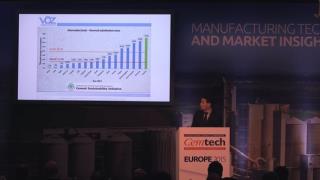
2 December 2015
2 December 2015
2 December 2015
2 December 2015
21 August 2015
21 August 2015
21 August 2015
21 August 2015
21 August 2015
21 August 2015
21 August 2015
21 August 2015
21 August 2015
21 August 2015
21 August 2015
21 August 2015
21 August 2015
21 August 2015
21 August 2015
21 August 2015
21 August 2015
21 August 2015
21 August 2015
21 August 2015
20 August 2015
20 August 2015
18 August 2015
18 August 2015
18 August 2015
18 August 2015

30 June 2015
29 June 2015
29 June 2015
29 June 2015
29 June 2015
29 June 2015
29 June 2015
29 June 2015
29 June 2015
29 June 2015
29 June 2015
4 June 2015
4 June 2015
2 June 2015
2 June 2015
2 June 2015
2 June 2015
29 May 2015
29 May 2015
28 May 2015
28 May 2015
28 May 2015
18 February 2015
17 February 2015
13 February 2015
13 February 2015
Try searching for another title.