
2 September 2026
This transcript was generated automatically and may contain errors.
Okay, it's just 2:00 PM in the afternoon here in Dublin. My name is Jim O'Brien. Tom Armstrong is abroad this time, so I have the honor of chairing this webinar, and I hope I can do it as well as he always does. I'm a retired veteran of the cement industry, and I'm delighted to be able to be with you today. So welcome to this Cemtech seminar. This webinar is the eighth this year in the series of monthly webinars, and it covers, as you can see, a big variety of topics, all extremely relevant to the industry. And I think the success of these series of webinars is witnessed by the huge numbers that attend right around the world.
And you're all very welcome and do please enjoy and learn from this seminar. Most of you are familiar already with Cemtech's keynote magazine, the International Cement Review. It really is a highly valued and excellent overview of the technical developments and economic developments around the world in our industry. And it's really worthwhile to participate and to read it every month. There's the added advantage that in signing up you have a choice of a free handbook, either the Cement Plant Operations Handbook or the Environmental Handbook, both seminal in the amount of information they contain. Also published by Cemtech is the Global Cement Report. It comes out every few years.
It's now just released its 16th edition, and it really is an enormous wealth of reference material on the cement industry in over 170 countries right around the world, both in terms of the companies, what's happening, economic developments and so on. And Cemtech also runs three in-person seminars each year. The next coming up is in Paris. It's the European Cemtech Conference, and it will be on the seventh to ninth of October. And as always, you'll get the opportunity of meeting around 300 professionals from many different countries in the industry and seeing all the stands and participating in the presentations and discussions that happen there.
This afternoon or today, bearing in mind some it's early morning, some very late evening, we have four speakers and they have four excellent presentations, and I think they will provide a huge amount of thought material for you. Just looking in reverse sequence, we've got Kaan Bukurat, technical assistants of Indael Technology, who will talk about particular technology developments in the cement industry. Pedro Ladeira is sustainability director of FCT Combustion and will talk in particular about clay calcination, a very hot topic.
Dennis Dongs is general manager and foundation manager of Alchemy in Germany and will present very interesting stuff on the use of artificial intelligence, not only in the cement, but right down into the concrete area as well. And first on will be Manik Loh, who is global head of sales in Grid Beyond UK and will talk very interesting stuff about energy strategies for cement plants. So with that, I'll stop my sharing and while I'm introducing Manik, I will ask him to share his slides. And just to introduce Manik, he is global director of sales operations at Grid Beyond and has played a crucial pivotal role over the past seven years in driving the company's commercial success.
He works closely with industrial and commercial customers to help reduce energy costs and improve operational efficiency through demand side flexibility, optimization, and purchase side participation in energy markets. The challenge is to optimize diverse energy technology options, such as on-site renewables, battery storage, and alternative fuels. And the challenge for the manager is really how best to optimize these to work effectively together. In his presentation, Manik will show how cement producers can combine flexibility with intelligent energy management systems to create more efficient and responsive energy operations.
The challenge is to orchestrate and optimize on-site assets in real time and optimize how energy is sourced, stored, and consumed in the cement plant to reduce cost and for greater sustainability. He will demonstrate how modern energy strategies can help cement plants move beyond static in energy infrastructure, enabling smarter decision making, improved operational efficiency, and at the same time becoming ever more sustainable. So Manik, if you can share your slides. Yeah, you should be able to see them now, hopefully. I don't see them. Do other people see them? I'll just try again. Yes. That's it. Yeah. That's it. And into presentation mode. That'll be fine. So Manik, the floor is yours.
We're allocating about 20 minutes for each speaker just to keep to an overall time schedule of about two hours max overall. And for anybody that has questions, please use the Q&A box at the bottom of your screen, or if you cannot do that through the chat function, but preferably through the Q&A function. So Manik, delighted to have you and the virtual floor is yours. Thanks, Jim, for that intro. And yeah, thanks for giving me the opportunity to present here again. It's always a pleasure to be back with Cemtech. So yeah. Today we'll go through a few different things. So I'll give a quick overview of Grid Beyond, who we are, what we do, the kind of solutions we offer.
Then we'll go into a little bit around how we can maximize energy flexibility value within the cement sector, within cement plants. And that'll be looking at how we can generate additional revenue streams and lower the cost of energy for cement production. And then from there, we'll transition into how we're also helping the sector to decarbonize through the implementation of new assets and what we call distributed energy resources, like batteries, solar, heat pumps, EVs, et cetera, and how we can then again optimize those within the energy markets to lower the cost of implementing these new assets. So a little bit to begin with in terms of Grid Beyond. So we were founded in 2010.
We're a global energy technology company, and our goal is to maximize the value of distributed energy assets. We work with various industrial sectors, whether it be the cement sector, glass, steel, paper, and wood, more commercial sectors, even residential in more recent times. And then we also work with what we call front of the meter assets, which is large scale wind, solar, energy storage. And we're talking here on kind of the grid scale. We're global in our operations, and we started off as an Irish company and then expanded into the UK, US, Australia and Japan.
All of the very volatile and, should we say, highly opportunistic energy markets across the world where there is a major transition currently underway to renewables and distributed energy resources. We currently have around 5.5 gigawatts of assets under management, and that's comprised of around four and a half gigawatts of industrial and commercial demand assets, 800 megawatts of batteries, 200 megawatts of distributed generation, which basically means any kind of on-site generation, co-generation plants, renewable assets, et cetera. We have some pretty key investors globally, such as Samsung Venture, ABB, Constellation, which is a large renewable supplier in the US.
EDP, which is Electricity to Portugal, Yokogawa, large controls automation company, which I'm sure many have heard of in Japan. And our mission is really to leverage the power of AI, machine learning and data science, which is what makes up our platform, to help organizations really capitalize on opportunities that are resulting from the energy transition that we find ourselves in.
Whether that be through uncovering new revenue streams by participating in what we call smart grid services or demand-side response services, which is where large power users can be rewarded and paid a substantial amount of revenue for being more flexible with the way they consume their power at certain times when the grid needs support. It can also be around reducing energy cost, which is all about how we can optimize production price optimization in the wholesale energy markets to be able to consume power at the right times and shift production to lower price periods in the energy markets that, again, drive a significant cost saving there.
And then finally, how we're helping customers to improve their sustainability credentials and drive towards their net zero and decarbonization targets through the implementation of our energy orchestration platform, which allows us to connect and optimize not only the existing process assets on a cement mill, for example, but the new assets that are being put down, like batteries, solar, heat pumps, and EVs, and how we can optimize the whole thing together and then not only generate value from a monetary point of view, but also help to lower the cost of implementing these new assets to drive decarbonization across the sector.
That's a bit of an overview of Grid Beyond, who we are and where we operate. In terms of the kind of solutions that we provide, you can categorize them, broadly speaking, into four pillars. Intelligent demand response, which is all around, like I said before, becoming more flexible with the way we use power, with the way we consume power, generate power, and we call it maximizing the value of our VPP.
VPP stands for virtual power plant, so it's whereby we have connected thousands of assets together through our virtual power plant platform, which is then providing flexibility to various energy grids around the world, which is then being rewarded by these grids providing incentives for customers. So we provide the kind of hardware and software and platform necessary to be able to seamlessly integrate assets on customer sites with the grid.
And as a part of that, I'll be going through a solution today that we've developed called FlexPilot, which is effectively an AI-based co-pilot system, which allows us to be able to optimize a cement plant's production in accordance with the wholesale energy market and also these are smart grid services that I mentioned that provide incentives. We also offer our solutions completely as SaaS as well. So we provide a combination of hardware, software, and what we call market access because we're a registered market participant in all the grids that we operate in. So that allows us to be able to offer up flexibility.
But we do also offer our services from a pure SaaS point of view, which obviously gives the customers, shall we say, their own control on their dispatch into the various markets, but through Grid Beyond's forecasting and optimization lens. We also, through our partners, provide access to on-site assets, fully funded on-site assets, whether it be funded battery or solar. We provide a fully integrated EMS system on top of that, energy management system, which is more than an energy management system.
I call it an orchestration platform, which allows us to co-optimize local site load with renewable generation, with energy storage, and only by optimizing that site on a local level, can we then take that flexibility and put it into the markets, the various grid-level markets. So we provide a fully integrated end-to-end solution there. And then finally, renewable energy purchasing, where we operate a PPA marketplace connecting renewable generators with off-takers or end customers, and we provide automated portfolio management and advisory service and also energy attribute credits, or in different markets, we have different names for them.
So like in the UK, they're called RIGOs, in Ireland, they're called GOOS, to be able to trade these energy attribute certificates within grid networks. And then finally, something we've been more recently working on is how by combining all of our different solutions, can we help customers to reach a point of 24/7 carbon-free energy? So this is going beyond simply matching your consumption with renewable generation on an annual level down to an hourly level.
Because this is where things like monitoring real-time consumption, monitoring real-time carbon emissions, having more granular energy attribute certificates can help us to become more carbon-free down to an hourly level, as opposed to just looking at it on a much higher annual level. So these are the solutions we offer on a high level. Today, I'll be going through FlexPilot and how we can help customers to reduce the cost of operation and increase additional revenue through our energy platform, our VPP solution, and I'll also be going through a little bit around the EMS system that we provide. So first, I'll talk about maximizing the value of energy flexibility. So what is FlexPilot?
So FlexPilot is an optimization engine. It's powered by data science, machine learning, and AI, and it allows for smarter scheduling of production, powered by price forecasts and various forecasts that are feeding into it, real-world site constraints and parameters, production schedules, and production targets. So the inputs are on the left-hand side. They're feeding into FlexPilot. So it's looking at when you're producing, what your production targets are for the day. It's looking at the wholesale energy prices day ahead, intra day.
It's looking at various other forecasts like the weather forecast, demand forecast, generation forecast, and it's building up an optimized schedule of where we can maximize production and then shift production to.
So the outputs here are that we end up with an optimized production schedule that does not compromise the site's production targets or production volume, but rather shifts them to lower cost periods and other periods where the grid is actually rewarding for customers turning down their power consumption so that customers can achieve increased revenue from flexibility services, reduce the cost of energy when it comes to their operation, and still achieve their KPIs from a production point of view.
So this is going beyond what we call basic demand-side response into a much more sophisticated system, which allows customers to start becoming much more predictive rather than reactive when it comes to their energy management. And this comes at different levels. So it can be just a pure co-pilot system that feeds into your current controls architecture, and the plant operator can have complete control of this, but use it as a co-pilot system for recommendations.
But we also offer complete automation, and I'll show you a case study of how, where we're doing that, where the recommendations coming out of FlexPilot are then fed into our PLCs, our controllers that we have on the assets, which allow for seamless automation, turning assets up and down at the right times to maximize energy cost savings. In terms of how that fits into the cement process, obviously, this is a process you'll all be very familiar with. So the way we work is we try and pinpoint the actual assets that are flexible, i.e. we could make very discreet adjustments to the power output a few times in a month to be able to maximize energy flexibility value without compromising production.
And for us, those assets would be the raw mill and the cement mill. So typically what we would do is we would monitor through sensors, either already on the site or through our own sensors, the storage levels of the raw mill silo, the clinker storage, and the cement storage. And by establishing a customer's hard constraints in terms of how much storage needs to be at minimum within the storage silos, we can basically determine how much flexibility is in the plant and how long and how much we can turn down the raw mill and cement mill without impacting downstream production. Because the key thing here is to keep feeding downstream production from the storage silos.
So if we can determine how long it takes to empty a silo, what's the minimum level of storage required in a silo at any given time, it allows us to be able to turn down the assets that are upstream without affecting downstream production So that's just showing you a little bit around how we do that. Now, like I said, we can either tap into customers' existing SCADA systems, or we can put down our own sensors. And the good thing is the cost of us putting down any of our hardware is funded from the grid services programs that then generate a value per megawatt from the grid. So everything is zero CapEx upfront in that case.
This is giving you a little bit more information on how production price scheduling works. So we know that many of the energy markets that we operate in are extremely volatile. There is a lot of renewable energy or renewable assets on the grid that are making it very volatile. Demand can spike as well quite a bit. And what we're trying to do is really maximize the opportunity here of being able to run the plant during low price periods and reduce the consumption during high price periods. So if you look on the top right here, what we're doing is smart scheduling. So this represents the storage silos.
So what we're doing is when the prices are low, we're turning up the production and filling up those silos proactively. Then when the prices go above a particular trigger price, often set by the customer, where it's no longer profitable enough to keep running at that price, we will then curtail the energy output of, let's say, the raw mill and cement mill. And then we will feed the downstream processes from the storage silo and running it back down again. And this is showing on the bottom right, it's showing the actual optimized load profile versus energy price. So you can see this is a week ahead.
Now, the forecasting we have in place to be able to monitor energy prices goes out a week ahead to give maximum runway to make decisions and to give those recommendations to plant operators. So if you can look in these seven days here, the energy price is in this orange line, and the load profile is this sort of dark teal line. And what's happening is, during the first three days, the price is relatively low compared to the next four days.
So what we're doing is we're maximizing the output of the plant over the first three days, filling up those silos, and then when the energy price starts increasing, we are then basically dropping the load by actively emptying out the storage silos, and that's what's causing a drop here during these high price periods. And then again, we're filling them up in between that. And that's really how we can optimize the plant's run schedule, minimize energy costs without compromising production targets or quality. So hopefully that's explained a bit on how week ahead production price scheduling works. But this is showing you the output of FlexPilot and what it's actually doing across the week.
This is just a bit more detail around what goes into a cement optimization model. So we can make this thing as powerful and as accurate as we want, depending on the data that we feed it. So typically we'll look at various constraints like the capacities of the stone silos, the raw mills, the cement mills, the raw mill clinker storage, and the cement mill storage constraints. We'll look at various variable parameters feeding into it as well, which are mainly around levels of those silos that fluctuate, the consumption patterns or load profiles of the assets, the raw mill, cement mill, kiln production rates, production schedules, production targets.
So the more we build into it, the more accurate it becomes in terms of working within a customer's site profile. And then finally, we have market forecast feeding in, week ahead market forecast feeding in, 70 plus inputs around market prices, system demand and renewables. And what it's doing is then generating an optimized run schedule. So minimize production during high electricity prices, increase production volume during low electricity prices, and try and find pockets of time where we could put that energy flexibility into additional grid services that generate an actual revenue alongside cost savings. And here's a case study of a plant we've worked with.
So this is one of the largest operators in the UK. We have been managing 25 megawatts across three cement plants and 15 quarries for this customer. And this is showing a five-megawatt site with a raw mill and cement mill that's making three separate aggregate products. So what we did, first of all, is we modeled the customer's process, in terms of what I showed you, all those different parameters and building that into FlexPilot. We then used the customer's own data to demonstrate these results in real-time through a trial period. And then we finally deployed our own sensors and digital twin on the site to be able to do this for real.
And the achievement here was that the site went from being able to only turn down two or three times per year previously during very high price periods to a near-daily curtailment of around five megawatts, which overall offset the energy costs by about 10% for this particular site, which is quite significant, I'm sure we'll all agree. So that's just giving you a bit of a real-world example of how we've implemented this. So that's the first section here around monetizing flexibility.
So just to recap here, there are two main ways we're generating value for customers, either lowering the cost of operation through becoming more price-conscious and being able to shift production to lower cost periods. Now, this has been done for many years, but what we're bringing to the table here is an optimization platform that uses the power of data science, AI, machine learning, and week-ahead forecasting to be able to do this in a way that does not compromise production and allows us to maximize how much we can turn down but still keeping within the customer's constraints.
And then secondly, is generating entirely new revenue streams where the grid will literally pay tens to hundreds of thousands of whichever currency you're in, in whichever country you're in, per megawatt to be able to turn down at the right time to then generate an entirely new top-line revenue. So both of these things come together under the umbrella of FlexPilot, and this is all about really optimizing existing assets that you've already got on your site, like the cement mill and raw mill. And finally, we make it a point to never try and flex assets that we know are not going to be flexible, like the kiln, for example, or any of the very critical processes.
So we've had enough experience now, think about maybe 10 to 15 years of experience working with cement mills to really be able to pinpoint where the flexibility is. And again, just the final point here is all of this is to take a plant operator from being more reactive, i.e. "Oh, the price has gone really high today. We better do something about this," to being more predictive and think, "Okay, here's a week ahead price schedule that Gridion has provided. I already know that we're going to be operating within our production targets and within our production constraints.
Let's try and maximize the value of our cost savings over the next week and be more predictive." So that's around flexibility with existing assets. The next part here is very interesting because now we're going into how our platform can also orchestrate what we call distributed energy resources, which is where plants are now putting down batteries, solar, heat pumps, EVs. For cement plants, obviously, batteries and solar is a key development. But these present challenges because at the moment, whilst obviously everybody wants to implement these type of assets, there are various practical challenges that exist.
If you look on the left-hand side, it's giving you an example, and it's probably simplified. It's giving you an example of how the interconnection would work between all these different assets. So you want to put down solar on your site. You want to maximize self-consumption, but you also want to be able to export the excess solar back to the grid and generate a revenue. You may want to put down a battery. The battery, you may want it to provide site resilience. You may want to store the excess solar onto the battery, and then you may want to trade that excess power back to the grid at the right time. But then you also have a grid import for your site load, you're drawing power from the grid.
So there's many things happening here at the same time. And the key thing is that the challenges that we see are all around fragmented control. You have a different control system for the solar to the battery to EV charging to your site loads, and they can often operate in silos, which creates challenges when it comes to optimizing the site holistically as a whole. There could be competing priorities and constraints, cost, production, peak demand, sustainability. If there is no single platform to help coordinate the different priorities, then which one takes precedence?
Coming back to reactive energy management, without having forecasting and optimization in play, opportunities are continuously going to be missed. So opportunities to flex your load or opportunities to trade the battery into the market, or store excess solar, is continuously going to be missed. And you end up in a position where you've got underused flexibility and these assets are not being maximized in terms of the value they can generate. And also, flexibility may exist on the site, but it's hard to monetize that flexibility without the right systems and expertise.
So what we do through our EMS platform is we can integrate all of these assets together through real-time monitoring of load, storage, EV charging, and on-site generation. We can then automate the optimization of self-consumption. It'll be around understanding what customers are interested in. Why are you putting down batteries and solar? Is it to decarbonize? Is it to maximize self-consumption? Is it to avoid peak demand charges? Is it just to trade the battery and make revenue from it in the markets? So after understanding that, the EMS will allow us to be able to put a priority order of what these assets actually need to achieve.
We can also implement predictive control using weather prices and load forecasting. We incorporate battery science as well into our EMS. So looking at with batteries, some key constraints become the cycle rates, the warranty management, rack and balance protection. All the things that would extend the battery's lifespan can be built into the optimization model. And finally, island mode support. So a lot of customers are putting in batteries and solar to become more self-reliant and form a microgrid so that they can go into island mode when the grid is unavailable.
And again, the EMS will allow for the orchestration of that while still being able to optimize these assets on a local level and put them into grid service as well, on what we call the market level. The key benefits here are that all of this can help to lower energy and tariff costs, access lucrative markets with Grid Beyond's VPP platform that I told you before, but with new assets like batteries, increase self-consumption of renewables from a decarbonization perspective, and overall reduce the carbon intensity of the energy usage. In terms of what the EMS is, how does it work? There are four layers of it.
There's the edge control optimization layer, and that's the layer that is actually sitting next to or connected with the off-grid assets, and the site loads. So site load, batteries, gen set, solar, EVs, everything is connected to it. That then feeds into a data or an orchestration layer, which is a cloud-based layer that allows control of multiple assets. It also does things like the market compliance, telemetry handling. That then connects with the energy flow optimization layer, and that's what allows us to be able to decide, are we trying to maximize self-consumption, minimize costs, optimize tariffs?
Are we trying to forecast a load or any other variables like energy prices and avoid peak prices? And then finally, the user interface or application layer, which are all the dashboards that our customers have access to, which allow them to see carbon reporting, asset monitoring in real time, battery health, alerts and notifications, and fault finding, et cetera. So that's actually what the EMS is. There are four layers to it, and each one is obviously very important, and the whole thing comes together to be able to optimize a site locally. There are various, should we say, use cases of why the EMS is important.
So for example, if a site is trying to do some peak demand management, whereby we're trying to ensure the site doesn't exceed its maximum demand, or in some markets we call it the maximum import capacity, MIC, then we can use the EMS, to be able to deliver value there. Why or how? Because the EMS can forecast site load and identify upcoming peak events. We can dispatch batteries, which in real-time help to what we call shave the peak. So during the times when your demand is about to peak and go above your maximum demand, we will basically dispatch the battery to take some of that peak and shave the peak off, so you don't end up exceeding your maximum import capacity.
And it ultimately optimizes the performance without disrupting site operations. So the customer benefit here really is lower utility bills because you're avoiding these really nasty max demand charges, more predictive energy costs, and maximizing the value of your energy storage, your battery, to be able to do this particular thing. Another use case is maximizing the value of on-site generation. So the challenge here is many metering frameworks devalue exported solar energy, meaning excess PV generation is compensated at a reduced rate.
Obviously, the opportunity here is that self-consumption strategies, they use storage to capture excess solar generation, and then you can either reuse it on the site for a decarbonization benefit, or you can export it at the right time when the prices are much higher back into the grid. And how does the EMS deliver value here? Well, we prevent the unwanted PV export by dynamically charging the battery with the solar. We prioritize on-site consumption of renewable generation, and then we can balance storage, solar, and site demand in real time. So the benefits here are you get higher value from your solar PV assets.
So rather than having to just either export or consume at that very time, by combining with a battery and combining with EMS, you can choose when you want to consume that power and when you want to export or trade that power. It reduces the reliance on grid imports, and it helps both from an emissions performance point of view, because you can self-consume during those times, and from a financial point of view, because you can trade that power at a higher value through the battery. So that's another kind of key use case we see where our EMS comes into play. It could be around optimizing time of use tariffs.
So this is where energy prices obviously fluctuate significantly across peak and off-peak periods. So what we find is industrial loads, they often operate on fixed schedules, not price signals. So, manual intervention, it can't always reliably respond to daily price variation. And again, that results in missed opportunities to optimize storage or whether it be other assets like flexible loads, EV charging. So by aligning the consumption with lower off-peak windows, and again, charging batteries when prices are low, discharging during peak periods, intelligently shifting non-critical loads without impacting operations.
Similar to what we spoke about earlier in terms of a flex pilot, but this is more around shifting your distributed energy resources like batteries to charge during off-peak periods and then discharge during peak periods. And again, this all helps the low energy costs become, again, more predictable in your energy management and maximize the value of your distributed energy resources, like solar, EVs, and flexible assets. And finally, result in stronger operational resilience. So, it's very difficult to do this, again, without an orchestration platform that can connect with everything, site load, batteries, solar, grid import, and being able to optimize across these tariffs.
Then finally, we provide a fully integrated dashboard, showing various things like this is all around carbon intelligence and certificate reporting. So, our approach is that-- Well, the challenge is that a lot of the data around this can be quite disconnected, and it's difficult to link it back to how we are improving your net zero targets. And it involves a lot of manual reconciliation, and that can lead to audit risks. So our approach is that we have a unified data layer across your energy assets, your contracts, and your energy attribute certificates, and then we can basically provide audit-grade data and full traceability, scope two reporting, certificate tracking, and carbon matching.
So you can always be audit ready, you can stay compliant. You have real-time insights telling you how much solar have I consumed today? How much battery have I discharged into the grid? How much flex load or site load have I consumed today? And that can all be in real time. You can look at your bills, you can look at your emissions, you can look at your energy asset operations all in one place. And again, it's to track everything so that we can monitor and to provide smarter decisions in real time. And then finally, we do offer a 24/7 network operating center. So it provides around-the-clock monitoring of the assets, with whatever assets you may have.
It provides continuous tracking of key operational metrics. It provides rapid response and troubleshooting, full coordination with market and equipment manufacturers, real-time alerting, and scheduled performance reporting as well. So this is running 24/7, 365, to always be there to monitor assets, dispatch assets into the right markets, and also report any faults or issues. So again, it's all around providing end-to-end support, faster responses, maximum asset uptime, and again, to make smarter decisions. And that brings us to an end. I actually wasn't looking at the time, but- Thanks. Thanks, Manik. Very interesting and amazing what can be done in terms of optimizing power usage.
In how many different countries have you applied this system? So we've applied the system in five countries, UK, Ireland, Australia, Japan, and the US. And the US itself is split into multiple grid networks in which we are in five grid networks in the US. Yeah. Those are countries in which the price of purchasing probably varies a lot. There's a market system at which the price levels move up and down very significantly, so obviously your system can have great application there. Great. Okay. So, there's a question in the Q&A. Do you believe that shifting non-critical industry loads can be done without disrupting day-to-day operational productivity? That is the big question.
How much can you really move around loads? Obviously, you can stop a cement mill, but you can't stop a kiln. Absolutely. Yeah. So the first thing we would do is we would identify what are the flexible assets that could be disrupted just a few times per year, very discreetly. And by ensuring that we work within the operating constraints and variable and fixed parameters of the assets, that's how we can do this without impacting production schedules and production targets. So the more data we can feed into it, the more we can ensure that we never violate a customer's production targets.
And yeah, I would love to explain this in more detail to anybody that's interested because this is the core of what we do, essentially, as a company. Yeah. Well, your email address is there, and obviously anybody who wants to can contact you, and that's what it's all about. So, we'll move on, Manik, because we're already beginning to go tight on time overall. Okay. So thank you very much, Manik, for that great presentation. And, you can unshare and maybe Dennis can start sharing his presentation while I introduce him.
And I'll even make it very brief because Dennis is General Manager of Alchemy, where in the last two years, he has spearheaded the development of centralized data infrastructure for cement and concrete producers. So I think this one will be very interesting in that it's moving from just the cement manufacturer down into the concrete area and showing how that can really be optimized. And I notice he's mentioning somebody called Claude Fable, and I'm sure we'll understand what that is when you get into your presentation. So Dennis, without further ado, and occupying any more of your valuable time, I'll give the virtual floor to you. So please go ahead, Dennis. Perfect.
Thanks, Jim, and thanks everybody also from the Cemtech team to have us here. I'm very delighted to show a couple of learnings that we had, and what basically AI and contextualized data can do to your value chain and to your organization. This comes basically a lot from what we have learned internally, and now want to bring basically all of these learnings to our customers. And thanks everybody for listening in and joining in. Bit of a background on who we are. We are a software company founded in 2018. Started initially on the cement side, and thanks, Jim, for mentioning it. We also then expanded around five years into the concrete space.
On the cement side, we are optimizing mainly the mill, looking into basically optimal finance steering based on lab and process data. Here, we're talking about XRF, XRD data, as well as PSD data. That helps us initially to steer finance optimally based on this data. Now we are going into multiple so-called steering modes, where instead of optimizing finance, we're also looking into C3S steering. So instead of going finer, reducing the clinker side. And in the long term, what we're looking at is now actually autonomous mill steering. On the concrete side, it's basically similar.
We're looking into workability and now recently working on strength predictions, basically from the plant and in transit. Which helps us in the end on both of the sides, on the cement side and on the concrete side, to work with cement recipes that are clinker reduced. As well as on the concrete side more, looking into how can we optimize our mix designs in order to get closer to the standards, not have buffers, get water under control. And as you can imagine, there's a lot of learnings that we had in the past.
Since we have a lot of different customers operating in 17 countries, 40 cement plants, 160 concrete plants that we are operating, there are a lot of questions on how can we actually change our system. There are a lot of different requests on, "Ah, can you build this report? Can you build this on top? Can you build this functionality?" Which in the past we always had to go through quite an extensive product management process. And this is what we learned on how we can actually change this.
And this is why we introduced the so-called alchemy foundation, because that capability in order to react very quickly on changing demands and changing questions and so on, is something that we want to bring to our customers. As I said, we had a lot of different requests from different customers. And what we have been able to change now, and we're coming later on to how we did this, is that instead of going through an entire product management and engineering phase, we were basically able to build a system where people that are not software developers are able to provide additional functionality, additional reporting, and customizations around our products.
And this basically in almost no time. And so the two examples that I brought on the left part, both a bit more tailored to the concrete side, is on the left part you see recipe evolutions over time, changes on recipes in the cement content, in the strengths, and so on to understand do we have still potential to change our recipes to lower the cement content, and by this being a lot more cost efficient. It even included a prediction model that was also built basically in total by a non-developer in two days' effort. And this is really remarkable. This is really a fundamental change that we have seen over the last six to nine months.
On the right side, you see basically a certain alerting that has been created. It's based on very individual parameters. Again, same person in the same month, took us two hours in order to set it up, so that in the end, our engineering team can focus also on different tasks. If you look into how is this all possible, of course, the easy answer is AI and all the capabilities that it brings with it. But also we saw that actually at the end of last year, beginning of this year, there was kind of an inflection point of what the performance of all of these different AI models actually is.
You can see there are a lot of different metrics that you can take in order to show and measure the performance, but you see that over time, it actually is still significantly increasing, and we don't see that this, at least in the next one, two, two, three years, that this performance of the AI models is decreasing over time or hitting a kind of a plateau. It's actually still accelerating at the moment. And you see latest announcement, I think yesterday, where Anthropic showed Fable 5.1 or with new capabilities, again, shows a new record in what these capabilities of AI models actually is. So now you might think, "Okay, now we have all these AI models. I just plug it into my architecture.
I just connect it to my systems, and then I can do basically a lot of stuff on my own." This is unfortunately not the case, and this is also what we had to learn first internally, and then externally. In order to make this really work, there are, from our side, three different main topics that need to be addressed in order to be successful. The first one is you need harmonized data. You have a lot of different cement plants or concrete plants with different systems historically created. You have the central systems on the IT side, where probably different namings are not matching, IDs are not matching. You have certain names and tag in SAP.
You have a different one in your PLCs and SCADA systems, where in the past you always had to create usually larger data harmonization projects that make sure that different IDs are consistently used through the different systems. Now, with the use of AI, you can basically build a thin and quick layer on top that harmonizes all the data without the need of harmonizing all the data underneath it. It also needs to cater for all the different changes. So if you're changing different names, if you're changing different sensors, if you want to change to a different manufacturer and so on.
And the sampling rate changes and so on, this is all stuff that then automatically needs to go into this harmonization layer. You also need an ontology on top. We basically build it based on the VDZ data standard, which has a couple of advantages, but it's more important that you have a standard that you're using somewhere. Secondly, what's also very important is what we call you need a full agentic layer, not just a chat window. If you have people that are working, that are not software engineers, all the capabilities that software engineers, let's say up to now brought in, needs to be built into this agentic layer.
Because people that are not software engineers will not understand how the machine underneath is working. And if you are not supporting this, especially on the prompt engineering side, on how to share, how to store your source code, how to manage them, how to send emails out, how to access basically different systems. This is all stuff that needs to be encapsulated and hidden away into this agentic layer because only if it's very easy to use, especially for non-software engineering people, people will adapt it and will take a lot of usage out of it and gain a lot of value. And last but not least, also extremely important is it needs to be secure and safe by design. What does it mean?
If you're just putting AI license on top of your systems, there might be the possibilities that there are executing, I don't know, queries and other things on your databases, which might bring down your operational and production systems, which is something that you would like to avoid. So all of the systems and data that you have, you actually want to have it accessed in a safe way by AI. Secondly, you also don't want to send any of your data to any of those AI providers. So it needs to be somewhere encapsulated in a way that all of the data that you have is not used for training, is not shared with any of those companies. This is why it's important. It's encapsulated.
It's somewhere running on your own system. And last but not least, you also want to make sure that whoever is accessing certain data, that he can only access those kind of data that he's allowed to because, for example, if you are accessing SAP and other system where you have more financial data included and so on, you want to restrict it only to people that are allowed to see that. And based out of these learnings that we have, we created an architecture that we are also offering then to different clients, which looks very probably familiar to a couple of people.
But we have all of the source systems below, where we have the historians in the plant and who gathers mainly all of the OT data, and we have SAP, we have logistics data, LIMS datas, and others, which we are then connecting to and then copying those data into our own kind of database, into our own SQL database, exactly to cater for the last point that I made beforehand. Which is you want to have AI model running on a distinct set of data, which is not affecting directly your production data. Then on top runs the so-called tech registry, which is one of the two hearts. Which is catering for the left part, which creates for you a harmonized data layer in between.
Where all of the different names that you have in different systems, which are not harmonized, which makes it very difficult for people, but also for AI to match together. It's something that happens in the tech registry, and then there's access management and the API layer on top. And then what you want to have on the left part is exactly this agentic layer, which acts really as a software developer for the person that wants to create their own little applications. And you can create different kind of level applications. You can start basically with dashboards. This is what our customers start to do now, up to individual applications, even up to MP use cases that you can create on top.
So you have the flexibility to either build them on your own, to take basically external third parties on top, in order to do basically a kind of a mix-and-match approach to your whole IT architecture. Now, if you want to look into how this looks into real life, I will show also a bit of what we can do there. Let me just quickly see. So here we can actually see the namespace itself. So with the customer, what we did is we imported over 9,000 different tags. Which are all different measurement points on different levels of your cement mill. And what basically it does, it brought basically everything into a certain ontology.
So you can see a different UNS topic name, which goes basically customer, plant name, and then different ways how to do that, or to how to further categorize it. So it goes into a silo, and then it's basically a certain measurement. So if you want to see everything that's connected to a mill, we can just search for it and then see, for example, there's a certain gearbox with different temperatures associated at it. We took this mainly out of the historian that had basically an extremely cryptic name in here. So measurement value 55501T3, where normally nobody, including AI, never knows what it is. It gave it a usable name. It gave them a unit.
It gave them a- Or it's understood that it's basically temperature. It's related to a so-called VDZ class, so that you understand, for example, okay, now give me everything around gearboxes, tell me everything what is a gearbox, list me all of the components that I have. That gives you a sampling interval, and what it actually belongs to. And very important to understand, in the past, the approach would probably usually have been that you go to each individual cement plant, you understand what are the different kind of measurements point actually meaning, and then translating this manually.
What we did is we took the OPC addresses, we took a bit of the description that's in the historian, but we also took the HMS plans and the process description. So for example, where is this one now? Yeah. And we use this as an input into our system that then automatically generated all of the tags automatically. And the results are really delighting because what you can see there is, this is probably we are estimating 85 to 89% correct, and then there's 2, 3%, which it did not understand, which we had to do then manually afterwards. The question is now what does it give you and what's the importance out of it?
Afterwards, you can create so-called different views, and one of the views is the so-called process view, where you can follow actually the streams of materials and gas through your different tags. So you understand, for example, this is where gypsum end ended, then it goes into the feeder, then it goes into the cement mill, then it goes into the filter. Yeah, and by having this relations automatically in your system, you can build a lot of additional use cases on top. One of them, for example, that you can easily understand how your plant is actually performing right now and can create a bit of a maintenance optimization. Yeah, and predictive maintenance.
So you see, for example, this is a mill, where you need to look at, and if you look basically down, you would basically see what are all the different components in there, that you need to look at. So for example, we look into here, this is a signal history. And what's then important, you can see the relation in all of the other components that are in there. So for example, you want to see, okay, now is this related to temperature changes? Do you understand if the temperature changes k is something normal? Because I don't know, the motor was used more. Is this coming from something different?
And this is what helps you by looking into the process network and trying to understand what are the different combinations and dependencies in between. So, that's a bit the view on what we're able to do with all of these data in between. Now if we look back again into a couple of customer examples that we had, because this is really exciting. We had a couple of different examples from our customers who built this really on their own.
First example that we had is customer looked at what's the particle size distribution, so D prime, and what's the correlation to a separator speed, so that I can feed this information into the expert system and tune the expert system in order to get more results and throughput out of the system. Yeah, and this was built basically by a quality person, not a developer, in two, three hours. And the feedback that we got afterwards is that, let's say the whole AI performance is so good that it even built stuff around it that the person never had thought about. Yeah, so it even thinks a little bit, let's say, ahead of everything that needs to be done around, or can ask you questions and so on.
So really interesting. Another result, same person, was also done in a couple of hours, was to look at how are the different predictions of our cement system against reality. So that there is a possibility, even in order to reduce the manual tests that they need to do because they are really costly. And this is basically the first step to look at it. And last but not least, where we have a combination of process data and SAP data, is looking at the contribution margin live at every cement type every day, every second. Yeah, so it looks at the process data-- Sorry. The process data, it looks at the plan data from SAP, matches both of them.
Which is something that beforehand had to be done every one, two months, looking through a lot of different Excel sheets, matching stuff together. And with this, it was basically also done in a couple of few hours, by a manager. And even looking into when I now look into my cement product or my cement recipe, if I see a difference, can I double-click on it? Can I see, okay, now is the difference because the mill throughput went down? Is the difference because the prices for a certain component actually went down? So there are a lot of diagnostics, which also have been built automatically into this kind of application in the end.
Yeah, so in the end, what I want to say is there's a lot of way and a lot of, let's say, exciting things that are coming to us. There are a lot of possibilities that AI can bring to us. And if you want to fully leverage this, the key message is make sure that you are harmonizing your data through a data harmonization layer, and make sure that you have a system that allows not only software developers to use AI really broadly, but also all the people that have all the knowledge in your different plants. So build these kind of capabilities into your stack. And with that, thank you very much. Thank you very much, Dennis. Very thought-provoking and AI is great, provided you know how to use it.
Exactly. It is amazing what it can do. And as you mentioned, it can do more than you ever thought that it might do. And I've heard that from cement plant operators that they thought they knew it all, but then when you bring in the AI, it can bring new things for you. So thank you very much indeed, Dennis. I'm sure your contact detail is there, so people can come back to you with their questions and ask them about what you can do for them. And, that's great. And without further ado, I'll move on because we are very pressed for time. And, I'll move on next to Pedro.
And to very briefly introduce him, I'll say he's a chemical engineer and sustainability director at FCT Combustion, with over 30 years of industry experience across Latin America in the cement, industrial minerals, and lime sectors. His expertise includes advanced pyroprocessing technologies with a specialized focus on clay calcination, and that topic, I'm sure, will switch everybody on. And Pedro, thank you so much, and I'll give the virtual floor to you. Thank you very much. Well, thanks for having us again here. So my topic will be clay calcination.
I've been dealing with SCM since, well, probably 30 years now And it's a very interesting and exciting topic, how to replace clinker with alternative material. So first, a quick introduction to the company. FCT is a combustion company, but also produces equipment for Olympics and also for the online analysis. But most of our jobs are related to combustion. These are the departments that we have. I believe most of the companies here present can find themselves in this slide. We have a very considerably global coverage. We can go anywhere from the US to Brazil to Australia and China, and we can cover the whole globe from our offices distributed in this way.
So we have a very broad variety of equipment that we work with, from burners to calciners, to dryers, to hot gas generators, to burner management system, to calciners, and so on. We used to be a burner company, but we now spread our knowledge and technology towards other areas. So we have considered as main topics for the future in our company, those four pillars, the iron ore pelletizing, the clay calcination, the hydrogen, and the alternative fuels and hot gas generation. So today is going to be focusing, as I've mentioned to you, on the clay calcination. So, just a quick introduction of what is happening. We are looking to changing or replacing clinker by other things.
We don't have that much slag anymore. We don't have that much fly ash anymore, so we have to find something else. And the solution should come from the wealth availability of resources coming from calcined clay. The very good news is that there's an immense variety of clays available, and not only those special premium types like illite, you may use other types that can be also calcined and get very good products. And everything goes through a thermal activation. So you get the material submitted to a calcination to a high temperature that can be anything from 400 to 600 degrees, up to 800 degrees even.
So different types of clays, different temperature ranges, and different temperatures for crystallization. So the so-called bad types of lower quality clays will need higher temperature to be burned, while high quality will have lower temperature. But what we can see here is that despite having higher temperatures, the lower qualities can also be activated and can be also available as options for utilization in the cement industry. So currently there are two technologies. The one is the flash calciner, the other one is the rotary kiln. Our company deals with both technology and offer both.
The flash calciner being the one regarded as with the lowest OPEX, but also in most of the cases, higher CAPEX one. So most of the time you have to balance between CAPEX and OPEX, if you want to consider one and other technology. But we'll see that there has been advances in the rotary kiln in a way that it becomes very less energy intensive, and that will be a good news that probably will bring it close to the flash calciner in terms of operational cost. So my presentation is structured in the way that we go through the challenges, and then the opportunities, and then the path forward. So let's start with the challenges.
Challenges are specific or mainly the clay moisture, the heterogeneity of the deposits, the color control, emissions, and fuel. So starting with the clay moisture, it's interesting to say that this is one of the main bottlenecks of the process. If I show you on specific kilns, let's call it a kiln of a four-meter diameter and 54 meter long, operating and producing 1,000 tons a day, if it has a moisture of 6%. But let's consider the same kiln operating with a higher moisture of as low as 12, even if it's a low moisture, you're going to lose already 13% of production. While if you go up to 24% moisture, you can lose up to 37% of moisture, and the heat consumption will increase accordingly.
So one of the main topics is try to establish the correct moisture of your deposit, and know that this is going to be a very important bottleneck for your production. So it will dictate not only the capacity, but in case of a new project, it might dictate the footprint. Of course, it will dictate the CAPEX and the heat consumption. So just bear in mind, this is a very important topic. And one last thing about the clay moisture is that sometimes there are big mistakes in determining the moisture. You grab a sample, you take it to the laboratory, and before you process it and analyze it, the clay tends to do water. So many times you report a lower than real moisture.
So you can easily underestimate moisture of the clay. Heterogeneity in the same deposit in places like 10 meter apart, you can find very different characterizations for the same deposit. So these are all important points to have a very good sampling campaign. The other topic which is a very important constraint and challenge is the color control. Probably the market won't let you sell this kind of cement here. It's called pink cement. People associate this with lower strength, or at least will be awkward. But they used to think that it's not going to blend together with existing cements or concretes there. So there are things that are being done to control color.
I've mentioned in the rotary kiln, you can pour oil or water in the discharge. Some people can be also more creative and use solid fuel along with the clay feed. In those cases, we're definitely going to generate a higher heat consumption, a higher VOC emission, which can be very negative for your process. And in the case of the flash calciner, you have to consider reducing condition in the very discharge of the calciner to the cooling system. So in a way, it's relatively complicated and costly and can affect the OPEX and the CAPEX of the operation. Also, the other things that are really important is emission control. So we have to be very cautious about the prediction of SOx.
There's not much scrubbing inside a calcined clay kiln. The VOC, so there can be a strong release of organic-rich materials from the heat-up of materials in the kiln, and then NO x which has to do with the burner itself. So just don't disregard those. Also, the other things related to that, which most of the clients are requiring from day one, they want to have a new project where there's going to be alternative fuels, where there's going to be probably electrification to some extent. So what we have seen is that, number one, electrification is something that requires just a lot of energy. So if you compare a burner for 20 megawatt, it's just a relatively small burner.
But generating electrical energy for 20 megawatts is the size of a cement plant substation. So it's different, the energy and the power density generated by a burner, by industrial burner, is much higher than the whole system related to the same 20 megawatts of electrical energy being input to the kiln. So just to bear in mind, it's not an easy topic. To have alternative fuels is not the same as in a cement mill, because there you have very high burning zone temperature. In here, the temperature is much lower in the burning zone. It makes it more difficult. So those are also challenges.
So it's not always possible to start from day one to think on putting the whole system together with alternative fuels, with electrification and so on. So let's talk about some opportunities to overcome those challenges that I've mentioned before. So first one is we have to revisit the way we've been designing rotary kilns. In the past, we've been always thinking on a very long kiln, which does the calcination, it does the drying, and then a very long rotary cooler, and that would be the simple way to do it. This makes it more difficult because you only have one control for drying and calcination in the RPM of the kiln. You only have one source of heat.
You only have one cooler, which is typically under aerated because the air that it uptakes is the one that's needed for the combustion in the kiln only, which is relatively low, so it makes it difficult to cool the product now. It's going to be a long kiln, so footprint is going to be a nightmare, and also a large kiln, large in diameter. And you have an exhaust system that's taking all the nasty to be treated, and we're going to see what we can do about it. So our concept has changed, and we are providing this as an option. So instead of having a big kiln, we have a small kiln and a dryer attached to it in line.
So number one, you have two sources of heat, which makes it easier to control separately drying and calcination. We have an independent RPM control, which has the same result. We have a better aerated cooler. As you can see here, you are aerating the kiln, but you're also aerating the dryer. So much better heat recovery from the cooler, much lower heat consumption and so on. The kiln gets shorter because it's only tasked with calcination, not much for the drying. And you have two exhaust systems, one only for the kiln, the other only for the dryer. This one probably doesn't have any issue with SOx or VOC, and only this one has to be treated for that.
So the gas treatment is reduced to the amount that you purge from the kiln. So comparing those two systems, the kilns standalone and the kiln attached to the dryer as our concept, the same production of a kiln has 90 meter long, as opposed to 42, and the diameter width of the kiln, which is massive, down to four. And then you have a good impact on heat consumption. As I mentioned, you are now having a better recuperation of heat from the cooler, for one, and the degree of aeration in the cooler increases, so it makes it better for the product to come to a lower temperature.
As you can see here, the dryer itself doesn't take too much footprint in the kiln, which is half that size or the length. And this one is probably eight meters long as opposed to the 50-plus meter long dryer if it were done in the kiln. Now we're jumping to the other problem that we have and the opportunities we use to advertise the solution for color control, which basically we call it the inorganic modifier, but it is the combination between calcium and iron from the clay. So if you calcine calcium and iron together, you're most probably going to produce calcium ferrite. Those calcium ferrites here, they are green. So green is the opposite of red.
So when it comes to the color of the calcined clay, it looks just gray, and it becomes black to gray, and it removes completely the reddish hue from the calcine. So this is one trial we've done in our plant in Brazil. We have a pilot plant here of one ton an hour. We fed the material together, calcium and clay. As you can see, sorry. Yeah, calcium and clay. As you can see, the original clay was very red, and the A color went from 12 to 0.6 or to one in the cement. And after that, we've done the same in a thousand tons a day rotary kiln in the north of Brazil, where they had about 12% iron oxide, and this was produced as a result. As you can see, the clay, it's not red anymore.
It's not even close to it. Basically, we were mixing with calcium in the feed. And the other thing that happens when you do that is that the product become more granular. So granular is good because we are always concerned about the operation of the cooler. The cooler operating with a very fine particle, it's difficult to recover heat, and sometimes you have more problem for avalanches. So the way to avoid avalanches, we have a more granular product, and this is the product that we can get from this operation with calcium. Also, there's another advantage that we saw is that we can get a better-- Because normally when you go for LC3, you start putting calcined clay.
The one in three days strength tend to reduce. But then we can recover that one day strength. And the other thing that's also important is that normally we have a problem with water demand, and you can improve the water demand when you have a product with a, say, lower fineness. So the opportunity here is to, in the end, is to juggle with the prices on the carbon industry now. And I put here, I just put a simulation. So we're not talking about potential minor savings. We're talking about a lot of money that can be saved or can be wasted if you don't do what you have to do.
So probably those delving and costs will be the ones who will sponsor all the initiatives towards CO2 reduction, as we all know. So the path forward, and I leave it for the end. So what we see here for the future now. Well We understand that it's going to be expansion in the sourcing, meaning that people are starting to understand that you don't have to have a kaolinite material. Sometimes you just have to have the clay you have, and that's what you have and that's what you have to work with. And probably won't get the full potential of a kaolinitic one, but you're probably going to be having 80% of its potential or something like that. But is that what you have to deal with?
And might be the case people would also be using overburden, can be using tailings from the mine and so on. So there are lots of material that can be tested and just don't be constrained by one or two types of material, or just looking for the correct kaolinite material. Projections for scale-up. For many reasons, people will start to use more for the urge to decrease CO2, for all the sponsorships and the grants that are being given. But there are projections about the utilization in the near future, as you can see here on the graph. Carbon pricing and ETS are going to be the ones who are going to leverage the whole system to move forward.
Fuel and energy, we believe that's not going to happen at the beginning. So as I mentioned, it's tough to think that one plant has to start with the right fuel, with the electrification, with everything together, and start the calcined clay. Probably electrification will be down the road, and if you were willing to think on, say, hydrogen, it's going to be way down the road probably, but one has to get started. Also, there's a topic for standardization, meaning that some countries don't have standards for some types of LCTs, and that's not a minor topic. This has to be developed, and they have to be prepared way before any plans to convert to.
And also CO2 policies, which means the whole agenda for CO2 reduction, including CCUS and others that will provide the investments to move forward. So basically start with something, understanding that resources are more available than we thought, and start improving and optimizing fuels, and then electrify, and then go for a more global approach in terms of all the techniques. And with this, I finish my presentation, and thanks again for having us. Thank you, Pedro. Your presentation has given rise to several questions, and I'm sure there will be people coming back to you afterwards. And by the way, the slides will be shared with everybody, so they can look at them again in more detail.
There was just one particular question, I'll put it to you, in our Q&A. Your data shows that increasing clay moisture to 24% raises heat consumption by 39% and cuts production by 37%. With tightening energy efficiency regulations and carbon pricing pressures like CBAM, how can producers strategically balance this trade-off between using calcined clay as a low carbon alternative and the resulting penalty in kiln energy intensity? Yeah. One way that I saw some plants doing is just saying you stockpile the material when it dewaters, but it doesn't dewater, say, 1%, it dewaters 10, 15, 20%, just leaving it below under a roof. So this would be one.
So allow for having a good stockpile for the material. Of course, you have to know in advance, even before starting a project, know exactly what's the moisture. So for instance, if you have over 35%, it's probably a no-go. Interesting. Yeah, so it's going to become like clinker. So probably not. Okay. Interesting. Yeah. And the second part to that question: Given the constraints that moisture imposes on brownfield projects and flash calcining technologies, what are the most viable and cost-effective technical solutions for pre-drying raw materials before they enter the system without undermining the project's CapEx feasibility? So we like a lot the rapid dryers for one. They are very compact.
In the end, what you are trying to see is what is the exit temperature of the gases. So if you do like a flash dryer, which not always have a good contactation between material and hot gases, can be problematic. So it's just the right choice of equipment will be the one. If you have a brownfield where you have a long kiln, just make sure to have a lot of lifters, so you have the backend temperature low enough, so we are recuperating more heat and using it more for drying. So it's, of course, a case to case, but in the end, you just have to see the global balance and to see what is leaving the system and in which temperature and which enthalpy it's leaving the system. Okay. Another question.
Hello, Pedro. One question regarding the color control. Which medium inject fuel cooling with water or adding a fuel bed in the material you consider and experience as better condition to be used with the lowest effect in the thermal effect and emissions? Actually, I don't like any of those. Neither water, because it's forbidden, at least here in Europe. Oil is expensive, and when they co-feed it with clay, generates a lot of emission and you lose probably 60% of the energy you are inputting through the kiln inlet.
So that's why we advocate for the calcium, because the calcium is a way to combine, and it doesn't generate higher CO2 than the others if you compare the CO2 emissions from each of those. So I would go with the calcium instead. And there was a subsidiary question again. Does the addition of calcium affect the reactivity of the calcined clay? Towards the better. In terms of early strength, it's going to be more reactive. If you generate some free lime and you just don't have the right balance and generate free lime, it will activate the pozzolan. So we can only see benefits so far.
So we've saw places where there was no difference compared to the baseline and places where there was improvement, but never a deterioration. Despite the high temperature, it has to be processed. So it gets some more crystallization, but you're producing other like C3A, CA, CS, they will contribute to the strengths as well. Thank you, Pedro, so much. Your presentation has given a lot of very interesting questions, and I'm sure they will want to follow up with you, and thank you so much for being with us. Pleasure. Thank you. We'll move on to our final presentation from Kaan Murat. A little difficult to pronounce, sorry, Kaan.
But you're a process engineer and technical assistant to the managing director at DAL, based in Istanbul. As cement producers aim for 100% alternative fuel substitutions, calciners can face major bottlenecks, including fuel moisture, volatile fuels, poor ignitability, and chlorine loading. So DAL will bring a lot of practical experience to this and tell us how calciner redesigns can solve all of those problems. So Kaan, without further ado, I give the floor to you. Thank you very much. Thank you for the introduction. Let me share my screen. Just a sec Okay. I hope my screen is visible right now. Yes. Good. Okay. So good afternoon, everyone, and thank you for joining this SNET webinar with me.
So my name is Kaan Bukmur, Technical Assistant to the Managing Director at DAL. And today, I want to talk about the topic that's on every producer's roadmap right now, decarbonizing the clinker production through higher alternative fuel utilization. So we will start with a short introduction to DAL Group and our main engineering hub, DAL. Then we will get into the real subject, 100% alternative fuel utilization, the advantages, the challenges that come with it. After that, we will move to our licensed Taheiyo technology, which is the TTR dry and TTR gasifying reactors. And finally, we will close the presentation with the chlorine bypass systems.
So about a short introduction about DAL Engineering Group. So DAL Engineering Group is one of the world's leading engineering companies, and we provide machinery, equipment, and customized turnkey solutions for a number of industries and processes such as cement, lime, raw material, and coal grinding plants, refractory ore and mineral industries, energy and power plants, heat recovery and environmental technologies, and electrical and process automation. So under the DAL umbrella, we actually have many brands. Actually, we have more than four brands, but I will just explain four of them.
So Pons Technology is our state-of-the-art clinker cooler manufacturer, so it has a high efficiency with less equipment, so a bit lower CapEx, I would say. So for example, there are no bunkers or chain conveyors underneath the cooler, and it has compartments that can be entered even during the operation. So it's totally safe to enter during the operation. There will be no leakages. So no leakage means less maintenance and clean costs. So DAL itself handles EPC and EPS projects mainly for cement and lime industries, but also power plants as well. So problem and investment identification, equipment and process design, in-house production. So we have a big workshop in Turkey as well.
So we produce most of the equipment we design in-house. And we also do modernization projects for almost all kinds of equipment to calciners, cyclones, dynamic separators, Preheaters. So 90% of the equipment which is in the cement plants. So DAL Solar offers full scope EPC for solar installations, rooftops, carports, ground-mounted fields, and which is backed by our decades of heavy electrical and automation expertise. And DAL Electric Automation is our EPC contractor for electric and automation projects from high and medium voltage substations to process control systems and instrumentations. Also, DAL Electric Automation is a golden partner of WEG Electric Motors.
So DAL is the main engineering hub of DAL Engineering Group, and this is where the real design work happens. Our engineering and management hub covers plant design, CO2 sustainability, completion fluid dynamics, and technical audit and assessment projects. And of course, we also serve technical services for increasing alternative fuel utilization. On the equipment side, we optimize and create dynamic separators, cyclone separators, calcination vessels, chlorine bypass systems, and ducting work as well. On the process side, we optimize grinding systems, dry heating, so all the kiln systems, cooling systems, fitting systems as well.
So modern cement plants, as we all know, are now aggressively raising their alternative fuel thermal substitution rates, and leading global facilities are now reaching 80% to 90% alternative fuel integration. The advantages driving this are clear. So a lower CO2 emissions, cheaper fuel, support for the circular economy, and it directly serves the 2030 and 2050 climate targets. But there is the operational reality. It's not just easy to feed 80% or 90% alternative fuel directly to the existing system. So alternative fuels are not a drop-in replacement for coal.
Successfully utilizing them requires strict pre-treatments and quality control around moisture, volatile content, and aggressive volatile elements, as well as particle size distribution. So take RDF, for example. It typically carries up to 1.5% to 2% of chlorine, and it's heterogeneous in both 2D and 3D particle geometry, and it can have 75% to 85% volatile matter content, which can be disturbing for the kiln stability.
TDF brings, for example, high ignition temperatures and the same heterogeneous particle size challenge, and sewage sludge utilization is a big challenge itself because it has a very high moisture content, up to 80%, and very high volatile matter content that can be very limiting. So how do we actually get alternative fuel utilization higher without running into any trouble? So it always starts with a properly designed calciner, which we can do actually or we have methods for this. So increasing the plant's alternative fuel thermal substitution rate is not possible without a properly designed calciner and sufficient retention time.
But sufficient retention time alone does not guarantee a successful AF combustion. So even a calciner with adequate retention time can suffer if the structural design or the fuel feed points themselves are improper. For example, if retention time is insufficient, we all know we get low combustion degree, and as a direct result, we get high CO emissions. But if the mixing effect is poor, meaning the structural design itself is not right, then you again get a low combustion degree and high CO emissions, but now you also get more hotspots inside the calciner. And those hotspots bring two more problems on top.
So high NOx concentrations due to high temperatures and mechanical damage to the refractory and to the steels in some cases, again, due to the high local temperatures. And if the design is improper in a way that causes high fluctuations, for example, due to severe circulations inside the calciner, that doesn't just create unstable kiln operation, but also in separate tank calciner kilns, it also causes material flushing. So putting all three of those together, and the result is the same, a capped alternative fuel utilization ratio. So DAL offers two ways to break that cap. First is the redesign, so installing the new calciner or modernizing the existing one.
And second is adding a supplementary equipment, and we are the distributor of Taheiyo thermal reactor, which I will just come back later in the presentation. So let me just focus on the redesign part first, specifically the case of adding a new calciner to an existing suspension preheater kiln. And we have done this scenario in many cement plants. And what we physically do is we cut the existing kiln riser And extend it into a new calciner tower. So we just create a new calciner tower, but this is not an additional stream, so we don't add any cyclones. We just create a calciner for the existing preheater tower with adding a calciner tower.
So besides that new calciner to guarantee a minimum six to seven seconds of retention time for alternative fuel utilization, it's also dependent on the target of the type of the alternative fuel and the moisture content or volatile content. So the requirements, we always design our calciners tailor-made to the customer's needs. And the outlet of the calciner, you can see here. So it just continues angled and rises up as normal and then back to the existing preheater tower. So the outlet of the calciner of the new, so is then transferred into the existing bottom stage cyclone. Adding a calciner doesn't only increase your alternative fuel utilization ratio in suspension kilns.
So if the bottleneck in the line is actually the kiln tube itself, converting from SB kiln to inline calciner, kiln also increases the kiln capacity because the calcination reaction will happen in the new calciner instead of the kiln. And if there is an existing calciner but insufficient either in terms of retention time or design, we do modernization of their critical parts or physical enlargement of the calciner as well. So now how do we actually arrive at these optimized geometries? This is where our AI-driven CFD workflow comes in.
So we start by defining the initial geometry and assigning the key design parameters such as pressure, turbulence, kinetic energy, or temperature, along with the specific geometry region we want to optimize. For example, in this case, this is the entrance of the... Or initial part of the existing calciner or initial design calciner. And this is the tertiary air duct connection, which we thought it can be a good candidate for an initial design. And then, from there, so we put this initial design to the solver, and the solver runs simulations and evaluate these assigned parameters, which I said, like turbulence, kinetic energy, whichever parameter we have chosen.
And according to those evaluations, an iterative loop that automatically modifies the defined... Let me just find the video here. An alternative loop, a iterative loop that automatically modifies the defined geometry section, repeats the simulation around hundreds or thousands of iterations until it converges toward an optimal solution. So the output of the loop is theoretically optimal design, and our engineers then take that theoretically optimal design and adapt into a feasible manufacturable final design. So let me just show you a real case to make this concrete. So on the left-hand side, we are looking at an existing calciner.
Our simulations show that because the kiln gas and tertiary air were mixing poorly, the combustion efficiency was low across the calciner. And you can also see in the red circle that the blue particles means uncombusted coal ash, so coal or any kinds of fuel. So you can see that due to the improper design or improper mixing effect, the oxygen concentration on the kiln gas side is not high enough to provide sufficient oxygen to the combustion. So I will just jump directly to the results. On the existing calciner's design, oxygen concentration at the outlet was 3.5%. With the alternative design, we brought that down to 3.1%, which tells us the oxygen is actually being used for the combustion.
So combustion degree of the fuel improved from 91% to 99%, and CO concentration at the outlet dropped from 3,000 ppms all the way down to 750 ppms, which is actually a good success. Now, I want to introduce a technology partnership that extends what we can do beyond calciner redesign alone. First, I would like to introduce our friends, Taiyo Engineering. So they bring more than 140 years in cement industry experience through their parent company, Taiyo Cement. So Taiyo Engineering has delivered many TTRGs and TTRG installations across China, Korea, Japan, and Egypt. So the idea behind this equipment is simple.
When an ultimate fully optimized calciner design still reaches its limits for the desired alternative fuel utilization ratio or implementation of an ultimate calciner is not realistic, the TTR provides an external flameless heat exchange loop. It lets you dry or gasify the difficult base stream safely without making the kiln operation unstable. So the TTR or Taiyo Thermal Reactor, there are two variants, TTRG for gasification and TTRD for drying. So I will go through each of them individually in the coming slides, but first let me explain the shared operating principle. So now let me read through this comparison table because it really tells the whole story.
In the calciner itself, the retention time is only two to five seconds or seven seconds maximum. And particle size has a very high effect, meaning large or heterogeneous particle sizes causes fluctuations. Moisture tolerance in the calciner is up to 20%, so more than 20% will disturb the calciner operation, or it will cap the AF utilization ratio. And any integration or modification of the calciner itself is very expensive and hard. Compare that to TTRG, retention time jumps to 300 seconds. So particle size has almost no effect. It can handle pieces up to 100 by 100 millimeters.
So the moisture content still should be up to 70%, but the integration is really easy, and it can even be bypassed if needed. So if any case of maintenance or emergency or any repair project, so the TTR can easily be bypassed and shut down. And it has also no connection to the tertiary air duct, so you don't need to divert any TA to this equipment for your operation. And TTRD follows the same pattern, 300 seconds retention time. No particle size effect since it's handling sludge. But moisture tolerance goes all the way up to 80%. And again, integration is easy, and it can also be bypassed since it will be a similar equipment to each other.
And a hot meal diverter, which is a variable screw conveyor, touch off a portion of the preheated raw material and what we call hot meal from the preheated tower. And that hot meal is mixed with the target base material inside the TTR vessel. And again, no air or no oxygen is introduced into the vessel, so there will be no combustion happening inside the TTR. And the resulting mixed material is then fed back into the calciner or at the outlet of the bottom stage cyclone. So let's look at the TTRG specifically. So when do we actually need it?
So you reach TTRG when CO emissions are rising due to incomplete combustion, then your alternative fuel rate has plateaued, and you can't push more waste into the calciner without instability anymore. Or when you are seeing unstable kiln operation caused by the fluctuations from the alternative fuels. And here's how the process actually works. So, as I mentioned, a hot meal diverter just takes a portion of the hot meal, so most probably one-fifth or one-fourth will be enough, and it fits into the TTRG. At the same time, the alternative fuel is fed into the same method through a rotary valve. And inside the TTRG, the alternative fuel meets with hot meal and they get mixed together.
But because there is no oxygen present, what we will get is not combustion, it's gasification. So the result is the flammable gas plus mixed solid residue. So both of them will be fed to the calciner inlet. So TTRG has 300 seconds of retention time. The drying and gasification phase of the alternative fuel happens externally in parallel to the calcination operation. That means essentially zero disturbance to the calciner. And by the time that material reaches the calciner with the actual combustion phase, the particles have already become pretty much homogeneous. So there is no fluctuation left to deal with within the calciner at all.
So the use case here is alternative fuel or plastic waste with moisture below that 20%. So it gets fed without combustion into flammable gas, plus residue at a rate of 10 tons per hour per TTRG unit. So you can also install two TTRGs in the same system. And the numbers back this up. At Holcim Cement, installing a TTRG reduced coal feed to the calciner by 1.6 tons per hour, cut preheater heat loss by 190 kilojoules per kilogram clinker, brought CO emissions down by almost 2,000 PPMS, and the thermal substitution rate of alternative fuel rose from 35 to 45%. So alternative fuel has risen and the CO emissions just got down. So let me just explain the TTRD right now.
So the core mechanism is actually the same, but the target material and the goal are different. So here the alternative fuel is bed sludge, rather than dry waste such as RDF or TF. And the objective inside the TTRD is not gasification, but this time it's drying only. So the steam generated from that drying process is routed back to the outlet of the bottom stage cycle, so that the moisture never enters the calciner. That's the key design point here. Keeping the water vapor and resultant heat sink out of the calciner entirely.
So as the quantified results from my reference case are striving, so maximum sludge feed rate reached 200 tons per day with TTRD, compared to only 90 tons per day when feeding sludge directly into the same kiln without TTR. And heat consumption decrease was 40 kilojoules per kilogram of clinker with TTRD. So as we push alternative fuel utilization higher, we are also increasing the chlorine inputs mainly coming from the RDF into the production line. And that increases chlorine, and this increased chlorine input raises the risk of build-ups and cloggings and reinformation inside the kiln. So it's simply the trade-off that comes with a higher alternative fuel substitution rate.
To manage that, a chlorine bypass system needs to be installed, and this is another area where they'll provide a complete engineering solution. We have developed our bypass design and we offer two different configurations with the options, depending on the plant's needs. So the first is with a bypass cyclone. So in this configuration, the chlorine full dust is returned back to the kiln. So after we suck some amount of kiln gas, we just quench the bypass gas, let's say, and then we feed this quenched bypass gas to the cyclone.
And from the cyclone, the bottom portion of the cyclone just fed back to the system, because all the chlorine will be condensed on the fine particles because the fine particles has a lot more total surface area than large particles. So the second option is without a bypass cyclone, a regular compact design, which trades some of the efficiency for a simpler, more compact installation. So either way, the design principles we built into every dual bypass system are the same. Low dust entrainment into the bypass system itself, low maintenance, no cloggings, and low CAPEX.
And importantly, a correct estimation of the optimal bypass rate because we will also always do and process audit before starting to a project, because sometimes the client may request something more or something less. So we always communicate and we always measure by ourselves, and we always dictate the optimal bypass rate and we just come together to that point, actually. Because oversizing or undersizing this system can be a costly mistake. So thank you very much for your time and attention today. I'm Kaan Yuknel, technical assistant to managing director at DAL. So you can see my contact details here and please feel free to reach out after the webinar. Thank you very much, Kaan.
Really fantastic demonstration of your DAL's knowledge in that whole area. One very complimentary question saying, "It is very clear that DAL Engineering Group possesses a robust, integrated ecosystem that covers vital sectors in heavy industries and renewable energies." And the question is, given this massive integration between traditional heavy engineering, renewable energy, and automation, how does the group view the current demand for integrating solar solutions directly into traditional cement plants to help reduce their carbon footprint? So great question, actually, because we are also doing some research about it.
But we came up, the biggest challenge with the solar systems integrating to the cement plants, which is the dust problem. So if all the filters are working perfectly and there are no leakages of dust, the solar systems will be efficient. But if there are some leakages or if the existing filters, especially if the filters are electrostatic precipitators, then there will be so much dust accumulation on solar panels itself. And this will increase the operational cost of the solar panels. So we have never done a single project together with DAL Solar and DAL itself in a cement plant. Not yet, actually. First we need to solve the dust problem.
So another very good reason to minimize dust emissions from a cement plant. So yeah. Thank you, Kaan. A great presentation which was much appreciated. And indeed, thank you to everybody. To Manik for talking to us about energy system optimization, Dennis on AI, both in the cement and concrete parts, Pedro on clay calcination, Kaan, finally, on calciner technology. And thanks to, we had nearly 200 participants at peak right around the world. Amazing when you see in the chat the many different countries in the world that join in these webinars. So I think I have learnt certainly something new here today. A lot new.
As said, again, the presentations will be circulated together with the recording, and I'm sure there are many more than the 200 that will be looking through the entire webinar. So a huge thanks to everybody for participating. We're just exactly on the two-hour limit, so everything worked out fine in the end. And thank you to the Cemtech team for hosting everything so perfectly. So thank you all. Thank you for now and look forward to maybe see some of you in Paris at the Cemtech conference, if not in the future webinars. So take care and thank you all for participating. Thank you, and thank you to our presenters in particular. Bye-bye for now.
Video library
Browse 410 conference presentations, webinars, interviews and technical films from the modern CemNet video archive.
410 videos
2 September 2026

1 July 2026

1 July 2026

30 June 2026

30 June 2026

30 June 2026

30 June 2026

30 June 2026

30 June 2026

30 June 2026

30 June 2026

3 June 2026

13 May 2026
9 April 2026

1 April 2026

4 March 2026

27 February 2026

27 February 2026

27 February 2026

27 February 2026

27 February 2026

27 February 2026

17 February 2026

11 February 2026

7 January 2026

3 December 2025

5 November 2025

16 October 2025

8 October 2025

3 September 2025

2 July 2025

4 June 2025

7 May 2025

2 April 2025

18 March 2025

18 March 2025

5 March 2025
3 March 2025

5 February 2025

8 January 2025

4 December 2024

13 November 2024

6 November 2024

9 October 2024

4 September 2024

3 July 2024
10 June 2024

5 June 2024

8 May 2024

23 April 2024

23 April 2024

23 April 2024

23 April 2024

23 April 2024

22 April 2024

22 April 2024

16 April 2024

16 April 2024
11 April 2024

3 April 2024

11 March 2024

6 March 2024

7 February 2024

10 January 2024

10 January 2024
10 January 2024

6 December 2023

1 November 2023

4 October 2023

15 July 2023

15 July 2023

15 July 2023

15 July 2023

13 July 2023

24 March 2023
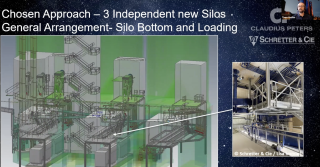
14 July 2022
13 July 2022
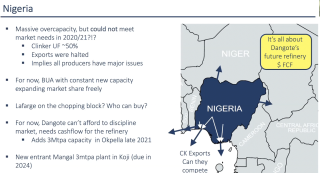
12 July 2022
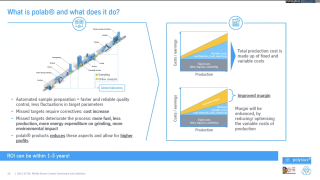
12 July 2022
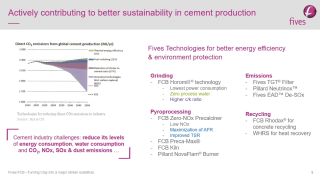
12 July 2022
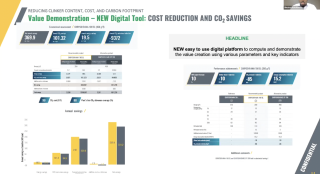
12 July 2022
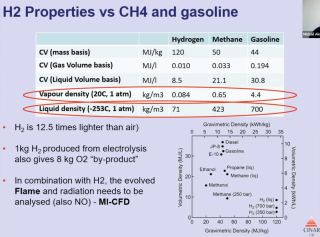
12 July 2022
12 July 2022
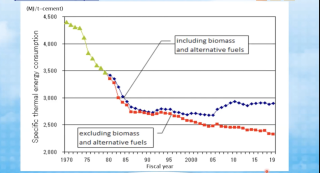
12 July 2022
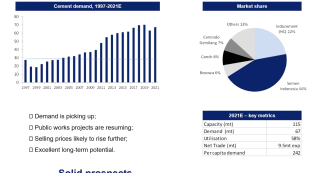
12 July 2022
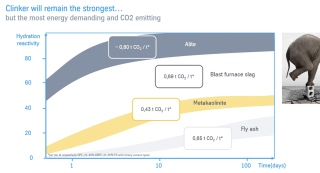
12 July 2022
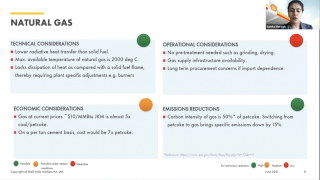
12 July 2022
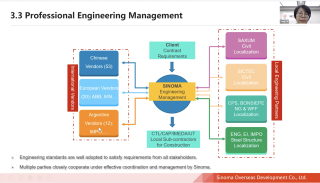
12 July 2022
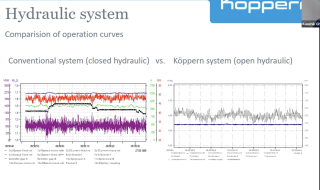
12 July 2022
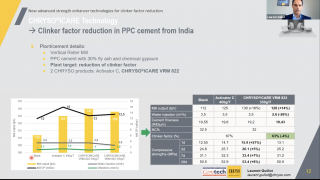
12 July 2022
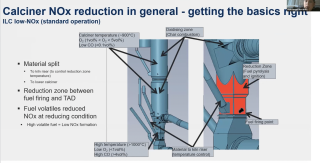
12 July 2022
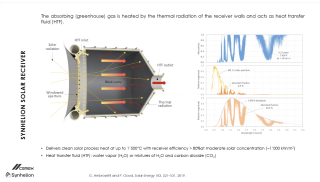
12 July 2022
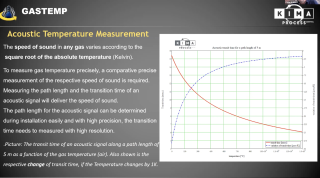
11 July 2022
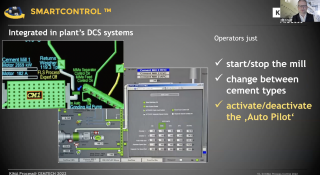
11 July 2022
11 July 2022
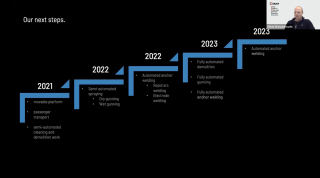
11 July 2022
11 July 2022
11 July 2022
11 July 2022
11 July 2022
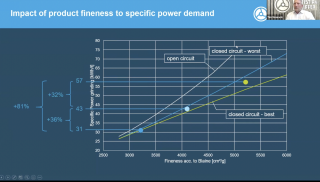
11 July 2022
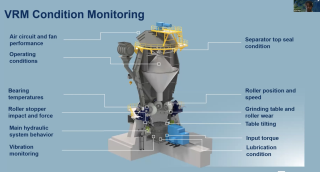
11 July 2022
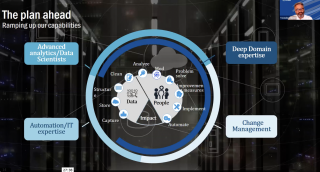
11 July 2022
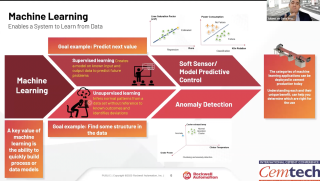
11 July 2022
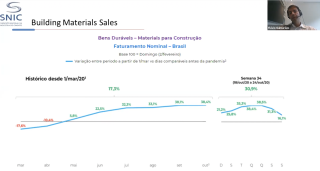
11 July 2022
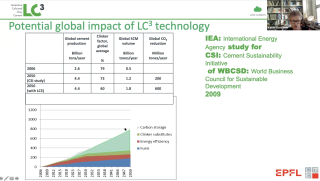
11 July 2022
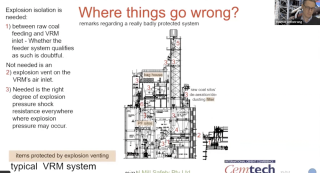
11 July 2022
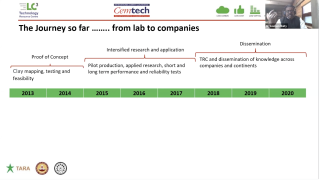
11 July 2022
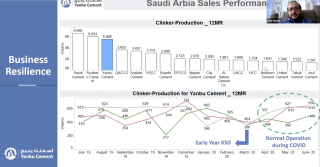
11 July 2022
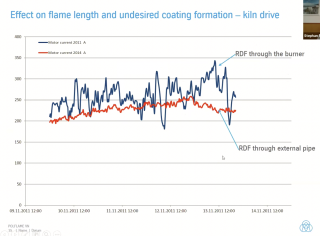
11 July 2022
11 July 2022
11 July 2022
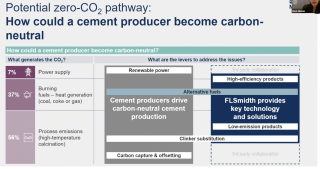
11 July 2022
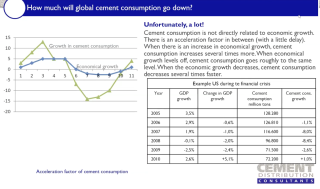
11 July 2022
11 July 2022
11 July 2022

6 July 2022
1 July 2022
1 July 2022

8 June 2022
12 February 2021
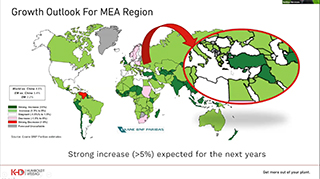
12 February 2021
12 February 2021
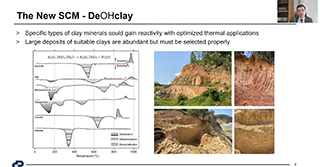
12 February 2021
12 February 2021
12 February 2021
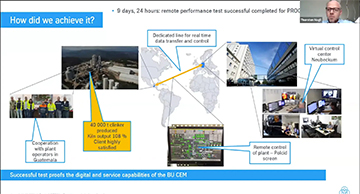
12 February 2021
12 February 2021
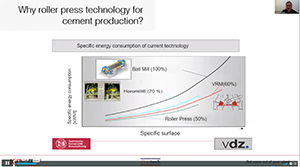
25 September 2020
25 September 2020

25 September 2020
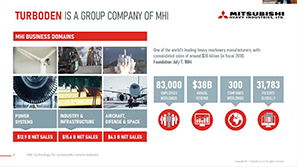
25 September 2020
23 September 2020
22 September 2020
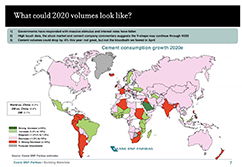
22 September 2020
21 September 2020
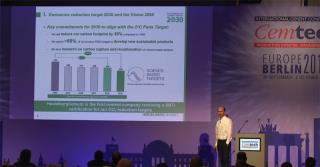
20 February 2020
10 February 2020
10 February 2020
10 February 2020
7 February 2020
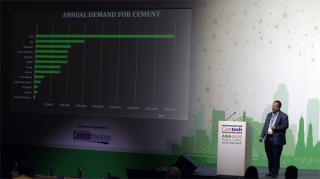
27 January 2020
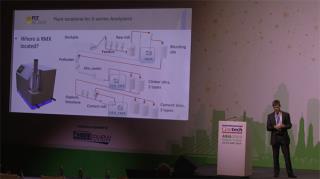
23 January 2020
23 January 2020
23 January 2020
23 January 2020
2 May 2019
30 April 2019
18 April 2019
18 April 2019
18 April 2019
12 April 2019
12 April 2019
11 April 2019
10 April 2019
10 April 2019
10 April 2019
9 April 2019
9 April 2019
4 February 2019
17 January 2019
31 July 2018
31 July 2018
31 July 2018
27 July 2018
27 July 2018
27 July 2018
27 July 2018
27 July 2018
27 July 2018
27 July 2018
27 July 2018
27 July 2018
27 July 2018
25 July 2018
25 July 2018
25 July 2018
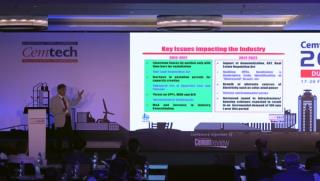
24 July 2018
24 July 2018
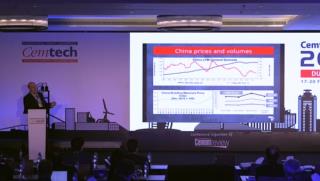
24 July 2018
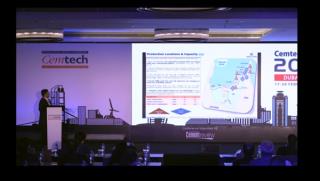
23 July 2018
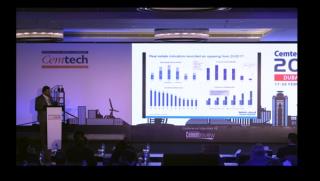
23 July 2018
23 July 2018
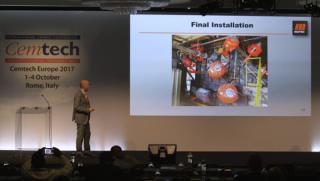
20 July 2018
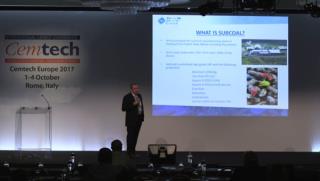
20 July 2018
20 July 2018
20 July 2018
20 July 2018
20 July 2018
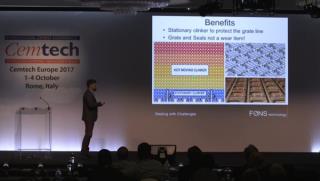
20 July 2018
20 July 2018
20 July 2018
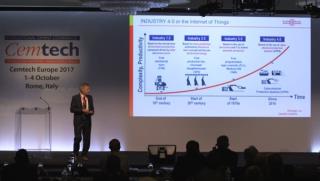
20 July 2018
20 July 2018
20 July 2018
20 July 2018
20 July 2018
20 July 2018
20 July 2018
20 July 2018
20 July 2018
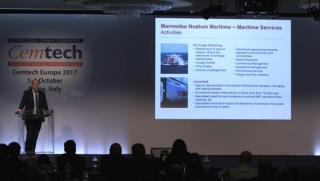
20 July 2018
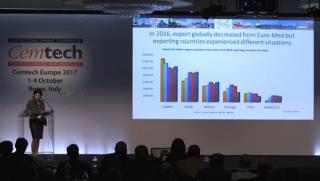
19 July 2018
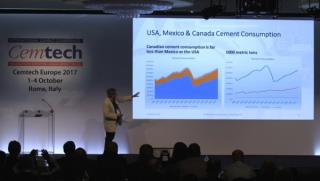
19 July 2018
19 July 2018
19 July 2018
19 July 2018
23 March 2018
23 March 2018
23 March 2018
23 March 2018
23 March 2018
23 March 2018
23 March 2018
23 March 2018
23 March 2018
23 March 2018
23 March 2018
23 March 2018
23 March 2018
23 March 2018
23 March 2018
22 March 2018
26 October 2017
26 October 2017
26 October 2017
26 October 2017
14 August 2017
14 August 2017
14 August 2017
14 August 2017
14 August 2017
14 August 2017
14 August 2017
14 August 2017
14 August 2017
14 August 2017
14 August 2017
14 August 2017
14 August 2017
14 August 2017
18 July 2017
18 July 2017
18 July 2017
16 June 2017
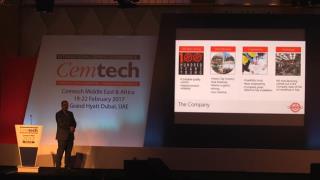
16 June 2017
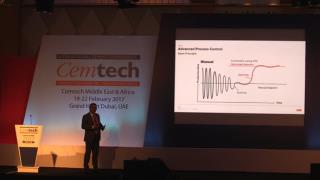
16 June 2017
16 June 2017
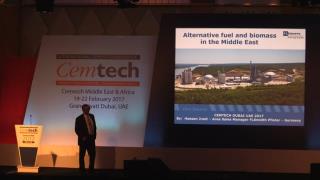
16 June 2017
14 February 2017
14 February 2017
14 February 2017
14 February 2017
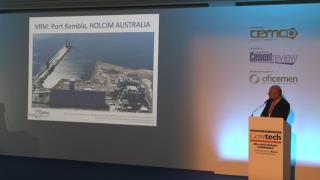
14 February 2017
14 February 2017
14 February 2017
14 February 2017
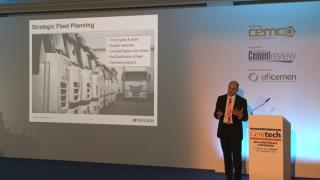
14 February 2017
14 February 2017
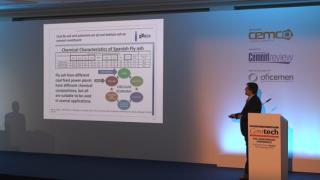
13 February 2017
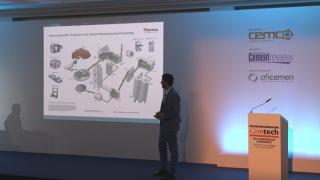
13 February 2017
13 February 2017
19 January 2017
19 January 2017
17 January 2017
17 January 2017
17 January 2017
6 January 2017
18 August 2016
18 August 2016
18 August 2016
18 August 2016
17 August 2016
17 August 2016
17 August 2016
16 August 2016
16 August 2016
16 August 2016
12 August 2016
12 August 2016
12 August 2016
11 August 2016
11 August 2016
11 August 2016
10 August 2016
10 August 2016
10 August 2016
8 August 2016
8 August 2016
8 August 2016
6 May 2016
6 May 2016
6 May 2016
6 May 2016
6 May 2016
6 May 2016
6 May 2016
6 May 2016
6 May 2016
6 May 2016
6 May 2016
6 May 2016
6 May 2016
6 May 2016
6 May 2016
6 May 2016
6 May 2016
6 May 2016
6 May 2016
6 May 2016
6 May 2016
25 April 2016
25 April 2016
11 March 2016
11 March 2016
11 March 2016
11 March 2016
11 March 2016
11 March 2016
11 March 2016
11 March 2016
11 March 2016
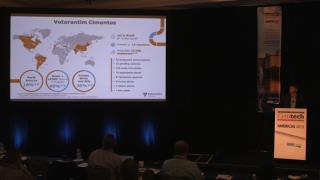
11 March 2016
11 March 2016
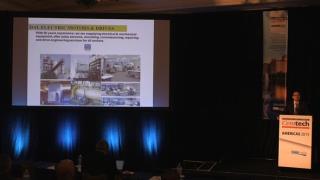
11 March 2016
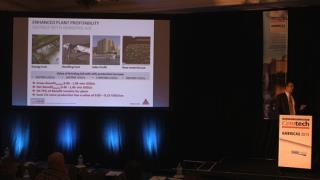
11 March 2016
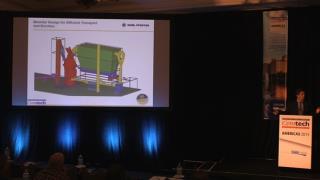
11 March 2016
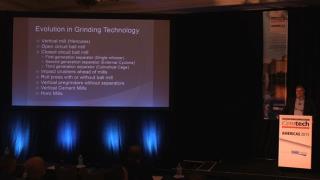
11 March 2016
11 March 2016
11 March 2016
11 March 2016
11 March 2016
11 March 2016
21 December 2015
15 December 2015
15 December 2015
15 December 2015
15 December 2015
15 December 2015
15 December 2015
15 December 2015
15 December 2015
15 December 2015
15 December 2015
15 December 2015
15 December 2015
2 December 2015
2 December 2015
2 December 2015
2 December 2015
2 December 2015
2 December 2015
2 December 2015
2 December 2015
2 December 2015
2 December 2015
2 December 2015
2 December 2015
21 August 2015
21 August 2015
21 August 2015
21 August 2015
21 August 2015
21 August 2015
21 August 2015
21 August 2015
21 August 2015
21 August 2015
21 August 2015
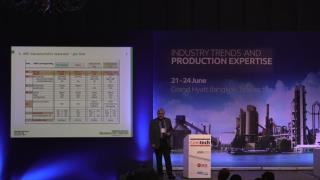
21 August 2015
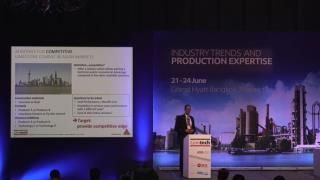
21 August 2015
21 August 2015
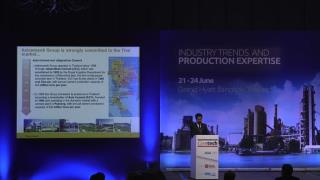
21 August 2015
21 August 2015
21 August 2015
21 August 2015
21 August 2015
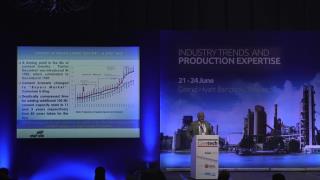
21 August 2015
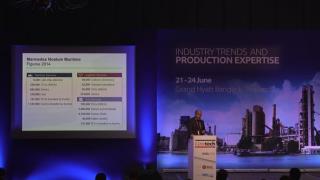
20 August 2015
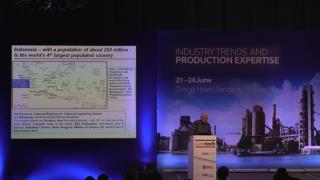
20 August 2015
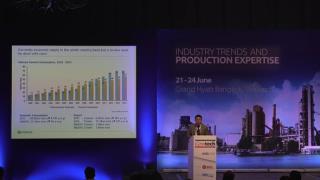
18 August 2015
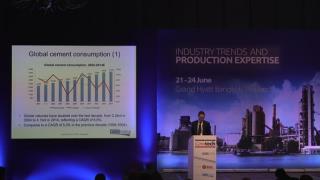
18 August 2015
18 August 2015
18 August 2015

30 June 2015
29 June 2015
29 June 2015
29 June 2015
29 June 2015
29 June 2015
29 June 2015
29 June 2015
29 June 2015
29 June 2015
29 June 2015
4 June 2015
4 June 2015
2 June 2015
2 June 2015
2 June 2015
2 June 2015
29 May 2015
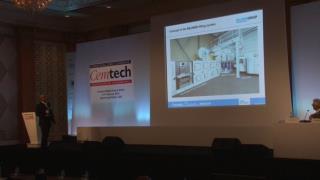
29 May 2015
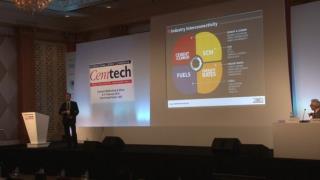
28 May 2015
28 May 2015
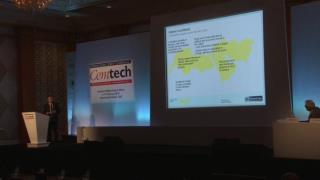
28 May 2015
18 February 2015
17 February 2015
13 February 2015
13 February 2015
Try searching for another title.