
2 September 2026
This transcript was generated automatically and may contain errors.
Hello and welcome, welcome everyone to the new year and back to Ctec Live. our first webinar of 2026. CTEC Live is the cement industry's most viewed monthly webinar series. They're designed to place a spotlight on the latest tech technological advances, advances, and to promote best available technologies, helping producers like you take practical steps towards manufacturing excellence and sustainability. you can see here the the schedule we've got for the year running ahead each month, the first Wednesday of every month, more or less, we'll be taking a topic and diving into it with experts from the sector.
and I think today is gonna be a great showcase for, for how, how good these webinars can be. we've got great people on, as you'll see shortly. A quick word about EMEC and International Cement Review. EMEC events are organized by ICR, the cement industry's leading monthly publication working to deliver you the best information deep insights into manufacturing technologies and their application across the entire cement production process. We've been doing that for over 35 years. if you work in the cement sector and you attend Cent Tech seminar seminars and webinars, you really should be reading ICR on a monthly basis.
So I invite you to check out simnet.com/subscribe, and you'll see how easy it is to complete the payment and become a subscriber. Receive our monthly magazine and with it a free handbook. not least, the Cement Plant Operations Handbook. the gold standard reference for cement plants engineers that's, that comes free as well as online access to cnet. So just take a minute during the webinar after to, to go to cnet.com. ICR is also a trusted source of data and statistics for the global cement sector. if you didn't know it already, we've published recently the Global Cement Market outlook.
It provides forecasts and historical data on key cement markets and regions around the world, and is the ideal companion for the Global Cement Report. another report that you are probably also familiar with both available on cnet.com. Very brief word about our first conference of the year will be in Riyadh for our first event in Saudi Arabia. And I think the first dedicated cement conference and exhibition really from any of the independent exhibit exhibition series going around the world. This is a, a, a really exciting thing for us. Saudi Arabia it's poised to become the largest construction market in the world, driven by the country's 2030 vision development program.
so as well as gearing up for rising cement demand, the industry is modernizing, transforming itself adopting new technologies, including alternative fuel technologies and all this really it's such a dynamic place. it's is incredible to see what is happening. And it makes a perfect backdrop for our event, Cemtech, MEA first of Feb. if you are in the region, working in the region, then do do try and join us. But today's session I'm very happy to be talking about alternative fuels. it's something that everyone operating in an integrated cement plant is interested in. alternative fuel utilization varies greatly between regions and countries and individual plants.
but it's absolutely key to ma to a large, a large extent. It's determined by the country and it's it's waste management systems, it's regulatory frameworks energy prices. but one thing is, is for sure the technology is there to burn fuels at any rate and if you want to do it that technology is there and we will talk today about how to do it. we're looking at the possibility of a hundred percent TSR for some plants, and that's already happening in in many plants around the world, particularly in Europe, where your average TSR rate is around 50 or 60 in each country. But yeah, individual plants working at much higher levels in many cases, and sometimes with negative fuel costs.
so there can be a real economic benefit as well as fuel diversification resilience. it's in a good common sense energy strategy to be using alternative fuels. So, as I said, we'll be looking at technologies, how to prepare, handle, and dose alternative fuels, opportunities for reaching a hundred percent thermal substitution rates using milled alternative fuels. the challenge of using biomass which is a topic in itself and also as a main fuel in clay calcination. So it was two, two big topics there. and also syn gas, gas technology, an interesting option for, for companies seeking to decarbonize their operations with alternative fuels. So that's our lineup.
after each presentation, we'll open the floor to the, to you the audience to ask questions. please use the q and a box that you should see and ask any questions. I'll try and put them to the, the speakers as we get round to them. but we're gonna start with a great speaker Lucas Keller of Di Mateo. Lucas was speaking at our Asian conference in South Korea last January. And he's he's an expert from Di Mateo. As I said, he studied the University of Applied Sciences Sciences in so Germany, where he completed a bachelor's degree in mechanical engineering in 2018.
immediately after graduating, he joined Di Mateo as a design engineer through frequent interaction in international clients and regular site visits. His role quickly evolved towards project management, and from 2019 onwards, he began leading projects independently with a strong focus on di Mateo's, Asian and East Eastern European markets. So if Lucas, if you're there, if you'd like to share your slides we can get going. Alright. All right. Thank you for your, there we Are, we're up, we're up and running. Over to you Lucas. Thank you. Everybody can see my screen. All right. So thank you for the brief introduction of myself.
I wish everybody a happy New Year, and I want to take some time to yeah, show you a little bit of our portfolio. So shortly for those who are not familiar with us we are the company di eo, the di EO group from Germany. We have total of five production areas with the total of 230 employees and are almost six years in business, but still a family owned company. So the special thing at DI material is we started quite early focusing on alternative fuels. So we have a quite large portfolio for every step in the plant. we have one, two, or even more solutions we can offer you starting from the unloading of the alternative fields, the truck reception, the processing of the items.
We are getting to this a little bit later, the storing of the equipment, conveying dosing, and finally, the feeding to the process, of course. So, which are the most commonly used RD alternative fuels? of course you know RDF and biomass are the most important parts which are to be considered when the plan is shifting from fossil fuels to alternative fuels. from the biomass perspective we have many installations for pond kernel shells or pellets, wood pellets, but also more and more important cocoa shells, animal mill tires. So basically every waste product you can put into your kiln is important to be handled, and everything needs to be handled differently. So there we come into the play.
So starting from our portfolio we have a modular system with high flexibility where when we get a, a request, we can choose an individual solution for every client. depending on your personal needs, we start with a reception of course, or we can start with a reception, of course. but most importantly, I want today take the focus on the preparation of the material and the dosing and the feeding, the transportation. I would like to not further discuss today. So, in our opinion the most important thing is in many countries, alternatives, fuels like RDF are not available in the quantities, which would be required.
So the plans need to take action by themselves and make installation or preparation systems by themselves. So let's start with our developed flash drying system, which is a two in one solution. to be clear, it's a vertical system, so it's air separation and drying system in one. I think I can better explain the system in the next slide because in the, in the schematic picture, it's easier to explain. So we have in feeding point where the, the wet material can be input to the drying system, and we have a filter casing where the air is sucked through the line into the casing. So we have a process draft fan sucking the air, including the material as a nomatic conveying into the casing.
And on the lower side of the material in feed point we add hot gas to the system possibly from a cooler would be convenient because the heat emission is already available. the heavy particles naturally will drop out on the lower side of the system. So it's a 3D particle separation there, and the hot gas can dry the material inside the duct approximately, according to our experiences realistic values for drying RDF, for example, are between seven and 15% of moisture loss during this process. So this is basically also dependent on the material characteristics. the more surface is available, the more water can be vape curated in this short time, of course.
Now I want to take a short look at the dosing of the alternative fuels. As you know the properties of alternative fuels are always shifting. the densities are shifting, so it's not always easy to, to handle it and input the material according to the needs to the process. So the material developed their own weight feeding system based on a relatively simple concept of a screw conveyor. The material gets into a pre hopper, which is completely weight with the system. And in the hopper we installed an agitator to prevent the material from solidification.
And the main part of the equipment is the screw, which brings the material to our metering section, the weighing section with this which is further also individually put on load cells, and the screw can adapt according to the weight. The metering section is detecting inside this section. So when we have a lower density, then the weight in the, in the section goes down. So the screw speed increases. So we, we have a gravity metrical feeding and can always adjust to the set point of the operator. So if you, if you see here if the operator makes a set point the red line is a set point in the, in the operating panel.
And the, the black line is actual mass flow based on the, on the screw speed there. So after the set point is made, the screw speed will adapt always accordingly. And afterwards make a, a yeah, swift adjustment to the, to the needs regarding the density. Finally, the material needs to go to the, to the kiln. So today I would like to, to focus on the, on the thematical conveying here. So let's go to our injector, rotary feeders. The material is coming from the top side, and pressured air from a blower is given from the rear side. The combined material flow is going in the thematical pipeline in Kune direction.
So if, if you have a regular conveying pipeline, it's a very good situation to put feeder on top of the valve. The material can go into the pipeline and afterwards quite convenient, implement second air separator because as you can see in the, the below short video even in the highly processed material, even in Europe still very much of the foreign bodies are finally getting into the film and cause problems with the with the emission and also end uper. So very much recommended to install further devices to reduce these current particles.
studies have shown that even with highly processed material, it's regularly that we can still exclude like two or 3% of the total mass flow in 3D bodies, particle stones or metal paths which are not separated before through regular separation systems. So these systems have many advantages. They have almost no opex, a low CapEx, and they can be implemented in any conveying line. So it doesn't need to be a whole material system. It's very easy to implement it already in existing lines. All you need is a little bit space in a vertical pipe piece.
And then these can improve the quality of material, the quality of your fire in the kiln, and improve the alternative fuel raise rate because of the better combustion as possible with higher quality RDF. Now, I want to take the time to talk a little bit about our most recent installations that you can see how it's possible to, to arrange these systems you have now seen. So this is a project we have recently commissioned in France for the Heidelberg materials. And it's a complete, a new calina feeding line, starting from the storage until the preheat tower.
The systems consisting of a whole storage hole with an automatic bridge crane, crane dumping hoppers which are bringing the material to a chain conveyor separation systems. And afterwards, the material is brought to a 260 meter pipe conveyor, which was quite challenging here because it needed to avoid several obstacles in the plant side. So it is a main advantage of our pipe conveyors that curves are no problem and long conveying distances can be covered even if existing belt bridges otherwise would cause problems. There. The system was designed for RDF and SRF, but also for the future use of coca shell solids. So it's an apex installation with high requirements there.
And the conveying capacity for this particular system was 15 tons per hour on the real side of the storage hall. biofilter was installed where the, the bad smell of the, of the storage can be neutralized. And yeah, everybody who has been in a storage ones knows that it's quite convenient to, to reduce that smell on the plant side. also we have installed a recent system in Italy for also for Heidelberg. And in Sato, we have made a special system, which is two feeding lines and one for Casina and also for satellite burner.
So we have only one reception system and one storage system, but still we are feeding both the casina and the satellite burner line with the system while splitting the material flow under the silo. The thematic feeding is executed for the main burner feeding, and the mechanical way is going to the Cal Sinai. This is executed with a, a specially designed alternative fuel bucket elevator from us which is very good for things like RDF, which are somehow more problematic for bucket elevators to convey because of the light density and the difficult discharge parabola. So the truck reception here a little bit closer with walking floor trailers.
And another, the silo or inside the silo is a silo extraction, rotary rotating screw, which brings the material to, to a splitting screw conveyor, which can bring the material simultaneously either to the TER side or to the to the main burner side. And on the lower picture, on the right side, you can see our weight tube systems. you have seen earlier one for the main burner side, also for the dosing, and one for the pre heater side in South Korea. we have installed our currently longest conveying system. We have an air supported belt conveyor there which can be used for very large distances without a walkway on the side because it's a maintenance free.
So these are very good for also for all types of alternative fuels that can be used and realize distances for over 600 meter like it's the case in this project with a positive aspect that we need very few supports as it's a self carrying structure, and therefore not necessarily needs a 600 meter belt bridge. It can simply be put on, on supports every yeah, 30 to 40 meters. And this makes a CapEx quite reasonable for these types of systems. Now, I want to talk also about a Korean project. It is also installed in or it's, this one is installed at honey Cement in Danya. the special thing is that the conveying capacity was quite high for these automatic bridge crane for RDF.
they have high signer requirements of 30 tons per hour of RDF and simultaneously storing the materials the material, which is arriving from the trucks into the storage. So the crane we used there was a very large design compared to, to other projects. Finally, I want to talk about a drying project. as I also introduced the dryer, I want to take vision on the dryer. We recently installed in Ukraine. In Ukraine, we have a system for the main burner feeding up to 20 tons per hour for two kill lines. And there we are feeding SRF in the system.
We have a reception hopper where we are bringing the, the alternative fuels with a wheel loader to a hopper, which gets material extracted to a direct chain conveyor. Finally, inputting this, this is a screw you saw on the pre, previous slide which brings the material to the hot duct. The hot gas is implemented here on the lower side at the, at the green spiral. And the process draft fan here on the right side sucks the material through this whole duct into this casing where it gets extracted again to prevent that the that the air is stuck from the other side. We have rotary feeder installed, which guarantees the tight air lock on the other side of the casing.
So, and this is how the installation will look like or looks like in in person. we have several additional air ducts in the, in the feeding screw where we can implement more hot gas to improve the drying result, depending on the needs of, of the client, or depending also on the material properties, when they have quite wet material, it is possible to, to increase the drying time through implementing the, the air already in the mechanical part of the conveying here. So I would say I would like to come to an end here. thank you for your attention, and I'm looking forward to hearing from you again. Thank you very much, Lucas. That was a great survey of different types of transportation systems.
they you know, we saw in, in South Korea, we were lucky enough to visit Nel at that the last EMEC Asia. and it's really a, an impression and impressive engineering feat. taking all that RDF conveying high up into the delivering it to a pyro rotor, I believe KHD yeah, correct. Russian chamber Was also installed. Yes. so some great projects. There. There, there are, there are a lot, lot of different questions. one for me is just you, you, you show a lot of versatility in the types of systems for, you know, preparing and then delivering and dosing, feeding the, the alternative fuels.
how versatile are they in themselves in terms of the range of alternative fuels that you can, that you can burn, I guess in some markets you'll have for a consistent supply of RDF at a certain value, size, et cetera. if, if they're in a market which is more less developed and more uncertain is there scope to be more versatile, more flexible than your systems? yes, of course we need constantly to adapt to these changes in yeah, possible RDS which are used or mean, not RDS alternative fields, which are used in the plans because as I said before in many countries also in South Korea, it's quite limited at some point to get RDF for their kilns.
So they need either to make the preparation by themselves or they need to go to other products which are more available there. And I think yeah, we are quite interested in, in requests like this, which we are not having, because we can improve our portfolio based on, on new requests there, we can use our test centers to try out other property material, which where we are not familiar yet. Mm-hmm. Okay. there are lots of questions coming in. well, there's one about moisture range, which what, what, what, what is the moisture range and, and what can be, what, what is the limit? I guess I just wanted to take the time to, to go through the questions.
so I will answer them now sooner or later within this conference. But the moisture range I've told earlier, it's, depending on the heat you are using, we have experienced moisture losses of RDF of about up to 15%. So when, when the starting material had like 20, 25% moisture, we ended up with 10%, 5% moisture. Something in this range was realistic to be done. Okay. Could be, of course, increased if there is more space available, the duct length could be increased to increase the time of the drying. so it can individually different Sure, depending on the installation itself. But to, to have a brief idea, I would say consider 10 to 15%, then mm-hmm.
there's a question about firefighting systems. Do you have a design to compliment your alternative fuel systems? Or how, how does that work? Can you talk around that? Mm, firefighting is usually done by us. We have two partner companies, which with we are working. So usually they support us with getting to a concept there, or we get the concept from the client and also and only supply it as a yeah, as a sub supplier. but we are not doing the firefighting by ourselves. We work close together with two companies. when they say, okay, can you install the sensoril, then the conveyor? We are very flexible.
We, we have yeah, mod modular systems where we can apply nozzles, additional sensors and everything. That's no problem. but the concept is not coming directly from us. We can offer it as a whole system. But there we are supported by other companies which are specialized in firefighting or explosion protection. same topic. I'm, I'm seeing more and more questions arrive. I'm gonna, I'm gonna pick one more just out of interest, and then you can you can look at these questions afterwards and, and, and make type your answers if you, if you like Lucas. Mm-hmm. Yeah, yeah. Just for now.
it, it says, for new alternative fuel plants do they prefer pneumatic conveying and do they remove the air before injection into the cow signer? and so is that being applied to different types of c and d waste construction and demolition waste? I guess, I guess what kind of, how do you decide, you know, pneumatic or non pneumatic transportation, I guess what are, what are new? What is the sort of best practice now? Mm, yeah. the point is usually for the cal lights lines volumetric capacity especially, is a, is a problem for the patic conveying because for like 20 or 30 tons per hour, the, the air volumes which are required and pipe diameters are very high. And clogging could be likely.
Mm-hmm. So this is more relevant for main burner feeding. And they are I would say the, the p conveying has lower CapEx and a little bit higher opex. So we have the, the blower with the high capacity. We have frequently where on the pipelines, but on the other side where it doesn't need a huge support structure at all. And it's easy to realize 80 to also more than 150 meters of a conveying line without a problem. Mm-hmm. So this everything with a one rotary feeder. So from the CapEx point of view it's always a little bit cheaper to go with a PME solution. Okay. Thank you. like I said, there are plenty more questions there, but that's all we've got time for now, Lucas, thank you.
Thank you very much. thank you for opening up the webinar the first presentation of the year. Great, thank you. So we're gonna move on now to our next presentation. And we're gonna be looking at pushing things to the, to the limit a hundred percent TSR rates. And I'm really pleased to produ to introduce Lars Jenison chief Technology and Innovation officer at NMP Group. And Lars is the eldest of three sons who've been working in the family business the NNP group since 2008. And during this period, Lars developed a technical interest in the production and application of waste derived fuels since the start of n p's sub coal in 2010.
His development spirit has led to many new opportunities in the alternative fuels business. Today, Lars has almost two decades of experience of the u of the utilization of alternative fuels in the cement industry, but has also been pioneering usage of alternative fuels in other industries, such as steel power and lime. In his role as Chief Technology and innovation officer at Lars continue, continues to work on improving waste derived alternative fuel characteristics and properties based on his knowledge, experience, and enthusiasm. Lars regularly gives presentations about the world of waste derived fuels. So, Lars, welcome. it's great to have you here.
And a warm welcome for your presentation on reduced fossil fuel consumption with alternative fuels. Thank you, Thomas. Thank you very much. Also, from the Netherlands here, snowy Netherlands at the moment, a very happy new year to everybody. and I will be indeed covering a little bit of broader topic than just 100% thermal substitution rates, but obviously we'll also touch on that on that subject. let me see if this works. Yeah, there we go. So I'll start with a very brief agenda. so I'll start with a introduction of NNP for those of you who don't know us.
I'll give a bit of background and a bit of information on, on our process, both on our trading activities and on our own production plants. very briefly some strategies which we see being applied by cement plants, I would say mainly in Europe. and then I would like to cover some of the developments about our fuels and how they're used, where they're used, and what they are they're bringing. And then I will end with a, with a summary on that. so for those, for those of you who don't know us the NNP group it's founded in 92, we're based in, in the Netherlands, but we're basically active across, across all Europe and also outside of Europe.
we have a number of offices for throughout Europe where we coordinate our trading and our other activities. but we also operate a number of plants where we not only produce alternative fuels, but we also sort waste. So currently we operate five locations. two of them are producing alternative fuels, one in the Netherlands and one in the uk. we have a milling facility located also in the uk, where we mill alternative fuels. And I'll be showing a little bit more about that later. And we have two sites where we sort out waste. So we take out all the valuable recyclable materials, which are, which are used to produce new products. And all the residuals are used to produce alternative fuels.
So our joint capacity of alternative fuels is roughly 500,000 tons. but we can, we trade over a million tons annually. So what our company does is basically we bridge the, well, the hydrogenous waste, which was also mentioned in, in the, in the last presentation already into a usable alternative fuel. Now, I'm very well aware that the definition of alternative fuel across the globe is a little bit different. here in Europe, when we talk about alternative fuels, we mainly talk about paper, plastic type of fuels tires.
but yeah, we know of course biomass and other, other forms of alternative fuels are also widely used and in some countries, even Petco is still considered as an alternative fuel, alternative fuel. But our company really focuses on yeah, turning this type of waste into something which you can can use in a cement plant ideally up to up to a hundred percent. but we also do a lot of a lot of trading of of SRF, so solid recover fuel. so we trade currently about 1000001.2 million tons, mainly in Europe. But we also have some activities outside of Europe Africa and, and Asia. we have over 350 and TFS procedures in place.
So the, the, the paperwork necessary to, to ship this type of material across across Europe. And we do this using various kinds of of logistics mainly vessels like you can see on the picture here, but also a lot of sea containers, trucks, and other modalities. so our, in our own plants, we really focus on the high end quality because there are a lot of players already in Europe, which which produce let's say the other grades in our own plants, we really focus on high-end fuels. we do that using vari various amounts of feedstocks. and of course, depending on where you are in the world, those feedstocks can be very clean and you almost don't need to do anything.
but unfortunately like is the case in many of our our locations the feedstock does contain quite a lot of contamination, which needs to be removed. And our plants are really focused on yeah, trying to get the, the best quality fuel so that the highest substitution levels can be achieved. so in our process, this is very high level flow chart of it. you can see that we basically use a number of different streams, all end of life waste streams, which typically end up depending on where you are in a landfill or in Europe here, waste energy. so we sweat the waste. we extract as many metals as we can. It's, it's really unbelievable how much metal you will still find in in this waste.
also heavies like we saw in the last presentation, it's there's a lot of glass and inerts and other materials end waste, which we want to remove. Aluminum is also a material which is still quite frequently forgotten maybe, but there's still a lot of aluminum in this waste. PVC is obviously not a very good friend of a cement cl. So the chlorinated plastics, which are abundantly present in the waste, they really need to be removed to ensure a low chlorine spec so that the fuel can also be used in, in high rates. One of the things which is often forgotten is actually the stainless steel.
so a lot of steel, which is non-magnetic which can also cause quite some problems, especially in our case, because we palletize we want to try and remove as much stainless steel as possible. We have a secondary shredding step after which you can call the material SRF. so we also sell some of the material as SRF. One of the things we have been investing in quite a lot is is artificial intelligence, online analysis systems where we try and basically have a continuous measurement of the fuel we are producing to also ensure its quality and also ensure its stability.
we operate a drying process because unfortunately, at our side of the world, it does rain a lot and also the waste typically is quite wet. and also to en to ensure that high levels of substitution can be achieved. we dry our material after which we palletize it into different fractions and these different fractions that will be covering on later on. but they're all used to to substitute fossil fuels in the industry. We've also developed a grinding step, which again, I will be covering later to mill the pallets down to very fine particle size. And that fine particle size is then used to reach very high levels of substitution.
Indeed, we have some examples where we could, could achieve very close to 100% from a substitution. So the transportation of alternative fuels is also a topic where we as a company have been developing in quite a lot because most of our material is, is, is transported across fairly long distances because for example, in the Netherlands, we unfortunately do not have any cement production anymore. So everything we produce there is, is shipped basically from Cyprus to northern Europe and to to Portugal and everything in between. So in order to do that efficiently, we've also looked at various options to transport.
and as you may be able to tell from this picture, one of the advantages which a palletized material brings is basically that you can ship it in bulk. So we've shipped up to 8,000 tons in vessels for example, to countries in Africa like Senegal Pakistan similar with with sea containers where you can just load the material into a sea container. you get quite a nice, nice high load, and the material is delivered like this to a site, and it can be used directly. And that way you can basically, well theoretically reach all over the world for a competitive price.
So, very briefly about what do we see, what is happening with waste or waste derived fuels at the, at cement plants, A couple of strategies which are, are often we, we often see so first of all, it's, it's always a question of quality versus quantity. especially for kilns who get paid to take in fuels. sometimes it's yeah, it's more, actually more interesting to take a lower quality so that you can burn more. and so you can also get paid more, but of course, this has an effect on your on your substitution rate.
but in some cases, it's more interesting to just keep a certain level of coal and just burn burn lower quality waste because in some parts of Europe, indeed, you get, you get, get paid to take in the fuel. so that's, that's a strategy which which we also see I think it was also also mentioned in the last presentation, first, sorry, for the previous presentation, that also the onsite processing as a strategy. So kilns installing bespoke equipment onsite to yeah, to basically do the last bits of processing themselves or buy ready to use fuel. some sites also do both.
it's a bit of, a bit of a, of course, also a situation where if you have money available and if you have space available not everyone has import or export options available simply because it's sometimes not allowed. so shipping waste is unfortunately not always allowed in, in every country, and it requires quite some paperwork to to do it. But indeed, we do see that yeah, countries where the waste industry is not so well developed, or maybe due to the lack of inhabitants there's not, not so much waste available that the importation option of waste is is a very good one.
and also here we have quite a lot of references where, for example, in, in Cyprus a small island where, well, there are not a lot of people, but a very big cement plant, and they obviously need to import to make sure that they can substitute their, their coal. And last but not least I already saw in the, in the introduction chats that we have a very broad audience. So the topic of of CO2 is is everywhere a little bit different. here in Europe, of course, there's a very big cost associated with CO2.
So there's a very, very big driver for everyone to find fuels, which can help reduce the CO2 in other parts of the world, it's more a question of a benchmark towards coal, and to see if there's a, a cheaper way of of getting to to production levels. And also implies that the specification of the fuel can be different. So as a, as a company, we have always been at the forefront of of developments. we always like to to think ahead and to see if we can can solve problems which we are confronted with in the market. so it it's become a little bit of a, of a thing for us to try and be the front runner and try to make sure that we have solutions available for the situations which we see developing.
And that has, of course led to a very broad portfolio of fuels, which we use. so I will be covering three examples today, but as you may be able to tell from this picture, we have a lot of more things going on but that's maybe for for another time. so first of all, as I already said, in Europe there's a lot of emphasis on the CO2 reduction. so one of the things we have been looking at is to unlock biogenic materials from waste materials, which today are, let's say, not available.
one of the biggest sources of waste is the black back waste, the MSW type materials, where actually the biogenic content is, is very high, but due to the nature of the material, it's extremely difficult to to use it directly at a cement plant. So one of the r and d projects which we have been looking at, is to try and unlock this this fibrous biomass from from SW. and for those of you who have been following us online we have indeed been able to secure an r and d facility, which will be operational in the first quarter of this year, where we'll, we, we will be aiming to produce this type of material from Ms. W derived waste.
and as you can see from the specification shown here, this is the the anticipated output where we believe this is a, yeah, a fairly good fuel for the cosigner especially with this high biogenic content. It's it's something where a lot of our clients are quite enthusiastically try it. obviously the moisture content is is still fairly high, but yeah, there are solutions like we saw in the presentation of the Mateo to to reduce that moisture either on site or, well, we also operate drier, so it's very likely that we will also dry this fraction in the, in the near future. And this video just shows you a little bit how the material will be coming from our pilot line.
and it's a, yeah, mostly a combination of, of paper, cardboard fiber mixed with with some small plastics. another fuel, which has been very successful in the market. It's not necessarily new, but I thought it would be good to cover it today, is our granulate. so our granule fraction is is used at a lot of cement plants throughout Europe. Actually a number of reasons for that. It's it's very easy to transport. it's we, we ship it with both containers with trucks silo trucks, and also bulk vessels is very easy to mix. so you can mix it with almost any type of auto fuel and embed it in your in your fuel portfolio. At the same time.
You can also use it in primatic systems, like, for example, MBM system. it's quite small, so it's a six millimeter diameter material with a 10 millimeter length. but it's also very heterogeneous and it's sorry, homogeneous in, its in its particle size. So we also see from a, from combustion feedback that the material is also because it's so, so standardized, it also works very well and many burners especially satellite burning systems. obviously due to, due to our process we have less than 2% moisture with a very high calorific value. So it really acts as a, yeah, as a high quality fuel in the mix.
and still we, we, we maintain a relative high density for those of you who are experienced with using SRF it's typically around a hundred kilos per meter cube, depending on the quality, of course, but for your main burner, that's something you would expect. So it's almost three times higher, which also means that from a vol volume matter perspective, you can also feed a lot more on existing systems. and we have a number of cases where clients have been using this to increase the TSR rates up to 75% on the main burner, which is of course what we like to do, like to see with with this type of fuel. And this video shows you a little bit the nature of the material.
You can see it's very free flowing and it's basically ready for for a burner directly going on to the to the milk material. as that I would also like to cover this it is a topic which is something we have been developing in the last one and a half years to get to a very fine particle size to allow high levels of substitution. because indeed in Europe, we see the drive to get to this magical number of 100% or 99%. However we want to formulate it is being pushed and pushed more, both by by the companies themselves, but also by by the general public.
in, in Germany, we see, for example, a lot of examples that, that simply the fossil fuel, like Lake Knight will not be available anymore in, in the near future. So alternatives need to be need to be sought. And also, we know that if you don't have access to materials like solvents, it's very difficult to to get to very high levels of of substitution without a, a very fine particle size. So this video depicts our location in the UK where we operate our commercial milling operation. So here you can see our pallets being milled in our hammer mill. and this mill product is is shipped to to various clients both in the uk but also we, we export this material.
and it's used only on the main burner of course, to to reach the, the very high levels of of substitution. we guarantee a particle size 100% below eight millimeters, which for alternative fuel I would say is, is, is fairly unique, especially in the quantities we can we can offer. So this, the milling site has a capacity of of 16 tons per hour. the density is still quite high. so again, compared and benchmark the traditional SRF fractions we are about three times three times higher. this material obviously needs to be used to substitute fossil fuels. So it, it, it really needs to be targeted in the main burner to yeah, to try and get rid of the last percentage of coal.
And typically this material is only used for kilns, which are already at 75% substitution. So to get from 75 to a hundred, this is this is one of the options. we see clients considering. and then last but not least, we have references where we u we use MBM, so meat and bone meal systems, so silo systems or the the salt recovered fuel systems to to feed this fuel. and we both have experience on the main burner as well as the satellite burner there. And then finally, we also see that this, this fuel can be used as a control fuel, obviously, when, when you you work at these rates of alternative fuels, you alternative fuel needs to be very reliant, very stable.
And indeed, we have cases where this is this is shown. And then here we can see an example of the fuel being used. This is an actual kiln. Unfortunately, I cannot cannot disclose the name of the kiln. but this is something we have been working with with I Ikes process a name which might be familiar. They're experts in in CFD modeling and on request of the client, they have modeled the utilization of of the mill fuel together with their fluff and their tar tar, sorry, the tars tar fluff in the main burner. and this, this case is also now still operational.
and this case, we were able to achieve 25, 20 3% higher from a substitution rate, so directly reducing coal resulting in, of course, lower cost and lower CO2 emissions for this, for this particular client. So in summary it's it's, I guess it's a, it's a logic oneand, but there we see many different strategies, but everybody's focused on one goal. We want to reduce our alternative, sorry, we want to reduce the fossil fuel consumption and typically also reduce the CO2 emissions. And there are, of course, many ways to get, there are many technologies to get there. and, you know, our contribution to that is try and offer the high grade fuels to to do that.
we've also learned that there's not one single solution, which fits all. we see many different challenges at, at each individual kiln from logistics to kiln capacities or kiln chemistries, but a lot of different things which which can influence of course if you are successful or not. But we're always open to to explore. And this is also why we have such a wide portfolio of, of different options. the high grade fuels, I said also here, we see for some kilns, it works very well for other kilns, it works, it doesn't work so well. But also we see that sometimes people just want to use a base load of pallets, for example, in the cosigner, even to to ensure stability.
and also here we have a number of reference cases throughout Europe where pallets are used as a base baseline fuel, just to make sure that the quality stays stable. development of higher biogenic fuels is something we see while basically across Europe where, yeah, more and more requests are being, being made to yeah, to reduce the plastic content to increase the biogenic content to make sure that the CO2 emissions are further reduced. And then lastly, the milk fuel development. we are happy to see so much interest in this, and also to yeah, to be able to share that we are really getting to the a hundred percent rate with this type of fuel. It's obviously not easy to make.
It's there's a lot of things which you need to do, but at the end of the day it needs to be competitive to, to coal and CO2, and that's luckily what we what we can still achieve. So I will end for this slide, which is maybe a little bit of a teaser of some more work we are doing. again, you can see a very fine particle size almost like a sand sandy type material something we have been working on for quite some time. and there's some exciting news coming ahead for this in in the, in the, in the next months of the year. So I'm sure that for those of you who follow us online or somewhere on the conference, we will be able to share a little bit more in due course.
So thank you very much for your attention and hope to answer some of your questions. Wow, thank you very much, Lars. That's really fascinating. overview of all the different fuels that you are, you are, you're creating lots of niches, lots of opportunities for people who I guess can, can pick what works for them, their technology, their, their situation. There's a lot of variety there. you can reach a wide number of markets, Senegal, Pakistan, as well as Europe which is really interesting. And one question that came to mind is when you've transported that fuel what, how are people storing it? I mean, are do they have their own flat storage? Are they keeping it in containers?
What do they have to think about? at that point, It's, it's, it's typically of course a requirement depending on where you are in the world. So, you know, we, we've supplied, for example, to Saudi Arabia where they were just set out to store it outside. Outside, yeah. but yeah, I guess a lack of rain there is, is helping that. I think generally speaking, storing, storing bales is something which is generally allowed outside of course you need to be mindful that the bales are wrapped enough so that they, they don't damage during transport. the nice thing about pallets, of course, is that, you know, it's, it's, it's a bulk, it's a bulky material. so yeah.
Any, any space you have available on site typically suited to to store it? we, we even have some references where the pallets were stored outside, even in the rain. but I would always advise to at least store it on the roof. But yeah, the, the spec specific requirements are really country dependent, but in Europe, generally a roof is required. and you are, you are doing half a million ton of volume. what, what is the main product out of your product mix that, what is the most pop, most Popular? mostly currently we mostly sell the granulate and the milk product, actually. Yeah. Okay. So one for the cows, one for the burn main burner. It's All main burn, all main Burner all main burner. Yeah.
Okay. and there's, there's a lot of different questions. I guess the obvious one I'll pick out is the one about, about price. so is there a typical price for granulated af, mild AF and other types we're in South America and alternative fuels compete against fuels like coal and pet coke? Yeah, Yeah, it's of course very diff diff difficult to answer generally on the, on the price question, but let me formulate it like this. it's, it's quite clear that that a palletized material will be more expensive or whatever than than SRF so, you know, we always say if you can use SRF, you should use SRF.
but you know, we like to think we compete against coal because that's what we want to substitute or Petco or any fossil fuel. So any client we are supplying is obviously yeah, taking the material and benefiting from that comp comparing their other fossil fuel price. so in the case of South America, I dunno if we can be competitive if, if we have a container rate there, the, that's a good question. I don't know, that's something to look at, but the reference I gave to for example, to Pakistan and to Senegal are all palletized materials. So gives you maybe a little bit of a flavor that we can, we can definitely compete with coal prices in those regions. Yeah. And would that apply to us as well?
Yeah, depends on, yeah, I, I don't know the cool price in the US at the moment, so Yeah. Yeah. Yeah. Okay. so that, yeah, that, that's, that's really interesting. can I just ask for a European view do you think the ETS is gonna have a noticeable impact, maybe not this year, but in, in the, in the next few years? 'cause we're gonna see allocations free allocations being reduced for CO2. a lot of pressure I guess on some of the some of the integrated producers. Yeah, I think that's why also why one of the developments we are putting a lot of effort and money and is, is of course to create higher biogenic fuels.
Because of course, the beauty of alternative fuel waste drive alternative fuel is that its CV is quite high. So it's, it's it's, it's good to, to to take a call out, but at the same time, you still have about 50% of carbon in it, which, which you still have to pay for. So the higher biogenic materials are definitely sold after. So we already have the luxury of a number of clients lined up to say we want to try this. and indeed, I think, yeah, the ETS will, will put its pressure on it. We now of course also have the, the, the border ET SI, I forgot the abbreviation for that, but that's also something, Pardon? Yeah, the cbam. So yeah. Thank you.
Yeah, that and how does that impact the transportation of, of fuels within Europe, or how will it impact? I think we see more and more requests coming from outside of Europe for alternative fuels, because unfortunately, my experience is that outside of Europe, generally it's, it's a little bit different with regards to the waste market. So waste prices in Europe, or at least in Western Europe are very high. so we can actually ship the material quite far away and still be competitive, whereas in some countries, waste prices are simply not there, or, or very low. So it's very difficult for those countries to develop their local AF because simply the, the economics just don't stack up. Yeah.
Very good. Well, fascinating presentation. Thank you very much for your your big overview of, of what NNP does and exciting to see how you're progressing, advancing technology bringing on even more new products to the market. It's fantastic. good luck. thank you very much. Lars, Thank you everyone. Okay, that's a really good presentation and, and sets us up for our, our next speaker. I'm very pleased to welcome back Pedro Ladera. he's a chemical engineer and sustainability director at FCT Combustion, with over 30 years of technical and managerial experience across Latin America in the cement, industrial minerals, lime fertilizer, and clay cal calcination sectors. Sorry.
his expertise includes advanced pyro processing technologies with a specialized focus on clay calcination and its transformative applications in sustainable construction materials. Pedro's master's research on NOx emission reduction in clinker kilns underpins his commitment to eco efficient processes. He holds patents and spearheaded the commercial development of innovative potassium oxide based fertilizer processing roots developed in collaboration with the University of Cambridge. Currently, he leads projects in sustainability engineering, r and d, product development and process optimization, driving forward clay calcination business and related industrial advance advances.
So, very pleased to welcome you, Pedro, if you'd like to share your slides with us. Absolutely. Just make sure you want, you see my screen now? Okay. I can see you. I'm, I can. There we go. It's starting to share. It's starting. Thank you. And that's, that's perfect. Thank you. Well, thanks everyone. Thanks Thomas for the introduction, and I'm glad to be back here. This fantastic venue. so we, the challenge here is how to use biomass at main fuel in, in Clay Calcination. The, the topic of my presentation is we all want to reduce CO2 emissions, that as we know we need to. And two ways of doing it is, number one, use biomass already taught by our colleagues in the prior presentations biomass.
They have a reputation of reducing a lot of this, of the CO2 footprint in our operations. And also, as you know calcine clay is a ways to, to also reduce the, the CO2 footprint. So combining both would be a very good fit for, for reducing CO2 overall. before I start with my presentation, I'd like to just introduce a bit the company for those who don't, are not not know the company. FCT is a company that's been around for the last 40 years. We've been in the combustion business business and also in the online analyzers, but also some fun things like the Olympics, providing flames for the games.
we have a very good coverage a global coverage, anything from the US to Brazil, to Austria, Germany, China covering different areas, different regions of the world. And those are some of our partners and, and companies we've been dealing with. and, and there's a very interesting and comprehensive list of at least a thousand references. So first just to try to locate the, the topic here. We have selected in company for training topics for things that we believe they're gonna have a very good impulse in the industry. Number one is ion ore, imp, palletizing and ting. So we are very we are very active in this business producing combustion systems and producing bricketting installations.
on the calcine clay, this is a very important topic also. So we have a lot of references over in the world. We have also solutions for hydrogen fuel technology, and last but not least, and alternative fuels and hot gas generation. So everything related to combustion should be covered by our team. So this is a pallet of, of, of equipment or products we be selling. anything from flash scale signer to valve trains, to combustion secure safety systems, and burners of different sorts and types and, and and hot gas generators. And in the burner system, we have a, again, we have a very comprehensive amount of, of, of different burners, which are most of, in pretty much all cases tailor made.
So whether there's gonna be a gas where we have a very interesting solution for gas burning to those who are related to a alternative fuels to, to cal signers and so on. All this can be covered. also when you have multiple systems working together in, in harmony, that would be also for the great kiln palletizers, that would be one solution. We've so it's interesting to see that we have solutions for various industry of different sorts. also, if you need, and there was a some special request from a client.
They said, well, we, we cannot have any refractory in our hot gas generator, so we have to work with give us a hot gas generator for 300, 3000 f or a hundred thousand 600 degree Celsius and without refractory. So we have to have a very, very unique solution to, to cope with this high temperature application. So everything about innovation, and also in the clay calcination, we, we do not advocate for only one solution. That could be a, a a a road can be a flash cal signer. And also we can do different sorts of dryers to prep the material. fleet dies bad. We can do gasification, we can do different sorts of of equipment for, for the industry.
And, and also, this is something that's relatively new to us, and, but we've been very successful so far. We saw a lot of fly that from ponds that need to be processed for different reasons. Can be the, the decline of the fresh fly ash production in one case, in the other case can be just legacy deposits that people get, wanna get rid of. So we have developed a proprietary technology to produce high quality fly ash. And we, we are to deliver. We have deliver, we are about to deliver a solution for a, for 1100 tons per day slash cal signed, did us and signed contracting in November 2024.
And also the fun part is the, of the business different torches, different cauldrons, and will be in the next Olympics. Also winter Olympics now. And yes, this is a, again, a fun part of the business. Now into the subject. We, we, I don't want repeat too much on this, but there's a clear path towards CO2 reduction. We see the cement manufacturer, it's, it's responsible for at least six, some say 8% of the, of the global emission of CO2 in the range of 0.6 tons per of CO2. We have seen a lot of progress from the baseline of 1990 to 2024, some reduction, 25, 20 2% in, in, in fuel, 80% in in, in, in terms of energy efficiency.
But still the trends don't help us in terms of the average temperature in the world comparing 20 century to 21st century. There's so we, we have to accelerate those some things to achieve this targets of at least to, to refrain from increasing the temperature overall. So what are the pathways to reduce emissions? According to the cement bureau you can deal with source resource efficiency, energy efficiency, carbon sequestration, product efficiency, and anything downstream. And those are the, the sub areas we can work with to, to help the cement industry. And those painting in, in green are where we can help our clients with. So alternative fuels.
when you see the emission factor for different sorts of of fuels, you can see that most of them are very high, comparably high. So you can probably move from coal to, to natural gas and have a benefit in terms of emission of CO2. and the one thing it calls attention when you see a biomass and waste wood you see a, which is not low, but it's, when you consider this as biogenic, meaning that it can be recycled or, or sent to the atmosphere and back to the, to the plant, you can consider this as zero. So, in a nutshell, with the fastest way to reduce emission of CO2, from the combustion point of view, is to use biomass. But we know biomass is not that easy.
For instance, I, I'll focus my presentation on the rice husk. the rice husk properties as biomass fuel in clay kills may lead to operational hurdle primarily stemming from its physical and chemical consistency, inconsistency, which can disrupt combustion stability. So biomass can come with high moisture, can come with slic, it can come with low calorific value, dosing fluctuation, variable volatiles, and low burning temperature, especially the low burning temp zone temperatures. Something that concerns us a lot, because in the end, you want to sustain a robust flame to keep the combustion going, to keep the process going and the activation of place going.
But when you have a, a low temperature, there is a tendency of getting the flame to puff. So we start having ignition and lack of ignition and ignition again. And if you don't stabilize that, you can have not only safety issues, but also process issues and variabilities and things that will end up giving you a bad product in a, in a risky situation in operation. So there is, there are a lot of challenges using biomass overall, especially in case we're focused here on the, on rice husk. So, as mentioned, rice husk has a, has a biomass fuel, has this issues to be addressed. And this may lead to ignition issues, uneven cons combustion profile.
So we have a flame that it, not even statement terms of heat profile or heat delivery to the system. And also you can have fluctuations in the flu gas. So the process can become very, very unstable. the solution of, first of all, we have to go and try to achieve a certain degree of process control mastery which means you have to know your process. You have to, to have a good grip on the quality of the inputs, a good accuracy of the docent system. So you can do properly the energy, you can do properly, the, the, the raw materials. You must have a very good blending because as we all know, the, the clays, clays are those kinds of materials that are very variable in terms of of of composition.
So, and when you go in a in a clay deposit, you can find very different materials in close to each other. And this can also pose a a difficult to this system and not less important. actually, one of the most important thing is to have a very robust burn system. So our colleagues, our next colleague will be addressing very good technology for, for gasifying. But also if you want to run with a burn system this must be very robust being robust, meaning that the very concept of of burning momentum or burning impulse is may not be enough. You have to do something else.
So what we have developed in our, in our burning system was a technology called tubal flex, where you have different groups of of air injections, as you can see here on the right hand side picture. And you can modulate and, and operate with more or less primary air in the, in the external wear, you have a very strong re or in those areas between the groups of, of holes allow for a better suction of secondary air. So if you can achieve a better suction of secondary air, the ignition of the flame will be earlier and most probably gonna have a more robust and and, and sturdy flame. So the solution goes in into have a very good burner.
And the message behind that is do not underestimate the need for a, a complete survey in your burning system. If you weren't willing to convert akin to calci clean, you have to have a very good and reliable solution, and you should consider probably a new design, especially for, for biomass and, and fuels that are difficult to burn.
So now giving an an an example one thing if you want to reach an operation with a hun, for instance, a hundred percent rice husk biomass, and use it for clay calcination, sometimes you have a clay that's already very red, which can be a problem for most of the clients because it will turn to a pink to to red cement, which is not very well in most of the markets in the world. we have this was the topic of another presentation we already given here which is the utilization of an organic modifier for color control.
It's a very simple solution we provide to our clients, and very reliable, very simple and and turns that turns out that you can manage and master the color of your clay in a very simple way. And in the other side, there's the, there is the raw material here, and there's the biomass fuel on the other side, which is the rice husk. And let's see how it goes. So consider, we are doing this in the rotary queue as you, and you may see here in the, in footage. this is slow motion footage. You, as you can see, this is a flame that's actually with not so big of a plume which tells us that the combustion is, it's the ignitions is, is very, very fast, and you can get a, a very robust flame.
So next would be the findings of this operation. As you can see here in this specific case, we managed to get to a hundred percent rice husk as a mayfield. And we could we saw no buildups, meaning that all the material got properly burned, and there was no accumulation, no buildups, no rings, anything like that. We accomplished to have in this example, a very grayish calcine clay. As you can see here, it falls below the color a of two, 2.5. Some of you may be aware of this numbers. And yeah, we fully activate the clay with the adequate LOI in the end and all this done a hundred percent with rice husk. So to wrap up here, the rice husk serves as a promising biomass.
but it's it's used presents several technical and operational challenges for the clay processing, especially related to fluctuations and difficult difficulties to get burned properly and to produce a early ignition, to have a robust flame. the other but if you see the benefits, the biomass, we will accelerate the net zero achievement by substituting fossil fuels and delivering a near carbon neutral energy through short cycle CO2 absorption and release. So I think as most of people believe today, biomass is the way to go to reduce emissions. and the final message will be we should master the biomass combustion to ensure stable, efficient energy deliver it.
So with that, I, I end up, I end my presentation, and thanks for your, for listening. Pedro, thank you very much for taking another perspective on clay House Nation, but a really useful case study on, on rice husks. wh whereabouts which country were you operating in for that test? at this point, I'm not allowed to disclose. but yeah, sorry about that. Yeah, Yeah, no, that's, that's fine. So rice, rice has a very, you know, popular alternative fuel in countries that, you know, have it available. obviously that's not the case for everywhere, but it's it's like, like clay calcine clay itself. you know, it's certain conditions support it's manufacture.
So when the two come together, you have a, you have a great result, great possibility to bring down CO2 emissions by really significant levels. So a great contribution that paper to, to research and to understanding. there's a, a couple of questions. one, one as you'd expect about comparison with other fossil fuels, what is the energy necessary to produce rice husks for fuel compared to other traditional fossil fuels? The engine, the Enogen To produce? Yeah, I mean, I mean, can you, can you make a comparison between coal and, and, and rice husks?
Well, if you have to grind it, it's gonna be much easier than grinding coal, for instance, say a third or even less of the energy necessary for that, if it comes at ease and you can, you can burn it at as is. So there's no electrical energy, pretty much no energy involved, but the one related to transportation and nomadic transport, and that would be it. Okay. Very good. do you have any experience with gasification on Caine ca kilns, clay kilns? Yes, we do have, and I believe there's gonna be cover also in the next topic. Mm-hmm. Okay. So that's that's a good good question. And do you well, do you have any recommendations for the hammer mill equipment, I guess? Yes, absolutely.
I mean the cement industry is just starting using those rice husk, but in many, in many countries great producers of, of rice, they will have multiple suppliers and without say, probably 50 years of experience. And, and so that would be easy to find, but I, I would not comment our 0.1. and then there's a question in the chat about biomass incorporating chlorine and sulfur. and that can be challenging given that they, they will not be bound to the clay. so can you talk a bit about the difference there with clinker production? I know, yeah. there, there's a potential of incorporating part of the sulfur if you're using the inorganic modifier or technology.
So by having calcium in the system, you might be incorporating some of it, but of course, if it's it's clay alone, there's not much of absorption to be considered. Okay. Very good. Pedro, thank you very much for your presentation and contribution to, to learning. It's a great case study. Thank you. Thank You. Very good. And with that we'll move on to the FI fourth final presentation. and I'd like to invite Andre Ponce to put his first slide up, and I'll introduce you, Andre. Andre is the CEO of WT Energy Advanced Solutions. He has an industrial engineer and holds a master's degree in applied thermo energetics. he began his career as a project energy in PET in the petrochemical sector.
since 2003, he has focused on the development and application of Clean Thermochemical technologies for the industrial sector. Over 22 years of professional experience, he has designed and implemented several gasification projects aimed at energy savings and industrial decarbonization. He's responsible for the development of WT Energy's gas gasification technology. and we're gonna hear about Syngas now in his presentation. Over to you, Andre. Thank you very much Thomas. And, and thanks for inviting me for this webinar. well, first of all, I'm in, in Europe, so we are all focused also in this decarbonization of different industry.
I will focus basically in the same gas to decarbonize seven industry. like all we have here there have these three main challenges attack the global environment handle the, the, the waste management solutions is also the energy security, you know, in Europe Europe is moving forward, okay? It's trying to decarbonize the industry by 2050 reduce emission costs emission by 50%, 55% also reduce the, the waste that is going to landfill by less than 10%. This is very important because it's not only about de recapitalization, but also why to use the different type of waste, avoid then going to landfill and use these materials for waste to energy or, and fuels. Okay?
But if we see what is the CO2 share we see that the main industries are responsible 80% of the global emissions. Okay? And we focus on the cement is around 6%. In this cases, electrification is is not a solution due to technical things or basically to economical reasons. Okay? This is where the, there are different technologies should be used. This is our mission, substitute fossil fuels with alternative fuels using advanced plane technologies. And this is where we have our, our technology. Okay? Our technology, it's called gasification. basically what we do is we transform a solid fuel into a gas, a synthetic gas that's, it's called sin gas, synthetic gas.
This process is made basically on a bubble fluidized bed reactor. Our technology is bubble fluidized bed. It means that we have, on the bottom of the equipment, we have a big amount of refractory sand, okay? This sand, basically we inject air on the bottom of the equipment. This sand is then fluid ice. It moves like bubbles. That's why it calls bubble fluid ice bed. And it generates a high intensive energy and mixing process with the entrance of the fuel from one side and the air from the bottom of the equipment. This mixing will generate this syngas.
This is a thermochemical process, means that we work with temperature, we have no bacterias or any biogenic or any, any fermentation occurrence. Basically, te is a thermal process, and we use around 20 to 30% of this tetric care. It means that the result in gas still have a lot of way to go. It has a lot of energy, and it contains basically hydrogen monoxide, methane, some other hydrocarbons like ethylene and propane, but it also contains some amount of nitrogen water vapor, and also CO2. All this came from the balance of two types of equip reactions, the oxidation reactions and reduction equations. Okay? Some of them are giving energy and the other ones are consuming energy.
But the most important thing to understand is that this bubbling fluidized bed reactor is very versatile to the use of different type of fuels and d particle size, moisture content, heating value, and it works like a damping effect, okay? It has a high inertia, so fast changes on fuel fossil on the, on the fuel composition will not affect so fast the sea gas composition. So it damps the effect, and this is very important mentioned on the cement industry. So gasification basically is solid fuel into a sea gas, okay? The technology is not new. It's something that we have implemented in different plants in different fields, not only in the cement.
We started with sea gas for power generation, then we switched to sea gas basically to save energy on the industry, on the, and the feed industry on the waste industry. And now, currently we are developing three projects, one in the paper mill, another plant in a rendering industry using meat and bone mill, and one plant in the cement industry, which a 30 megawatt plant here on Spain, very close to Barcelona, which will be the commissioning will be done in this month of January. Okay? this, the use of the steam gas is very versatile.
We can, we can, once we make the, the production of the sea gas with different type of fuels, we can use wood chips, we can use agricultural waste, demolition wood, we can use, refuse the right fuel, solid recovered fuel, dry sew lodge, meat and bone milk, poultry, litter, and also plastics. And we can also use a mix of these different type of materials using the same equipment. You can use one month with another fuel, another month with another fuel. There's no need to change the installations in order to use the same gasifier. So once we have the gasification, we can make power generation.
In the first top line, you'll see, we can make the sea gas cleaning go to combustion engines, or we can make oxidation of the sea gas to produce heat. This is basically to other processes for making steam, hot air, et cetera. Or we can make a hot sea gas cleaning and go to the kils. This is the path for the cement industry, or with the dotted lines on the bottom. We're showing the future for us. We are basically currently on, on the development of this part. I will, I will show you fu later, which is a high syngas cleaning, upgrading to produce synthetic natural gas or hydrogen. This is something that is more for basically other applications for us.
The, the, the, there's a huge potential in the cement industry, okay? If, when we follow this path that we mentioned is basically working with the solid fuel going into the gasification and the hot sink, gas cleaning, going to the kiln. This is the configuration that we propose for the cement industry. Okay? This is basically separated in three parts. The first part is the gasification model, where we use the different fuels, could be refused, the right fuels, solid recovery fuel, dry sue lodge or meat and bone mill. Okay? And we go into the gasifier.
This gasifier is prepared to work from different type of, of of capacities that I mentioning of this equipment is according to the cement requirement. Normally we work from, from 15 megawatts up to 30 megawatts in the single unit. We can run up to 50 megawatt in the single unit. Okay? This in gas is then we separate the ash, okay? From the gasifier and from the first step of separation, this ash that we separate in the first stage is basically all the nar material that is coming with the fuel, if it's biomass, will be ash from the biomass as as, as I was mentioning. For example, if it's rso, we have a lot of ash coming from the inorganics of this biomass.
If it's SRF, it's all the NAR material will come with the SRF. If you have aluminum or some contaminant, it will drop in the bottom of the equipment that will be separated in the bottom of the gasifier. So if this ash is all in material, okay, and once we have this seen gas separated, we make, we go to the second stage, the second stage of the seen gas treatment. It's a hot scene gas cleaning. What do the, what we do on this stage basically is to remove some of the particles, but the most important things that we do is that remove the chlorine content, we can reduce around 90% of the chlorine content of the fuel.
So it doesn't matter how much chlorine content you have on the fuel, you will remove here this 90%. So you'll remove eliminate the problem that you may have with the chlorine on the kilns. What we know is that TSA, the substitution rate, some of, some of the times is very, let's say, difficult to achieve because you have chlorine content on the fuel. And every time you look for a low cost, low chlorine content, it means high cost. Okay? The also we have reduction and also 50% of sulfur removal. The third stage basically is take the same gas and burn it into the km.
And in this stage is very important to mention that we also have another of the benefits of using seeing gas, which is that we improve the cinematic of the combustion compared to any solid fuel. Why? Because you're burning a gas, you're not burning a solid. Okay? So we summarize another improvement is that you can use this to, to, to stabilize the flame on the kons because we have a system that is damping the changes that you may have on the fuel, and this damping effect that you have on the composition of the fuel will also stabilize the flame that you may have. So for the last 10, 15% of substitution, this system is also very important.
We are using the system in plants that have 40, 45% institution rate to achieve to 60, 70%, but also we're studying cases and where we are around 85, 90% institution rate, and we're going to use this system to have this last 10% of institution. Why it's important to burn a in gas instead of a fuel or solid fuel. Well, when you inject the solid fuel into the main burner, okay? Even the particle size is, is, is even the size of the particle size is important, the fuel has to dry. Then you release the volatiles and then you cure the oxidation of this, of this volatiles with the oxygen and also the char oxidation is the last thing to occur. All this happens in fraction of seconds. Okay?
What happened? You have a long flame, you may have unborn material and, and you have changes on the fuel. It affects a lot the flame stability. What we do is that we take all this slow process and we, they're cured on the gasifier, and we send the same gas directly to the kiln. So once the, the flame, the, the sim gas enters the kiln, it burns immediately. Okay? This is simulation done also by X process, and I think the name of X processor already mentioned around this. presentations. this is a case that we are building. It's a three times per hour Petco substitution.
We taking out three times per hour Petco, and we're putting seed gas coming out from an SRF of 18 megajoules per kilogram, which we compare the seaga versus the non sea gas case. Okay? And we see that there's an increase of 70% of the heat transfers on the first 20 meters of the kiln compared to pet cook. This is very important to measure. We're not reducing the heat transfer on the most important part of the kiln, which is the clinker and zone. We're improving the heat str the heat transfer, even with a lower heating value fuel. Why is that? Because we're injecting a C gas and we're not injecting a solid, so the flame occurs faster. Okay?
Also, the seia has a, a, has a popularity, which is that the SEIA has some tar content. This tar content is like a heavy fuel oil and a very low quantities, but this also a very relative flame compared to, for example, natural gas. Natural gas is basically the thing in our case, we have other hydrocarbons that produce more radiation and can improve the heat transfer. We are not never talking about substitution of 100% with syngas. No, we think that the solution is a solution of different alternatives.
So we want to basically include the syngas as one of the fuels on the main burner, is not the, the, the most important fuel or the, the major contribution of the energy, but is the one that will promote much better all this cinematic of combustion. So we have from one side lowering removal improvement of the heat transfer also. Okay? And in this improvement on the heat transfer will allow the K to use more alternative fuel from another place, from a satellite burner or from from the main burner. Okay? So this is a case just to figure out. This is a project in Europe where you can have a 30 megawatt of fuel substitution.
You can reduce more than 50,000 tons per year of CO2 and with an energy savings of more than 5 million euros. This is a combined savings of energy plus CO2. So these projects are very, very fast payback because you reduce, you allow to use different low cost fuels. You don't need a high grade RDF, you don't need high grade SRF, you can use a very low grade, meaning 15 mega ues, 16, 18. You don't need 2324. Those fuels have a lot of plastics. It meaning that you have a lot of CO2 emissions also. Okay? So you can go to a low grade SRF or RDF, okay? You can use also wet biomass on the system because we don't need very high heating value to produce that.
we are focused always on the main burner, but it can also be used on the cal signer, especially those plants that doesn't have big precal signer. the sea gas can be injected in different places. You don't need a big chamber. So you can inject the sea gas on part of it, on the pre chambers part of it, on the riser. So you can, those skills that are skills that are not prepared for a high amount of material on the call signer, you can use the seaga instead, and you don't need to change anything on your installation. Basically, it's just an opening to inject the C gas. And this is very important also for kils that this is an offline system, okay?
It means that this process, you can run it, the, the kiln can run independently from what is doing in the gasifier or not. You don't need to stop your process to modify your kiln in order to put the gasification system. So it's an offline system and it's very versatile, okay? and it's not mono fuel. You can use any type of fuel here, any, any type of solid fuel that is between 12 mega Es to and higher. I will show you now pictures of the, of the last project we're dealing on here. This is basically the two stages of the project. The first picture on the left side is when we were putting the gasifier inside. This is in, in MGOs. this is a project in Portland, Riva Mons.
This is in, in Spain, close to Barcelona around one hour from Barcelona. And the right side is basically the pan already finished. we need around 600 square meter to put one plant of 30 megawatts, and it can be located from 50 meters, 100 to 200 meters from the kiln, okay? Because we produce the seagas in one site, and then we transport the seagas through a pipe down to the, to the, to the, to the main burner. Okay? So basically some things to mention before we, we finish, we need one single installation from different type of fuels. We can use biomass R-D-F-S-R-F in the same, in the same plant. You have a chlorine reduction, more than 90% of chlorine reduction.
We still produce a a, a dust coming out from this chlorine removal. Okay? But this dust represents around 20 times less than any bypass. So for a 30 megawatt plant, we are producing around 1000 tons per year, or 800, 800 tons per year of of dust containing the chloride. Versus 15 to 20,000 that come from a standard bypass chlorine bypass. We can use low grade RDF, it means low cost material, or you can go to the spot market and looking for low, low material. And in some countries where you don't have large installation, where you have RDF preparation with a simple shredding and material separation, you can use a stand, a low grade, you can produce a low grade RDF.
We improve the combustion of the kiln because you're burning a sea gas instead of solid fuel. And it also has a damping effect over the com on the, over the changes on this composition. Okay? So basically these are the benefits. We are going to start this first plant in this trimester. So hopefully by the end of March, we will have we first of a kind plant running with sea gas in the world. with this with this conditions with the sea gas that is pple for chlorine removal, particle removal. Before we send the seaga to the keel, the next steps will be producing green fuels.
This is something that's I'm going to mention here, but it's not the focus for the cement cement, just to know that it's also possible. It depends on, on the clients, okay? But we are, we're making a demonstration project for producing hydrogen. This is a focusing basically on a three low, low size three megawatt. We're building this plant on the cemex facilities in, in alca, in in rag Spain, and it's gonna be built also this year.
we're going to produce hydrogen coming out from bio waste, so we'll be a bio hydrogen, and the cost of these hydrogen will be less than three euro per kilogram instead of very high cost compared to fossil fuels or compared to, to biogenic fuels or the sea gas directly from the gasification. But it could be a possibility depending on, on the approach of the plans that are following if they want to use hydrogen as a main driver for the improvement of the combustion on the, on the flame. So thank you very much. I finished my presentation and I'm open for any question that you may have. Thank you very much. What a fascinating presentation really amazing technology and very interesting to hear.
And with, we'd like to follow very clearly the, the progress that Gios is that the first such project in the cement sector that you've undertaken? Yes, we have already similar projects in different sectors, but the first one in the cement. Mm-hmm. And what, what percentage of fuel is it seeking to replace? It's around 15 to 20%. Yeah. Is that, do you think the maximum for a syn gas facility, or do you think it could be higher? No, it could be higher. It could be higher because depends on the, on the kiln and also depend on what they are already burning. Okay? Mm-hmm.
So if they're already burning you are, they're, they're in a very high raise substitution, of course, you cannot reach that much. And also we have some studies in different kilns that we are using part of the sea gas to the main burner and sea gas to the precal signer. Mm-hmm. So you can match here and you can reach, I don't know, 50, 60% of institution with sea gas. Okay. Right. And also very important to mention, I forgot, is the sea gas is very used on the gray cement, but the, the white cement is the most important market because they cannot use hard yet. So you can go to the white cement.
Normally the kilns are smaller, so the, for 30 megawatts or 20 mtss, you have a higher substitution rate. But in the white kilns is a very, very good option to use the sea gas because you're not putting chlorine and you're not putting anything that will change the color of your product. Yeah, yeah. I guess so white cements the target but also plants are operating with high bypass levels and have those limitations, I guess is another option. Yes. and also okay. Can, can you give us a little idea a talk around the, the CapEx involved? it's quite a significant system. 600 meters, I think you said, required for the facility. In terms of space, we Require around 600 square meters.
The CapEx, it depends on the, the, the side, the country, and many, many topics. But we could be something around between 10 to 13 million euros, depends on, on, on as factors could be lower depending on, on the country. And also how close is the installation to the kiln. Okay. Because we have to put a sea gas pipe that also is, is important on the CapEx, but you have to think that in, in Europe, for example, the, the, the return on invested, the payback time is two years, two and a half years, which for an investment is such a, such an investment is very, very, very fast. but also we are producing these plants, not only selling the equipment, but we can also sell the sea gas. Okay.
So depending on the country, depending on the client, we can make the investment and we can sell sea gas. We in charge, we are in charge of taking all the alternative fuel, or we can just process the alternative fuel that the client has and produce the sin gas, but we do the investment. Okay. Does that mean that the sin gas facility does not need to be located at the plant? No, we'll be located at the plant, but we can be the owners of this plant. Okay. and how is it stored? Is it stored before being used or is it produced upon demand? It's produced online. Yeah, it's produced and consumed. You cannot store this in gas. Okay.
Of course you can technically, but it doesn't make sense economically. Yes. So basically, and, and it's very fast if once you stop the plant, you stop the, the syngas production immediately. Yeah. And the startup is, is faster than the start of the kiln. So you have the, the start of the syngas plant will be 12 hours when you have 20 or 24 for a kiln. So in 12 hours you have this kiln operating, so you will run up and running. It's like a, like a running, an alternative fuel line, more or less the same. Yeah. Okay. But you have to preheat it is the only, is the only difference, basically. Oh, and, and what is the actual facility what is it using as its initial energy source?
The, sorry, the, the, the initial, the, Yeah, the actual bubbling fluidized, bed gasifier. you are, you're putting in the fuel. is there a, how, how are you raising the temperature initially? Yeah. Initially we use dependent on the site. If we have natural gas, we can run it with natural gas. If we have diesel, we run with diesel because you only use eight hours of preheating with this fuel, and you use one megawatt. So it's, it's only eight megawatt hours of fuel. It's it's nothing. It's very, very small quantities. It's only to preheat up to 400 degrees. Once you have this preheating to 400 degrees, you shut down your consumption of an alternative of the, of the startup fuel. Yeah. Yeah.
Okay. That's, that's it. That's interesting. there's a a question around compar comparison with circulating fluidized bed. and why is the bubbling fluidized bed considered better or, or more appropriate for this system? Well, circulating fluidized bed are very good, but they're more approved for higher capacities, first of all. Second is the, the capacity of the bubbling to accept different type of fuels. Okay. Yeah. And the changes on the fuel, the bubbling has around 20 tons of refractory sand, that it's at 700 degrees Celsius. So you have a lot of inertia. Okay. And this bubbling effect is not so affected.
The, the composition is not so affected with the circulating as the circulating The circulate are very good, but are more focused on higher capacities and are more difficult to operate. They also have some issues regarding maintenance and so on, because they have high velocities on the, on the sand refractory cost, but also was also good equipment. there's a, lots of, a lot of questions, but what maybe one more regarding the chlorine. What material are you using to combine with the chlorine? For the removal? We, we use calcium based, basically, that could be compatible with the, with the clinker. Okay. In case you have any, let's say sometimes you just use calcium based calcium oxide. Okay?
Then you have calcium chloride as the, as the ash. Okay. In some plants, you can use these ash and mix it with the cement, depending on how saturated the cement is with the, with chlor or not. In some others, you just have to go to management. Okay. But we use something that is compatible to the, to the linter. In this case, it's calcium, calcium oxide. Okay. Interesting. fascinating. great, great project. Good luck with GIOS and future, future Projects. thank you for telling us all about it today. and thanks to all the presenters we've had a, a really good session to start the year. di Matteo, N-M-P-F-C-T and WT Energy. So thanks to all the speakers, Lucas, Lars, Pedro, and Andre.
see you again. for our next webinar we'll be, I think it's the 11th of February looking at digitalization, another very key topic for our sector before then, we'll be in Riyadh in a few weeks time, 1st of February for Emec, MEA 2026. In the meantime, keep up with us on Snet and International Cement review but from now, from very cold uk and Europe. thank you. And until the next one, goodbye. Thank you very much for hosting. Bye you. Thanks.
Video library
Browse 410 conference presentations, webinars, interviews and technical films from the modern CemNet video archive.
410 videos
2 September 2026

1 July 2026

1 July 2026

30 June 2026

30 June 2026

30 June 2026

30 June 2026

30 June 2026

30 June 2026

30 June 2026

30 June 2026

3 June 2026

13 May 2026
9 April 2026

1 April 2026

4 March 2026

27 February 2026

27 February 2026

27 February 2026

27 February 2026

27 February 2026

27 February 2026

17 February 2026

11 February 2026

7 January 2026

3 December 2025

5 November 2025

16 October 2025

8 October 2025

3 September 2025

2 July 2025

4 June 2025

7 May 2025

2 April 2025

18 March 2025

18 March 2025

5 March 2025
3 March 2025

5 February 2025

8 January 2025

4 December 2024

13 November 2024

6 November 2024

9 October 2024

4 September 2024

3 July 2024
10 June 2024

5 June 2024

8 May 2024

23 April 2024

23 April 2024

23 April 2024

23 April 2024

23 April 2024

22 April 2024

22 April 2024

16 April 2024

16 April 2024
11 April 2024

3 April 2024

11 March 2024

6 March 2024

7 February 2024

10 January 2024

10 January 2024
10 January 2024

6 December 2023

1 November 2023

4 October 2023
15 July 2023

15 July 2023

15 July 2023

15 July 2023

13 July 2023

24 March 2023
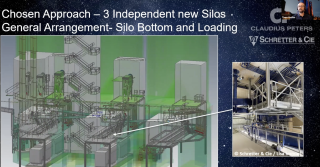
14 July 2022
13 July 2022
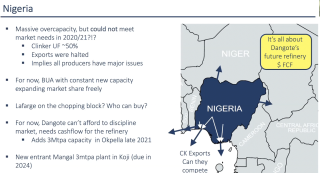
12 July 2022
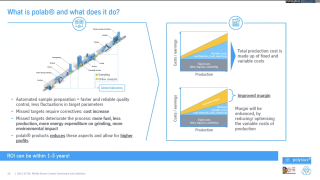
12 July 2022
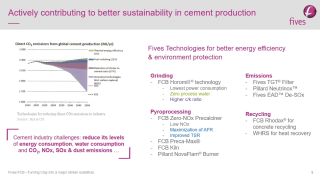
12 July 2022
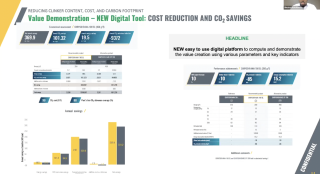
12 July 2022
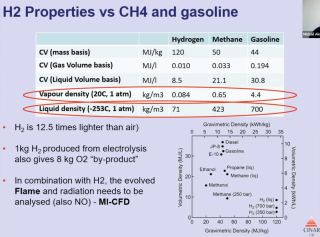
12 July 2022
12 July 2022
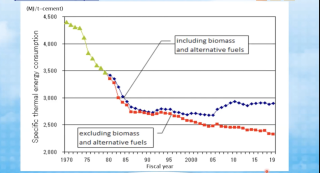
12 July 2022
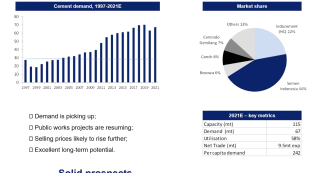
12 July 2022
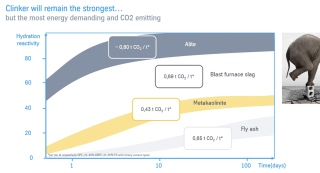
12 July 2022
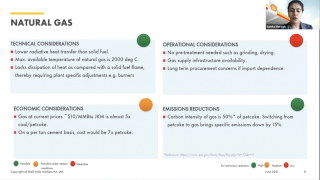
12 July 2022
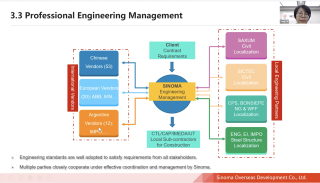
12 July 2022
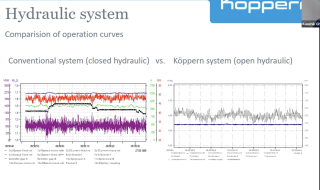
12 July 2022
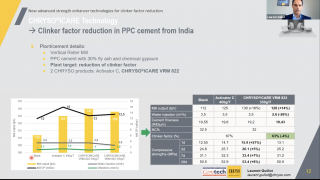
12 July 2022
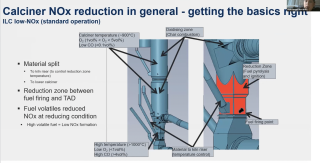
12 July 2022
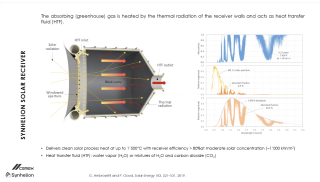
12 July 2022
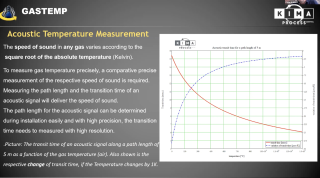
11 July 2022
11 July 2022
11 July 2022
11 July 2022
11 July 2022
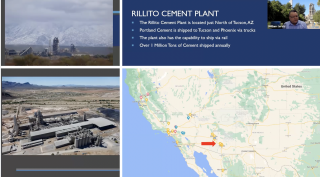
11 July 2022
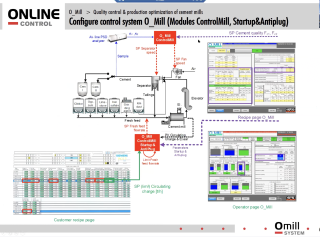
11 July 2022
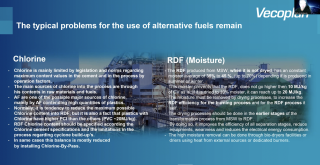
11 July 2022
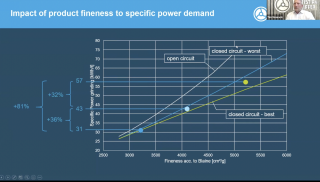
11 July 2022
11 July 2022
11 July 2022
11 July 2022
11 July 2022
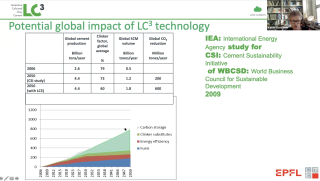
11 July 2022
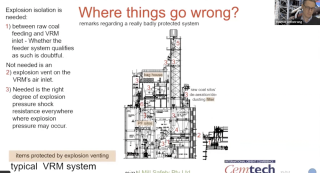
11 July 2022
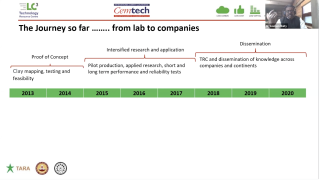
11 July 2022
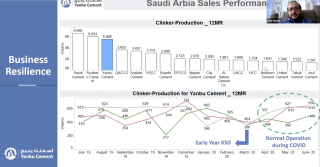
11 July 2022
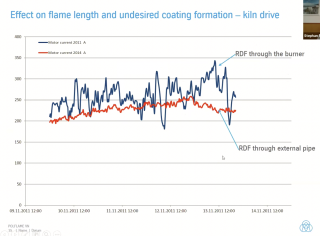
11 July 2022
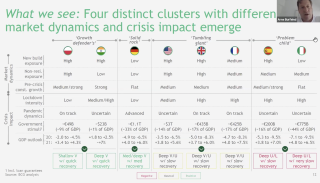
11 July 2022
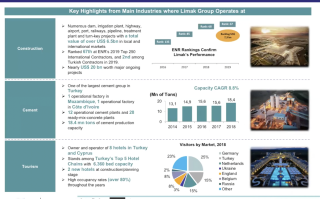
11 July 2022
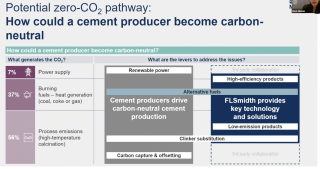
11 July 2022
11 July 2022
11 July 2022
11 July 2022

6 July 2022
1 July 2022
1 July 2022

8 June 2022
12 February 2021
12 February 2021
12 February 2021
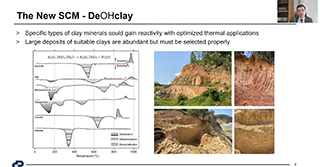
12 February 2021
12 February 2021
12 February 2021
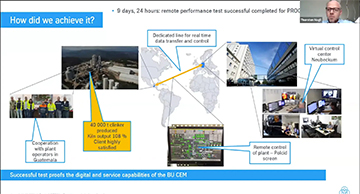
12 February 2021
12 February 2021
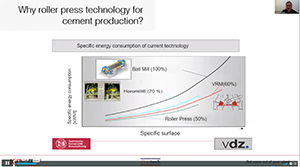
25 September 2020
25 September 2020
25 September 2020
25 September 2020
23 September 2020
22 September 2020
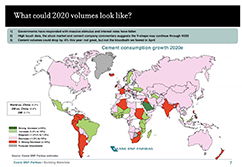
22 September 2020
21 September 2020
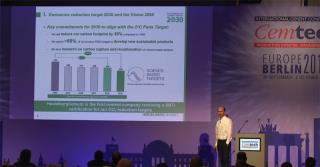
20 February 2020
10 February 2020
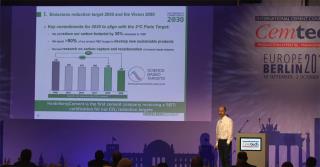
10 February 2020
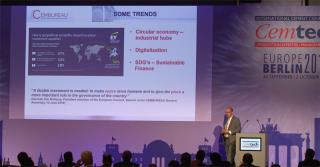
10 February 2020
7 February 2020
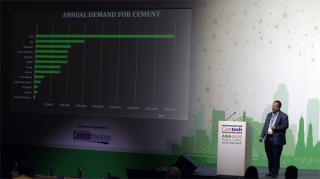
27 January 2020
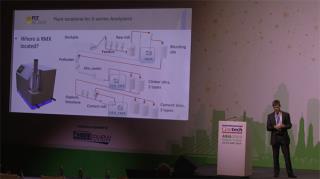
23 January 2020
23 January 2020
23 January 2020
23 January 2020
2 May 2019
30 April 2019
18 April 2019
18 April 2019
18 April 2019
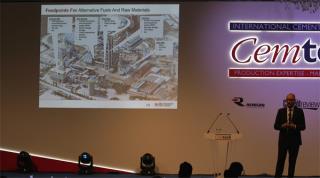
12 April 2019
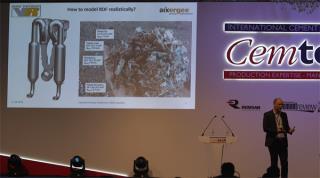
12 April 2019
11 April 2019
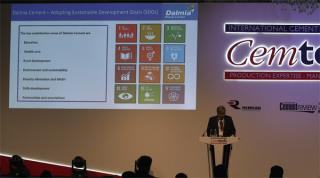
10 April 2019
10 April 2019
10 April 2019
9 April 2019
9 April 2019
4 February 2019
17 January 2019
31 July 2018
31 July 2018
31 July 2018
27 July 2018
27 July 2018
27 July 2018
27 July 2018
27 July 2018
27 July 2018
27 July 2018
27 July 2018
27 July 2018
27 July 2018
25 July 2018
25 July 2018
25 July 2018
24 July 2018
24 July 2018
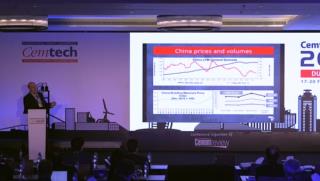
24 July 2018
23 July 2018
23 July 2018
23 July 2018
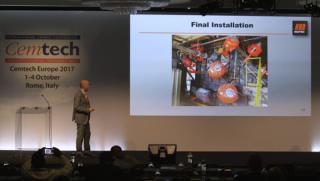
20 July 2018
20 July 2018
20 July 2018
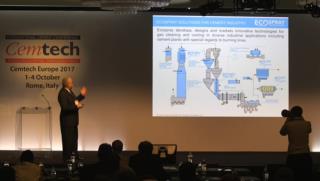
20 July 2018
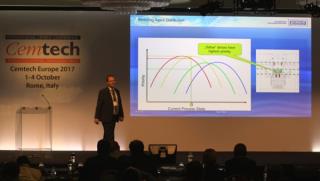
20 July 2018
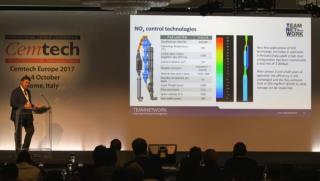
20 July 2018
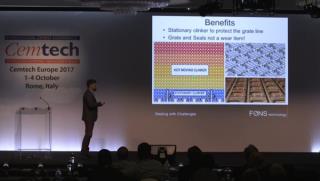
20 July 2018
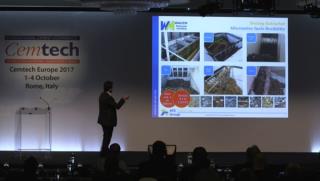
20 July 2018
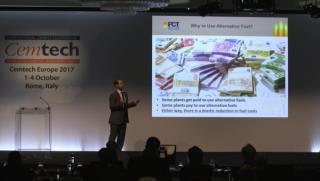
20 July 2018
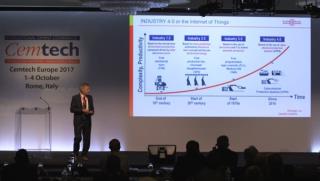
20 July 2018
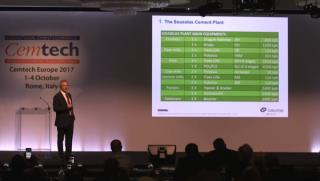
20 July 2018
20 July 2018
20 July 2018
20 July 2018
20 July 2018
20 July 2018
20 July 2018
20 July 2018
20 July 2018
19 July 2018
19 July 2018
19 July 2018
19 July 2018
19 July 2018
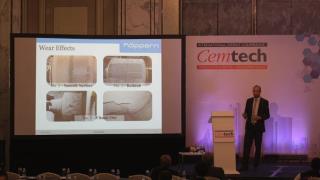
23 March 2018
23 March 2018
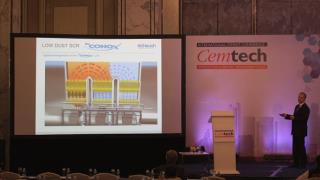
23 March 2018
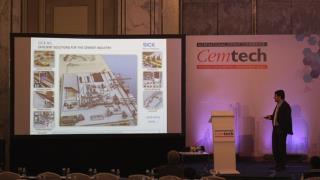
23 March 2018
23 March 2018
23 March 2018
23 March 2018
23 March 2018
23 March 2018
23 March 2018
23 March 2018
23 March 2018
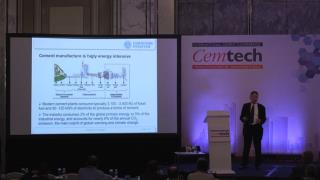
23 March 2018
23 March 2018
23 March 2018
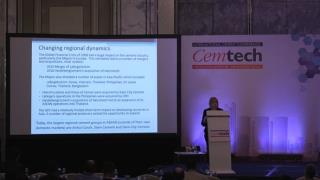
22 March 2018
26 October 2017
26 October 2017
26 October 2017
26 October 2017
14 August 2017
14 August 2017
14 August 2017
14 August 2017
14 August 2017
14 August 2017
14 August 2017
14 August 2017
14 August 2017
14 August 2017
14 August 2017
14 August 2017
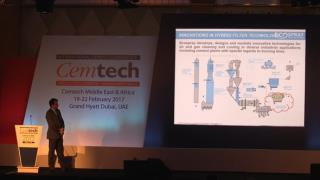
14 August 2017
14 August 2017
18 July 2017
18 July 2017
18 July 2017
16 June 2017
16 June 2017
16 June 2017
16 June 2017
16 June 2017
14 February 2017
14 February 2017
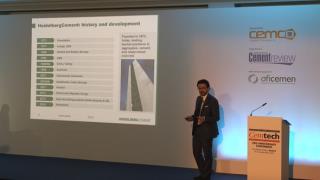
14 February 2017
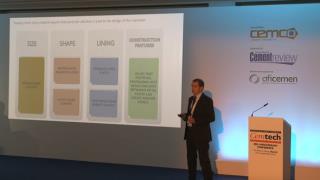
14 February 2017
14 February 2017
14 February 2017
14 February 2017
14 February 2017
14 February 2017
14 February 2017
13 February 2017
13 February 2017
13 February 2017
19 January 2017
19 January 2017
17 January 2017
17 January 2017
17 January 2017
6 January 2017
18 August 2016
18 August 2016
18 August 2016
18 August 2016
17 August 2016
17 August 2016
17 August 2016
16 August 2016
16 August 2016
16 August 2016
12 August 2016
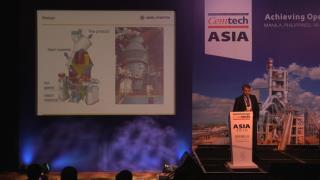
12 August 2016
12 August 2016
11 August 2016
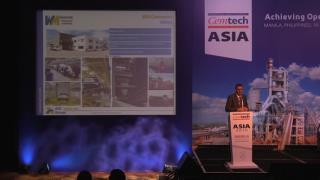
11 August 2016
11 August 2016
10 August 2016
10 August 2016
10 August 2016
8 August 2016
8 August 2016
8 August 2016
6 May 2016
6 May 2016
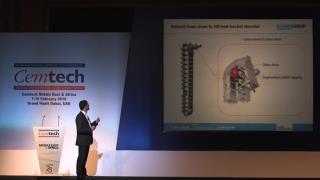
6 May 2016
6 May 2016
6 May 2016
6 May 2016
6 May 2016
6 May 2016
6 May 2016
6 May 2016
6 May 2016
6 May 2016
6 May 2016
6 May 2016
6 May 2016
6 May 2016
6 May 2016
6 May 2016
6 May 2016
6 May 2016
6 May 2016
25 April 2016
25 April 2016
11 March 2016
11 March 2016
11 March 2016
11 March 2016
11 March 2016
11 March 2016
11 March 2016
11 March 2016
11 March 2016
11 March 2016
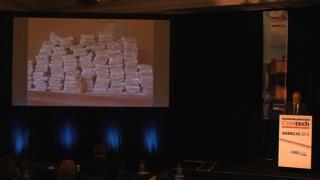
11 March 2016
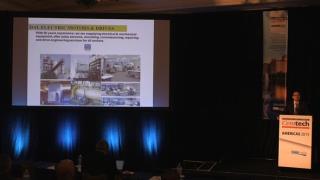
11 March 2016
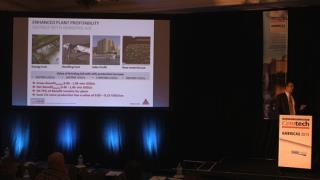
11 March 2016
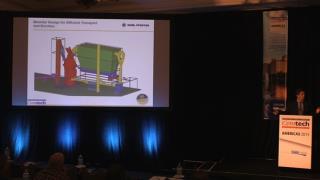
11 March 2016
11 March 2016
11 March 2016
11 March 2016
11 March 2016
11 March 2016
11 March 2016
21 December 2015
15 December 2015
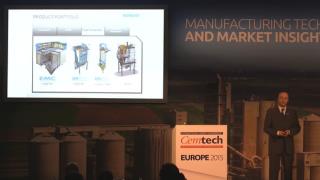
15 December 2015
15 December 2015
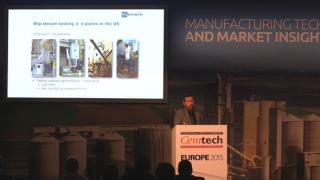
15 December 2015
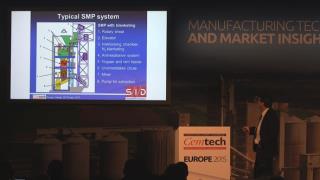
15 December 2015
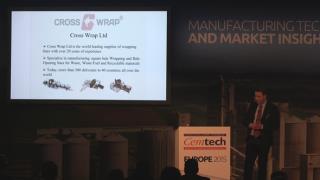
15 December 2015
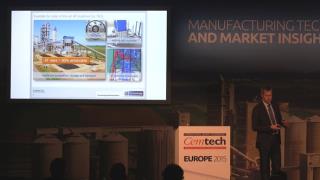
15 December 2015
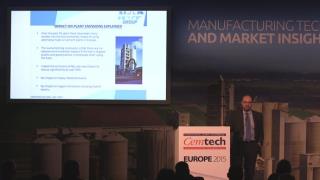
15 December 2015
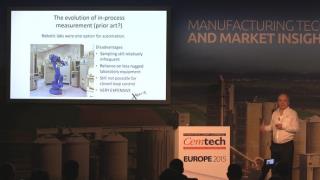
15 December 2015
15 December 2015
15 December 2015
15 December 2015
2 December 2015
2 December 2015
2 December 2015
2 December 2015
2 December 2015
2 December 2015
2 December 2015
2 December 2015
2 December 2015
2 December 2015
2 December 2015
2 December 2015
21 August 2015
21 August 2015
21 August 2015
21 August 2015
21 August 2015
21 August 2015
21 August 2015
21 August 2015
21 August 2015
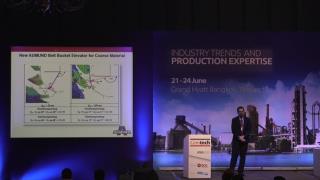
21 August 2015
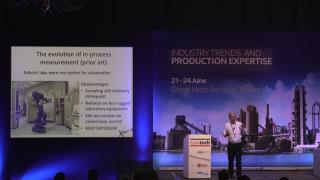
21 August 2015
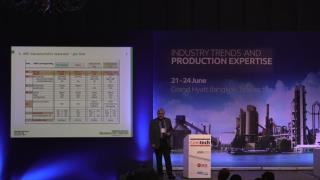
21 August 2015
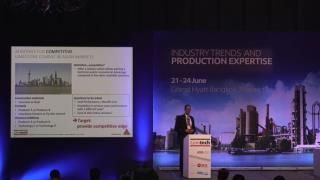
21 August 2015
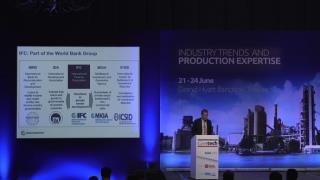
21 August 2015
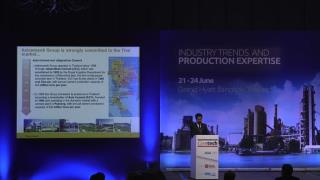
21 August 2015
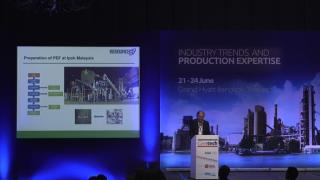
21 August 2015
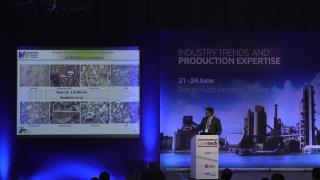
21 August 2015
21 August 2015
21 August 2015
21 August 2015
20 August 2015
20 August 2015
18 August 2015
18 August 2015
18 August 2015
18 August 2015

30 June 2015
29 June 2015
29 June 2015
29 June 2015
29 June 2015
29 June 2015
29 June 2015
29 June 2015
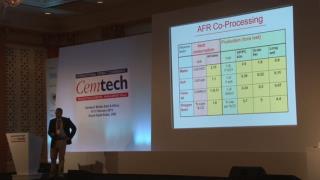
29 June 2015
29 June 2015
29 June 2015
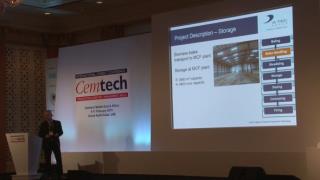
4 June 2015
4 June 2015
2 June 2015
2 June 2015
2 June 2015
2 June 2015
29 May 2015
29 May 2015
28 May 2015
28 May 2015
28 May 2015
18 February 2015
17 February 2015
13 February 2015
13 February 2015
Try searching for another title.