
2 September 2026
This transcript was generated automatically and may contain errors.
Hello and welcome to this Cemtech Live webinar today in October. it's great to be back after a few weeks, and we are really pleased to have a great lineup of speakers today. looking at the topic of any g efficiency in cement plants we're gonna be looking at it from lots of different angles. there'll be plenty here to keep you interested. before we get started just a quick roundup of of, of this webinar series. we're now quite a way through it. you can see here that we've, we've covered all sorts of topics from quality control to alternative fuels grinding digitalization like I said today is energy efficiency. And we have two more webinars for you this year.
In November, we'll be looking at plant maintenance and in December, pyro processing. So keep in touch and hopefully we'll see you at further webinars. a brief word about international cement review organizing this webinar and Cemtech events as well. But of course we have a magazine. It comes out every month and it's really the perfect literature for you. if you're here today in the webinar, this magazine covers all the topics that would be co co covering today. it's a, it's a great package, 12 issues including online tenure archive and lots of other good things that you can see on cnet.com. So take a look cnet.com/subscribe.
we're very pleased to offer the cement plant operations handbook to all our subscribers free, and it really is a fantastic publication. we keep it up to date. It covers the whole cement manufacturing process from quarry to factory gate. they're sure to be something in there of interest to you. as an alternative, you can choose our cement plant environmental handbook, which is a compendium of articles really looking at all the different aspects of environmental environmentally sensitive production of cement. and of course, central to that is low carbon cements and c o two emissions reduction plenty in there. free again to subscribers to international cement review.
Next week we'll be in Istanbul, in person for our annual Europe event. We're really excited to be back in Istanbul. nearly 300 registered for the event. 40 countries about 150 companies including most of the Turkish cement sector. So it'd be a, a fantastic event. Hope to see you there if you're coming. there's still time to register and to jump on a plane before Monday. but we'll keep you updated on developments at Cemtech in Europe, but now on to energy efficiency in cement plants a critical topic. energy efficiency covers so many different areas in the cement manufacturing process. an energy intensive process.
it's really linked to c o two emissions as well, so some of our speakers will be touching on that subject. we'll be looking at grinding areas where lubrication can impact efficiency in gears and drives and also fans. So lots of key areas in the cement plant to be discussed. and this is our lineup for today. fantastic lineup. FL Schmidt, K lubrication chemo process control total energies, Lu Lu Fi, and Howden Americas. So welcome to all our speakers who are here now online and ready to make their presentations. really fantastic to have you all here. So many of you. I'm looking forward to the session to all of you who have logged in, thanks for being here.
just quickly take a look at the toolbar on your Zoom interface. You'll see there's a button there for q and a. don't hesitate to type in a, a question if you have one for one of the speakers. And we'll try and get that answered at some point during the proceedings. I think a good good number of you logged on now. So we're gonna start, and I'd like to introduce our first speaker for the session. I'm gonna invite John to present. now John Te Bula is has nearly 30 years of experience working at FL Schmidt. John develops his grinding expertise working firsthand with mills of all designs in all applications, and from all suppliers.
He has lectured and taught grinding courses for the Portland Cement Association and the F L S Institute and presented at numerous industry conferences as global product manager for the vertical roller mills. He works directly with cement producers around the world to select, operate, and optimize their grinding systems to achieve the best possible performance. and that's a great biography. I'm really excited to hear this. This is grinding energy efficiency in cement plants. and over to you for the presentation, John. Okay, thank you, Thomas, and good day to everyone. hope you're all doing well and staying safe.
today I'm going to talk about, as Thomas said energy efficiency and cement plants, and I'll be focusing on the, the grinding area. I'll cover some discussion about equipment overall system layout, and then operation and services that all contribute to the overall efficiency of cement production today. In, in particular with the high level of focus on sustainability, most of the energy focus in our global industry is in the, the pyro area. considering that there's been an inordinate amount of attention on this, I'm going to stay within my area of expertise and focus on the, the grinding parts of the a cement plant.
that being said, this is where the majority of the electrical energy consumption is, is, is found. if we look at the, the overall layout of a cement plant going from the, the crushing and material storage all the way through to cement handling and packing, the two areas that are the, the highest in individual energy consumption are the, the raw mill grinding area and the cement, grinding and storage area. There is also some coal grinding in, in many locations, however, I'm going to leave that out of the discussion today. mainly because it's the focus of the, the pyro and and energy area.
And with the advent of alternative mat fuels, I think it's gonna garner less and less attention as we go forward. When we look at the overall grinding machines or the, the mills that are used, it's very well established that the high pressure grinding machines, the roller press and the vertical roller mill are about 50% more efficient than a traditional ball mill. We've seen over the, the last 50 to to 70 years, many iterations of these different mills in configurations where you see ball mill combined with roll press vertical mills in now in all applications.
the main driving factor behind that was the, the inherent flexibility in vertical mills and the overall energy efficiency in the machines themselves for roll press and vertical mill. when we look at the, the general picture today, the majority of new machines are either vertical mills or roll presses alone or roll presses in some combination with ball mills. As we go forward, it's much more likely that vertical mills, and to a slightly or or lesser extent, roll presses will become the dominant machines and we'll see fewer and fewer ball mills, mainly because of that high energy consumption.
There will remain some unique or specialty applications where ball mills have a, a place, and that's mainly with particularly fine materials and in some cases with extremely abrasive materials. The other key component in, in grinding system is the separator. Now, we've had high efficiency separators for at least the, the duration of my career, as Thomas pointed out, 30 years. but separator design has been evolving for, for the last 50 to 100 years, starting with the, the static separators going through the, the fixed vein and wizard type separators. And now with the rotor cage type separators, we've achieved a level of, of separation efficiency that that is better than it's ever been.
However, even among the, the well performing high efficiency separators, there are specific factors that we should consider to make them as efficient as possible. Mainly the physical dimensions, ensuring that they're optimized so that you maintain the proper velocity through the mill to optimize for differential pressure. the gap between the fixed veins and the rotor and the spacing within the rotor itself, the angle of the I'm sorry, the spacing of the fixed guide veins, the angle of those veins and the specific rotor area, all of those factors contribute to the overall power consumption in a grinding circuit.
We've seen today that with optimized physical dimensions, especially the critical gaps, we're able to optimize by about up to 5% from the most common separators that we saw five to 10 years ago. Of course, improving with wear protection and, and optimizing the, the access to components is a critical contributor to overall energy efficiency, because we know that as the machines wear, the overall energy consumption starts to increase. So it becomes more important that we start looking outside of the inherent equipment design and looking at all of the factors that contribute to its overall performance.
And this is one of the areas where I think our industry is really focusing today, maintaining optimized operation and overall maintenance practices that sustain equipment in its optimal conditions. When we look at layout for a a typical vertical mill system, there are two main designs that are used. The first, which I'm showing now, is what's often referred to as a, a single fan, in some cases, a, a two fan system. If you consider the the overall pyros system fan, this is the most common layout for cement grinding systems, mostly because they're isolated from the rest of the, the process.
and because you have the, the flexibility to maintain different products with only having to worry about the clean out of the, the filter. This layout was used in the seventies and say with the, the early generation vertical mills I'd, I'm sorry, up to the 1970s. In the late seventies and eighties, we started changing to the, the second layout that I'll show, but the, this overall layout is very effective for, for isolated grinding. There is an issue if you start trying to use this layout for raw grinding, because the main system fan becomes the fan that's maintains the airflow through the mill, and that increases the probability or likelihood of upsetting the pyro system.
It also makes it harder to control the airflow independently through the mill without changing the airflow through the pyro system. So this is a, a fine layout for cement grinding, and in some cases where you have a, an exceptional pyro system, but for the most part, layout number two, which is I'm calling the two fan system, you have a, a dedicated mill fan, and then a a system fan. This is the most common layout for raw grinding, and that's because you're able to sustain the gas flow through the mill by using cyclones to remove the majority of the, the product, and then recirculating the process gas through the mill to the maximum extent possible.
This is, as I said, the most common arrangement for raw grinding. It has been used in cement grinding. However, there are some, some caveats that you should consider, especially when you look at energy efficiency. If we take full advantage of the, the cyclones and the, the capacity to recirculate air, we can minimize the size of the system baghouse, and therefore the, the Baghouse fan that does enable us to, to maintain some level of efficiency. However, it's not quite as efficient because you have two fans. there is overall system efficiency by reducing the amount of plant, air and equipment in the baghouse. but for raw grinding, this is the most common.
In cement grinding, it's becoming less common because we're seeing more and more utilization of alternative s c M type materials that have typically higher moisture, and that requires that we recirculate less gas, and that makes the size of the baghouse larger. So it kind of takes away any capital savings in equipment, and it also makes the overall efficiency of the system a little bit less optimized. Just a a side note, I'm showing here that we have hot gases from the cooler coming to the mill that also pyro gasses. This is a, a very well established practice in the industry to maintain optimized energy efficiency, especially for drying in cement mills.
The ability to eliminate a a separate air heater does give us a significant improvement in overall energy efficiency. Now to, to talk about maintenance, the, the most important feature in, in a, a vertical roller mill are the, the grinding liners. here I'm showing a roller segment being rewelded and a table segments being rewelded. The most common practice for vertical roller mills is to re-weld the surfaces, and most often we try to achieve a at least a one year campaign to minimize the amount of downtime to do that maintenance. Whether there's something to be said about the, the idea of rewilding more frequently, to maintain those segments in as close to new condition as possible.
And that's because like everything, as the, the roller and table segments wear, the overall energy consumption of the machine begins to increase. By ensuring that you optimize and, and follow the, the most rigorous maintenance practice, you're able to continue the maintain the mill and operation with a continuously optimized overall power consumption. Now, today, there are some new offerings that help improve this overall the overall maintenance of a, of, of vertical mills. and that's with the advent of ceramic and ceramic impregnated liners. by utilizing ceramics in the roller surface, we're able to extend the wear life of, of those elements for a longer period of time.
Therefore, you minimize the amount of production decrease as wear progresses, and you also can minimize the number of stops that disrupt overall production for to perform maintenance. However, there are some counters to that. The ceramic segments tend to be higher in cost. they have the limitation of not being reww weldable, with the exception of some specialty companies that are claiming the, that they can do that. and then you have to, to eventually stop to replace those liners, whereas you can't rewild them and rewilding you can perform multiple times as many as 10 times on rollers and, and five to 10 times on tables.
So we see some, some clear advantage in, in, in either practice, and it, it does become application specific. Which one is chosen? I'm, I'm going to come back to, to maintenance and maintenance practice after covering the, the next topic, which I think is becoming more and more on point today.
And that's the, the introduction and utilization of intelligent control systems and intelligent control systems are, are often referred to in different names, but the, the overall picture is an intelligent control system will enable you to, to adjust and control all of the critical parameters inside of a, a mill system, whether it be energy consumption maintaining optimized operation, giving your personnel resources, more freedom to operate by reducing their amount of time on mundane tasks, and of course, ensuring that we maintain overall safety.
What is an advanced process control, and, and I'm great grossly simplifying this, but basically advanced process control is, is a, a rather encompassing term. It compi comprises different types of process controls and control tools to solve multi-variable problems. That means advanced process control looks at, instead of just a, a single process loop like the old S T I P controls, it will take multiple variables into consideration and also look at the long-term performance of the machine and, and serve an AI type function to maintain the machine in a, a greater overall state of optimization.
not only does AI or, or I'm sorry, advanced process control stabilize machines, but it does allow for a, a, a level of optimization o over time. When we, we look at what an advanced process control or an expert system does, this graphic shows you how such a system would work on a ball mill system. It looks at all levels or, or, or variables throughout the entire system taking into account in some cases, chemistry process gases looking at the overall product quality parameters. And then it looks at the specific machine variables that you would need to operate.
And by looking at all of those variables with a, a, a high level technical control system, we're able to fully optimize the machine to ensure that we sustain the highest level of product quality with the best overall energy efficiency to sustain the machine in the long term operation, basically, reliability and, and performance overall. I'm going to show an example of a real world example of, of how effective an advanced control system can be. the specific example refers to a separator upgrade for an existing vertical roller mill. By installing a newer design separator, the mill was able to achieve a power consumption reduction about one and a half kilowatt hour per ton.
The overall product quality improved mainly because the product residue improved by 1%. The overall system stability was better, and the better product quality gave a an increase in cement strength. The, the second part of this separator upgrade was insta installation of a, an expert controller. When the expert controller was, was turned on, there was an additional 5% reduction in power consumption. The mill reliability actually improved by reducing the number of mill trips. The standard deviation of the, the product quality reduced, which means the, the overall lane variability was less, and the system utilization was greater than 96%.
This is one example, but there are hundreds of examples of this type of process expert being implemented on all areas of a plant. I'm of course focusing on grinding I mentioned ball mills and vertical mills here, but the same type of system can be applied to coolers and kilns and basically any of the operating equipment in a plant. Now, segueing from control to the other digital focus area that that's really growing today, and that's digital services very often referred to as condition monitoring.
And these are systems that allow us to look at equipment in a plant, take it to a, an iot platform somewhere remote, and enable remote experts to contribute to the overall operation of the plant, whether that be through direct operation or an overall mechanical and maintenance awareness. Speaking specifically about vertical roller mills, if we look at the, the general parameters that impact the overall performance of a machine, there are the direct operating parameters, controlling airflow, dampers speed of, of table things like that.
The mechanical settings that would be the, the features of, of a mill, like the dam ring, the, the nozzle ring, and any other settings that have to be adjusted when the mill is not in operation. And then the, the final point is the condition of critical components. As I mentioned when I was speaking about maintenance, the, the condition of the, the critical elements like the, the grinding components has a direct contribution to the overall deficiency of the machine. this can be extended if you look at the condition of things, things like bearings and, and other mechanical components.
By main ensuring that they're in the, the best operating condition, you're able to ensure that the mill is operating at its peak performance. Now, when we look at what a remote asset condition monitoring system does I'm showing right now three main areas. There's, there's active monitoring, which I'm not going to read all of these bullet points to you, but we're looking at the specific operating parameters in in the machine temperatures, pressures overall process variables, the, the typical measurements that are used to operate the machine. There's in the second area sensor signal health monitoring.
This gives us the ability to monitor the actual sensors that are giving us the process variables and, and feedback to the operator to ensure that they're correct, that they're accurate and that they're working properly with the, the proper speed. this is a, a huge advancement that allows us to ensure that the, the data that we're getting is us usable and and correct. And then finally, the, the last part of, of remote asset condition monitoring is, is what we call an asset health report. It's typically done on a, a longer term basis quarterly being the most common. It could be done more frequently, monthly or less frequently semi-annual or annual.
But this is the report that's looking at the, those critical components, the, the maintenance type actionable items that we normally would not pay as much attention to looking at the overall operation of the machine because we know that the plant maintenance personnel are taking care of that. But by utilizing the, the remote monitoring, we're able to fully implement a reliability centered and proactive maintenance practice. This chart is showing the overall level of performance of the machine for different maintenance strategies, whether you go from reactive, preventative or predictive to the full reliability centered, you see a direct correlation to overall machine performance.
And that means both the, the mechanical reliability, but it also does contribute to the overall efficiency of the machine. Now, the, there's a an awful lot of discussion about remote technology, digital technology and data. The, the critical aspect to look at when we talk about utilizing all of these systems is, is how they're utilized. We don't need more data. I think the, the, the fact that we, we have all this data and don't know what to do with it is starting to contribute to a, a bit of a, a backup and a maybe a plateau in, in our capability.
But by combining data with the different technologies that we have and the inherent machine and process expertise, we're able to take the digital tools to a, a completely different level level. And that means basically you have a design engineer that designed the machine sitting next to a process engineer or a commissioning engineer who knows how to operate it better than anyone, the data expertise to tell us when the data is indicating something is changing or, or may not be fully optimized, along with the actual expert controllers themselves that are fully optimizing the machine on, on their level. And that really gets us to a place where we have the most overall energy efficient operation.
more and more we're seeing that condition monitoring is be, is becoming a, a standard with the, the most critical components like ear reducers. It's being implemented on, on critical machines, but we're going to start seeing from, from different suppliers, the combination of those technologies to enable us to fully maximize our capability. So with that, when we think about grinding efficiency in general, the most critical areas to look at are identifying proven equipment that's used in the right application, having the correct machine designed for what it's being used for, and applied in, in the right way with the right layout and, and overall system design.
We achieve the, that mechanical capability with maintaining the, the highest level of performance, both from direct people in service positions utilizing digital technology like expert control and remote service capabilities for things like condition monitoring. And, and that gives us the end result of total optimization with the maximum level of efficiency that we can achieve in a grinding system. With that, I thank you for your attention and I think Thomas, we'll do some questions now. Excellent. Thank you, John. That was a, a really good overview, very concise and very clear message. choose the right equipment, use it in the right way, and then optimize it.
And maintenance plays a bit a key role, and I guess all our new digital technologies are improving the maintenance side of things dramatically. so it's good to see that all put together. going back to the start, you were talking about, you know, ball mills versus VRMs and and gr roller presses which has always been a, an interesting discussion. Do you, do you, what do you think about combination grinding with roller press and ball mills? Is that, is that another way forward or is that a, just a really for those, those plants that want to expand capacity? Well, the, the, the industry standard for increasing capacity with a ball mill is to add a roll press.
there are different configurations we call pre grinding or, or semi-finished grinding. There, there's different terms for that, but it's basically utilizing more energy in the role press to do grinding. So the ball mill doesn't, it doesn't become the bottleneck. and, and that is definitely an energy improvement. I think it, it, it always comes down to money and, and the capital investment to, to, to get the increase in the improvement you need. But the fact is that as long as you have a ball mill anywhere in the system, you still have that big inefficient machine and you're also adding multiple machines. So now you have two mills in the system that you have to maintain.
So all those peripheral factors like maintenance and operation get multiplied. So anything that goes wrong in either the ball mill or the roll press degrades the overall efficiency of the whole system. So yes, it is a an industry go-to for optimization. I think we're going to see we're, we're already seeing it fewer existing mill upgrades and more total replacement, whether it be with a, a new vertical mill or a a a basically a, a, a finished grinding roll press.
that one's not coming quite as, as, as mu as much as the vertical mill, but I think that, that, that's the, the condition we have now there, there is one more option that I, I want to add and I, I'm gonna try to keep this as brief as possible, and that's the idea of if you have a vertical mill that's fully utilizing its power, we, we have installed a roll press in the circuit to grind the separator rejects.
So it's not really making the mill more product more productive, but it is a fully energy efficient way to get more capacity out of an existing system, especially if the roll press can utilize the existing vertical mill separator and you don't have to add any other equipment, you know, in, in, in the grinding circuit. So there are plenty of of ways to, to address improving ball mills. Yeah, no interest. Interesting conversation there, there's more more questions in the q and a if you'd like to go and take a look at that. There are some in interesting questions we've dealt with yes, the royal press and ball mill, but yeah, thank you very much John for your presentation today.
And don't forget, we'll be sending out the slides afterwards. if you'd like to take a deeper look or indeed contact John directly. Okay. That's great. thank you. Thank you John. and we're gonna move now on to our second presentation Rodion Rodionov. if you'd like to share your slides now and we'll get started. Rodion brings with him 12 years experience at Cuba Lubrication as a sales engineer and market development manager in the company's global team for heavy industry. His responsibilities include dealing with innovative topics such as energy efficiency.
he has background in power electronics and is gonna speak to us about the non-sec weapon to unlock the power, which sounds pretty awesome really. So I'm looking forward to hearing your presentation Rodion over to you. Yeah, thank you very much, Thomas for introduction. And so to save or not to save, I think it should not be even a question, right? my mother just recently switched from normal incandescent bulbs to L D D lamps. Did she know about L D D lamps advantages from the very beginning, of course, but she just did not trust new things, but time was running and she had heard about the benefits so many times and seen hundreds of happy L d d lamps users.
So she gave up and now she feels happy. I'm from global lubrication from heavy industry team, and today I will tell you about strong weapon you could have in your hands, which will help you to unlock blocked power resources at your factories. Yeah, so for those of you who may not be familiar with Global Lubrication, we are one-stop lubrication partner for all applications in the cement industry, where the right lubricant can make a real difference to machine availability and energy efficiency. And finally, plant profitability.
We strive to be a highly reliable partner for our customers, and we have a local presence in more than 35 countries with own subsidiaries, own direct sales teams and service engineers. Our production for print covers 15 sites, which gives us a highly reliable supply chain set up, and that's a reliable supply of lubricants. And we have about 2,500 employees working for us out of which more than 50 are dedicated for cement industry. They're experts and many of them with decades of experience in service in the cement industry. So now let's kick off by looking at the challenges that cement plants typically have when it comes to electricity consumption.
I think that you are all aware that there cement industries is a major emit of c o two and causing 8% of global c o two emissions. Also, you have excessive electricity consumption in your seven plants, specifically the Green Mills account for up to 60% of the plants electricity cost. Not only that, you will also experience, or you are already experiencing an increasing in electricity consumption over the, over the next few years driven by carbon reduction technology, such as, for example, carbon capture. On the other hand, you are experiencing rising in electricity and energy costs.
All of that together puts you under enormous pressure to increase the energy efficiency and to reduce electricity consumption, whether this is driven by your stakeholders, by local regulations, by the I S O 50,001 certification or any other local energy management systems. And this is where Global Lubrication likes to help cement plants by reducing electricity consumption by means of energy efficient lubricants. So now let's look at where these energy efficient lubricants can help you save electricity. Actually, gear boxes are really great target compressors, blowers. Open gears.
So for the purpose of today presentation we will focus on gear boxes, specifically gear boxes on Green Mill, big gear boxes on Green Mill. When we are talking about Green Mill, we meaning horizontal mill, which are driven with one or two main gear boxes vertical roll mill, which are driven by one big gearbox roller prices usually have two main gearboxes and horror mill one gearbox. So in all these meals we observed that actually globally roughly two third of cement plants are still running with conventional mineral oils in these gearbox which causes definitely energy losses.
And by switching these conventional mineral oils to energy efficient lubricant, it can help you save energy around three to four, 4% per gearbox, how much energy one cement or raw mill may consume. I will give you an idea, mill is operating around 6,000 towers during the year, and it utilizes, for example, 5,000 kilowatts of power per hour, and your annual energy consumption will be around 30 gigawatts a year. And to give you a better idea how big this is just imagine that to power up just one mill, you would need to build 10 megawatt solar power plant, which with the investment of 10 million euros or something, and they pay back around 10 years of huge money.
So we were talking about switching from mineral oils to synthetic and why should we do so? The physics behind is that different base oils have different friction coefficients. General studies says that mineral oils have the highest friction coefficient among the others, and generally it's understandable as a result. friction energy losses in the gear are big enough to start thinking, is there any way to decrease these losses? And as we can see, simply choosing different type of the base oil known as the synthetic made, for example, from p o polyolefins or poly glycols. With polyolefins, you can immediately reduce the friction coefficient up to 25%.
And if we choose poly glycol oil base oil, it will provide you with tremendous friction coefficient decrease of 50%, and therefore base decrease of energy losses caused by friction. And if comparing different base oils everything is quite clear and as expected synthetic is better than mineral one, I believe. You have a question. What about comparison inside One Oil Group, for example, in Polyolefins up, p a o oils made by a lot of lubricant producers in the world, the same lubrication as a well-known special lubricants producer, spends huge resources inventing lubricants with a special properties required on the market.
It was clear already 15 years ago, that energy question will be more and more important. So we started investing in energy efficient lubricants, and today we do not stop this development. We creating continuously new generations of energy efficient oils. And on the slide, you may see on the left latest developed product, Kluber, m e g four, and we compare friction coefficient of p o oils from different lubricant producers, and also with our, let's say, previous generation Kluber G M four series. So you can see that thank thanks to kluger knowhow mixed into the oil because of their final product. It's not just a base oil, but some major bubbles on site.
We managed to reach the best result here. I wanted to give you an idea how big these savings are that we estimate for the 17 industry. We are actually estimating that you can save up to 1 billion euro in the Global 17 industry. And this slide breaks it down for the top 27 producers worldwide, ranging somewhere between three millions, up to 52 million euros, electricity cost savings per year. That's the largest cement producers have. And with this slide I would like to show you how does that break down on a mill level?
You can see here a simulation that showed the possible energy savings in relation to the kilowatt of the mill and the size of the mill, and the, in the relation to the energy savings that you might see, assuming that you are running the mill for 6,000 hours per year 6,000 hours per year, and you have an electricity cost of 10 euro cents per kilowatt tower, and assuming you switching from mineral oil to energy efficient lubricants made from bi lubrications such as Kluber G four series, kine G four Series, or Kluber, g H six series this savings in green, you can expect is the typical scenario that we see the mill that has somewhere between 2000 to six to to 4,000 kilowatts per hour kilowatts hour, hour per hour.
And basically we say that we save from three to 4% of energy, and it gives you somewhere between 36,000 euro and 96,000 euro savings. Payback time is usually less than one year, which sounds quite attractive, I believe, and you will be able to earn this money every year during synthetic oil lifetime, which is three, five times longer than a mineral oil lifetime and easily can be up to 10, 50, 20 years without oil change. So this is our declaration how our oils usually work and they work like that. But how can we prove it to you?
This is the most interesting question, I think, and with this slide I want to show you that this is exactly what differentiate Kluber among others who claim that change in mineral oil will create some savings. In general, it's true, no doubts, but you as a customer would like to be sure that the result will be obtained as promised. And people in the plant who handled in milling process, they know that greening is very complex process and energy consumption depends on dozen of process variables. These parameters are changing constantly.
So how can you compare one month of the data recorded on a mineral oil and one month of the data on a synthetic one if all of the variables were constantly changing during those two months On the slide, you can see the real example actually proving that you must be very careful making your energy efficiency analysis. This is the case real case when a customer changed the oil in two different meals, but they were a hundred percent identical cement meals. they were driven with the same gear boxes whatever. So everything looks the same, and you can see that the result is seriously different. So what does it mean?
It means that you really have to take into account every single parameter of the process, which can affect the final result. For example, it's obvious that we cannot change the oil in one mill and compare the result with the second mill operating with the mineral oil nearby. because of, even if the mills look a hundred percent identical, they can be different from the mechanical point of view. Something like they might have different liners, conditions, or the gear has different wear or any misalignment exists. And of course, technological process parameters can differ dramatically. I think you understand it.
That's why we say that we must compare the same meal before and after changing the oil. It must be apples and apples comparison, not apples and peaches. And Kluger has his own developed analysis technique compliant with international standards, which has been successfully working already for 15 years and which makes it possible actually. So we are really taking into account all the variables of the process we study. we built mathematical model of the process, which allows us first to convert pitches into apples. And only after this transformation make a comparison. So after all, you can be sure that 3% you see is not 1% or 8%, is not 3% in the reality. So you will get trustful result.
And this is exactly where we are very, very strong. please have a look. what we had achieved with our customers already in the exactly cement industry worldwide, and all these results are related to big gear boxes of the building equipment. You may notice that the green equipment involved is different and it's driven by different types of gear boxes, cement and gear made by fss helicopter gears made by different OEMs. Planetary gears well known can be flex gear type. And everywhere energy savings that we realized were ranging between two and up to 8.4%, which gives you very good average of 4% actually.
So we are quite confident when we say that we are ready to prove the result of three 4% and payback time, as you see always less than one year. So when you will receive the presentation, you can scan a barcode on the top and look at the case study video we have made together with inter cement company in Brazil where we have actually achieved those third line from the bottom 6.5% of energy savings. Now, if you agree with me that this sounds like an attractive solution, you might ask yourself why not every salmon plant is using that? And you remember I was asking my mother the same question, why don't you use the solid, solid and proof solution such as l e D lamps?
First, she did not know about that. Then she was collecting positive value case studies during the years, letting others try first. And finally, she was convinced. And global lubrication actually proposing to you to take a proven tool which will allow you to unlock hidden energy resources. And there is no any secret behind it. It's just a strong basement in the form of the most energy efficient oil, without which all this would not be possible. Definitely global lubrication analysis methodology is recognized and compliant with international performance measurement and verification protocol.
so you can trust the result and the reports you get from us can be used to prove your commitment and compliance with ISO 50,001 standard. Also, Kluber has a strong commercial proposal. If this is something you are looking for, there is an option of making energy performance contract where you pay full amount for the oil only if we achieve the promised result. The statement, which is the self-explanatory and what usually always requesting from you, customers always ask for references, and we have it more than 1000 successful cases were delivered with different equipment in various industries.
And on top of this structure you may find the main thing, our energy efficiency experts, which are running these projects for you already during more than 15 years. So this brings me to the enter one presentation. So I hope it created some kind of interest in the questions which you can address via email or phone, and I will be happy to answer. Thank you very much. Thank you very much, Rodian. That was a very persuasive presentation. you've given us lots of ideas highlighted the, the benefits of synthetic oils versus mineral based oils with lubricants with the higher friction coefficient and stunning results three to 4% in energy reduction which can really make a difference in a single plant.
And as you highlighted across the whole industry the, what is the essential difference between these, the synthetic oil and the, and, and the mineral based oil in terms of its production and, and and cost? In terms of production and cost? You mean during Yeah, The composition and yeah, what, what are, what are the, what are the main differences? I'm, I'm also interested in, you know, are there actually any advantages from, from mineral-based lubricants? So basically mineral oil is what you get from the ground, right? Mm-hmm. Basically digging it from the ground, you clean it a little bit and you get your oil of, for example, 320 viscosity.
And what is, what is the difference to the synthetic one? This 320 viscosity is very stable because of 320 viscosity in the mineral oil. how we get it, you, it appears as a sum of different viscosity. So there are molecules of the size of 680 viscosity plus 220 viscosity plus 320. So this is the mix of different viscosity, which is as a sum, gives you 320. That's why actually it's not really 320 as promised. So the synthetic one, it's the synthetic process which creates and creates the mole molecule molecules of the oil exactly well of 320 size. And basically you have in your bucket or in your drum exactly everything everything to 320. That gives you very predictable properties.
So that's, they are not changing over the time. They are not oxidating over the time. That's why you basically are able to increase the oil lifetime like three, four times. Yeah. In comparison with mineral oil. So it's quite clean product, nothing to be oxidized. Yeah, I would say like that. Okay. That's interesting that, that makes Sense. And the friction coefficient, because of this the oil is even enough, 320 for example. So this provides you low friction coefficient as well. Okay. again, there are a few questions. one is for the kiln for for kiln with gear, teeth, gear, which Kluber lubricant is recommended for open gear.
Sorry this is for the the, the gear teeth for a kiln, so it's a slightly different application. Yeah. But I also mentioned if I understood right now we're talking about open gear, right? Mm-hmm. So yeah, yeah. So I also mentioned that we, we are able to get a result and we have it in our portfolio energy efficiency result when we switch from, let's say, simple low viscosity mineral products, mineral greases to our synthetic products cloud like CCF three for example. And because of the nice properties, we also able to save like one to 2% on open gears. I think this is the answer taking in account our main idea of today discussion. Very good. Well, thank you very much, Roan.
Really enjoyed your presentation. we'll send round those slides. couple more questions in the q and a if you'd like to, to look at them. thank you very much. Thank you. Thank you very much. Okay, we're gonna move now to chemo process control. I'm gonna welcome Dirk Schmidt to present now a regular at Cemtech. Dirk began his career in 1990 as a research and development engineer for combustion optimization, optimization at B F I automation in Germany, later becoming head of sales with Durag the Durag group. subsequently he founded Paratech Intelligent Technologies with two partners with a company introducing the cement industry to artificial intelligence as far back as 2001.
Between 2008 and 2015, Dirk enhanced his experience as director of sales and marketing with Interem Engineering, echo, ketin, and ProCon. For the past six years, he's been director of KEA process control. And according to Dirk, his areas of expertise are process optimization using artificial intelligence as well as innovative sensor concepts. So he's gonna talk about using B a T and operational excellence from AI control for energy efficiency. Over to you Dirk, and welcome. Thank you. Thank you so much, Thomas.
Yes, and I adjusted a little bit my, my presentation title because I wanted to focus really on energy efficiency and AI control, which is of course in the head and in the speech discussion everywhere, not only in business, but also in private. So when I discussed today, I would like to bring first also the focus back to energy consumption, power consumption and process optimization. More than 200 expert systems, what we have heard today. Also in the first speech, advanced process control systems over 200 mills, we are operating with our mill master system based on our smart control software and also kilns.
And with that, we have reached within the past 25 years since establishing chemo, 5.6 million tons of carbon. And this 5.6 million tons of carbon are just calculated back from energy consumption. And this is the topic where we talk today. So each day within each new mill master and each new kiln controller kiln master, we save more than 730 tons of c o two every day. And I think that's a big point. Now, what is best available technology? And when we speak here about best available available technology, we have to talk also about kiln shell cooling. The famous kiln cooler saves the electrical energy used by the cooling fans in a dramatic amount.
But this is not topic today, but it should be considered in your head for the end of my presentation. Then we speak about smart fill, high definition fail, safe fill level, and temperature measurement system for ball mills. Inside the ball mill, we speak about nearly mm, eight to 10 kilowatt hours per ton of cement, which you produce, which you can save using our smart fill fill level devices. Latest development, what we can offer to you is guest temp and guest temp flow, a contactless gas temperature and gas flow measurement system, which gives us the opportunity not only to optimize precisely and measure precisely now the grinding process, but also the prior process.
Also, this product will find its own slide in the presentation. But the topic today is AI control. And AI modules, which we are using, are from advanced process controls, so-called lingual based expert systems, fuzzy logics, but also neural networks and model predictive control. You will learn a little bit about that today. We make from this smart control software, which our is our own development of chemo process control on software, we make the mill master and we make the kiln master. Now let's jump in and this technology smart control the software, the basis for our expert systems make it possible to nearly autonomous operate kilns and mills.
The impact of optimization in view of efficiency and increased productivity is huge. But we should look a little bit inside AI modules for industrial control. And this is please not to compare with this language. systems like chat, G P T, we speak here more about an autonomous operation, like a Tesla car. You can use our software systems as guidance systems and assistance systems, but you can also drive and operate your process. Full autonomous, we are using modules of AI to make clear model predictions, fuzzy control, fuzzy logics.
So rule-based expert knowledge and classical control elements are use there where they have their advantages and there are certain advantages which makes necessary and reliable to use model predictive control in this sector. N M P C, nonlinear model, predictive control example, given for soft sensors, I will speak about that. So prediction of something which a software can calculate like a sensor measurement, but it can predict it in advance. So advanced control, however, physiologic, so rule-based expert systems, they include human strategies and this is fundamental with the knowledge in the cement world.
We know better than any p i d controller and even like an AI artificial network and brain. What from our experience is the best interaction to do just now in this moment on this mill or on this kiln? I come to that a little bit later because these model predictions are perfectly with models. You can use end controllers, you can simulate end controllers, and you can use unlimited process value ables, put them into a empty brain, let me say a process model. And you can then optimize set point values. You can learn what is the best adjustment to reach the best targets in view of energy efficiency, but also productivity.
Now what we have in kema, a certain in kema process, a certain knowledge over years, we developed these AI systems and we are even funded by the German government and by the organization of Deutche Nik, d l r, to design and to create new tools with AI and process control to bring energy efficiency down in cement world. The latest what we have done was a project called Ate Poor. And here we worked with other suppliers from the cement world together, but we were the ones connecting all of that. note the control of all elements of pre grinding, of grinding of filtering everything to create simulators, simulators for the German Semen Producers Association, V D Z.
They are teaching new employees to control kilns on a simulator. And this simulator software behind this was developed by kema. Now we have a new funded project received in June this year. And this project is a consequent improvement and development of an advanced innovative control concept as a comprehensive solution to reduce all kind of energy consumptions in the cement production. This is founded by the German Federal Foundation for Environment. And the consequence for KEA is that we have a huge financial support now during the ongoing process of implementing newest tools and levels of AI modeling and reinforcement learning, machine learning, if you like. Now, what is the target?
What we want to do here, we speak about now high level control systems for pyro sections. Most of the of you will know that we are the technology leader in grinding optimization with our expert systems and with smart filters, special sensors. However, in the pyro section, there is still a lot of potential, which I would like to introduce you. Now, the current and common approach to control a rotary kiln for clinker production considers the system components precal, kiln and cooler as individual components. You see them here in the, in the three blue frames. The disadvantage to split that is there is no integration into an overall concept.
Energy flows from one pyro section component to the other are not considered as an example, energy flow from the cooler, from the clinker cooler to the furnace, the secondary air that leads to energy fluctuations. So a skating effect, a pumping is happening very often and sometimes over long periods of time. And with changing rhythm, these operate kilns know that exactly. So here is the target and the kiln master in future will consider all energy and mass flows over time. The energy required con for conversion can be made available the re corporation evenly over time. This results in a stable and minimized material feed of the fuels.
Of course, the continuous gas and material flow and regulation of the energy flows within the stabilized mass flows. The advantage of this new concept of kiln cooler and pre zy control is a stable energy efficient furnace, consistent quality life, outed for energy and mass balance of the pirate process. A visualization, which I will show you of excitation currents and losses for furnace operators and engineers and a fuel management. The main difference to the current state of the art is that the rotary kune is not considered singular, but the entire system with the upstream and downstream plant components is included in the control technology.
In future, all mass and energy flows of the overall system will be integrated and controlled by this new control concept. So there is a well established way using new products and features. We will combine a staged optimization, which first considers measuring a complementary measurement system is used. It is our guest temp and guest temp flow. I will show you a modeling. A mass flow of the energy flow of the model is a model is used, which tells us what is the optimum flow of energy and materials.
A visualization, a new presentation of energy flows, leads to a better overview and understanding if there is a change in the heating value, you will un see immediately where everything in your pyro process this has an effect. Finally, of course, control a robust controller using a combination of fuzzy control and nonlinear motor predictive control will do that. But first let us speak about this measuring short again and the one another will have heard from our latest development, the gas temp and gas temp flow system, a system which allows us to measure gas temperature acoustic, and also the volume of the flow of the gla of, of the gas also acoustic.
And this at the tertiary air at the exit in the down camera. The secondary air temperature so precise you will never have seen before. But this is, as I said, usually part of other presentations. We can do that at any time for you of course as well. But this measurement system gives us the opportunity to learn exactly in the pyro section the energy flows. So in a modeling, we are training now the changing results of the clinker, the laboratory analysis. We teach this laboratory analysis in one timestamp together with the process and control variables like burning zone, temperature, main drive power, all of that.
What you have in your D c s and SCADA will be used together with the gas temp flow measurements and we can predict the outcome, the burning zone temperature. We can even predict free line and of course the clinker factor. However, this gives us the opportunity to look into the future. So with the help of these input variables and the meteorological DataMine result variables, a neur net gives us already a vision and clear picture in the future. And this can be used now in energy flow diagrams where we can settle targets, what is the optimum for the one and other? And we can give priorities.
Now if we concentrate now again, that we have not the K only you see here precisely that we have, I take my, my pen that we have here. Not only the kiln, we have also the ter and we have also the cooler, the clinker cooler. Now you see the kiln feed the material. You see the exhaust gases, you see the kiln feed, the thermal energy, and you see the thermal energy going out, and you see all the losses and all the consequences. Now, this is first the theoretical picture, but we have this theoretical picture online. What you see here now is like the, the single values are changing. You see online, which kind of energy you bring in and which kind of benefit you get out.
You see the losses and especially losses for a, for, for instance, also from heat radiation. I will come later to that, the heat radiation from the kil shell, which is the loss outside by too much cooling from outside. Now, this picture gives us also the opportunity in future when we have record data that you go on a time frame, on a time beam back to history, to a certain point where you have seen a failure, for instance, yeah, the main fuel kilns at the main burner, this heating value was going down. Now you can see the interaction of all com and, and the the reflection, the result in the entire process complete independent from the delay times.
This huge improvement has lead us also in a cooperation to optimize clinker cooler. The clinker cooler, of course, has a big, big influence on the entire energy, which is cooled out from the, from the clinker and can be recuperated and used in the kiln. The company I K n decided to have a joint forces with us for an AI enhanced clicker cooling control. So this is of course, a beneficial subject, which is not only for customers of I K N, this is a serious advantage for customers using chemo later also for control. Now, this is the energy flow diagram. Then in the clinker cooler, sorry, this is preliminary in German. I will change that of course in a short time.
But if you, if you can understand that we measure now online the secondary and tertiary air that we measure the clinker cooler off gas, and we have of course more precise the ventilators. We can now exactly data mine, where is the neural point? And we can adjust here optimum cooling later so that a lot of energy can be safe using this control. As I told you, we are combining neural net and we are combining neural net applications like soft sensors. You see them here to predict something. Now, if you see a prediction of free line here as an advantage, this is a very, very important figure to say, okay, if the free line goes down, I have to increase the fuel.
I have to keep this constant, I have to decrease that and so on. This all can be saved in this fuzzy controller in the lingual based programming, lingual logic programming. So the system is intelligent. It's self-learning, but the advantages in the control loop, it does that. What we tell the system to do, it works on human knowledge. I think this is not to forget when you see in which danger areas we are working. We work in very expensive areas. A kiln and a mill to control is very sensitive, and we should keep in mind that not an artificial thing is doing what nobody understands. Think about that the control is connected.
Our software smart control is connected to the existing D c S and SCADA systems. And here at this gada P L C, we are open. We can work with Siemens, Adam Bradley, a, b, b, Joko, gava, whatever you have. We are communicating via O P C. O P C is an interface. And this interface we use first to read process data from your SC and control system, and also to write from our side the optimized set point con set point, point. Now, the interface, the smart control provides a network wide browser supported user interface. Different views can be of course, stored here, depending on the individual user. It is similar to a control system, but it is the high level control system.
We can individually make adjustments in this controller. And you see here also we have new tools where our customers can also manipulate the controller and the interaction. So there is not a must that the system drives always like that control philosophy and concept that we give. We are here flexible. We can use also if not fuzzy controllers, also simple PI p i d complex systems. However, it is logical and user friendly. I told you at the beginning of my presentation that we are combining technologies in kea, and maybe you have heard about our K cooler stationary and kiln cooler.
This is the system that detects the temperature outside of the kiln shell with pyros and water spray, nozzles spray, and cool the shape just there where spot wise necessary. So not the entire circumference is cooled, like from an air fan. No, we cool. Just there where necessary. You see that here. This is the kiln cooler stationary in Heidelberg cement sleeter plant in Sweden. We have equipped this kiln completely 53 meters. All air blowers are off, and the system now is cooling just where necessary. Now, this just where necessary gets a new aspect. When we look back to the kiln master. The kiln master is measuring the radiation losses here, nine giga juul per hour. This is a result.
Nine giga of course, of the air blowers. If we consider that, we now cool just where necessary. We keep the energy on huge areas in the kiln and don't kill them. If we have such huge areas, we can save a lot of energy, not only from the air fans, which are not cooling and operating now also from the energy which remains in the kiln. So this arrow will be feedback to the original one, to the exhaust gas and preheated. I hope that this is a very interesting point for you.
As pyro section operators, you should know that we are using the same technologies already over decades now, in conjunction with our impact sound analysis and fill level measurement, smart fill, it measures precisely from the mill body itself. Chamber one, fill level and chamber two fill level plus the original temperature between chamber one and chamber two, which gives us the temperature after chamber one. This smart fill device is installed on more than 900 ball mills in the cement world in over 55 countries. And here we are not only market leader, we are definitely here also technology leader because we have very, very satisfied customers all around the globe.
So I don't want to extend where it is not necessary. I thank you very much for your attention and hope it was an interesting new presentation from chemo process control. Thank you very much, Doug. Yes. That was packed full of new information and really fascinating the work that you are doing on with this modeling which is just taking it on to another level. and I guess you're working towards an autonomous kiln. you've been, you've already done a lot with with ball mills and we've obviously seen the the work that you're doing around that, but that's I guess you are, you are now gonna evolve into new products. Is that right?
I mean, this is laying the ground groundwork for something much more substantial. Yes, correct. Look, with this guest temp flow measurement, we get so precise. We learn that we get so precise information about the energy flow. Finally, the enthalpy, so volume and temperature now to have that now with a, in a, with an accuracy of plus minus 1% conventional measurements, which are used, which are state-of-the-art measure, not more precise than plus minus 10%. Now, if we have it so precise now, it is a new, let me say glass, to look into the process to understand better and find new optimization potentials.
And here we were able to convince also institutes in Germany to give us new, fresh money also and investments into this development of latest technologies. No, to, to come to bring this latest technologies of AI into the cement world and especially into the pyro sector because the mill sector, we have good enhanced, we have good improved in the pyro sector. This com complexity of the interaction between preheated kiln and cool was always single. And this is like a labyrinth. The systems are are swinging against each other. You must see them in a comprehensive view. And here AI gives complete new opportunities. This we will use.
Yeah, I guess the, it's the power of AI that can yeah, can cope with the with, with the breadth of of readings of information that, that that you'll be working on. And, and I guess you don't know yet exactly what what will come out of this research just, but we know absolutely, you know, there's between one and 10, 10% is a big change in the accuracy. So, you know, you've gotta be hoping that something in that, that level will, will, will come out of the other end. But it's it sounds very exciting. You're working with lots of institutes, the V D Z also I see with I K N. Yeah. So it should be a, a very comprehensive package. When, when do you think it will deliver an actual product?
I would expect that the first kiln is running by May, June next year. Mm-hmm. And we have two applications for that. and then let me say the pipe is long. The people are standing in queue waiting on this challenging new process Control. Yeah, well, good luck with all of that. really fascinating. And yeah, I think that'll be a new era of energy efficiency for the cement industry. if you're not familiar with Kim's products, do check their website and we've heard about some of them the gas temp and the smart field briefly today. and also on cnet, where you'll be able to see previous presentations. But for now Doug, thank you very much for your presentation. Most Welcome.
Thank you for give me the opportunity. Bye. Okay, that's fantastic. a lot of exciting new developments there. and like Dirk said look out for what we can discover in, in about a year's time when these new developments become open to the public. So and now I'd like to move on to our, our next presentation. our patient friends from total are gonna present to us Mikhael, Ardin and Greg, who welcome to you both, if you'd like to get your slides up. Mikhael is a lubricant specialist at Total Energy's lubricant Fiat. He began his career at Total Energies in 2001 in the asphalt division. He then joined the lubricant division in 2012 as metal work, working product manager and field engineer.
In 2018, he set up a lubricant development laboratory in Brazil before relocating to France in 21, responsible for innovation optimization in the lubricant technical division. welcome also to Gregoire, who is the super senior lubrication engineer a mechanical engineer by education. He has held several roles at Total Energies in 2018 to 21. He was responsible for strategic research cooperation with R W T H, AEN University after being based in Germany for, for nine years. In 2022, moved back to France in charge of Henry Heavy industry applications with a focus on gears, bearings and hydraulics in the lubricant technical division. So two brilliant and experienced speakers.
They're gonna talk to us about gearbox performance. over to you both. Thank you. Thank you, Thomas. So we are, can you speak about a brand new technology, in fact for gear, which is named Carter xe. So what, what is the the philosophy of this product? In fact we, we were wondering how to improve the energy efficiency inside the, the gearbox. And if you look at a gear all composition, in fact you, you have a, an additive system which is responsible for theological performance. It means to avoid the wear basically, and and to be also compatible with the paint to the seal seals of the gearbox.
And you have the, the main part of the formula, in fact is the base stocks and sometimes also cos solvent, which is huge used to, to to dissolve the additive in inside the base stock. So what, what we decided, in fact, is that we know we have a pretty much robust additive system. We, we, we wanted to work in fact, on the base stock in consultant. So we analyzed all the, the possible raw materials that we could use in that to try to find specific materials that could decrease the coefficient of friction. So for that, we use the mini action machine which is a very very simple lab test, but very interesting for us because it's very relevant to what's what we can see on the field.
And basically this is the result of our research. So we, we, there were hundreds of curves, of course, but this one is very interesting to understand. First of all you can see we, we did this study at 40 Celsius. That's very important because when we, we, we compare different technology, all of them with the viscosity of three 20 cent stock. And of course, if you look at different temperature with the different viscosity index of the oil, it means that at different temperature, they will have a different viscosity. You will not compare anymore the chemistry, in fact, but you will compare directly the viscosity on that test.
So the idea for us was really to, to have exactly the same viscosity and look really at the coefficient friction of the of the product itself, of the chemistry. One, one important parameter also when we speak about this kind of curve is the ss r r, which is the slide roll ratio. So it, it's, it basically it's the percentage of sliding and the percentage of rolling. So 20%, it means 20% of sliding. That, that's very important when we speak about ENT friction because if we look at per years, and, and we will focus on that the maximum in fact ss r r in size per years, it's, it's, it's 25 more or less percent percent.
So it, it's interesting to look at, at that percentage to see really if the ion of friction is lower. And what you see here on the top a typical typical mineral gear oil. below you can see p o and m p o so po p o is the typical synthetic hydrocarbon which is known I also named ba polyolefin. And nm p o is more or less the same molecule. But the process of synthesizing is a little bit different. And n p o is known to have a lower efficient of friction, in fact, and to be a little bit more performance in terms of energy efficiency than p o that that's why basically if you look wind turbine inside wind turbine today, all the first fill are, are made in PO because of that property.
And if you look at the, at this curve, it's very difficult in fact to go lo lower to this coefficient of friction. So what, what you can see here is the new product, the blue dark blue curve, which is the Carter xe. we, we pass hundreds of components and we pass, we benchmark also a lot of product competition. It's very difficult to go, to go below that. In fact, at 0.01, you've got what we call the super obesity, which is kind of the holy grail of the, of the tub. also an interesting point also with p g are very interesting in terms of ation. It's true, but if you look at the ss r at 0% they are, they are, they have a higher ion tion, in fact.
And, and that's also a very important parameter because the oil is not only used for the gearbox for the gears, it's also used for the bearing. And in the bearing, the slide grow ratio is around 0%. So that, that explain why if you tested some p g, you could have seen some, some high temperature on the bearings and also some premature failure. So if we look at the next step, once we, we selected this basal through D M T M test, we did the F C G gear efficiency. So it's, it's only tests that exist in fact which is which is standardized to, to look at energy efficiency for girls. So normally this test is done to, to look at micro pitting and, and the wear of the lubricant.
But here it's a little bit different because we, we, the energy that goes into from one gear to another is re-injected into the system. And basically what we, we look at the torque to see the loss of power, and there is an electric engine to, to compensate the loss of, of energy. So we, we tested our product and we compare to the M P O, which is the best in class. and you see, basically they have the same vi, same density. So we are comparing, it's, they're all for us because we really, we compare apples and apples and this, this is a test. So there, there are two steps.
In fact, in F Z J G efficiency, the first test, we, we do different loads on, on the gears, we, we, we try different temperature and also different speed, and we look at the total power we need during all these tests. So if you compare to N P O, you see in mega, we could reduce for around 4% the energy, electricity, electricity, electrical energy needed for the system 4%. It does not mean that you will have 4% in your installation, of course because these gears, they're not very optimized and they, they create a lot of sliding. In fact the idea is to, to test the all for micro pitting.
And if you look at the gearbox you have into the grinder they, they, they are really optimized around 98, 90 9% on the last design. So of course, you can't you can't add plus 4% of energy efficiency on that. This is just to give you this test. It just gives a trend, in fact. And there is a second step on that test also is that we run it for four five hours at a certain speed, and we just look at the temperature of the oil be and we can compare different oils like this. So you can see here there is four sales useless, which, which means less heat and, and, and better, higher efficiency. So that's all for the lab. Now, after this good result, we decided then to test on the industrial field.
And I take over. Thank you, Miguel. So exactly just after the, the, the lab we need to scale up from I would say standardized machine to semi industrial industrial equipment that way. We, we have done partnership with L W T H in Germany where we, we had the opportunity to to have a, a very accurate test trick with wind gearbox equipment back to back nearly one megawatts. And we, we did energy losses so some measurements about the torque, but also we had the, the opportunity to have the calorie metric so to to record the temperature going through the cooler and then measuring the delta T between the inside and the output and the flow with simple values and equation. We have a accurate results.
And then after this, we move to two megawatts, also back to back tetric with different technology planetary stages two planetary staging iCal gears. So basically, this is very cons, very stressful for, for the, for the lubricants, gear oil but also inside the bearings where the cycling ratio is very near to and close to, to 0%, because we would like to, to achieve the, the welding and not the sliding. As soon as you, you have sliding, you put more energy into contact, and you have heat. Actually, that's why we, we have also done some tests on P a G, and actually we stopped the test because we had the, some oil around temperature around 50 degrees.
But on the, on the high speed shaft we staple all the bearings. we were at nearly 90 degrees, so we, we have to stop test with p a g oil. And then we test on, on the latest generation of mining gear boxes, eight megawatts. it was for, designed for a meal. and then we, yeah, we have done some tests to, to have a low overview on the possibility to, to remove out the heat from cervical or bearings, which we are very near to the speed limit and d m factor. So then we, we, we move to field test with operators, but before let me present you what we call efficiency at the total energy. but before efficiency, we're talking about reliability.
You guys on the field, you need to produce, and this is key for us to respect this and to mention the operating conditions which are key. when we're talking about reliability and efficiency that's why I mentioned a lot of parameters. they're not exhaustive, of course. but of course, the gear types they, they are, they are very important gear ratio as well. The to density you have into the system. it will not be the same if you use worm gear, if you use electric gears because the OEMs, they, they improved already. the efficiency, they're very, very accurate on this. so the gear technology is very interesting to, to look at as well.
then we look at the, the lubrication, of course where we have to, to be also we have to secure the availability of this new this new oil, C L P H T. also the price we have to, to deliver you a best product with a price which is affordable for you. And then la last but not least, the maintenance. this is a very simple point, but very important one. What it is simple is always complex to take some sample to, to have a look on regular oil analysis to control your, your assets during the shutdown period, and to do a proper oil drain and proper flushing. Again, here is not to, to put p a g everywhere because they are very difficult to put in place and to to replace during your shutdown.
so we need to take this into account moving forward. this is a, an example here on a, on a horizontal meal directly driven. It would be in this case, it is a, is a kill, but it will be also the same for a meal. you see here the loss origin, I, I focused on the transmission only. I'm not taking the, the, the left part of, of this this picture. so you see the electrical motors, so mainly synchronous in, in this case. then you see the gearbox, you see between, of course, the coupling. so gear coupling most of the case. And then you see the the lubrication units.
So if we assume that we have a hundred percent of the electricity going through the electrical motor then we have some losses also internal in the electrical motor, but also during the transmission through the gear, the, the gear coupling. And also with this massive gearbox, we use a pressurized lubrication. That means we use filters, we use extra reservoir with pumps. And here in this setup, we have also some losses because we have to cool down the, the lubricants. so we have to point out that the, the losses most of the losses are coming from the gearbox and the loop system. So around 72 per 72%. so the, the losses can come from the bearing.
the gear, when we have some transition operating condition it comes from the, the heat dissipation also the vibration, the shock but also if we have a look on the lubrication units, we have some the energy used to, to run some pump, some filtration also. That's why we need to, to have a look on those on those extra equipment to, to achieve the best of the energy efficiency of, of your asset. so the next slide you will see the case study with a typical five megawatts gearbox. and this is a pressurized lubrication. So this is nearly the same picture as the previous slide. so you see here on the right hand side of the slide, all the, the lubrication and the filtration system.
so those gearbox are key, and they are the herd of the process. If you have something going wrong in this in this assets, you, you have a, a big trouble. but nevertheless switching from, from a mineral oil to synthetic one, without changing the viscosity, you can still achieve a lot of energy efficiency, I mean energy saving or in another world, also to improve the efficiency of the asset. so in this case, we have a, a tank volume of 2000 liters. So mainly roughly between 300 and 400 liters per megawatts for cement application. we just set up a target of 0.5% of energy efficiency, which is already very high.
and then we have electricity cost about zero point $10 per kilowatt hours, which is somehow the average value worldwide for electricity. So even with 0.5%, which is something already interesting we can achieved 18 kilo so $18,000 per year in per gearbox inside a cement plant. you have many kind of gearboxes. You have not just only one massive gearbox. So you can multiply this, this amount by the units you have in the, in your, in your industry. So then moving to the total energy summary here, the point is energy efficiency is not only for big assets as we have seen a few, few seconds ago. energy efficiency is for every gearbox type, for every power range.
and this, it has, it has to be discussed first with with total energy ion expert but also the OEMs because as I said, we need to have product ated, which is the case already to ensure safety and reliability. we need to exchange also with you guys, with the operators to, to check how we can, we can use the, the old drain and the and to, to step up to a new, a new possibility. because for you guys, you won't change the production. You will just add a new feature with with the new oil actually. of course, we are talking about efficiency, but we will decrease also the, the some oil temperature and also will increase the lifetime of the product.
So meaning you, you won't have to, to, to, to do all drain as you have as you have to do, as you have to, to, to do it now. so less interaction with the machine is very important. and then also training. We have our internal lab where we can guide you through the, the analysis with accuracy and, and and with with all the expertise we have. And then I will just end up this presentation with just this few, few sentences. by replying to this question, what does a precise lubrication bring? First of all we ensure a longer service lifetime, whatever it is, mineral, p a o base, and then we need to increase your equipment profitability. without changing anything, you will save more energy.
and then you have the same production level even more because you will keep the, the oil more longer in your, in your equipment without compromising the reliability of your production. as I said, safety is a key role in, in this very complex industry, heavy industries. So without doing less drain, you have less interaction to the machine, which is something key, because if you are close to, to a mill, it's very, very hot. And you, you, you don't, you don't want to, to stay too, too long and to near to, to, to the equipment.
And then of course we would like to increase the global gearbox efficiency because if you want to, to improve the outputs and the and the production, of course, you need to, to drive through the gearbox more torque and you will you will increase the to density. So you need for this, you need to have a, a very good lubricants. and then last, last, but least you, you will reduce cost and of course reduce c o two emissions as a result of all this presentation and by choosing total energy ion. So thank you everyone. And if you have question, we are, we are here to, to reply. Thank you. Thank you very much, Gregoire and Michael fantastic presentation.
it's great insight to see the amount of work and analysis and study that is, is behind all these these lubricants. it's very encouraging to see that. and you've illustrated these really significant savings. I mean, $18,000 per, per gearbox is, is a, is a big number. the switch from minerals to synthetic oils again is, is really important. it seems to be a very low hanging fruit for cement plants and a very attractive option. and just briefly, in terms of oil selection, is it a very bespoke procedure? how do you decide do you audit a plants first and then align the different kinds of oil lubricants to, to each to each application?
How, how, what is the process of, let's say, making the switch from mineral to synthetic with total, sorry, you're, you are on Yeah, I, I, I'm dunno if Gregor myself, but yes. Is that, I think that's the beauty of what Gregor was saying, is that when the, this new technology is still a scientific synthetic hydrocarbon, so it means it's com it's fully compatible with mineral basal, so you can just top up on, on the existing mineral product. And that's why you, you have less issue of maintenance. you can directly get some energy efficiency without having a lot of work to do.
I will say, like you have seen the, a DT system is exactly the same, so it's fully compatible, which is not the case, for example, when you switch totally from one technology to another where you can have some issue of possibility. Very good. And, and, and that process, I mean, do you do you order a plant before before the oils are are selected, or is it very clear that each what, what from the machinery and its specifications, what kind of oil lubricant will be required? Yeah, I think of course this is something we, we, we have in, in mind and we, we need to, to, to exchange with the operator and of course, OEMs of which has been selected to check the operating conditions.
And then it's a knowhow internally to, to, to, to guide the customer with the right the right product. and this is something we, we, we do usually to select the right product for the right operating conditions. definitely where we need to increase we need to increase energy efficiency, we'll, we'll select of course the best product. but we need to take into account, as I said previously in the presentation, all the parameters around we, we, we have to, to speak about details. energy efficiency is about details, and this is something we, we do as a i, I would say homework before going into the field and, and, and and deploying all this this energy. Very good.
well, thank you very much both of you for that presentation. excellent to see again, we'll be distributing the slides to all all those who've registered for Okay, thank you, Thomas webinar. Thank you very much. Thank You guys. Bye. Okay. So great to have with us now. Antonio Dees from Howden Americas, he's gonna talk to us about energy efficiency in relation to fans fan technology. Antonio first joined Howden South America in 2008. In 2018, he moved to the US taking on the role of regional sales manager based in Utah. Throughout his career, he has worked with some of the leading names in the industry, including VO and team, the farge, Holsen, and C R H.
His wealth of experience includes serving as the aftermarket manager during his career in Brazil, where he played a key role in multiple retrofit product projects. So from Howden, I'm very pleased to, to welcome Antonio. Thank you, Thomas. I appreciate, and I'm glad most of the presentations here are mentioning fans, and fans are responsible for fair amount of power in the cement industry. And intention of these presentations is to show retrofit that can improve the existing efficiency of defense. Of course, with the system people have mentioned here, we can of course, improve the process and the process can improve efficiency.
But I will talk about, I will try to cover here retrofits before I go forward. I wanna, I wanna talk a little bit about about Howden. Howden it's a chart industry company chart has acquired Halden this year. And along with legacy brands, we have, we do focus our business in airing gas handling. It means it's not only fans, we do also design, build and install centrifugal fans, actual fans, blowers heat exchangers, and the steam turbine binds. So for, for this presentation, I will be focused on centrifugal fans. So we have presence in 35 countries.
So the retrofit stuff here I'm gonna cover is not only for the North America market that I'm responsible for, but also Howden has this kind of feature around the world. So if you have any plant around the world, we can help you on that. So our aim is to, is to allow the customer running the process smoothly and reli reliable. So we best efficiency we are committed with safety. So any, any our employee employers are you know, they have the rights to refuse any, any job. If there is no safe conditions, then we strive to have zero incident in our, in our organization. So, Howden also is committed to E S G. we also are reducing our carbon footprint, and our aim is reduced 50% by 2030 and 2030.
And zero emission by 2035. also social impact. We are all always working with the, the communities around us, and Howden has a hu a very strong policy regarding the governance and regarding any, any issues about laws and everything. So that's a, a footprint of Howden. So my team is America's, I'm responsible for United States and Canada, however we have held in around the world. And if you have any, any needs, you can, you can talk to locally people. If you don't know, please let me know. I can, I can introduce you for the, the correct people to talk about retrofits or any other kind of needs in terms of things.
So we, we, we also help the customers, and nowadays everybody's talking about carbon capture and also everybody's talking about hydrogen and Howden has equipments to help the companies to produce this and help to reduce emissions around the world. So brief story about Howden. Howden has a hundred and almost 165 years old. our, our, our headquarters is in Glasgow. And here you can, you can see some innovations, you know, that Halden put together in 1940s, for instance, you can see the Air fo bladed fan, the Air fo Bladed fan can achieve 90% efficiency.
It's a high efficient for a fan, of course, and unfortunately we cannot use air foil blade for a dirt application or stuff like this, but it's, it's something we can, we can use for a, a bag filter, fan id, bag filter fan, that can help improve efficiency too. So, the other thing I wanna share with you guys is the, the Howden legacy brands. So maybe, maybe the market is not aware about Howden, but everybody knows in, in the cement market, everybody knows. So event FinTech and for instance Buffalo Forge and t o t Babcock, all those brains now belongs to Halden. We have good records about those fans. So if you have one of them, we can help you.
We can, we can offer you parts services and whatever, whatever you need. So I'm talking about retrofit. Retrofit is when you have a, a fan and you need to let's say improve performance or even improve protection in terms of abrasion. And of course, my colleagues working for the New Build portion, because I'm responsible for the aftermarket portion, my colleagues, they're always selling the best efficient fans. However, after we start the production, if something change in the system, maybe the fan is not operating in the best, in the best performance, and the retrofit can help us to accommodate that new performance of Defend. So this is a flow diagram.
The fan I'm talking about today will be the Q I D fan. That's defend, but we have potential to let's say retrofit any, any fan in a cement plant, even for the clinker cooler fans, the small ones we can retrofit. Then improving capacity or sometimes retrofit as we we are about to talk is not possible. Maybe you need to have a brand new fan, but we can, we can analyze and show you the best options. So as I mentioned here, we, we retrofits not only to increase performance, but also we can help increase if cap capacity. So the, the retrofits Stu case study, I'm gonna share with you guys is related with that the customer was looking for reduced power consumption and also increased capacity.
the other good things for cement application is reliability. So I know there is no let's say space for us, a main plant when the market is, is demanding, is it's a lot. You cannot stop a fan. You cannot stop a pure process. So reliability also is, is important for your process. sometimes the, the, the ideal for a retrofit is to keep the same housing, the existing housing, and keep the debt to work and avoid lots of cuts, of course, use the same foundation. So sometimes we need to change the cutoff, cutoff as the part of the fan closer to the wheel.
So if you not change that, if the housing is not enough for the new wheel, this can cause reduction in, in, in efficiency and also can cause noise. And noise is also important for a process. So that's when, when we need to, to change the, the cutoff of a fan, it's a, a small part of the fan. So you can keep the same foundation, you can keep the same housing and the same duct to work that will allow you to improve efficiency with the minimum investment. of course, when we are, we are talking about retrofits, we need to check if the fan is what, what is the fan in operation right now? Most of the time the fan is designed for something, but is not operating in that, in that situation.
So this can lead the fan working in a, in a low efficiency area. And, and because of this, we, your, your power consumption could be more than that. I have a customer they ask me to, to show, to, to try to help them in a retrofit. And they sent me the drawings, and I saw the drawings were the Howden fans, Howden fans with high efficiency. And I told them, guys, what? I can help you, how I can help you guys, because you have a high efficient fan. However, the, the, these fans is a raw mu fan, 5,000 kilowatts fan, and this fan is in operation for years, for years. And, and with 50% damper open, it means they are, they are wasting lots of power.
If they do retrofit event, they can save a, a huge amount of power if they do that. So what we need to, to understand with the customer needs, what the customer real need, they need, improve efficiency, they need improve capacity, they need what, what they need. So a be after doing this analysis with the customer, we can better offer to you the best solution to keep your process running smooth and with the expectation we are promising. So this is, this is a, a, a fan, a centrifugal, fan curve. Just an example, when we are selecting a fan, we, we always learn looking to have the best efficiency. And this is the best efficiency. This is the fan curve, and this is the system curve.
However, if the system curve changed for any reason, the efficiency can, can reduce a lot. And the case I'm gonna, I'm gonna show today is related to that the customer has changed the system and defend be, become to operate in not an ideal situation with a low efficiency. So efficiency of the fan is related with the, the flow and pressure. So a combination of flow and pressure will determine how much power you need to run that fan. Of course, the efficiency will, will, it's important to help this situation. This is a case study for entine, and it's some Mary Cement in Charlevoix, Michigan.
due to a, a changing of the system, the fan was in operation in a low efficiency, the fan was operating, not bad, was good, however, the efficiency was, was very, very low. So also, the customer wants to have the fan prepare to increase 10% capacity and also temperature of 700 degrees. So the fan now is prepared for increased capacity, best efficiency, and high temperature. Also, in that case, we, we allow the customer to reduce the power the motor from 4,000 HP to 2,500 hp. So a huge reduction. And also the customer is using A V F D to control the fan. And the fan is also prepared for V F D.
take care in your applications when somebody else is promising you is telling A V F D, you can save power. It's true. However, the fan need to be prepared for the speed variation. And and we, we, we do that all the time. This is the, the situation. the fan in, in question, the original fan was operating with 500, 5,500 tons per day. the efficiency was between 59 and 58%. I'm not saying the fan was a, a bad fan, I'm saying the fan was an operation in a, in another system because the customer has changed the system. And then we, we, we, using our retrofit software, we could increase the efficiency for 80 to 78%. And the, the savings is a lot.
And also if the customer wanna, wanna in increase capacity, they can increase the speed of the fan and achieve the the new, the new capacity of the e bqn. So in that case when we did the study, of course the customer did a performance test just to make sure a field performance test, just to make sure where the fan is in operation and to avoid any disappointment with the, with the, the retrofit. This is something that I'm asking to the customers a lot. So before we start any study, it's important to make sure there is a few performance tests in place to avoid any, any, any mistakes. So in that case, the expectation, the savings expectations was 280 80 kilowatts hour.
And at the end of the, the, the installation, the customer is saving 371 kilowatts. This number I didn't invent, I got this number from the customer, and the customer has a share with us. it's with that savings, I would say it's a $200,000 per year in savings. if we consider only the power savings the payback could be over two years. If we consider the combination with the increased capacity, maybe it's less than one year. and another thing here, this customer, because they reduce the power consumption of this fan, they got a rebate from the utility company, $150,000. So I believe they, they spent a few amount of money to have a retrofit, and now they are still saving power.
that's it, that's my presentation. I hope everybody enjoy. And if you need anything else, and he's, this is my, my direction, my email, my phone number I'm I'm here to help. Thank you very much, Antonio. That's a, a great presentation. And again, it's it's amazing how much scope there is to make improvements in plants. And we've heard about switching lubrication types. we've, we've looked at the grinding systems the role of digitalization and, and, and now you know the fans which place such a, an integral part to cement part operations as you showed earlier.
you know, the fans are on every key piece of equipment pushing that air through the system and the opportunity to save many hundreds of thousands of dollars, but also you're reducing your energy and you're reducing your c o two footprint. so it's a, it's a really important innovation. what, when, when you do these these retrofits what is the most common reason for, for it? Is it, is it normally that something has changed in the main system and therefore the, the, the fan needs to be adjusted or, or, or changed? Yeah, normally, normally can be pressure drop reduction or a pressure, a pressure drop increase.
For instance, for cement plants, for the old ones they used to have electrostatic presbyt after the cleaner cooler, and now they have hitch exchanger, they have bag filter and the fan. So heat exchanger and bag filter is a huge amount of pressure drop. And if the original fan cannot handle that, it's just an example. Yeah. Okay. And if they are splitting towers as the case here with charlevoix the case was they reduce a lot of the, the, the resistant of the, of the system reducing the re the, the resistant of the system, the fan start operating in a low efficiency mode. So retrofitting the, the, the wheel, we could improve that efficiency again. Yeah, It could for the new, Yeah. Okay.
So it's a, it's pressure drop or, or, or the other way around. yeah, For instance, in a cement plant, if it, it's, it's it's something that they told me I'm not sure because I'm not specialized in their system, but there is a something they say if we increase 10% in flow of the fan, you can increase 10% of the the Q capacity. That's the, that what they told. However, you need to make sure if, if in normally most of the, the system, they, they follow the fe loss. If you increase 10% in flow, the pressure doper is gonna increase 22%. Mm-hmm. And the power consumption is gonna increase 33%. So is not multiplier. It's not that simple. It's not that simple.
So we need, we need to analyze everything together. Yeah. there are a few questions sort of generally about maintenance and of, of the of the fans. One, one question is, how can you avoid buildup over the blades and the kiln system? And maybe related question is what about alternative fuels? So I guess you know they can, they can change the the impact of the system. They can create buildup. Is that a, is that a something that can be averted? we cannot avoid buildup, but we can reduce a lot. The, the, the, the, let's say the time that fan is out of operation. So Howden has, as I said, Howden has 50 legacy brands. So one of them, we can fit that technology.
For instance if you have a, if you see a Howden fan, for instance, a a curved blade fan, sometimes you cannot see a curve because it's too long radio. And that's helped to avoid buildup. Also, the angle of the blades are important. In the past. I, I, I think everybody knows here in the past, most of the fans are radio fans, radio blades, very low efficient, but they don't, they didn't have any issue with abrasion. They didn't have any issue with with the buildup. However, we need to think about the power reduction. And also we can offer this let's say technology to help you to minimize the buildup, not avoid, not avoid. Thank you very much. Well, Antonio, that's a, a fantastic presentation.
It's a great way to round off this webinar. thank you to all our speakers. and lastly to Antonio out in Utah. Thank you. Appreciate it. that's all, all we have time for today. thanks to FL Schmidt, ation, Kim, process control total energies and of course, Howden, Americas. we appreciate all the time the speakers have taken to put together these wonderful presentations. We'll send them to you to your inbox shortly. and you'll be able to watch a playback of this webinar. hopefully we'll see some of you in Istanbul next week for Emec Europe. and if not please keep in touch get your copy of International Cement Review or see you next month for our next webinar.
Thank you again, and have a good rest of the week. Bye-bye. Thank you everyone.
Video library
Browse 410 conference presentations, webinars, interviews and technical films from the modern CemNet video archive.
410 videos
2 September 2026

1 July 2026

1 July 2026

30 June 2026

30 June 2026

30 June 2026

30 June 2026

30 June 2026

30 June 2026

30 June 2026

30 June 2026

3 June 2026

13 May 2026
9 April 2026

1 April 2026

4 March 2026

27 February 2026

27 February 2026

27 February 2026

27 February 2026

27 February 2026

27 February 2026

17 February 2026

11 February 2026

7 January 2026

3 December 2025

5 November 2025

16 October 2025

8 October 2025

3 September 2025

2 July 2025

4 June 2025

7 May 2025

2 April 2025

18 March 2025

18 March 2025

5 March 2025
3 March 2025

5 February 2025

8 January 2025

4 December 2024

13 November 2024

6 November 2024

9 October 2024

4 September 2024

3 July 2024
10 June 2024

5 June 2024

8 May 2024

23 April 2024

23 April 2024

23 April 2024

23 April 2024

23 April 2024

22 April 2024

22 April 2024

16 April 2024

16 April 2024
11 April 2024

3 April 2024

11 March 2024

6 March 2024

7 February 2024

10 January 2024

10 January 2024
10 January 2024

6 December 2023

1 November 2023

4 October 2023
15 July 2023

15 July 2023

15 July 2023

15 July 2023

13 July 2023

24 March 2023
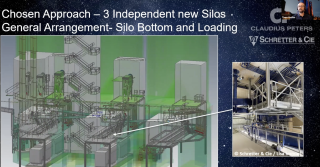
14 July 2022
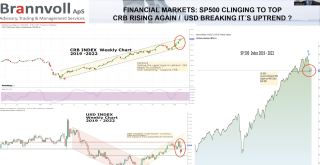
13 July 2022
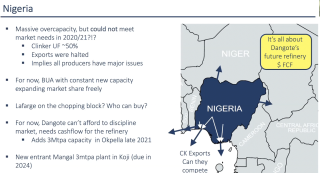
12 July 2022
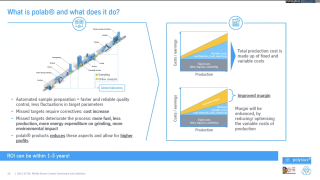
12 July 2022
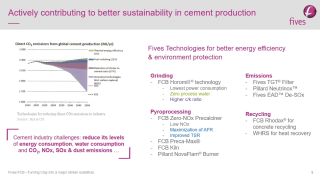
12 July 2022
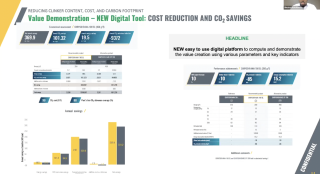
12 July 2022
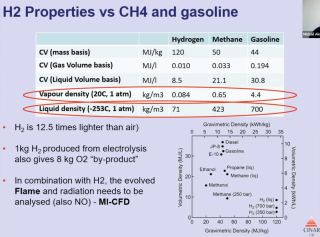
12 July 2022
12 July 2022
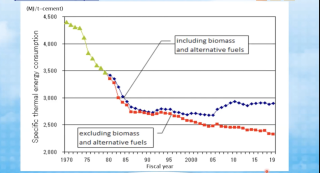
12 July 2022
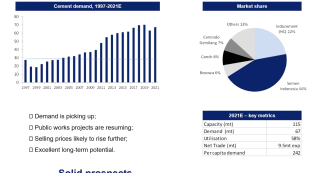
12 July 2022
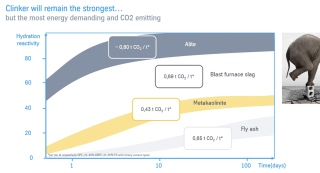
12 July 2022
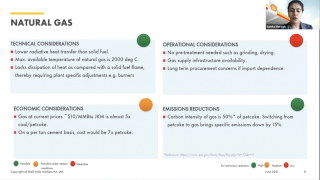
12 July 2022
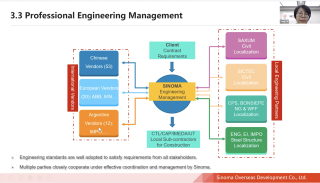
12 July 2022
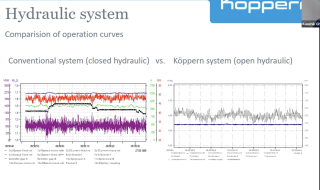
12 July 2022
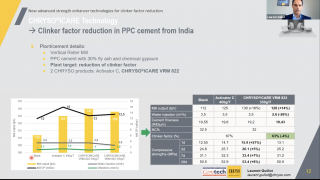
12 July 2022
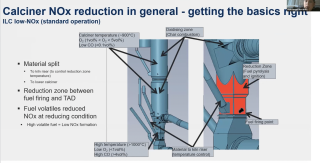
12 July 2022
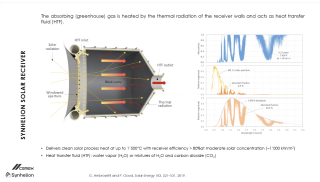
12 July 2022
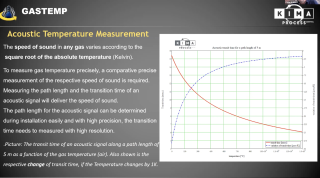
11 July 2022
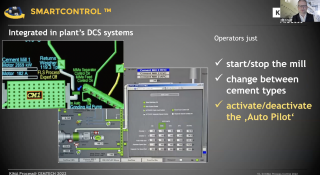
11 July 2022
11 July 2022
11 July 2022
11 July 2022
11 July 2022
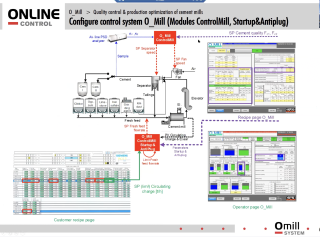
11 July 2022
11 July 2022
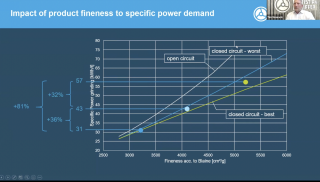
11 July 2022
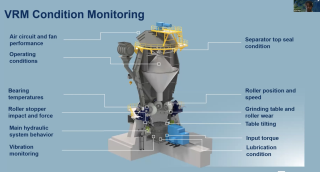
11 July 2022
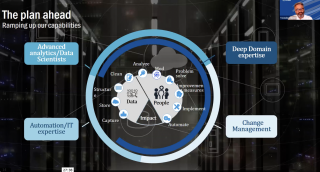
11 July 2022
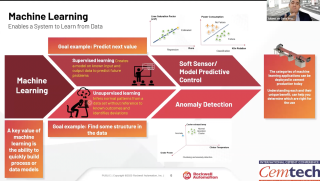
11 July 2022
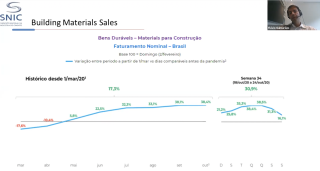
11 July 2022
11 July 2022
11 July 2022
11 July 2022
11 July 2022
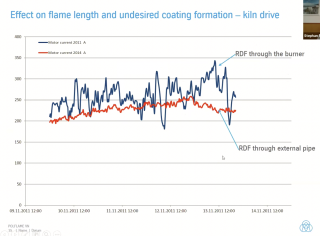
11 July 2022
11 July 2022
11 July 2022
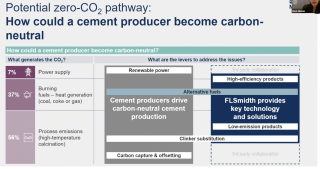
11 July 2022
11 July 2022
11 July 2022
11 July 2022

6 July 2022
1 July 2022
1 July 2022

8 June 2022
12 February 2021
12 February 2021
12 February 2021
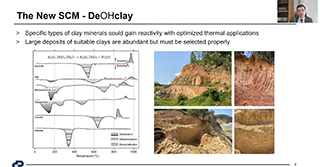
12 February 2021
12 February 2021
12 February 2021
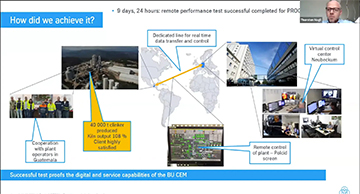
12 February 2021
12 February 2021
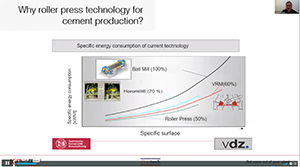
25 September 2020
25 September 2020
25 September 2020
25 September 2020
23 September 2020
22 September 2020
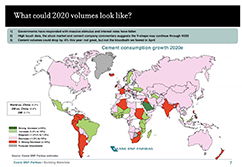
22 September 2020
21 September 2020
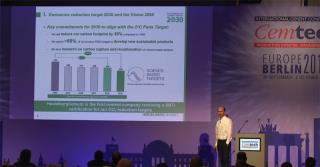
20 February 2020
10 February 2020
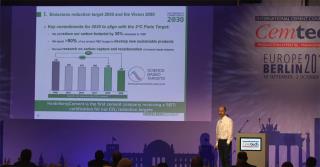
10 February 2020
10 February 2020
7 February 2020
27 January 2020
23 January 2020
23 January 2020
23 January 2020
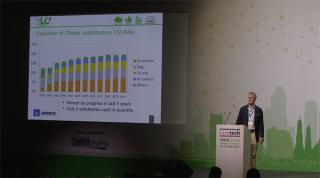
23 January 2020
2 May 2019
30 April 2019
18 April 2019
18 April 2019
18 April 2019
12 April 2019
12 April 2019
11 April 2019
10 April 2019
10 April 2019
10 April 2019
9 April 2019
9 April 2019
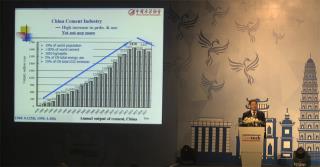
4 February 2019
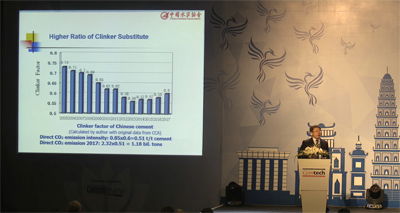
17 January 2019
31 July 2018
31 July 2018
31 July 2018
27 July 2018
27 July 2018
27 July 2018
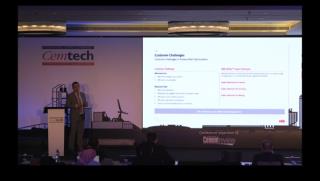
27 July 2018
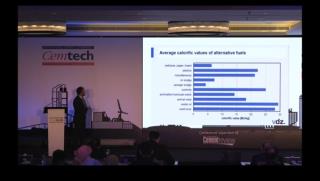
27 July 2018
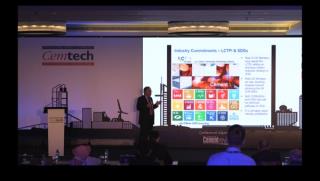
27 July 2018
27 July 2018
27 July 2018
27 July 2018
27 July 2018
25 July 2018
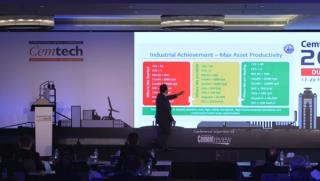
25 July 2018
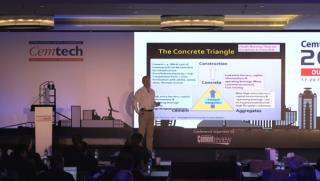
25 July 2018
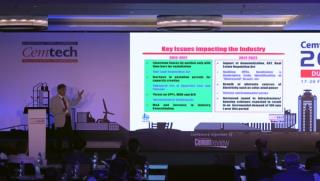
24 July 2018
24 July 2018
24 July 2018
23 July 2018
23 July 2018
23 July 2018
20 July 2018
20 July 2018
20 July 2018
20 July 2018
20 July 2018
20 July 2018
20 July 2018
20 July 2018
20 July 2018
20 July 2018
20 July 2018
20 July 2018
20 July 2018
20 July 2018
20 July 2018
20 July 2018
20 July 2018
20 July 2018
20 July 2018
19 July 2018
19 July 2018
19 July 2018
19 July 2018
19 July 2018
23 March 2018
23 March 2018
23 March 2018
23 March 2018
23 March 2018
23 March 2018
23 March 2018
23 March 2018
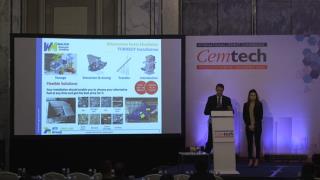
23 March 2018
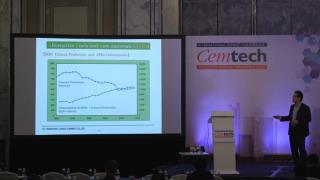
23 March 2018
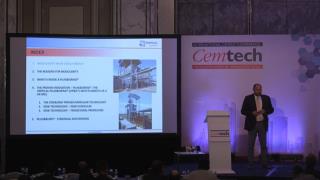
23 March 2018
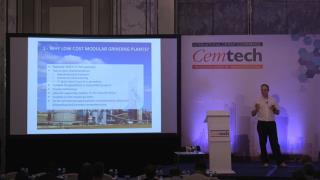
23 March 2018
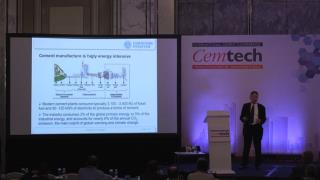
23 March 2018
23 March 2018
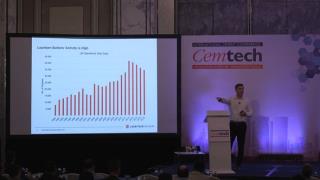
23 March 2018
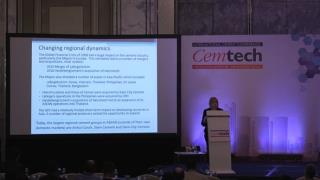
22 March 2018
26 October 2017
26 October 2017
26 October 2017
26 October 2017
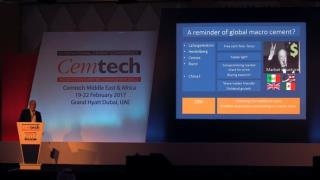
14 August 2017
14 August 2017
14 August 2017
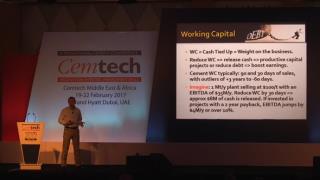
14 August 2017
14 August 2017
14 August 2017
14 August 2017
14 August 2017
14 August 2017
14 August 2017
14 August 2017
14 August 2017
14 August 2017
14 August 2017
18 July 2017
18 July 2017
18 July 2017
16 June 2017
16 June 2017
16 June 2017
16 June 2017
16 June 2017
14 February 2017
14 February 2017
14 February 2017
14 February 2017
14 February 2017
14 February 2017
14 February 2017
14 February 2017
14 February 2017
14 February 2017
13 February 2017
13 February 2017
13 February 2017
19 January 2017
19 January 2017
17 January 2017
17 January 2017
17 January 2017
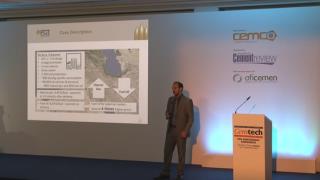
6 January 2017
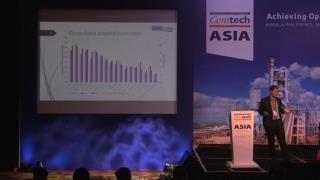
18 August 2016
18 August 2016
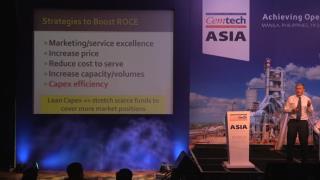
18 August 2016
18 August 2016
17 August 2016
17 August 2016
17 August 2016
16 August 2016
16 August 2016
16 August 2016
12 August 2016
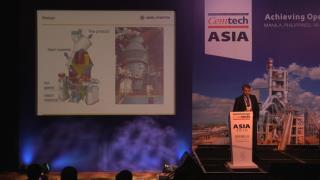
12 August 2016
12 August 2016
11 August 2016
11 August 2016
11 August 2016
10 August 2016
10 August 2016
10 August 2016
8 August 2016
8 August 2016
8 August 2016
6 May 2016
6 May 2016
6 May 2016
6 May 2016
6 May 2016
6 May 2016
6 May 2016
6 May 2016
6 May 2016
6 May 2016
6 May 2016
6 May 2016
6 May 2016
6 May 2016
6 May 2016
6 May 2016
6 May 2016
6 May 2016
6 May 2016
6 May 2016
6 May 2016
25 April 2016
25 April 2016
11 March 2016
11 March 2016
11 March 2016
11 March 2016
11 March 2016
11 March 2016
11 March 2016
11 March 2016
11 March 2016
11 March 2016
11 March 2016
11 March 2016
11 March 2016
11 March 2016
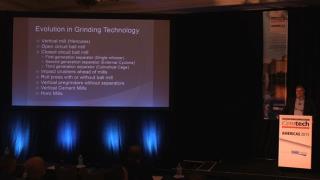
11 March 2016
11 March 2016
11 March 2016
11 March 2016
11 March 2016
11 March 2016
21 December 2015
15 December 2015
15 December 2015
15 December 2015
15 December 2015
15 December 2015
15 December 2015
15 December 2015
15 December 2015
15 December 2015
15 December 2015
15 December 2015
15 December 2015
2 December 2015
2 December 2015
2 December 2015
2 December 2015
2 December 2015
2 December 2015
2 December 2015
2 December 2015
2 December 2015
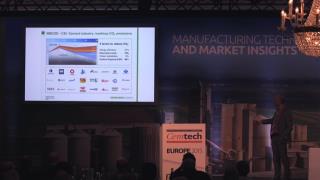
2 December 2015
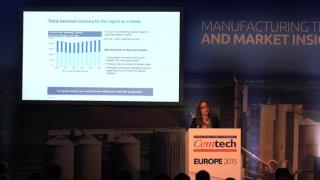
2 December 2015
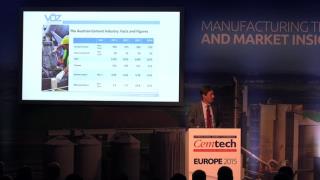
2 December 2015
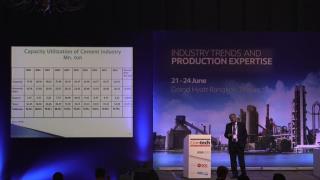
21 August 2015
21 August 2015
21 August 2015
21 August 2015
21 August 2015
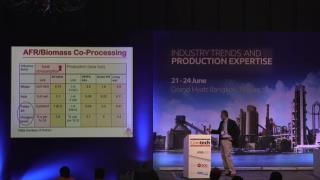
21 August 2015
21 August 2015
21 August 2015
21 August 2015
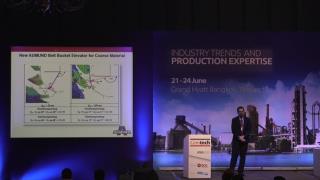
21 August 2015
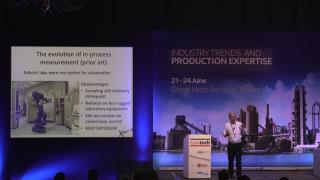
21 August 2015
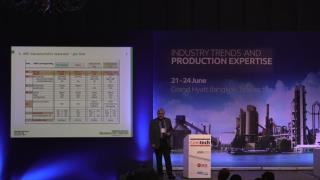
21 August 2015
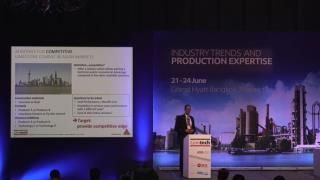
21 August 2015
21 August 2015
21 August 2015
21 August 2015
21 August 2015
21 August 2015
21 August 2015
21 August 2015
20 August 2015
20 August 2015
18 August 2015
18 August 2015
18 August 2015
18 August 2015

30 June 2015
29 June 2015
29 June 2015
29 June 2015
29 June 2015
29 June 2015
29 June 2015
29 June 2015
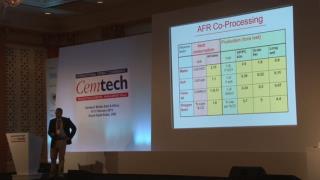
29 June 2015
29 June 2015
29 June 2015
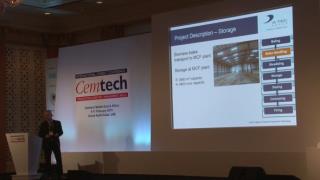
4 June 2015
4 June 2015
2 June 2015
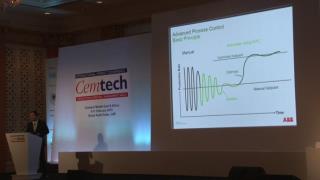
2 June 2015
2 June 2015
2 June 2015
29 May 2015
29 May 2015
28 May 2015
28 May 2015
28 May 2015
18 February 2015
17 February 2015
13 February 2015
13 February 2015
Try searching for another title.