
2 September 2026
This transcript was generated automatically and may contain errors.
Hello, and welcome to the September 24 emec Live webinar. I hope you've had, or, or still having a, a wonderful summer for those of you in the Northern Hemisphere, most of you. my name is Thomas Armstrong. I'm managing editor of International Cement Review. and it's a real pleasure, pleasure to welcome you for this for this webinar after the the August break. So yeah, we've got a, a great series that we're, we're over midway through showcasing the latest advances from across the industry and promoting best practice and supporting your efforts to achieve manufacturing excellence in the cement industry.
here are some dates as you can see, we're, we're, yeah, we're in September and decarbonization moving on in October to conveying November, we have plant maintenance and we conclude the year with a, a webinar on Green Cements in December. if you're interested in those topics, please please make a note. we'll also be sharing these slides later for you to refer to a quick word about Stech and International Cement Review. so International Cement Review is published every month has been for 35 years. we offer a wealth of information on the global cement sector.
each month you'll find detailed articles reporting on the application of leading edge technologies across the whole cement manufacturing process. So no matter what your role, if you work in the industry if you attend these webinars you should be reading International Cement Review. So please take a look at the website. You'll find information also about Cement Plant Operations Handbook which is free with your subscription, and it is the Concise Guide to Cement manufacture. It's in industry's most popular reference on this topic on the, on these topics. And really essential for anyone who is at all operational in the cement industry.
alternatively, we're covering the environmental topics in, in a lot of detail here in this reference, which features 40 exclusive papers from leading industry experts across a whole range of topics from process optimization, grinding systems, thinker, substitutions, everything towards net zero. So check out cnet.com, subscribe, and you can find out all this information and get readings straight away. if you're more into markets than technology, then this is the essential product for you. our 15th global Cement report including statistics and a database of all the world's cement plants. So check that out.
also on cnet before we get started, and as a few more of you log in please let me just remind you of Cent Europe this year. We'll be in Warsaw and we'll be in Poland for the duration of our conference. there'll be 2 50, 300 delegates registered for this meeting. it's our annual European event, and we'll really focus this year on CCUS technologies in particular and everything around decarbonization. We'll be presenting lighthouse projects from some of the leading players wholesome Heidelberg and so on. we'll also be looking at alternative fuels and all the other things that you need to run your cement plants. So come in September, end of September, beginning of October for this event.
but now on to today's topic. it's a broad topic and it, we've deliberately kept the, the title open wide, but really we're gonna, we're gonna take you through four presentations from really industry leading experts in in the latest advancements for cement sector decarbonization. And we will look at AI driven plant optimization. We'll look at implementation of carbon capture systems but we'll be opening more generally with a, a, a kind of wider view of decarbonization from Lusia. and it's my pleasure to welcome our first speaker Martin, Dr. Martin Reformat. he's from Lusia and is in charge of sustainability at the company sustainability products.
and this is something that the company is getting more and more involved in. I'm gonna allow you to share your slides now, Martin, as I introduce you. Martin's a specialist in cementitious binders, concrete and building materials. He started his career at the FA Finger Institute of Building Material Science, and later joined lusia focusing on reducing CC O2 emissions. In 2024, he became head of sustainable technologies at Lusia, where he now develops CO2 reduced binders, concrete waste recycling methods, and innovative slag utilization techniques. So you can get an idea of where Martin's gonna come in this presentation, if you'd like to share your screen, Martin sorry. Sorry. I, okay.
Do it again. yeah, no, that didn't come up. If you try again you should be able to load that up. I can see that. Alright. We're all, we're all ready to go. I can, I can hear you well as well. So for for Martin's presentation, potential CO2 savings in cement production. Over, over to you, Martin. Yeah, thank you very much. Thomas. unfortunately, the, the summer is now over here in Germany five minutes ago the summer was shining, so please apologize for my bad illumination here. but I think we, we can handle that. Yeah. Let's talk about potential CO2 savings. I think most of you know the, the leisure company. I just want to go very fast through this short introduction.
it, it's over 100 and 80 years old company from Germany. From Germany, the fourth generation, the son of Dr. Leisure is now joining the company. We have around 700 employees. And let's say for the last 180 years, we gave our best to have an innovative engineering. but leisure is not the only company within the leisure crew. We have more than that. We have I think you all also know ATech from Austria. They are focused on the modernization and optimization of this event plant. We have our yeah, company ex process also from Germany. they are experts in optimizing pyro processes and grinding processes. And our youngest member two or two and a half years ago dynamics from Brazil joined us.
So now we have in our group every expertise you can imagine within the cement market. Cement market is a good point. let's introduce or let's very quickly talk about the consumptions and resources within the cement markets. And as you may know concrete is in the world the second most used material after water with around 34 billion tons that is consumed. every year. This is a huge, very huge amount. And what is the, what? The, the, the glue, oh, sorry. What is the glue of the concrete is the cement, of course, and 1.62 big meter per year is consumed per human. And this comes along with the cement production of 4.1 billion tons of cement every year.
And if you imagine that one ton of cement is around 800 kg of CO2 you can imagine that it is a huge quantity. And this is around seven to 8% of oil manmade, CO2 that comes from the cement sector around 2.5 billion tons every year. And we have to of course to reduce that because the clock is ticking, as we say in Germany. we have some mega trends. We have a growing world population growing. We will reach around 10 to 11 billion people on earth in 2050. We have an increasing energy and resource consumption, and we have the necessary to protect our en environment like our water, like our air, and so on. And unfortunately, we will reach some tipping point soon.
That means time to act this now, but I think we are all aware of that. What are the approaches from, from my company to face that CO2 reduction? as you know, leisure is yeah, very let's say deep in the traditional business areas of the cement industry with the core product the vertical roller mill, we have roller mills for the raw mill for the cement finish grinding, and of course, for the core combustion here you see also the power generation. This is exactly this coal grinding. Of course, this will be reduced in the next years going coal com because coal combustion will be fading out in Europe.
And very yeah, challenging, but promising sector is the mining industry with our yeah, communion equipment, we can commun this material, this, this o in a dry way. And this is, this is very nice, but I don't know if you know that we have the, so-called cranky solutions for let's say yeah, at decade we are doing a lot of r and d on exactly the question how we can save CO2 and how to save resources. And we have some products here. It's sea clay. On the one hand we have re this is our yeah, product for concrete recycling. We have our a fuels, this is of course alternative fuels product. We are also concerning about hydrogen combustion. ultra fine riding will be a big topic in the future.
And we are facing the challenge of how to recycle slacks from LD legs or other slacks also. and this is our, basically our, our pathway to to reach net zero sea clay, our clay technology. you know, clays are all over the world in the quite good quality. So this is a perfect material to yeah, to reduce CO2 because we need very a much lower calculation temperatures around six to 800, 900 decrease of Celsius in the opposite of this 1,450 degrees in klinger burning. and with that, we have a lower CO2 footprint compared to OPC of around 40%. The cement performance of these clay cements is quite good.
Of course, the early strengths has to be enhanced, but also for that, we have some ways to do that. And the good news is that it's a well known technology. We know the, the pretreatment, we know the kail signing we know the rotary kil. We know the flash curl signer, so we just have to assemble it and put it into the game. and for that our experts our experts and our group are from dynamics. They have a very good experience for over 20 years, and they have very nice reverences for that. at our company everything is starting with the material. That means we are have we have a look, and this is actually my task.
have a look at the material, and from this material, we can say which type of ation technology would be the yeah, the best. There is always a discussion between kilns and flashcard designers. we can offer both. And yeah, it's tailor made to the material that we are receiving. We have a holistic approach, and we have within our group with our companies all expertise from one source. The next yeah product, or the next technology to to get zero two reduced is our recycling, our concrete recycling. We have a huge amount over 3 billion tons every year of concrete recycling. And this is nowadays only down cycle. That means without any CO2 effect, it's going into the road constructions.
and this we have to change because it's a valuable material. what we can do is we can split it up and get the increments back. That means we have then recycled sand. We have then recycled aggregates. And very valuable material is also the cementitious material dis cement stone at the end. How does that look? We have our vertical roller mill, our core product. We can use that also to process crush concrete. And we have three classification extraction points classifier extraction. We can have the fine material disman stone to grid funnel extraction with the sand and the reject to get the gravel back. And also here, everything starts with the material In our own technical center.
On the right hand side, you can see our our, our technical center mill. we can have a look at the materials and can exactly, let's say, predict what this material is able to to perform what to do with the products. There is a versatile usage of the products. Of course, the sand and the rel can go directly to the next ready mixed station for creating new concrete, fresh concrete and the cement stone we can use in the cement plant as a filler material, as a rockling cer raw material or a very new technology we can use that as an CO2 acceptor so we can do a carbon capture with this material.
So a high potential technology, of course, alternative fuels is, is that they are used for, for decades right now. it's very used in a large scale, but alternative fuels are, are diverse and with a, with a large bandwidth, let's say. only biomass is rated as, as at CO2 zero. So we have to try to enhance the CO2 at the, the biomass rate within the fuel. And in our group atec and the AMI take care of that. And for that, they developed a lot of very nice technologies like the de gasifier on the left side. The de gasifier is for solid fuels, the gasifier system to gasify coal Petco but also biomass when it is in a, in a fine constitution.
And to, to, to get this fine constitution, we can use the rocket mill. This is a development from ATEC. And this device can let's say Ute, almost every material you can imagine to a, a defined particular size. And if you have course particles, lump size like tires or big chunks of wood and so on, you can use the df bed gasifier or chamber from dynamics. And with that you are able to create a very nice soon guess, and to go for up to, let's say 80, 90% alternative fuels. But this is just the beginning. hydrogen will be the energy carrier of the, of the future. You know, green hydrogen is a big topic topic right now in Europe.
It's not available in this large amount that we need, but it'll come at one day. And to use this green hydrogen we have to adapt our our burners, our hot gas generators and so on. And this we are doing right now. We have yeah, for the last years, we have developed burner systems that can, that are hydrogen ready. That means we we, we, yeah, we have rethought our muff material, the muff shape dimensions, because hydrogen has complete different properties than natural gas, for instance. We have to adapt the burner system. And also, and this is most yeah, forgotten. We have to rethink the safety technology because hydrogen is not, let's say it's not a game.
It's a, it's a tough material or a tough gas that is light yeah, very flammable, let's say. the slack. slack is a big topic. every year we have 300 230 million tons per slack worldwide. This is a, a, a great amount, and they are to 99% just landfill or used in road construction. And we have some technologies that we can do some cementitious material out of them. on the one hand, I can go one slide further. On the one hand, we can do a modification within the liquid state of the leg. That means within the steel making route. out of that route, we can produce hy hydraulic SCM, and we can also recover the, the metal that remain in metal inside this slack with help of our vertical roller mill.
And if the slack is, let's say already there and it's cold, we can do also a metal recovery. That means the cold slack, we can treat in our mill so that we can get the metal the remaining metal out of it, and receive an SCM filler, a fine filler that we can use also as an, as an SCM in cement. And this is espec, especially suitable for stainless steel slack, and we have some references for that. Yeah. Last but not least, the ultra fine materials every material can be ultra fine.
and if you have a material that is, has a high surface area, you have beneficial performance, of course in terms of reactivity, but you have also big challenges within the material treatment because it's very sticky and very lightweight and so on. So we need special equipment. And here you can see a principle of our yeah, of, of the one part of our solution. in this example, we have an GPFS fed into our vertical roller mill. This is a very usual system that is used worldwide in various plants. we have a bunker or silo, a disperser, and then we have two extraction 0.1 is a multi-cycle battery battery, where we can reject the, let's say the course material with four to 5,000 plane.
And the ultra fire material is coming over a backfielder into a backfielder and is going out with around 10 to 13,000 plane. And this is a, a very, very high surface in this example, we are talking about the 50 of two microns, something like, like that. The advantage is that we can have an high SCM, and the remaining product here with this four to 5,000 plane has almost the same performance than the original material that was coming out of our million. Yeah. I hope I am in, in the time. So one or two slides further.
if we now have a look at the most promising technologies within our lu group, we see that we have three in a technical readiness level that we can yeah, immediately go on the market. And we already did, of course. And just to give you an idea what we are able to reduce or yeah, how much CO2 we can reduce with this three technologies. I have a, a very little example here of an modernization of an existing OPC production. And let's assume we have regular OPC production with fossil fuels with limestone as raw material, and yeah, just OPC, then we can, let's say adapt it to alternative fuels. We can use up to, let's say yeah, 80 90% of biomass and IRDF.
So we can save around 30% of CO2 with our esque technology, with our cement stone as raw material. And then SSEM, we can reduce further 15% of CO2. And with the sea clay, with clay head signing and producing an AC three cement, we can use reduce further, let's say 15 to 20, 25% of CO2. So that means to get all together nowadays, we can save immediately up to 65% in total. And this is, this is quite, quite good. Yeah. What's next? And this is my last slide.
we are also dealing and yeah, researching in, in terms of carbon capture utilization and storage to be honest we are let's say we started this some years ago, but we are in a starting position right now because we are have, we have a look at, let's say, the whole process, the whole cement making process for that we can offer of course process audits. the big point is minimizing fault air, fault air in the CCUS yeah, technology is, is let's say reducing the efficiency drastically. We can have or we can offer overall heat and mass balances within our group with, with X process, with, with atec and so on.
To avoid CO2 emission points, we can have a look at the pyro process adaption, or we must have a look at that. we, we have a look at the pre-K signer at the pre preheat, the cal and so on. So very relic points. And last but not least, the oxy fuel has to be simulated in the CDF and opti uhm for a high O2 atmosphere. So we have other gas loc, we have different volumes and so on. and of course we have to look inside the or, or, and the, the killing burner so we can make the pilot process CCUS ready right now. And I think some more technologies are coming in the near future. Thank you very much for your attention, Martin. Thank you very much.
that was a whirlwind tour of a lot of technologies but you've brought it all together in a, in a really concise way. And I think that the, you know, the, the really interesting message is that modernizing existing plants is possible and is possible to, as you say, reduce CO2 by, by 65% with current technologies or early technologies, I guess, in, in, in the terms of cow sign clay. But but you can get, you know, a long distance before even approaching carbon capture. at which point, yeah, you, you, you need to, to take the next steps as you pointed out and, and look at oxy fuel and, and different kind of preparation for that. And we will get to carbon capture at the end of this, this webinar.
but but great presentation. people are interested in the comments. a lot of comments some asking about the, the grinding. You know, is it possible is it practical? Is it, is it practice now in a great, in any great way? the, the concrete grinding into separate materials, the the gravel, the sand and the I guess the constituents of clinker that you are, that you are producing it, how advanced is that? I, I think as far as I know, Netherlands is, is one of the most advanced countries in this, in this respect, but it, it seems to be such a, a practical common sense application. Yeah, that's, that's right. Thomas.
in, in my opinion, every country beside Germany is, is very, very far in terms of concrete recycling. the, the problem, or let's say the challenge with the concrete recycling is that we can de assemble the the single constituents in a, in a pure or yeah, as pure as possible way. And for that, we developed this, so-called selective grinding. we applied that in industrial mills also. We applied it in our technical sand mills, of course.
and we think that our technology is, is able to have a high purity cement stone that can be recycled into the raw material or raw klinger material process or and this is yeah, a development that is coming, yeah, let's say over the last five years, we can use SNC O2 acceptor. And this is at the, at the end, it's a mineral mineralization of of this cement paste. Let's, let's call it yeah, the reversed process of klinger burning. And when I started this technology to, yeah, to research on this re technology, I was not aware that it is so versatile in, in usage.
So this three types of material, of course, the aggregates sand we know that this going to the fresh concrete, but the cement stone is a high available material in Netherlands, in Switzerland also they do a lot of effort to, to go, let's say a step further in terms of permission to, to use that in the market. Germany is a little bit behind, but also here, we, we do a good process progress. So we will see the next year's what, what happens. Very good. And yeah, you touched on so many other things. the alternative fuels, but also coming on top of that is hydrogen. that's a little bit, little bit further off.
how, how long do you think it'd be until hydrogen becomes a a, a fuel in in, in cement plants? Yeah. It, it'll come to this midlands if everybody has an hydrogen car. Yeah. After that we, we are able to get this hydrogen by a good price at the end because it's a, a high price fuel right now. but yeah, I, I, I don't want to, to do some yeah, some predict, but I think 10, 10 years at least after that, yeah, yeah, for, for big applications. But we have not only big applications, we have small applications like pre drying of materials like our, our hot gas generators from the mills. They don't need so much hydrogen.
So they, these technologies will come earlier than to to replace the oil and the fossil fuels in the clinker process. Yeah. And, and I guess some hydrogen has been used quite, quite widely now as a to cofi with alternative fuels. And and that's something that certainly Cemex has done in, in almost all its plants now. But very good. Well, I mean, so much to talk about, but that presentation will be circulated after the webinar. but for now, thank you very much, Martin, for that presentation. and we'll we'll, we'll see you again, I hope maybe we'll go a bit into a bit more detail into these individual technologies. Thank you. Thank you so much. and straight onto our, our next presentation.
I'm, I'm very pleased to welcome back Doug Schmidt, who's a regular speaker at Cemtech. he began his career as an r and d engineer at BFI Automation later at Durag. And in 2001, founded Power Tech Intelligent Technologies which was partly responsible for introducing AI to the cement industry. From 2008 to 15, Dirk expanded his expertise in sales and marketing at Intersystem Engineering, HECO, ketin, and ProCon. For over eight years, he's been a director of chemo process control, establishing it as an industry leading brand for AI-driven process optimization and innovative sensor technologies.
So we're gonna go into, into quite a specific technology now but as it's titled Multiple Ways to Reduce Carbon Footprint with Intelligent Automation. So great, great to have you back Dirk let's hear what you have to say. Thank you very much, Tom, for the introduction, and it's a pleasure for me to give another EC presentation today. yeah, summer ended. We have the first raindrops outside in Germany, and a lot of fruits are picked up just now from the trees because they are ready. And this is why I could call my presentation today also the low hanging fruits in reducing carbon, and I would like to do that.
by the way, when I tell you how much of CO2 was already reduced of carbon production was already used since the establishment of, of chemo process control up to 2023, this company saved more than 730 tons per day. So 7.5 million tons of carbon was reduced by using the products, which I would like to introduce you with the next couple of minutes. This is our homepage. go on www KEA minus process de e, and you will learn about our products. And most of these products are installed in this beautiful plant, which you see here in the background. This is Heidelberg Cement. And here we have one of the oldest installations also of Smart Fill.
Smart Fill is a precise fill level measurement for boil mills, a cutting edge technology, which measures precisely fill level one and two. And I will introduce that today in combination with the CO2 reduction, which is possible with this product. Another product which was developed with the German Semen Producers Association, VDZ and Heidelberg Cement in this plant in is the K cooler technology, a revolution in kiln shell cooling. as you know, most of our users are still cooling your kiln shell to protected from damages from deformation with air fans.
We are doing that with an infrared temperature control and precise spraying water, a water mist on the spot just where necessary, and control the temperature of the kill shell. This reduces a lot of energy radiation from the kiln, so the energy keeps in the kiln, and it reduce, of course, the power consumption from the electric fans. I will make you and show you a calculation how this can save energy. And of course, CO2, the next generation of instrumentation for pyro process plants. So the kilns itself is our guest temp flow system. It mines gas temperatures and flow extremely fast and precisely with the variations of dust content. It doesn't matter.
It is designed especially for the cement industry where so far measurement of gas flows and temperatures is a challenge. I show you that this challenge can be covered with this simple and very useful product. Our company's name is Schema Process Control, and the control is coming from our core competence. This core competence is since 1996, artificial intelligence. We are using this modules, various modules of ai since more than 25 years, and install it on over 200 bottles on couple of kilns. So that you can imagine. Here's a huge experience, and I would show you this experience that autonomous kill operation is possible.
For instance, on a, we heard it earlier, lusher vertical roller mill for 72 hours completely in an unmanned plant in Dki in France. This is the so-called mill pilot, as I said, available for vertical roller mills, for boil mills, and also for roller process. And there is also at the end of my presentation, a short view into the kil pilot, an optimization using advanced process control and ai, artificial intelligence for kilns. Now, a lot of people know us from the past as kiln master and mill master provider. We recently changed the name because this is still the name.
Also, the company Holson is using for their expert system background is that 2008 to 2018 KEA was the core supplier of this technology of expert systems for wholesome for HOL bank. Now we have it new. The kiln pilot and the kiln mill pilot are using various, various modules of ai. Kima is selecting carefully the technologies which are most suitable for the specific necessity and control loop. And here we must clearly say that it must be a mixture of motor predictive control, MPC for smart predictions. But at the end human based and human knowledge based programming is essential in the cement world. I recently make an article about that.
It was published in the International Cement Review, and if you like to read that you can easy get it from my site. Now, FA logics and new modules of AI are continuously to develop. And here I have to say that we are very proud to be on a regular base funded by the German government. We have a couple of projects which are outstanding, like this post system. this is a modulate module, which gives the school of kiln operators the opportunity to simulate latest technologies in semen manufacturing, especially alternative fuels usage in kilns. And this is used by the German Semen Producers Association, VDZ, in their school for kiln operators.
However, we are actually reached a new level also of fundings. And now we are, we get recently new fundings for new tools of AI modeling and reinforcement learning, which are specialized in the use of alternative fuels and energy consumptions. So directly also into the way of CO2 reduction. Now, since 1996, we are making process optimization. And when it is set process optimization, it is CO2 reduction and it is reducing of energy. If you understand that each ton of cement requires approximately 108 kilowatt hours of electrical energy. You see in this nice graph from the International cement Review, that 38% are consumed in cement grinding. Another 24% are used in raw grinding.
So you see that this big portion is related only to grinding. So if we are often with smart fill on boil mills, and with the mill pilot on each type of mill, able to reduce nearly 8%, 10%, 12% of electrical consumption, this is often going up to 10 kilowatt hours. power savings that these power savings are reducing. The operational cost is clear, but that are using that they're reducing the carbon footprint. I will give you in a later slide again, the next portion which you see here, 22% is directly burning coal and cooling. And there are the solutions, of course, with gas temp and with the K shell cooler.
Now, here we have this optimization potential using a smart field system and a mill pilot on a ball mill. Let us think about a ball mill of 130 ton per hour. So when we operate this mill full autonomous with our high level control system, we can promise that a minimum saving of 5% will be reached. So the power consumption absolute over a year, considering 7,200 operational hours will end up in a power reduction absolute of 3 million kilowatt hours.
Now, the complete calculation into CO2, these are 2.1 2,150 metric tons of CO2 low hanging fruits, ladies and gentlemen, because the installation can be done within less than six weeks and the investment costs are so low that we reach considering the CO2 certificates or considering also the power consumption. if you see this power consumption and multiply that with a power cost of 10 US dollar cents, the return of invest is always less than a half year low hanging fruits. So easy investment and quick return of invest. How we do that with the smart fill, the smart fill is installed on the mill body itself. The system measures inside the mill sound. This sound is more vibration.
It is not an electronic ear like you know, from the past with microphones. It measures the vibration onsite. The milk sent this raw signals to this receive unit by a radio signal and from the radio signal, which is received here, we converted in an base unit PC directly into the fill level, but the fill level of chamber one and chamber two, and this most precisely recently just last week, we get the order for all France Heidelberg cement plants, all the plants and boil mills are equipped now again with smart fill. And what, what is it doing like a stethoscope from a doctor?
It is listening inside the mill there where is necessary because you must measure always the main impact point and the main impact point of smart fill is measured because it is measuring 360 degrees. Always the complete return of a mill is measured acoustically, and this can be converted then in empty optimum and full load of the mill. This is directly used then in the control. Here you see the manual control fill level two, fill, level one and fresh feed if it is done manually. and you see that the fill level goes down, you'll see here that the operator decided to increase the, the, the fresh feed. So of course the fill level comes up. Oops, it comes to up too high. So re he reduce it.
And so you see nicely whenever he's making interaction, smartphone of course reacts optimum should be the case. Smartphone gives him a guidance how to fresh feed. However, an operator has sometimes different things to do, and you see that then the mill becomes empty. You will understand that you will create a different and produce a different type of cement here or here because here in this moment, less materials is between balls and liners. Higher wear, but also finer product is the result. So the consequent way is of course to bring that in a full automatic calculation control.
And here you see that smart fill, the first chamber is directly guiding the fresh feed and controlling the fresh feed. With that, we learn quick with mill pilot that each type of cement has a specific fingerprint and balance between chamber one and chamber two three level. So we nicely learn that. standard OPC has this combination and a slack cement or limestone cement has this combination. So we can go always here in a feet forward control, adjust the set points of the fill level and reach automatically the right fines. We can do that much faster than each operator until the operator reacts based on his laboratory values. Mill pilot is much faster to do that and reacts faster and smoother.
The operator gets a a certain additional screen and here he can activate the fresh feed control and he can activate the separator control so that his mill is full auto autonomous start and stop change between cement types. And he can also activate and deactivate the mill pilot at any time between automatic and manual operation. Again, we control the first chamber based on fresh feed and the second chamber we control based on the separator speed. So here we have the opportunity to produce much more of this particles, which we want to produce.
The product quality will automatically rise by the use of mill mask and smartphone that we are successful with, that I have given plenty of times in presentations, and I don't want to boring too much in this presentation here with case studies. We can do that at any time if you wish, in a special and individual presentation, however you see that at. So myth group in India we have increased at mill number one, the production by 12% a fine result. And on two mills in Malaysia, YTL content plant mill number five and six, certified production increase with autonomous mill operation by 6%.
But now coming to the next product, going away a little bit from the grinding and the mill master in smartphone to the pyro process. The pri pyro process today is very often relatively difficult to calco to, to control because a lot of measurements like gas flows and temperatures are better calculated than measured why calculated and not measured, because there is no specific excellent measurement principle which is suitable for the cement industry. And that's why Lafarge Holsen knocked on our door and we designed the system not only for them, but for the cement world. And this is guest temp flow.
We have already satisfied customers in 10 countries worldwide, more than 20 installations, and we can have the following applications on specific places. We cannot measure the flow because we don't have a pipe there, but we have a chamber. And in this chamber we can measure the temperature over the entire cross-section. We are measuring with an acoustical principle. So at the down camera, for instance, we can measure flow and temperature both together extremely fast without any delay time, and with a precision of plus minus 1%. Now you have to consider that with delta P and pto, which is used today so far. For this flow measurements, you reach an accuracy not better than plus minus 10%.
So here we opened the gate to reduce 9% this failure, which will be usually considered in the control scheme to be on the safe side. We can reduce at the down camera a huge amount of air. And on other cases of course, as well. Let us go through the principle. We measure with a sound sensor. And this sound sensor sends a sound from a transmitter, a horn, which is here inside this tube to the other side. And on the other side we have another horn. And this receives the sound. And this time, which this system needs from one side to another is directly related to the temperature. Since 2021, we have two systems in operation in Bergam and Anyo on both down cameras.
And here I can show you the temperature and flow. And now I give you the calculation for the CO2 reduction. If you consider that you operate and have to operate an ID fan which produce 500,000 non cubic meters. Now 500,000 non cubic meters, sorry, oops, five thou 500,000 TERs is the design capacity, which your power process manufacturer has said. This must be reached. If you measure, now, you of course produce that what is on the safe side, 500,000. And if you measure with a failure of 10%, you produce 550,000 non meters in a two megawatt electrical motor. Now, if you now change and measure instead of plus minus 10% with an accuracy of plus minus 1%, you produce not 550,000.
You produce 10% less or 8% less, let me say. So, with 8% less of this air, which is now not necessary anymore to produce because of the failure, you save 1.3 million kilowatt hours from a system which is so cheap that you have a return of invest. When you consider 10 US dollars cents, you have a return of invest of two months, but don't concentrate only on the return of invest. We are here together today to see the reduced carbon, the CO2. Now this system reduce 907 tons metric tons per year. You convert, convert that also in CO2 certificates by 100 euro of a certificate. This is also 90,000 US dollars or euros. So the installation is very easy.
You can use it also, as I said, only for temperature measurement. And here you see a typical system installed on the kiln hood. We measure the secondary air coming from the clinker cooler to have it more precise and to know how much energy we have to produce with a main burner. more fast and more precise. And this is done and used then in our kil pilot system. The kil pilot system is the first high level control system which brings preheat, kil and cooler. So the entire pyro system into one system in one to one module model and controls it. This is only possible because we have so many new measurement points.
So we make a complete balance sheet of the energy of the raw material going up to the cement, of course, of the gas flow in this direction, and of course of the kiln feet. You see it here. So permanently we see when, for instance, the energy in the main burner changes, we see immediately the effect without any delay time on the clinker cooler. And we see the effect also on the preheated. Even false air coming inside from various places of the kiln will be considered in this moment so that we get a clear picture how the energy goes in and out in the pyro system. This is smart control and you will learn that so far you are using three control loops.
You're using the kil, the pre heater, and the clinker cooler separately because you don't have the interaction measurement between these modules and exactly here, the gas temp flow opens the opportunity and says, we measure the PY between these modules and can now, sorry, reduce the skating effects between these modules. A very, very huge step into the future to stabilize and minimize, minimize material feed and fuels with a continuous gas and material flow and a regulation of the energy flows within the stabilized mass flow. Now we come to the last solution, our last aspect to reduce CO2 electric power consumption. So think about your air fans, which are today cooling your kilns.
This air fans are in our case released. And here in this system you see also in this kiln that we control the temperature of the kiln chair. Now based on our water spray system and infrared temperature measurement, kiln cooler, this kiln cooler technology is equipped on this kiln in the plant of sleeter Berg cement first time ever over the entire 55 meters. It shows you that it is possible instead of air cooling, the air fans are switched off in in Sleeter Since more than one year, this plant is operating now exclusively only based on the water spray that there is a huge opportunity to save energy.
In this video, you see that the system is spraying only where necessary, and not only on the place of the length, also on the place of the circumference. The system here installed in the URI plant, Khoi in Thailand of SCG is spraying on the spot. And when the video goes more close to the kiln, you see that, you see that here, that the system is spraying only there where necessary. This has various opportunities because in this moment you keep the energy at this places where an air fan would usually cool as well inside the kiln. So you reduce the radiation losses dramatically. We have calculated that and soon we will get also the results from Sleeter plant.
But the calculation says already that we are able to reduce the energy which is lost from radiation, and by keeping the kiln more stable in operation with the kiln pilot by five to 7%, five to 7% less energy consumption on an entire kiln. We speak about millions of euros and dollars and we speak about millions of tons of CO2, which we can save just from the cooling with the air fans of 30 meters of this K cooler you can convert here. The 30 meters power consumption of this air fans compare to the K cooler. With water, you can save 2.5 million kilowatt hours per year. Again, these are 1,700 cubic metric tons of CO2 per year low hanging fruits, ladies and gentlemen.
And if we speak again about the CO2 certificates of 100 euros, you can save by year 170,000 euros. And this is just 30 meters even. The power costs are of course, more relevant in this moment. We speak about nearly $250,000 of saved energy costs from the power. Last but not least, we combine in future all these technologies, the kiln cooler and the control of the fuels. So you see, first time ever the ner salary kiln gets the attention it needs. So I hope this was interesting. I invite you to follow me also on LinkedIn here. I have published a lot of articles like in the International Cement Review with Thomas Armstrong. I'm very proud about that.
I do that since 90 97 when I David, when I did it with David Hargraves. And yeah, I hope it was interesting. And yeah. David, thank you Thomas. Thank you. Thank you. Yeah, Good, good. Thank you so much for that presentation. And yeah, much more specific examples of technologies that can save energy, save costs, and of course reduce CO2. particularly interesting is the smart fill. I think it's it's a, it's a, it it's such good solution and so effective and so widely deployed. there are, there are lots of questions that are very specific ones about each of your products actually, how, how the acoustic ear ter works how much water's required for the cooling systems and your kilns.
but I'll leave you to look at the q and a and and to answer them. but thank you very much for that very comprehensive presentation. Dirk Schmidt from Kim, everyone. Thank you. Okay, that's wonderful. We're gonna move now onto our next presentation. something very different. we have Dr. Lars Lambrecht from Inform and he's an expert in digital transformation and optimizing production and logistics processes. Lars, if you'd like to share your your slides he's a co co-founder and managing director of Esk. he gained experience, extensive experience in smart services per predictive maintenance and industrial IOT projects.
since 2022, ours has been head of road transport, atfor helping cement and radio mix producers enhance their logistics performance. So we're gonna go a little bit outside of the, of cement plant operations, but this is a, a fascinating presentation that will really show the power ai in reducing carbon emissions in logistics something that every cement plant really should should know about. Over to you Lars. Yeah, thank you Thomas for the kind introduction and for giving me the opportunity to speak at this event. today's main topic is the various approaches to decarbonization the cement industry and why we've already charged up on key areas such as process improvements and production.
I believe there's another low hanging fruit and often overlooked opportunity, and this is logistics and transportation. In the next 20 minutes, I would like to focus on these aspects. When we are talking about decarbonization most of us are thinking about alternative fuels, process improvements, clinical reductions, and carbon capture and storage technologies. Now, all of this different topics have in common that they're helping us reaching our sustainability goals, but at the same time, they have an impact on our cost structure leading to higher prices.
No, not in all cases as we have just learned from dsid, but in many cases now on the road to net zero CO2 reductions and logistics are a low hanging food that allows producers to reduce their overall carbon footprint and save money at the same time. You know, best practices in our industry have shown that leads can be downsized by up to 30% while increasing customer service at the same time. No, but before we starting exploring the logistics component on our role tool net zero, I'd like to take a moment and say a few words about our company inform, at Inform everything is about process optimization and digital decision making.
We are a software company with more than 1000 employees headquartered in Germany. And what we do is we use technologies like artificial intelligence or machine learning to support decision making processes in various industries. And as this is where the abstract, I would like to give you some examples. Know, first of all, I would like to mention aviation. Now, some of you might attend the U conference in Barau later in this month, and the majority of us will probably fly to this event. And as the airport ground operations of many airports, one world are operated based on our AI supported software tools, you might benefit from those without even noticing it.
The second example, I would like to mention our activities in the risk and fraud management. Now, let us assume that you will use your credit card to rent a car or pay the next conference filter hotel. Well, our AI based risk and fraud software solutions are protecting more than 70 million banking and mobile accounts worldwide. And maybe also use the third example among many others, our activities in the building or construction material logistics. Here we are using AI-based software tools to support your strategic and tactical logistics planning as well, as well as your daily logistics operation. That's alright. Back to the road to net zero and logistics execution.
No, finding the shortest route to your destination is an easy exercise nowadays. No, we all have route planner in our pockets, no, or mobile phone or in our car or our truck. No, but things are different and way more complicated when you have a fleet of vehicles and each vehicle has to do several deliveries every day. No, what order, truck assignment and root combination will offer the lowest empty mileage? No, humans are creatures of routine and when we establish routines, we can carry out tasks a lot faster since we do not have to think about the task or prepare for it. Now, experience planner often choosing the closest follow up job next, like shown in the picture here on the no.
But if you sit down and take the time to calculate through all possible options, you will find a solution that offers much better results. And this is where our AI algorithms come into the game. They enable dispatchers and planners to do complex and time critical calculations with ease, not moving more payloads with fewer trucks every day, not only reducing logistic costs, but also cutting CO2 emissions along the way. So if you compare the CO2 emissions of your production with, with your logistics of course the emission related to logistics are substantially lower compared to your production process overall. No, but still the overall numbers are still impresses and to big to ignore, I think.
No, when we take a look into the CO2 emissions in the transport sector, our industry is responsible for roughly a quarter of the overall emissions. In Germany, for example, the total road transport volume is roughly 5 billion tons and 25% of that, or 1.2 billion tons are directly related to the transport of cement, aggregates ready mix and the other construction industry related materials. So how do we lower our logistics footprint with the help of ai, the transfer planning process is typically split into three stages. The first one is related to strategic planning. Strategic planning normally takes place every few months and addresses questions around your distribution network.
For example, how many trucks should I buy? The second one is related to the technical planning process, which typically takes place the day before the order execution and tries to figure out what is the best setting to balance costs and fuel consumption on the one hand side and service level or on time performance on the other side. Now coming back to the number of trucks, the question would be how many trucks to use for that specific day, right? And the third one is your daily operation with real time scheduling as the core element. So coming to strategic planning, the goal is to identify the most cost efficient supply network for the current, for any or for any expected future demand.
No related questions among others, no. Should I close, open or move any of my plans? No, that's of course more related to the ready business than for a cement plant. No. Another question would be, how many trucks do I need to fulfill the demand? Not to answer this kind of questions. Our AI based algorithms can be fed with information to the plant network, not to the demand distribution, the transportation distances and capacities and further information. The typical outcome is now here, shown on the right hand side of the slide. And in the left picture, we are seeing the s is situation of the demand for fulfillment of one simulation we conducted last year.
No, every dot indicates a customer, so an end customer, and the color is an indication for the plant, which has been used to fulfill that demand. Now, on the right hand side, we see the demand fulfillment for the optimized network. No. And we can see by the color distribution of the dots. No, this is different, which is one of the results of this kind of simulation. Now, for example, we do not see any dark dots on the right hand side anymore, which indicates that the related plant is not used anymore and is closed in a cost optimal scenario. So what do we get from this? Kind of AI supported a data-driven strategic planning process.
Now, this table shows the result of a network simulation we have performed last year, not in the ready mix industry. And as the real numbers are, of course, confidential, I have only relative numbers for you, but I think these are still making the point. Yeah. as you can see next to a production reduction the, the construction of the, the travel distance and the travel costs are both down by nearly 16%, and as a result, you're getting both a positive impact on your carbon footprint as well as a reduction in logistic costs. The second aspect, which helps us to save CO2 emissions and logistic costs is a proper pre-planning process, which typically takes place the day before the order execution.
Now, as already mentioned, the pre-planning process tries to balance logistics and energy costs on one hand side and service level on the or on time performance. On the other hand side, no. The pre-planning process can be understood as a kind of scenario analysis where algorithms of our software can be used to to calculate a KP set for different scenarios. No. So for different fleet sizing and different fleet distributions as basis for your decision of how to run the next day. So here in the upper right picture, we, we see a plan for the next day, and each line in this diagram is representing one truck, and every solid bar is representing delivery to a customer.
and the shaded bars are the empty ones back to the plant. And there are some color dots included. No, these indicates that this specific deliveries will be late according to this pre-calculated plan. Now, if we now play around with the input data, for example, by removing some of the trucks, we are getting a different set of related KPIs. And with those, we can make data driven decisions of how to run the day in question, right? In the lower picture, we see an example. No that is in this specific scenario. We can do five deliveries per truck, and we can expect nearly 88% of all deliveries to be on time.
If we play now around with the input data, we will get another set of KPIs and can make a data driven decision on how to run the day in question. So what are the short term goals of this process? What we see here is a typical relationship between loads per truck and day and the on-time performance. Now, every.here is representing one already executed day from the history database. Now what we see is that more loads are typically related with a lower overall on-time performance. Now, one of the initial steps of the pre-planning process is to define the service level cost relationship we wanna achieve for our operations.
Now, if we're now analyzing a scenario for the following day, and if we find that the service level cost relationship is outside our target window, like shown here in the picture, the pre-planning gives you the opportunity not by playing around with the input data to modify the setup so that the day in question can be moved into that predefined window, not the strategic goal of this process, of course, is to move this target window to the upper right side over time, which means that you're doing more loads per truck and day without a negative impact on your on-time performance.
And that can, again, be directly translated into increasing your sustainability while executing execut the very same order book that. Having said that, I would like to move on what AI is providing in the area of your daily operation. Now, as mentioned, there are many different aspects that I would like to cover, but due to the lack of time and as I do not want to spoil our ongoing development efforts and current feature list, I will just talk about one aspect, and that is real time scheduling. So how does an AI supported dispatching process looks like? Now, first, we have the orders being entered into the EOP or order taking system.
Those are then forwarded into the dispatching system where AI supported algorithms are executed every one or two minutes to provide an updated plan for the day, which takes all away real time information into consideration. No, the dispatcher can now work with those proposals and when he or she assigns a load to a truck, the ticket data is forwarded to the telematics system so that the driver knows what to do next.
And simultaneously, the ticket data is pushed back to the ERP, not to be forwarded to the batching so that the batching computer can start production during the order execution, not the telematics systems and status and position data back to the dispatching so that the AI supported algorithms have all relevant real time data available at all time within or for the next optimizer one. So what are the benefits of this approach? The first thing we see at our customers when they start using the system is that the truck utilization is increased with means that the trucks are doing more deliveries per day.
The second benefit is that the optimizer is taking the complete distribution network into consideration no, which means that when one plant has much or much to do or, or more than another plant, the trucks are automatically transferred between the plant if that is providing any benefit. The third aspect is that there is an immediate reaction to all real-time changes. Know if, for example, a truck has a breakdown or driver is late in the morning, the plant future deliveries are automatically distributed to the rest to the fleet.
And to put that in number in, in numbers, including AI based algorithms into dispatching, leads to an increased track productivity for all the different business lines we have in our industry. You know, as there are ready mix, aggregates and cement, and due to the short distances of the deliveries, the effect is the biggest in the real in the ready mix business and can be up to 37%. But also in cement, we have seen improvements between seven and 21% in truck productivities. Now, after, after we have now spoken about the benefits of ai the question is, does this all make sense for you specific business?
And what we typically do to answer this question is to conduct something we call a simulation study, which is basically a comparison of your s se situation. So a manual plan and the optimization result for the very same day of, for the very same order book. So basis for this is your existing order book, ideally for three different days. So one busy day, one typical day, and one quiet day. The data is then used to do two things.
First to visualize the current situation, and second to calculate an optimized plan for the very same data, the comparison of the KPIs of both plans, that then providing a difference in logistic costs for your individual situation, which can be translated into return of invest into yearly savings, of course, and additionally into CO2 reductions compared to your current situation. Now. Thank you very much. Thank you very much, Lars. That was a very intriguing presentation, just showing a more low hanging fruit, just how powerful it can be to, to leverage ai.
and hopefully attendees have found that that useful your work, is it primarily in the ReadyMix sector how, how much is involved in, in aggregates, ReadyMix or, or cement across your portfolio? Yeah so as the benefit is, is a little bigger in the ReadyMix and aggregates business, no, we are a little bigger in those two industries, no, but in most companies we are also active if if available in the cement sector. So one of the benefits is you have one user interface. No. So there are different optimizers which are adapted to the individual needs to each business line. No. so you get the best the optimization is, is able to do, but you have the very same user interface.
No, and that brings some benefits when it comes to, to team planning, to training and to, to similar aspects. And you, you quantified some of the savings you showed the slides optimization. Can we achieve 16, 17% kind of savings? I mean, are are we looking at, you know, a reduction in the number of vehicles less fuel? are all these things combined in that evaluation? yeah, basically it's, it's a little bit dependent on the market situation and what you want to achieve. No. So if you have a stable demand and a stable market, no, that can be reduced into less mileage and less trucks used. No. So if you, in example, operating 100 trucks, no something between 10 or 15 trucks less can be used. No.
and typically you have also less mileage no, because you're making better use of a network. but if you have a growing market, you know, that that increasing productivity would give you the opportunity to to do more deliveries without investing into new trucks. Yeah. And that of course is, you know, you, you do not need to buy new trucks. No, those trucks don't, do not need to be manufactured. So there's also another aspect which can be considered Very good. Well, thank you very much, Lars. a really interesting presentation Lars from Inform. Thank you. Thank you very much. Okay, we're gonna move on now to our final presentation.
and really a very, very interesting presentation ahead on CCUS implementation. and that's of course, we've, we've looked at all the, all the improvements we can make inside the plant, around the plant with transportation. this is now taking us that final mile. how do we really deal with the, the CO2 that can't be reduced through optimization or deploying the best technology? So I'm really very happy to be able to introduce Dr. Christian ribber, who who is a waste to energy and carbon capture and storage expert with over 20 years of experience.
He's led more than 35 CCS projects, including the world's first full scale carbon capture utilization plant at a waste to energy facility in Dovan in the Netherlands as a senior CCS advisor, Christian guides, project teams, minimizing risks and ensuring the success of advanced CCS technologies. So really we've got a fantastic speaker here. welcome to the webinar. and over to you, Kristin. Thank you so much Thomas, and thank you for the invitation. I'm gonna speak about the fruits that are a little bit higher in the tree, as you mentioned. And climbing the tree involves some risks.
So we need to, of course, manage that the, the risk management could of course be for, for any part of improvement in, in, in decarbonization. But we will focus today on implementation of carbon capture. So, so so this is the title of my presentation today, how to manage risk with executing carbon capture projects a little bit about the company. so if you don't know ramble, we are 18,000 experts doing engineering consultancy around the globe. so, so you will find an office close by. but I work in, in the carbon capture sphere of that company. And, and, and that is a smaller part even though we all are also positioned all over the world.
so carbon capture is, of course emergent technology and in all sectors and, and we are growing very fast. but today we are more than 200 project managers and specialists within that area. So we are definitely amongst the largest engineering consultancies in the area. And we consider ourself world leaders in terms of the competencies we have. We have performed more than 180 carbon capture projects so far, and and can build on, on experience from that. and again, the carbon capture references, I would love to, love to say that they cover the globe.
it's not quite so since some parts of the globes are not moving yet as fast as as Northern Europe and the us but you can see here that that we do cover all parts of the globe. And, and we of course have experts everywhere. So it's just about the markets maturing within carbon capture and within the sphere. we do know the technology, and I would like to emphasize that we know the technology in every step. so, so keep in mind that even though we, we do need to integrate quite deeply into the cement plant itself with carbon capture, you also need to, to, of course, manage risk in, in all the other steps.
And and therefore, it's important that that, you know each and every technology involved and all the risks involved in, in every step of of capturing the carbon, but also managing it in, in in the, in the transport, and of course either storing or utilizing the carbon. So even though the technical project will be very much on site we do need to make sure that everything is tied together, and that risk is covered throughout the whole value chain. I will today focus most on what is onsite.
So the, the capture technology onsite and the risks there but, but the, the risk management system and everything in involved does of course allow for the full value chain, both downwards towards the CO2 storage, but also upwards if we wanna include also the external external analysis. so if we want to include CO2 built into the plant or, or CO2 that results of energy use, everything can, of course be, be covered. So from the technical perspective, a key cornerstone in managing risks in such a project is, of course having a, a, a very thought through execution model. And this is the model we have developed for carbon capture projects.
it is aligned with the design that needs to be done, but it's also aligned with the way the market is, is organized, will come to that in a moment. But if you just dwell about the different phases of a project we start with with ideation or, or, or visibility, and then we move through a couple of different design phases. we move from the development phase into implementation and managing risks in the full value chain also means that we, from the beginning must identify what needs to be designed at what point, and to what level of detail.
And if you look in, in the bottom of this table you can see that, that that we have defined specific goals for each phase, but we have also based on experience of course, already let's say realized how long the phases are. And, and in the end also, what precision will we be able to work with here. It's it's the CapEx estimate there that's quite often in, in, in focus. But this is actually a quite good indicator of the risk level in the project. and, and, and, and therefore, it's, it's, it's, it talks very much into what is the, what is the intention with the design in each phase. it is, however, not one-to-one relationship. So it's another, a linear relationship.
It's not so that just because the CapEx estimate becomes more certain than the risk is removed from the project. And you can see that in, in, in projects that actually fail quite late. and, and sometimes that is because risks have not been managed in the project. And so you need to, you need to take care that, that the risk management is, is, is actually in line with with the business case, because very often CapEx and of course, opex is in so much focus that it's, is actually shadowing for a real risk evaluation in the project.
if we take this into a market context and talk about the decisions that we need to take to, to execute a project we have here shown, I mean, the same route throughout maturation of a project, starting with vis visibility on the left hand side and going into construction on the right hand side. I've included this because when we talk about risk when you start with implementation of a capture project, all the risk sits with with the project, the owner. he's typically the only party that's there. maybe he has an o owners engineer like ramble. But other than that, it's, it's, it's really much covered by, by yourself.
But later on suppliers will be in the loop and, and, and then risk starts to move from, from one party to another. And and, and, and therefore, it is very important that the project is not only defined in its maturation, but also defined in who will manage the risks in the project, in which phase. and, and of course, everything comes down to the owner in the end, if the capture project fails, it is of course, a failure for, for the project owner even though financially there can be, of course other, other means. but, but but if you want a carbon capture project, then it, it, of course, is a failure for the owner.
What we have not talked so much about yet is the inherent risks in, in, in technology. And looking at the cement industry, this is a, a, a huge proportion of the risk in a project. And, and this is because we have additional elements to projects in, in the capture sphere of, of of cement plants. one of the major things that adds risk to the projects is the fact that we do not have all the energy we need for, for the capture processes, at least some of the processes if they are fully electric it's, it's about getting that electric connection and, and generating that. But if we are talking about thermal processes, we do need the energy harvested in the project, and that adds complexity.
And that complexity is, is followed by, by risk. Here, I have taken a slide where we focus on, on waste heat recovery, which is, of course, something you have all heard about before, because it's not uncommon to do waste heat recovery from from the different sources we have. I mean clinical cooler and elsewhere. but, but this really adds a lot of complexity because we work inside the the cement process itself. And and because we introduce into a capture project elements that are not let's say known to, to the suppliers in the carbon capture sphere.
and therefore, the project gets an, an additional level of complexity that we need to to manage another complexity and, and risk is with the level of, of waste heat recovery that we need to do. So the, the, the amount of waste heat recovery that is needed, it's, it's much more than, than even the suppliers. You can see some examples on the left hand side here. but, but even, even more waste free recovery is, is needed than, than what the the, the suppliers in the market have done before. So we are talking about new technology, and every time we have new technology new risks also arise from that. so in the, in the different options we need to do we need a new level of ambition.
And we are also talking about new elements. So on the left hand side, you can see we talked about waste, heat recovery. we also need to talk about gas treatment. it's actually only a couple of elements mentioned here, but it could also be SCR NOX reduction that needs to be added to the plant, or, or as mentioned here, direct contact coolers to, to cool the flu gases, to, to new levels, meaning that, that this is a new unit for, for, for most plants. And then extensive heat exchange also with gas, gas heat exchangers. and that is because we need to achieve what is on the right hand side. We need to achieve energy harvest to a fully new level.
and and and, and we, of course, need to cool all the losses we have today if we wanna achieve all that energy recovery. Energy recovery is just one example of the complexity that is needed to execute a full carbon capture project. So when we wanna do full deco decarbonization, so we wanna have the cement plant brought all the way to zero, net zero carbon emissions. It involves a lot of new elements. We touched upon the, the, the, the waste heat recovery. On, on the left hand side here, you can see that the, I can just take a laser pointer here. You can see that the, the, these waste recovery units in, in the cement plant.
but, but that will harvest a, a large amount of energy, but it needs to be upgraded. So these units here exemplify upgraders that can be heat pumps or steam fans that needs to be installed for, for the carbon capture plant, to be able to use the energy that is in itself, a high level of complexity. Then you have the capture plant here, which even if we choose a very mature technology, like shown on the screen here, I've, I've exemplified this with a, a mine scrubbing technology. So even in the case of this very proven technology, it adds a lot of complexity to, to to the cement plant and, and, and to the project as such.
other technologies like oxy fuel, where we will change either the kiln or, or cal sign or tower will, will add other levels of complexity and, and project risk. And and if we talk about pressure swing absorption or, or, or, or other technologies, they in themself have an inherent risk in, in, in, in their performance since they have not been proven to, to the scale of, of cement plants. So, in any case, no matter what you choose, you will be working with a lot of risks compared to, let's say, regular or more low hanging fruit project for decarbonization. And that is, is only for the first part of the train.
So, when we then talk about the later parts of intermediate storage of CO2 shipping and loading and storage of CO2, that adds even more risk and complexity. And it also, because of the size of the cement plants, it also adds more risk than we see in many of other carbon capture projects. So, it's just to say that what we are looking at when we look at this extremely simplified process flow diagram on the screen here is, is, is a lot of new risk elements to a project that is happening on cement plant. so how do we work with this? How do we manage all that risk?
And I know that you have probably seen something that's on the right hand side here is because front end loading is, is something we have done for many years, for many good reasons. but when we add complexity of a whole new scale to projects this becomes much more important than it has almost ever been. So we really need to front load these carbon capture projects a lot. And, and what you see here, just to explain for the, for those of you that cannot recall the, the blue graph here is or, or could represent the number of decisions still open into a project. So all the things we still need to decide.
it could also represent the, the, the, the, the level of influence you can have on the project. And the red curve then shows you the cost of each decision you take. and basically what happens is, of course, that the number of things we can influence and the number of decisions we need to take is, is, is decreasing while the cost of each change to the project increases as well. And we, of course, want to do as many decisions as at all possible in the low cost range here. And, and this is why frontend voting makes a lot of sense.
when you talk about risks in a project, and you talk about new technologies, you talk about implementation of technologies to a new scale this becomes exponentially more important. So it, it, it the, the, the key word in risk management of carbon capture projects is doing design early, doing a lot of design very early, also much earlier than we would normally do in, in, in, in, in the cement industry. And you can talk about how, how many decisions how many, how much money, and how much design cost do you spend before you have, for example, your final investment decision.
And what we see is that it, it, it is challenging in, in, in the cement industry to, to, to accept that, that we need to spend quite a lot of money before we are ready to do investment decision. For example, on the left hand side, I have just had some key, key takeaways here. So, so so of course the early design, what we talked about but also doing a lot more on the procurement side to bring down the risks. I'll come back to that.
and, and looking into, to early contracting or, or even partnerships could be new ways of, of mitigating the risks and, and, and getting more experience into the projects early when we talk about risks, it's important to say, because we are talking, I have, I have focused a lot around technology risks. but it's important to say that, that in these complex projects, there are many different types of risks. And I have only mentioned a couple here, but, but, but just to, to, to, to open up the discussion that, of course, any project needs to be safe. So, so health, safety and environment needs to be in focus from the beginning of a project.
And, and, and this is a key thing, I think EE every project you already do is already covering this. and, and, and carbon capture projects needs to do that as well. Capture projects are actually in a cement context, quite high risk projects, because we are dealing with pure CO2, which is, of course, something you can suffocate in. So when we have large amounts of pure CO2, this inherently becomes a dangerous project. Also, we are using both large chillers typically ammonia chillers. So we will have huge amounts of pure ammonia on site. and we also, in some projects, at least using large heat pumps, which is kind of, you know similar to chillers, but doing the opposite.
And and these also include huge amounts of, of refrigerants or, or, or, or which could be hydrocarbons or, or or, or, or other substances that, that, that will have a risk factor in themselves. So it is, it is quite important in capture projects. Then, of course, financial risks and delays and technology choices will influence the risk picture. And I've just mentioned a couple of other things here, compliance and, and, and and so on, because we are talking about emissions. and then of course a lot of other risks. I mean, you can almost come up with a word and you can put risk after it. The, the important thing is that everything needs to be covered.
I mean in the, in, in, ideally, we, we do not miss any important risk. That's the whole idea. and, and, and I will, I will come back to how we can propose to handle that. So as engineering consultants, we are not only designing the facility together with you early on in the project and helping you procuring the facility. We can also handle the risk management for you. And, and, and we have good tools to that. some clever people found out that since we are called ramble, the tool should be called RAM risk. but but this tool actually is a, is a web-based tool that will administer the risks throughout the project.
And, and it, it is used both on the HSC side to do risk management during hazard and op during the design, but also all the other risks in a project. it, it is it is a web-based tool. And, and, and one of the main benefits of this tool, besides being a, a, a a, a way to handle risk is also that it allows let's say a democratic process where you can be many people and people can be managing their individual risks and, and, and will take responsibility for the risks that are assigned to them. This tool also allows you to, to work with risk in the technical development of the project.
So I have given an overview here where you can see that that we have evaluated a carbon capture project for all the different elements of of, of of the design and, and and risk is then distributed over the technical disciplines in the project. And this is just an example, and it's from cap carbon capture project, but it's, it's, it's only part of of the risk matrix. But this allowed us in this project to, to to identify which design packages involved more risk than others. And it's used in the project to, to then further manage risk downstream also in, in, in the purchasing strategy.
the tool in itself allows you to do analysis like the one you see here not only on on technical scope, but also on the different commercial aspects of the project. And, and and also for areas, for example. So if, if we wanna see what are the risks elements associated with the cement plant area compared to the carbon capture area or maybe the CO2 export area that can be done. You can also look at the different risk types. So if we wanna focus on HSE risks, or we wanna focus on project risks, or even if we go to, to, to, to all the other types we saw before, financial or compliance or whatever. So you can really analyze your risks and, and, and get a good view of, of the risk elements.
then in the end, of course every risk has has different elements. So it has a consequence maybe to, to, to health, safety and environment. But otherwise, also, we cost every risk. and we also evaluate if that specific risk has a, a, a potential to, to influence the time delay in the project. and that allows us to, to bring in the risks into our evaluation of the project in terms of also CapEx oex risks. So what I have included here is, is overview of what a project budget could look like with a DA couple of different CapEx elements, and then of course, a lot of other cost elements.
And when you have added all these different cost elements together in your project, you would have a contingency. And that contingency can be can be based on a company policy that if we consider the project so and so something we do regularly, we have low contingency. If it's something we do, very seldom we have high contingency. But a more precise way of doing it is actually looking at the risk register. if you have done your risk evaluation correctly, and, and, and you have estimated the, the, the, the financial consequence of, of every risk, you are actually able to, to, to do the contingency calculation of your project using your risk register with what we are doing.
And what this software tool allows you to do is to do a Monte Carlo simulation of, of all the different risks and their potential costs. So it will evaluate the, the both the likelihood of, of something happening and the consequence of something happening, as well as the financial potential implication and also the time implication. And it will, it will come up with a, a total risk value for your project, which can then be used, maybe not directly, that depends on what the project wants, but as least as, as part of the evaluation of what the contingency at a certain point in time for a project should be.
And that would allow your total project cost to include the actual risk evaluation of your project. So it means that, that it should give you a much more precise total cost estimate of the project. I have brought today only one reference of of a capture project at a cement plant. unfortunately a lot what we are doing in the cement industry is, is is confidential these days for many reasons, but, but the, but this reference we can talk about, and you already heard about the leader plant early on when, when talking about lower hanging fruits. but Heidelberg actually has the aspiration to make the cement cement plant the, the first carbon neutral project in their portfolio.
And ramble have then done the, the, the, the feasibility and, and, and basic design of of a capture plant for this facility, and evaluated the risks involved in that project as well. you can see here that it's, it's, it's, it's a big site in, in, in s Sweden, in Sweden. And, and and let's see where that project goes. But at least Heidelberg has the ambition to make this their first carbon neutral project and producing the first carbon neutral cement from a full facility. So quite a, a, a, a significant reference. That was actually all and of course, risk is important. and you have my credentials here. If there are any questions, I'm happy to answer them. Thank you very much, Christian.
a really interesting presentation and taking us into new areas. you know, most people are now starting to think about carbon capture, and you've outlined actually some of the, you know, the, the process in, in making that happen, project management. and part of project management, of course, is is risk assessment. And it's interesting to see you're talking about putting a value on this risk or how is that done? Is it, is it based on probabilities? And I mean, is that, is there a whole process behind that? because it's, it, it gets quite complex. It it, it does, it does. I mean the, the, the, the probability or the likelihood is, is, is a separate evaluation.
So the likelihood of something happening is, is, is, is one part of the analysis, and then the, the potential value has to be evaluated separately. it's, it's it's, it's, it's of course something you have to do based on experience, but, but when you break down your risks into what it actually involves, so failure of a system or, or, or actually breakdown of something that then, then it is actually doable to, to talk about a value. Of course, you need to sometimes work with assumptions, especially when we talk about a new kit.
But, but in, in, in, in most cases, we can base this on ex on, on, on experience calculating the loss on of, of production or calculating what replacement of equipment would, would cost. It is a little more complex when we are talking about very, very catastrophic things that happen very, very seldom than, than sometimes prices needs to be evaluated as a percentage of what a project costs. but, but in most cases, we can actually talk about what replacing equipment will cost or, or what production loss will cost. And when developing a, a carbon capture project, I mean, there's, there are many other risks outside of just the functional operational aspects of delivering a project.
You have the, the risk of the technology. There's a lot of maturing technologies that are that are, you know, you gave the example of Amin, which is the most mature, but all of the others are, are kind of unproven in, and certainly in the cement sector. do you, do you quantify risks or for technology selection or is that outta the scope? No, we, we, we do, we do. but, but but when we go into engineering of a full project, you have to understand that, that this, this maybe unproven technology is broken down to a million different pieces of equipment. however so, so, so we cannot, so we will not evaluate let's say if the chemistry doesn't work.
But that's, in most cases also not what is actually uncertain. What is uncertain is how the, how this new technology will actually react to the flu gas for example of a implant, right? And, and, and there we go in and say, okay, what are the, what are the risk elements? is it the high dose load? It is, is it the, is it the NOx levels being too high? And, and, and then you can, you can actually evaluate, okay, what, what would it cost if we realize too late in the project that this is going to be a risk? And, and, and, and that can actually be quantified.
And, and, and, and and you can, you can actually talk about, okay, what would it cost if we had to put in an additional filter, if we had to put in a cleaning step for removing something because the technology is, is, is not capable of doing that. but I have to say that it, it is very costly because we are talking about changes very late in the project. And, and, and and, and this is why this is why proven technology is, is less risky, right? It is. Because we know we are not gonna do those changes that late in the project. Yeah. And, and do you evaluate the other things around the projects in terms of interest rates the finance aspects, the carbon, carbon cost?
a lot of these projects are at fundamentally reliant on the cost of carbon in the future reaching a certain level to make them financially viable. is that in the scope or, or not? It, it can be Thomas, but, but I, I, I normally we, we, we, we say that the, the, I mean the, the, the, the, the business case assumptions for a project. I mean, can you find finance will you be able to close a contract on the CO2? I find it that's maybe not always the best idea to mix up with the project execution risks. But, but, but, but you can do, and, and some elements of it, we do take into account variations of electricity prices other fuel costs also things like variation in, in, in, in, in steel prices.
how will that influence the project? But, but, but the risks of, let's say the fundamentals of a project not being there at the time, that that's really, that's really not a project execution risk. It is more, I mean, will, will it, it, it, it, will there be a business case for the project? Hopefully I think that should be a separate evaluation. but, but we are seeing projects getting stopped quite late also in design due to, due to these things. but but hopefully that, that is an evaluation done in the boardroom where you have the project risks and then you have, okay, is there at all a financial case for this project? but we do, we do evaluate also downstream things.
So if we look at the CO2 export, we do evaluate also the prices of, of, of let's say ships going up as a risk or, or, or even the storage not being able to receive CO2 at the right time. So we can cover a lot of elements but the, the, the, the core fundamentals for a capture project that, that hopefully is, is, is, is dealt with Before we go mm-hmm. Very far in design And in terms of technology selection itself do you get involved in that as that part of the feasibility stage? That, I mean, 'cause I mean that for, for the cement industry is, is now critical. anyone considering carbon capture has to evaluate so many options and, you know, options that are uncertain. Definitely.
I it's, it's actually, if you look at the number of projects we have, it's actually maybe one of the things where, where we are doing most projects because many, many colleagues are looking at that. So, so so technology evaluation and technology selection is something we do a lot. When at the point where you do that, your, your, your risk register is, is, is is relatively small because we are, we do not have so many details of the project. and, and I would have to say that in this cement industry, there is, there's nos one size fits all, Thomas, so, so, so, so these evaluations, they do not fall out in the same direction for everybody because it depends so much on what you have already.
So they are quite different. Yeah, absolutely. every single plant has different resources capabilities and, and needs to be, and, and the technology selection needs to be appropriate. So well, it's a fascinating area, and as these projects now start coming into the pipeline it'll be fascinating to see how you you evolve with them. in, in Warsaw at Cemtech, we'll be looking in detail at some of the more evolved projects with Heidelberg, the Anthes project with Jan Thon and with wholesome, we'll be looking at projects in Kwe, in, in Poland and across the wholesome portfolio. So great. really good to hear your ideas Christian from Ramble. Thank you very much for your presentation. Thank you.
well there, we, there we have it. thanks for staying the course with us. there's a, there's are four excellent presentations that just it's, it is incredible how, how broad the, the topics are now in our industry. and, and, and there we have some, some great examples of technologies that can support the efforts of decarbonization coming dive further into these topics with us in, in Warsaw at 29th of September to the 2nd of October. lots of information on our website, simtech.com/europe 2024. there's a full exhibition a really interesting program. all kinds of technologies, all kinds of speakers and one not to be missed.
for the autumn, thanks very much for joining us again to all our speakers all the companies that have supported us. thank you very much. enjoy the rest of your day and see you at the next Cemtech webinar or in Warsaw, Poland later this month. Thank you very much.
Video library
Browse 410 conference presentations, webinars, interviews and technical films from the modern CemNet video archive.
410 videos
2 September 2026

1 July 2026

1 July 2026

30 June 2026

30 June 2026

30 June 2026

30 June 2026

30 June 2026

30 June 2026

30 June 2026

30 June 2026

3 June 2026

13 May 2026
9 April 2026

1 April 2026

4 March 2026

27 February 2026

27 February 2026

27 February 2026

27 February 2026

27 February 2026

27 February 2026

17 February 2026

11 February 2026

7 January 2026

3 December 2025

5 November 2025

16 October 2025

8 October 2025

3 September 2025

2 July 2025

4 June 2025

7 May 2025

2 April 2025

18 March 2025

18 March 2025

5 March 2025
3 March 2025

5 February 2025

8 January 2025

4 December 2024

13 November 2024

6 November 2024

9 October 2024

4 September 2024

3 July 2024
10 June 2024

5 June 2024

8 May 2024

23 April 2024

23 April 2024

23 April 2024

23 April 2024

23 April 2024

22 April 2024

22 April 2024

16 April 2024

16 April 2024
11 April 2024

3 April 2024

11 March 2024

6 March 2024

7 February 2024

10 January 2024

10 January 2024
10 January 2024

6 December 2023

1 November 2023

4 October 2023
15 July 2023

15 July 2023

15 July 2023

15 July 2023

13 July 2023

24 March 2023
14 July 2022
13 July 2022
12 July 2022
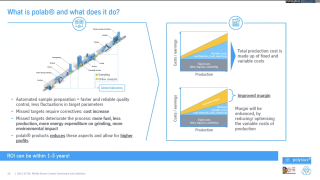
12 July 2022
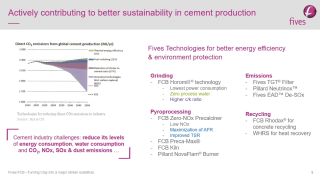
12 July 2022
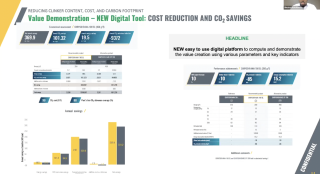
12 July 2022
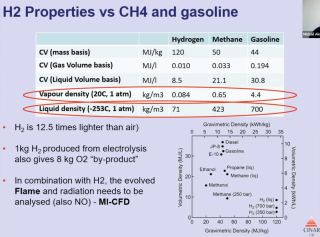
12 July 2022
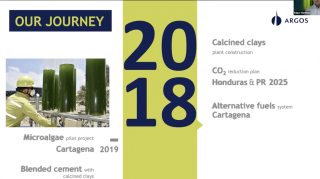
12 July 2022
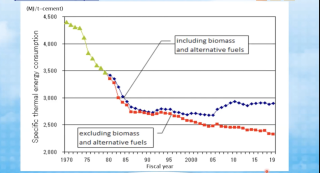
12 July 2022
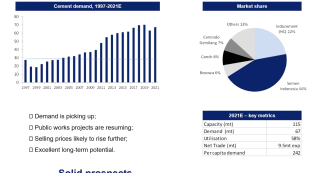
12 July 2022
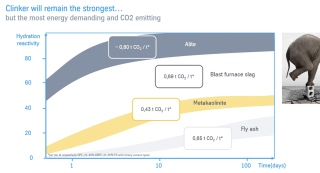
12 July 2022
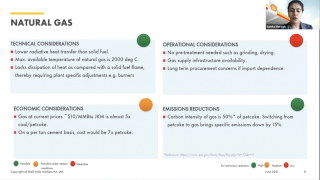
12 July 2022
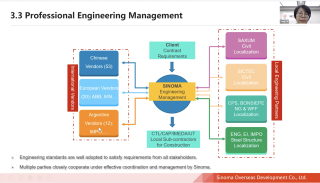
12 July 2022
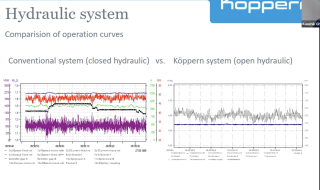
12 July 2022
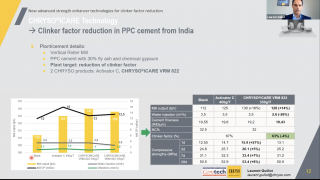
12 July 2022
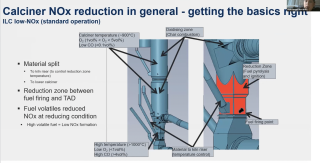
12 July 2022
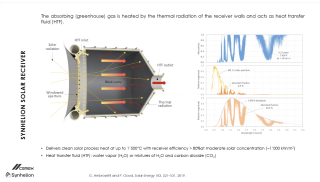
12 July 2022
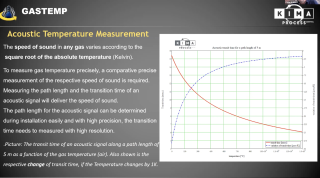
11 July 2022
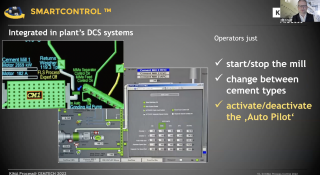
11 July 2022
11 July 2022
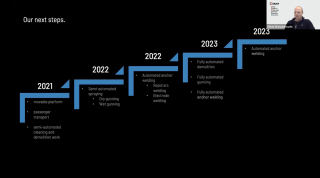
11 July 2022
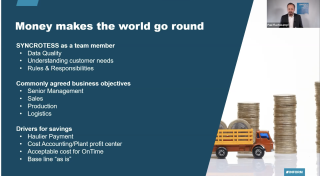
11 July 2022
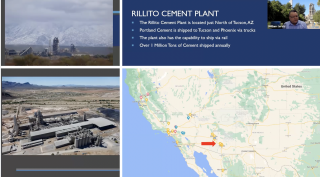
11 July 2022
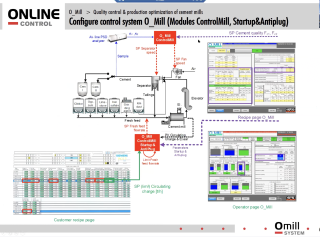
11 July 2022
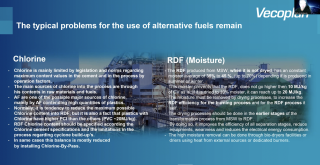
11 July 2022
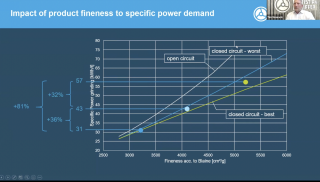
11 July 2022
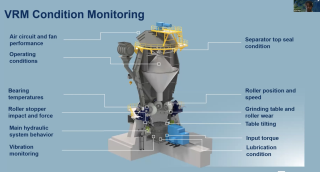
11 July 2022
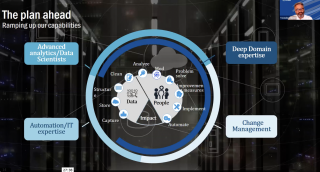
11 July 2022
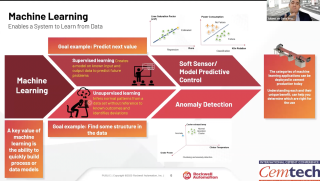
11 July 2022
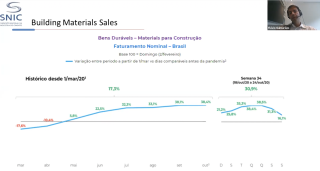
11 July 2022
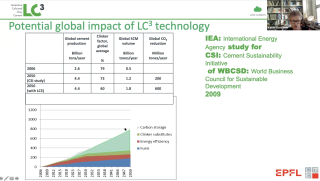
11 July 2022
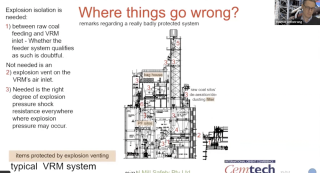
11 July 2022
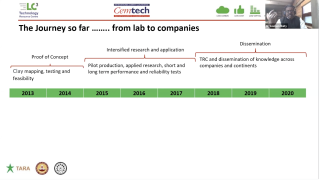
11 July 2022
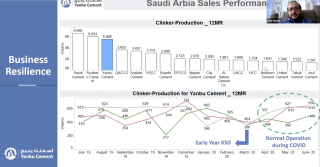
11 July 2022
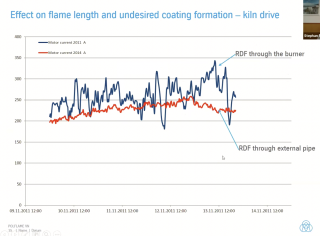
11 July 2022
11 July 2022
11 July 2022
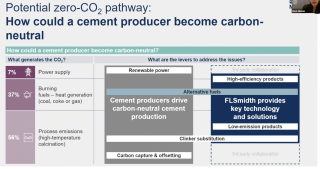
11 July 2022
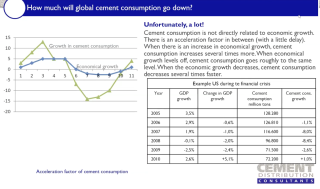
11 July 2022
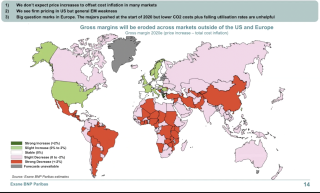
11 July 2022
11 July 2022

6 July 2022
1 July 2022
1 July 2022

8 June 2022
12 February 2021
12 February 2021
12 February 2021
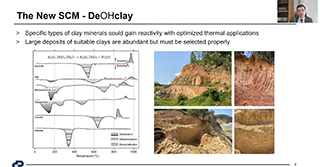
12 February 2021
12 February 2021
12 February 2021
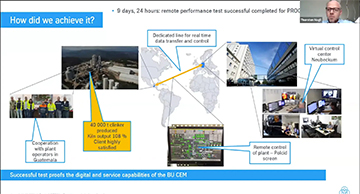
12 February 2021
12 February 2021
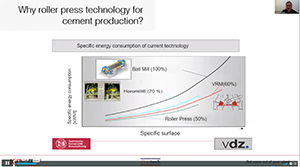
25 September 2020
25 September 2020
25 September 2020
25 September 2020
23 September 2020
22 September 2020
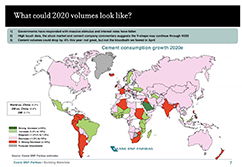
22 September 2020
21 September 2020
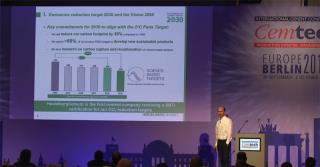
20 February 2020
10 February 2020
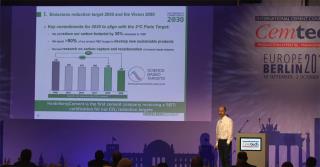
10 February 2020
10 February 2020
7 February 2020
27 January 2020
23 January 2020
23 January 2020
23 January 2020
23 January 2020
2 May 2019
30 April 2019
18 April 2019
18 April 2019
18 April 2019
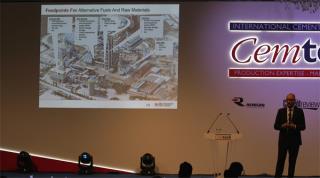
12 April 2019
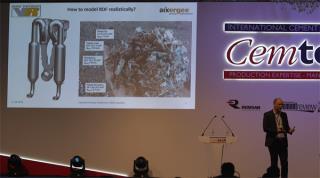
12 April 2019
11 April 2019
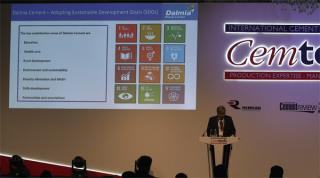
10 April 2019
10 April 2019
10 April 2019
9 April 2019
9 April 2019
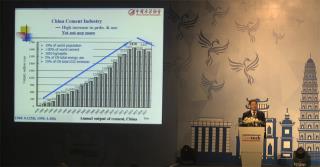
4 February 2019
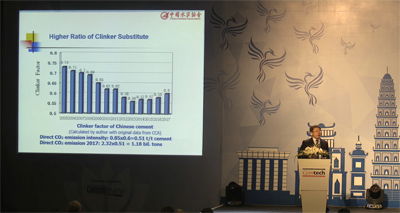
17 January 2019
31 July 2018
31 July 2018
31 July 2018
27 July 2018
27 July 2018
27 July 2018
27 July 2018
27 July 2018
27 July 2018
27 July 2018
27 July 2018
27 July 2018
27 July 2018
25 July 2018
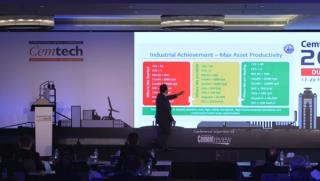
25 July 2018
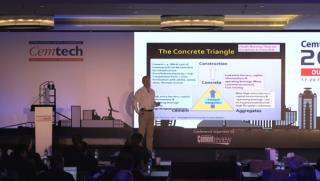
25 July 2018
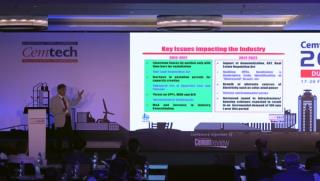
24 July 2018
24 July 2018
24 July 2018
23 July 2018
23 July 2018
23 July 2018
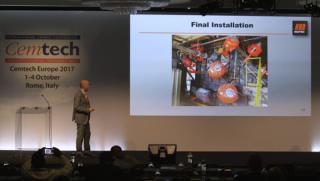
20 July 2018
20 July 2018
20 July 2018
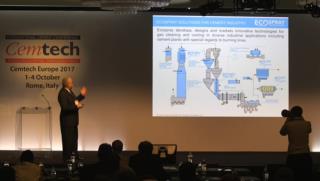
20 July 2018
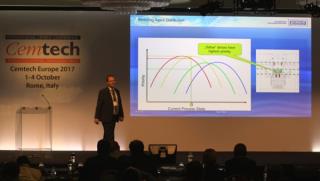
20 July 2018
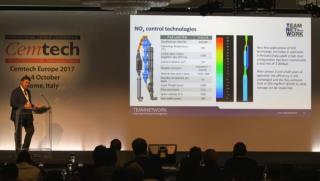
20 July 2018
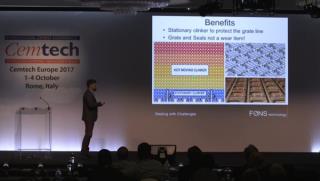
20 July 2018
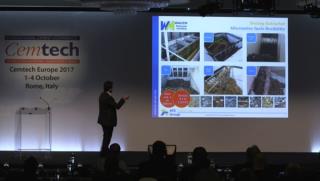
20 July 2018
20 July 2018
20 July 2018
20 July 2018
20 July 2018
20 July 2018
20 July 2018
20 July 2018
20 July 2018
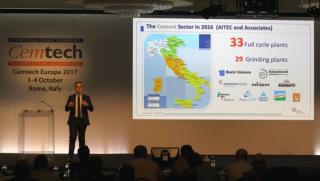
20 July 2018
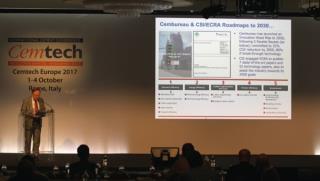
20 July 2018
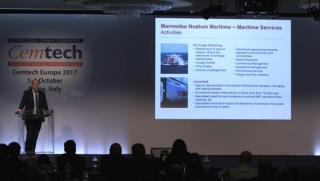
20 July 2018
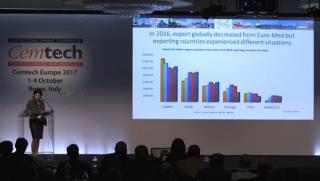
19 July 2018
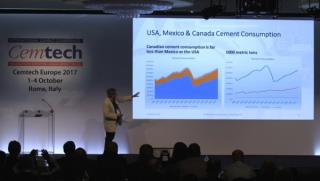
19 July 2018
19 July 2018
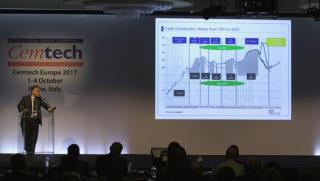
19 July 2018
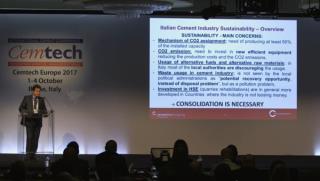
19 July 2018
23 March 2018
23 March 2018
23 March 2018
23 March 2018
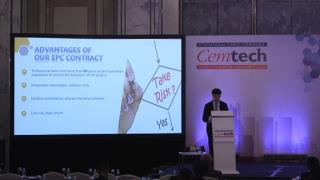
23 March 2018
23 March 2018
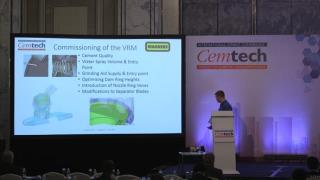
23 March 2018
23 March 2018
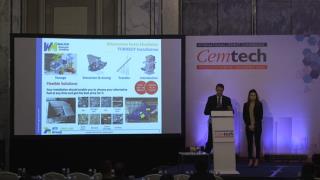
23 March 2018
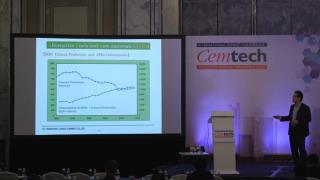
23 March 2018
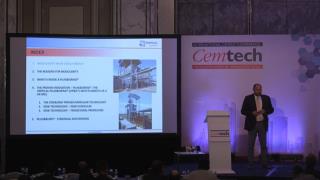
23 March 2018
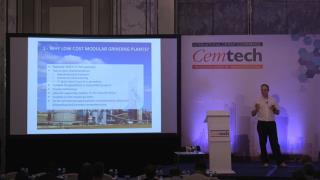
23 March 2018
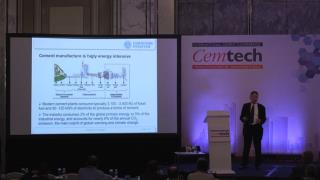
23 March 2018
23 March 2018
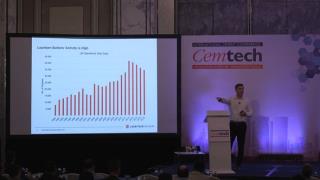
23 March 2018
22 March 2018
26 October 2017
26 October 2017
26 October 2017
26 October 2017
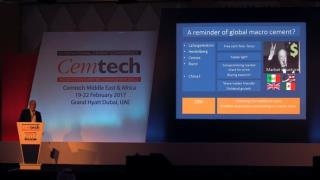
14 August 2017
14 August 2017
14 August 2017
14 August 2017
14 August 2017
14 August 2017
14 August 2017
14 August 2017
14 August 2017
14 August 2017
14 August 2017
14 August 2017
14 August 2017
14 August 2017
18 July 2017
18 July 2017
18 July 2017
16 June 2017
16 June 2017
16 June 2017
16 June 2017
16 June 2017
14 February 2017
14 February 2017
14 February 2017
14 February 2017
14 February 2017
14 February 2017
14 February 2017
14 February 2017
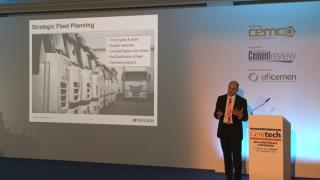
14 February 2017
14 February 2017
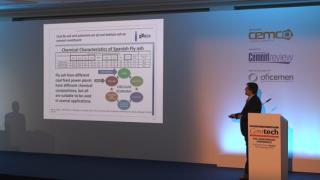
13 February 2017
13 February 2017
13 February 2017
19 January 2017
19 January 2017
17 January 2017
17 January 2017
17 January 2017
6 January 2017
18 August 2016
18 August 2016
18 August 2016
18 August 2016
17 August 2016
17 August 2016
17 August 2016
16 August 2016
16 August 2016
16 August 2016
12 August 2016
12 August 2016
12 August 2016
11 August 2016
11 August 2016
11 August 2016
10 August 2016
10 August 2016
10 August 2016
8 August 2016
8 August 2016
8 August 2016
6 May 2016
6 May 2016
6 May 2016
6 May 2016
6 May 2016
6 May 2016
6 May 2016
6 May 2016
6 May 2016
6 May 2016
6 May 2016
6 May 2016
6 May 2016
6 May 2016
6 May 2016
6 May 2016
6 May 2016
6 May 2016
6 May 2016
6 May 2016
6 May 2016
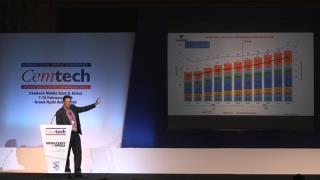
25 April 2016
25 April 2016
11 March 2016
11 March 2016
11 March 2016
11 March 2016
11 March 2016
11 March 2016
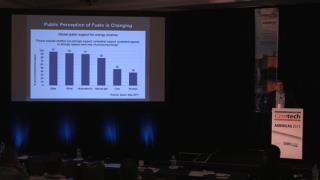
11 March 2016
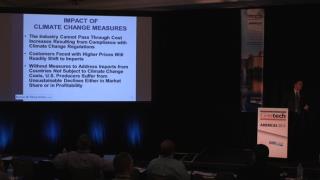
11 March 2016
11 March 2016
11 March 2016
11 March 2016
11 March 2016
11 March 2016
11 March 2016
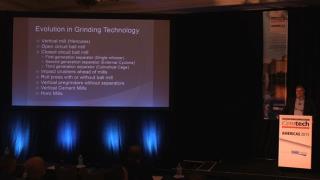
11 March 2016
11 March 2016
11 March 2016
11 March 2016
11 March 2016
11 March 2016
21 December 2015
15 December 2015
15 December 2015
15 December 2015
15 December 2015
15 December 2015
15 December 2015
15 December 2015
15 December 2015
15 December 2015
15 December 2015
15 December 2015
15 December 2015
2 December 2015
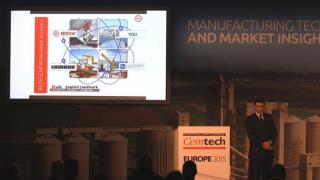
2 December 2015
2 December 2015
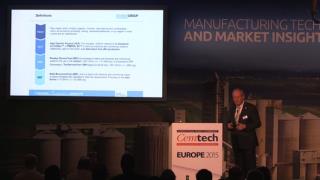
2 December 2015
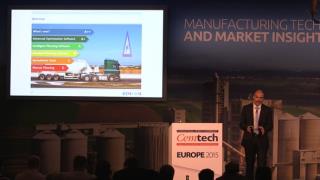
2 December 2015
2 December 2015
2 December 2015
2 December 2015
2 December 2015
2 December 2015
2 December 2015
2 December 2015
21 August 2015
21 August 2015
21 August 2015
21 August 2015
21 August 2015
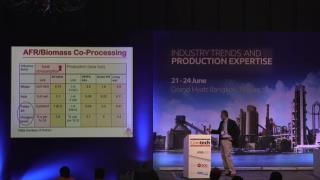
21 August 2015
21 August 2015
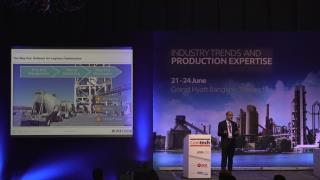
21 August 2015
21 August 2015
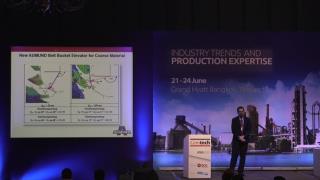
21 August 2015
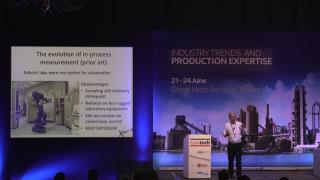
21 August 2015
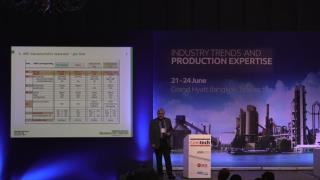
21 August 2015
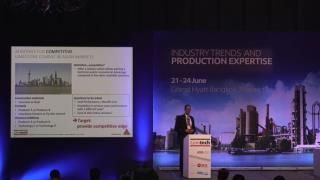
21 August 2015
21 August 2015
21 August 2015
21 August 2015
21 August 2015
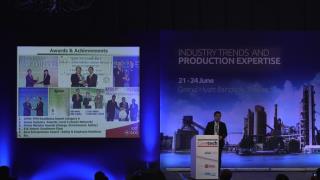
21 August 2015
21 August 2015
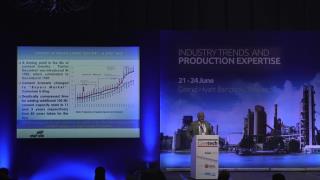
21 August 2015
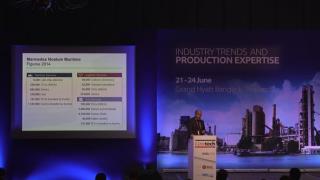
20 August 2015
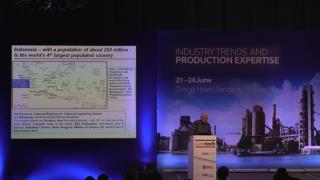
20 August 2015
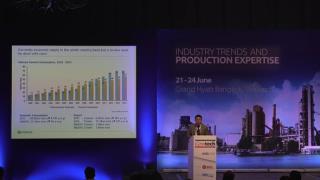
18 August 2015
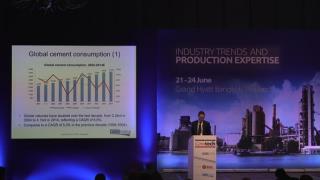
18 August 2015
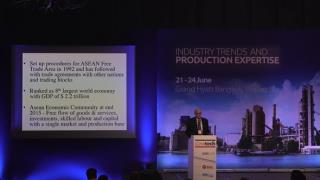
18 August 2015
18 August 2015

30 June 2015
29 June 2015
29 June 2015
29 June 2015
29 June 2015
29 June 2015
29 June 2015
29 June 2015
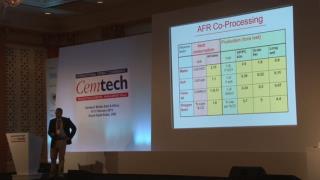
29 June 2015
29 June 2015
29 June 2015
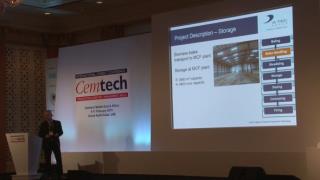
4 June 2015
4 June 2015
2 June 2015
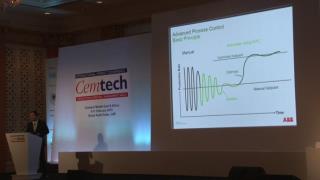
2 June 2015
2 June 2015
2 June 2015
29 May 2015
29 May 2015
28 May 2015
28 May 2015
28 May 2015
18 February 2015
17 February 2015
13 February 2015
13 February 2015
Try searching for another title.