
2 September 2026
This transcript was generated automatically and may contain errors.
Hello and welcome to the Cemtech webinar. it's great to be here once again live here for the next couple of hours with a sequence of presentations that I hope will interest you and inform you and help you in your businesses. we're gonna be talking about innovations in bulk materials handling today. if I just reposition myself to the front welcome to our 2025 webinar. I'm Thomas Armstrong, managing Editor of International Cement Review. I'm gonna chair your session today, and as I said it's, it's great to be here live. we have a great, a great sequence of presentations on materials speakers coming from France, Canada, Germany, all, all over Denmark as well.
And hopefully another from Germany is, is yet to log in, but will be with us shortly. ICR is organizing the event. we're here every month. my name is Thomas Armstrong, and in these webinars, we do try to showcase the latest advances from across the industry promoting the best available technologies so that you as producers can move a step closer to manufacturing excellence. we we have a subscription to our magazine. It comes out every month. and as I say, every month, if you are watching this webinar, you really should be reading this magazine. It's there for you.
It's ideal for people who are engaged in the manufacturer of cement especially cited in in cement plants free with the subscriptions, cement plant operations handbook. absolutely invaluable reference to accompany your, your work. whichever part of the cement plant you are, you are in just out now. we have released the cement market outlook for the period 2025 to 2027 with some historical data back to 2022. really this is the most up-to-date and comprehensive global survey of cement consumption patterns. it's the ideal complement to our global cement report, which many of you're familiar with.
you can check it out online, see what we have to offer and hopefully that is something that, that will help you also in your work understanding the landscape of our our immense global industry. A quick, quick word about what we're doing in June. we've just come back from Dubai from our Middle East conference. our next conference will be in Asia and we'll be in South Korea a fascinating country, large cement industry there, of course. and we'll be doing our usual two-day in-person event at the Fantastic Conrad Hotel. it's a great opportunity to discover this part of the world.
we'll be hosting an event with cement professionals from 35, 40 countries and very, very strong representation from the local industry too. So if that's an area that you are operating in or are interested in, don't hesitate to, to come and join us in June. But now onto today's meeting. I'm really delighted to have some experts in all kinds of areas of bulk material handling within the plant and outside the plant too. as you can see we are gonna be joined by CC Jensen Almond in Germany, MGO inform and nano like, and we'll be talking about aspects of maintenance aspects of relating to logistics.
but to start with we're gonna look at smart silo monitoring a, a really great new product that's on the market, not, not so new, but one that you might not yet have come across. and we're very lucky today to welcome the CEO of nano like the CEO and founder of Nano like to present to present the products Silo Connect. so very pleased to have with us Jean Jack as our distinguished first speaker today. Jean Jack is the founder, as I said, and CEO of Nano like, which is an innovative company specializing in logistics optimization through IOT sensor technology.
since founding nano, like in 2012, he's led the company's expansion across France and Canada and beyond pioneering digital transformation in supply chain management. His prior roles include project management at EDF, working on hydroelectric plant automation and conducting strategic market studies for a mid-cap in Russia. Jean Jack holds an engineering degree in physics and an MBA in sales engineering from INSA to lose where he has, he also lectures in entrepreneurship. a great speaker. we've we've been we've had the benefits of his presentation at Emtex in the past, and I'm, I'm really pleased to have him with us today for this webinar.
So, Jean, Jack we can see your presentation over to you. Great. Thank you very much, Thomas. after this such a, a great introduction, now have a big pressure to make something interesting for you today. So let's talk about the topic of today for us is how can we improve the profitability of the, of the seven business by, in, by using the smart silo monitoring. So as I as mentioned by Thomas, I'm Jean. I'm the CEO and founder of Learn Alike. So today I will try to get the presentation as short as possible, but feel free to interact, ask some questions, and if I can jump on it I will be pleased to to tackle the question during the presentation.
just a short recap so Nano like is a company Ate is one of our key products. We are a company based in France with offices in Canada. And since two weeks now, we now have some offices in Brazil 20 people. And the solution I will present to you today has bit more than four years of expertise and experience on the field. Just to give you an idea of the footprint today, we operate in more than 30 countries, optimizing every day roughly a bit more than four thousands silos in very, very different countries from Australia to Canada and in France, South Africa and lots of countries in Latin America here.
The idea is just to tell you what you will see here during the next 10 minutes can be applied to most of the country in the world because it's based on our lessons we learned from the, from the market, what we've learned from the cement industry. I guess this topics makes sense for most of you. You already know that delivering cements to customers is all about the transportation costs. You could have some problems when doing your concrete, if you don't have cement in stock in at your silo, you could stop the production and then it's big class. If a customer urgently call you to receive a track of cement and then you cannot deliver, what does it do?
It just call the competition and buy to someone else. And on top of that, many countries still face today, the, if you really want to assess to get the level of your silo and check the inventory, you need to have some one person climbing at the top of the silo checking manually. And that's loss of time. And it brings also lots of safety concerns. And basically, what the common point between all this for our topics here, everything come from the fact that you are lacking the visibility of the inventory of your silo. And that's what we have discovered in many, many country of the world. Usually the cement suppliers does not know what the inventory at the moment, at their customers plant.
And that gives all these type of problems dong. That's what we would like to solve by using Silo Connect, because all these challenges can be tackled by giving a 24 7 inventory visibility. What do I, what do I mean with this? I mean that what we do with Silo Connect, we have developed a, a, a unique and patented solution. We come and install one unique sensor. I will go more in detail later on that, but basically we put one sensor on one leg of the silo, and this sensor with measures mechanical stress of the leg, so pressure on the leg due to the weight inside the, the silo, then this measurement will be sent to the cloud.
In the cloud part, we have lots of processing and some AI algorithms that will transform and learn from the mechanical behavior of the silo to transform the data of the micro deformation, of the mechanical structure of the silo, transform this into a field level estimation that will be available 24 7 on a web-based platform, on a mobile app, and on some tools. But here, by doing this, we are just doing something very simple, but very smart, is just getting transforming your standard silo into a smart silo, a connected silo. And thanks to this connected silo, you will be able to access in real time, even with the web platform or with your mobile app, to what's in your silo.
So it could be for the cement supplier, it could be for the ReadyMix plan, the con, the precast plant, any people involved, any stakeholder involved in the logistics and the supply chain of cement could access to this data. And here, typical things that you can create on top of that, now, you know, the real time level of your silo, then you can, for example, put in place in a replenishment system. Example, very simple. Your smartphone raise an alert saying, Hey, you have more than 30 ton of free space in your silo. So there is a space for a, there is room for a, for a new seven track. Do you want to place no, or do you want to replenish the silo?
And then you just need to click yes or no later, whatever. We can then plug some ERP integration. But at the end of the day, once you get the data in real time of all the silo levels of all the customer you deliver, then you can start to optimize your logistics. And that's basically what we want to do and why it's important here to see that the, the silo level is important, but it's important to to access to this data with a solution that is doable in terms of installation and cost. Because if today I tell you okay, you want to connect your silo, but you need to bring a truck to lift the silo, put some sensor, and then stop the plan for the installation, you will not do anything.
And that's one of the thing, disruptive silo connect. Today, we just need 30 minutes of the installation. We don't need to stop the plant till basically one technician comes, it just to drill two small holes on the leg, attach a sensor to the, in the leg of the silo, and then that's all. So it's non-intrusive. We are not doing, putting anything in the cell. We're not inside silo. We are really a attached to the leg of the silo. So with no cable work, everything is battery powered, directly communicating to the cloud with a installation that can be zoned with just a, a very basic training.
And why this point is important is if tomorrow you are delivering like hundreds of thousands of silos with your trucks, the installation cost, deployment cost of a TIC technology is very important because here you can have like go from zero to 500 silos equipped in two, three months side. So, and then the biggest number of silos equipped you have biggest benefits you can get from the logic six point of view, but I'll maybe share with you some insight on that bit later here. What, what does it look, how it looks like? Basically different installation, different type of silos.
The solution only work on silos with leg, which is most of the case, but here it could be square legs, could be one leg, circular, whatever. We have quite a, a good panel of experience of various customers in various country. But what were the, the most I would like to share here, the biggest benefits we, we've seen from our customer before going into an example with with whole basically the first and biggest benefit we've seen in the past was some maximization of the sales and the delivery. So Silo Connect is always a project between sales and logistics sales. Why?
Because usually you can really recover and prevent lost sales because most of the time you are losing sales because the customer calls you and you are not able to deliver on time. And that's makes a competitor as a customer going to the, switching to the competition. And from the logistic point of view, usually what we see is most of the customers, they really want to get the cement at 7:00 AM in the morning, for example, in that's the case we have in France.
Instead of delivering at 7:00 AM during the rush hours, and with the peak time, then you can just send the trucks the day before at 4:00 PM 5:00 PM and then you can just smoothen your smoothen your, your deliveries and optimize your trucks fleets. from a safe point of view, we can also simplify the customer journey. I mean, if you say to your customer, I will manage your inventory, please don't do anything, I will guarantee you that you will never lack any of cement, then you can package your cement sales with a, what we call a VMI offer a vendor manage inventory. So you are managing the stock of your customers directly.
And that's also something that make a differentiation to the competition. And once you have equipped a relevant number of silos with Silo Connect, and you are used to the system, you can just make this 100% automatic. We have many customers today, or what they do today, they basically kind of trigger an alert based on a space on the room, free space on a silo. And when this space is available, they automatically trigger an alert that goes in the ERP of the customer, and that creates an order that is, that will be sent in the next hours to the customer.
And this is 100% automatic, so you don't need to spend time for for I would say administrative topics, typing in formulas and et cetera, et cetera. And of course, on top of that, one of the biggest advantages in terms of data today, we talk a lot of the value of the data and the, the power of how to retain the customer. that gives you in a good position to learn a lot about your customer usage and habits, and at the same time trying to keep you the maximum loyalty from your customers.
But basically, I would say that as a recap, what we try to do with Silo Connect, we just like try to do more sales, so more cement, more margin, and then we try to reduce the logistics cost by reducing the fleet size, optimizing the operation. So more sales, less cost, increased profit. I get that's a probably simple math, but I don't, I hope that's clear for, for, for Euro. In terms of benefits of the solution basically here I get just want to highlight one example with wholesome Mexico where we run a pilot with two plans. 'cause usually that's the way it works.
We start with a, piloting the project on two plans and then evaluate how to use Silo Connect and then calculate the benefits we could use if we scaled the technology. They made financial calculation based on what we have in the ERPs, the truck costs, the truck time and everything. So at the end of the day there was a big cost savings because one of the biggest pain point in Mexico City was lots of problems due to traffic jam and the fact that customers was calling to ask for a cement truck.
the truck of cement was arriving at the plant and then spending hours here waiting because he couldn't deliver because the silo is too, is too full, it's not empty enough by getting the access in real time to the field level of the silo at the redix plant, from the logistic people from whole sea, from southern side, or saying, Hmm, are 90 10 the truck, two or three hours later, because I'm sure if he lives now, he will wait three hours at the plant. And then by doing this, you can increase the number of journey, the, the number of rotation you can make with one truck in one day. So that basically was equivalent of cutting the transport cost by 10% on this business case example.
and at the same time, they coupled this with an, an improvement of the, of the user experience, customer experience. It means that today the customer receives a real time notification on WhatsApp saying, all sim offer you to send you a track of cement now because you have enough space for it. Do you want it? So guy clicks yes or no, but if he clicks yes, then they create the order to on the system, and then all sim even send to WhatsApp, the, the time delivery, estimated time the GPS will coordinate of the truck and et cetera. So the idea is to be sure that we keep the regular contact with the customer, but at the same time we guarantee that he will never lack off cement.
And at the end of the day talking about dollars the calculation was showing there was a, a potential, say, savings average savings thanks to Silo Connect that was around 20 k dollars per year per silo just by sending freight costs. And so that's an example. And I would like to highlight, this is something here because maybe some of you in the past have already trialed some monitoring solution. 'cause the world does not wait for nano AI to try to monitor silos. But what was happening with them is they have tested radar based technology, but this solution was not really available in terms of because the measurement was not accessible, was when the silo was inactivity due to the lots of tests.
Then there was lots of maintenance problem, there was lots of connectivity problems and et cetera. Though the technology was, the idea was good, but the technology was not reliable. And that's where we have designed and work on Silo Connect is today we use this train gauge based technology. So it's a mechanical sensor, highly reliable. We have been using this technology in agriculture for more than 12 years now in strong Canada, winter of Canada with minus 35 in plus 60 53 we got, we got last year in, in Italy. So we have a strong usage of this.
And the combination of the robustness of the sensor and the data processing and the AI algorithm make the solution as a whole today highly reliable for heart condition because we all know that at the remix plant, everything is really, really it's really dusty and they environment, I would say. another thing, another example of success story I would like to share that I was not allowed to share the figures, I would just share the principle is what we are doing with Lafarge in France today, we are in a equipping around 800 silos with Silo Connect. today what was the situation before and after? The idea was to switch from a reactive to a proactive management of the, of the deliveries.
What do I mean here? Before that was situation like this. all the people were receiving the call at the summit plan saying, okay, I'm a, a customer, A, I want my cement tomorrow at 7:00 AM I am customer b, I want my cement tomorrow at 7:00 AM blah, blah, blah. You know that now we know from the side the level of all the silos in real time. So first the customer don't call, we don't need it. And second, we know how to prioritize. And we say, okay now it's 4:00 PM I have all those silos at the low level, maybe I will try to deliver those two because they are close to us and I can send two track and I will just manage the other one tomorrow morning because it can wait.
And in instead of having all these three silos to be delivered tomorrow morning at 7:00 AM I just have one. And this is a big, big savings because most of the time you calibrate the fleet truck size to the peak because you want to be able to maximize the number of truck you have. In parallel, by doing this, you just reduce the total fleet size. So basically it's less trucks, less stress, but more cement deliver and, and store the customer plant. We have seen some, in some countries, for example, when there is a strong pressure on the capacity or projection capacity of the cement plant.
So most of the cement you store at your customer side, so better it is because you don't have to store it at the cement plant as well. So it could be also part of the strategy. I hope that was a bit clear for you. So just if you want to make a very short wrap up the LOC connect today is really something about cost savings and proving the operational efficiency. But at the same time, it's a solution that makes sense if you scale it at a, on a high, on a high number of silos. So that's why we are working to be, to be adaptable on any regions, any temperature, any regions of the world we can operate.
the most of the benefits you get them thanks to this concept of having the 24 7 data and then automate adding some automation on how to replenish it at the right moment. And on top of that, what we have seen is in many countries is really a differentiation when you start to show that your company is innovative and is not just delivering cement, it's just, it's really delivering a high added value service. And that's today the challenge in the world where everyone want to differentiate and just justify out way the price increases. so usually it's a, it's a good way to add innovation in your service. I tried to make it short.
I see already a a lot of question going, but may I think Thomas would be the, the master of which one I should answer, but feel free to ask any question. I would be happy to answer. Very good. Thank you very much. Jean Jack really clear a neat presentation there. it's such a, an interesting product. like you say, never miss a sale allowing to, to really use trucks and silos storage very efficiently. I think I think everyone likes the idea. I can see from these questions, one of the, the, the main concerns is will it work for other types of silos? I know that you pointed out that it need, you need to have a leg, is that right? You need to have some kind of way of of, of attaching the sensor.
Is that, is that right? Yeah. So today our sensor will not operate on concrete silos, silos made of concrete because there was no legs. And we need to measure the flexion of the leg due to the weight inside the silo. However in terms of business case today, the real benefits are already on monitoring the silos delivered where you deliver your cement in, because that's where you can optimize the logistic monitoring. The silo at the red, the cement plant does not make sense in terms of business case and return on investment. Yeah, okay. So it, it's particularly useful for, for, for that. and, and you explain that during the presentation.
the the, the kind of practical question is also how long does it take to install a system like this? Yeah, so installation time is in average 30 minutes Very quick. So it's very quick. You don't need to stop the plant. So it's so usually you can install a full plant in in like two or three hours and having the system up and running. Okay. an interesting question. How do you manage to avoid being influenced by the expansion calls by the sun? I guess so thinking of the, like, And actually in the sensor, we also have some tempera temperatures sensor.
So we send all this data to the cloud, and that's where the AI algorithm go in our operating is because they are learning from the thermal expansion of the material and the thermal behavior of the, of the silo to get rid of the thermal effect on the measurement. Yeah, okay. I I was also wondering does it work or could it be used for other silos in the plant? I mean, as long as they have the, you know, if they, they have the, the, the metal legs. I'm thinking of other, other raw materials that might be stored in, in smaller quantities. Have, have you looked at that? No.
actually today we usually operate for on cement silos from I would say 40 tons metric tons to like one hundred, one hundred and fifty, fifty tons because we know that on this type of silos with standard cement, then that's where we have the biggest benefits and return on investment. So we are not selling a sensor, we're really selling a global solution to optimize the logistics and maximize the sales of cement. So we don't operate on any type of silos. We really operate on the silos that make sense for to increase the profitability of the cement players.
And part of the value in the off and of the offering is the, is the software and the, I guess, the algorithms that allow the better scheduling that, that, that, that's the key, key thing. Definitely everything is, is all about the, the software that are really dedicated to the seven players, the integration we can, we can do with the ERP, the automation, and that's the biggest part of the job to sensor. It's, I would say just taking the data on the very smart way, but well, it is all about supplying the service. Mm-hmm. Okay. Well, that's fantastic. Thank you very much, Jean Jack for the presentation and, and questions.
you may want to look at the questions in the q and a there may be other things that you can answer but that's really, really useful. we're gonna move on to our second presentation now from Dirk Schleper of Inform and, and Dirk's gonna talk on related topic. so we're also now still staying with the kind of logistics optimization and how digitalization and AI are, are coming to to really help optimize the kind of distribution of cement in, in the supply chain. DI joined Inform in 2014 which is a leader, a leading provider of artificial intelligence for business operations that facilitates digital decision making, process optimization, and smart resource management based in Han Germany.
he helps building material producers from around the world to embark onto the road to AI and net zero in logistics with over 25 years of marketing and sales experience across a wide range of companies in IT and engineering sector. Plus having completed 38 marathons, wow, Dirk enjoys creating results for the long haul. Okay, we needed a drum roll there since March, 2022, he also hosts rock Cast, the only podcast for building material logistics. Okay. So with that introduction, I'm very pleased to welcome back Doug he's gonna talk about optimizing materials through logistics excellence and ai. Over to you, Doug.
I have to admit, I'm still fascinated by Jean Shaq's presentation because nano like's solution compliments perfectly what I will be presenting in my 20 minutes slot now. So thank you very much, Thomas, for the kind introduction and thank you very much for mentioning Rock Cast. For those of you who don't know Rock Cast, it's a podcast where we mix hard rock music with the latest technology trends in building materials logistics. To give you an example, for example, we play I can get No Satisfaction by The Rolling Stones, and then we talk about customer satisfaction in the aggregates industry.
And if you had to pick a song that would describe the customers or the satisfaction of your customers, what song would that be? Well, if you play to your customers, you can't always get what you want, then you might want to look for an a AI powered transport software solution, the, the kind that we provide. Or if your customers have become comfortably num num with the poor service that you provide you may wanna introduce a dynamic pricing scheme to re vitalize that relationship. Or if you say, we tried hard, but we're on a boulevard of broken supply chains and Boulevard of Broken Dreams, then maybe an automated material replenishment process is what we are looking for.
And those three solutions I would like to present in the following eight and a half minutes. Okay. But before we do, so, let's jump quickly back into the summer of 69. Not only a time of Woodstock and the Moon landing, but also a time when Infor, the company I work for was launched. we're a software company in Germany with headquarters in Germany, and we have offices around the world on every continent. And we do Optim, we optimizing business processes and do digital decision making with the use of algorithms and AI algorithms.
We're doing this for quite a lot of industries and processes and logistics and aviation and inventory and supply chain management risk and fraud detection, something completely different, workforce management and so on and so on. And in the mid nineties when Metallica released their song anti Sentiment, we also entered the Building materials market. Now, one of our first customers was Redland in France. Now part of the Halon group to optimize their truck feed in the aggregates business and other big and smaller players followed the years following. hence in Australia, hence in uk huge parts of the Heidelberg materials groups are using all software to optimize their truck feed.
They've been doing this for quite some time and with lots of amazing results. So what exactly is it for what we do? we are making plans, transport plans, and in the words of Paul Simon, there are more than 50 ways to leave your cement plans with a full, fully loaded cement tanker. just to give you an example, if you have 50 trucks and 50 orders the possible number of, or the number of possible transport plans is billions. And even if, if you're a big number nerd, it takes your age to calculate them all through and select that plan that offers the lowest transport cost and the highest customer service at the same time. This, for example, is a, a manual.
we created transfer plan on the horizontal line, you see the time and on the vertical line, the, the trucks and each trucks has their assigned orders to fulfill. And first glance, it looks quite good, but if you take a closer look, for example, in this line, there's only one truck, only one truck that was loaded to ship your products to your customers. So that's not very efficient. You wanna make sure that a truck is fully utilized over the entire day maybe have, have to buy that particular single truck on a spot market, which are typically higher than, yeah. other options.
also if you look closer into the plan, you see a lot of white spaces and white spaces mean inefficiency trucks, idling trucks not working, trucks not on the road. that's inefficient. You wanna make sure that, that the logistics assets are used to the maximum. So what we do, you can use our AI powered system which does that at the push off a button it comes up within seconds, not ours, seconds with an optimized plan. And then if you look at this, we have less wide wide spaces and more homogeneous transport blend, making sure that your transport costs are low as possible, and your service level is as high as possible. So, and how do we do this? well, we need data.
We import data like the current order from your ERP system. We use information on the truck fleet, what trucks are available, be it your own haulers your own trucks, your external haulers, information on the spot market ma master data from the ERP system, any business rules that you have on your customers. Type A, type B type C customers. And of course, we use geo data to calculate shorter routes and trip times to your customers. Once we have that information, you just push the metric optimization button, and within 15 seconds, our software comes up with an optimized lens for your cement, ReadyMix, or aggregate logistics.
We do this for the pre-planning, but also we're doing this in real time. So once the truck is in action the trucks are out on the road to your customers. We receive status information where the trucks are, and it's fed back into our software. Also, information from the ERP system order cancellations, new orders coming in, order delays, order information is constantly fed into our software, and it is updated every minute. Every minute you have a new and optimized plan. And what our customers, or the world of our customers is not always wonderful, but what they achieve with our software is typically a reduction in 90% of empty mileage, 37% of more loads per truck per day.
That means higher track productivity. Each single truck has higher track productivity and a cut in logistics unit cost by up to 20%. So and now we come back to John Shaq's presentation. implementing our solution is the first step that helps you to optimize your transport, your, your logistics a lot. But as John Jacque mentioned there's a typical bottleneck in the morning when you operate your cement red mixed plants, and you have a high peak in the morning, everyone wants their, wants their material, and that lowers on the, in the course of the day with a middle high peak in the afternoon.
But what there's a mean is this p in the morning typically is over your maximum capacity, your the maximum capacity of your track fleet and the maximum capacity of your loading facilities. And that's an inefficient use of of, of your logistics assets. So how do you overcome these bottlenecks? Well, one way to do this is maybe introducing a dynamic pricing scheme. everyone who has recently bought a ticket for a concept, be it Taylor Swift or Pro Springsteen, they know it's ticket prices are extremely expensive, and they're fluctuating by by demand. And that's a, a practice called dynamic pricing.
we haven't seen this yet in our industry, not but if you want to intro introduce such a a dynamic pricing stream, the goal is not to maximize the profit, like in the case of Taylor Swift, the Pro Springsteen, but the goal is to yeah, flatten the curve, making more smooth operation, making sure that you, the capacities of your fleet as well as your loading facilities are not over capacity. And how do you do this? This is an example from one of our Red Ex customers. this shows a, a graph just one day for one small radio plant. Each color indicates an order. You have time on the horizontal line and trucks on the, on the vertical line.
And what you see is, again, this peak in the morning and the, and the lower peak in, in the afternoon. And if you use algorithms and try to smoothen that curve you will come up with something like this, an optimize delivery distribution plan. And the beauty of this is you'll need a lot less trucks. In the first case, the Redex producer for that particular plant needed 13 trucks and optimized plan would allow them to use just eight trucks. And that's a cost saving of 4,000 euros per day for that, only for that particular plan. so, but how do you make your customers accept a different type different time of delivery?
Well, that's dynamic pricing offer your customers a discount if they accept that they get this delivery at noon or 11 o'clock, or one o'clock again, 4,000 euros per day for that particular wedding. Next plan, give it to your customers or make 50 50 you cash in $2,000 2000 euros and 2000 euros for your, for your customers. Up to you. And how does it work? Well it's, you need our AI power transport dynamic software as a, as a central tool to manage this. we have a time slot request, an order request from your customers by, be it by phone, or be it through your online ordering system or your through apps.
And then with a current order book that is imported into our software, and we can make a time slot evaluation. And for each time slot, we can and each customer we can propose a price. And that in turn, as I mentioned, leads to smoothened curve, better resource utilization and be more cost effective in, in, in your operations. One step further is the material management process. Something similar that John Ju presented running on ts and song that many of you might know from the for movie for Gump. And it was played when for started this run across America when asked, Hey forest, why do you run? I said, I was just feeling like running.
And if you operate a vertically integrated business with plants, aggregates plants and cement plants, you shouldn't just trust on your feelings. You should make information based on data. and just to give you an example, again, this is a ReadyMix plant. If you wanna produce a daily output of 5,000 cubic meters a day, you need 625 ReadyMix trucks to serve your customers. But you also need inbound raw material, 500 trucks with aggregates and 45 trucks of cement to be able to produce that 5,000 cubic yards per day. But what on a day you demand fluctuates, customers cancel orders it starts to rain less orders, or by the opposite there's more customers calling. They need more concrete.
For example, if you, the demand fluctuates by 10% plus or minus, there's also inbound transport capacity at fluctuates by 10%. That means 50 aggregate trucks, more or less, or five cement trucks, more or less, a total of 55 trucks that are either missing at the end of the day or that are need not needed in over the day. and if you have too many, they're just blocking your plants. They're just blocking your loading facilities. Very inefficient way of operating. So how do you overcome that situation? Again our AI power transport software forms as a central hub for this, and it basically is broken into five steps. First step is we'll get the current order book from, from the ERP system.
based on that, we create an optimized tele mix transport plan. And every 50 minute we feed back this optimized transport land, which is optimized in, in real time. Every every minute, feed that back into the RP system, and the RP system automatically generates, aggregates and seven orders and feeds that back into our airport software. And then step five is we, our software determines an optimized time window for that specific aggregate truck or cement truck. So, and how does it look like in, in real time? Well, this is what I call hunting high and low. At the low end, you have to safety stock level, and, and they are high end.
You have the bin capacity, and this is where technology like non like comes in place. We need that information. We need information. What's the, what's the filling situation of that bin or a silo, whatever it is. And typically we have an average load size, and based on the average load size it delivery time window is defined. And within that delivery window, our software decides which one, when to send which truck to the, to the plant.
again, making sure that's not blocking your other operations, making sure that it's the, the truck is picked at a time where there's no other bottlenecks and, and making sure that the, we will pick a time where there's, the transport costs are the lowest possible. Then over the course of the day, that window moves on again until the end of the day, and you will have a full thing capacity. Again, that's, that's the, the aha moment of MRP at work. So how do we get you into the driver's seat? Well, the first step is usually to do a simulation study. All we need is a recent transport plan.
three days are typically enough but it needs to be a fair mix, a busy day, a normal day, and a not so busy day. Once we have that data, we'll model that into our software and then we see come up with an optimized plan, and then we compare your previous plan with our optimized plan. And with the help of your experts, we translate that into KPIs, and in the end money you can see what, what, what you can say. So I'll start my presentation with with the Rolling Stones. I would like to enter the presentation with the Rolling Stones. M**k Jer can't get no satisfaction, but AI can get your customer satisfaction. You wanna know more information, contact me or go to other side.
Or if you're interested in rock music and building material logistics, please go to Rock has The Thank you very much. That was simply the best Great song. But yeah, no, on a serious note, Our industry. Yeah. yeah, great, great to have the linking over with Jean Jack and Silo Connect. of course, they are very complimentary components in the supply chain. I think you've also demonstrated how optimizing the process even further as possible. and it really is up to people look, looking out for this technology and, and like you say, a three day trial is all you need to know if it, if it works for you.
there, there was one question just asking about the the applicability of this software to other transport modes shipping. are there, are there any plans to introduce this to shipping? the question was bulk shipping for mult multi loading ports multi discharging ports. So when you've got a lot of coordination The main, the main focus of our solution is on road transport. we're doing also a bit of rail transport optimization when it comes to load different types of material at rail facilities. and we also do a bit of optimization on barges. In, in, in, in, in Asia. We have one customer where they hire barges to ship their raw materials, aggregates in this case to Hong Kong.
and we came up with the solution to optimize the, the, the point of time when to select which barge and make sure that you hire them at the right time in order to make, to reduce the transport costs and, and again shipment on time. but that's, it's not the fo the main focus of our software. The main focus is on road transport. and, and typically, I mean, the, the really kind of eye-catching saving is when you manage to reduce the requirements for trucks. Yeah, That's, that's the big one. And how how assure, how common is it that you can make those kind of savings?
I mean, that's really big money 'cause they're, they're expensive units, and if you only need tenants that of 15, you are, you are, you are making a huge saving. That's, our software isn't the cheapest, but it's the saving are the highest. And if you com look at the, look at the, the, the possible savings, and when we do the simulation study people are simply yeah, amazed about the potential. And everyone so far has done a simulation study. All of our customers who implemented our software, yet they, they saw these reductions in, in their truck fleet, and it's up to you.
But what you do with that, if you want to increase business, then you can still keep the trucks and increase your business to more business. Yeah. But yeah, less trucks means less drivers. And with the current driver situation worldwide, that's also something that, that people really need to look at from perspective of being able to serve my customers. If I, if I don't have a driver, what's the purpose of, of buying a truck? Yeah, very good. very helpful and a great product hopefully of interest to, to viewers today. Thank you very much, Derek. You're welcome. Thank you for this opportunity. so we are now gonna move from outside of the plant to inside the plant.
I'm really pleased to welcome Jamil bun a seasoned expert in bulk material handling. today's today's webinar. Jamil is a project manager at Kao where he is worked for over 14 years and now leads the engineering and design of storage and feed equipment for handling challenging bulk materials. His responsibilities also span HR, financial planning and strategic development. previously he's worked as an urban planner focusing on economic development and master planning. Jamil holds an MBA from York University's Ulli school of Business an MSC in urban planning, and A-B-A-S-C in mechanical engineering from the University of British Columbia. very pleased to welcome you today, Jamil.
you're gonna talk about the storage and feed of difficult flowing bulk materials over to you. Okay. And you need your, your, you need to unmute that's Perfect. Yeah, we're good. You can hear me just fine? Yes. Okay. Yeah. Thank you Thomas, for, for the kind introduction. good morning this least this morning here in Vancouver. Good afternoon. again, my name is Jamil. I'm a project manager with coo. COO specializes in the design of storage bins and feeders for handling difficult flowing bulk materials. But you know, really who is COO and where do we come from?
COO was actually born out of an independent research unit located on the campus of the University of British Columbia here in Vancouver, Canada. And there the Domingo research team spent 15 years looking at the question of why this plug? You know, why do you put materials into a bin? And sometimes it just won't come out or nothing comes out, nothing comes out, and then all of a sudden everything comes out. The first half of the team's research focused on bin design, the second half focused on the feeder. Now, in response to the question of why bins plug, the research team identified three root causes of bin plugging and uneven discharge.
The first is poor Ben geometry, and it's pretty intuitive. Now, the standard that COO uses is that, is that if your feeding mechanism was removed from your storage bin, the bin should self empty with only the aid of gravity. If it doesn't, there's something wrong with the geometry of your storage bin. And I'm gonna talk a bit more about what I mean by correct bin geometry. the other two root causes, which are compaction by the feeder and uneven discharge, they're a bit more counterintuitive. This is because they have to do with the behavior of the feeder creating problems up above in the storage bin.
And what makes it counterintuitive is that it's not visually apparent that the behavior of the feeder is a culprit of poor discharge. So to dive deeper into these root causes, I wanna take us back to the 1970s and the original work that was undertaken by the COO team. So the starting point for the Cogo team's research was the early work done by Dr. Andrew Jene. No, Genke is the, he is the grandfather of good bin design. He developed the theory for translating a book materials flow properties into a bin design that can self empty with gravity. And the COO team was interested in testing the limits of Jen Key's theory.
So they built themselves this full-size bin where they could adjust the angles of the bin wall, change the length and width of the discharge opening and change the bin wall liners. And through systematic testing of a variety of cohesive and large particle bulk materials, they showed that yes, GenY theories very much apply to a wide range of difficult blowing bulk solids and can reliably predict the minimum geometry required to discharge a bulk solid with only gravity. So in broad, broad terms, Jen's theory re reduces bin design to a physics problem. So on the one hand you have gravity, this is our primary force available to actually discharge our storage bin.
And on the other hand, you have all the forces that are working against gravity, including the strength of the material. And good bin design is about making sure you're asking less from gravity than what it can provide to reliably discharge your bin. So I wanna give you a quick primer on the contents of Jeni's theory so you can follow along. When I applied in my case study. So Jeni's theory centers on making key decisions on the geometry of the storage bin. But the starting point is the desired flow pattern. And what I mean by that is how material flows and moves in your storage bin or pile. So there are two flow patterns to choose from.
You have mass flow where material discharges in a first, in first out flow pattern here, the stored material, it moves down as a single mass. All of the material in the storage bin is in motion. The alternative to mass flow is funnel flow. Funnel flow is our first in last outflow pattern here. Material funnels funnels through the bin from the top down. Now to get mass flow, you need to design for it In very simple terms. For a given wall material, be it mild steel, stainless steel, or some fancy liner, there's a minimum slope that's required to achieve mass flow. If the angles of the sloping wall is less than this angle, then you get funnel flow.
Now, there are two basic rules that Jenny Key wants you to abide by. If you are designing for mass flow, the discharge outlet of your storage bin needs to exceed a bridging dimension, which is a minimum diameter or a minimum width length, depending on whether you have a circular discharge opening or rectangular discharge opening. If the outlet does not exceed the bridging dimension, the storage bin is at risk of suffering from chronic bridging over the feeder. Basically, we're saying that gravity is insufficient to break the strength of the material at the opening to keep it flowing.
Alternatively, if you are designing for funnel flow, the discharge outlet of the storage bin needs to exceed a piping dimension. Otherwise, the bin will be susceptible to rat holding, which is a particularly dangerous form of plugging. Again, gravity is insufficient to break the strength of the material and keep it flowing. So, but all these dimensions, no minimum angle, bridging dimension, piping dimension, they're all determined through material flow characterization testing, which is a series of bench scale tests developed by Dr. Genke. Now, something to keep in mind, the piping dimension is often two to 10 times larger than the bridging dimension.
And for particularly nasty bulk solids, the piping dimension can be so big that it's unreasonable to actually make work in a storage bin. In these cases, you need to design for mass flow. Now, going back to the COO team and their research, they were able to demonstrate that using GenY theories, we can derive a bin geometry for a bulk solid that will result in a storage bin that can self empty with gravity. But that's not really enough. I mean, you want to be able to meter the material from your bin or pile, you wanna control the rate of discharge. So for the Cogo team, they tried a belt feeder, a screw feeder, and an apron feeder with their test bin.
But what resulted surprise them because here was a bin that they knew would self empty with gravity. I mean, they had actually seen it self empty with gravity. But in each case, as soon as they added the feeder, it started se experience, it started experiencing severe plugging. The question is why you know the fe, the team found their answer by seeing the, by observing the flow pattern inside the storage pin. So their first observation was that the feeder was trying to do two things at once. It was trying to meter material while conveying material to a single point, and it is the conveying action of the feeder, which is shearing material from the bin that was resulting in compaction.
Now, you can imagine that with a cohesive, bulk solid, the material you are shearing out of the bin, either through friction or interlocking, is carrying material above it, and it's driving this material forward and ultimately compacting it against the bin wall. This compaction can have severe consequences with many bulk solids. When you compact them, they gain strength very quickly, and the more sheer strength a bulk solid has the wider the opening. It can bridge over compact a material enough and it will bridge over your feeder. So that was the first problem.
The second observation was that the feeder was pulling material preferentially from one area of the bin, usually the rear of the bin, leaving a stagnant pocket of material, often at the front of the bin. Now, the problem here is that when it comes to avoiding bridging or piping in your storage bin, unfortunately it's not the dimensions of the bin outlet that matters. What matters is the effective discharge area, which is the area that the feeder is withdrawing from, because this is the area upon which gravity is acting. Remember, this always comes down to friction and gravity.
So in other words, regardless of how wide and long the physical bin discharge outlet is, if the area that the feeder is pulling from the effective discharge area does not exceed the bridging dimension or the piping dimension, you get bridging or piping in your bin. Now, the selected withdrawal of material by the feeder raised a second more severe consequence. You see, the test bin was set up for mass flow because the team was working with materials that would not easily funnel flow. But what the researchers found is that despite the bin geometry being set up for mass flow with this unbalanced withdrawal of material, they were not getting mass flow. Instead, they were getting funnel flow.
Remember the definition of mass flow, all the material in the storage bin is in motion. It's all coming down as a single mass. And when you look at this diagram, that's not what you see. Effectively, the behavior of the feeder had turned the mass flow bin into a funnel flow bin. And because the discharge opening of the bin was designed to overcome the much smaller bridging dimension and not the much bigger piping dimension, the result is that you should expect piping or ratholing in the bin. For the Domingo team observing the behavior of the belt screw and apron feeders, it kind of got them thinking, you know, can they rethink the feeder.
Instead of having a feeder that withdraws material preferentially from one part of the bin where you can end up turning your Maslow bin into a funnel flow bin, can we have a feeder that withdraws material evenly from its entire outlet? And can we avoid the compaction that results from shearing material from the bin, which injects energy and strength into the stored material? If we know we can design a bin that can self empty with gravity, then all we need to do is use gravity to empty the bin and simply meter the rate at which material comes out. And this is what led the team to the co commando feeder.
Now, I won't talk much about the feeder and how it works because I wanna save time to go over my case studies. I do want to quickly review some of the key features of the feeder. First and foremost, the feeder withdraws material evenly from the entire opening of the bin. And when I get into my case study, you will start to see why this is important. Second, instead of shearing material from the bin, which results in compaction, the feeder relies on gravity to discharge material. Third, a key feature of the feeder, and really it's important for Ev any feeder, is that it provides consistent metering. Lastly, as an engineer, what I love about the feeder is its flexible design.
The feeder can be made as wide as needed and as long as desired. So I wanna bring all this together, Jen Key's theories and the COO feeder to demonstrate how COO went about fixing problem storage and feed arrangements that were suffering from chronic plugging. For my case study, I wanna talk about mass flow and walk through the redesign of a bad bin that was suffering from chronic plugging. this is our problem bin. It is a front loaded gypsum and limestone hopper at a Heidelberg cement plant here in Vancouver. Now, the bin was originally discharged via a belt conveyor, and it used this hydraulic gate to vary the length of its discharge opening.
The big problem is that the moment you put any material into the bin, it would immediately hang up. So, to get around this, the loader operators would painstakingly spoonfeed material into the hopper. They would dribble gypsum into the hopper, effectively reducing this hopper to just a shoot. Essentially, the front end loader became the, became the feeder to a lead this operational nightmare. Let's start by looking at the flow properties of gypsum to understand how we can actually fix this hopper. So the first thing that we see, or the first thing that the material flow properties tell us, is that the minimum angle for mass flow is 63 degrees for a plane flow hopper.
A plane flow hopper is one, is one where the hopper only converges in one plane, and it's vertical in the opposite for a pyramid hopper, which slopes in two planes. And that's what we have here. The minimum angle to, to achieve mass flow is a very, very steep 75 degrees. Now, our problem hopper has one side sloping at 50 degrees, and the opposite side sloping at 57 degrees for a combined 47 degrees in the corners, which is, well, less than the minimum, 75 degrees for mass flow. And, and when it comes to mass flow and funnel flow, it's, you're either steep enough or not. It's kind of either or. So we have funnel flow final.
The basic rule of funnel flow is that the effective discharge opening needs to exceed the piping dimension. So what is the piping dimension of rock gypsum in a pyramid hopper? Well, you need a 0.75 meter by six meter opening six meters. This is bigger than the bin. so you can see here that this is not workable, certainly much, and it it's certainly much bigger than the than the actual opening, which was about 30 centimeters by 1.2 meters. Now, we, what we can see as an alternative that the bridging dimension at 0.75 meters by 2.5 meters is much more reasonable.
So here is a nice example where the geometry required to make funnel flow work is simply unworkable, and the only available solution is to go with mass flow. So what did COO do? We ripped out the old hopper and replaced it with a plain flow hopper. And again, a plain flow hopper is the one that converges in one plane and vertical from the other, and it's your most conservative bin shape. And we replaced, so we replaced it with the plain flow hopper with 68 degrees sloping walls. Now, we chose 68 degrees because the hopper had to handle not only gypsum, but also shale limestone brick dust, and cement power cement powder.
And to do so, the steeper angle was required, and the new hopper had a 1.2 meter by 4.3 meter discharge opening. So these changes in, in effect, corrected the geometry of the storage bin, such that if you remove this hopper, or sorry, you remove the feeder, it would now self empty under gravity in a mass flow or first in first out discharge pattern. Now, to get the whole bin feeder arrangement to actually deliver mass flow, we paired the new front loaded feeder with the comm commando feeder. Why? Because it withdraws material evenly from the full discharge outlet. Remember the definition of mass flow, it's that the entire massive material in the storage bin comes down as a single body.
All of the material is in motion, and the only way you get that is if you're pulling evenly from the entire discharge outlet. For my second case study I want to go tall and talk about expanded flow. These are two silos at a that are handling a wet FGD gypsum. Now, each silo consists of a funnel flow cone, a mass flow chisel hopper, and a comm commando feeder. And here we're combining mass flow and funnel flow. The mass flow hopper, or the mass flow chisel hopper has an opening whose length and width overcomes the bridging dimension of the wet fg d gypsum. And it hopper walls are correctly lined and appropriately steep to, to, to deliver a mass flow discharge pattern.
More importantly, the chisel hopper opens up to the piping dimension of wet fg d gypsum and the short funnel flow cone above. It produces a funnel flow discharge pattern above the chisel hopper, which results in less pressure and less wear on the silo walls. But because the opening of the cone is greater than the piping dimension of wet FGD gypsum a stable rat hole will not form. Now, of course, to ensure a mass flow discharge pattern actually occurs in the chisel hopper below, which is necessary to make expanded flow work, the silo was paired with a comm commando feeder. Why? Because it pulls material evenly from its entire discharge opening.
expanded flows are particularly useful for, for reclaiming materials from long piles as well, where a mass low hopper, again, is paired with a feeder and which, which pulls material evenly from the entire opening of the bin, where you allow, where, which enables you to overcome a really large piping dimension, and you can keep a big portion of your pile live. So that, to conclude, I wanna bring my discussion back to the three root causes of bin plugging and propose a framework for designing a reliable storage and feed system for handling difficult flowing bulk materials like gypsum and limestone shale or shale rocks.
For me, good design is about making deliberate and informed decisions around what flow pattern should you be designing for? What bin shape should you choose? I didn't talk much about this, but the sh but the chosen bin shape has serious implications on the minimum geometry required to achieve gravity discharge. What is the minimum required discharge outlet? What is the minimum angle for your sloping walls? What liner should you be using? As well as thinking very strategically about the feeder, if you are designing for mass flow, by definition, the feeder needs to pull material evenly from the full discharge outlet of your storage bin.
If you're designing for funnel flow, the effective discharge area of the feeder needs to overcome or needs to exceed your piping dimension. So that con concludes my presentation. thank you for for inviting us Jam Mule. Thank you very much. you take us through the first principles it's great to see your engineering approach. the, the these the bins seem like a simple thing actually. They require really dedicated engineering to make them work. And you really demonstrated that brilliantly in that presentation. and, you know, the, the example of gypsum is, is one that all, all cement producers can relate to.
I mean, in, in the cement plant, how, how involved do you get in other areas and other sort of conveying applications? Is it, is it, is it very specialist? Is it just the, the bins and discharge that you're looking at? Or are you working across other areas? Our, our primary strength is is the storage and feed of, of bulk solids, and particularly the difficult flowing materials. And our approach is always the same. It depends, like, and we work in a variety of industries, you know, including, you know, the mining space or the biomass power.
And we always start from first principles, looking at the materials and their flow properties, and from there making decisions around the geometry and then design of the feeder which is then related to discharge rates and what we're doing. Are we loading trucks? Are we loading conveyors and stuff like that? Or are we looking at pile reclaims tall silos? So it's, it's really in that kind of space that we primarily operate. And are you operating internationally, obviously in North America, but beyond that too?
Yeah, I mean, we have installations in, in different industries, of course, but and very big stuff in as, as far as Australia, Papua New Guinea Indonesia in Africa as well as Latin America and, but, and, but of course a lot in, in North America. Yeah, sure. have you been following what's happening in terms of calcine clays? Is that something that you've looked at with efforts to decarbonize? A lot of cement producers are, are also looking at other minerals and other sort of natural materials that can be used to substitute clinker. And one of those is clays very sticky and hard to handle. maybe that's something that that will grab your attention at some point in the future.
Yeah, certainly the, even the local cement plant, they, they are, they're coming to us and asking us about the different kind of additive that, that they're trying to put in the systems. There's a lot of interest in biomass power because they're looking at alternative fuel feeds into so just again, our, our specialties were a little bit material agnostic is kind of, we yeah. Start with the material flow properties and that kind of tells us what we need to do. But yeah, it's everything from your, your, your base materials, like your gypsum, your typical in feeds to everything else that's going around the plant, like you said, the additives and, and alternatives. Yeah. Yeah.
Alternative fuel's another, another big one. yeah. Growing all the time. Thank you very much. that's a, that was a great paper. really appreciate that general nice to hear from Kao for the first time on on Stech. Yeah. Thank you Thomas for having us. Lovely. Well, we are gonna move on now to our next presentation from Robert Morris almond. hopefully we've got Robert here with your sound too. I think you can hear me. Yeah, I can. That's great. That's perfect. Very good. Very good. That's some technical issue with, yeah. Okay. Yeah, We're, we're on. okay.
So Robert having studied business administration in Germany began his career over 39 years ago for rural coal Ag, GRAG where he worked as an underground mining technician. he went on to hold positions at Lusia a later Caterpillar with a mobile mining equipment. And in 2020, he joined Almond for the Technic, where he's currently responsible for Prema, the company's preventative maintenance service Robert's based in Germany, and is gonna give us a presentation on Prema now. Thank you. I guess you can see my presentation All looking great and good. Fantastic. All Yours. Okay. okay.
First of all many thanks for having the chance to speak up here and to introduce something on premise, but especially here it's now something new which we have developed by requesting by having requests from the customers. It's the so-called almond monitoring system, CCMS, the Clumping Connection Monitoring System. But before I get to there, I would like to introduce a little bit almond. Yeah. so two, three slides, only a quick one here. So we at Almond and Almond Group, we have an international team spirit. We are more than 500 people around the world, and I think we are truly, truly international.
If you only go down here and see the internationality for 25 nationalities with over 30 languages, which we speak within the company. Having said that within the almond group of companies, there are production groups. I am here at almond F Technique which is based in Germany as well as charter. Yeah. And then we have also in-house logistics company, armor logistics. We have field service for assembling and assembling and putting on machines. We have a chain manufacturer in-house. And finally, we also have Samsung material handle. Our competencies are over design, engineering, manufacturing, commissioning, service maintenance, and consulting.
And as you can see on the right side, we have delivered meanwhile more than 25,000 installations in then in more than 150 countries. So, and for sure, close cycle of extended equipment life from new plant optimization is also part of our competencies. Having said that, we are a manufacturer of tailor made processes and technologies for various industries. Like you can see here, the main industry is cement, lime, and gypsum, but we are also in fertilizers, mining, mythology, foundries, alternative fuels, power industries, ports and terminals.
But coming back to the cement industries, which I would like to present the clamping connection monitoring system for here, you can see the solutions which we provide from our industries. So all the red one here in the plant solutions for, from almond, further attending out of Germany. the blue one is from Samsung material handlings. And the last one, charter is for the stockyards reclaim and wagon uploading is the yellow one. Okay. What we have maintenance wise, we have developed in the past couple of years, some, I call it solutions, whereas we want to have preventative and preventive maintenance solutions for uninterrupted conveying operations.
So we want to more or less shield your business or help to shield your business with some small suites like the prima inspection, which will not present today. I will go a little bit into the premise solution predictive maintenance. And the package, which we also have put together is a different story, but I want to speak here about the clamping connection monitoring systems. And it's very, very simple.
I mean if you are a belt bucket elevator operator and you follow all the guidelines, the prescribed maintenance intervals, and then suddenly belt crash can occur, the consequences which come out of that is a lot of money because you have the production stop, you have to repair the belt, et cetera, et cetera. And especially when it comes down to loose screws. Yeah. So what we want to do here, we want to empower your maintenance with surveillance you were dreaming of with our clumping connection monitoring system. Again, we want to avoid costly shutdowns. We want to increase your productivity hours, reduce maintenance costs for sure, and use your resources in a target manner.
And having had said that already, 24 7, knowledge about the conditions of your machine. And having said that many of you maybe know me already, I was presenting Prima 4.0, our digitalization platform, which has been installed already in many plans. And now we come now with the advanced clamping connection monitoring system, which is more or less an illustrated thing here. As you can see, what our clamping connection monitoring system's done, it's on the clamping connection and what we do, we can, we can measure the pressure inside of the clamping connection. That means we are able to say, screw loose or tight. Yeah. We also can get belt movements.
So if something starts to move, we can also recognize this. And finally, this helps us also for our predictions. We also take the temperature now directly at the Clumping Connection Monitoring System. How is that works? as I already said, many of you maybe already know this little picture up in the right. This is our Prima 4.0 solution, and now we added here the CCMS clamping Connection Monitoring system. So how does it work? You have a transmitter sitting on the clamping connection monitoring system. You will have a receiver outside, so the signals are transferred from inside, outside by, by, by, by a transmitter.
Then it goes normally to the cable connection, it goes into our EOT box or premise box. Then it will go into the cloud, and then it will be done with our analytics. And then you would have on the right side another screen here where it shows what is the current condition on the clumping connection monitoring system and of your bolts. And by the way, you also get regular, regular reports. I said, this is in a nutshell, quickly what we have developed. I will go back to this picture, but that's what it describes what we can do for you. And what we always say is experience the difference. Use the Almond Clumping Connection monitoring System CCMS and trust almond for the quality you can depend on.
Yeah, and this is actually the end of my little presentation. I'm glad to receive questions. And I said if you want to want to hear something more about this, you also can contact our colleagues around the world, whereas, as you can see here now, the contact details, thank you very much for presenting that. I'm allowed to present clumping Connection monitoring System from Almond. Thank you very much. short and sweet. thanks. Great. a great product and interesting to see how digitalization is getting deeper into technology now. you know, we wouldn't, we wouldn't have imagined how this would've been happening 10 years ago. it's it's kind of part of a, the, the Prema package.
how, I mean, how, how in practice, what, how have you seen results with this, this this monitoring technology? or is it something that's just been developed? No, this this is clamping connection monitoring system is has been released LA last year already, and has already been installed on several bucket elevators around the world. Indonesia, Korea, Poland, et cetera. Primas 4.0 for sure has been launched couple of years ago already. So this, what I'm showing today is an enhancement. And I know maybe the, the question comes later on, Hey, what is the cost of what if I heard from a pre speaker that it's not cheap? I will say, Hmm. We don't want to make money really on this.
We want to support our customers to get a reliable production over the, over the year. And that's what we do here. So our, our solution here, if you take it together with CCMS, you would be maybe roughly, let's say 20, 25,000 euros in the first year, because there's a service fee for sure in the next year to, to be paid also. But if you can avoid one crash of a belt elevator Yeah. Whereas the clamping connection is loose, and the, and the belt will tear out. Yeah. you can count on yourself how much money you are going to lose right away when you have no production for maybe one week, 10 days or 20 days. 'cause you have to have the spare part on stock. You have to get the people in and so on.
So basically, our solution really takes you to the next level. And also the people who are doing the maintenance can be also be assigned to other jobs because our system does the job for you. Amazing. And is it something that can be retrofitted or is it only for new installation? No, no. It can also be retrofitted. So as long as it's an almond belt, an almond clumping connection. Yeah. Then it can also be refitted. the, the thing is to find the right timing to do that. Yes. Yes. So if it's if it's maintenance that's being carried out on the belt is it something that happens on, is it every single join on the belt that is monitored? Or is it just a selection? You mean the strings? Yeah.
No it's, it's, it's the bolt on the clumping connection. Mm-hmm. It's on every single bolt around the belt. Yes, Yes. Yeah. Yeah. And so, and so that's very straightforward to, to, to, to fit Actually what we have. depending on the the size of a clamping connection, you either have two pressure sensors in there, or four pressure sensors. Yeah. And based on that, we are able to tell you with the Delta P coming out of that, if the bolts are there, where they should be, or are they going beyond the threshold where you have to retime this? Yeah, yeah. There's all threshold of the balls to maintain otherwise yeah, you're doing a wrist assessment with your belt elevator and it can collapse.
And with this system, you will get an alarm right in time to do something. Fantastic. Well, there's no excuse for broken bucket elevators. thank you very much, Robert, for that presentation of pre prema. Yes. 4.0 CCC MS cms, it's it, it's a great, great solution. Thank you very much. Thank very much. Fantastic. So we're onto our, our next, our final presentation. now I'm gonna be inviting Stefan to, to share his presentation. And once I have managed to free up the space if Robert could unshare your presentation now. Okay. I've managed to make that happen. welcome Stefan who is a corporate trainer and consultant at CC Jensen speaker before during these Cemtech webinars. and yeah, welcome.
Stefan has over two decades of experience. he specializes in oil maintenance and filtration technologies, helping industries like cement steel power and others optimize their lubrication processes. holding A BSC in mechanical engineering, as well as an ICML machinery Lubrication Analyst two and technician two certifications. He's conducted hundreds of training sessions worldwide. Stefan brings extensive expertise in reducing oil consumption, minimizing wear, and extending equipment, lifespans key factors, improving plant efficiency and sustainability bringing it all together. please Stefan, over to you. Thank you very much. Yeah.
So my presentation today is how helping you, how to save in lubricant consumption and increase reliability. so going to the next slide very, very briefly on the company of CC Ensen. We are family owned business in situated in Denmark. We have more than 70 years working with the filtration of oil. so main segments are wind industry, marine power, and general industry, and of course, mining and cement. so what we do is we help you to keep your oil clean and dry, but it's documented, meaning that it's not just something we're guessing. It is, it's actually proven.
And that, of course prolongs the oil and the machinery life plus benefiting you as owners and manufacturers and, and of course the environment. FL Smith says this is probably the, the best return on investment they have ever met. So this is definitely something that is worth looking into. we are situating around the world with the headquarters here in Denmark, in Swindberg, and we are, we we're, yeah, in more than 40, 40 countries around the world. So I'm sure we will, you'll be able to find somebody in, in your area. briefly. We're also conducting training for Noria Corporation. It's an American company that they don't sell, could you say filters or component or something?
Then they sell knowledge. so they're having this machinery lubrication courses where I do the training in Denmark and sometimes no, in Sweden. but you also we also have it available online, so, so you can also join no matter where you are. Yes. So there were very briefly, and of course, you're welcome to type questions into the chat field if you want you know, more knowledge about the, the companies and such. here's just an overview of a cement plant, and you'll see some triangles. CT C, that's where you can use filtration. So there'll both be the mobile equipment, you know, the yellow gear as some call it within mining. there'll be, of course, crushers conveyor belts.
So raw mill, the kilns, cold mills, clinker, cooler hydraulics, cement mill, and, and maybe even power plant nearby to, to supply the power. So there's a lot of applications, several hundred of oil systems where you can benefit from oil filtration. so a a quick question for you. You don't need to answer, but I just want you to think so in the equipment, you know, will the, what will be the the typical life of an oil pump? It doesn't have to be a pump, it can be other components, but just so you, you are you typically looking at less than 5,000 hours operation? So that's less than a year. If you run 24 7, is it more like five to 15,000? so up to maybe two years or more? So just think a bit.
The reason I'm asking this is because I want you to understand that running the equipment in dirty oil can really fast harm it. So you, you'll be seeing 2000 hours, maybe 3000 hours pump life and machine life. If it's super, super dirty oil you're running so of course contamination coming from where, but also cement, dust and coal and whatever you have that can really severely harm the machine. a pump operating in clean oil will typically see 50 to 60,000 operation hours. So that's a factor of 30 as you see here. I've also seen in under other industries, not in in mining a cement, but I've seen a hundred thousand hours operation on the equipment.
So there's a lot of savings to be had if you can clean the oil. So during operation of machines, you will have the lubricants contaminated with particles, maybe water acidity and oxidation is breaking down of the oil that will reduce lifetime of the machine, and the oil reliability will, will be harmed, and the efficiency as well. And many studies have shown that 80% of the oil related breakdowns are actually due to contamination. And this is especially true within cement since, yeah, to be honest, it is a harsh environment you're operating in. So and improper storage and handing of the lubricant is also harming it severely. So we'll look into primarily that today.
just sometimes, you know, photos tells more than a thousand words. So here you have an FLS mark symmetric gear without a proper filter on, you can see varnish and, and yeah, cement, dust and so on. What you have you and here the same with f filter on the oil. So everything is cleaned up. so there's definitely an improvement to see some very important machine. For example, the, the cement mills here is a side driven machine. And the main issue here is often you have extremely contaminated oil. in this, in the, the, you know, the gearbox here, it's very, very difficult to keep completely sealed. So there will be dust coming in, you know, you're crushing the, the clinkers.
So there will be a lot of dust everywhere, and that will come into that gearbox. And, and failures are very expensive. You'll easily look at, at 50,000 euros to do replacement parts. And then you have the downtime as well. So this is definitely something to look at. So the cement mill, and especially the, the side driven ones. There's also, like I said, a storage. So bulk storage of oil and maybe even diesel. You have, you see now these are very, very big tanks, and may, you may not have that kind of sizes, but there's a lot of big tanks with oil and diesel around the world. And here you can see some of the customers in different industries we work with.
Now the, the challenge with oil is that, you know, the, the particle amount or, and in even humidity will grow as it goes through the through the plant. So it may come fairly clean. Now, this is not super clean. I don't know if you're familiar with the iso counts or the ISO codes, but this is quite there. I got this from Noria Corporation, and they're being quite kind. I would say 18, 16, 13 is quite clean. I would probably see more dirt oil in, in cement, but okay, so it's fairly clean coming in to your plant. Then that maybe a drum is left outside, maybe it's unsealed for a couple of days. Somebody put a dipstick in to check the oil level.
Then you transfer it through a, a, a dirty top-up container. You know, even it looks sometimes like these sink buckets or something not so good through a dirty funnel and that you just wiped up, but it's not clean and maybe there's no proper breather on, there's no filtration on the air that it breathes in. Especially system with a hydraulics are breathing in a lot like the clinker, cooler hydraulics and so on. And if you don't have a proper filter on the breeder, maybe even dissent to take the water out, you'll get a lot in. So I will definitely recommend focusing on these three. So how you transfer the oil to the machine, how you put it through a funnel.
I'll show you some better examples are having a breather as well. A lot of places I've visited, they say, yeah, I think we have a breather. And you go look at the breather. So, and it's completely filthy and blocked, and well, how did you, or, or when did you replace this? And nobody knows. So maybe it's, it was when the machine was delivered, you know, 20 years ago. So of course it's blocked. So look into that and you'll save yourself a lot of failures. So air breeders can be, you know, for gearboxes and, and bearings and so on, expands in chambers. So you have like a bladder inside, so it's not breathing so much, you just, temperature changes.
all machines need to be closed, fully sealed if you can, so you don't get dust and humidity in airborne particles are really, really abrasive. and they will, meaning that it'll be sandpaper in your machine. So please look into that. Also, a spin on filter like this where you have the, the possibility, let's say 10 micro filtration or similar. you can also combine it with dessicant, like you see here, here you will take out the humidity as well. also make sure that you'll be sealing the headspace. So, you know, sealing covers. also make sure the, the different scraping rings and all that on hydraulics, you know, the, the, the rings, the also pumps and so on. They have proper seals on.
Otherwise you'll be getting a lot of dust into the oil. so, and again, just sting about that. You don't need to answer, but just think. So how do you add oil or fluid to your system using relu usable funnel or just a bucket, or are you pouring the oil directly from the drum, I mean by a grain, of course. Or are you using these sealed top up containers clearly marked for the machine type and oil? Or are you using mobile cards to or offline filter to transfer from? yeah, the container or the, the different places where you have the oil to the machines. So think about that. How are you typically doing it?
Well, best practice will be that you actually ensure that it's correct oil you're using that is self-explanatory if you ask me. But of course, it can happen that people mix it. And mixing oil will really create problems. So if you have a, like you see here a lube room where there's some different oils. Now it's just an example. It's cast, but it could be whatever, of course. so if you have hydraulics that you have gearbox oil, you have other mo very viscous oil, maybe you even have engine oils. So you may have five, 10 different oils or more. Mixing those, you'll create a lot of problems. So make sure they're marked and easy to, you know, to find the rest or the correct one.
Also, filter the oil before you use it. And most people think that new oil is clean oil, but it's very difficult to control from the manufacture of the oil, what is happening through the process. So before you can actually put it into a machine, it is actually filthy. So please do that. So filter it before you actually use it. it's new oil is not clean enough for hydraulics. you could argue maybe it's okay for, for gears or engines, but most, you know, hard pressed gears or, or, or lubricants for bearings. It's not, and definitely not hydraulics. So use up or use a top up or transfer, you know, using mobile carts like this. So you can move it around.
And then you pump the oil through the filter to get to the machine or use these top-up containers that are fully sealed and then they're re resealable and refillable. So you can just, you know use them again. Again. Here you can see it says HY so that means hydraulic. There are some, maybe you have foy oil, maybe you have for other oil. So nobody mixes them. If you have some oil or grease stored outside or in wet environments or huge you know, fluctuation temperatures, you will make the oil and the grease dying very quickly. Especially the additives can precipitate out. also don't, you know, use oil that has been in a dirty container or funnel.
don't top up with something that's been standing near the machine in the sun. 'cause in the sun you have very hot oil. And then in the night it's getting cold, hot, cold, hot. So you're actually pushing out the additive. So outdoors maybe a year max then, then oil is dead. and then of course, don't chop up with different types. use the correct oil for especially viscosity, but all the other stuff as well. Don't mix different oil brands or different types. So all handing best practice, don't get this, you know, where everything is just in a corner. 'cause you cannot find what you're looking for first in, first out is very important. and also, like I said, pump it through a filter.
When you pump it into a machine, use quick couplings, then you're sure don't, you don't need to open a head cover, then just pump it into the machine. and these sealable and re reusable containers, and again, there's no dust coming in. 'cause you fill them in a, in a, in a fairly clean loop room, and then you go out to the machine so they're not getting dust in the oil. Some are using these one-time used funnels made of plastic. I'm a dane, so I'm not particularly you know, like throwing plastic away every time we use some oil. But I know some countries are more okay with that. but definitely don't use funnels 'cause you need to clean them.
And we don't, we forget, I even do that at home, I forget. So don't do that. Don't have a funnel. Have a a, a proper these SNR containers or a filter that you pump through when you pump it from the, from the container, from the tank for where you have the oil. so some are saying, oh, the flushing and so on. When do we need to do that? Well, it depends. Normally I would say you don't need flushing very often, but of course if you're changing oil type or brands, you don't want to risk having a little bit of oil left. Most machines, when you're draining the oil, you'll be having five to 10% left. And it's, that mix is creating issues.
It could be suddenly you're getting a lot of foam maybe you cannot get the air out. So the air release or the air entrainment is a big problem. maybe you additives like each other so much that actually fall out to the bottom. So then if you change, you probably need to flush before you do it, or at the, at least get a written guarantee from the oil manufacturers. also if you have an excessive wear ingress or water ingress or something, you know, maybe a large cooling system then you probably need to flush. 'cause the wall will be everywhere. or if you have a filter collapse, so you had an inline pressure filter that has collapsed for some reason. There will be, you know, fibers everywhere.
So then you probably also need, but if you're having an offline filter continuously running meaning that you take from a drain of the, the tank or the, the, yeah, the area where the, where the oil is in the machines and you just filter 24 7, you very, very rarely need to flush because everything is getting clean. So your combination is actually three filters to make sure that you, you have a, a, a proper seal system. So you have an, a pressure filter. Could also be a return filter, but maybe 10 micron. I've also seen 50 micron, but not very fine. So a little bit cost maybe. offline filters, very often, five or three microns. So much, much finer.
They're running 24 7, as you can see here, connected to the drain. So it's, yeah, it's always taking all the, the stuff that comes to the bottom. And then you'll need a breeder as well. Typically 10 micron, so 10 micron breeder, 10 micron inline, and three micron offline. Then you have the total protection. And this is for example, what FLS is using in, in a lot of their plants. So focusing on the different filter types. So your, your pressure filter, the inline filter has a, it's a pleated filter, so it's not, could you say a, a very big area, but you have some area, of course, it of course need to take the, the higher flow rate and the pressures but that means you have a, a, a little room.
So dirt holding capacity is fairly poor compared to the offline I'll get to in a second. And it's only focused on particles. If you want water varnish and so on removal, and you need an offline filter. Kidney loop also referred to typically having low lower flow and pressure. Then the, the, the built-in filter, the pressure filters, but it can be very, very fine. Three micron, for example. Very big dirt home capacity, at least 10 times the normal filters because it can be much dense and so on. And that also because you remove all the, all the contaminants you have. So also the varnish and the water, it means the oil will last longer. So not just components, but also the oil.
you may look at the sometimes saying, oh, there's a big difference in price here. So the pleated filter compared to the offline filters may be, you know, like here four or five times more expensive. Well, but if you have a dirt hole capacity of like, you see here, four kilos, 4,000 grams compared to hundred grams, suddenly it's not so expensive. So very often when I do these calculation, I see it's a 10th of the price, so it may look more expensive, but when you suddenly can hold so much more and four kilos, actually not a lot. We have seen some with eight kilos.
So then you can get a lot of dirt out, meaning your, your your filter inserts will last much longer compared to a, a smaller, cheaper one. Here's an example. Now this is a, a, a a bunker two day tank. now in this specific case is actually diesel, but that doesn't matter. You'll do the same on a, on an oil. so the, you can see here the filter is two and a half kilos dry, and then running through the getting cleaner and cleaner. It's, I know it's difficult for you to see on the, the online particle counter here, but it's getting down to twelve ten five, which is crazy clean in your environment. and the inserts will then look like this. So they gained something like 11, 12 kilos in weight.
You can see 15.7 there will always be room for about one liter of diesel, low oil in the insert plot, of course, the, the previous weight. So, but still, yeah, a lot of boom. And in this specific filter there was 16 of these. So 16 times 16, I can't do that in my head, but that's, that's a lot of contamination. in these here's some other oil where you can see before and after filtration, just one pass going through. Typically you'll be seeing four to six ISO codes when you have three micron filtration. So a 22 21 and two to 18 to a 16, 15, 12, and 1915 19, 18, 15 to 14, 13, 10. So there's in that ballpark four four ISO codes. And remember, ISO codes is half every time.
So one coat down is half, one coat more is a quarter, and so on. So four ISO code will be a lot. You only maybe have less than 10% of the particles left. The last case here, I'll just show this, is from a cement mill a markia again where they, where they were looking at getting a filter, but it was like maybe they, they just needed a mobile they could use now and then so cleaning up the oil, you can see here it's getting better and better. Then it had a particle count on. That's why you can see this. then stopping it for 36 hours, you see, whoop, it starts to go up again. So actually what happens in real life is the oil doesn't have time enough to get cleaned.
so the components will be dirty, but the oil might be okay clean. But as soon as the components will start to free dirt to the oil, the oil will get dirty again. So very, very often when you stop a machine or have a mobile solution, it will very, very quickly get contaminated oil. So here's just some numbers are not going details, but you can just, if you see this table here, so there's 50,000 particles, then we pause for 36 hours and you have five times as many particles in just 36 hours. And most of you moving filters around, it's not every 36 hours, it's probably every week. So it will be millions. You have, so definitely, you know a clean oil system and is also a safe plant.
There's some quotes from customers here, so be careful with mobile. I'm not saying it's not good. I'll just just make you aware of the the, the pros and cons. So you could argue here without any filter on a gearbox, for example, it'll be super contaminated. That's a red curve with a continuously operating filter, three micron, you'll get very, very clean. So a very big benefit between the, the blue and the red curve. The yellow is of course starting and stopping. So you'll have clean, dirty, clean, dirty, clean. And that means your average cleanliness is not gonna give you the full benefits. Also, you may risk cross-contamination. People move things around, forget there's oil in it.
Maybe hydraulic oil is now getting into key oil and so on. Or you may actually just forget to move it, meaning that one gearbox is clean, all the others are dirty. So be aware of that. And finally the, if for example, you have er cooler system, they're fairly small hydraulic system, most of them. So you can deal okay with the small filter as you see here. But of course, they're very contaminated environment and their bottleneck of the production. So if you have repairs or failures, it, it can actually add up in, you know, in downtime. so a good idea could be a small filter like this. Now this is separating water as well. And of course particle slots and varnish. And so degradation of the oil.
and yes, it costs of course, something. Now, typically these are around 3000 euros, maybe 4,000 depending on what you want they can do. But, and then a yearly cost of about 200, maybe 400 depending on how big it is for the filter inserts and the seal kits. And then you save 80% of the risk of failures. That's an okay return on investment. Yes. So that was all for me. I have a colleague here jpo that is the new project sales manager in, in cement here in the, in the headquarters. So you are also welcome to contact him. You can see our, our yeah, phone numbers and emails here. Stefan, thank you very much. really enjoyed your presentation as usual. So quite inspiring.
Wants you to get out there and, and just install pump the right, the right filtration systems on every piece of the machinery. 'cause the benefits are so clear. is there an area of the plant of the cement plant that you find best suited to these continuous oil filtration systems? I mean, which are obviously so much better than mobile systems, if you can. Yeah, you can manage it. I would, I would normally start, you know, with the most critical ones. So if you have issues with your cement mills or your your, your clinker cooler system or your all these that I will start with that.
And and then for, let's say conveyor belts and so on, where they're also important, but you have probably have more gearboxes. so then, you know, wait with those, and then maybe you can run mobile filters. But for the very important ones gearboxes hydraulic system, I would have a continuous lubrication or offline lubrication cleaning, definitely. Yeah. and also sort of discipline and training are, are really key. so how important is it to train your, the staff up? Very, very important. I have scary stories. I could tell if we had time, you know, where, where people, you know, and it's not because they wanted to, but they're just not aware of it.
You know, mixing hydraulic with gearbox oil and so on. And a gearbox will last a day when you have a 46 oil instead of a three 20 oil or four 60. Yeah. So, and, and then you're looking at 50 or a hundred thousand euros to get it up and running again. Not good. Yeah. Very expensive mistakes. Well, that's fantastic. Thank you very much, Stefan. more information. of course all of the slides from these presentations will be sent after the the webinar including Stefan's. But thank you very much for that presentation. Thank you. That's that's all we have time for today. I really enjoyed it.
I hope that you did too and that you found it useful and has given you ideas and inspirations to take back to your plants and businesses. So a, a big thank you to Stefan to Robert from Almond to Jamil from Kimo Dirk from Inform and at the start, John Jack from Nano like a great series of presentations. that's all we have time for. have a, a great week and a great month until the next time when we'll be looking at modern milling systems. So all the best. thanks to our speakers. And thank you for for listening.
Video library
Browse 410 conference presentations, webinars, interviews and technical films from the modern CemNet video archive.
410 videos
2 September 2026

1 July 2026

1 July 2026

30 June 2026

30 June 2026

30 June 2026

30 June 2026

30 June 2026

30 June 2026

30 June 2026

30 June 2026

3 June 2026

13 May 2026
9 April 2026

1 April 2026

4 March 2026

27 February 2026

27 February 2026

27 February 2026

27 February 2026

27 February 2026

27 February 2026

17 February 2026

11 February 2026

7 January 2026

3 December 2025

5 November 2025

16 October 2025

8 October 2025

3 September 2025

2 July 2025

4 June 2025

7 May 2025

2 April 2025

18 March 2025

18 March 2025

5 March 2025
3 March 2025

5 February 2025

8 January 2025

4 December 2024

13 November 2024

6 November 2024

9 October 2024

4 September 2024

3 July 2024
10 June 2024

5 June 2024

8 May 2024

23 April 2024

23 April 2024

23 April 2024

23 April 2024

23 April 2024

22 April 2024

22 April 2024

16 April 2024

16 April 2024
11 April 2024

3 April 2024

11 March 2024

6 March 2024

7 February 2024

10 January 2024

10 January 2024
10 January 2024

6 December 2023

1 November 2023

4 October 2023

15 July 2023

15 July 2023

15 July 2023

15 July 2023

13 July 2023

24 March 2023
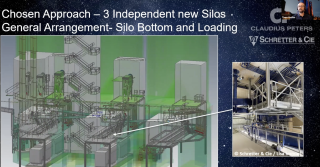
14 July 2022
13 July 2022
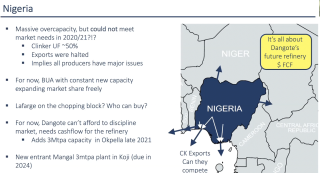
12 July 2022
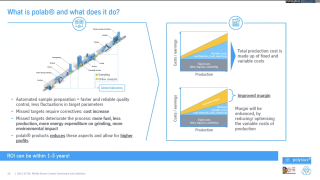
12 July 2022
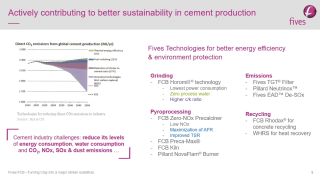
12 July 2022
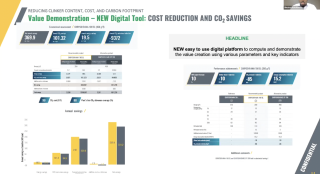
12 July 2022
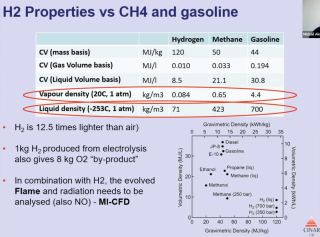
12 July 2022

12 July 2022
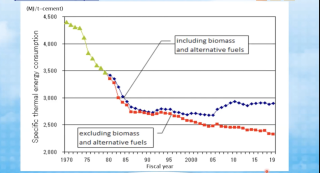
12 July 2022
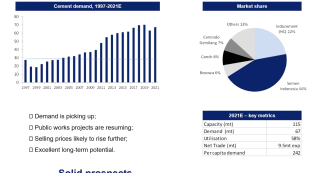
12 July 2022
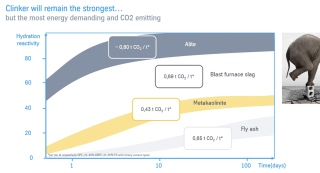
12 July 2022
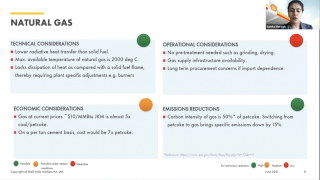
12 July 2022
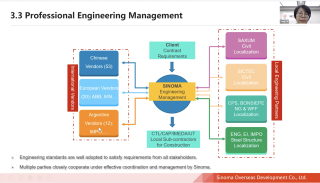
12 July 2022
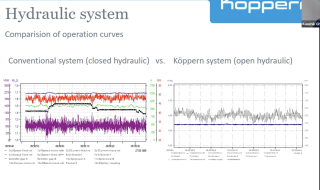
12 July 2022
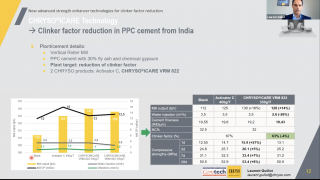
12 July 2022
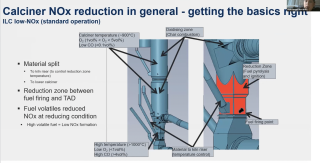
12 July 2022
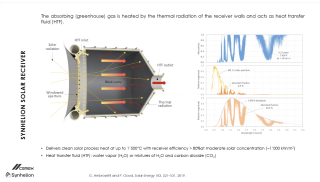
12 July 2022
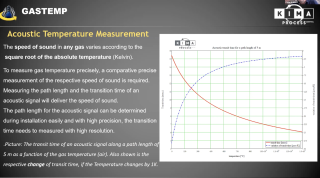
11 July 2022
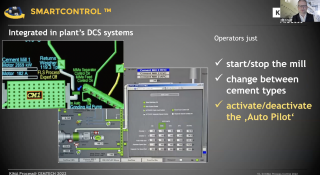
11 July 2022
11 July 2022
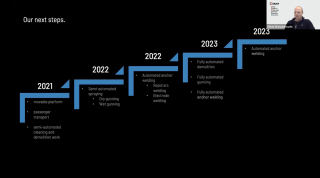
11 July 2022
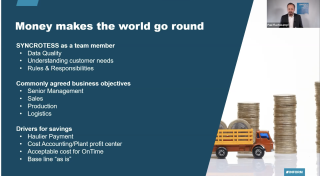
11 July 2022
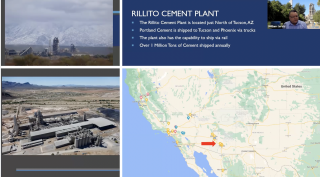
11 July 2022
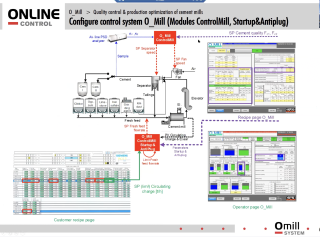
11 July 2022
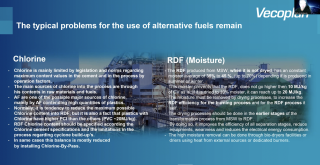
11 July 2022
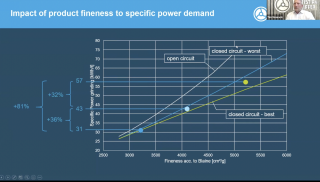
11 July 2022
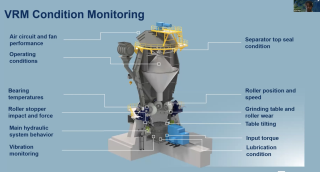
11 July 2022
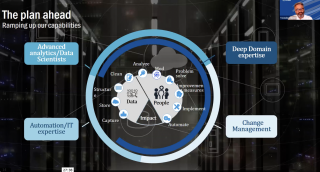
11 July 2022
11 July 2022
11 July 2022
11 July 2022
11 July 2022
11 July 2022
11 July 2022
11 July 2022
11 July 2022
11 July 2022
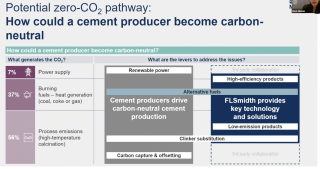
11 July 2022
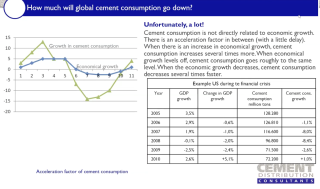
11 July 2022
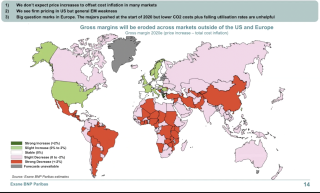
11 July 2022
11 July 2022

6 July 2022
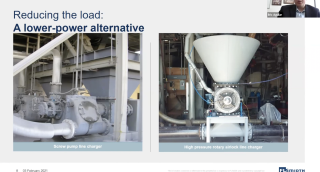
1 July 2022
1 July 2022

8 June 2022

12 February 2021
12 February 2021
12 February 2021
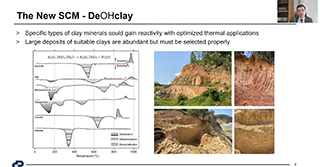
12 February 2021
12 February 2021

12 February 2021
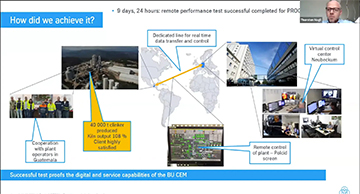
12 February 2021
12 February 2021
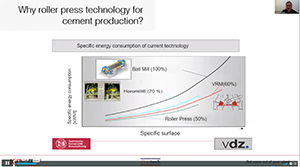
25 September 2020
25 September 2020

25 September 2020
25 September 2020
23 September 2020

22 September 2020

22 September 2020

21 September 2020
20 February 2020

10 February 2020

10 February 2020

10 February 2020

7 February 2020
27 January 2020
23 January 2020
23 January 2020
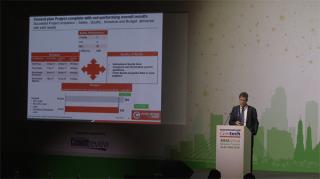
23 January 2020
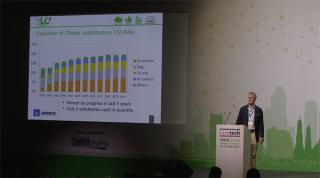
23 January 2020
2 May 2019
30 April 2019
18 April 2019
18 April 2019
18 April 2019
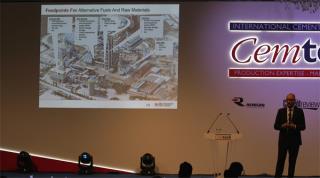
12 April 2019
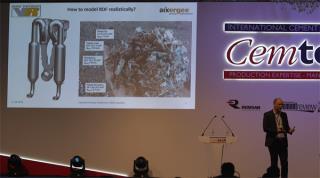
12 April 2019
11 April 2019
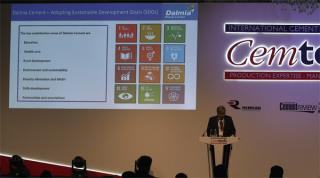
10 April 2019
10 April 2019

10 April 2019
9 April 2019
9 April 2019
4 February 2019
17 January 2019
31 July 2018
31 July 2018
31 July 2018
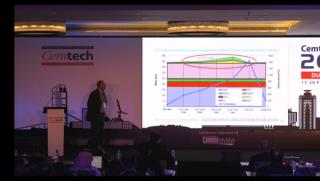
27 July 2018
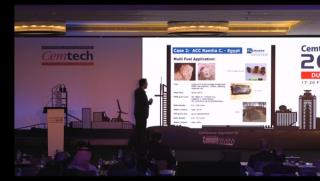
27 July 2018
27 July 2018
27 July 2018
27 July 2018
27 July 2018
27 July 2018
27 July 2018
27 July 2018
27 July 2018
25 July 2018
25 July 2018
25 July 2018
24 July 2018
24 July 2018
24 July 2018
23 July 2018
23 July 2018
23 July 2018
20 July 2018
20 July 2018
20 July 2018
20 July 2018
20 July 2018
20 July 2018
20 July 2018
20 July 2018
20 July 2018
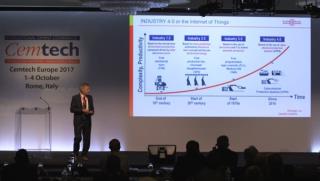
20 July 2018
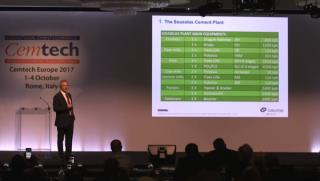
20 July 2018
20 July 2018
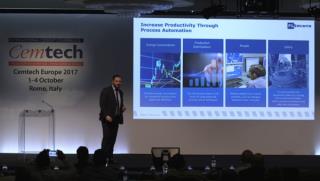
20 July 2018
20 July 2018
20 July 2018
20 July 2018
20 July 2018
20 July 2018
20 July 2018
19 July 2018
19 July 2018

19 July 2018
19 July 2018
19 July 2018
23 March 2018
23 March 2018
23 March 2018
23 March 2018
23 March 2018

23 March 2018
23 March 2018
23 March 2018
23 March 2018
23 March 2018
23 March 2018
23 March 2018
23 March 2018
23 March 2018
23 March 2018
22 March 2018
26 October 2017
26 October 2017
26 October 2017
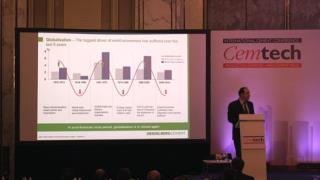
26 October 2017

14 August 2017
14 August 2017
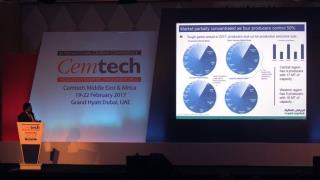
14 August 2017
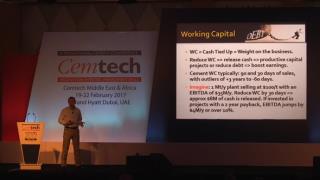
14 August 2017
14 August 2017
14 August 2017
14 August 2017
14 August 2017
14 August 2017
14 August 2017
14 August 2017
14 August 2017
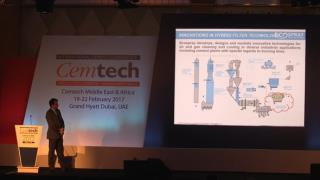
14 August 2017
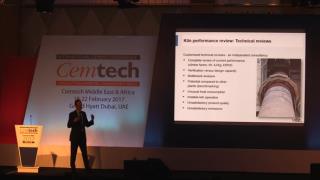
14 August 2017
18 July 2017
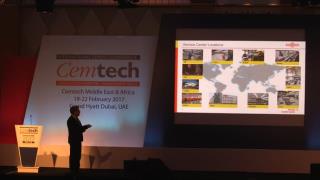
18 July 2017
18 July 2017
16 June 2017
16 June 2017
16 June 2017
16 June 2017
16 June 2017
14 February 2017
14 February 2017
14 February 2017
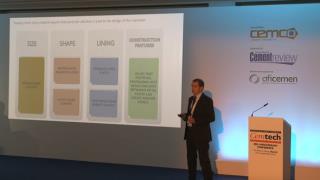
14 February 2017
14 February 2017
14 February 2017
14 February 2017
14 February 2017
14 February 2017
14 February 2017
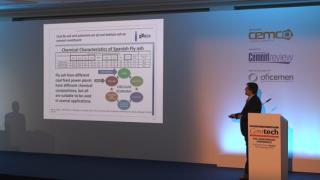
13 February 2017
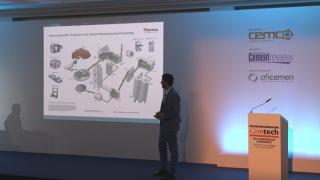
13 February 2017
13 February 2017
19 January 2017
19 January 2017
17 January 2017
17 January 2017
17 January 2017
6 January 2017
18 August 2016
18 August 2016
18 August 2016
18 August 2016
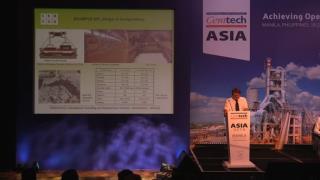
17 August 2016
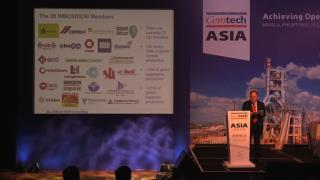
17 August 2016
17 August 2016
16 August 2016
16 August 2016
16 August 2016
12 August 2016
12 August 2016
12 August 2016
11 August 2016
11 August 2016
11 August 2016
10 August 2016
10 August 2016

10 August 2016

8 August 2016
8 August 2016
8 August 2016
6 May 2016
6 May 2016
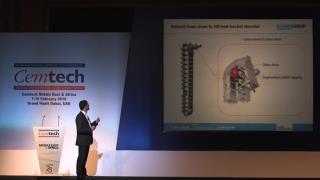
6 May 2016
6 May 2016
6 May 2016
6 May 2016
6 May 2016
6 May 2016
6 May 2016
6 May 2016
6 May 2016
6 May 2016
6 May 2016
6 May 2016
6 May 2016
6 May 2016
6 May 2016
6 May 2016
6 May 2016
6 May 2016
6 May 2016
25 April 2016
25 April 2016
11 March 2016
11 March 2016
11 March 2016
11 March 2016

11 March 2016
11 March 2016
11 March 2016
11 March 2016
11 March 2016
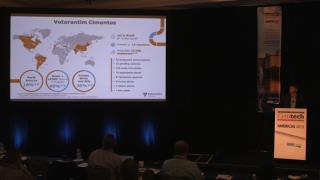
11 March 2016
11 March 2016
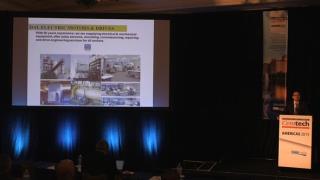
11 March 2016
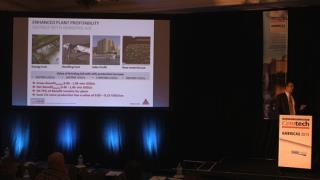
11 March 2016
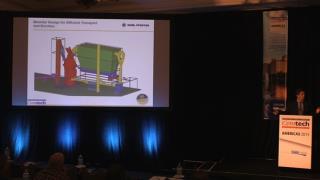
11 March 2016
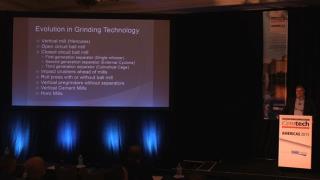
11 March 2016
11 March 2016
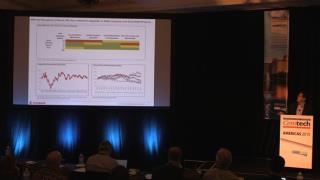
11 March 2016
11 March 2016

11 March 2016
11 March 2016
21 December 2015
15 December 2015
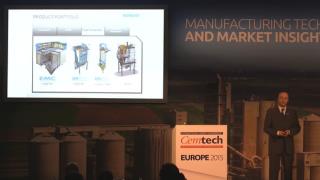
15 December 2015
15 December 2015
15 December 2015
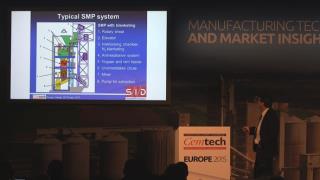
15 December 2015
15 December 2015
15 December 2015
15 December 2015
15 December 2015
15 December 2015
15 December 2015
15 December 2015
2 December 2015
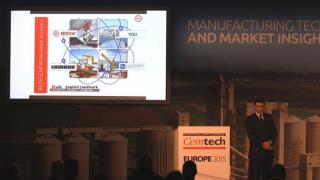
2 December 2015
2 December 2015
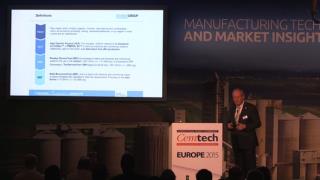
2 December 2015
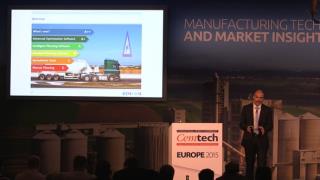
2 December 2015
2 December 2015
2 December 2015
2 December 2015
2 December 2015

2 December 2015
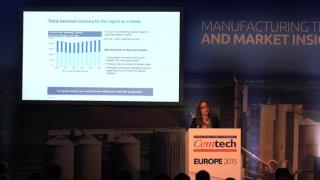
2 December 2015
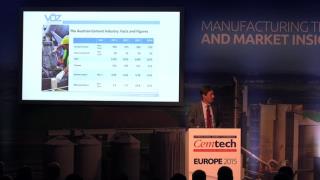
2 December 2015
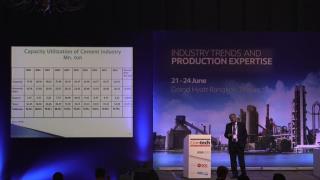
21 August 2015
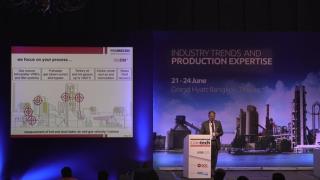
21 August 2015
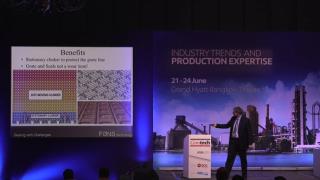
21 August 2015
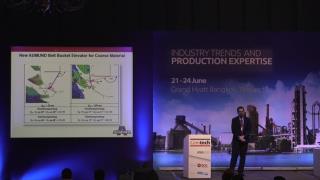
21 August 2015
21 August 2015
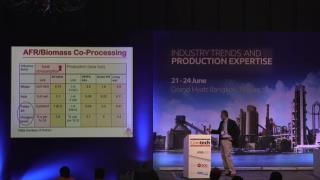
21 August 2015
21 August 2015
21 August 2015
21 August 2015
21 August 2015
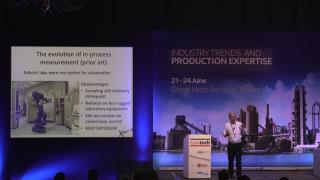
21 August 2015
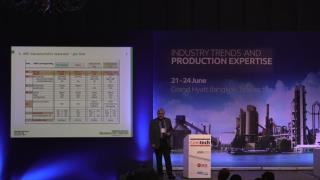
21 August 2015
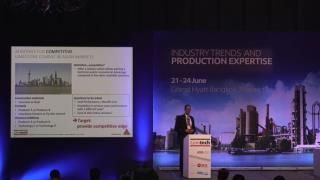
21 August 2015
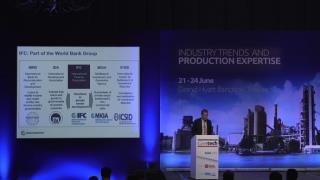
21 August 2015
21 August 2015
21 August 2015
21 August 2015
21 August 2015
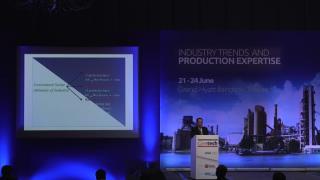
21 August 2015
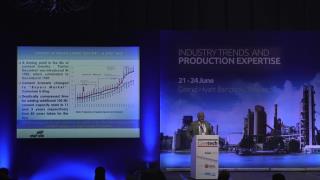
21 August 2015
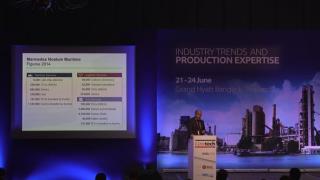
20 August 2015

20 August 2015
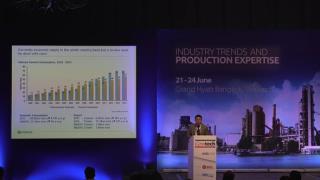
18 August 2015
18 August 2015
18 August 2015
18 August 2015

30 June 2015
29 June 2015
29 June 2015
29 June 2015
29 June 2015
29 June 2015
29 June 2015
29 June 2015
29 June 2015
29 June 2015
29 June 2015
4 June 2015
4 June 2015
2 June 2015
2 June 2015
2 June 2015
2 June 2015

29 May 2015
29 May 2015
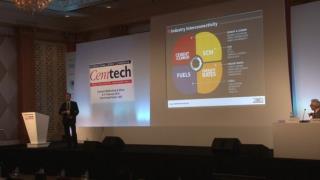
28 May 2015
28 May 2015
28 May 2015
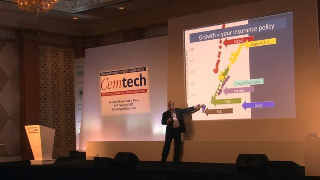
18 February 2015
17 February 2015
13 February 2015
13 February 2015
Try searching for another title.