
2 September 2026
This transcript was generated automatically and may contain errors.
good day. Good morning, good afternoon. welcome to the Cemtech webinar. It's great to be with you speaking today from Birmingham, Alabama where we're attending the IEE conference. it's eight in the morning here. wherever you are, I hope the sun is shining. My name is Tom Armstrong. I'm the Managing editor of International Cement Review. and this is our, I think, our fifth webinar this year. today we'll be looking at alternative fuels a little bit more about us. international Cement Review is monthly magazine publishing the the best technical papers in the world for your pleasure each month.
if you're not familiar with us, do take a look at our website, cnet.com, and you'll find plenty of information. cement markets, cement technologies also released recently is our Global Cement Market outlook. This is a, a comprehensive review of the global cement markets forecasts of key markets in all the major territories of the world are really an update on our global cement report, which many of you'll be familiar with, but also online. Take a look if you're interested in following the progress of cement consumption around the world, a brief word of what's coming up next month will be in Seoul for our Emec Asia 2025 conference. I know many of you're coming, but take a look at the program.
It's now up on the website all the prelim preliminary program, and we'd love to see you there if you're in the region. it's a two day conference with I think we've got about 25 papers. fantastic engagement from the local industry and the regional industry at this major annual event to take a look online for more information. but today the topic is alternative fuels. it's a really popular topic, I can tell from the number of people who have registered today. and we've got a, a really fantastic lineup of four presentations that are gonna take us through all kinds of areas of burning fuels and optimizing the burning of fuels in, in cement plants.
so we're gonna hear a little bit from carbon ray how AI can be deployed to a maximize alternative fuels, and we're gonna hear from thieves from them about their best combustion solutions and burners for alternative fuels from FCT. a great presentation showing the opportunities that can be had from using the satellite burner in kilns. but to start with, I'm, I'm really pleased to be able to introduce our first speaker Karen Mai from FL Schmidt Cement in Denmark, but also speaking from here in the US today. she's gonna talk to us about advanced fuel substitution technologies.
Now Remi leads key projects in clinker decarbonization at FL Schmidt, focusing on alternative fuel substitution and reducing reliance on traditional raw materials. She works on integrating low carbon fuels like biomass and industrial waste into kit cement kilns. Her role involves optimizing processes to cut emissions while maintaining efficiency and science, using advanced process modeling and material assessments. She helps plants transition to sustainable operations. Her expertise includes equipment selection, fuel adaptil, adaptability, and kiln and grinding process optimization.
She collaborates with team pro project teams, customers and industry stakeholders to implement carbon reduction strategies with a strong technical foundation. Meyer is dedicated to advancing sustainable and energy efficient cement manufacturing. Meyer, if you'd like to share your slides and we'll get started. many of you will have heard us speak before maybe at a Cemtech conference. So we're, we are really glad to have you back here on this online event. can see your slides and we're ready to go. so over to you, Karen Mai. Perfect. Thank you, Thomas. Hello everyone, and thank you for joining today's session as Thomas has introduced.
My name is Karen Mai spo, and I'm currently the program manager for Clinker Decarbonization at FL Schmidt Cement. I bring across regional understanding to the table, having grown up in India, currently working and living in Denmark, and today joining you from the US where we are attending the I-P-I-A-S-P-C-A conference. Thanks to our customers, these experiences has given me a well-rounded insight into the operational and regulatory philosophies across different geographies, which deeply influence how cement producers, plant operators approach clinker decarbonization. Well, we are facing a dual challenge globally.
On one hand, about 75 percentage of the infrastructure will lead by 2050 is yet to be built. And on the other cement, which underpins all of that infrastructure, contributes about seven percentage of the global CO2 emissions. This makes our industry not just part of the problem, but also an essential part of the solution. If you have attended any of our presentations earlier, have seen the slide before and wondering why I brought this slide again today. It is because the scenario hasn't changed much, and we as an industry have a lot of work to do to get to the required goals. So how do we do this?
At this slide, you can see the key levers we can pull to cut emissions, one of them being the clinker substitution lever involving use of other supplementary cement tissue materials like calcine, clay, decarbonization of clinker production itself through usage of alternative fuels, which is the topic for today, efficiency improvements, and finally, carbon capture technologies. As someone who's worked closely with plants across various markets, I have seen how each region prioritizes these levers differently depending on legislation, infrastructure and fuel markets. We often get asked, are these technologies ready today? And which of them are still maturing?
I hope this slide helps answer that. While some solutions like alternative fuel firing and ine clay are available today, there are other aspects like carbon capture electrification, which we are trying to crack the coal for. So today I was thinking about, okay, what are the circles of influence that each of the plants are getting affected by Thomas? It seems like I'm having a little trouble in the internet. Can you still see the screen? Can you confirm that? Yeah, we're, we're having no problem hearing you and seeing the screen, so, oh, Super. Please Continue and I'll continue.
Yeah, so the circles of influence, well, one of the most insightful concepts that I have come to appreciate in this work is how different layers of influence shape the cement plant operations. This first circle, the plant level factors can vary drastically depending on internal culture, technical constraints, and operational priorities. For example, a plant that's innovation ready and values in-house expertise will approach fuel substitution very differently than one that prefers external turnkey solutions. I have seen this contrast firsthand between plants in India, Denmark, and the us, and understanding these subtle dynamics is critical to implementing successful changes.
Now, moving one layer out, we look at infrastructure and local conditions, access to consistent quality alternative fuels, proximity to suppliers and permitting requirements play a decisive role in what's feasible in Denmark and other European countries. For instance, the infrastructure for pre-processing RDF is highly developed compared that to parts of India or even rural US for that matter. This can be a major bottleneck. This second circle often defines how fast or how far a plant can go in its decarbonization journey. And then we have the global context, energy prices, supply chain, unpredictability, and policy signals around CO2. These influence long-term investment decisions.
This circle is most times out of your control, but brings in aspects that you need to consider for your decision making. Well, the key message across these slides is that while there are commonalities, the circle of influence for each plant is different, and that needs to be analyzed. That's why our approach must be contextual and flexible, because we all know one size doesn't fit all. As the saying goes, when you can't change the direction of the wind, you have to adjust your sails, choose your circle of influence, and start working from there. Now, let's talk about the technical preconditions for successful fuel substitution. It's not just about dumping waste into your systems.
You need to consider and evaluate about fuel consistency, accurate dosing, proper residence time, and good process control. Without these, even the best alternative fuel strategy might fall short. Let's begin with the inline calina. The lox calina a highly effective solution for alternative fuel combustion, especially when dealing with challenging waste derived materials. As the title itself says, it's always the first and easiest choice for a alternative fuel combustion, and that's no exaggeration. The design of ILC Cal Center provides three key advantages that make it ideally suited for this task. First one is the high fuel substitution flexibility.
The EU is capable of firing 80 to a hundred percentage of alternative fuels, including bulky, irregular materials. Sometimes it can handle 2D materials of pieces up to hundred by hundred M, and even tire chips up to 50 M with minimal pretreatment. This level of flexibility greatly reduces fuel preparation costs and enables broader sourcing of waste fuels. The second lever here is the efficient handling of these large particles. Large particles have a tendency to stay in the bottom zone of the calcium, where they get ample time for drying ignition and complete combustion. Importantly, this area also maintains relatively high oxygen level, which supports faster and more complete burnout.
And the third lever here, the optimized gas flow for combustion efficiency. The system's long gas residence time and low velocities are ideal for ensuring that particles don't get prematurely carried away. Instead, particles fall back recirculate, and are retained in the hot zone for a longer duration. This enables a particle combustion time of typically 20 to 60 seconds, allowing even large and moist particles to fully burn out. And as emphasized at the bottom of the slide, optimal fuel dosing point and accuracy is of key importance. Now, we have looked at the ILC calena, and it is designed to support the combustion of larger irregular fuels. But let's explore why this design is important.
This chart here illustrates the relationship between particle diameter and burnout time for different types of fuels. As you can see on the X axis, the particle diameter and millimeters, and on the Y axis, the burnout time in seconds, both shown on a log scale. So you can see the distinct prefu categories on the chart here. The first one is the bottom left, the pulverized fuels. They're typically ultra fine particles less than 0.1. They burn extremely quickly, often within just one to 10 seconds. And these are ideal for high efficiency combustion, but as you can see, they require intensive fuel preparation. Then let's move on to the center region where you see the shredded waste and biomass.
This is moderately sized particles may be in the range of 0.5 to 10 mm. The burnout times are a little higher. They range from 10 to 300 seconds depending on moisture content and composition. Yes, the shredding helps reduce particle size and makes the material more effective, but it's still significantly slower to combust compared to pulverized filters. And then on the upper right, you can see there is bulky waste and biomass. In this case, the particle size varies between 10 M to a hundred M or more, even often with regular irregular shapes as expected due to their size, size and density. They exhibit the longest burnout times stretching up to a thousand seconds or more.
The low surface to surface area to volume ratio and possible internal moisture content means that combustion proceeds much more slowly. So what are we seeing here? We are seeing the fuel preparation affects combustion behavior dramatically. The smaller and more uniform the particle size, the faster and more complete your combustion. This insight drives the engineering decisions behind fuel preparation systems and reactor designs, which is one of the influencing factors, which I've spoken about earlier.
So if you are one of those who want to achieve maximum substitution in your calcium fuel with a wide range of alternative fuels based on your availability in your regions, the solution might probably be a hard dis. Many plants are using the hard disk reactor for 80 to 90% is substitution in the calina, using a diverse array, of course, alternative fuels from sludge and greens to hold truck tires, achieving efficient operation and lower operating cars without compromising on the performance, a safe, simple, and effective alternative fuel solutions.
This is a rotating heart furnace, and it is integrated with the pre heater and caler systems for usage of variety of solid waste, even up to size ranges of up to 1.2 meters. This makes the transition to a alternative fuels much easier and more cost effective, especially in regions that lack a developed waste processing industry. And because you're no longer tied into any single fuel supplier or supply chain, the hot disk improves your position on the fuel market. The variable speed drive provides the ability to have a fuel retention time ranging between three to 45 minutes inside the hard disk.
This reduces the adverse effects of unburnt fuel in the K inlet and provides complete control of the process. Consequently, the hard disk eliminates operational disturbances such as cyclone blockages, the need for extra cleaning in the riser duct, and emissions of unburnt components. So we have introduced this hard desk in 2002. We have continuously improved the design of the system. The latest generation provides maximum fuel flexibility, process control capacity, and curability. This hot disk is available for new kills and for retrofitting into your existing kil systems as well. What you're seeing here are the three variants of hot disk.
We have the standard hot disk, which you might have been hearing about for the last 20 years, is designed for installing at plans with inline eus. But what if you have a separate line eu? Would you go for a conversion? Well, the conversion we all know from an SLC to an ILC is unlikely to be a feasible option due to its high expense involved. The hot disk S provides a much required alternative. In this case, it is positioned under the existing calina. Most of the alternate fuel is fed first into the cal with any unburnt fuel falling through onto the hot disk S where it completes its burnout.
Any dropout from the hot disk S is recovered by an A, b, C inlet for cooling and can be transported back into the system. So essentially, we only have to handle the ash fractions. There is also another variant that you see there that's called the hot disk with HMT Hot Material Transport introduced in 2021. The hot disk with HMT offers the same functionality and benefits of a traditional hot disk, just quicker and easier to install for existing plants instead of directly integrating the exit of the hot disk reactor to the Cal center and riser duct. The new approach to layout allows the hot disc reactor to be mounted two to five meters away.
Let me bring your attention to something very powerful here that you're seeing on the slide. With the hot disk. We are not just substituting high quality fuels, we are consistently burning low grade fuels with heating values as low as 1200 kilo calories per kg and moisture contents of more than 50 percentage. That's significant. It means we are turning what used to be a landfill into a very viable energy stream for cement production. And this is not theoretical. We are doing it and our customers are doing it every day in multiple installations globally. The Fuel Flex Spiraler is the new kid on the block. The fuel Flex Spiraler is one of our most exciting recent innovations.
It's designed to let plants replace fossil fuels without needing a large scale calcium center extinction. What sets it apart is that it transforms RDF and biomass into a fuel stream that is both energy efficient and stable for combustion. This is especially relevant for markets like India or Latin America where cement plants may have space constraints or limited ability to make heavy structural changes. So what's the science behind this? Pyrolysis involves heating the material in absence of oxygen, breaking it down into combustible gases and solids. What's left is a much more reactive energy-rich gas stream that burns cleaner.
It's a waste to energy solution that fits naturally with your substitution goals and one that can be scaled. So the next step is only converting the fuel to a gas stream that has happened in the pyrolysis, which then gives us a flexibility to bring it to a point where we can further burn it in the system. So is this all about fuel flexibility? Well, it's not just about that. The fuel flex also helps with the NOx reduction without needing ammonia based systems like SNCR.
From a business case perspective, we are talking about one to three years of return of investment, depending on local conditions from small to mid-sized s that struggle with alternative fuel consistency, this becomes a game changer. Now, let's connect the dots. Fuel flex gives you high fuel substitution, drastically reduced NOx and minimal use of fossil fuels all in a bolt-on package. If I think about the US plants I have been interacting with where regulations around ammonia use are strict, this technology can be a very elegant solution. And these are not just lab results.
This is a live example from a plant we have operated by shifting SRF solid recover fuel to fuel flex instead of directly to the calina as they were originally doing. And you can see that the NOx emissions have dropped from nearly 474 to 358 milligram per normal miq at 10% oxygen. And we brought ammonia water usage down to zero. That's tangible environmental and operational impact backed by numbers here, our automation systems. So our automation solutions also play a key role in stabilizing your operations and ensuring that fuel substitution doesn't come at the cost of quality or throughput in any of your plans.
Our process control and optimization tools enhance plant performance by optimizing processes, reducing energy consumption, and maintaining optimal clean conditions. We offer a blend expert robo lab auto sampling solutions, which ensure precise control over raw material blending, automate laboratory processes, and improve sampling accuracy leading to consistent product quality. And our very well known plant line service agreement provides comprehensive support, including regular maintenance, remote monitoring, and expert consultation. This ensures optimal plant performance and minimizes the downtime.
And on the last you can see there, we have our gas analysis systems and gas conditioning systems, which continuously monitor gas emissions and conti and condition gas samples for accurate analysis. These systems help maintain compliance with environmental regulations and optimize the combustion efficiency. We all know there is no silver bullet in decarbonization. It's all about combining the right technologies for your specific context. Today, I have focused on solutions that can be installed in the preheated tava. We also offered modular solutions from fuel dosing to burn us to full cinner strategies.
As you can see here, as I've mentioned earlier in the presentation, understand your influence circles use the right mix of solutions to achieve reliable and consistent performance while still substituting alternative fuels in your systems. To wrap up, the green transition in cement is not a one-time event, it's a continuous journey. What matters is to start now, learn quickly and build incrementally. Having seen operations across three different continents, I truly believe that every plant, regardless of its size or location, can take meaningful steps today day. Thank you for your attention.
I'm happy to take questions and also hear your thoughts and feel free to free to reach out after this session if you want to deep dive into any of these topics. You can see my email on the last slide here, and I'm happy to continue the conversation offline, whether it's a tech question, a business case that you wanna develop or just sharing notes across regions. Thank you. Thank you so much, Kieran Mai. That was a really great introduction to the webinar and a really concise overview of some of your technologies. and yeah, very, very well presented overview. The the products that really interest me from from FLS are the the hot disc that that's especially interesting, I think.
where, where have you seen that installed the most? And can you tell us a little bit more about how producers are using the hot dis? Well, we have global installations, but of course there is a concentration of installations in the Asian region. Mm-hmm. That is also because, as you could see on the slide as well, they sometimes tend to have poor quality alternative fuels, typically municipal sewage waste, which they would have to burn. And instead of wasting it, it's nice to burn in equipments like Hot Desk, and they're able to do that on a consistent basis.
So if I were to go for a hot desk, I would do that if I have a range of alternative fuels and a range of quality of alternative fuels as well. Yeah, sure. and then the the, the last solution that you that you presented is that is the paralyzer suitable for all markets? Do you find, do you find people picking up on that technology? you, you mentioned it was suitable in countries like India, but also I know there's a great reference in Europe. I think it's manic cement, isn't it? Yes. We have two references, in fact. Yeah. One is Manock that you have mentioned in Ireland. Mm-hmm. The other one, we are in the process of proving the performances, and that is sitting in USA.
Okay, so When would I choose a fuel flex is if I have access to engineered fuels, which is mm-hmm. Pre shredded threaded fuels that you can access, then fuel flex is a much better option. Yeah. So that's kind of for the more mature markets, I guess. like you say us around Europe and, and a and, and a and a retrofit to, to plants. That's that's the other thing to say. modern, modern kilns are, are they generally well designed with high levels alternative fuel utilization in mind Eve? Is that something now that's more built in, would you see the newer kilns equipped with ERs, for example?
Well that's the hope when we are having conversations with our customers now, and we can see some of these technologies, including Hot Dek, including Fuel Flex as part of their initial business cases itself. And that is very inspiring and also motivating for the rest of the players in the market, because you have figured it out. You, you know what works for you, you have established your supply chain for these alternative fuels, and you have expected and anticipated all the scenarios that you can. So, sure. And that's a good thing to ask. Well, there, There are a few questions.
one of them is asking for more elaboration on the pyrolysis, but I'm gonna have to say they need to come to Korea, and then they'll hear a whole presentation on, on that from FLS. well, of course, we we'll be covering all of these technologies and have covered them in, in ICR but we look forward to, to sharing more in depth presentations and case studies in the future. but for now, Kieran Mai, thank you very much. Thank you, Thomas. Fantastic. Okay. So that's got us started and I'm got a few of you thinking about these great new technologies. we're gonna move on now to our next presentation. and I'm delighted to welcome Joel Meyer, our CEO of FCT in the eu.
Joel graduated in mechanical engineering in 2002 in Brazil, specializing in thermo fluid dynamics. MBA followed in 2015 in a joint educational program between Austria and the USA since 2001, he's held a number of roles working on projects across more than 70 countries, but always related to combustion and energy intensive industries such as cement, lime, and steel. He joined FCT in 2016 where he's now CEO based at the company's European headquarters in Vienna, Austria. And he's gonna talk to us about minimizing CO2 emissions and maximizing alternative fuel substitution in the kiln with a satellite burner.
A really interesting opportunity for people now looking at higher rates of alternative fuel utilization. So, Joel, over to you. Hello. Hi. hello everybody. Good afternoon or good morning depending where you are. right first of all I would like to make a quick introduction here about the topic. Everybody knows. So, we live in a beautiful planet, and every day we are more and more. Soon we'll be around 8 billion people. this 8 billion people means basically 2 billion people more than what we have today by 20 20 50. This means one New York worth of inhabitants every month. Yeah. New on the planet and all the infrastructure that we will need by then by two 2050.
And most of it is still needs to be built as per today. This means more people means more infrastructure, more energy demands, more need of construction materials and more natural resources, of course. and all these leads to global warming. Yeah, we, we know that how how's gas the heating of our planet is, is is a reality. and all these let's say development and in increased amount of people leads to global warming. Does this mean that, okay, we are doomed and the, the planet we will die? no. obviously if it all of us make their part I think there's a way to revert this still today. I think everybody is familiar with the waste hierarchy pyramid. So on the top we should strive to do things.
most most of our efforts should be on the top because if we are reducing or reusing our resources, we don't need to recycle to repair them or to dispose them. It's our job everybody, everybody, every one of us to, to work on the top part of this pyramid. So from our private life and also in our businesses but when we come to, to repair and recover resources, I think it's mostly industry effort right now. This was just a little, little introduction. I think it's clear to everybody. when we come to the CO2 emissions, that is one of the main household gases.
there's, there are some numbers around that are between six and 8% of the CO2 emission in the world today are generated from cement production. here we can see distribution, how this is how the CO2 is from where the CO2 is coming from, and we can see that part of this in gray here comes from process emissions. in this case, for example something that we, we ffc at FCT have been very much involved is with cosign clay. It's a way to reduce process emissions from, from cement production as clay ation emits much, much, much less. CO2 from the material itself. And the second part in the, in light blue also significant part coming from fuel, electricity emissions.
And here we can help in terms of alternative fuels only on this chart here, there's a lot to talk, a lot to, to discover, a lot to discuss. But we will be focused today on the alternative fuel in, in one part of the alternative fuel at the Kuhn using a satellite burner. Right? when we talk about clinical production the main constituent of, of of cement we all know this chart. So temperatures goes rising. CO2 is eliminated from the from the limestone. Then, then there are a liquid phase where, where the allied and be light are formed. And then there's a cooling phase in the cooler first cooling the kiln, then in the cooler this basically shows how the clinker is produced.
We can divide this chart in two parts. There's a first part happening in the k in the PA hitting tower in the first beginning of the kiln. That's a, a, a phase where the clinker is prepared, right? So it's not so important exactly the conditions in this, in this phase, as long as the energy is supplied to the, to the raw material. And then there's a second phase under the flame of the hot queue. and this second phase has a strongly influence in the clinker quality at the end, and also in the cement strength later on.
Just to break in these two phases, if we look to the first phase, how to find alternative to how to, to fire alternative fuel in the co-signer we usually make an analogy that to use alternative fuel in a cosigner is a lot to do. There's a lot to do with when you want to, to find a house or an apartment for you to live. So it's all about the location, right? So where when you are searching for a house, you, you look for the neighborhood, you look for schools for your kids, you look, the transportation means, and it's exactly the same for the Cal Center. So we have to search zones with how is the temperature distributed inside the Cal center? How is the oxygen contained?
How is the velocity profile that will, will transport more or less the alternative fuel higher faster to the end of the CALS sign, or you'll keep the alternative fuel longer in the cals? What's the resident time, the different areas? So all these are important points, and for us, it's very hard to look into the, into the cow signer and, and have an idea about this just from, from making measurements on site. So a very good tool for this would be A CFD that we also do here internally at FCT.
and then with this, you can see, for example, here in this chart, in this diagram, you can see the temperatures in the different zones of the cosigner before and, and after modifications before and after different injection points and so on. So you can optimize your, the usage of alternative fuel in the cosigner by looking the optimum position inside the cosigner itself. This is not the topic for today. So if you, if you want to discuss this more in details, we can come back, please come back to me and we can, we can go more in details on that. Now when we speak about alternative fuel in the, then it's another story.
So obviously the, the position, the location where the alternative fuel is injected is important, but more important than that is the performance. So it's like if you want to buy Ferrari or I, no Lamb Guinea it's important for you, what's the power, how, how it, it connects to the ground, how efficient it is aerodynamically. And it's the same for a, for a human burner, right? So it's all to do about momentum, about mo transfer of momentum between the different streams, temperatures in different areas, oxygen con content, and so on. Good. Speaking about the km, there are two main ways to inject alternative fuel in the K, right? I just showed them here both, and then we go in more in detail.
So one would be using a satellite burner. Basically, this is a pipe on, on the side, on top of the, the main burner in the Kune injecting in a separate equipment, the alternative fuel. A second one is a modern high alternative fuel substitution rate burner, similar to this one here from FCT where you maximize the injection of alternative fuel through the burner itself. So what, what are the differences between these two? Well, first of all, the satellite burner, you are injecting the alternative fuel directly in the secondary area stream. So it's an area where you are injecting the alternative fuel in this case is an area with very high oxygen availability.
So 95 to a hundred percent of the oxygen required for the combustion in the Kuhn is being is being supplied by the secondary air itself. It's a zone with high temperatures, right? So in a modern line today, we have secondary air temperatures are above thousand degrees. But on the negative side is a, is an area where you don't have so much control, and the mixing between these streams is, is not so, so intense. On the other side, you can inject through the main burner in the center of the flame. and then from a negative point of view, there's a low oxygen availability in this area, because through the burn, you're injecting just part of the air required for the combustion.
Around eight to 12% temperatures in this region are lower, because until the flame becomes completely developed, the temperatures in the core of the flame are lower. But a huge advantage of such equipment is that you can you have a very high control of what is going on in this region, and the mixing is very, very intense. Just briefly about the modern burners for alternative fuel there are different characteristics of this burner that makes it a very efficient burner to, to go to up to 90% solid alternative fuels. we are not talking about liquid alternative fuels, which is easy to, to burn. We're talking about solid alternative fuels.
and some of these features just here I will pass through them quickly. It is not the topic of this, of this presentation, but the way that we inject the, the axial air is very important. So you can see here is special design with larger holes here, smaller holes here. So this is very important to allow and maximize the suction of secondary air that is around the burner, into the flame, into to getting contact to the alternative here in the, in the middle of the flame, the design of the three wear is, this is similar.
So how you design the three wear position of the, or is quantity angles is also very important to promote the fast ignition and combustion of the, the, the fuel and the dispersion of the alternative fuel itself. So we can see here inside the, the burner, some, some holes, the dispersion of the alternative fuel. if you can control this in a better way, it's also beneficial for you. size of the burner, the size of the burner should be as compact as possible to, to improve there dynamics in the kune, in the kune hood. And the target here is to always achieve a flame that is short as short as in as intense as possible. This is the best for your clinical quality at the end.
Obviously, these burns also have some different characteristics that we don't go into details here. Some things against against wear as I said different control about the, the, the flight pattern and the dispersion of the, the solid alternative fuel is also required and so on. Again, this is not the topic of the, of the presentation, so I just passed through, and here you can see a video of a burner burning 80% alternative and solid alternative fuel through the, to the center of the burner, together with 20% petcock. Just to, to show what is possible today with a modern, modern kune burner.
you can see a very short technician phase here a very short cooling zone inside the Kuhn, and so on and so on, even with when we're talking about 80% SRF. Now, when you talk about if we want to maximize the alternative fuel in the Kuhn, the main burner is definitely one of the most important tools to, to achieve that because of its control, its mixing potential and so on. But the satellite burner has also its place, yeah, especially when we are talking about a K two, two main possibilities. One is a K that doesn't burn any alternative fuel. So if if you have an existing burner, an existing system that use for other fuels, and you want to start injecting alternative fuels.
So this is a very easy, quick and, and cheap solution for you to start. this is the situation number one, and situation number two, when you have acute burner that is already injecting a lot of alternative fuel, and you want to, to go even further higher on the substitution rate, you would use a satellite burner to inject to, to, to share the load of the main burner together with the, with the satellite. Alright? some characteristics of this burner. So basically it's a miniature burner with a little bit less capabilities as the main burner. The main burner has much more possibilities of, of control. But here is a, a simplified burner.
You can see there's a pipe in the center for the alternative fuel. There's a pipe on the back there injecting air around this, this this the, the fuel. And this is also hanging in a sort of trolley that you can adjust the position. So depending on the type of alternative fuel that you're using is interesting to adjust to, to incline the burner a little bit more, up a little bit more down, a little bit to the right, a little bit to the left, to maximize the, to inject the alternative fuel according to its characteristics, right?
So if it's a very let's say wet material, it, it makes more sense to retract it a little bit more, to have more time for for, for drying inside the cume before the combustion starts. And this burner has a, a refractory lining for increased lifetime. And also there's an additional error, as I mentioned, to control the direction of the, of the fuel particles inside the k. Some advantages of the satellite burner is that it, it allows a pre dry, so you're injecting the fuel inside the, the, the Kuhn hood close to the Berna tip, a little bit retracted.
but the main idea is that you, between the point that you inject the alternative fuel until it comes to the mainframe, you have a, a drying phase that is, is happening there when it's, it's flying through the secondary air. There's a preheating of this material. It's very easy to install also chip. So it's an ideal way to start with alternative fuel in the kune because of the ness and, and, and costs business to install in costs. But obviously, there's a limitation, right? So what we have seen you cannot inject let's say you cannot go to 90% to distribution in the Kuhn through this burner because in that case, this would be the main burner.
And the main burner would be, let's say, a satellite burner. and the problem with that is that this burner doesn't have all the capabilities that the main burner has. So we we, we say that the limitations for the satellite burner depends, obviously on the type of fuel, but it's around 40 to 60% of the Kuhn fuel. there are several points that we have to, to take in consideration when we are talking about satellite burners. One of them is aerodynamics in the Kuhn, obviously even in the modern Kuhn hood with a very large cross-section, very low velocities we still have preferential ways, some recirculation zones in the Kun hood inside the Kuhn and then also going up to the tertiary air duct.
So this has to be taking consideration, so the, the satellite burner has to inject the fuel. So here we can see CFD study that we made for one of our clients. I'm, I'm showing now CFD studies of, of different parameters, because it's easier for us to look inside the kiln. It's hard for us to, to, to see the, the direction of the, the air inside the kiln if we, if we make a video or something like this. But in the end of the presentation, there's a video just to, to illustrate how the satellite burner works in real life. But here is easier for us to understand.
So the, the alternative fuels has to be injected with the enough momentum that this is not carried, for example, in this case, up to the tertiary air, and it's burning the tertiary air duct, right? So you can see here below that the, even if the, the satellite burner is way back from the, from the tip of the burner, it has enough momentum to continue up to inside the kiln. Also, there is some other here we can see that there's a lot of air being injected in the first chamber of the, of the cooler. and the main idea is to recuperate as much heat as possible. Yes, it's a good idea, but the velocity is coming to the kune are very high on this, on this section.
So it could push the alternative fuel also upwards yeah preventing a good combustion. So this is also something that you have to, to have in mind and how the particles are flying inside the queue is another story and so on. So, all the aerodynamic part needs to be taken in consideration when we are talking about the injection point of of alternative fuel through the satellite burner. other point that we need to take care about the species inside the kme. So we can see here in the first the top diagram that we have, the oxygen concentration in this kme. So we can see that obviously in the cooler there is 21% oxygen coming inside the kme.
And because of the high velocities here that we can see here on the, on the, on this diagram, we can see that most of oxygen is on the top of the flame. Yeah. And here on the bottom, there's less, we can see a little bit more orange color here on the top, a little bit more red, so it means more oxygen. and this is what I mentioned before, that through, if you inject parts through the center of the flame in the main burner it's a region with a very low oxygen. So you can see here in this region, it's basically zero, and then later on it starts to be, to increase again.
But if we are injecting through a satellite burner is important to see where the high concentration of oxygen is to inject it in the proper place. Likewise, depending on the oxygen concentration and where you are injecting the fuels, you, you can also study the, the co concentration. So the carbon monoxide, you can see that at the beginning here, there's a lot of co because all the alternative fuels are burning. and in this position, so in this CFD here, just for reference, we have 50% of this, this tune here is, is running with 90% alternative fuel, 45% through the name burner, 45% through the, through the satellite burner.
And we can see that most of the fuel of the satellite burner is burning is starting to burn, especially the, the volatile. So we can see here in the, in the bottom chart, the volatile combustion of the, of the alternative fuels. and this generates high co phase, but later on here in the Kune there is no co anymore. So if it's a efficient main burner and an efficient satellite burner after, after some meters inside the kiln, the com, the combustion is completed already. and obviously we can see also all sorts of temperature, distribution, flame, shape, and so on. So here, just three charts to illustrate how this could look like inside the Kune. here we have a temperature distribution.
So you can see the main the main hot zone temperature in the main flame, the hot zone in the cal cosigner, and the, the satellite burner flame. and then how they both mix together. In the middle one, we can see again isso thermal surfaces. So these are surfaces with the same temperature on each of them. So this red one here would be 1,900 degrees going down to 1005 four 500 degrees. Just to illustrate again, how the flame could look like inside the kune. So we can see that satellite burner plane starts since the fuel is injected here in the back until the point where it starts to really achieve a high temperature, takes a while.
And in this period, the, the alternative fuel is drying it's being preheated is releasing volatiles, and then it starts burning here in front. And the bottom picture is a co a surface as well is a surface. So in this, this representation, let's say of how the flame would look like, and here you can see that there's a, a flame being generated by the satellite burner and a flame generated by the main burner, and they merge together a little bit in front of the burner and generate this nice shape. we can see here that part of this is coming to the bottom of the, of the Kune. but this is mainly because obviously alternative fuels are not a very homogeneous material.
So they have larger particles and, and smaller particles different levels of moisture in, in, in this particles as well. So part of the particles will depending on the concentration of this, particles will come to the bottom of the Kuhn, and they will burn here close to the bed. So this needs to be avoided as much as possible. but when we talk about alternative fuel, this is impossible to avoid. you can minimize it with the design of these two different partners. Now, just for a reference, we can see here a video with the satellite burner and the main burner here. So we can see a very short, a very efficient main burner, very short flame.
What you can see here, this is just a deposit of clinker on top of the burner. So the ignition of the, of the main flame is very close to the burner tip. And also here in the satellite burner, we can see takes a little while since it's injected. Here is the tip of this burner. There's a drying phase here releasing of volatiles, and then it starts burning here, and then the two flames merge together. Almost no fuel is, is seeing coming down to the, to the clinker, to the clinker bed in this specific case. Right?
as I mentioned the main advantages of this type of burner would be, or the main uses of this satellite burners would be in, in the both end, end of the spectrum of, of fuel substitution rate. When you have no substitution rate and you want to start, this is a very easy solution. You can keep your main burner and just inject on a, on a the alternative fuel through a separate satellite burner. So very low investment, very fast investment. And you can go with this up to, as mentioned before, 40 to 60% of the fuel in the Kune. And a second possibility is when your burner is already having a lot of alternative fuels.
There are benefits in splitting parts of the alternative fuels through the burner parts through the satellite burner. This will make the, the overall combustion more efficient. it's a very short let's say time to speak in details about this. So please contact me if any, any other questions or if you need more details. And now just two, three slides about the company. So, FCT FCT group, we have three main businesses, FCT, combustion, dealing with everything related to combustion equipment, FCT tech, doing analytic equipment for for different for clinker, for raw material, for cement. So online equipment put directly on the field.
And then FCT flames that we are doing special flame effects for celebrative in this case here, you can see for the Olympic Games, this is from FCT. So even if you never heard about FCT before, I'm sure you have seen a flame from FCT from the Olympic Games. we have five main locations. So Australia, China Austria USA, and Brazil. with this with this, we can be closer to our clients, and we have also a network of agents that are even closer to this. We are working in different industries. Our main ones being cement and iron or, and being in different industries, allow us to bring technologies from one industry to the other.
And basically, we are industry equipment suppliers, and also we are delivering completely plants for different applications. So in this case, here on the right, these were even mobile plants, so they were assembled on trucks. this here specifically on the picture is for iron or production. but the others, this is a flash co signer. This is a drying installation. So here, a healthcare generator for a dryer and so on. And some of our partners that we have been working through the, through the, the recent years. that's it, I think from my side. just a very quick overview about how a satellite burner can help you.
I think when we are talking about high substitution rates we must talk about a combination of a good k burner and a satellite burner, but a satellite burner can also be used isolated for starting the operation with alternative fuels. So if you have any questions I'm open for it now, and if there's not enough time, you can contact me later. You can see my email here. Thank you. Thank you very much, Joel. a wonderful presentation and really setting out the benefits of of the satellite burner. for people who are starting or, or, or going further with, with alternative fuels. I, I was wondering while you're speaking, is there what, what type of fuels are best suited to the satellite burner?
I think there's no rule, right? I think as I said it can be used for the both end of ends of the spectrum. So from when you're starting, so in this case, any fuel that you have, right? Biomass RDF animal meal or something like that. And also for the other end of the spectrum, when you have already a, a k burner that is doing a lot of, of the work with the alternative fuels, and you want to increase a bit more, and in this case, you would put the harder to burn fuels into the satellite, and the easier to burn fuels through the main burner. So I think these are the two, because the satellite allows you to have this additional drying, these additional, yeah. preheating and so on.
So it has the, the, the secondary air to as a, as a resource Correct. Is there an issue with false air? I mean, what is, are there any challenges in using the satellite burner that you need to be aware of? Yeah, I think the, the position of the satellite burner has to be well investigated has to be tested on site as well. I think this is one point, I think another point is it has to be properly designed that you have the durability of the equipment, because this is just hanging there on the, on the hot secondary air. So you have to design it properly with the proper cooling air for, for keeping its integrity some, some refractory and so on. I think these are the main points, I would say.
And in other cases, when the kune is existing, space can be a problem as well. So you have the Kune hood, Kune hood, and the are cameras, the this and that. So it's hard to find a space in some cases, but up to now, we always found our way to, to inject this even in, in some satellite Ks satellite cooler Ks that we, that we have the tunnel. And in the tunnel things are very, very crowded, but up to now, every time was possible to find a position to, to inject the alternative fuel. would you say it's becoming the norm using satellite burners now? I think so. I think so.
I think especially when we are going higher up in the, in the substitution rate, as I said, there's a benefit in splitting the load between the main burner and the satellite burner. So this would bring benefits in terms of a higher substitution rate as well. Mm-hmm. and does it ha, could you comment of at all on on the impact on of using a satellite burner and NOx? it's hard to say. It depends a lot on, on the, on the plant, but on the operating conditions, obviously. But it, it tends to decrease the nos a little bit because the vein burner, the, the combustion is, is more is faster, more efficient, let's say.
So if you put this, this field there in general tends to decrease the ox overall in the kiln but not by much. So yeah, it's more small differences. Very good. Well, it's a fascinating subject and a, a really interesting product. So they, they have the satellite burner a very good addition to the many different types of equipment for burning alternative fuels. Thank you very much, Joel. Thank you. That's a, that's a great presentation. we're gonna move now onto our third presentation sticking with burners.
I'm really pleased to be able to introduce Flo from Fief ard in France a specialist burner manufacturer a company with great heritage in this area, and really pleased that Floran can share some, some details. Floran earned his master's degree in thermal and environmental engineering from the National Institute of Applied Sciences inside in Leon, France in two, 2006. He joined Fuses Pilau in 2007 as a commissioning engineer, and then moved to the service department and finally to the sales department. In 2018.
Flo is in charge of new burner projects throughout Europe and Africa, mainly for revamping of existing in installations or for new clinker lines, aiming at maximizing alternative fuels usage. Recently he's been involved in projects at New lines at Seamont Caer Airville plant in France soccer sim in Senegal and several modern modernization projects with Heidelberg, Holton, vca, CRH, as well as other cement producers. So, great, great experience here. And he's gonna tell us about alternative fuel combustion from Thieves, PA. Hi, everyone, thanks for, for attending this webinar, and thanks Thomas for this introduction.
So f Pilar, our company specialized in tailor made combustion solution for heavy industry. So, first of all, just a few words about the, the phase group to which we, we belong. So fifth group is a big group representing companies working in area, in different area of industry such as logistics machining production lines. so in the end, it's a 200 years old group with almost 9,000 employees acting in 100 countries. lo I mean, a hundred location in 25 countries. And just for history, when fib started, if someday you, you visit Paris. And you'll take elevator to, to climb in heel tower and this elevator where originally built by by fiv a long time ago as well as bridges.
one of the bridges famous bridges in Paris was, was built by centuries ago, still here with which headquarters is located in France. we are 100 years old company. We are so doing telemed combustion system. we are acting in mining oil industry, in cement industry and what we call energy. Energy is mostly boiler application for, for power production or for heat. And we're acting worldwide. and we have four subsidiary one in Germany, one in Spain, one in China, one in India. And we have a network of agents all, all around the world, Right? So let's jump into the, the subject of alternative solid fuel combustion. So here we are talking about some basics of combustion of solid particles.
there are three phases mainly on combustion. So the first one will be drying of the particle, which takes energy from from the system. I, that's not release the energy there is volatilization. So it's component which are in gaso phase, which start burning and release energy. And then there is a, the shark on combustion, which is the solid fraction itself, which is which is burning, and which represents more or less the most part of the, of the energy release. So the chart that you can see on the right is representing the energy release versus the time it takes to make combustion. on the bottom in in a purple it's representation of an average alternative solid fuel combustion.
And on the top on black, it's represent a coal combustion average coal combustion, of course. so if we look on the bottom for alternative fuel, further will be a phase of drying, okay? Because, okay, let's say mainly of main of the alternative fuels that we encounter are heavily loaded with, with with water from, from five to 20%. so here you can see it's, it's negative energy, clearly as a drying after start the volatilization of the fuel, and after you have the shark combustion. Then if we look at the coal here in the, the black trend, you can see that there is, okay, let's say almost no drying because you know, let's say usual coal, we manage to, to dry it.
I mean, we upstream in a, in a, in a medium, it is managed to dry the lower than 1% moisture after there is a ization, and then the shark combustion, which which occur quite fastly because it's let's say fine particle compared to to alternative alternative solid fuel. So in the end, you see that conventional fuel, such as coal burn faster than alternative solid fuel combustion.
And this is one of the, of the key point when, when we are talking about about combustion of alternative solid fuel, especially in a, in a tin burner, because what we really want to avoid is that a particle fall unburn into the er bed because it creates some unwanted reaction such as sulfur volatilization increase and so on. So whenever looking at the combustion of alternative solitude in a tin burner, we are really focusing on having a combustion as fast as possible. So it work with a efficient clean burner, but it works as well with a proper selection of alternative solid fuel. because to be honest, we cannot burn e everything we want. We have to make a selection.
So whenever you, you have to choose and make some sourcing on on the fuel you will there are several characteristics that we look on that you can see on, on, on the left, but let's focus on this triangle on the three main characteristic of alternative fuel, which are the caling value, LHV, the moisture and size. So you see, if you are on the top of the triangle with a high LHV, low size and and small size and low moisture, you are, you can qualify the alternative solitude as being good. however, if you are on the bottom of the triangle where the calic value is low, and you are on the high moisture and high size, then you are on, on the low quality fuel.
So In order to, to illustrate that here you see on both picture, it'll represent the alternative solid fuel, which is wood. On the left side of the screen, you can see a quite thin fraction of the wood, which will burn quite faster than the, so what we see on, on the right of the screen, which is quite coarse and quite big. So you can understand that with the wood on the left, we have more chances to achieve complete combustion in in the flame in the flame for which resonance time is quite short. however, with with a fraction on the right, it'll be more challenging to achieve. Complete combustion is the same, goes the same with RDF you see on the, on the left side. Okay?
You have seen fraction like that will be much easier to achieve combustion in a, in a keen burner flame. However, when it's on the right, it's much more, much more struggle. The main burner so this is a, a front view of our pillar nova flam evolution burner, which is our last technology for cement kiln. so it is composed of on the periphery axial injection.
Then you go on radi hair, so a swallow rst that we'll see in detail after natural gas injection to slot with adjustable cross-section to a low pressure adjustment call injection through analog gap central hair, which is injected in the middle jacket pipe to insert any kind of accessories such as ignitor oil, gun detection, gas gun and here, and here you have alternative solid fuel injection with a specific blowing device that we'll develop after. So burns are tailor made. So burns are tailor made according to the fuels you use, according to the power is required for, which is different for each plant, and according to the, to the production requirement and the, and the process we have.
So here you have, let's say, an illustration on the, on the left, which is a burner, which operate for gas, fuel, and liquid fuel. On the middle, you have a burner for for liquid and pulverized fuel. And on the right you have a burner for liquid fuel, gas, fuel, and pulverized fuel. Of course, all this type of burner are suitable for alternative soli fuel combustion. So whenever you have a a project we are making a specific design for your specific keen and your specific requests.
the main purpose of a pin burner whenever we are developing and improving our, our burner, what we really are focusing on is to improve the miss mixing of the fuel with the secondary, you know, an average, the secondary air represent 90% of combustion air. And this combustion, this secondary air is quite hot, huh? I mean between 600 to more than 1000, depending on the, on the process and on the cooler technology. however, primary air represent only 10% of combustion air, but primary is very important to, to help this this mixing because primea is injected as high high pressure high velocity through the main bone.
So how we do that first thanks to the a acceler air injection so the, a acceler injection is maximizing the secondary absorption into the flame in other world with a acceler air we take to the secondary air, which is around the flame, and we drive it into the flame core. this is made with persol injection and with the clinical geometry of the whole to improve efficiency. So this is based on the test we've made on side and some CFD studies that you can see displayed here. So the second and com complimentary way to to mix the fuel and secondary air is the injection of, of radi hair with the burner.
So we inject fragile hair thanks to our pillar rotating solar technology, r sst which allow us to have an angle of adjustment from zero to 40 degree, an angle of injection. this allow us to, to cope with various type of fuel and, and operation demand, because the adjustment of your burner operating 100% coal will not be the same of your burner operating 80% alternative solid fuel and 20% coal, right? So we need a burner, which is capable of wide adjustment range to, to face the, the production challenges with with multiple fuel and various type that can present alternative fuel composition. so in the end, this fragile hair will help to spread the fuel throughout the flame, okay?
We don't want the fuel to stick in the middle of the flame. We want the fuel to, to, to go and be spread through the flame and to go and meet secondary air for, for proper combustion. okay, here you see, you see d studies that we've made on the keen burner. so here is a keen burner. Here's a flame developing in the kil. on the bottom, you see in the clinker bed what we can see here is the temperature. and we can see that the, the, the flame core is not the place where the temperature is high. The higher temperature area is on the periphery where the, the flame meets the high concentration of oxygen. This is what we see here, which is this trend. this analysis shows the oxygen content.
So we see that in the middle of the flame. The oxygen content is quite low, however, it become higher as we reach the flame periphery. So Whenever we are injecting alternative solid fuels through our burner, which are injected from, from the burner center we don't want the, the fuel to stay in the center, as we've seen previously. So we have developed two type of injectors. when I say injectors, and the, the, the mixture of alternative solid fuel and conveying air is injected from the middle. And here on the bottom is a air injection. We call it the sustaining hair. And here is a blowing hair. It's air injection as well, in a rotation way.
So this kind of injector help us to to place the fuel in the proper location of the flame, or to, let's say, maximize the resident time. So this sustaining air is appropriated for, for heavy and dense particle to maximize the resident time in the flame. And this blowing air that we call that spread the particles toward the flame is indicated for light particles. Okay? Another solution satellite burner what we call our pillar, PFZ. So the satellite burner is is a solid fuel injector. It is dedicated 100% to injector injection of solid fuel. And it's used simultaneously with with the burner. It's retracted to, compared to the burner tip.
So it allows the particles to start drying in hot secondary air before reaching the, the main flame. with, with the satellite burner, we, we don't want the flame to start at the, at the satellite tip. we, we want it to start at the, at the tip of the burner here when to use a satellite burner. There are several configuration, but we can say, okay, to avoid two big main burner, when you have no more channels available in the main burner to, to, to increase the alternative solid fuel flow, or when the particle size and moisture are on the high side, Satellite burner is not just a single pipe. okay, whenever we are designing it, there are a lot of parameter we take into consideration.
so the size of the burner, it's character, the location, so always on the top of the burner on the main top left, top right, depend on the burner platform, the hood, the tertiary duct, if any the rotation and so on. the burner needs to have vertical and horizontal angle adjustment, as well as penetration adjustment. And we need as well guiding hair to avoid particle dispersion into the hood. Okay? We, we don't want the particle to, to be sucked by, by tertiary hair, or we don't want the particle to, to hit the K ring. So all, all of that is our parameters that are engineered whenever we have such request for satellite burn Precursor solutions.
so in fifth pillar, we're as welling solution for pre burner for conventional fuel, as well as alternative solid fuel. and we are proposing package with CFD plus new burners for the CFD we are using our own in-house model that we have developed models that we have developed inhouse which deal with IOD dynamical model of non non spherical A A SF particle which is tailor made to each application. And we had this model to the combustion model of drying the volatilization and shark combustion that we have presented earlier.
We can propose as well to design the conveying line for alternative solid fuel by adding our solid fuel injection in conveying air device, the MAF you know, so we are able to propose solution of design from the conveying blower up to the, to the burn. let's talk about some, some references. We have here, cement plant in France, 1,500 tons per day, 60 megawatt of flame evolution burner, which is able to burn eight tons per hour, alternative solitude and one, 1.5 tons per hour. The alternative liquid fuel, which is solvent. So this skin is able to reach a hundred percent TSR with a stable kil operation. So their conventional fuel, which is lignite, is just stop in nominal production.
before having Nova flam burner, they were using two transfer hours, this ignite. And the very interesting point in this plant is they, they have, they have a satellite burner, but finally, the, it's not in use. I mean, it's not necessary to use it. Everything is injected through the main burner and and the reach hundred percent tsr. So the objective is is fully compliant with with the main burner, another plant in France with a 61 megawatt no flame burner here with a satellite burner. so through the satellite burner the inject wood, as you can see on the picture here alternative solid fuel, six tons per hour. This is a mix of animal meals, soda and sewage sludge.
And alternative liquid fuel here is waste oil loaded with water 1.5 tons per hour. And the is on average 98% TSR. And then this plant, Germany, they have one 115 megawatt, no fla burner. So here they use two, two satellite burner, one top left, one top right of the main burner. Each of the satellite burner receives five tons per hour. The RDF, which represent 70% TSR other alternative solitude to the main burner animal meal, 10% of TSR liquid waste, 10%, and then remaining conventional fuel, 10 to 20% of coal, which is a global TSR, I mean K burner at kiln of 80 to 90%. Well, for the end of the presentation, thanks everyone, if you have any question, feel free to ask.
Thank you very much, floral, great presentation, a really detailed look at your burners and, and also the satellite burner again, really interesting to have your perspective as well on, on, on that. very impressive references at the end. I think that shows what the ultimate capability of these technologies is, a hundred percent TSR. and like you said, that can be achieved just through the main burner. but as we learned also also from Joel, the the satellite burner has a, has an important function in, you know, certain circumstances. So it's another tool. couple of questions from me and from the people who've been sending in queries.
It in terms of the control of the air, that's I mean, these burners have amazing control over the conditions. how, how do you set the angle of air injection? how does that get calculated and, and adjusted? It's thanks to a mechanical adjustment, which is available on the cold part of the burner. So this adjustment can be made during operation, and it takes, okay, let's say one to two minutes to, to make the adjustment to, to, to set the adjustment. And of course, from outside, there is a, a small ruler that indicates which angle you are adjusted on. Okay. the I guess each fuel is different. is that, so is that quite a kind of fluid regular activity?
I mean, if you're switching from different types of, of fuels, you'll, you'll reset each time. Will you this after is fine tuning. That is done during, during commissioning and after, by, by the customer experts themself. the, after some months of operation, they start to learn which for which field, which configuration they, they need for the burner to operate. And and as well at which stage of the campaign they are, you know, sometimes when you are just starting with a brand new refractory, you can, let's say hello, more powerful flames than when you are at the end of a campaign and one or two weeks more, then you can adjuster Yeah, To answer to the production requirements. Very good.
interesting question. just about the impact on refractory life, does that, is, does the satellite burner have any impact? I mean, I see it's positioned closer to the refractory. have you had any experience there? right now I cannot answer fully to this, to this question. What, what I can say is we, okay, we did not have significant return about that. however I can dig further with my technical team, whether we have we have more information about that. Yeah. Okay. and just really for people starting and choosing their burners, if they're in that process now should they consider the satellite burner at the same time?
Do you think that's that's something that should be brought into consideration? I would say the satellite burner or not, is, is really a discussion case by case that we have whenever a project a project arise. so today we, we have no general rules to set about that because it, it, yeah, it really depends on, on many factors. so it's really case to case. Yeah, I guess it depends on not only the kiln conditions and, and, and type, but also the, the availability of fuels. And for, for a particular plant is it common for cement plants to have different types of burners, so actually switching the whole burner depending on on the fuels they have available?
oh, you mean having one main burner on satellite burner and switching from one to the other according to, no, I mean, Actually having a completely different burner. So actually switching from one, one banner to another I'm not did, don't, don't hear about that. Did not hear about that. I mean, we, we don't, not sure we have example like that but no, from, from, okay, the main demand we have and the main operations that we, that we see our customers, they have one, one burner that can fit all configuration. Yeah, well, I mean, they're sure they're very sophisticated and a great example of of, of technology developing and immense control over how you can burn your fuels in, in a cement plant.
So we really appreciate that pre presentation Floran from Fuses p Lard. all the presentations will be distributed after the webinar by your email, so check out lookout for the, the Cemtech email later on today, but for now, floral, thank you very much. Thanks, Thomas. Thanks everyone. Goodbye. So that's number three, and we're gonna, we're gonna finish off this session with a presentation from Kenny Wong, who's head of product at Carbon Ray. we're gonna delve into all into artificial intelligence now. and Kenny is a is a great speaker on this subject.
He is an operational improvement specialist with over a decade of experience delivering high value process improvement projects, ranging in value from a million to $15 million in diverse manufacturing environments all over the world. As head of products at Carbon Ray, he works closely with cement customers to understand their challenges and cutting costs and reducing carbon emissions. He translates these insights into product strategy, guiding the machine learning and software engineering teams to build an AI platform that delivers measurable results for carbon raised customers. Kenny holds a master's degree in natural sciences from the University of Cambridge.
He's a passionate about the intersection of continu, continuous improvement software innovation, and tackling climate change at scale. we are really pleased to be able to include this presentation burn smarter, not harder. over to you, Kenny. Perfect. Perfect. Thank you very much, Thomas. can you all hear me? Yeah, we can hear you. Wonderful. So, All right, thank you. Ready to go? Ready to go. all right. So welcome everyone. Thank you for joining me today. as Thomas so eloquently introduced me, I'm Kenny Wong. I'm the head of product at Carbon Ry.
And for those of you who don't know us, carbon Ry is an industrial AI company on a mission to reduce carbon emissions through the use of AI technology. We're a spin out of University College, London and Cambridge University where I attended, and our focus is to deploy AI powered process control to optimize fuel use and product quality in cement production. we're here today to talk about, you know, a topic that's increasingly the heart of cement production, how to maximize alternative fuel utilization but really to do it efficiently, sustainably, and more intelligently. the message that I want you to walk away from today with is simple but powerful, and that is to burn smarter, not harder.
now let's dive into what that means. So given we're all at this webinar, I think we can agree that alternative fuels are no longer a secondary option, right? our previous speakers kind of went into the detail about the impact on carbon, and I kind of want to give also the perspective on cost and the impact on the sort of the commercial outcomes of cement manufacturing. it's really becoming a central strategy today to burn alternative fuels, to reduce fuel costs and carbon emissions, because alternative fuels are cheaper and plants can even be paid for burning them, getting gateway revenues out of it.
they are less carbon intensive, and particularly in regions with carbon taxes such as the eu, they're a key driver for profitability. and of course, there are fantastic hedge against the volatility in price from fossil fuels, allowing a plant to remain competitive in the face of, you know, a lot of global instability. So cement plants around the world are targeting higher and higher thermal substitution rates, you know leveraging the equipment that the, the previous speakers have talked about today, because every percentage increase cuts that exposure to the volatile fuel prices, it reduces that carbon tax burden and ultimately the cost of production.
And they are required for cement manufacturers to not only decarbonize, but ultimately to survive. But while the benefits of burning more alternative fuels are clear, actually achieving that isn't easy. We've gone from a world and a cement plant that's burning one fuel in a system that's we really designed from the ground up to achieve that efficiently. So earlier, you know, Thomas was asking, are we already putting in equipment to burn alternative fuels in greenfield projects? and you know, the answer wasn't yes, 100%.
It's still the systems are designed to burn, you know, coal fossil fuels, natural gas and now we've moved to a plant that has to be sort of compromised and retrofitted in order to fit the needs to burn. You know, all of these different types of alternative fuels, pet coke, tires, textiles, refuse derived fuel and biomass. And, you know, as we've been talking about, these alternative fuels introduce intense variability in calorific value. So, you know, you can get a biomass, 3,500 kilo cals per kilogram and tires at 7,300 kilo cows per kilogram. and in moisture content and in chemical composition, you know, the RDFs and the biomass have high chlorides leading to volatiles within the system.
and this happens not just sort of batch to batch and day-to-day, but real, really minute to minute, right? So in a world where we're just burning coal, you can be guaranteed that that coal has one calorific value, it has one moisture content, and, and you're confident in the chemical composition. No longer are you able to do that. Now, as you're increasing the alternative fuel combustion, what's the result of this? Plants really pushing that TSR, but struggling to do so without sacrificing, you know, kiln stability, efficiency, and eventually profitability. So, you know, excluding those hardware upgrades and really focusing on the control challenge, we boil that down into two core problems.
Firstly, existing control systems and processes are falling short, right? they're not set up to understand and control the influences of the variable fuels. Here's an example from one of our customers in South America, right? So on the left hand side, you can see the green line, and that is the alternative fuel flow rate, which is sitting around seven tons per hour. they burn, I think it's RDF tires and biomass all blended into one and then fed into the cal signer. and the goal of the process control system, the MPT control that they have there, is to maintain the cal signer temperature alongside, you know, maintaining airflow targets such as oxygen co, et cetera.
And in the low alternative fuel regime on the left, you can see that that calci or temperature in the red is being controlled fairly effectively, you know, around 900 degrees with, you know, a small range around plus minus 10 to 20 degrees C. but when we move over to the chart on the right, where they're running at, around 14 tons per hour, so almost doubling the amount of alternative fuel that they're putting into their system, you can see that that same controller, that MPC controller is really struggling to maintain the temperature at the the sort of 900 degrees mark.
And as a result, they have to increase the temperature target leading to reduced heat consumption, or, sorry, increased heat consumption. And it's introducing a high amount of variability and instability into the process. So, you know, advanced controllers that were effective in the low alternative fuel situation or even no alternative fuel situation, are not effective at the higher level of variable alternative fuels today. and the reason for this, these static models inside the controllers today, they can't handle the dynamic fuels.
this leads to effort to maintain and update the controllers, which a lot of sort of plant teams actually don't have, and they have to constantly adjust and tune the systems, which becomes a never ending task. As new alternative fuels come in, the variability of the alternative fuels come in, and ultimately the operators and process engineers, they lose trust and they disengage and they turn off the systems. So in the end, these process control systems that are meant to help plants, they get switched off at the moment. They're, they're needed the most. but it's not just a process problem, right? It's a strategic challenge.
There is a gap between decisions made in the control room and the financial drivers, particularly in how the process decisions affect overall fuel cost. what we can see here from one of our other customers is, you know, the real cost of fuel between I think January and March this year, where as they start to increase the thermal substitution rate or the amount of alternative fuel they burn the cost of the specific fuel cost is decreasing down to around 50 to 60% TSR. But as they're increasing that beyond 60% into 60 to 70%, the specific fuel cost actually increases.
And the reason for that, because the process and stability from that higher TSR leads to those operational trade-offs that reduce the efficiency. So they have to burn more of that alternative fuel, ultimately leading to higher cost. And we're also including carbon cost here because this plant is in in Europe and the trade off here is not worth it at the 60 to 70% TSR mark, but they're still driving there because at the plant level, the controllers are set up to say, okay, let's hit as high a TSR as we can and maximize the alternative fuel consumption.
so really without that tight link between the strategic data of fuel cost and carbon cost optimization efforts kind of often backfire and pushing these TSR targets without visibility into those trade-offs create hidden inefficiencies and risks. So, you know, what's the solution to this? We believe that AI control software is the solution software that is designed from the ground up to address these key pain points to ensure efficient and high quality production in the face of variability. So as the sort of the equipment is changing you know, integrating hot disks and satellite burners, we also need the control software to be evolving to adapt to the needs of that. And modern AI can do that.
AI can leverage more data points across the entire plant, including a lot of the extra ones that come from the new sensors and equipment, and use that data to build high performing models that continuously identify and adapt to the state of production. What enables this to work over the long term is cloud computing, where it is possible to autonomously monitor performance and ship updates to these models and controllers that are trained on the most recent plant data in, you know, capturing all of those changes in equipment and in fuels and also any sort of improvements to the modeling using new techniques. so, you know, these models can be updated, adapted, using the the new data.
And finally, it is necessary to feed these insights and recommendations directly into the control system so that it works as fast as possible all of the time. So closed loop control really to enable 24 7 optimization in the plant. So AI enables us to understand the complexity and the variability brought by the alternative fuels better. Cloud enables us to adapt continuously over long periods of time as the fuel and equipment changes. And closed lip control enables us to adjust as soon as we generate the optimizations, taking that complexity away from the operators and the production team. and now is really the time to deploy AI control for alternative fuels.
There are, you know, three forces that are converging that make canal the moment to act. Firstly, AI maturity, right? So AI tools are no longer experimental. Now as you can see here, the market size for AI and manufacturing is estimated to be between, you know, three and four, three to $4 billion today. And Germany's Federal Ministry for Energy released a report on AI and manufacturing that put the gross added value of AI in the German manufacturing sector accumulated to 2023 as 31.8 billion euros. So the technology is there, it's proven and ready to deploy and deliver value. And as we can see, we only expect it to grow and get better and better for those who have started to engage with it.
Secondly, font are now more connected than ever, and there exists the foundation for AI tools to be developed on and work. And most cement manufacturers actually have now invested in that foundation for AI process control to thrive. That foundation is, you know, all of the sensors and making sure that the data that the plants are working off is accurate and and, and, and relevant. that is the base layer controls the PLC, the Ps that that are controlling the actuators on the plant. You know, a lot of plants have implemented supervisory controls in the form of APCs, and our partners in ABB and FLS offer the advanced process control software there.
And AI is now available in order to be able to leverage all of that digital foundation to to deliver value and actually understand the cement plant and use that to take control of the most complex parts of cement manufacture. And finally, you know, the reason why now is the time to deploy, and we've talked about this in the beginning, is because of the strategic pressure as mentioned before, right? So rising energy prices, carbon regulation mean that that cost of not adapting is high, even if you're outside of the eu. ETS as we see here importers are going to have to start to pay for emissions as of next year.
So, you know, any cement plants that are delaying on alternative fuels, decarbonization and AI may not survive. And the plants that move first, we believe will seize, you know, a major competitive advantage. okay, so we know the imperative and we know the challenge, but what does this actually look like? What does AI within a cement plant actually look like to maximize alternative fuels? we've helped a few plants through this, and I want to give you an example from one of our most recent customer deployments. Our customer in Turkey faced exactly this challenge, right?
So they needed to maximize their alternative fuel consumption driven by volatile fuel prices, impending carbon taxes, and un unstable economic environment. but every time they pushed that alternative fuel higher, they had increased process instability. And their primary constraint was really maintaining the the CEO or the total organic carbon related to co below those regulatory limits. And the alternative fuel consumption was impacting clinker quality and calcior temperature stability, right? for them, each percentage TSR increase is worth around $70,000.
and so, you know, they were, you know, they were really incentivized to be able to maximize their alternative fuels without any sort of major changes. And, you know, they worked with Carbon Re to deploy AI to help them control those alternative fuels with a free lime software sensor and a TSR optimizer, which I'll go into detail in below, integrated into their existing control system. The results a 3% estimated increase in TSRA 10 kilo cal per kilogram reduction in specific heat consumption and no extra co limit excursions which is the primary constraint. So what does that look like when we dive into the detail of control?
You can see here on the left hand side carbon re we take the plant's objectives, you know, to achieve optimal production. And one of the key ones being thermal substitution rate. And we worked with the plant to deploy our TSR optimizer, which leverages a AI preheat or model. and I'll get into the detail of that in the next slide.
in order to generate some AI outputs integrated directly into the process control system to control ultimately the cal sign of fuels and the ID fan speed, the rest of the objectives were covered with an improved clinker quality software sensor, also integrated into the process control system to help support on the on the kiln side and our TSR optimizer digging another layer, layer deep, I'll walk you through here.
So on the left hand side we ingest all of the important process parameters and lab parameters and control parameters such as kiln feed, ter temperatures, pre pressures, all of the fuel flows and the quality including moisture content chemical composition of the fuels and important things like secondary and tertiary air temps. and, you know, a, a wide range of other processing control parameters into our data pipeline. We use that data on historical and live basis in order to develop a pre-heated model. Alright?
And so I'll focus here on this AI model, which basically can predict what will happen every minute, you know, between 10 to 20 minutes into the future, given any set of inputs and the into the model based on that data ingestion. So for example, if you adjust kiln feed or you ingest you adjust the alternative fuel flow, what is going to happen to your total organic carbon, your co, your O2, what is going to happen to your pre heater and precal siner temperatures? What is going to happen to your hot meal chlorides and sulfates? you know the volatiles being really important when it comes to burning alternative fuels.
and so with this preheat AI model that can predict what's gonna happen to these key parameters, we can then train an AI controller that uses that model to choose the best set points and targets based on those sets of predictions and targeting the plant's combined objectives, right? And so here, the plant needed to maximize TSR, they needed to maintain pre heater and precal signer temperature stability. They needed to prevent the CO and TOC from exceeding the limits, and they needed to ensure clinker quality. So what are the best cal ciar fuel flows and precal ciar temperature targets and ID fan speeds in order to achieve the collective set of objectives inside the controller.
And so we trained a, an AI controller to to optimally find how to do so. right? Digging into the sort of the detail of the AI model it is, is really, really important that the model is accurate predictably accurate. and so after training that model, our AI model is checked against data that it hasn't seen, right? And we look at a wide range of sort of modeling parameters as you can see on the right to check, okay, how good is it at predicting cyclone five temperature? How good is it at predicting the hot meal chlorides? How good is it at predicting the carbon monoxide? and we only allow our models to be deployed in control after we've validated that it is good enough on all of our metrics.
And we show that to the plant team, and they agree in the in the predictive power of the, of the models and all of the relationships make sense. an important art for us is that to deal with the variability that we talked about, both in terms of the types of alternative fuel, the the inherent variability in the alternative fuel. Our models need to be continually monitored and improved with automated retraining, right? And so if a new fuel comes in or a new batch of fuel comes in with different properties, we need to check, okay, is the model still predictive?
And if it's not predictive, can we retrain it in order to be more predictive such that it meets the needs of that changing alternative fuel? And we're really pushing that update over the cloud as described before. and then secondly, when we look at the application of AI within the controller the important part here is in understanding how to weight the different objectives inside that controller. So, you know to take another sports car analogy as Joel did earlier, we can consider, like we, we can consider this like different modes in a sports car.
if we think about the comfort mode, it is, okay, we need to put a high weighting on the co bounds at the expense of maximizing alternative fuel utilization or all the way over to sports mode where we can be pushing the alternative fuel consumption with a lower consideration for temperature stability and carbon monoxide. That's not to say that these modes are available, it's just the different sort of regimes that the AI controller will, you know, explore and we find the optimal weights for the desired plant requirements.
so, you know, if you're someone who really likes to drive your sports car fast then we, the, the, the, we might choose the set of weightings that allow you to to push the alternative fuel consumption. but of course, you know, the regulatory limits are, are where they are. So that's the most important here. but we help find the optimal weights based on the AI training. We do live tests and, you know, we discussed with the plant team. Okay. this AI controller is with this set of weights, is the one that you are the most comfortable with and the most correct the against operation.
you know, I think in the future we can actually make these different modes available for plant teams to choose from in live operation. but I think that is more on thinking through production priority versus fuel saving priority based on the market situation. and I, I kind of wanted to show off a little bit the the AI sort of brain and how it makes these decisions. and I think this is a, a really fantastic image to go through. On the right hand side, we have that objective, which has been trained by the ai controller, and a lower value here is better.
And so every single time step we look at that the combination of all of those different objectives inside the controller, we try and find the the one that meets the objective the best, which of that low point. And we, you know, we find out, okay, what is the alternative fuel flow, which is going to, you know, maintain cyclone five temperature, maintain the co the hot meal chlorides below the limits and maximize thermal substitution rate. and you can see here, in this case it was 9.1 tons per hour.
okay, just to dive into a couple of examples of it making that decision, you can see that the controller actually increases the alternative fuel from I think around six and a half tons per hour to eight tons per hour when there is space. So when it knows, okay, I'm gonna meet my cyclone five temperature stability, I know that there is space on my carbon monoxide, and also kind of predict out what the thermal substitution rate and the coal is going to do to, to do so. And conversely, if there is a prediction for the CO to be spiking, it'll proactively decrease the alternative fuel in order to avoid that co spike.
and so, you know, every single decision is made, you know, every five, 10 minutes depending on the application. But here, over a week long comparison, we see that there was a 5% higher TSR fewer co spikes, but a higher average co and also a slightly lower average precal finer temperature, which meant that the plant were sort of being able to maintain the clinker quality as well as reduce their thermal energy consumption. in this particular case, it's our most recent deployment. We are using the process and inventory data to validate this in a month off month on test. but this is, you know, over a week long comparison here. and we've got other deployments.
So for example, in Heidelberg materials plant in Europe, we achieved a 3.2% increase in TSR, which was the equivalent of a roughly 4% reduction in fuel cost whilst maintaining clinker quality and whilst maintaining the stability of the of the kiln. All right? So, you know, we don't really want to stop just in the pyro process, but that's where our focus is right now, because that is where the greatest cost and carbon savings are, right? And so we're focused on making sure we can build really, really great models and controllers inside the kiln, the preheated, the cooler.
but this really is laying the groundwork for us to be able to build what we call a foundational model of the entire cement process. And we can extend that into grinding both upstream in the raw mill and down downstream in the cement mills. and even really we're looking at thinking of, right, if we can control the pyro process really effectively, how is that going to let start to accelerate the integration of carbon capture where you have to have a really, really tight control of the CO2 in the flue gases? so we're extending our features, our product features out into end-to-end cement, and our goal is to be able to deliver an operating system for cement process control.
and that's the end of this presentation. I consider it really my life's work to help apply the latest technology into industry to create an impact on decarbonization. So I would love to speak to any of you about the challenges in doing so. and of course, if you're interested in deploying carbon re at one of your plants, and you know, what I've said today has ticked some box in your head that says, ah, actually this is something that would really help us take the next level in maximizing our TSR, then please do get in touch. And thank you for listening to me, I imagine very incredibly intently today. Thank you, Kenny. Yes, I've been listening intently to that great presentation.
Very very thorough transparent look at how, how these AI models can, can help a cement plant and it, and to summit. It's a black box, but you've really opened it up and I think everyone will will appreciate that. the just it's very interesting to see that you're gonna, you know, you're looking at, you're gonna be looking at the whole process. You're gonna be, you know, expanding out to the grinding and from the quarry really to the dispatch. And there's obviously great potential all over in, in, in sort of round numbers. What, what do you expect the, the maximum potential of these AI systems to be I guess in the power process, but all over the plant?
What, what, how, how much improvement do you, are you aiming for? Yeah, I think it really depends on how well the plants have already, you know taken steps in their process control in plants with already advanced process control systems. We're already seeing sort of two, 3% improvement in specific heat consumption in thermal substitution rate. and we think by unifying all of the controllers, so kiln cal signer cooler and taking a holistic approach at controlling all of the actuators in the kiln, we can get another few percent out. you know, based on really analysis of the data, we do these opportunity assessments on the data with our customers.
so I do think that for an average plant you know, this five to six, 7% improvement across these key process parameters is achievable. But of course, it depends on where your starting point is. And we've seen plants that are, you know, really, really, really fantastic in their operational excellence, and we've seen plants that are a little less. So, Yeah, so it depends, Yeah, when we've done this, when maybe when we've done the same analysis over in grinding and, you know, cement grinding and upstream grinding there again, probably around up to 10% improvement in electrical energy consumption and sort of additives reduction.
But I think one of the key parts in cement grinding is supporting on the clinker factor reduction as well, because then you get to save on all of the process costs from all of the upstream pieces there. Course, that's a, that's a big a, a big target for, for all cement producers now, really. but yeah, like you say, by combining all the different, once you can have a holistic model that covers the whole plant, then your, your layering the benefits of each part of the process. So that's a very exciting thing to look forward to. But at the, at present you are operating in the pyro system and having these successes. So it's in, in practical terms, then someone wants to, wants to deploy ai.
They've got, you know, they've got the the usual expert system, whatever the plant set up they call you. What, what's the process from there? Yeah, I mean, the process is basically we do, we do an opportunity assessment with them where we take a smaller subset of data in order to see from a process perspective what the opportunity that exists at that specific plant is, right? So we look at all of the you know, like the the energy losses, the temperature data, the fuels data, and we can build for them an assessment of, all right, with actually in improved process control, because you've got gaps here, here and here. This is what we could achieve by taking advantage of those gaps.
You know, typically for an average plant that's worth around a million dollars a year in process control savings but it depends on, you know, how big the plant is and and, and how, how they're operating at the time. So we do the opportunity assessment, we talk with them about how to integrate on a data perspective, you know, how we are going to get data in and outta the plant. And then, you know, once we're engaged with them, we start building the models and recommenders based on their specific challenges against what our product can do today, right?
So for the TSR optimizer that is a, you know, a product of ours right now, we will understand what the constraints are, we will model those constraints and we will go and take control of the actuators that will allow them to increase the alternative fuels that they consume in their plant closer to, you know, those those limits. Very good. Well, thank you very much for sharing all of that information. Kenny Wong you'll have a chance to, to meet Kenny if you come out to Cemtech in Asia. we'll be in in Korea, as I said at the beginning of the webinar and you could meet Kenny face to face otherwise.
obviously we'll be sending out all the presentations after this webinar, check your emails for the, for the download link. But, but for now, Kenny, thank you very much. that rounds up our session today on alternative fuels. really thanks to all the speakers. It has been a fantastic show of information and I think will be greatly appreciated by Evan who's attended. as I said, follow up with the speakers individually, all their contacts will be available to you if you download their presentations. but I'm you know, delighted to have been able to hear such a, a range of technologies and expertise today.
so hopefully that'll get some of you on your way to high SR rates or to get started if you haven't already. So thanks to all our speakers. That's all for now. we're off to the IEEE exhibition. otherwise for you, I hope you have a nice day or evening and we'll see you next month for our, our next webinar. Thanks very much to everyone. Thank You very much. Thank You. Bye. Thanks everyone. Goodbye.
Video library
Browse 410 conference presentations, webinars, interviews and technical films from the modern CemNet video archive.
410 videos
2 September 2026

1 July 2026

1 July 2026

30 June 2026

30 June 2026

30 June 2026

30 June 2026

30 June 2026

30 June 2026

30 June 2026

30 June 2026

3 June 2026

13 May 2026
9 April 2026

1 April 2026

4 March 2026

27 February 2026

27 February 2026

27 February 2026

27 February 2026

27 February 2026

27 February 2026

17 February 2026

11 February 2026

7 January 2026

3 December 2025

5 November 2025

16 October 2025

8 October 2025

3 September 2025

2 July 2025

4 June 2025

7 May 2025

2 April 2025

18 March 2025

18 March 2025

5 March 2025
3 March 2025

5 February 2025

8 January 2025

4 December 2024

13 November 2024

6 November 2024

9 October 2024

4 September 2024

3 July 2024
10 June 2024

5 June 2024

8 May 2024

23 April 2024

23 April 2024

23 April 2024

23 April 2024

23 April 2024

22 April 2024

22 April 2024

16 April 2024

16 April 2024
11 April 2024

3 April 2024

11 March 2024

6 March 2024

7 February 2024

10 January 2024

10 January 2024
10 January 2024

6 December 2023

1 November 2023

4 October 2023
15 July 2023

15 July 2023

15 July 2023

15 July 2023

13 July 2023

24 March 2023
14 July 2022
13 July 2022
12 July 2022
12 July 2022
12 July 2022
12 July 2022
12 July 2022
12 July 2022
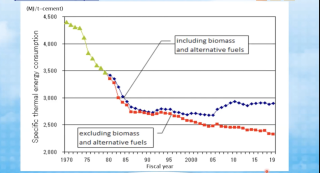
12 July 2022
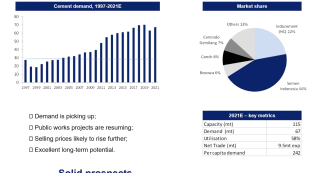
12 July 2022
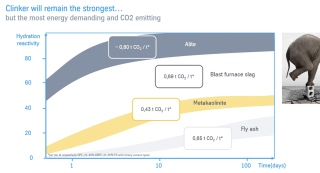
12 July 2022
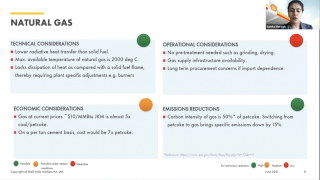
12 July 2022
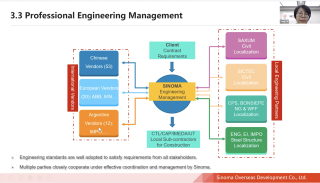
12 July 2022
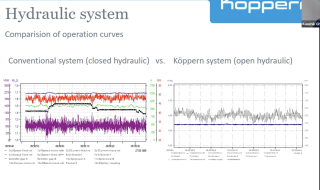
12 July 2022
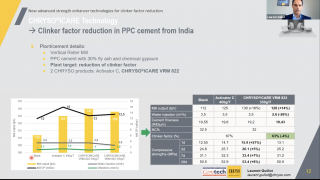
12 July 2022
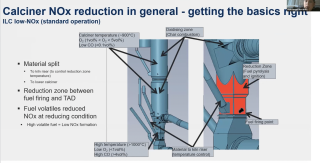
12 July 2022
12 July 2022
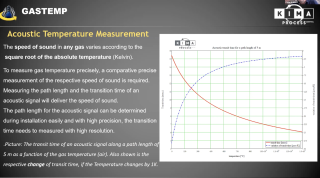
11 July 2022
11 July 2022
11 July 2022
11 July 2022
11 July 2022
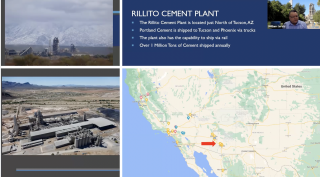
11 July 2022
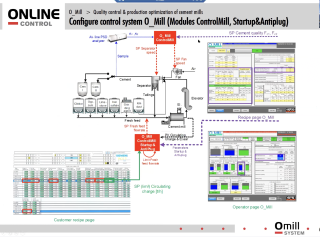
11 July 2022
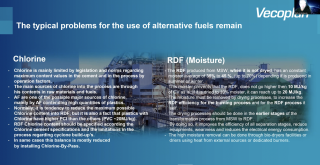
11 July 2022
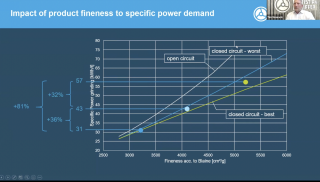
11 July 2022
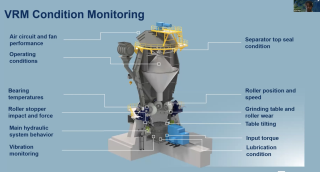
11 July 2022
11 July 2022
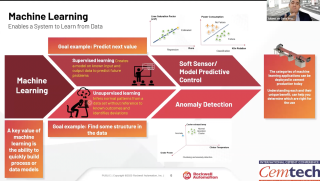
11 July 2022
11 July 2022
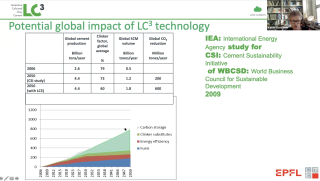
11 July 2022
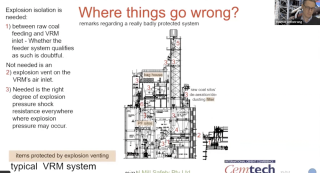
11 July 2022
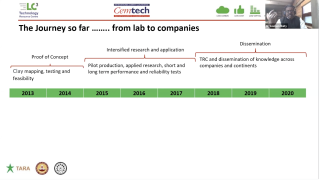
11 July 2022
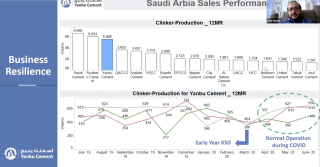
11 July 2022
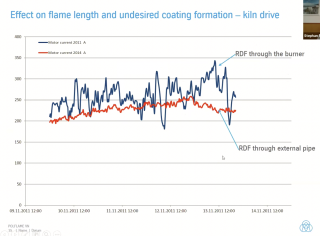
11 July 2022
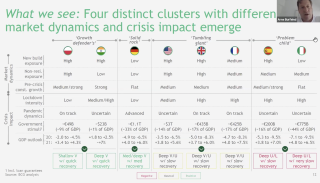
11 July 2022
11 July 2022
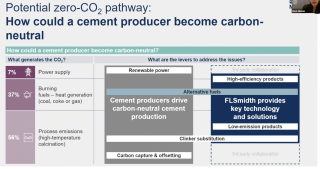
11 July 2022
11 July 2022
11 July 2022
11 July 2022

6 July 2022
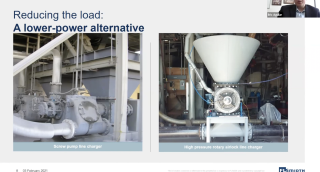
1 July 2022
1 July 2022

8 June 2022
12 February 2021
12 February 2021
12 February 2021
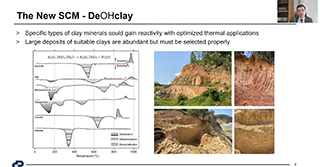
12 February 2021
12 February 2021
12 February 2021
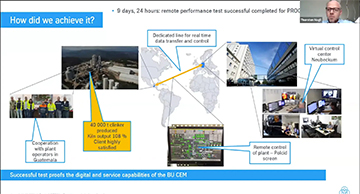
12 February 2021
12 February 2021
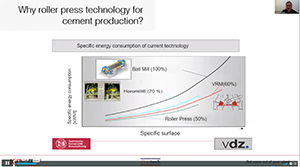
25 September 2020
25 September 2020
25 September 2020
25 September 2020
23 September 2020
22 September 2020
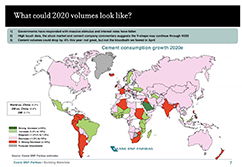
22 September 2020
21 September 2020
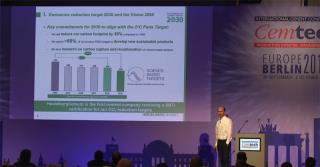
20 February 2020
10 February 2020
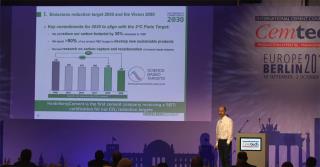
10 February 2020
10 February 2020
7 February 2020
27 January 2020
23 January 2020
23 January 2020
23 January 2020
23 January 2020
2 May 2019
30 April 2019
18 April 2019
18 April 2019
18 April 2019
12 April 2019
12 April 2019
11 April 2019
10 April 2019
10 April 2019
10 April 2019
9 April 2019
9 April 2019
4 February 2019
17 January 2019
31 July 2018
31 July 2018
31 July 2018
27 July 2018
27 July 2018
27 July 2018
27 July 2018
27 July 2018
27 July 2018
27 July 2018
27 July 2018
27 July 2018
27 July 2018
25 July 2018
25 July 2018
25 July 2018
24 July 2018
24 July 2018
24 July 2018
23 July 2018
23 July 2018
23 July 2018
20 July 2018
20 July 2018
20 July 2018
20 July 2018
20 July 2018
20 July 2018
20 July 2018
20 July 2018
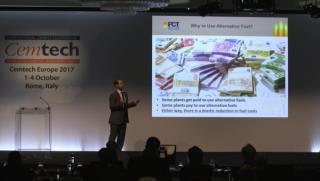
20 July 2018
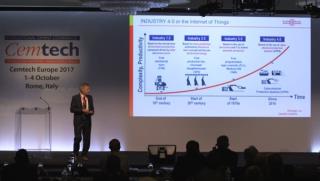
20 July 2018
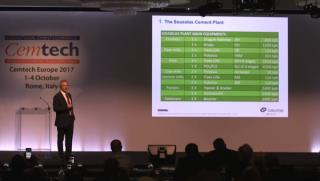
20 July 2018
20 July 2018
20 July 2018
20 July 2018
20 July 2018
20 July 2018
20 July 2018
20 July 2018
20 July 2018
19 July 2018
19 July 2018
19 July 2018
19 July 2018
19 July 2018
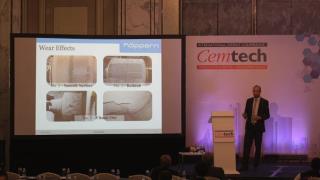
23 March 2018
23 March 2018
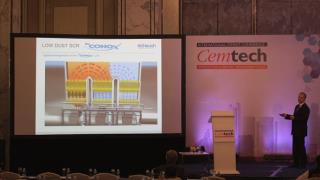
23 March 2018
23 March 2018
23 March 2018
23 March 2018
23 March 2018
23 March 2018
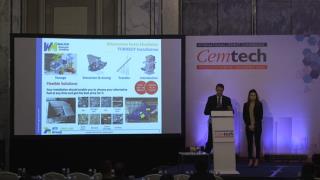
23 March 2018
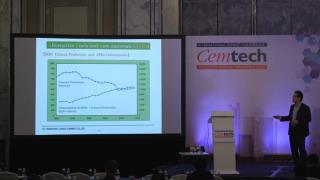
23 March 2018
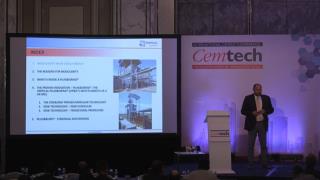
23 March 2018
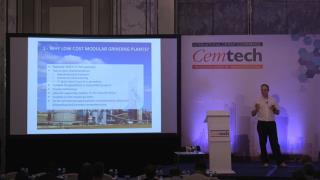
23 March 2018
23 March 2018
23 March 2018
23 March 2018
22 March 2018
26 October 2017
26 October 2017
26 October 2017
26 October 2017
14 August 2017
14 August 2017
14 August 2017
14 August 2017
14 August 2017
14 August 2017
14 August 2017
14 August 2017
14 August 2017
14 August 2017
14 August 2017
14 August 2017
14 August 2017
14 August 2017
18 July 2017
18 July 2017
18 July 2017
16 June 2017
16 June 2017
16 June 2017
16 June 2017
16 June 2017
14 February 2017
14 February 2017
14 February 2017
14 February 2017
14 February 2017
14 February 2017
14 February 2017
14 February 2017
14 February 2017
14 February 2017
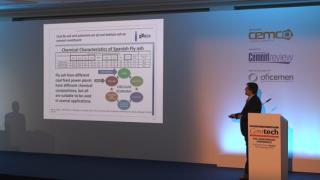
13 February 2017
13 February 2017
13 February 2017
19 January 2017
19 January 2017
17 January 2017
17 January 2017
17 January 2017
6 January 2017
18 August 2016
18 August 2016
18 August 2016
18 August 2016
17 August 2016
17 August 2016
17 August 2016
16 August 2016
16 August 2016
16 August 2016
12 August 2016
12 August 2016
12 August 2016
11 August 2016
11 August 2016
11 August 2016
10 August 2016
10 August 2016
10 August 2016
8 August 2016
8 August 2016
8 August 2016
6 May 2016
6 May 2016
6 May 2016
6 May 2016
6 May 2016
6 May 2016
6 May 2016
6 May 2016
6 May 2016
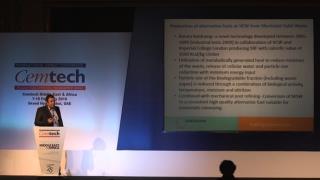
6 May 2016
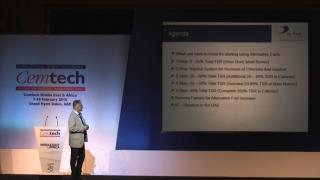
6 May 2016
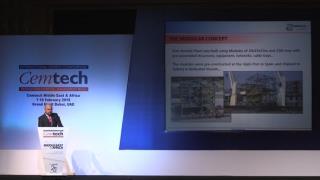
6 May 2016
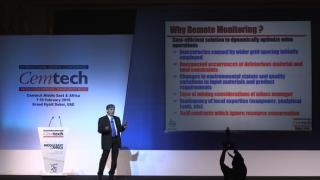
6 May 2016
6 May 2016
6 May 2016
6 May 2016
6 May 2016
6 May 2016
6 May 2016
6 May 2016
6 May 2016
25 April 2016
25 April 2016
11 March 2016
11 March 2016
11 March 2016
11 March 2016
11 March 2016
11 March 2016
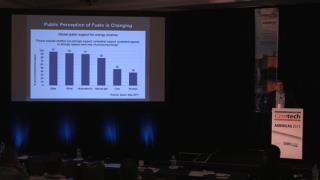
11 March 2016
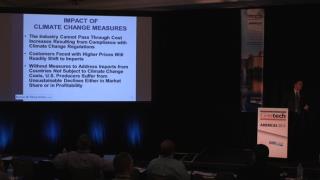
11 March 2016
11 March 2016
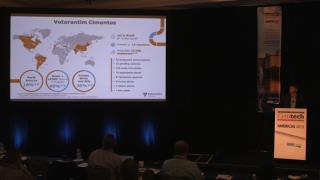
11 March 2016
11 March 2016
11 March 2016
11 March 2016
11 March 2016
11 March 2016
11 March 2016
11 March 2016
11 March 2016
11 March 2016
11 March 2016
21 December 2015
15 December 2015
15 December 2015
15 December 2015
15 December 2015
15 December 2015
15 December 2015
15 December 2015
15 December 2015
15 December 2015
15 December 2015
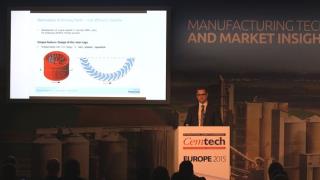
15 December 2015
15 December 2015
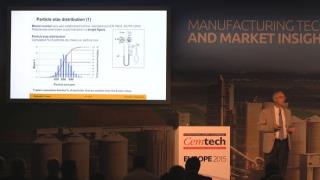
2 December 2015
2 December 2015
2 December 2015
2 December 2015
2 December 2015
2 December 2015
2 December 2015
2 December 2015
2 December 2015
2 December 2015
2 December 2015
2 December 2015
21 August 2015
21 August 2015
21 August 2015
21 August 2015
21 August 2015
21 August 2015
21 August 2015
21 August 2015
21 August 2015
21 August 2015
21 August 2015
21 August 2015
21 August 2015
21 August 2015
21 August 2015
21 August 2015
21 August 2015
21 August 2015
21 August 2015
21 August 2015
20 August 2015
20 August 2015
18 August 2015
18 August 2015
18 August 2015
18 August 2015

30 June 2015
29 June 2015
29 June 2015
29 June 2015
29 June 2015
29 June 2015
29 June 2015
29 June 2015
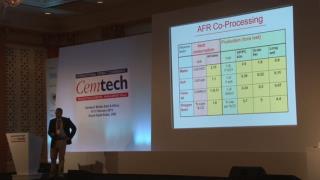
29 June 2015
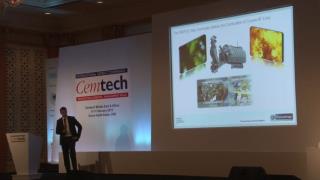
29 June 2015
29 June 2015
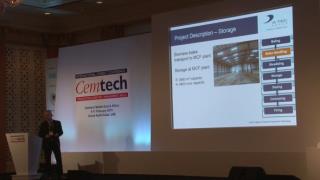
4 June 2015
4 June 2015
2 June 2015
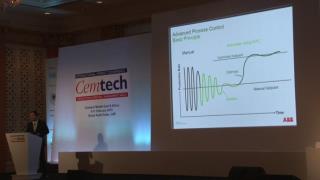
2 June 2015
2 June 2015
2 June 2015
29 May 2015
29 May 2015
28 May 2015
28 May 2015
28 May 2015
18 February 2015
17 February 2015
13 February 2015
13 February 2015
Try searching for another title.