
2 September 2026
This transcript was generated automatically and may contain errors.
Hello, and welcome to the 2025 Live Cemtech webinar. we're back. It's it's November. and I'm really pleased to be here. Once again, my name's Tom Armstrong. I am managing editor of International Cement Review. And we are here to talk about best available technologies in the cement sector practical steps towards manufacturing excellence and sustainability. and for today, we will be focusing on low clinker cements. we have a wonderful selection of speakers and topics for you. before we get started a little reminder international Cement review. We are, we are behind these webinars. we're behind Cemtech. but we'll just remind you that we are also a publication.
do think about taking it out a subscription. it covers all the, all the content, all the good content that we, we look at in these webinars. is also covered in the, in the magazine. in depth articles, case studies international reports and with every subscription you'll get a copy of the Cement Plant Operation Handbook. So don't forget to to check online at on CNET for that. many of you are also in involved in business strategy entry, new markets and developing new products.
you'll find this absolutely essential if you are interested and need to keep up to date with markets volumes trade all the information you need about tracking and understanding the the trends in our industry from a volume and statistical point of view. So, do take a look at the global cement market outlook, also on our website. A quick word about what's coming up in the new year. in three months time, we will be arriving in Saudi Arabia. We'll be running our first Emec MEA conference in Riyadh. lots to talk about in Saudi Arabia, absolutely booming country. the construction sector, many of you will have heard of the, the mega projects coming on stream. it's quite something to see.
and obviously as cement producers or suppliers to the cement industry, it's it's a key market. It will be the largest construction market in the world in three or four years time on a current trajectory. so we'll be there bringing Cemtech over from Dubai, our usual home for this two day conference and a visit of Yamar Cement, which is a, a world class facility just outside of Riyadh. so take a look online for more information and to register first to fourth of Feb or February, but back to today. and as I said, we'll be talking about low linker cements. this is all part of the wider discussion around decarbonization.
but as I'm sure we will hear over the course of these four presentations, there are many reasons for looking at low linker cements reduction of energy, reduction of fuel new products, innovative products circular economy, reusing waste. the list is really endless. I think we've got an absolutely fantastic run here of different perspectives. eco Sam and smy will be hearing about really kind of cutting edge low local of cements that are now being produced and commercialized on the market. and we're also gonna be hearing about calcine Clay production activated Clay. Another key opportunity for, for producing low clink of cements. but we're gonna start today with fly fly Ash Beneficiation.
and this is a, a topic of particular interest to me. if you were at Cemtech in Europe, you will have heard from Eco Materials. it's a company that's just been bought by CRH for over $2 billion in the us. and it is a specialist in fly ash beneficiation and promoting these products on the market. it's an incredible resource. I think in the US alone, there are billions of tons of fly ash that are in landfills, and that can be quarried recovered and and brought back into the, into the material cycle. So without further ado, it's a real pleasure to be able to welcome Penta to talk about fly beneficiation and the this important technology.
I'm very pleased to welcome Manal Mohan who's v VP of Business Development at Penta. He has experience in developing and implementing multiple channel sales and marketing strategies for industrial businesses with a proven track track record of growing revenue in existing markets, while identifying opportunity opportunities in new markets. He holds a BA in psychology from St. Louis University St. Louis and an MBA from Washington University, also in St. Louis. And he's joined by Dario excuse me if I, if I don't pronounce this right, but has, has Vic, how's that? Very good. Is that pretty close? It's only half the alphabet, so yeah, it's only, only half the alphabet.
principal consultant at Pen at Penta with over 25 years of experience in engineering, design project coordination and management. as principal consultant at Peck Consulting Group of subsidiary of Penta, he leads high level consulting projects, proposals and business development in his previous role as Chief Chiefest, chief mechanical engineer at Penter, Darrio managed mechanical implant design teams on projects and cement, lime mining, minerals, recycling, and power industries. He's also has experience in applications engineering and project management for a heavy equipment manufacturer. He holds a BSC in mechanical engineering from the University of Missouri, St.
Louis, and as a registered professional engineer. So with our two speakers ready to go, please share the presentation slides and we'll let you take the floor. Very good. Thank you, Thomas, for the introduction. Thank you everybody for joining this very important webinar today. We're, we're very excited to talk about this fly Ash Beneficiation study and really a PR practical application. We have so many cutting edge technologies out there, and so us as Penta, and let me pull that up there. So hopefully everybody can see the presentation as Penta.
we take all these unique technologies, cutting edge technologies, we combine them with well-known tried and true technologies and practices and, and really penta we provide a, an integrated solution for a variety of different applications. So again Thomas, thank you for the introduction of myself and Dario. We'll provide this very high level case study. I wanna emphasize as we go through it, again, it's high level due to confidentiality. we will touch on some of the elements we can but just gives a a very good general overview of the project and how Penta supported this particular client. But before I get into that, I'd like to provide just a, an overview of Penta itself.
So you can see down there on the lower right hand corner Penta, we're gonna be a 40-year-old, 40-year-old company. next year in 19 86 was the original founding five founders. they originally started really with another engineering group, heavily involved in cement. And that company said, we want to have everybody relocated to a different city. And these five individuals decided, no, we're not gonna do that. We're gonna go out on our own. We're gonna start our own business, our own company, which is exactly what they did. And from 1986 until today Penta has grown from just one single five man office in St. Louis, Missouri where the company started to global business.
we have offices four offices, both domestically in the United States and Mumbai, India in hundreds of team members supporting clients all over the world. during that 39, soon to be 40 year history, the way that we're arranged as an organization is aligned with project execution development. The very first part of any project and why Dario's engaged on this webinar is so critical and important. Daria leads our consulting group, and in that consulting group, he handles all sorts of upfront feasibility plant audits, CapEx, opex material testing, validation, all key elements that are needed in order to have a solid project execution plan.
Our largest group within our organization is our engineering team. we have in-house civil, structural, mechanical, electrical, and process engineers. We have your procurement support expediting staff that works closely with them. And I wanna emphasize that the global nature of our organization, our team in Mumbai which is a pentech company also has engineers and designers that support projects all over the world. that engineering team does detailed design procurement support, and that then leads to our industrial group that gets involved with industrial construction projects. we do EPC engineer procure construct projects, as well as engineer procure construction management projects.
So in this case study, we'll get into here in a moment, we provided this particular owner with an integrated streamlined approach where all organizations within Penta and divisions worked together with this owner. But for them, it was one company, it was Penta they were working with. And that single source responsibility was so important for successful execution of this particular project. So, project methodology, let's talk about exactly how we integrated with our owner and work together. On this particular project, it's was a as you can see there, two key phases. the main execution phases were feed front and engineering design.
So this owner had already defined the you know, the opportunity base case, had some sort of a design basis, had already explored the deposit the impoundment waste ash. And so we were engaged then to take that, those key initial documents and design basis and advance them through the engineering process. So as you see there with this front end engineering design, we had our consulting team and our engineering team working closely together with the owner to develop key design documents, flow sheets, equipment lists conceptual design opex, CapEx valuation, and I'll get into more detail that and subsequent slides.
But that feed phase of the project then allowed our client to go for corporate approval so they could make informed financial and risk decisions at a key stage gate within the project. And in this approach, I wanna emphasize the way that Pento works with all of our clients. We take on quite a bit of responsibility, but all of our clients have full decision making capability at any stage in the project. And that's exactly how we executed this project. So close collaboration with the owner and our teams. And after the feed phase we moved to engineer, procure, and construction management.
The EPCM method was selected both for being cost effective and streamlined and allowed for that owner to have some flexibility in selecting their preferred contractor. The other thing I wanna emphasize about Penta, and specifically this project, we are flexible. So this was the Beth best execution method for this particular project. So, a little bit more detail, again, very high level, but we get into project phases. So again, in the feed phase what we needed to do as Penta. So the owner had looked at the deposit, they understood what was there what they could recover.
So our role was then getting on site and doing an evaluation and an assessment of, as an example, electrical and utilities footprint, determining where the plant was gonna be located, working with the owner on that. And I wanna emphasize this was at an active coal-fired power plant. So you have the brownfield dynamic of working in an existing operation with minimal disruption. So that was key in front of mind for us in the design process. And then permitting the owner in this case, they went ahead and obtained the environmental permit.
We provided the design input, so emissions points, key design documentation that were part of the application that was submitted that allowed them to obtain their environmental permit for the project. Penta also worked closely with our, our client or owner. We used those terms interchangeably to finalize the design basis and key design elements. And we also got involved with equipment specification. So a big part of what we do is we try to identify, again, this balance between new technologies that we have and tried and true technologies, and provide a system that works together in totality.
So you have all these different pieces of equipment but at the the heart of it, raw material in product out on the other end, and you have predictability in your operations. That's something that's front of mind for us in design. And then we also supported CapEx or capital cost estimation. So the accuracy level at the end of that phase was an a, a CE class three or plus or minus 20% accuracy. So with those design deliverables, with that CapEx, our client, the owner could then go for internal approval of the project, full funding. And we were then provided authorization to proceed with the EPCM phase of the project. So in this phase we penta completed all the detailed engineering.
So that includes civil, structural your, your site grading you know, your storm water prevention plans, foundations, steel supports your mechanical equipment arrangements, all of your shoots ducts, piping, all your interfaces, which are so critical to make sure the system works in totality. and then the electrical. We provided all the electrical engineering, including instrumentation and controls and programming of the system. So in the EPCM phase as well, we provided full construction management and an onsite construction manager throughout the construction phase of the project.
So in contractor engagement in commissioning, our construction manager was on site every day working closely with the contractors, making sure work was done safely providing good work plans throughout the day and lookaheads with the owner and regular reporting on budget schedule. And any issues we made sure we were on top of those. And then transitioning to commissioning, bringing vendors on site facilitating commissioning activities. again, we provided programming for this particular system. So we had an engineer, an electrical engineer, actually on site many hours. he said he enjoyed it. I'll take his word for it.
It was a lot of hours on site working to tune up the system, but he's very dedicated and the owner had a, a good working system at the end of the project. So final phase of system turnover to our client who is now utilizing and operating that system successfully. So really, what prompted this particular project? Why was it even being considered? as I'm sure everyone or a number of people know on this call in the us there's a, a, a closure of a number of coal-fired power plants domestically in the United States.
So that fly ash supply, which is so abundant in the past, was now becoming more constrained in the particular market where our client is located, they were experiencing these coal-fired power plant closures, which required them to look at other sources of ash and the need for a sustainable supplementary cementitious material source to meet their operational demand. So they looked at reclaiming and processing this landfill fly ash, this type F fly ash, and that's where pen tool was engaged. And our objective for the project was quite simple, take this waste material and turn it into an SEM that meets C six 18 A STM standard for use in concrete.
And that's what we did on this particular project. So I mentioned before, but touching on project considerations. Again, this is a tight brownfield site and environment with an active coal-fired power plant to operation in the background that was front of mind and considered at all times during the design phase of the project. and then that required integration with existing systems and utilities. we actually, in Dario transitioned to him to talk about technical aspects of the project that allowed us to utilize, as an example, in existing loadout tying into exec electrical infrastructure and the other utilities there on site.
So that included as well, pneumatic conveying, we had a, a compressor system added to support pneumatic conveyance of this particular system. And I also wanna make mention as we talk about pneumatic conveying and ash, highly abrasive. we're very familiar with that from our, our you know, 39 years in cement handling clinker. So where elbows were considered you know, your hardened materials were considered for the system. And then feedstock variability, it's a waste endowment. The material is not it was not landfill in an organized fashion. It essentially a, a large dump.
So characterization was so important, and equipment selection was critical, where we did not integrate equipment that was not necessary for the particular system, only what was required. And so that equipment selection process was very important in the project. And then the biggest element of all is this straddle the pandemic. We were in the middle of COVID-19. so in construction safety protocols were followed. people were masked, temperatures were taken. but that presented a, a challenge and, and a wrinkle. But we worked through it. We did so with good communication, regular coordination with the owner, even the power plant, which had its own safety protocols already in place.
And everybody came out of the project, nobody was sick and, and that was not a major factor for us in executing the project, we, we managed that. So now I'd like to transition over to DIO to talk about the technical aspects of the project and the actual reclaim classification system. Dio, Thank you. Thank you, Minaj. let me start by touching on material testing and feedstock characteristics topics. harvested flash was collected from a nearby landfill where millions of tons had been stockpiled over the years. the early test results of the feedstock indicated that the combined content of silica, illumina, and iron oxide exceeded 70% by weight while calcium oxide was below 7%.
The results of this chemical analysis qualified the material as oleic Class F type fly ash, as defined by a STM six C six one a specifications. As menage already mentioned, the feedstock was delivered to the site pre-blended with moisture content of up to 16%, and a particle size nearly 80% passing six millimeter based on the initial material testing. Target. Product gradation was also defined during the preliminary stage with its moisture content kept to 1% or less per client specifications. the next step in sequence that took place was phase one of front-end engineering design, where we supported environmental permit by providing the following documents.
Our questionnaire was initially provided to collect client clarifications that led to fully confirmed scope of work design criteria, in essence, a process recipe for the project with summary of information about material characteristics, mass flows, and other critical parameters. Was also provided process flow diagrams, which in conjunction with our design criteria helped establish the foundation for development of detailed equipment specifications for competitive bidding.
And at the end plot plan for the new facility was also provided in that plot plan outlined major process areas such as raw material storage, receiving and reclaim raw material drawing and process dust collection, drug material transport to screening and air classification, oversized material handling product material handling to new and existing storages and new product dispatch. After completing phase one, the client reviewed the progress and approved phase two, where the additional design details were completed, as we can see on, on a show as shown on image to the left.
On, on this slide, we can see phase two results compared to what was built on issue for construction documents delivered after phase one. So everything that's also that's shown in orange color here is existing. Everything that's in different colors is what, what's been added to the project in, in our engagement. phase two of this frontend engineering design included fine tuned equipment AR arrangements based on field scan information fully developed equipment, bid packages, and engagement with client approved suppliers. Equipment testing was performed earlier to identify most effective material handling methods. We also supplied equipment list and motor list.
basic structural design with preliminary quantities was also supplied on the electrical side, electrical pnis with process control logic. capital cost estimate was generated with an accuracy of plus minus 20%. As Manaj mentioned we included preliminary project schedule and we crowned everything with the phase two engineering summary report. the final phase was scheduled to begin after the receipt of certified equipment drawings from approved suppliers following the drawing approval process. In the final phase of of the project Penta prepared issue for construction documents based on certified equipment drawings.
we ensured seamless coordination between our engineering and construction management units, and we supported the client with onsite construction management. As mentioned earlier, once the final design deliverables for feed installation were issued Minaj, can you advance to next slide, please? Yes. Thank you. Here are the, a few highlights and benefits of this project and its approach. it's first of its kind facility dedicated to reclaiming and classifying of high rested fly ash. The new system enabled the client to use recycled supplementary cementitious material.
And as far as EPCM approach, it was focused on management and oversight, and Penta was ex acting on client's behalf, which offered very cost effective and timely project execution. Another benefit worth mentioning is that this entire project, from its initial planning through the execution, was managed by a single team. And this approach eliminated the need for handover between multiple parties and ensure that all project knowledge remained within one team. I'll hand it over to you, Minaj. Excellent, thanks, Darion.
So just in closing as Dari mentioned, all these different key elements, again, I, I started off by talking about this blending of, of you know, known technologies with new technologies, which I'm very excited to hear about as well today. But Penta one of the things with our group we're we live in reality, we live to budgets and schedules. And so being practical is extremely important for us in the design and construction of all the projects we take on, including this project. So our our focus and goal is always to provide a, a working system that an owner, once we go away can operate and grow their business from.
And what was so exciting to me is that, again, we started off, I talked about Penta 39 year history in cement. We have a, a unique skillset that we could apply to a new application and help this particular client with this fly ash reclaim and classification beneficiation system. So with that, I will open the floor to any questions, and I also will make note if we are not able to answer a question on this call, I would encourage everybody who's on, feel free to reach out to us at Biz Dev, B-U-S-D-E v@penta.net. And we look forward to talking with you about your next project and help Penticton partner with you on that. So thank you so much, everybody. Thank you very much.
Manoj, Dario, a really interesting project and it's, it's interested the audience, there's a few questions. I'll just kind of go through them and we can see what works. But I guess want to start with is how involved was the power plant owner in the process? I mean, you, you mentioned the structure of the of the package of, of the of the contract, but can you give us any more insights into that? Sure. So the power plant engagement, it was really with our client directly. So I will state that before we were ever engaged, there was probably, I, I'm, and I don't know the exact duration, months long discussion about the reclaiming the risk legal elements. they had their own agreements in place.
the elements that we were front of mind on any sort of safety protocols that were specific to the power plant risk elements the just basics of working at that site, where do we locate at you know, our, our operations laid on your, that sort of thing. but they were heavily involved. And because for them it's extremely important as you as everybody understands. I mean, this is a waste material, it's an impoundment. The communities do not want these impoundments there for a long period of time. So I believe the power plant owner was incentivized to support this project, but they were heavily involved which proceeded our engagement. Yeah. Okay.
And there's there's a lot of questions that are around characterizing the fly ash. Mm-hmm. And and maybe if I just read out a few you can, you can take, you can take them. But what what, what was the what, what, what Blaine is acceptable for fly ash that's gonna be used in, in making cement concretes? is bot mash commingled with the fly ash? what's the variability of the chemical composition particle size, LOI these kind of things? Can you talk around that? Maybe Dario is that one for you just to talk around the the actual characteristics of the, of the fly ash? Sure. For, for this particular ca case, our high risked fly ash classified as, as our classified as fly class F fly ash.
we had the specific LOI content was defined as us less than 6.6 0.0%. Moisture content was set at 3.0 percent, and then strength activity index greater than 75% at seven days. again, this is per A-S-T-M-C six, C 6 1 8. this particular specification will not get you the entire gradation of the product other than maximum 30, 34% retained on 45 microns size. So for anything greater than that, as far as its gradation, we got the specifications from the client. Okay. and can you talk at all about the performance of the reclaimed fly ash in the concrete compared to the concrete made with, with ordinary flash? I, well, the go Ahead. Yeah.
you know, class F flash typically help develops concrete strength more slowly, but enhances its long-term durability. it, it better resists sulfates that enter concrete through pores and cracks, and they may accelerate deterioration. they can cause also internal stress and cracking. so Class F was beneficial from that standpoint. in terms of handling, is it, is it very different? Very abrasive? As menage mentioned, the pneumatic conveying system was specifically carefully selected and, and chosen in order to, to satisfy the condition that that this material required.
And as I understand it, there are really some quite enormous stocks of of, of flash in in the us Do you see this as quite a, a major growth area? Oh, absolutely. I, I think based on the number of coal fired power plants going offline, the necessity for sems I think it's an all the above strategy. When you look at fly ash slag a variety of different materials they all have to be considered. So again, you don't have fresh sources available. So yes, you will be looking to impoundments, and as you mentioned, Thomas eco material is a group. they're one of the leaders in that space, and they've wholly vested quite a bit of resources into that specific endeavor.
So we only see that growing over time. Absolutely. Yeah. No, I agree. fantastic. Well, a really valuable contribution, and hopefully we'll, we'll hear again from you in, in the future and and see how this technology gets rolled out and, and, and evolve evolves o over time. So Manoj, Darrio, thank you very much for that presentation. thank you. So onto our next one. Yeah, let's let's hear from Alexandro. ESP gel who is a sales and management professional with 20 years of international experience specializing in digital transformation in the cement and concrete industries.
he's head of sales for cement at smy leading sales and customer onboarding for AI driven production and CO2 reduction solutions. He previously held senior roles at Cemex and FL Schmidt in, well, which is now Fuller from yesterday, I believe including vice president and head of sales and service digitalization. Alexandro holds an MBA from Copenhagen Business School and A BSC in mechanical engineering from Monterey Tech with further studies at in CN Walton and Columbia, which is, makes him probably the most awarded of all our speakers today. So please if you'd like to share your slides and the floor is yours.
Thank you very much, Thomas, and thank you for the introduction, and it's really, really exciting and amazing to see the, that we have more than 300 people connected in this call from all the corners of the world. I think it's highlights the relevance of the topic that we're discussing today, and I'm very happy to have this opportunity to present to you. myself. I come from Mexico. I live in Sweden. I work for a German company, and I'm currently at Drew visiting our local cement producer colleagues. So, so very excited to be here, and having this opportunity to present how alami together with other stakeholders, developed a low linker cement using machine learning.
as I said, my name is Alejandro Beel. I'm the global head of sales at Alami, which is a German company founded eight years ago with the sole mission of helping our customers in cement and concrete to decarbonize their products with the use of machine learning.
So during my presentation will tell the story of a product that was originally called EMX during the research and development phase, but today it is a fully commercial and certified product sold in Germany called Naturey 65, where as you can see from the illustration, the percentage of clinker in the formulation is only 30% of clinker, which is something that seems kind of impossible today, but it's actually possible as you can see from this case study. Now, this product was developed with three technology foundation pillars. On the one side separate branding technology was used to maximize the activity of, of each of the components in the mix.
Then there was plenty of research and development that underwent to find not only the ideal formulation in cement, but also the ideal ratio of water to cement on the concrete phase, and to certify that the durability of the product would meet the required construction standards. And finally, the project relied heavily on the use of artificial intelligence and more specifically machine learning to be able to find the optimal recipes and find the set points that would allow to deliver the required performance of the product.
And this last part is where I will delve deeper during my presentation as this is what our company does, but to provide a greater context into the topic, I really like to use this illustration taken from the American Cement Association roadmap to carbon neutrality report from 2021 that illustrates the value chain of cement and concrete and the different phases that are involved in the production of, of cement, the transformation to concrete the application and the eventual carbonation of the product.
And as you can see from the bottom of the chart, the report also alludes to the development of low carbon cement and new sems as one of the key solutions to achieve decarbonization in the industry. I also like to compliment this chart with an overlay of the relative generation of oral absorption of CO2, depending on the face of the life cycle. Whereas we know clinker is a stage of production where most of the CO2 is generated, and where the key to success in, in terms of decarbonization, is not only to produce clinker in the most CO2 efficient way possible, but also to minimize the content of clinker in the cement recipe.
And more than that, to reduce the content of cement in the concrete formulation, which also requires cement producers to understand, which will be the application of the concrete product in the construction, so that everything can be optimized in the, in the end. Now, there, there were different actors involved in the development of mx, which again, today is called natural M 65. I will speak about the product of course, but there were other actors, namely the cement producer behind it, which is Spinner Cement, a real estate project developer called Edge, as well as the machine learning solution provider, which is us in Alami.
Now, to talk to you a little bit about spinner cement, they are a German company founded over a hundred years ago. And as you can see here from the slide, they have one integrated cement plant and two grinding stations on the concrete side, they have 26, sorry, 27 concrete plants, all of them in Germany. And they also have a prefab solution business unit called spinner system. It is actually worth noting that one of our founders, local spinner, is the grandson of the founders of Spinner cement. So he knows the industry very well, and this is where the inspiration came knowing the sustainability cha challenges that the industry faces in the future and where the vision of Alami was was born.
Now here you can see the product sheet for what today is the M 65 product, where, as I mentioned, it's fully approved by the German Construction Authority and it's commercially sold in Germany today. As you can see on the right hand side, the formulation of the product is a combination of 30% of clinker, 33% slack, and 37% limestone, which gives us a CO2 footprint that is 65% lower versus a typical SEM one product. Now, if we look at it from the concrete angle, the CO2 footprint of this product is 52% lower versus a concrete class C 30 37, which is the average concrete use in the German market.
And as you can also see in order for this product to be technically viable, the water to cement ratio needs to be quite low in the order of 0.43, which makes water control not only challenging, but also a key factor in the use and application of this product On them.
Redix site, the equivalent CO2 footprint per cubic meter of concrete is 125 kilos of CO2, which places this product at a level three under the Concrete Sustainability Council nomenclature, which you can see here further in this chart where, again, based on the C 30 37 class and the net kilos of CO2 per cubic meter, we put this product at level three, which also, as I mentioned before, this basically means that this product's CO2 footprint is a little bit over 50% lower versus the nominal product. Now, Cemex or NS 65 took well over a decade to be developed. So this was not an effort that was completed overnight.
The effort started back in 2012 with research that was that led the foundation for MX between spanner cement, the VE set, which is the German Association, cement Producers Association, and the Technical University of Darmstadt. Later on in 2018, the foundation for Alami was late, where our founder developed the concept of how to use predictive quality management and, and enable this vision to allow cement and concrete producers to monitor the production and the performance of cement and concrete, including the performance of the concrete.
During the journey in the mixing truck from the mixing plant to the construction site, there were different phases of development on the testing and in the first part focusing mostly on cement, where, as you can see here, different tests were developed to find the right finance for each of the products using different type of branding equipment, and then being mixed in in a battery of mixing silos.
there was also a lot of development later on to identify the optimal or, or the limit ratio between different proportions between clinker and limestone and con content of water that would allow the carbon, the carbonation of the product to be on their, on their proper limits so that the reliability of the, of the product could be guaranteed. So, going back a little bit to the timeline after all of this extensive research then in 2023, there was some durability testing that was accredited by the, again, and in April of 2024, there were approvals received for this product to be industrially produced and, and sold in two of the spinner cement plants.
And as of today, this product is used or has been used in several lighthouse projects, and is planned to be used in many more re real estate projects on their, on their development. Now, one of the real, real estate, sorry, developers that is using Nature 65 is a Dutch company called Edge that has projects in many countries across Europe and the, and the US and Edge has always focused on innovation and sustainability, and they have a very strong commitment to developing net zero buildings, not only from a project standpoint, but actually also during the operational phase and the full life cycle of the buildings that they develop.
And in order to give you a few examples, on the left hand side appears the building that is called Edge East Side in Berlin. It's one of the tallest buildings in, in Berlin, which was the first project where Nature 65 was used and where it could be validated that the concrete using this low carbon cement could be handled as any other concrete and pumped to the top floors of the building where the application was made. And this building serves today as the headquarters of Amazon in, in Germany.
And then on the right hand side, you see another example of a project that is being constructed today and close to be completed soon called Edge Frederick Park, which will be utilizing a little bit over 12,000 cubic meters of concrete where nature is the key component in the, in the formulation. Now, now, I would like to turn and pivot a little bit the rest of representation to talk a little bit more about machine learning part of the story. And to pivot I would like to, to make use of this analogy where I, I consider that most cement and concrete producers today are essentially controlling their quality in a way that is very similar to driving on their very thick fog conditions.
And what I mean by that is that they, the cement producers do not really know what is ahead because they do not have visibility of the performance of their products, given that if we focus on the cement side, for example, they do not know what the strength performance of their products will be until after 28 days, which by then their products have most likely left their cement plant, and there's nothing they can do to adjust it. On the concrete side, the concrete producers are also driving in very thick fog, because once the concrete leaves their ready mix plant, they don't really know what performance will be in terms of slump until the product reaches their construction site.
And then it's very difficult to adjust and, and optimize. So this is where SSI comes in. We have two software as a service solutions using machine learning to optimize the quality of both cement and concrete, using a combination of predictive and prescriptive analytics that allows our customers to produce their products and then get to know in real time what the performance of their products will be. And moreover, what is the operational adjustment that they need to do to make sure that the quality is optimal? And on target our company today has a little bit over 50 colleagues, mostly in, in Germany, but a few of us also located elsewhere.
And we are supporting cement 40 cement plants around the world and in 16 different countries. And on the concrete side, we now have a little bit over 120 concrete plants using our technology. We are very proud from the fact that even though our solution is a software a service, and our customers access our platform as an annual subscription that can be canceled rather easily. None of our customers has ever canceled the subscription with us to date, which I think validates the value that they get from us. And as you can see from the right hand side, the list of customers continues to grow, and now includes all of the top global cement producers and many other regional leaders.
Now, to briefly explain how machine learning works, and what we do in Sami is basically to create algorithms or models that feed from all the historical quality data that is available at, at the plant from two sites, primarily. On the one side, we take all of the measures available from the production or hourly samples that are analyzed as the producers grind their products in their finished meals. And on the other hand, we also take all of the available quality information from the daily composites and dispatch samples where for both sides, we take all the information measurements available in terms of chronometry or particle size, chemistry and mineralogy.
And on the right hand side, we take all of the data available for the compressive strength measures that has been tested across the, the available history. And then we use all of this data and combine it using data science and a combination of linear regressions and random forest techniques to develop models that allows us to determine the correlation between each of the typically 50 plus measures that we use in our models and the compressive strength. And once we train these models, we can predict the profile of the compressive strength across the different curation ages that the customer is interested to track and optimize as the cement pro. products are, are grounding in real time.
What this essentially means is that our customers producer cement, they will receive through the LSME platform predictions, as I had mentioned, but more than that, and operational adjustment recommendations, which can be either finance based or recipe based, depending on the operational strategy of each of our customers. besides the machine learning, there's plenty of data pre-processing monitoring that makes our product and prediction stable, where we, for example, make weekly retraining of our models.
And where we have also automated other processes for auto smoothing outer underlying outliers, sorry, detection and, and discarding values that, that seem unreliable so that the recommendations from the, from our software are, are always accurate. And with this visibility that we provide to our customers, we allow them to progressively reduce the quality variation to the minimum. And with this base and, and ones that are delivering the quality and target, they can make constant recipe adjustments that allows them to remove clinker at a faster pace than the rest of the industry.
Here you can see the typical clinker factor reductions for a variety of different cement types that we have helped our customers achieve. Now today, I cannot give you a full demo of the, of the software because of time. I would be happy to schedule one if any of you is interested in. But just to show you how our platform looks like, it is a web app that can be accessed by any computer or mobile device connected to the internet, which also means that the insights and analytics doesn't necessarily need to be accessed from, from a plant level. This, this enables also enterprise quality management.
And you can see a number of the different views that our software provides creating different insights. Here we have the quality view that gives a time-based overview of the evolution of the predictions and the real strength measurements made by the customers, where the customers will be able to visualize trends in real time and take action. Here I'm showing the control room view, which is giving the control room operators a very clear insights into the performance of the products that they're grinding, and also the operational adjustment that they need to make in order to make quality as close as possible to the target Here.
I would also like to mention that our competi sorry, not our, our customers can use Alami to complement an existing advanced process control solution from any supplier where we can integrate the setpoint recommendations coming from alami into our customer's a PC, and close the loop so that the optimization is done completely automatically. and we also have new dashboards that allows us to monitor the adherence of our customers operators to the recommendations of the software to make sure that the users are following their recommendations and gaining value from our, from our platform.
Now on the concrete side, we also use machine learning to correlate all of the information available at the mixing plant. And what we do is that we install a hardware kit that our customers can either lease or buy from us, and allows us to determine what the slump of the product is as it travels to the construction site, and also monitor the water addition that takes place during the journey and give the driver of the mixing truck a very clear instruction of the water adjustment that needs to be made, if any, so that this lump is as per the specification.
And here you can see a case study from one of our customers where we allow them to create a full transparency of all of their dispatches and deliveries across their fleet. That is covered with alami. And also this allows them to progressively reduce the variation of the quality and as well the cement buffer or the cement content in the, in the concrete formulation which is typically in the order of five to seven and a half kilos cement per cubic meter of concrete, and also allowing them to save water in meaningful levels. And as I mentioned, reducing the quality variation in terms of spread or or slump depending on, on what they mentioned.
Again, in the lack of time for a full demo, I will show you here just a few snapshots of our software that shows very clearly how the slum is during the journey and what type of adjustment should be done on the on the operational side. And we also have some views that allows full dispatch monitoring for the people working at the, at the mixing plant, as well as a mobile app for the truck drivers so that they know the exact adjustment that they need to make based on the dispatch that that they have in their, in their unit.
So to conclude, I would like to go back to where I started in my presentation and show again, the different elements to success when it comes to the development of, of low clinker cement. there's no silver bullet. I think it it requires a combination of different technologies both grinding material and artificial intelligence. And I would also like to reflect a little bit on this, in this quote, taken again from the roadmap to carbon neutrality report that states that there is no single process product or technology that can get the cement and concrete industry to carbon neutrality.
And where the decarbonization strategies should consider the direct and indirect impact that any change will have across the life cycle of the final project. And simply shifting emissions from one point in an industry's value chain to another is not really progress. So with this, I conclude my presentation. Thank you for your attention today. Here, you have my contact details. if you scan the QR code, you can connect with me via LinkedIn, and I would love to continue this dial with you further. Thank you. Wow, thank you very much, Alessandro. A lot of ground covered there and a, a fascinating presentation. the nature send product is really interesting.
it's already now it's built the, the, the headquarters of Amazon, Germany, and some fantastic references. I was wondering first of all, what the product itself what kind of volumes is it being produced in? And and also can you talk a little bit about the, the kind of factory setup? Is it bull mills or vertical roller mills? is there any difference between the two when you are, when you are making this product? Yeah, so I cannot really answer the production volumes because that's those that is information for, for spinner cement, and, and we don't really have a full visibility of that.
we, we do get an overview of the different, as I mentioned, lighthouse real estate projects that consume these type of products. But as, as I understand it, the, the use and application of natures has been, have been, has been growing since it was commercially introduced yeah, almost two years ago. And the, the, as to how the product is produced is a combination if I remember correctly, a vertical roller mill plus a roller press where the different materials are ground to separate fines and then stored in mixing silos and, and yeah, combined to, to make the final formulation just before dispatch. Okay, very good.
is the cement is it defined, is it, does it sit clearly within the European cement standards? EN 1 97? I would have to check back on that. I believe there is in the German cement classification, there is a new class for this type of product. but I would have to check how exactly that matches the, the European Cement Classification. Yeah, I'll take that. Yeah. Yeah. And, and just thinking about other products, I mean, is the technology that you apply agnostic to the type of formulation? So it could be a slag, it could be another, another reactive material, it could be a cast on clay, it could be anything. And, and now me is able to optimize that process.
Is that, is that the, the kind of the idea? Yeah, that, that, that is correct. Now, I, again, working for 39 39 47 plants as, as we do at the moment. We have experience working both with traditional additives and, and iner materials as, as well as ems like Cal Cal Clean as, as you mentioned, the models that we build are particular to every plant and the quality information that that they have in their, in their hands. and we can also work with different types of branding technology, whether it's bowler ball mills roller presses, vertical roller mills, horror mills as long, as long as if there's a data foundation, right?
As, as long as there is sufficient historical data on which we can build our models, we can work with any type of grinding process and materials in the recipes. Very good. Well, thank you very much. Thanks for sharing all of that really interesting. And I'm, I'm, I can see from the questions that have come up in q and a that people are really engaged fantastic product. thank you very much for that presentation. Thank you Damas and everyone. very good. Well, we're gonna move now on to Castine clays.
I'm very pleased to be able to welcome Pedro Ladera who's a chemical engineer and sustainable sustainability director at FCT Combustion with over 30 years of technical and managerial experience across Latin America in the cement, industrial minerals, lime fertilizer, and Cal Clay calcination sectors. His experience includes advanced pyro processing technologies with a specialized focus on Clay Cal Calcination and its transformative applications in sustainable construction materials. Pedro's master's research on NOx emission reduction in clinker kilns underpins his commitment to eco efficient processes.
He holds patents and has spearheaded the development of innovative potassium oxide based fertilizer processing routes developed in collaboration with the University of Cambridge. Currently, he leads product, projects in sustainability engineering, r and d product development and process optimization, driving forward the clay calcination business and related industrial advancements for FCT. So an illustrious CV Pedro over to you to talk about Caine Clay. Thank you. Well, Thanks Thomas. Thanks for the opportunity of being here. so the topic today is gonna be related to Caine clay color control.
I think there's a very important topic every time I hear from from clients, they wanna move forward with the calcination of clays. They're really concerned about the quality they're gonna produce out of this. So, I, I just selected this topic. We're gonna go in depth on this one, but before that, that just mean introduce the company. FCT is a company that's been in the market for the last 40 years. We have three divisions. One is combustion, which is for study industrial equipment. there is a one for online analyzers and also one for the fund part, which is the flames for flames, torch and caldron for, for the Olympics. So you might have seen those in different events all over the world.
we have this global coverage, so we can we can run from the US from Brazil, from Austria, Germany China and Adelaide, Australia. So we have a, we consider ourselves a, we a company with a good coverage. these are one of our reliable partners that we've been working with. And it's very interesting to see that it's been growing. We don't know more than a thousand references of which 300 at least coming, coming from the cement industry. So we were knowing the past for being a, a company that provides burners, so burner systems of different kinds for gas, for solids, for alternative fuels, for any sort of of need depending on the fuel. And it's a, a tailor made solution we can put together.
and now dealing with the trending topics that we've involved for a company providing integration so we can deal with different aspects and also different industries. So now we are very focused on, on iron ore pelletizing, the Bri Kett, that's becoming a very strong part of the company in a pillar for our development. of course, clay Calcination technology, which is something that has to occur more rapidly in the world. Also, there is alternate alternative fuels and also hydrogen as a fuel, as a technology for the future. So out of those four pillars, gonna concentrate our presentation here on the topic of calcium and clay.
So we, we can deliver not only burns we can do complete plants from flash cal sinus, from burn system, from valve trends, from moving through hot gas generators fluid ed and BM Ss and burners of course. But everything done in a tailor tailormade way. Also, we are happy to announce that we've been dealing with a fly ash business lately. And we were awarded with a contract for 1100 tons a day, flash cal signup plant in the US for Beneficiation and cargo burnout of, of fly ashes. That's been very challenging and very interesting solution after all. And we are happy to, to, to have this partnership established. And this project should be come alive next year.
This is a reference of of plants and clients we've been working with in different sorts. Of from engineering to the, the activation itself, the delivery of equipment, all this for, for calcine clay. So it gives us at least roughly 50 referencing the, in the calcination of clays. So now into the, the, the, the topic of the presentation, if you look at the top three considerations to start using lc three, and specifically using calcine clay, there are three things to consider. There are raw supply and quality. So everybody's looking at the right caite content, the moisture, the quality, the how to abide to the specifications of each country and regulations, performance and technical acceptance.
And now we are pretty much focused on technical acceptance here and market adoption and regulatory barriers. But after all, there's one question that always raises from, from any presentation that on the clay ation, will the market accept a pink cement? How do I control colors? This is the, the question that everybody has. So, okay, nice. I can, I have a clay. My clay is good enough, but I, I I, I still have to produce something that shouldn't be red, shouldn't be pink. 'cause for some reason the market doesn't accept it. So what can I do to control color? So in line with this this question that we have, finally, what we are looking for is there simple solution for call control.
So, so if you look at the, what exists in the world today for rot, three cal signers some inject oil in the kiln discharge that could work. Oil can be a bit expensive and complicated, but still you can manage it. You can try using only water for the K discharge. Again, you can try and freeze the structure of the ion in a less red hu. And you, you can also inject a salty fuel along with the clay. So altogether being co-ed into the system. So, well, this can work, but typically what we see when you apply those techniques is that one, sometimes you get a core that it's still red on the calcine clay, while the crust gets on the nice, on the nice gray grayish or black color.
So this, once you grind the material, it again, it's still not well controlled in terms of color. Sometimes what you have is you increase heat consumption if you are adding water, if you are adding solid fuel in the feed not all the solid fuel that you inject in the cume will be used in terms of heat transfer. And you might lose some heat out of this. So, after all, you may have an increase in heat consumption. And this can be a, a problem because you are trying to minimize CO2 emissions and you're trying to minimize your footprint and you're for, for the sake of controlling color, you might face this increase in heat consumption and then CO2 emission.
And also some of the carbon, it gets evaporated in different forms. And you may have VOC emissions. That can be a very, very big problem for, for the community, for regulations and for permits for the installation. So there are methods, but they have those drawbacks and this challenges to face. So what we are showing this presentation would be our novel control call control technique that is special for road three cal signers. So you can have some clay, which starts by being like this, a rock clay that's very red, and guess what's gonna be very red as a product, but not, you may have this nice gray color in your calcine clay. And how do we, we do this, we use calcium.
I see calcium in the blend. So if we look at the past and look at what we know in, in, in in chemistry from clinker, we probably, all of you must, must know this diagram where it shows the development of the reaction, why you decarbonize the carbon carbon, carbon the calcium carbonate, and you get free lime available. It starts reacting what with other materials and gets to different things. So let's just zoom in a bit here and look at the bottom part of this graph where you have clay materials.
So the clay materials, once the calcium oxide is available while you take away the CO2, calcium becomes available and calcium starts to combine with aluminum, but also calcium starts to combine with ion. And that's interesting because this ion is the red stuff that makes her cement pink. So if we can combine calcium with ion, you might be able to change the color of the ion compound. So finally, when you start decarbonation releasing CAO ion and aluminum tend to to react preferably with calcium. So these compounds, which tend to be black or dark green are form and I oxide is consumed.
So reaction to core in a occur in a incipient liquid phase, that's important to say, because we, we have any liquid phase, we cannot think of using a flash. Cal sign has to be a rotary kill for the purpose of calcine in clay and control the color with calcium. So again, calcium should react with ion and get a different color out of this. So all started with the research based on, on the spontaneity of the reaction and how easy it it is to combine calcium ion oxides together and so on. That's a lot of chemistry behind that.
I'm not gonna go into details here, but finally what we see is that, well, we like to propose something that it's novel technology where you use calcium calcium's the abundance. So probably most of the clients willing to go into the cal clay calcination business, they will have some calcium bearing material close by. So this calcium bearing material is, it is added to the Kuhn feed along with the raw clay. So looks very simple. It is, and it is not. There is a lot of things to consider before even trying to do. So number one, you have to have the right chronometry. You have to study deeply. How does the mineralogy of your clay behaves? How prone it is to combine with calcium.
So it's not just blending them together and see what happens. It's not like that. So probably you need some assistance to do, to do your trials. So here it's our very first trials. We went to a pilot plant in a very simple solution where we said, well, we got this clay here, we're gonna just blend volumetrically the, the, the limestone here, and we blending with a, with a loader. And well, we fit it to a system, we're gonna just run it through. So you can see here the material is not co grinded. it's, it's only blended together. It goes into a rotary kil. It's a massive one for, for a pilot plant. And it's running.
And then what you can see here, it, you can see there is the material changed color already. So you see some granulation that's important to mention. You start to have granularly of, of calcine clay and calcium together. And then you get this as a product. So as you can see here, this is pretty, pretty darker. It's pretty gray as it should be. So what comes from the pilot scale test is that we got this material when we, we measured the color. Some of you may be aware of this LAB system, and particularly we are looking for a, a value below five, or even below three, or even below two. If you got two of a color, you might have a a a a less pink cement, let's call it this way.
So you get this and you get our calcine clay, we blend it together. You have an lc three with a a of one point 19. So I like to put those numbers here because number one when you take a pictures callers tend to change. So it's important to say, well just measure it and trying to get this a below five or below three, and we accomplish that on the pilot scale. So, nice, it worked, but now will it work in industry scale? So what we've done as the next step, we went to into a a massive K of a thousand tons a day. And we, we challenge itself to use it with a clay, which is very red. So translating it to the reality it's 15% ion oxide, typically we can get material from seven to 11.
That's would be the average number for, for ion oxide, but we just pick one that's very high on ion oxide in the range of 15%. So this was this mixed are gonna just do it faster with this source of calcium here with a certain chronometry and certain quality. And what we produce out of this was this a very dark clinker light material. You can see it granulates in lys and it's not a very dusty and doesn't get too flushy in the, in the cooler. So gets a very nice product out of it. So as a wrap up of this technology, it's a little bit of chemistry, sorry about that. But basically, calcium oxide reacts with ion ore with IO oxide to produce some calcium ides.
The red color from hematite presenting the raw material disappears and it's chemically combined into this calcium IDE compound. So basically what we do, we are trying to act on the, on the ion oxide that's responsible for the red pool of, of the calcine clay. And well, you can see more details of this one. There are two, two papers that we put together last year and this year on ZKG magazine. When we have this more in details what happens in those to, to have this technology moving forward. So what you can see here, when you have a calcine clay without, we call it inorganic modifier, it is a different way to say calcium, but it's inorganic modifier of color.
So without modifier, you can see some peaks of hematite here on the, on the XRDY with it, you just don't see it anymore. So you get rid of all the hematite, and as you get hit of the get hit of the hematite, get rid of the, of the, the red color. So we considered this a, a proven technology look in a different way. You have this other clay that goes like 18% of ion and very challenging the the a color. It was 50 and it became this this calcine clay that became this blended cement. So once it gets to 40%, you start seeing some of the reddish hole, but just getting started.
So you can measure how much you can evolve in terms of clinical substitution with calcine clay and still have a, a color that can be accepted. it's a, it's important to mention here. I'm not saying that a red pink cement is something bad. There's nothing against that from any perspective or technical issue with that. It's a nonsense. It really works and and should be fine. But basically the market sometimes doesn't like this color. the other interesting feature here is that what we get from from the kiln running on calcine clay with calcium, you get this chronometry, as you can see here, which translate into this curve here.
And this is a curve that show you anything from what would be a dusty clinker to a very granulated clinker and an inorganic modifier. Calcine clay falls between those RA falls in within this range. So we are happy to see that this one may work even for great cooler. So the other thing about the, the technology of calcine clay people are afraid of is once you have a, a conversion of an existing kiln for clay you start producing a very dusty material and calcine clay can be very flushy and get an avalanche, a constant avalanche. So people think a great cooler will not work, and they're right. Normally it's very, it's very fine material and difficult to be cooled down by a great cooler.
So people think on even removing the great cooler and replace it with a rotary cooler, which is the most common option for cooling of calcine clays. but once you apply the inorganic modifier, the calcium, you may even use or existing great cooler for cooling and don't have to remove it completely and replace it by a rotary cooler. So this is good news in terms of when you get to a conversion and you're thinking that you're gonna spend a lot of money to remove the great cooler and replace it by another cooler, it's strange. But we are using calcium carbonate.
Calcium carbonate tends to be high in CO2, of course, but when you compare all the technologies for for collar control, I named some of them before. You can compare the CO2 emission increase by each technology. And what we've seen so far, according to our experience also is the one who has the this smallest increase in CO2 emission due to quality control is actually using calcium carbonate. So as a wrap up of this, talking about calcium or what we call in organic modifiers, we don't sell it. It's your calcium. It's something that you may have in your site for when you're running on your calcine clay. And there is this technologies here, you're probably gonna have a course at calcine clay.
So coarser is good from many perspectives. One of each is, which is the improved cooling, but also the you can control better the water demand. So there are a lot of advantage here. I'm not gonna go through all this, but basically we consider, is it, it is a very cost effective sample solution and down to earth even and doesn't mess too much with a special injection systems or anything like that to control color, which is good. So implementation may be easy. So the question that we had at the beginning of the presentation was, is there a simple solution for color control? Yes, there is. And we call it inorganic modifier, which is, again, calcium.
And our team is, is will, will be happy to assist you to develop that. I wouldn't say don't do it on your own. ask for assistance because really can be very tricky. Some things we, we, we are not going more in details on that now, but there is some things to consider, especially in terms of mine, neurology, chronometry, and how to operate such kiln with with inorganic modifiers. So with that, I close my presentation. I thank you for your time and patience. And back to Thomas. Thank you Pedro. really wonderful presentation. Nice, nice to to zone in on that one aspect. you're right, it's a question that comes up a lot. and it seems to be a very simple solution.
I I was wondering does it are there differences in applying in organic modifier in flash cow sinus compared to rotary kilns? Yeah, it's not gonna work for a flash cow signer because you have to get to a certain degree of liquid phase to get the mix going. And which could be coating when you're talking about a flash cow signer. So you're gonna clog it. So it's very specific for rot. Triune very effective and for flash calci is a complete different technology to be considered. And and what is that technology for a fat flash? Cal? It's you, you can produce a, a reducing agent, something that will locally displaced the hematite into something else, magnetite.
So it's basically manipulating gases, compositions, and temperatures. So it's, it's a complete different thing. And the magic behind that is to do it in a very cost effective way and in a very localized point where you just do it there and, and freeze the structure. So big, big difference between those two systems. And in, in terms of going back to the rotary kiln is it quite simple to dose the the limestone or your, your your calcium source? Or is that, is that a complex process? No, it's not. It's not. Basically he does it. you don't have to grind them together, even in, say, most of the cases, you just have to make sure they're gonna combine earlier enough.
So get the right chronometry and mixing as much as possible before entering the kiln. Sure. do you know of any markets where they accept Caine clays cement or the, the Caine clay in its in its red color? Oh, to be honest, just one tiny little country in Europe, they're really happy with that. All the, I mean, you cannot advertise that they're pink because they are gr greening because they're agree, agreeing, because they have less CO2 and so on, but takes a lot of effort and education of your, your clients. Yeah. And it's a big aesthetic change yeah, to move, to move from gray. well that's, that's great.
And and, and maybe we'll see, hear from a different aspect another time from you and your your great expertise in this area. So thank you very much, Pedro, for, for that presentation. Thank you. Very good. Okay, so we've we've moved through lots of different areas, digitalization fly ash, castine, clay and now we're gonna go in a new direction or slightly new direction, another low low clinker cement. we're gonna hear from governor Ryan from who's the executive de director and head of partnerships and business development at Eem. You joined the business in 2017 and now manages all collaboration discussions aimed introducing Inno innovation technologies to the wider market on a global scale.
his current focus on eems latest breakthrough technology is act, and I'm gonna let you take that over, G Thanks very much, Thomas. looks like I'm, I'm the last in line. I saw a few people drop off, so I'll, I'll have to judge my performance based on, on everybody's staying, so we'll, we'll see how it goes. yeah, and, and I apologize for the background. I have a newborn baby, so I've been downgraded to the basement of my own house to spare you all the trouble of, of the additional noise. But I'll go down, I'll dig into it now. so nice to meet you all. As, as Thomas mentioned, my name is Gavin. I work in a company called eem.
And today we're gonna talk about one of the technologies that we we've developed called act. And, and really I'd like to have use this platform to also engage people on, on sort of a wider base as to how do we how important is scalability in regards to developing new solutions for decarbonization? and by scalability, I mean, obviously from a production perspective you know, availability of raw materials is a very key issue but also scalability in regards to the way we commercialize it. So the cost slash price effect and also the whether we call it ease of use of, or, or market adoption.
I know on my past colleague mentioned, you know, something as basic as, as color can affect how fast we implement these these, so the solutions. So again, these are not sort of new issues, and I heard a lot of my colleagues mention, you know, availability to raw materials cost. so I, I just wanna make sure that we, we allow this this moment to, to use as a platform to really dig into these topics. so first of all, I imagine, you know, the, the first step is to understand exactly what's, what's the scale of, of the problem. so as we all know, there's a, there's a huge race to decarbonize at the moment.
there's obvious humanitarian urgency levels, which is basically based on reducing the carbon to, to avoid dramatic climate change. but as most cynic would, would, people would understand is that this industry really changes under threat of money usually. And I wanted to focus on the, the, the EU side of things to, to exemplify this. But we'll see that I imagine in the next five, maximum 10 years, there'll be a global e either carbon tax or specific sort type of cabin and trade trading schemes relating to carbon in, in every country.
So in the eu, what they did is, for those who don't know, the a, the e tss, which is essentially step number one, so this is the graph on the left, is you calculate the emissions of, let's say, the cement industry in this case. And number two, you start by giving the cement industry free allocations that you gradually decrease over time. So that would technically reach zero free allocations by 2035. And step number three is probably the most important one. It's you pray to God that the emissions decrease. unfortunately, it looks like, you know, as you'll see on this graph the results aren't what the EU government expected.
So the, the actual results in, in pragmatic terms is, is really on the graph on the right is that carbon will very, very soon become the number one cost point is when you're manufacturing a clinker based cement or your traditional cements. so what we'll see is that in the European markets or, or American markets, cement is a, what we call an inelastic commodity, which means that the price can sort of go up, people will still need it, so people will still be willing to buy it.
But that becomes a very danger equation when you're looking at emerging companies and you start asking question asking the question, you know, the, the, does the system that we've created deprive emerging economies by with essential infrastructure? So I suppose that's challenge number one, but that also brings it an opportunity. whoever can come up with a, a low cost carbon solution suddenly has a huge competitive advantage compared to an industry which is incurring multiplied by five their, their cost system.
and the solutions is I'm happy that the name of of this conference is actually low clinker advancements because the, the two main solutions is either you capture the emissions based on clinker, or you replace them with, with new technologies. And what e has been doing over the past 25 years is focusing on, on clinker replacements. the reason for that is CCUS at this point is you'll see the cost points on the right point where of carbon, they're essentially the same if you implement A-C-C-U-S solution that it's, for now, it's something that's quite expensive.
So I think our focus, and it looks like it's the focus for the other people presenting today, is clinker replacement, which is, you know, considered the cheapest way to decarbonize at the moment. so again, we're focusing on, on EU here and it, but the, the, the percentages are, are more or less the same regardless of where you look in the world is. You have today, a a vast majority of clinker used in cement. You have some, what, what's called SCM, supplementary cementitious materials. we mentioned blast furnace, slags. There's also castle clays, pana, pnas fly ashes. And then there's a little bit of limestone filler, which is really used as, as filler material.
so the good news is low carbon cements already exists in, in, in the standards today. There's CEM threes, there's CEM fours or CEM sixes. but there's two challenges associated with that, associated with that, sorry. And the first one is, is the performance. So I think our, our colleagues from Alchemy mentioned this, is it's, you start struggling to replace over 60, 70% of, of a cement with, with clinker and keeping the same performance points. and that's the case with, with, regardless of the sems. So performance is a, is a key issue to look at.
And, and again, if you don't have a solution that complies with the way people are used to, to making concretes, you're selling have you suddenly have an a problem in regards to market adoption, and that's affects your speed of development. And the other challenge is, is SCM availability. So unfortunately, if you add all the current s scm, so fly ash, calci, clays, blast furnace, slags, you're probably lucky if you get to a 50% global replacement for clinker.
So s sc SCM availability again, being very cynical is not really an issue in regions of the world like Europe and America, where you can, you can pay more for these materials, but again, if they hoover up all the all the material, it leaves the emerging economies in a difficult position as to how they decarbonize. So that's another, that's a, that's a big, that's a big challenge there. And another slide just to depress you a little bit more is that challenge looks like it's probably gonna worsen over the next few years, purely because other industries are decarbonizing. so as, as the steel industry gradually moves towards electric car furnaces, there will be no more GGBS available.
and as the energy sector gets, gets rid of the coal energy you, the PFA associated with that will also start declining. so I hopefully I haven't depressed you all too much, I promise I'm gonna be a bit more optimistic in the coming slides. so we've established that the scale of the problem is pretty big. It's pretty big. So let's move on to to what we, we would consider the, the solutions. so I mentioned, again, the, the name, the word scalable is very key to my presentation. Essentially, we're talking about solutions that are performing from a technical pricing and a availability to raw material perspective. So, just a, a brief recap on, on eco.
So we've been in, around, in 25, 5, 25 years, and I won't bore you with the details, but basically our traditional business model was based on GBS. So slag, so I, trust me, we're very aware of the, the the issue around SCM availability. we also currently sell blended cement, so we sell sameem three, same sixes. So again, we're very well versed in, in the, the, the, the themes of performance and and the challenge around pricing. but we got to a point in 20 2009, sorry, where we decided, okay, we've been suffering these challenges for too long. We need to start finding solutions. And the solution that we had at that point is to create our own research and innovation center.
So really drive innovation and r and d at the center of a business. so we started out with no equipment, no infrastructure, so we partnered with universities to start developing that. we had no staff and no budget. So we started looking at junior profiles and slowly surrounded them with senior professionals that were not yet jaded by the the, the cement industry. and we gave them a very clear focus. So we said 15 years ago, SCM is is where the only area we want you guys to look at. and, and also we, we started partnering with prestigious scientists around the world.
so for those who know you know, people like Johan Blank Dog, hu shack, bno and we really created a sort of a, a coalition of the willing if you if you accept that that's that name that the nomination, so that's all good and dandy but where, how we start. So essentially we looked at what would be the dream scenario. So we need something that's unfortunately not in the standards today, because the cements in the standards today are either not carbon efficient or not scalable from an availability raw material. We need something that's low carbon that goes within without saying we need something non-destructive.
So by that, we need, we need, we mean both from, again, availability, raw materials, but also market adoption, ease of use ability to use current infrastructure whether that's a cement or concrete level. And the last one is really affordability. we feel that this market will not accept a green premium, or if it does accept it, it will not take the volumes necessary to to decarbonize fast enough. So to put it in a very simple graph we wanna be where the star is at. So today, traditional cements are high in CO2 high in scalability. The low carbon cements within the standards are low in C two, which is great spots, very difficult to scale.
So we're, we're really trying to go into that, that blue and area where the, where the star is. So this is, this is act on the left. You have your EU averages the same same averages that I showed you earlier on the presentation, and we're moving towards a high filler type cement. So immediately you'll see that clinker is reduced to 20%. So that's really where the low carbon benefits is, is really in the clinker reduction from a scalability is the high use of, of limestone filler. So again, this is an inert material, I promise you there's no magic formula. I'll explain exactly where the where the IP that we've developed is. but the 50% of limestone is great for scalability.
However, all the, all the professionals I imagine in this form understand that the first question that they'll have is, okay, great, but what's the technical performance? So we would benchmark ourselves against a SEM two A is is where we benchmark ourselves from a concrete per concrete performance level. and obviously filler is, is a cheap material. So suddenly you get yourself in a position where you're very price competitive and, and you get that, that competitive advantage. And the other interesting parts from a scalability and evolu side of things is the 30% in green is multi s si, SEM.
So it's, you're not, you're not only looking at GDBS, you're looking at volcanic ashes via ashes, bottom ashes castine clays and also potentially new s scms. So we're, we're currently working, we just received the funding from the u EU government to look at electric arc furnace slags and how we can include them in, in these types of formula. But we're also looking at biochar. So we're looking at really a variety of, of new materials that could, that could fit into this this formula. So why, why is it special? So we have unique expertise in the, in the boxes in gray. I imagine there's gonna be a few questions around that. some of this information is n NDA sensitive.
So I'm happy to discuss it at to, to go into the details so I can answer general questions. But I, I go into details if, for your organization and ours at Sun and NDA and we can have a discussion. But essentially, we work both on cement and concrete. So that's why we wouldn't call our, we wouldn't, that's why we call it technology, we don't call it a cement or concrete, is we work on component optimization particle packing, PSD to get a cement that's low carbon scalable and cost effective. And then again, these are, are topics that I think mentioned in the alchemy presentation.
But low water cement ratio and mixture expertise ensures that we get something that's high performing from both a strength, durability, and radiology. So the technical challenge, well, the first few challenges have been, have been overcome, but for all the companies engaged to this forum that have started pushing new solutions you'll will recognize this is as soon as you overcome a challenge, there's another three or four that's, that jumps on your back. so we need to develop our own infrastructure. So we're a family owned business. this takes a lot of time.
So we're, we're currently hyper scaling our dunker plant in the north of France to be able to produce ACT binders by the second part of next year. but we've realized that for us to develop fast, we need to partner, we need to do franchises, licensing, joint venture, whatever it is, we are open to collaborations because we feel that is the fastest way to bring this technology faster to market. we're in the process of a technical validation. So we've done about 50 demonstrations to date. We're expecting to do over a hundred by the, by the time the, the, the, our ACT plant in the northern France is, is finalized.
we've got commercial agreements already in place with big groups like sango, telecom breed Construction, sorry, cex CB Green and sis and, and plenty of other ones. I saw some questions on normalization. that is a big challenge at this point. for us, it's really the, the last big hurdle that we feel is, is needs, needs to be overcome to, to have a a scalable solution. So we're working very hard to have number one, local certifications, but gradually we're, we're aiming to, to have act or another denomination, we'll, we'll see how it goes within the EN 2 0 6. and, and we, we, we are pretty ambitious that this should be happening in the next two maximum three years.
And from a funding perspective, we've believe it or not, after 25 years, we've received our first ever government funding to hyperscale our plant in, which is great news. And we're also getting some funding to look at new S scms, particularly the electric Arc furnace lags. I've got a short animation, so this is one of our demonstrators next to Wembley Park that we did with SIS in the, in the uk. So what was great with this is, again, it was funded by the UK government, is we had a consortium of companies that worked on Ready Mix, precasts prestress Concrete.
we also had a tech a collaboration with the Loft more universities to validate the results within the new normative parameters in the uk, which is called BS Flex three 50, which allows cements such as acts to be used. So it's a, it was really a fantastic demonstrator, and we're looking forward to to, to, to doing a lot more of these in the, in the coming months. And now it's what's, what's next for us. three big pillars is from an RD perspective, I mentioned we need to look at new sems. We also need to look at new fillers. I see there's a lot of exciting stuff happening around recycle concrete. So that's something that we're very keen to, to include in, in our afor.
And carbon negative materials is also important. So I mentioned biochar, but there's, there's a lot more there. Global adoption you know, at the end, Norman certification, the reason why that's very important is you have insurability. And that's really the key aspect that we want we need to look at from a government perspective, specification is very important to, to have offtake agreements with clients. and we're, we're keen to have a tailored act to each market. So we mentioned the high ability of PFA in us, so a high PFA act make sense in that market. but I know for example it's the case in India also, but that's, that's not really the case in Europe.
So every market would, would need a specific act for, for it to be fully scalable. And then the LA the last one is really what I mentioned earlier, it's, we have ambitions for growth, but we are a family business, so there's only so many plants we can build in the next 20 years. so we also rely on, on partnerships and, and potentially licensing to to reach a wider audience. So that's my presentation today. We're pretty optimistic in regards to the future, but it does need to be remixed. Thank You very much, Gavin. Great.
sort of viewpoint over, especially the situation in Europe with the the changes that we're gonna see over the next decade, CBAM and the, the economic incentives to reduce clinker and, and you're well placed to, to, to put a, put a solution in that space very interesting around the partnerships, the joint ventures and different business combinations that you are exploring. I, I, I guess you, you know, it's difficult for you to talk about the, the actual IP involved in, in act, but I, I'm, I'm interested in understanding a little bit more about the volume, the potential to scale up. is it, is it bound by the, the S SCMS that, that are available essentially?
and that you are, you are working to make the technology work as on as many s scms as possible. but ultimately whoever you know, adopts it will need to have sources at their disposal. Yeah. So that, that's, that's the beauty of having a high limestone filler solution is limestone fillers is widely available in, in huge volume. So everybody can have access to a, a affordable source of, of of limestone filler. As you mentioned. The, the, the, one of the good pillars of, of ACT is the fact that it's multi SEM. So what we primarily look at is what is available and affordable close to your plants, and we adapt, we tailor the act based on those parameters.
I, I, I hope that answers your question there, Thomas. Yeah, yeah. Very, very clearly. And and what, what's your, what's your outlook for the industry o over the next 10 years? Do you see you a steep decline in the, in the amount of clinker production facilities in Europe, for example? as, as the allowances get removed, do you think the landscape's going to be quite dramatically changed? I, well, I suppose that I've got two a, as you'll probably see in my, in my presentation, I have a, a pessimistic and an optimistic side of the coin.
so the, I suppose the pessimistic one is there's a way for the current cement, cement industry to heavily rely on CCUS to multiply the prices by 2, 3, 4, and to still make volumes. so that's, I suppose, my pessimistic perspective more optimistic is and I'm, I'm getting more optimistic after this conference, Thomas is, it looks like a love. The players in this industry are looking at clinker reduction, and as soon as clinker reduction becomes more affordable than A-C-C-U-S or a high clinker strategy, that's when we're gonna see a big market shift towards decarbonization.
And we're very firm believers at Eco SEM that we should be able to reach a, a, at least a, a net zero by 2030 is within, is within sorry, 2040 is our objective. and we feel the technology is there to do so. the barriers are more from a public supports and from a normative backbone to, to, for, for it to be achieved. yeah, in terms of standards and, and getting them aligned to new products. what, what more work needs to be done? that's a, that's a very difficult question, Thomas. 'cause it's, it, it is a little bit. So actors like myself and the others that are, are on the call, are, are, are mostly outside of that ecosystem.
So the best we can do is to multiply demonstration projects, show that it actually works because at the end of the day, the reasons the norms are in place is to make sure that, you know, a bridge doesn't fall apart or a building doesn't collapse. So it's very important that we show that we're, we're, that we're able to show in the right context that these solutions work. so we'll keep knocking at the door and, and all we can do is, is hope that we're heard and that the technical results that we show are enough to convince them. Well, thank you very much for that Gavin, and a very exciting future for Eco Sem.
And we'll keep watching and I'm sure you'll keep innovating and and wish you lots of success in, in all the, all the new ventures. So that's a great way to round off this session. looking at local, local linker cements we'll be talking more about the next year in our next series of Cemtech webinars. it's like I said at the beginning, a key, a key lever key, a key area of research where the cement industry will undoubtedly go much, much further. So thanks to all our speakers today for great presentations from Alami, Penta, FCT and Ecos. like I said, we'll be in Riyadh in Saudi Arabia in the new year first of 4th of February.
that's a big construction market and hopefully there's a space for all your technologies there. certainly certainly looking for new ways to, to build and innovate with a, a country that's really trying to modernize and, and and take things forward. So for now that's all. The recording will be available to everyone who registered. and also the presentation slides. you'll be able to get in contact with the speakers. I know there's been a lot of questions today. It's been great seeing the activity on the chat and in the q and a. we'll go a bit further and try and generate a bit more material and further resources for you for all of you who've attended. Okay. So that's it for now.
thank you Gavin, Pedro, Manoj, Dario and everyone who, who took part. See you next time.
Video library
Browse 410 conference presentations, webinars, interviews and technical films from the modern CemNet video archive.
410 videos
2 September 2026

1 July 2026

1 July 2026

30 June 2026

30 June 2026

30 June 2026

30 June 2026

30 June 2026

30 June 2026

30 June 2026

30 June 2026

3 June 2026

13 May 2026
9 April 2026

1 April 2026

4 March 2026

27 February 2026

27 February 2026

27 February 2026

27 February 2026

27 February 2026

27 February 2026

17 February 2026

11 February 2026

7 January 2026

3 December 2025

5 November 2025

16 October 2025

8 October 2025

3 September 2025

2 July 2025

4 June 2025

7 May 2025

2 April 2025

18 March 2025

18 March 2025

5 March 2025
3 March 2025

5 February 2025

8 January 2025

4 December 2024

13 November 2024

6 November 2024

9 October 2024

4 September 2024

3 July 2024
10 June 2024

5 June 2024

8 May 2024

23 April 2024

23 April 2024

23 April 2024

23 April 2024

23 April 2024

22 April 2024

22 April 2024

16 April 2024

16 April 2024
11 April 2024

3 April 2024

11 March 2024

6 March 2024

7 February 2024

10 January 2024

10 January 2024
10 January 2024

6 December 2023

1 November 2023

4 October 2023
15 July 2023

15 July 2023

15 July 2023

15 July 2023

13 July 2023

24 March 2023
14 July 2022
13 July 2022
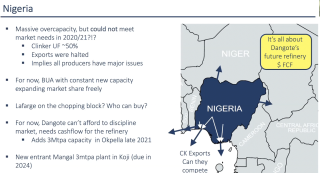
12 July 2022
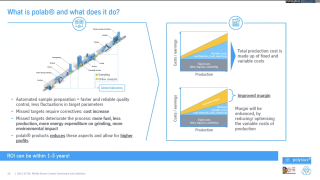
12 July 2022
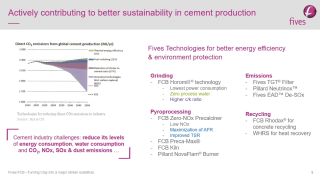
12 July 2022
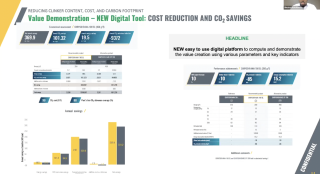
12 July 2022
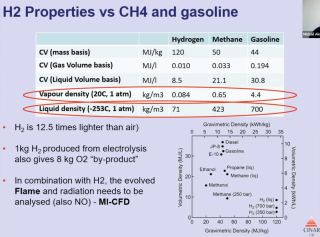
12 July 2022
12 July 2022
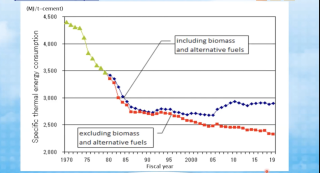
12 July 2022
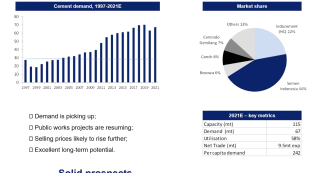
12 July 2022
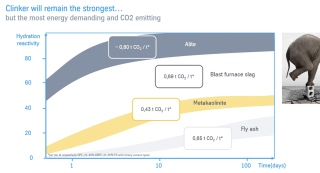
12 July 2022
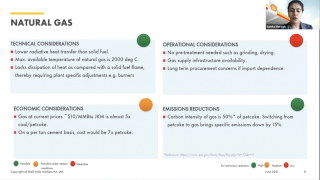
12 July 2022
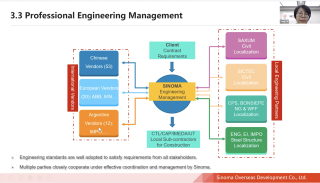
12 July 2022
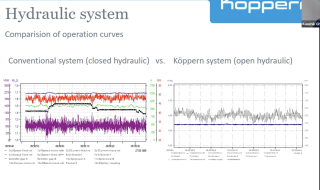
12 July 2022
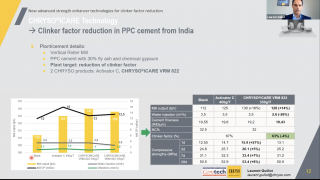
12 July 2022
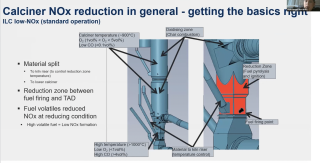
12 July 2022
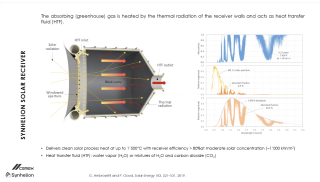
12 July 2022
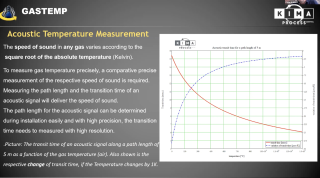
11 July 2022
11 July 2022
11 July 2022
11 July 2022
11 July 2022
11 July 2022
11 July 2022
11 July 2022
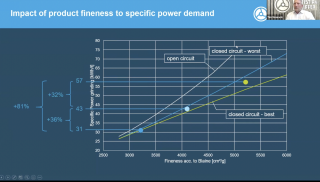
11 July 2022
11 July 2022
11 July 2022
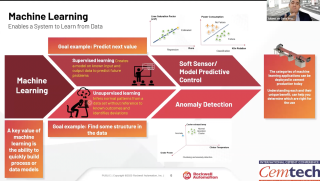
11 July 2022
11 July 2022
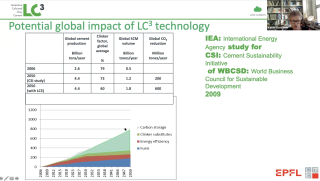
11 July 2022
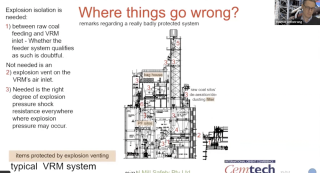
11 July 2022
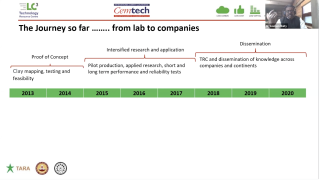
11 July 2022
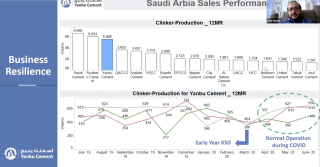
11 July 2022
11 July 2022
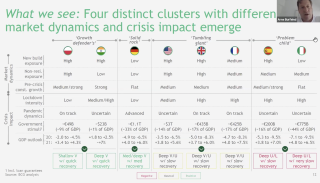
11 July 2022
11 July 2022
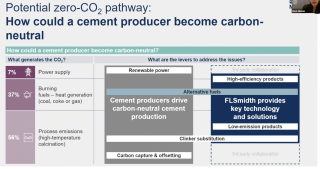
11 July 2022
11 July 2022
11 July 2022
11 July 2022

6 July 2022
1 July 2022
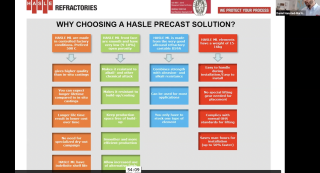
1 July 2022

8 June 2022
12 February 2021
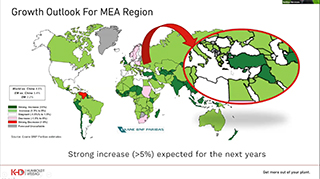
12 February 2021
12 February 2021
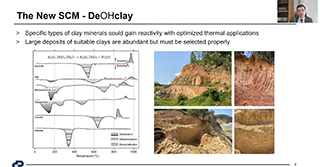
12 February 2021
12 February 2021
12 February 2021
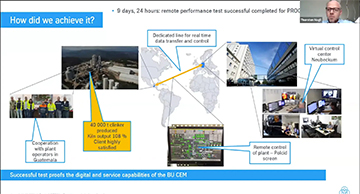
12 February 2021
12 February 2021
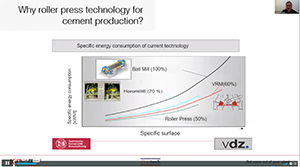
25 September 2020
25 September 2020
25 September 2020
25 September 2020
23 September 2020
22 September 2020
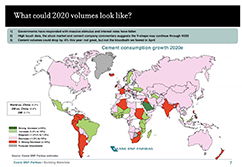
22 September 2020
21 September 2020
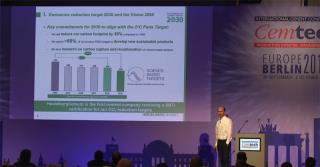
20 February 2020
10 February 2020
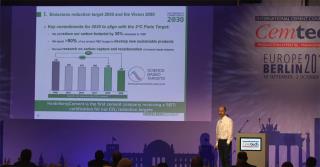
10 February 2020
10 February 2020
7 February 2020
27 January 2020
23 January 2020
23 January 2020
23 January 2020
23 January 2020
2 May 2019
30 April 2019
18 April 2019
18 April 2019
18 April 2019
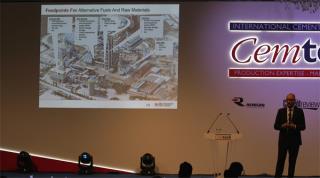
12 April 2019
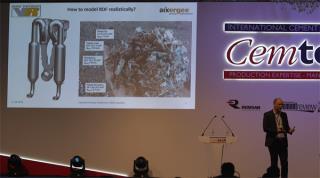
12 April 2019
11 April 2019
10 April 2019
10 April 2019
10 April 2019
9 April 2019
9 April 2019
4 February 2019
17 January 2019
31 July 2018
31 July 2018
31 July 2018
27 July 2018
27 July 2018
27 July 2018
27 July 2018
27 July 2018
27 July 2018
27 July 2018
27 July 2018
27 July 2018
27 July 2018
25 July 2018
25 July 2018
25 July 2018
24 July 2018
24 July 2018
24 July 2018
23 July 2018
23 July 2018
23 July 2018
20 July 2018
20 July 2018
20 July 2018
20 July 2018
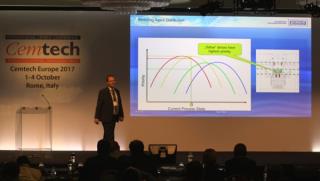
20 July 2018
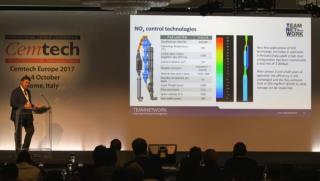
20 July 2018
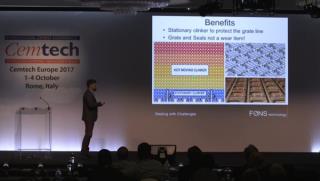
20 July 2018
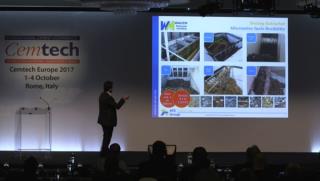
20 July 2018
20 July 2018
20 July 2018
20 July 2018
20 July 2018
20 July 2018
20 July 2018
20 July 2018
20 July 2018
20 July 2018
20 July 2018
20 July 2018
19 July 2018
19 July 2018
19 July 2018
19 July 2018
19 July 2018
23 March 2018
23 March 2018
23 March 2018
23 March 2018
23 March 2018
23 March 2018
23 March 2018
23 March 2018
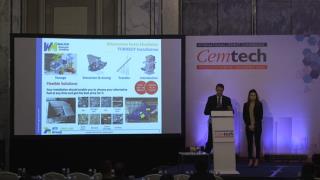
23 March 2018
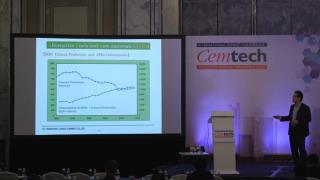
23 March 2018
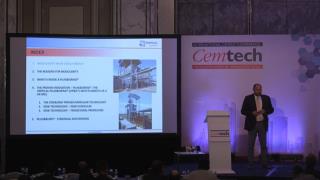
23 March 2018
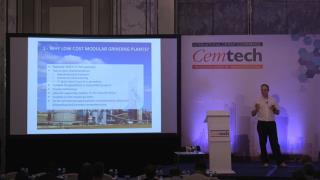
23 March 2018
23 March 2018
23 March 2018
23 March 2018
22 March 2018
26 October 2017
26 October 2017
26 October 2017
26 October 2017
14 August 2017
14 August 2017
14 August 2017
14 August 2017
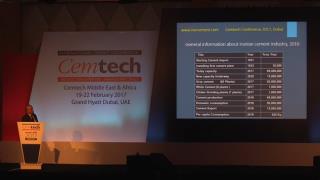
14 August 2017
14 August 2017
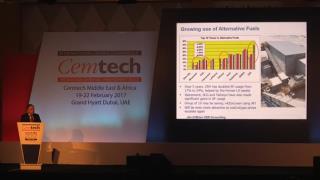
14 August 2017
14 August 2017
14 August 2017
14 August 2017
14 August 2017
14 August 2017
14 August 2017
14 August 2017
18 July 2017
18 July 2017
18 July 2017
16 June 2017
16 June 2017
16 June 2017
16 June 2017
16 June 2017
14 February 2017
14 February 2017
14 February 2017
14 February 2017
14 February 2017
14 February 2017
14 February 2017
14 February 2017
14 February 2017
14 February 2017
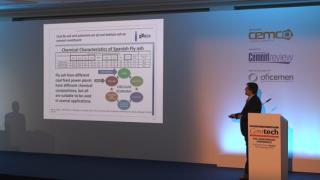
13 February 2017
13 February 2017
13 February 2017
19 January 2017
19 January 2017
17 January 2017
17 January 2017
17 January 2017
6 January 2017
18 August 2016
18 August 2016
18 August 2016
18 August 2016
17 August 2016
17 August 2016
17 August 2016
16 August 2016
16 August 2016
16 August 2016
12 August 2016
12 August 2016
12 August 2016
11 August 2016
11 August 2016
11 August 2016
10 August 2016
10 August 2016
10 August 2016
8 August 2016
8 August 2016
8 August 2016
6 May 2016
6 May 2016
6 May 2016
6 May 2016
6 May 2016
6 May 2016
6 May 2016
6 May 2016
6 May 2016
6 May 2016
6 May 2016
6 May 2016
6 May 2016
6 May 2016
6 May 2016
6 May 2016
6 May 2016
6 May 2016
6 May 2016
6 May 2016
6 May 2016
25 April 2016
25 April 2016
11 March 2016
11 March 2016
11 March 2016
11 March 2016
11 March 2016
11 March 2016
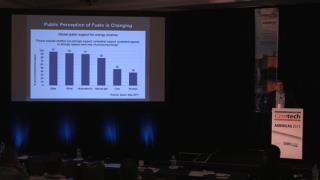
11 March 2016
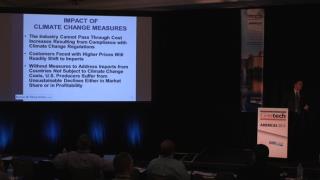
11 March 2016
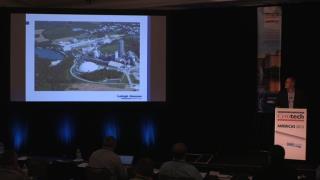
11 March 2016
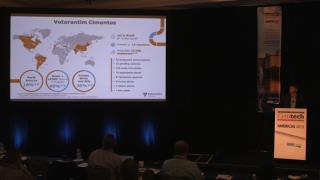
11 March 2016
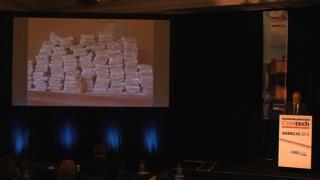
11 March 2016
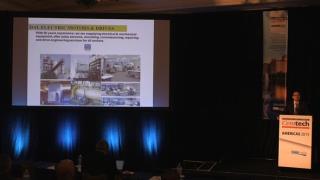
11 March 2016
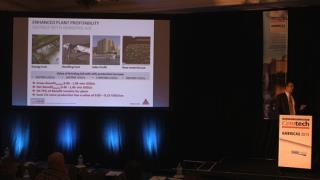
11 March 2016
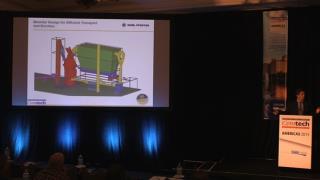
11 March 2016
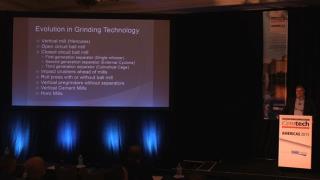
11 March 2016
11 March 2016
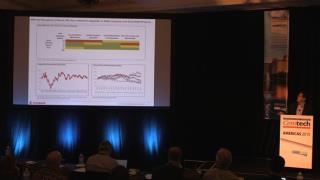
11 March 2016
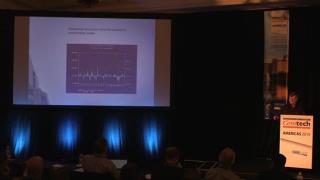
11 March 2016
11 March 2016
11 March 2016
21 December 2015
15 December 2015
15 December 2015
15 December 2015
15 December 2015
15 December 2015
15 December 2015
15 December 2015
15 December 2015
15 December 2015
15 December 2015
15 December 2015
15 December 2015
2 December 2015
2 December 2015
2 December 2015
2 December 2015
2 December 2015
2 December 2015
2 December 2015
2 December 2015
2 December 2015
2 December 2015
2 December 2015
2 December 2015
21 August 2015
21 August 2015
21 August 2015
21 August 2015
21 August 2015
21 August 2015
21 August 2015
21 August 2015
21 August 2015
21 August 2015
21 August 2015
21 August 2015
21 August 2015
21 August 2015
21 August 2015
21 August 2015
21 August 2015
21 August 2015
21 August 2015
21 August 2015
20 August 2015
20 August 2015
18 August 2015
18 August 2015
18 August 2015
18 August 2015

30 June 2015
29 June 2015
29 June 2015
29 June 2015
29 June 2015
29 June 2015
29 June 2015
29 June 2015
29 June 2015
29 June 2015
29 June 2015
4 June 2015
4 June 2015
2 June 2015
2 June 2015
2 June 2015
2 June 2015
29 May 2015
29 May 2015
28 May 2015
28 May 2015
28 May 2015
18 February 2015
17 February 2015
13 February 2015
13 February 2015
Try searching for another title.