
2 September 2026
This transcript was generated automatically and may contain errors.
Good afternoon and good morning, wherever you are logging in from. Welcome to the Cemtech Live webinar. this this month we are gonna be focusing on digitalization and optimization throughout the the cement plant. So, very happy to have you here. as you log on, I'll just introduce myself, Tom Armstrong, managing Editor of International Cement Review. very pleased to be presenting another webinar, our 2024 live series. it goes from strength to strength. I think it's amazing. Actually, this is our fifth year of doing webinars. it doesn't feel like it, but we obviously started at the beginning of the, of the lockdown and have continued since.
And it's so nice to know that this is still a very valued part of what we do. we have tremendous audiences all over the world tuning in. I've, I've met many of you this year in, in the UAE in Jakarta, in Bangkok, where I was recently here in Poland. So it's, it's great that people are still finding there's a good way to find out information and learn about the latest cutting edge technologies. like I said, this month we're gonna be looking at digitalization. We did alternative fuels last month and in the forthcoming months, we have several more webinars. here's the program, looking at everything from pyro processing, quality control, decarbonization many, many interesting areas.
So keep in touch, keep following our activities. a little word about international cement review, our monthly publication. again, if you are interested in what we're talking about here on our webinars this is the, the magazine for you out every month. Also online. we've been going 35 years, not just th not just five years. and there's yeah, so much to talk about. obviously in the industry now we, we focus on the manufacturing processes, but obviously decarbonization is a big theme. and global industry trends and markets. if you subscribe you will get your free copy of the cement Plant Operations handbook.
And if you don't have one and you are in the cement industry, then there's something wrong. You need to have this. It's invaluable, very concise and precise guide to the key areas of the cement plant and operational fundamentals. that's especially good. if you're an engineer just starting out in the industry we published this a couple of years back, but it's still very valid. Our environmental handbook is a collection of around 40 articles really representing equipment suppliers, cement producers from all around the world, every discipline, but with a focus on sustainable cement manufacturing. And obviously, CO2 reduction is a, is a big part of that too.
free with your subscription, go to senet.com/subscribe. and one more plug. this is a cement global cement report. We publish this every two years, and it's our statistical survey of the industry around 175 countries. all the main trends in terms of plant ownership statistics for consumption production trade very interesting and really invaluable. If you are studying the cement sector in any depth please, please go and check it out on cnet.com. I said I was in Jakarta recently, and we'll be back there in June. that's our next CEC live in-person conference. really it, it will be a big one.
we have a, an exhibition of over 50 companies and being held in Indonesia, where the capacity's around 120 million tons. It has a good local base there, which will be we'll be learning about developments in, in, in Indonesia, where they're just setting out on their first decarbonization roadmap, which will be published later this year. a a great, a great way to tap into developments in Asia. more information on our website. Well, hopefully most of you have have logged in and are ready to go. I'm gonna now welcome our panel for today. We have four presentations and we'll be hearing from Schaeffler in Turkey, Brda Pfeiffer in Germany ALS in in Germany also and semi I in, in the USA.
And that's, we're gonna start with Scott Ziegler from M ai. He's the CEO of the company. joined in 2022 bringing with him over 20 years of experience in industrial sales, operations and business development, working in the cement manufacturing materials, trading and alternative materials industries. Scott holds a degree in chemical engineering from Mississippi State University and degree, a degree in liberal arts from Northwestern State University. Quite a unique combination humanities and sciences. that's great.
he's a current member of the American Institute of Chemical Engineers and a past member of the American Coal Ash Association, the American Coal Council, and the Port of Tampa Bay Executive Shippers Council. So I'm very pleased to welcome Scott here today. if you'd like to share your slide slide, Scott, we can get started with your presentation, which is prescriptive maintenance in 3D, turning data into dollars in the digital age. managed to say that without tripping up. but Scott, we can see your slides. that's, it's over to you. Great. And thank you Thomas, and, and, and thank you everyone for joining. Good afternoon and good morning to, to everyone.
And as Thomas said, what I wanna spend some time today, we're gonna be talking a lot about digitalization, myself and, and the, my colleagues on the panel here. somehow I'll focus on, on prescriptive and, and, and predictive maintenance. And it is really the opportunity as my titles here suggest to, to use the data that's generated from the plants, use all the data that's generated currently from the plants and, and how we can use that to turn into a more efficient cement manufacturing and, and maintenance program at the cement plants.
So at the end of the day, the, the impact here is, is to reduce the emergency stops and downtime across the equipment on the cement plants, and improve the reliability. And we're doing that in by combining the use of artificial intelligence software and a, and a unparalleled service. we use a human service interface that brings together both aspects of it. So we have a remote service center dedicated with cement maintenance professionals, combine that with our AI software to really bring in the, the industry specific end-to-end predictive and prescriptive maintenance across the cement across the cement plan. So the real question here is, is, you know, why are we doing this?
And, and, and what's the benefit of using AI and and, and machine learning to bring things forward. So as, as a human, as we look at it, how, the question is how do we, and, and how quick can we process lots of dap? And so I think people have seen these kind of pictures in the past. And the one on the left is, you know, find the rabbit in the, in the, in the picture here. and the one on the right is, is probably a little more for, for the, for Europeans, is to find Wayne Rooney in this, in this list of of footballers or soccer players.
So obviously one of them is not like the others, but it takes us a while to process and, and to, to look through all the information, determine where these things are and, and what makes them different. And the reason that, that, it just takes us that much time is that we only have the capability to look at a certain amount of information in a certain amount of time. Another way to think about this is, is when we're looking at process signals and all the data that's generated from planets. So this is not a graphic that I drew. This is actually a, a, a shot of, of 50 different signals, 50 different analog signals at a cement plan over 30 days every minute.
and we don't have any alarms or limits or anything in here that, that shows you know, any issues that may be occurring with any of these signals. So the question is, can you find the deviation from any of the normal trends in any of this data? And obviously, it's, it's, it's impossible for us as a human to look at this amount of data to determine where you know, where these small deviations may come from. So let's take it from 50 signals, and if we start looking at something like two signals, well, we can do something like that, right?
We can narrow it down, and we can see in this example that the red signal, of course, was different and has performed differently than it may have historically or in the future. So it's easy once we boil it down to get down to single processes to say, oh, we see a change that's going on there. Well, again, we all know that there's multiple data points within the cement process, the cement manufacturing process, and the opportunity to really analyze that data is, is what we're moving towards within, within SIM ai. And again, you'll hear these same things from, from a number of my panel colleagues.
What sim AI is, and this is from one of our customers, is, is the best inspector in our reliability partner. And the reason that that we have that, you know, we carry that mantle is because we are acting as an inspector that is on 24 hours a day, seven days a week, inspecting all of the signals that that are, that are generated at the plant. And so it gives a visibility that's, that's unparalleled honestly, with manpower. and then again, as we continue to add different signals, the more information, the more data you have, the better the feedback can be, and we can improve the reliability of equipment by finding and identifying a problem before it becomes a failure.
That's the whole genesis and the whole vision of what sim AI does. ai. So you'll hear again, from a number of my colleagues this morning, you can do a lot with the data that's generated in you're, you're regenerating terabytes of data annually that is either stored on data historian used on on realtime decisions. We use this data all the time. We use it for reporting. we use it for process optimization. We use it for quality, we use it for logistics, and we can also use it in semi AI space for the for the pre predictive and preventive maintenance.
And the whole goal here is to turn all of this data into decision making actions that improve the reliability and really turn the cement factories, which are historically, as we know not considered the, the most advanced technology out there, but turning these implants into a smart factory itself. And this is the progression and really the evolution of, of maintenance at the cement plant. We, we all know where we started, where fix it when it breaks down then we get to the preventive where we say, well, every, every 3000 miles we have to change oil in a car, or every three months we need to change out bags in a, in a, in a dust collector.
we're moving more to the prescriptive data driven side of, of, of maintenance. And by using a combination, as I stated earlier, of AI and human enhanced servicing, we really think that it's bringing the maintenance aspect of the cement plant into the digital era. So let's talk a little bit more about exactly how sim AI works. So the, the goal here is to live in the area where we're seeing very small changes in operational conditions. So the, we hear about, we hear about condition monitoring, we're monitoring the conditions of the amps, the current temperature, vibration lubrication, all of these small operational conditions that are working.
If we can catch those issues very early on when they're just beginning, your, obviously your repair costs, your downtime are much lower than if you can already get to the point where you're starting to hear a problem, see a problem or smell a problem plant easier to repair, less downtime and lower repair cause leads to higher reliability and a more and, and higher productivity over the long run. So what semi I does is looks at an end-to-end plant model. So it builds up a, a model based on all of the information provided at the cement plan, including all of the analog signals from historical three to six months of historical data.
a plant model is built based on the process flow diagrams and all of the the process flows within the cement plan, and then all of the analog signals that are, that are generated from sensors are added into that process. So we basically are making it a digital model twin of the plan. The, the system itself analyzes all of the data, the, the, the realtime data being generated as well. It looks for any abnormal behavior based on the historical information that the system is trained on. if there's an any type of anomaly that's detected, an alert is sent and that is sent alert is sent to both a cement plant and to the semi ai remote monitoring center.
And that's where the human aspect takes over, where our experts in electrical can even programming can walk through the problem work through strategies to get it fixed, come up with with, with ideas on best ways to manage it, possibly scheduling it for, for upcoming outage. Is it something that could be done immediately and to come up with a plan of action. and that really helps move the the maintenance to the next level so that you're not dealing with a hundred more work orders a day, or that needs to be, that need to be taken care of. Again, the goal here is to get to some real actionable events.
and on average you know, some AI system is generating three to five truly actionable events per week. that can impact the long-term reliability of all the pieces of equipment from the primary pressure all the way through the finish. And so we, we don't have is a a dashboard that says things are all running okay. Really, the information that we're sharing are the items that, that really need the action in order to, to continue to move the process forward. So alerts generated that information is shared with the cement plant. we talk about the solution that, that, that could be made for that piece of equipment.
once that solution is put in place by the cement plant, there's feedback shared between the service center and the cement plant. and then the, the alert is closed once the the, the process processes returned to, to normal behavior. and really what this does is this continues to keep track of, of all the issues that, or, or all the items that have come up in the plant with historical information on when those items may have occurred or when those alerts may have occurred.
The other benefit of this is the opportunity to really have access to a library and a litany of other type of failures and, and, and alerts that are generated other plants, while we don't share, obviously, between submit plants, the information our experts have thousands of cases across many pieces of equipment they can share as far as best practices or ways to continue to move that forward in a reliable way. again, I talked about this plant model for everything from the crusher all the way through to the finish mill and the packing and shipping. the information that's required is obviously process flow diagram equipment lists, and all of the analog signals that are there.
The semi ai computer science computer scientists build that model and build a relationship between all three of those process flow, the equipment and the sensors in order to build that plant-wide model. And again, furnish it with three, six months up, two years worth of historical data. The reason you don't want too much historical data is you really wanna understand where the, where the optimization, the optimized operation is so that we're running on on true data as opposed to outage information or disrupting information from the past.
One of the first things that that is done when we begin a project is to, is to give a digital audit where we look at the footprint of the sensors of all the analog sensors that are across the plant. we've got enough history and enough information and, and background to understand where the key components are if there are sensors where there could be more valuable data being generated. there are multiple ways to get some fairly inexpensive sensors in and installed so that, that information is also being gleaned and brought into the model as well. And just give you a couple of examples of some alerts that we've that we've had.
the first one here is a temperature alert that we had on a, a main kiln bearing. if you look at the, really the graph is, is what the driver is here. The, the graph shows that temperatures really, there's no spike in temperatures. the change happened as the relationship between the three temperatures changed at the end of the graph here. So where historically the temperatures were running one slightly higher than the other, and the other we ran into a problem with the oil lubrication coolant system and the temperature the really the relationship between the three temperatures changed. This triggered an alert. what we ended up finding out is that there was a leakage on the oil cooling system.
the leakage was repaired and the coolant was restored so that the obviously the, the, the bearing did not overheat. and we were able to continue this and make this repair without even stopping killing for this one. The second one here is a two-pronged case study in that the temperature detectors were failing on this raw mill drive motor, which of course is a quite expensive and a, and a, and a very difficult piece of of equipment to replace and, and repair. but the thermal capacity was increasing. we saw two issues here.
One was we needed the we were trying to find out what the issue was on the thermal detector, but the second was, is that there was no interlock between the, these thermal detectors and the PLC to shut the, the mill down as those temperatures got high. So really two opportunities here for us was to it was to also make the change in the, the PLC so that the interlock was now in place so that if there was ever a temperature issue that the mill would shut down before more damage was done. last real slide here that I've, that I've got for the group this is the interface that we have. We have a web-based interface that, that comes through with all of the alerts.
the alerts are shared directly with the, and with the remote servicing team. we break those down by area the number of events per area and we can also go into deeper dives on, on failure modes and cost analysis of it. so again, this is a login on a web-based interface. it's actually quite simple. There's a unlimited number of of accesses that we can have for that. and so again, this is, this is really the tracking software that we, that we use for the first sim ai. some final numbers here just to show you the impact that we've had. These are two cement implants here. The plant on the left is a plant that was running at a reliability factor of, of over 95% when we installed sim ai.
and over a number of months, we were able to get the reliability factor. We saw reliability factor increases of two to 3%. And while a two or 3% reliability factor may not seem like a lot when you're in the upper nineties percent of reliability factor, every percent there is, is quite valuable. And, and again, when we're looking at these facilities, cement implants in, in that maybe an oversold situation any time that there's failure is, is lost opportunity. And so being able to double the meantime between failure at that plan was a, was a, was a big step for us. The other plant you see on the right was actually running a significantly lower reliability factor.
It was running in the, in the mid eighties combination of really additional sensors that were put in place just so that there was better digital footprint of the, of the plant itself. And then adding into the sim ai the ai, this was the first really digital solution put in at the plant. that reliability factor is now running over 97% at that point. So again, that was over the first seven months number of sensors were added in order to get a better vision of what was actually going on at the plant. finally is really our timeline, really, it takes between eight to 12 weeks to make a full installation of semi that's from the start of the digital audit through the go live.
most of the, most of the background work done with the modeling is, is done with semi computer scientists. So very little interaction from the plant other than providing information at the beginning. the rest of the, of the water is carried by our sim ai computer scientists. So to wrap this up you know, our opportunity here for, for simis is to turn the data that's being generated to dollars. and we're doing that through digitalization. the, the inspector of 24 hours a day, seven days a week. this is a solution that is end to end with the plant.
So everything from the primary pressure all the way through the finished mills we, we, we try to create truly actionable alerts that bring true value to the cement plant instead of overloading it with, with more work to be done. and at the end of the day, our whole goal is to reduce downtime and improve their reliability. So, Thomas, I thank you. I hope that was good on time and allows if there are any questions, we can take those now and if not look forward to any feedback that anyone has. Thank You very much, Scott. really great concise presentation and very powerful piece of software really some, some great examples there.
In terms of increases in productivity it's very clear the role this software can can play. a couple of questions. some of them are, are just sort of practical. mm-hmm. Does it connect to sap? is it cloud or premise based? So I guess just asking about how it's hosted and the interface. if you could just kind of clarify those, those aspects. Sure. Yeah. So we are not we do not dial directly in, nor are we directly connected or plugged into SAP or any other work order generating software. the opportunity here is to work through these before we just start, are blatantly and, and automatically generating additional work orders or work requested way required at the, at the Smith plan.
So we do not plug in directly there. the second one, as far as being cloud-based or on premises based we, we are flexible with either one MI has its own secure cloud. we host probably 50% of our locations and installations are cloud-based. the other 50% are on premises. obviously there's pros and cons to, to both. so our flexibility is, is to work best with whatever the client needs at that point. just out of interest, what, what is the, why? Is there a preference for pre for premise based system? Is it security or? Sure. Yeah. I mean, the, the, the, the thought there is you know, one, the, the end user has has their server onsite.
So there is the security, there is less, obviously there's less firewall, there's less it needs there at some point. obviously there are, there will be VPNs whether it's a a, a virtual network or some way that we have to communicate with those server that everyone's communicating with. So on premises, obviously the, the data transfer from the plant data historian and the, and the real time data is much more quick. the downside there is if you have multiple servers trying to get there, multiple users trying to, to access that server, it's on premises. They have to go through the, the onsite firewall. Okay. That's clear.
there's a, there's a question really asking about the, the warnings and alerts and how it, how it feeds into the prediction models. So I assume the warning alerts are based on threshold values or data trends set by the operators, if that is correct. How are the prediction models set in the system in order to foresee an upcoming or future problem in the plant? Yeah, so actually the, the, the alerts are not based on any values set by any operator. the, the, the artificial intelligences, learning from the past historical data where the operational parameters should be for that specific piece of equipment.
and so if there are alert thresholds that are in place more often than not the alerts are generated well before we're, we're meeting any thresholds where there's a problem. And so those alerts and thresholds are really set as the, as the question states by the operators. And so it's a, it is a a, a number that is generally thought to be the right one. and so those are good for us to react to. this again, is predicting where there's a problem. So we're really looking for any small changes, whether that's an alert or an alarm or a threshold. Any small changes in the, in that data will generate an alert. very good. And maybe one more is about census.
I guess there's a question of the quality of the, of the information that's coming into the system vari variances in sensors and feedstock measurements. How much trouble do these create and what wind have you found? So the different, we're not seeing any different, I'll try to answer it the best way that I can. I'm try to understand the question. The, the manufacturer or the type of sensor that's there does not impact the system as long as that signal is a good signal where we're getting continuous data that actually gives us an alert if we lose a signal they are all analogs, so there aren't digital signals.
so things like totalizer, we don't use those type of, those signals that are in there. but again, you know, what we're really finding is, is that the more information that's put into, obviously the more information that's put into the system or the more robust it's and, and the better it can be as far as the sensors go. Wireless sensors are, are, that seem to be a very good one. There are sensors that are three and four-way sensors where you'll get temperature, vibration and other types of readings from single sensor. So we're, we're seeing really some, some very fast movement in type of sensor world as well. Very good. Okay. Well, that's fantastic. Scott, thanks for the presentation.
a couple of questions in the q and a, if you wanna have a look in there. sure. And, and for everyone, if you are, if you're looking to ask questions so any of the speakers use the q and a button. You can see that on your toolbar just press that and, and, and just type in their or questions and hopefully the speakers or, or myself, we can get to them in time. Okay. That's, that's fantastic. Thank you, Scott. we're gonna move on now to our second presentation which is PR predictive quality control across cement and concrete. And I'd like to welcome Oliver Canda, who's VP at Alchemy in Germany. Oliver is currently responsible for Alchemy's clients market partners and global expansion.
prior to joining atomy, he spent over 10 years in the world of big data and advertising, including his role as chief client officer at Technology Company Zap, where he worked with clients such as Google and Amazon. according to Oliver, it is the potential impact of pioneering technology to reach net zero in the cement industry that attracted him to Alsm e. it's an exciting new company. we've featured various articles in in ICR. I'm looking forward to hear hearing this presentation. Oliver, over over to you now. Wonderful. Thanks so much Tom. And hi to everyone around the world. And then also big thanks to, to Scott.
I think what you have built is truly great on the predictive maintenance side. Now we're gonna look at a little bit of a different side of the cement and concrete production and you'll learn why in, in a minute or so. so first of all, I want to ask you three questions, and they are a little bit mean. And I am coming from advertising, so excuse me if this is a bit unconventional in this industry. But the first question is, what is this? And my answer is, this could be your cement plant 28 days later.
and I'm saying that because of course today and with all the fluctuations and challenges coming in from the sustainability efforts it is much, much harder to control your cement at the right quality. And we need to be careful that this doesn't turn into the horror movie that I took this name from 28 days later. or otherwise we might end up really scared. Second question, what is this then? I think the answer is quite obvious. It's mostly darkness.
and that this is supposed to represent what is currently happening on the concrete side because even though you might have a little bit of transparency around how the concrete is produced in the concrete plant, and we all know that there are hundreds of recipes, and it's very hard for concrete plants to adapt to the changing cements that we are producing with all the influences from alternative fuels and whatnot. they are living mostly in darkness. And this is what, well, this is what the guys in the concrete plant have to deal with.
And if they don't grow capable of doing that, then we can forget about sustainable because you know, if the final concrete isn't up to power when it comes to quality, then we can have as many efforts as we want On the concrete side mean question number three is what is this? And yeah, this looks already a lot brighter and a lot more futuristic, but yeah, my answer here is this could be your concrete plant in 10 years with one human being to control the quality of every concrete truck. So we all know right now quality control and concrete is a very human topic. It's a very manual topic. We have a lot of lab engineers running around.
And if at some point we have a lot more recipes in the concrete plant that are a lot more difficult to handle and not just your standards one or never changing recipes, than this will be impossible to solve just with human effort. So effectively we will need technology in order to solve this. And if we know this right now, then why not start today? So yeah, why is AI technology then the right way to go right now? And I've brought you today three short reasons why AI is a good path. I believe number one, because green concrete needs precision at scale, you have new scms, some of which the most scalable ones like carine clays or limestone filler are not very reactive.
So they're causing much more fluctuations in the quality of your cement. And well, you need real precision and you need it at scale. It's not just enough. If you look at your cement every now and then, you need to constantly monitor it, monitor it, and constantly steer it proactively in a predictive manner. Number two, AI is fun and it actually works today. And this of course, I have to bring you some proof and I, I have that in my presentation and it's great for any bright minds of any age.
So one of the things that I thought coming from the advertising industry into this industry was, oh my God, are they going to receive and welcome someone like me like a young creative guy who's a little bit unconventional? And my learning is yes, absolutely, because the guys in cement and in concrete are, we are all motivated by learning new things and making progress on this very scientific and complex product. And AI can facilitate and support today with all the challenges that we are having.
And number three, and maybe most importantly because I believe that any technology or product that truly wants to make a difference in terms of sustainable, in, in terms of sustainability around the world and in the future it has to be also this click isn't working. It has to be also profitable and clinker efficiency is profitable and it's the right way to be profitable. It's, you know, really tackling the problem at the root, reducing the clinker factor, but producing with a lot more precision.
And then accordingly replacing some of the clinker with much cheaper materials like limestone filler, having a little bit of cost for technology, but in essence having a very high quality product at the right quality and being able to monitor that, having certainty. So this is what we are doing, this is almi and I'll quickly give you an introduction of the company. So we call it predictive quality control, or you could also call it ai. And what we do is we help you to predict the quality of cement and we help you to predict the quality of concrete because we believe those two have to be solved together.
And that then helps you to basically produce at a cost quality optimum at any point in time. And yeah, I have some problems with the clicking here and delays. So basically Alami has two softwares. We are a 5-year-old company based out of Berlin, but active around the world by now. And basically we have one product for cement and one product for concrete. And the product for cement basically tackles the cement mill. So we predict the strength of your cement already during production from your lab data, so from the particle size distribution XF, and XRD.
And then as we can predict the cement strength, we can adapt the grinding fineness of the mill so that together with the technology from fifa for instance, we can arrive at the optimal grinding fineness at any point in time using all the intelligence that we can gather on your cement from the mineralogy, from the chemistry, and also from the particle size distribution. So we can do this mostly with existing data, so it's not very hard to implement. And then on the concrete side, we basically connect, you can use both of these systems separately. You can also use them to together. So that's, I think a great advantage.
On the concrete side, we basically connect with your existing data, so with your POC provider. and then we additionally turn your concrete truck into a living data source. So we have a very simple set of sensors that we attach, attach to each truck, and then in real time you can monitor the consistency and the quality of your concrete on the way to the construction site. You have full transparency like a lab engineer going with your truck every single time. And both of these systems do not take longer than three months to integrate. So it's actually not that hard.
And our intention of course because we know this industry we were born from this industry is that we make this as simple and as easy to integrate as possible for you. Good. So alami, after five years, what have we done so far? Just so that you know that we are also credible? so on the cement side, it's really 23 cement plants that we are steering today. One third of all German cement plants, every third German cement plant. And since last year, also cement plants all over the world. We have opened in seven more countries soon. We are starting in more countries. We just signed our first big Turkish client. I saw some participants from Turkey.
We're also final finalizing with one or two Middle Eastern clients, for instance, across eight countries. And we are our eye positive within the first two years for all of our clients so far, we've never lost a single client. The software is live since four years and we can even get it live remotely. We don't even have to visit you, although that's something that we typically like to do incorporate. This is the younger software we started two years ago and we are already live with four out of the 10 top German producers have received a lot of yeah, pull from international markets.
So we are also internationalizing this product right now over 40 plants live, and maybe most importantly here on the right side of course, why are we doing this? We are doing this so that your concrete works in practice and what we've done is we have done a project and there are 60 more in the pipeline for Germany by now, where we really proved that very extreme low clinker concretes are possible today with the support of this technology. And what you can see here is the new Amazon headquarter in Berlin, which was built in 2022 and we used a cement here with 40% limestone filler content and just 30% clinker. The rest was slack.
You can basically interchange the slack with fly edge with ine clays. They all work. And by now this has become a mass phenomenon in Germany. So until early 20 25, 9 cement plants up to nine cement plants will be producing this cement. there is a, a place for it in the norm. There's a, a prescription you can only produce it with a maximum water cement ratio of 0.45. you can only produce it using separate grinding because the clinker and need to be grinded or ground very fine. The limestone very core so that the water demand isn't too high, but this is what is possible with this kind of technology. Good. this is the team by now roughly 60 people.
Yes, our average age is 35, but we have a lot of PhDs, a lot of people who are very hardworking at making this a big success for every single one of our clients. this deck will be shared, so I will not talk through all the information here and bore you to death. we have very interesting people on the board, Dr. Martin Schneider, the CEO of the VDZ is a, a supporter since minute one. Eckhart Bowman, ex Heidelberg cement professor Karen Scrivener, who's obviously also driving clink efficiency with the INE clays and also most recently fo on Tula ex Titan CTO was a client now turned into our advisor. these are some client quotes. like I said, we never lost a single client.
All of our clients so far have had great results. All of our clients have rolled out doff, for instance, after six months of using our technology in one of their plants has rolled out last year across 10 plants. So they're part of the sy unison group. As you know, you see a lot more clients here. Happy to connect you with any one of these clients so you can have a chat with them, how it's working for them. And now I will quickly show you how these technologies are working and I'll also show you concrete so that you understand the full picture of what can happen in the next five years or so. Look, here we are in the cement plant and this is the cement mill.
We're focusing on the cement mill and on the laboratory here. So what you see here is really the lab. And from the lab we will extract all your historical data as much as you have in order to then train our algorithms here. And we use a combination of various algorithms. We can go into more detail into that. But basically because we get your historical shipment data, which is also strength tested, we can now make predictions on the strength when we get your production data. So in production, you send us all of the different insights across these different lab machines can also be sees, and then we basically can predict at what strength your cement is gonna come out.
Let's say your target is 60 megapascal and you're gonna come out at 63. So now you have three megapascal wiggled room and you can grind Corsa and you can save energy for instance. Or over time. Once we've stabilized this, you can also replace clinker. And let's say if you're in the US or anywhere else, you can max the limestone content in your SEM two a LL or whichever one you are producing. our clients using this technology like Waldo in southern Germany, they're very innovative. They have reduced clink effect or by 7% using this technology.
In two years only other clients have increased throughput because they could grind Corsa whenever they would've otherwise produced at a too high strength. and yeah, all of these, all of these different levels are possible. So that is our main use case in cement. It is not covering the whole cement plant, but it is really an amazing tool to help you. However many fluctuations you have in Germany, cement plants have 90% alternative fuel already, for instance, and on average seven to 10 different cements they're producing. So they have a lot of switches. It is your tool to help you balance that out very quickly.
Introduce new cements, produce them at the right quality very quickly, and also be maximum profitable with those. Here's the results. This is how typically after we implement the fluctuations decrease typically by 20 to 40%. These are our predictions. Like I said, I'm not gonna bore you and, and stay on these slides for till forever. So our predictions are very close to the experiment error. That means we cannot even get much more precise because even the experiment error of the lab equipment you're using is not much more precise than our predictions. now I'm waiting for the click to happen. Ah, ah, here we go. These are four business cases of our first four clients.
So you can see here on the left side 20 to 40% reduction in standard deviation of the cements produced across all the different cements, relatively large already or good sizable savings per year from reducing grinding energy and also replacing clinker. And then if you produce an extremely low clinker cement like we did in the Amazon headquarter, for every 100,000 tons you're producing, if you replace it for instance with limestone filler, you can save a lot of money. And yeah, we are also a modern software company, so I think this even plays more of a role in concrete than in cement.
But you know, we believe very strongly that the data that you need to make good decisions should be easily accessible. It should be well prepared, it should look great. You should have a great user experience like you are using some of the favorite softwares that we know from our every day. And so what you can see here is the strength predictions and then also we control how precise where our predictions. So you can basically keep us in check here and you can also scroll down and see immediately, okay, where might this drop in cement strength prediction come from? And you can see in red and in blue the particularly low in red values.
And then you could say, ah, this is from the titanium dioxide. we also have a view for the mill operators. We can even create a closed loop and send it directly to your expert system so you can save more time and your mill operators can spend more time doing other things. But e essentially for every mill, we will basically give you our most current grinding recommendation here in this case, 0.3 micrometers, csr, you can save some money in this case, we are already on point. Good. This is our newest module. So now obviously we want to help you based on this intelligence from helping you steer your cements to make great recipe decisions. And that is what we are doing with a recipe optimizer.
It's a new tool, it's still in better but already operational in at least four plants. So basically what we're doing here is we gather a lot of intelligence on what the influence of the slack and lionstone and clinker is on your cement. So now if you simulate, you can enter here. What happens, and this is a very extreme example. what happens if I take out 24.4% clinker and I just add half slack and half limestone to balance that out And then basically we will calculate for you, our algorithms will calculate how much finer you will have to grind. You can see that here particle size has to go down and then accordingly how much the electricity costs will go up.
And then we will also calculate the material savings from taking out the clinker and then the cost of adding the limestone and the slack. And in total you can see here you can save 2.35 euros per ton of cement. if you would make this change. And yeah, that's it on the cement side. maybe one really important thing. So algorithms are the one thing, our technology doesn't just work so well because we have better algorithms than anybody. In fact those algorithms, any great data scientists can create the algorithms we've created.
The more important thing is that we have built a whole technology infrastructure with over 20 people on the cement side alone who are doing nothing but creating scalable technology that can adapt to the changing circumstances in your plant. Because every day, every week things are changing and if you don't have such a data infrastructure that can automatically clean your data detect for samples, then you will never catch up with the developments. You will have to recalculate the model that will take you a month or so and you never have something that actually works in your day-to-day operations. Good. That's on the cement side.
We will finish soon, but first I want to show you the concrete side. So again, I have this clicking problem, but I think we're doing okay. So on the concrete side it's also really simple. We integrate with the existing data you have here in the concrete plant. This already works for wet batch. We are still working on dry batch. That will be for next year because we have a lot of demand on the wet batch system. So basically what we do here is we get all the data from your steering software provider, Donna Zdi arson who, whoever it is in your specific geography. So this is mostly the recipes, it is the dispatch data.
So we can display everything well in the software and we can teach our algorithm to learn how the different recipes behave and we get the power curve of the mixer. And then, and I'll show you in a moment what we do with that. We also equip your truck with sensors in order to predict today the consistency of your concrete when it leaves the plant and then until discharge at the construction site. So in real time, because we have a real time telemetric box here, which is sending data in real time from the truck, we can monitor the quality of your concrete all this time. And so basically the sensors we are using, I told you about the power curve.
What we are doing here, some of you will know this, is we are basically producing a digital ReMeter. So from the power curve in very high resolution in the concrete plant, we can tell what the consistency, what the floor or slump of the concrete is right now when it leaves the plant. And then from the oil pressure sensor in the truck, we can basically trace this also on all the way to the concrete side so we can continue to see how is the consistency of the concrete developing. We also have a digital water meter so we can track all the water additions we are collecting.
Also drum rotation data so we can always know is the truck loading concrete, is it driving, is it waiting at the construction site? And then accordingly you have a modern software interface and most of all, you can reduce the target deviation of your slump or flow spread right now and then soon also of the strength, we're working on that from as high as 4.5 centimeters to for some of our clients, even lower 2.5 centimeters, which is already lower than the experiment error. So we're really happy with those results. Good. This is what the software looks like. we believe again here, this is a cultural change.
We need to have great software that a mixing operator loves to use that a lab engineer loves to use. It needs to be simple to click where you want to go and to see immediately what is important to you. Like here, the mixing operator sees, am I producing in target or not? And here, beautifully steered here, my dear friend, you are way too fluid. water additions probably we can click into that. We can see for every single journey how the flow spread or slump is developing the water additions. This by now looks has been updated, looks a bit better. And then here for the lab engineer, all the construction sites are actually ordered by alert level.
So the lab engineers and heads of quality can set alert levels for everything for the waiting time for the plant spread, for the sand moisture, for the water dosage and accordingly. Then automatically this works on an app, but on a desktop, wherever you want it automatically those construction sites that are due today or delivered to today, they will get an alert level and then the lab engineers exactly where to focus without having to call up everybody. Yeah, there is a lot of economic benefits for this. So our clients are using this to take out the safety buffer of cement. They're using this to use cheaper input materials or different admixtures that they're playing around with.
They're using this to control the manual water additions and also instill more discipline with their clients who often order what you call in Europe an F three. So a more stiff concrete. And then they have manual water additions which messes with the quality. You can increase the efficiency of lab staff, reduce complaints, and like in Germany with the Amazon headquarter and a lot of follow up projects here, win high margin projects because you can show that your quality is on point and that you if you want to, can also deliver more transparency. That's it. This is again, the Amazon project.
You will find more information on that in the deck that's going to be shared as it has been a long pumping distance, 35 degrees. So very, very, very difficult conditions for a new cement or concrete like that. Happy to answer any questions on that. This cement can actually be exported at least to a lot of the countries in Europe already and we are more than happy to help push that. And yeah, in general, send me an email nor down my address if you like. I'll share all the insights with you on this particular cement because I feel like it's quite interesting.
We have all a lot of the kind of experimental data on how the experiments went, what has actually been handed in into the German norm for this 40% limestone, 30% clinkers event. we are also touring around the world with my team. I'm touring. We are always available in person in Europe. We will be in Turkey again in two weeks. We'll be in the US and of April at the PCA conference. We were invited to present this new cement to the manufacturing and technical committee and the sustainability committee. We'll be in South America and let them touring all of May. So we will be able to visit you in all the beautiful countries. I've never been to South America, so that will be great for me.
and then of course we're also planning to visit Asia and India and always in contact with our friends in the Middle East who we just visited in Jan. Thanks a lot and happy to ask any answer, any questions. Thank you very much Oliver. That was very comprehensive and fascinating presentation both on the cement side and the, and the concrete side. it's really brings to life just how powerful these these applications can be. I think what really caught people's attention was the almost sort of live optimization setting setting different clinker factors.
there's a question throughout for can you select at any given moment the prioritizing of the clinker factor versus yield being able to change the selection based on the market or inventory conditions? So is it intended to be used literally as, as as a live a live thing? I mean, it seems to, it's a level of adaptability that I don't think the industry has been, has had before. how are people using it? Are they, are they making much more flexible decisions? Yes, that's a, that's a really great and valid question. I think with, with any products like this one, we are making the steps towards the future one by one.
So currently what we're doing with our clients is we are changing from doing recipe changes every year or every three months to doing as many as once a week. But it's not yet a real time adaptation of your recipes, right? So this will, I think still take some time, but our clients, that's where they want to move with us. And I, I believe that's where we will be going to the second answer or to the second part of your question, Tom. so basically our system is adapted to every cement plant individually and also to every concrete plant in the concrete plant automatically through the algorithms in the cement plant, of course, also to the various s scms that the plant is working with.
And we can read all the individual data on that plant also from the analysis, right? And they are our experiences also that we cannot learn so much more with one algorithm that looks at all the data across all plants. That doesn't work. We've tried that within individual groups where of course we don't share the data with anyone, right? So within one group, we've already tried this, but the cement plans are so individual that our algorithms are adapted to each individual plant. yeah, Very good. is the market able to respond fast enough? I mean, even the market, the market cannot change as fast as that software.
If you are, I guess if it's just a, an optimization of a, of a recipe, that's, that's fine. But when you start to produce new recipes, new products, then you are, then you're in diff different territory. You are marketing a new product. it's so there's, there's a, there's scope for, for a great change in, in, in what can be, be offered to the customer. I agree. And I, I have to hear, I have to say here very humbly, Tom, I mean, most of the things we are, we have developed today, we have developed according to the inputs of our clients, right? So yes, the market is actually pushing us all the time to develop more features.
and we are trying to catch up as fast as possible, because of course there's immense pressure, right? We have the skilled labor shortage, we have the whole decarbonization topic. There are so many things that those teams are so busy with we, we can't even keep up with it. And our approach is of course, to, yeah, to, to be as fast as possible in getting these live with a high level of quantity. so is the software may, how much of the effort or how much of the uptake is from the cement plant and how much of the uptake is from the concrete?
Or are people looking at the integrated, I mean, not every plant has downstream concrete, but I mean, when they do, is that always the optimum to have them both together? Yeah, it, it seems to be the optimum because we started with the cement software four years ago, and as of last year, 90% of our cement clients are already using the concrete software. And already quite a few of them have started to, to roll out the concrete software further after less than 12 months. So they are all looking at this integrated picture.
And also what is very clearly visible is that producers are not looking for a pilot in order to show, Hey, look, we are doing ai, this is beautiful, but they're really looking for a systemic solution, a systemic technology that can help support them across all the plants. So it is, it is not uncommon that you know, the producers whom we work with often at a C level would ask us for a full group rollout pricing, because they're already starting to kind of make those assumptions and, and put that into their expenditure plans for the next years. Yeah. And maybe just lastly, so as of last year, we also have pure concrete plays that are also working with our technology.
So of course, again, there, I mean, it's, it's, it's around creating a dialogue because in the past on the concrete side, you didn't have the need to interact with the cement people, right? Because you were just receiving S one, you had a very homogeneous product. It always worked. You could care about all other stakeholders that you had, you know, and today that has changed, and I think, I feel we are very behind on that interaction and, and building that relationship. And that is something that we want to support with a, with an objective data-driven basis to bring those two together.
Because we feel like that's gonna be a big, a big, big contributor to successfully producing more sustainable cements and concretes. yeah. And also you, just a, a quick question. I'm wondering are you getting involved in the even deeper in the process as in the raw milling section of the cement plant? Or is that something that's out of scope? Yeah, great question. So as of now, we are not, because we can read a lot of the influences from the clinker into the cement from the analysis on the cement data from the lab.
obviously there's also a lot to do on the raw mill side not a question asked, but we see a lot of potential still now on the, on the cement mill, which is why we are currently focused on that. Very good. Well, there's lots to talk about, but I think we have to end there. Thank you very much, really fascinating. topic interesting presentation. I'm sure everyone will be interested to follow up with you later. Your contact details are there on your last slide. Thank you, Oliver. Thanks so much, Tom. Great. Well okay, so that's another brilliant presentation. And so I, I, I spoke briefly about raw mills. Well, a very famous raw mill manufacturer is Brda Pfeiffer.
We're gonna ha hear now from Bernard Henrik at Brda Pfeiffer based in Sloan in Germany. Bernard's been now work works in the cement industry for over 30 years, providing engineering support to companies across the sector. the last 27 years has been focused on grinding technology, including overseeing the Indian market in cooperation with guru to FIFA India. Today, he's area manager of guru FIFA based in Germany. His expertise extends to the gypsum and lime industry, and he has also been involved in the development promotion of the latest cal clay related applications. so lots of, lots of change in the, in the grinding world.
And we're gonna hear today about the digitalization advances the cab Bruta fifa. Over to you. Bernard, if you'd like to share your slides. Yes. Hello to everybody, first of all, around the world, and thanks to Oliver. Yes, all very nice handing over because finally, what we are all doing in the cement industry is the concrete, which is later on to you build the buildings and the infrastructure. But most of the people talk about the cement, the cement mill, the raw material mill also of importance. But you are right step by step, the optimization has to be done.
And I'll today focus on the fiber issues, which we, where we can support our clients by digitalization and to get efficiency, let's say the key issues five has looking into getting more efficient, getting sustainable, more sustainable because that is required for the environmental situation at all. And always, this goes with the digitalization, the help, the support of the digitalization to optimize the boat sources. So when we talk about digitalization in with fiber as a mill supplier, we have GP link, G-P-O-G-P automation, and all this will come finally to the artificial intelligence is also applied, applied the standard, which was maybe the past.
We saw such kind of pictures when having human intelligence and doing programming, maybe in some offices, it looks like this in our office. Happily, it is not looking into this chaotic system anymore. So what we mean with digital products is a portfolio out of the automation. Automation means plant control, overall process control systems. We talk about cheap link data connection, so the storage and make accessible of long-term data. This all goes into advanced apps, which we used, we call it GP Pro, where we, for example, talk then about condition monitoring, which brings us back to Scots first issues.
It is preventive long-term condition monitoring for maintenance issues, and it is also artificial intelligence applications. These products, I would like to today give a little overview and explain why we are doing this and where we can assist our clients. The automation. Maybe that is the final thing, but it is as a special position via in fi, we have developed an process control system, automation system together with one of our daughter companies. ER is a specialty company taking care of such things coming out of the cement industry and is part of fiber family.
They are looking into the process control systems, which means when we have a application, not a big client like, like MX or any things, they have their own automation system, they have standardized or by Siemens or whatever. What we are focusing with our automation system is the small client who takes a complete package out of one hand, who would like to have the implementation of five from the, let's say, material receiving to the packing facility, and is looking for a one point responsibility and one point contact for them.
We have this can make the automation adjusted to their requirement in which language to be used, which interfaces to be used and so on, to finally or provide them approach control system. like here you can see something recently in Kastan, we have a complete cement granting unit where I think four or five ball mills were substituted by one vertical roller mill, cement mill. And the whole project came out of one hand of five. So there, we also provided the client our state of the art automation system, which is a little bit different from what we know because it's more human interface related, more the, the operators, which might not be thought trained in that area.
They do not have much operators with experience in cement industry. But the appearance of our process control is that is easy to be understand what is the machine, what is the drive, how I can go into the sublevels and find my problem if there is a problem indicated or to provide my automation. So that is one application just shown for this case. I would change over to, let's say the data communication GP link, GP Pro, which is our standard tool today for the digital use of information out of the grinding plant. And maybe just to explain it a little bit, all the data nowadays from the grinding plant sensors, they are connected to a customer's central control room.
He has the data on the screen, and most of the customer, they have process control systems, which have a storage of maybe two months or three months data. But due to the systems, there are limitations here. We opened with skip link the door for cloud-based long-term data storage to have data from the last years available because whatever we are doing on predictive activities, whatever we are doing on comparing, like coming back to the recipes, what is the cement recipes? What have been the lab data? What are the concrete data maybe done one year back and maybe done in plant A of a client and compare them with a plant B of the client, and again, relating it to the mill.
So with cheap link, we are opening the door for the long term storage of the data, and from this data cloud, then client can have access as we know it, with his te portable with his smartphone, with his pc, wherever he would like to access the data, or he can request BUDDA five to support. and looking onto this data that is somehow simple installation GP link, because it is just a communication box. It's not much, but it opens the door to the cloud. It's a communication box where the finally a gateway is opened, where the connection between client control system and the cloud access is realized.
And this is mainly in one direction, which means that whatever we are talking later on about optimization, things about the artificial intelligence, the current concept of five is we are giving recommendations. we're providing information to the, to the workers, to the people. We are not interfering directly into the control system of the plant. That is an issue about the, also the, the legal point of view and GPO, then that is the, let's say the a onset are the apps which the client can use on demand. He don't need all these apps which are available, but he can decide which app he might be using. And there he then can have operation data overview.
So Operation Datas mill, production data related our consumption fan data and so on, either in standard dashboards, which we are providing, but mostly on customized dashboards. So every client can, together with our team, adjust these dashboards into his requirement. And sure, that is something which lines they have on the, on the control system, but mostly on the right hand side going on the timescale back. So it's not so important what happens now and what happens maybe last 3, 4, 5, 6 hours. But what is the intention of our data accessibility is to compare then about the long-term things.
So this means we are also providing them graphs, curves whatever kind of analysis tools combining this with the laboratory data and why this kind of systems should come from or can come from a mill supplier. As we mentioned, there is the knowledge of laboratory people. There is the knowledge of the final product, let's say the strength development, the final situations and so on. And then on which, on which level to be modified, what, for example, in the mill in the grinding circuit can be adjusted or should be changed. And what is the effect out of it?
That is the, the viewpoint where we are focusing then from the mill supplier's point of view to provide possibilities and solutions to the client. So the lab data, and that was quite interesting when Oliver was reporting in, I would say in Germany, in in Europe even, it is quite good accessible clients know that this lab data in the cloud could be shared to optimize the processes in other areas of the world. for sure this is secret, it's not going to anybody else. So this data was, we are not comparing the real operation and optimizing operation points on the basis of lab data, because some knowledge should not be shared, transferred, hidden in a box.
Experts then it's for machinery supply are quite difficult to provide the best support. the openness to have the data available in this limited access room. Who that is of importance definitively. So we can then by looking into the deviation, for example, here we see the fines, what are over the operation time, the finances, and how to adjust the classifier, how to adjust the volume flow, not to overshoot the required fines. Here, four and a half thousand plane in a, in a cement. the effect out of two fine grinding is to high energy consumption. And later on the water demand might not fit the client. the capabilities of the concrete is not fitting to.
So that are exactly the points which we discussed earlier, going now back into the machine and saying, what are the adaptions to modify the machine? Another issue is then also the overall efficiency, sure, and the overall efficiency. If a client has several plants or several mills comparing this data then between each other to Z what how, why the machine number A is performing like this, and when a similar material machine number B is not performing like this, then we can go deeply again into the adjustments. We can see in the long term storage, the operation data, see what was going on there three months back, what has been changed, why is it like this? And this can be done remote.
It's not that the voltage engineer has to go on onsite and has to investigate it there on site. It can be done from remote, and that is the today best way to do it and to save, again, sustainability. Even the traveling could sustain really reduced in this direction. So there are plenty of apps coming to the maintenance point of view. we already talked about the predictive maintenance and prescribed maintenance. Sure. When looking, for example, a theory is issue of the all mills vertical oil mills as well as other mills. People are looking on the gearbox condition monitoring systems for predictive maintenance for gearbox suppliers are available since long time. They are standard.
But the question is, when something happens and when signals are increasing, why is this? Is it an issue of a bearing? Is it an issue of a tooth thing or is it, for example, coming out of the boat, says vibration from the top or from the mill into the gearbox? So again, the back evaluation and possibility to transfer this data and to analyze the data in view of the process in the machine itself. And when we today in five had talk about condition monitoring, condition monitoring for predictive maintenance, then it's not only the gearbox, this is where everybody in the world is talking, okay? Yeah, condition monitoring for the gearbox.
But the gearbox is maybe one, one main component, but not the only me mechanical technical component. We as driver, when we talk about condition monitoring, we mean also attention system. What are these changes? What is the leakages maybe appearing the backflow oil in a hydraulic side and indicating, okay, there is a ceiling to get in a less proper condition. What maybe planning for this, it is the rollers itself, the roller the in our case, the swing, the bearings inside the roller. So all this, when we talk about preventive maintenance prescribed activities for long-term condition monitoring, then it is really to be looked into the whole machinery by only to look into the mill.
And we as five, we have then the possibility to interconnect this again with the process because we do not only know the machine, we also know the process. We have such kind of systems for the mill main drive gearbox or for the classifier gearbox from gearbox suppliers, especially looking onto the bearings, there are also systems. but to connect it to the overall view, that is the idea which we have behind our GP CMS system to be most useful to the client and not only focused on one or two of the components in the mill. And this means we are giving the standard reports and data, which are known from the gearbox, but we are also connecting all the other machinery into the data evaluation.
And this is then connected with an reporting system or an online alarm system so that if something comes out before an report is written some max signals or critical signals are reached for sure, then there is an automatic alarm. You get a message on your smartphone or on the control system, is it, is then defined by the client how the communication lines should go on. When we talk about artificial intelligence, coming back to the first slide about the, let's say take Arctic people thinking about what is going on. From my point of view, artificial intelligence will help and is helping the human intelligence to get faster, to get an understanding of systems which are complicated.
I try to involve this in a simple way. Artificial intelligence today is used for so many things. We started with simple rule-based algorithm. We did our program in fourth one or in whatever kind of things, path logic came up, expert systems came up, machine learning and all this applications for the use have have their, let's say, their right to be there. And artificial intelligence is, let's say a further step. It's, it's not solving each issue for many of the questions which are occur today. There, the machine learning for a special component is what to be used.
The artificial intelligence has the advantage, the beauty that it can, let's say thinking a little bit out of the box, we here in Kai, we have the advantage of a nice situation that the German research Institute for artificial intelligence DFKE part in Germany, Germany, this is located in Kaiser Low. We have a university here and around this university, there is a, a real cluster of modern thinking schools, let's say this way. And especially the German research center for Artificial Intelligence.
They are located here, and we have, were able to start and interface with them within several years now, because that is exactly the combination of knowledge, power, and of the, let's say, specialty of their engineers and of the process experts. And that is how we develop then our artificial intelligence system. And what does it mean normally an approach for this is physical based approach, just shown by that guy playing the base basketball. So there is some data, a position, how he throws the ball, that depending on speed values on the distance, on speed into horizontal speed, into vertical direction, what is the angle and so on. And then comes the normal thinking process.
our friend Newton, who has decided that the apple falls down they were writing down all that issues, but our challenge is that out of so many values going into a grinding system and the values inside to detect the build and model, which allows them to predict what is going on and to use it later on for the optimization. So that means how grinding is going physically. I am in the grinding industry now that since many, many years, I think I know I under, I understand a lot of things which is going on inside the mill, but even I have never been in the mill, and the mill is grinding. So we are trying to calculate, we are making models.
The engineers are evaluating, calculating, doing this to get an understanding and to make a modeling out of which shows what is going on in such kind of binding system in a vertical. Do we really know what is going on? No, we, we assume it. And the standard is, let's say how things are going on. We have a certain data, then we are building a program, making a program, which tries to build up the mill, and we see whether the results are coming out of this and what are the results. Artificial intelligence is working in different direction. We have a lot of data from our recording into GP or system with a GP link collecting, and we have a lot of result data.
What comes out of the mill, what are the cement properties and so on and so on. The artificial intelligence model that analyzes this data input and the result and is then building a model, a program to come out to show what happens between input and output. That is maybe a very simple explanation how the conventional programming is deviating from the use of artificial intelligence today. And the advantage is that with this very big calculation possibilities, we get more better prediction out of this physical processes which are happening.
So the step, what we are doing, and once again, our, our artificial tool means we are investigating each machine and, and each process, because we have already learned that the algorithms, they have to be for each of the individual plants are products to be done. The measure, we collect the data, we collect data, how this ball throwing is going on, what is the speed, what is the angle, how, what is the distance the ball is going? And out of a lot of this collected data, we are then building up, evaluating them, analyzing them, and giving the result and the input, which builds up the model.
This in reality is then done not just by the calculation there, we take the help of the DFKE, the German institute of artificial intelligence because they have the power for this calculation. But for example, we are doing this online. We're doing such kind of optimization in a plant. That means our guy goes there, is collecting the data for some days, is reviewing the available data on the GP link basis. we do this on site because still there is a communication understanding between the operators, the people, and the, our people required.
Then the data is transferred into the high performance computers here in Lauan at DFKE, and they get back the model to the side where they can then in this last step start the artificial intelligence optimization tools and seeing that they come out that the results which are prepared are fitting to the expectations and so on. And then our guy leaves the site and hands over the optimization tool based on the artificial intelligence networking system to the operators.
There it is not, and just this, it's not that we have a permanent interfering to the, to the plant, as I mentioned, every time the processes are recommended to the operator, and the operator will do adjustments to see, let's say how an optimization works out. Sure. In a two dimensional way. It's quite simple. The optimal specific energy is there down at the right side. So you have to change the input parameter. Simple. We all know this, but how is it handling when we have multiple points to be done. So if we have, for example, the nine major input issues, which can be changed by the operator in a vertical role, just to show it, we have shown here three dimensional, only three input values.
And the artificial intelligence tool is then predicting which way to go to find the lowest energy value. It'll go in some direction, has to develop again. So this goes step by step in this directions. And then what is also important, the limits have to be understand when you just, let's say theoretical. You make a program, you make something nobody knows where are the limits. There are limits from the fan, there is limits from the transportation equipment, there are limits from the mill itself. So this violation of some limits is to be put into the system also. That is what we from the mill suppliers have to provide. and the other interchanges which are required.
So when we look into the first steps had been optimization on capacity optimization, on on power consumption. But the plane prediction is something which is coming up the multiple issues on the yeah, subsistence material. So what is coming up and more using more slack than using ash and so on. So there are multiple things which we have to do at the beginning. You know, we start with only low information level with the model not available. Our people will collect the first data they will talk to the people on site. That is why it is something which has still to be done on site for the first evaluation, and then getting the final optimization tools out of this.
And the optimization then is again, available for the operators on the basis, on graphs, on recommendations, and so on. That is, let's say, how it is later on presented that it can be also handed to the, to the managing level and so on. So that was a, a fast, very fast overview, but my intention was to show, let's say that not everything is automatic. It, we are going several steps. Digitalization means we have data available. We are doing the storage for the long term data availability, because everything, what we are talking is based on not, let's say having from the last two or three weeks, but being able to look back also for the last two or three years.
And this knowledge or accessibility of the data leads us then to the capability of artificial intelligence optimization or other tools of optimization also. Thanks a lot. Currently, I do not hear you, Thomas. There we are. Can you hear me now? Okay. Okay. So thank you very much, Bernard. very thoughtful presentation, and it really goes in deeply into the, the background behind these automation systems. and a comment here in the q and a human in the loop is the most important nuance. We need to identify the right mix of human intelligence and algorithms, augmented human intelligence with the support of data models and algorithms. So someone that appreciates your, your, your approach.
and it's really great to have these overlapping views of alter of, of ai and how these different applications are now emerging and with different perspectives. And it's a, a great to see it in specifically in relation to the GA Buda five mills, which are obviously very, very popular installed worldwide. one practical question. is there any module of rotor and tableware estimation and alerting in the CMS? If so, are there any specialized sensors installed for this, or is it based on the bed height and other mill operational parameter values? yes. Let's say tableware or winding element where it, there is measurement, there is the long term development measurement also.
But in first step it is quite simple because yes, you mention it measuring of the, the bed height by either an outside sensor on the tension hydraulic system or by an angle sensor or whatever it is, the more detailed feedback is because the wear is not uniform there on a, a roller, the wear will be, there might be some roofs and so on. And that is exactly as research going on. how can it be measured or let's say viewed the, how the roller looks like? Unfortunately, during operation of a vertical roller mill, there's a lot of dust and material inside, and you cannot just put a camera, a simple camera inside.
but that is what we are going to evaluate how to get this information out of the mill without, let's say traditional human activity is that even when there's once a stop of the mill or maybe once a week or whatever, then opening the maintenance door and just looking into it that is still the simple way to do, but yes, exactly this rare situation. And what we are also combining is not only the bed height, so the combination out of the material bed information, the vibration information, and other values gives us better feedback about how the the rare situation in the roller, in the mill, at the roller and at the table will be Very good. Okay.
and, and in general, the this, this software is, is it easy to adopt for anyone with a cab five for mill? I mean, is and are you applying it to any other mills outside of Cab Bruta, fifa, The, the GP linked data interchange and getting this data into the cloud that is available to any of five mills? Yes, because what we are doing is we are connecting the CCR data to control room data to the system. We, we do not need to install additional sensors, and that means it can be installed to any of the fiber mills. It could be even installed to other mills. But let's say, as we are, the idea behind it is that we can evaluate the data and give the clients information and help.
And there, we know about our process, our machine, but this is available, it can be made available to any of the operation mills. Good. Thank you very much. Well, Bernard, that was a really interesting presentation, and I'm sure people will will look back at the slides and, and, and replay for more information. It was very very interesting. Thank you very much. Thank you. Sure. Okay. So that brings us to our final presentation today with annual TE from Schaeffler in in Turkey, and graduated from university in Turkey with a degree in mechanical and industrial engineering. Since then, he's worked in Canada as a sales engineer at FG Wilson, part of Caterpillar.
He also spent more than five years as technical sales engineer at Opti Belt, and he'll join Schaefer in 2021 as regional sales engineer and is now sector manager for the cement and mining industries in Turkey, based in Istanbul. and he's gonna talk to us about opening the door to zero unplanned downtime of digitalization. It's a it's a big title. and so we're intrigued and ready to listen to what you are gonna share with us today. Thank you. Annual, over to you. Yeah. first of all, thank you for all presenter.
It was really a great presentation, and also thank you for this the webinars, the Thomas and today in my parts I'm gonna inform you how we as a sharel support our cement customer with our solution. And before that just shortly, I'd like to share our fact and figures. And we are biggest one of the biggest bearing producer in the world and globally, according to the 2023 are the employee number is more than the 80,000 80,000, and also a sales of the the numbers more than the 16 billion Euro. And, and also we have a, a huge production plans and also there are 82 plants and 20 RD centers in the world. And actually the brands is already appeared F*G and ina, and as I mentioned they are Adobe.
we are all, we are one of the biggest billion producer in the world with INA and F*G and the distribution of the, our production 82 plants and 20 the RD centers. And today with the industry 4.0 this digitalization is the becoming crucial every day. And generally the automation in the robotics are the use of the computer's control system and information technologies to handle industry process and missionary replacing manual leverage and improvement, efficiency, speed, quality and performance. And the digital work. the management is also DWM and involve a range of the system that enhance the maintenance work.
Co covering is everything from the work identification and the planning road, the schedule, materials management, et cetera. And today we would like to highlight the predictive, the maintenance and the predictive maintenance in install involves a wide range of metals that detect early signals of the problems in equipment, allowing operator to maintenance persons to take action before the failures occur. Today, we are gonna focus, as I mentioned to predictive maintenance altogether. Actually I prepared some the, the video to share our customer what they are said. And that's in that point I would like to send the support from the Thomas. Is it possible to share the, our video?
I'm afraid and it's not yet possible. we've had a technical problem with downloading it. if you continue and I'll, I'll see if I can Rectify. Okay. Okay. Okay. It, it is ready. And after the presentation, maybe we can also try to share. actually now we are seeing to the, some people are working on the fields. Time is really limited. It was quite the difficult to keep track of the hundreds of equipments with the certain clinic in, in order to prevent unexpected downtime. Nowadays it is quite easy to follow and manage them with the new technology under the digitalization. And also now we are, we are, or some company or some plans missing to some the data before the digitalization.
there will be some the reason due to the human factors also. there will be some the, any the issue is related to the application is also is basically the same, same topic. And the condition monitoring in, in most case the only very small proportion of the machines is monitored. Only about six of the DAM related. The machines are equipment with the online system and the, as maintenance, the energy, you don't really know how the system are doing. They are still running after the most of OnPlan breakdowns.
With op time with op time and with the uptime ecosystem we are announcing a good news for the, your production because the system makes condition monitoring the simple, cost efficient and applicable everywhere. But what is the reason for the insufficient monitoring in cement plants? Many places are very difficult to access. A portable handle device are not alternative here because of the some small the the place in the field, the safety risk for the maintenance person is really, it's often too high. Another problem is the the airport required to operate condition monitoring, because you need to have extensive knowledge and experience to analyze what the vibration data showed to us.
With the up time we will give it this expert a tool that gives them the, the po possibility to keep the remaining 89% of automation in view. This is the only way we can tackle down times holistically. There's some the, the pictures and the permits also showed to us. the op time has a, some feature and like the installation and there is some the AI to analyze easily. that's why it's a automatically analyze the system. And also it's if the, some maintenance manager or the plant manager easily look at this and also is showed the loss of the information, what's the, the condition of the machines, and also is decision supports.
ProLink ProLink Pro ProLink provide us the continuous the condition monitoring with the cable sensor. For critical equipments especially. this ratio is, as I mentioned, the cement. the ance is generally like the 6%. that's why it is not possible to measure all device with the, some kind of ProLink condition monitoring system. And the four system integration with the pro the, let us the possibility which are easily integration in the process automation and the cloud the communication with this additional tools like the OPC or some MQ tt, et cetera, other challenging is coming from the lubrication topic. And there are five R approach in the lubrication to prevent bearing failure.
And normally it should be the right lubricants, right quantity, right time, right place, and right lubrication methods. in the, generally in real life, it's it may not possible to manage those kind of rights in the field by the people. That's why the bearing the failures reason most of coming from the lubrication, the ratio is around 8%. Now let's have a look at what the first small lubrication which is the Opttime C one. now it, it's possible to manage or follow up all lubrication points, level of the cart, and a lubrication issue. If there is always, when you, when you take your phone, it's always information is your hand.
That's why it's really easy to follow and easy to manage the, what is the lubrications or what is the lubrications issue in your machine. Some pictures from the fields, I guess it's appears. And the data is very important. We transfer all data which collected the, our solution like the Opttime C one Opttime or ProLink is directly the transfer, the opttime cloud system. And then if the customer would like to transfer to all data in their system, it's also possible with the the rest a, a system or the customer don't want to use the existing the customer or own the ecosystem on dashboard. It's also possible to follow everything, all data in the op time ecosystem.
I mean, it is a one digital service platform for condition monitoring and application is possible right now as production process. it's, I think is very well known from each participants right now. And it's, it's quite costly if all measuring points from beginning to beginning to packaging the process is really costly. the following by the continuous monitoring solution like product. And that's why critical achievements, I mean, is vertical means and access funds at the ball mill, rot, kill, et cetera, or rot press. we can easily recommend it the arch continuously the condition monitoring solution, rest of them like the converse palms by the pump, et cetera.
It's also measured by the of time, which is the vibration in the temperatures sensor. Let's have a look how we implement our solution into wcu plants in the Turkey. And I would like to show the, our history from the fields shortly about information from the s the WCU is a French company, and there are the 16 production plants in the world. And two of them is, are located the Turkey, it's total the production capacity. I mean, it's Turkish plants at the capacity, 4.3 million tons per year.
And the, this numbers is coming from the ba cements is are the center of the Turkey and capital of the city, and there are 855 off time sensors and the four ProLink with the, the 32 cable sensors and Coia other location. there are 600 uptime and four product and 42 sensors, I mean, cable sensors and 40 uptime C one, which is a smart lubrication applicators. is this pictures coming from the fields? it is in here.
The, the le left of the pictures is coming from the, the ProLink is all sensors is implemented, vertical means, and the emo and the right of the pictures is Optum implemented the such equipment like the funds or gearbox or convert or pumps, Yeah, leisure, vertical miss, and the flander gearbox. according to the customer the vertical miss the technical, the drawing the, all the sensors is implement the the surface of the gearbox. And then the sensors after the sum overall, they moved inside of the vertical miss. Now all sensors are working inside of the vertical. Miss these pictures also is about to roller press implementation.
And according to technical drawing, again, you can easily see the number. And also its other numbers appeared on the the picture. Also, it's implemented the near the the gearbox gear and the b bearing also. This is our pooling solution. Those pictures also related to op time which is the our smart the ai the mesh networks the solutions. And this picture, this sensors is this condition Monitors implemented lot of the equipment in the field, like the sound funds housing and also is killing care cooling funds air funds. And probably you can also seeing that this is uptime C one, smart lubrication.
Other examples are coming from the other the equipments like the Rome Mill separator, air pooling fund. Again, secondary fund again, water pump. Yeah. Now please think about your plant manager or the maintenance managers. when you look at this the general dashboard, it's easily to realize what is the condition of two machines, how many sensors, how many machines is working normal, how many the the sensors giving to some the some the error or which equipments has some critical issue right now. That's why if you want to continue if you are some the maintenance engineer or some maintenance setup, if you just click the one click after you can easily reach equipment details.
And also, what is the error there? And it doesn't matter. you are using the computer or the mobile phone, all data all information you can easily reach whatever one. Where are you working? It doesn't matter. This is last one, last one from the fields. And it was quickly detect detect by the maintenance, the managers. The doctor received some of the product sensor actively working on the vertical miss. and based on the this information, the maintenance manager decided to stop the, the process stopped the production without wasting any time. And above the brakes were detected in the gears from the, which was the signals came.
And if ProLink were not available, the vertical miss could probably operate like this four days. And after this project of course we are always discussing with the maintenance manager and the maintenance engineer, predictive maintenance department altogether. And it was said the Opttime and the project help us to detect failed it's very early stage and reduce down plant downtime. And now since one year almost the, we cuts the plans set more than 1 million Euro just only prevent the some unexpected down on. Yeah. Thank you for attention. if you have any question or if you would like to any give us sample feedback data this information is great for me, and thank you for that.
Thank you very much. Annual, that was a, a really good, good presentation to round off this session. circling back to maintenance and it's just very clear how these applications can really mm-hmm support maintenance and looking specifically at lubrication. it's a fantastic application. And is it something that's, I mean, it that you've, that's been developed fairly recently and optimized, or, I mean, how long have you been using this Optive lube solution, for example? sorry, there was a some sounds problem. That's why I, I couldn't catch your question. Just could you please ask one more time? Yeah.
so no, great presentation and we are, you know, very, very interested to know really how, how long have you, you had this product developed and and what kind of penetration World riot, why you gave the example of a vca. but it seems to be a, a really a very, a very useful and easily adopted application. Thomas actually probably, you know, in the Turkey summits the customer would like to be invest about digitalizations really more important the project. And also the second one actually is not second one. Other one is the carbon de carbon relation. And that's why now there are many, many, the projects we are following altogether. And also the last year we cut group is quickly took the action.
and this project is started to last year, may, and now almost, we didn't compete to almost one year, but since now there are many, many save the money, like as I mentioned, 1 million Euro. Yes. Yeah. Yeah. Okay. So Short time. Yeah. Yeah. Very good. there's a one, one sort of practical question. what, what is the main difference between OPT team and ProLink? Yeah and is there any IOT feature? Yeah, yeah, or shortly. I'm gonna give after that if you want, I can get the contact with this the questions owner and Optum or on unca, the sensors also is this this, there's some battery and it's following the measuring the vibration and the temperature.
And also there's some ai, the uptime is also easily clarified. What is the, the failure such as the bearing damage and gear damage, key balance problem, and lubrication over lubrication, et cetera. That's why nobody tried to clarify the what is the error. The system and the AI easily give a feedback to the user. And the ProLink is some condition monitoring solution is monitoring or measuring the data every second, every hour, what the customer needs. There is no limited, and it is also is cri ProLink is more useful under the 100 RPMs. and also it is is useful for the critical machines, like, as I mentioned, vertical mill, roller press, or rotator ears, et cetera. Very good.
Well, that really is a, a great presentation. thank you very much. I'm sure we'll be hearing much more from from Schaeffler and and how successful this is as it gets rolled out. Yeah. More applications around world. Thank you so much. If you have some, the video or video, actually I can kindly request, we can show that. Yeah, I've, I, we've tried to download it. Unfortunately, the, the, the file size is very, very large. and it hasn't finished downloading. so we'll try and include a link in the in the email that we send out later. Thank you. and so maybe can see it then. Okay. Okay. That, that's great. thank you very much. thank you to everyone who's who's attended this webinar.
that's all we have time for today. it's been a really good roundup of different technologies, different applications of, of ai. and I think you'll all agree some very, very powerful applications there, making it quite hard for plant operators to make a, make a choice which which to go for. I think there's a lot of investigation to, to decide which which of these different products is is gonna be best for your plant specifically. So thank you very much to our speakers. emai, SMY, CABR, Pfeiffer, and Schaeffler. we'll have more next month. but in the meantime keep in touch visit Snet for more information on our different activities including EC in Jakarta in June.
but for now enjoy the rest of your days and have a good week. Thank you very much.
Video library
Browse 410 conference presentations, webinars, interviews and technical films from the modern CemNet video archive.
410 videos
2 September 2026

1 July 2026

1 July 2026

30 June 2026

30 June 2026

30 June 2026

30 June 2026

30 June 2026

30 June 2026

30 June 2026

30 June 2026

3 June 2026

13 May 2026
9 April 2026

1 April 2026

4 March 2026

27 February 2026

27 February 2026

27 February 2026

27 February 2026

27 February 2026

27 February 2026

17 February 2026

11 February 2026

7 January 2026

3 December 2025

5 November 2025

16 October 2025

8 October 2025

3 September 2025

2 July 2025

4 June 2025

7 May 2025

2 April 2025

18 March 2025

18 March 2025

5 March 2025
3 March 2025

5 February 2025

8 January 2025

4 December 2024

13 November 2024

6 November 2024

9 October 2024

4 September 2024

3 July 2024
10 June 2024

5 June 2024

8 May 2024

23 April 2024

23 April 2024

23 April 2024

23 April 2024

23 April 2024

22 April 2024

22 April 2024

16 April 2024

16 April 2024
11 April 2024

3 April 2024

11 March 2024

6 March 2024

7 February 2024

10 January 2024

10 January 2024
10 January 2024

6 December 2023

1 November 2023

4 October 2023
15 July 2023

15 July 2023

15 July 2023

15 July 2023

13 July 2023

24 March 2023
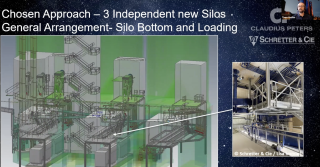
14 July 2022
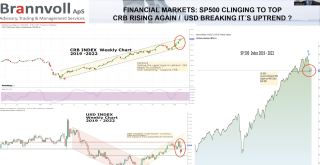
13 July 2022
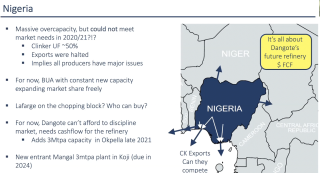
12 July 2022
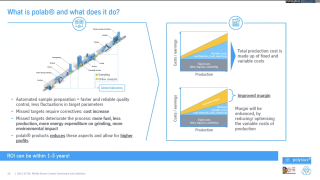
12 July 2022
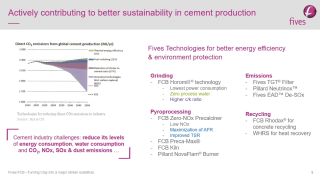
12 July 2022
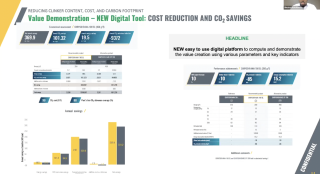
12 July 2022
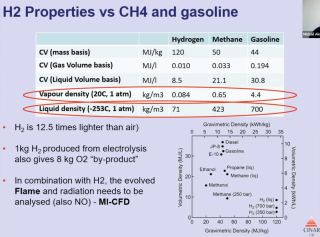
12 July 2022

12 July 2022
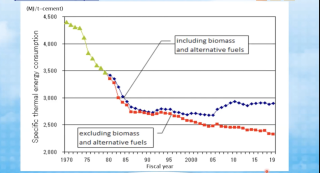
12 July 2022
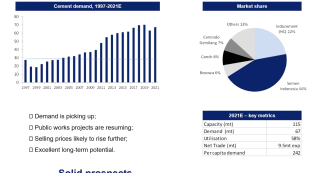
12 July 2022
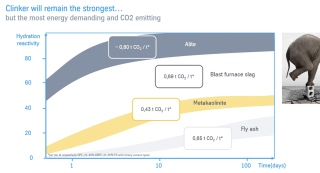
12 July 2022
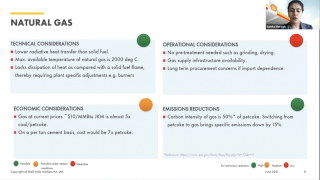
12 July 2022
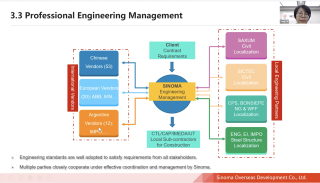
12 July 2022
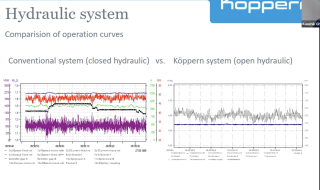
12 July 2022
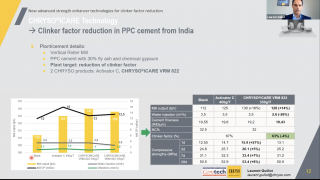
12 July 2022
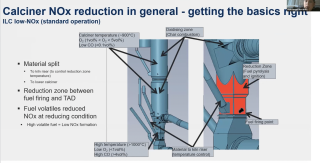
12 July 2022
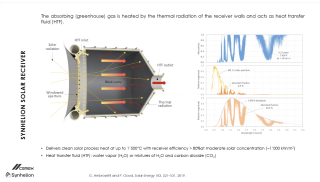
12 July 2022
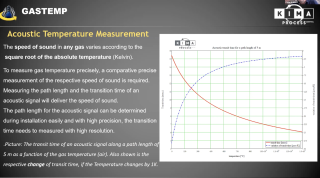
11 July 2022
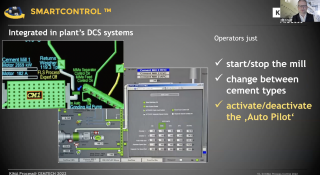
11 July 2022
11 July 2022
11 July 2022
11 July 2022
11 July 2022
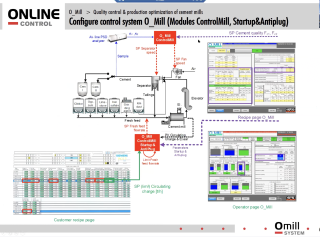
11 July 2022
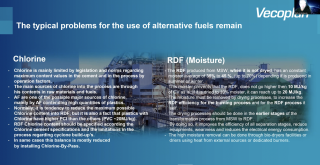
11 July 2022
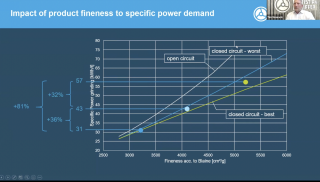
11 July 2022
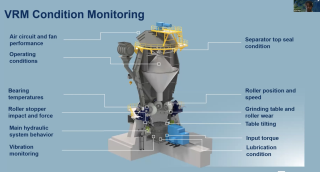
11 July 2022
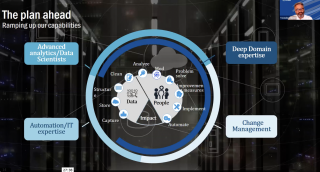
11 July 2022
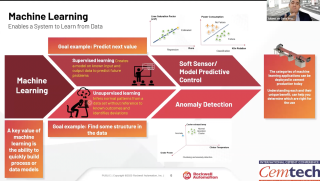
11 July 2022
11 July 2022
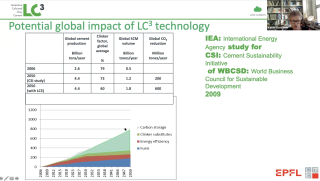
11 July 2022
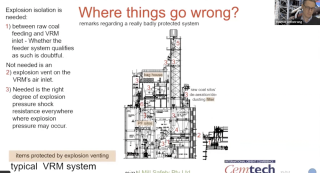
11 July 2022
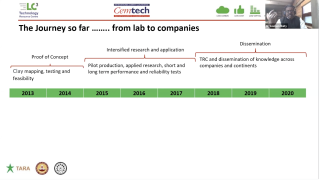
11 July 2022
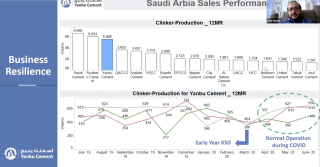
11 July 2022
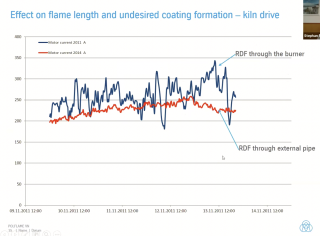
11 July 2022
11 July 2022
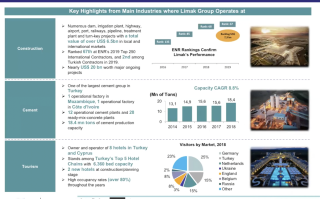
11 July 2022
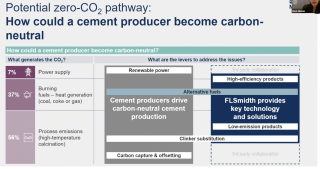
11 July 2022
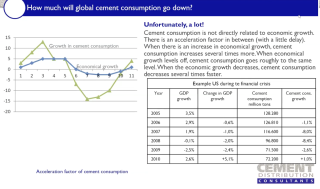
11 July 2022
11 July 2022
11 July 2022

6 July 2022
1 July 2022
1 July 2022

8 June 2022

12 February 2021
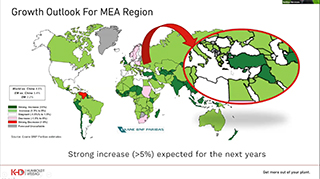
12 February 2021
12 February 2021
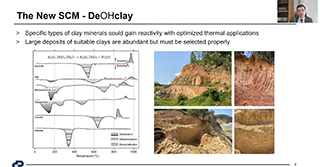
12 February 2021
12 February 2021
12 February 2021
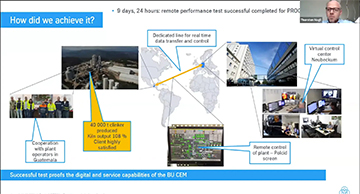
12 February 2021
12 February 2021
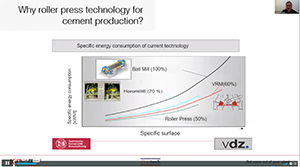
25 September 2020
25 September 2020

25 September 2020
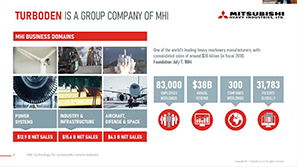
25 September 2020
23 September 2020

22 September 2020
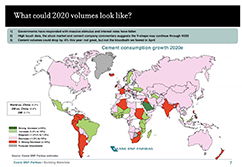
22 September 2020

21 September 2020
20 February 2020
10 February 2020
10 February 2020
10 February 2020
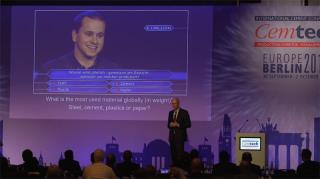
7 February 2020
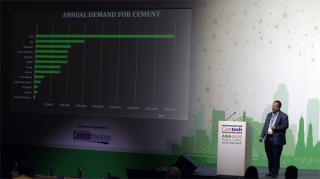
27 January 2020
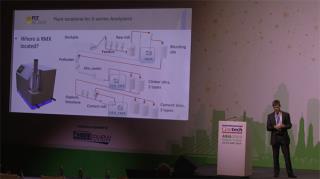
23 January 2020
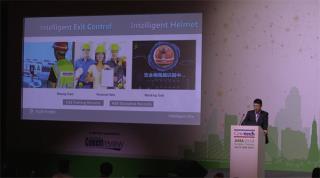
23 January 2020
23 January 2020
23 January 2020
2 May 2019
30 April 2019
18 April 2019
18 April 2019
18 April 2019
12 April 2019
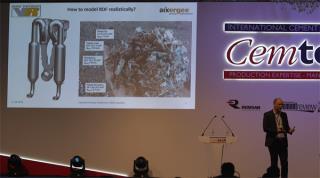
12 April 2019
11 April 2019
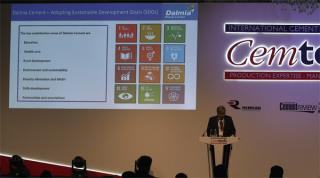
10 April 2019
10 April 2019
10 April 2019
9 April 2019
9 April 2019
4 February 2019
17 January 2019
31 July 2018
31 July 2018
31 July 2018
27 July 2018
27 July 2018
27 July 2018
27 July 2018
27 July 2018
27 July 2018
27 July 2018
27 July 2018
27 July 2018
27 July 2018
25 July 2018
25 July 2018
25 July 2018
24 July 2018
24 July 2018
24 July 2018
23 July 2018
23 July 2018
23 July 2018
20 July 2018
20 July 2018
20 July 2018
20 July 2018
20 July 2018
20 July 2018
20 July 2018
20 July 2018
20 July 2018
20 July 2018
20 July 2018
20 July 2018
20 July 2018
20 July 2018
20 July 2018
20 July 2018
20 July 2018
20 July 2018
20 July 2018
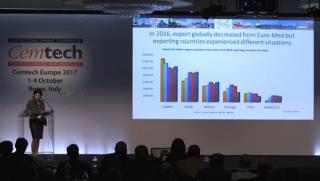
19 July 2018
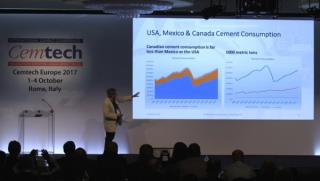
19 July 2018
19 July 2018
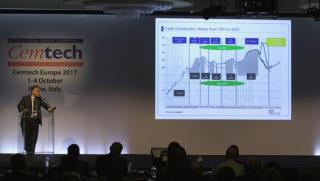
19 July 2018
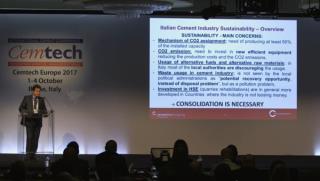
19 July 2018
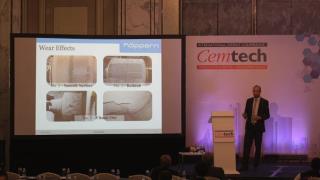
23 March 2018
23 March 2018
23 March 2018
23 March 2018
23 March 2018
23 March 2018
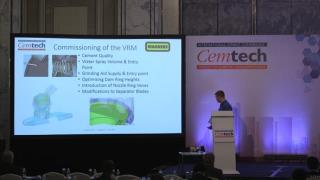
23 March 2018
23 March 2018
23 March 2018
23 March 2018
23 March 2018
23 March 2018
23 March 2018
23 March 2018
23 March 2018
22 March 2018
26 October 2017
26 October 2017
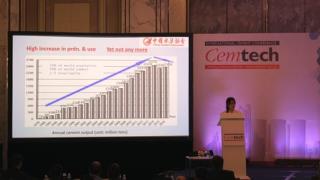
26 October 2017
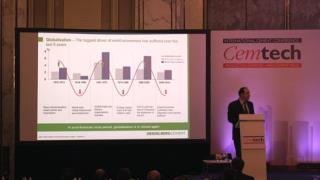
26 October 2017
14 August 2017
14 August 2017
14 August 2017
14 August 2017
14 August 2017
14 August 2017
14 August 2017
14 August 2017
14 August 2017
14 August 2017
14 August 2017
14 August 2017
14 August 2017
14 August 2017
18 July 2017
18 July 2017
18 July 2017
16 June 2017
16 June 2017
16 June 2017
16 June 2017
16 June 2017
14 February 2017
14 February 2017
14 February 2017
14 February 2017
14 February 2017
14 February 2017
14 February 2017
14 February 2017
14 February 2017
14 February 2017
13 February 2017
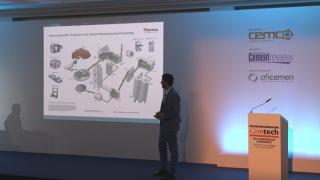
13 February 2017
13 February 2017
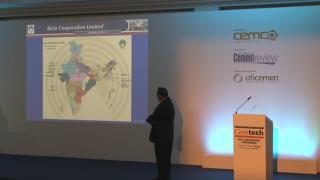
19 January 2017
19 January 2017
17 January 2017
17 January 2017
17 January 2017
6 January 2017
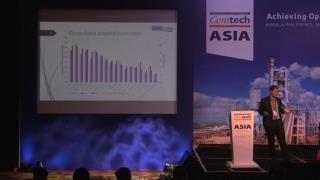
18 August 2016
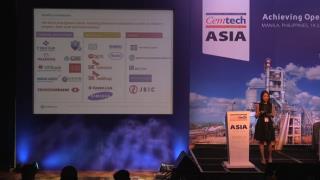
18 August 2016
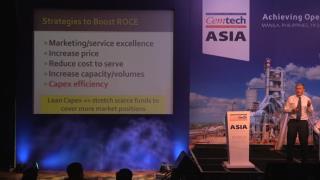
18 August 2016
18 August 2016
17 August 2016
17 August 2016
17 August 2016
16 August 2016
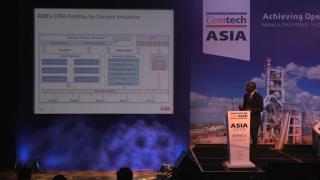
16 August 2016
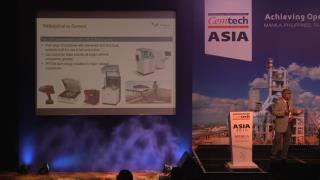
16 August 2016
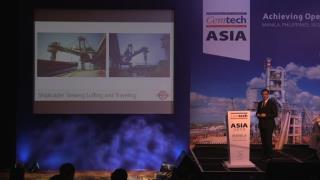
12 August 2016
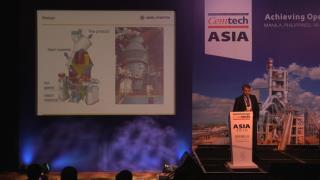
12 August 2016
12 August 2016
11 August 2016
11 August 2016
11 August 2016
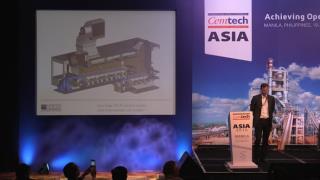
10 August 2016
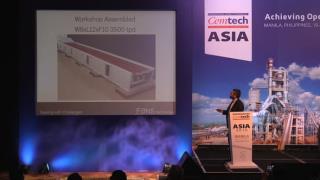
10 August 2016
10 August 2016
8 August 2016
8 August 2016
8 August 2016
6 May 2016
6 May 2016
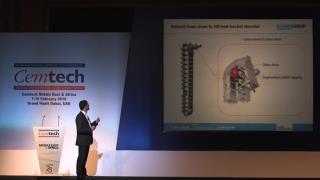
6 May 2016
6 May 2016
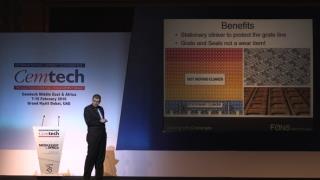
6 May 2016
6 May 2016
6 May 2016
6 May 2016
6 May 2016
6 May 2016
6 May 2016
6 May 2016
6 May 2016
6 May 2016
6 May 2016
6 May 2016
6 May 2016
6 May 2016
6 May 2016
6 May 2016
6 May 2016
25 April 2016
25 April 2016
11 March 2016
11 March 2016
11 March 2016
11 March 2016
11 March 2016
11 March 2016
11 March 2016
11 March 2016
11 March 2016
11 March 2016
11 March 2016
11 March 2016
11 March 2016
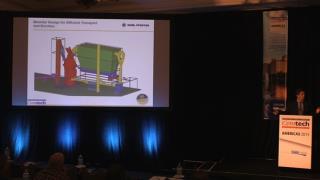
11 March 2016
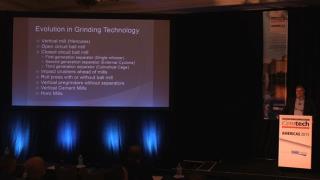
11 March 2016
11 March 2016
11 March 2016
11 March 2016
11 March 2016
11 March 2016
21 December 2015
15 December 2015
15 December 2015
15 December 2015
15 December 2015
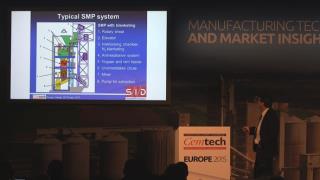
15 December 2015
15 December 2015
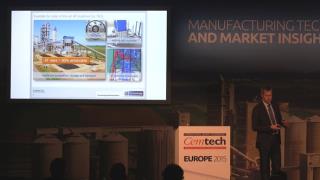
15 December 2015
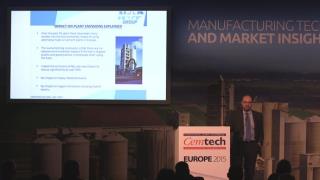
15 December 2015
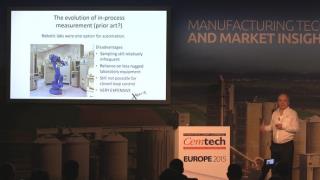
15 December 2015
15 December 2015
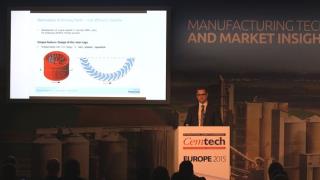
15 December 2015
15 December 2015
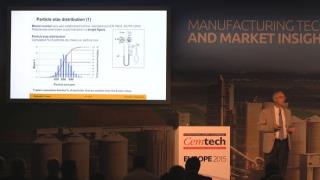
2 December 2015
2 December 2015
2 December 2015
2 December 2015
2 December 2015
2 December 2015
2 December 2015
2 December 2015
2 December 2015
2 December 2015
2 December 2015
2 December 2015
21 August 2015
21 August 2015
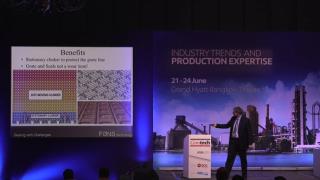
21 August 2015
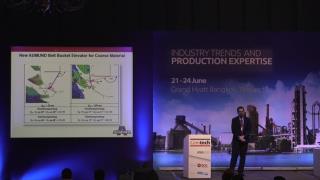
21 August 2015
21 August 2015
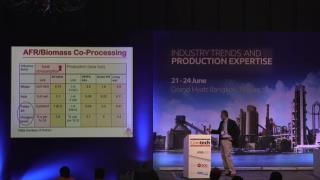
21 August 2015
21 August 2015
21 August 2015
21 August 2015
21 August 2015
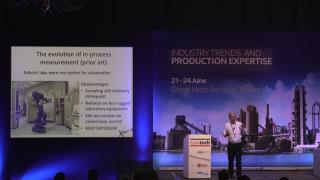
21 August 2015
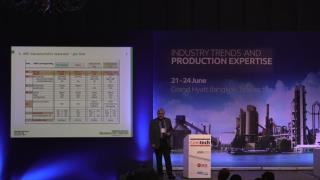
21 August 2015
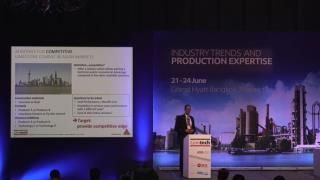
21 August 2015
21 August 2015
21 August 2015
21 August 2015
21 August 2015
21 August 2015
21 August 2015
21 August 2015
20 August 2015
20 August 2015
18 August 2015
18 August 2015
18 August 2015
18 August 2015

30 June 2015
29 June 2015
29 June 2015
29 June 2015
29 June 2015
29 June 2015
29 June 2015
29 June 2015
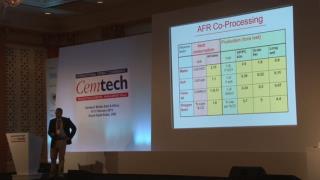
29 June 2015
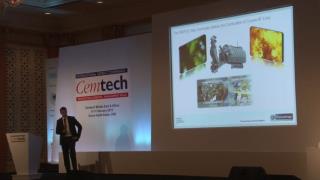
29 June 2015
29 June 2015
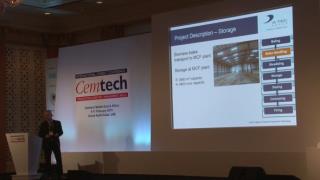
4 June 2015
4 June 2015
2 June 2015
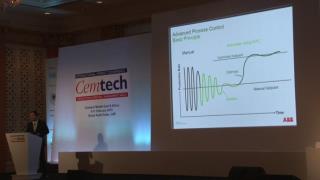
2 June 2015
2 June 2015
2 June 2015
29 May 2015
29 May 2015
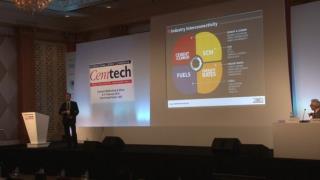
28 May 2015
28 May 2015
28 May 2015
18 February 2015
17 February 2015
13 February 2015
13 February 2015
Try searching for another title.