
2 September 2026
This transcript was generated automatically and may contain errors.
Good afternoon, good morning. hello and welcome to you all. it's great to be back for this Cemtech webinar. My name's Thomas Armstrong. I'm managing editor of International Cement Review. And it's a pleasure to be able to host this webinar on green cements. It's our last webinar of the year. We've, we've been through all the different technologies throughout the cement plant, really focusing on the new areas of interest, carbon capture, alternative fuels energy efficiency. And, and today something that's a, a key topic, which is green cements. and I'll speak a little bit more about that in just a second. But before I do as I said, I'm the managing editor of International Cement Review.
we publish monthly. we've just put up our new website and we invite you to visit and subscribe. if you want to keep up to date with all the, the rapid transformations in our sector today, then this is the, the way to do it. technical articles, market reports the cement hunt cement plant envir operations handbook. all the resources that you need to stay on top of the industry. as well, the Environmental Handbook, a collection of, of really excellent papers covering everything from quarry operations through to cement grinding systems. And of course, net Zero. a key topic of discussion that comes free with the subscription to International Cement Review. Check it out. Go to cnet.com/subscribe.
A little word about next year. we're planning our conference series, which travels from the Middle East and Africa to Asia and Europe. And our first event in person event will be back in Dubai. must be our 15th year, I don't know, somewhere, something around that. we're gonna have a fantastic two day program. Please take a look at the website a great exhibition and the usual panel sessions and technical papers and exploration of the industry especially for the Middle East and African region. lots of information on our website, but back to today and the future of, of Green cements. a real pleasure to be able to introduce this lineup of speakers.
That covers a lot of really important areas We're gonna look at cal sign Clays. obviously clinker reduction is a key lever. Decarbonization Cal Sign clays are now starting to come on stream. New projects are announced weekly. we're just hearing about vca starting up. Its its new line in France and we'll, we'll soon have a, a new carbon Kaine clay line in Ghana as well as all the other projects taking place in all corner of the world. So how to make Kaine clays that's coming up. fly ash. Another incredibly important material. And we're gonna hear from eco material technologies and the perspective from North America and the huge potential there for scms.
it's great to welcome back Dirk Dale from Phos Rock. cement additives play a really crucial role in in the whole of the cement manufacturing process, but particularly in grinding and in allowing for higher levels of additions. So I think we're gonna have a, a very useful presentation from, from Dirk from FOS Rock. But to start us off right now I'm really pleased to welcome Simon Welt Miller from Thermo Fisher Scientific. I'm just gonna stop sharing my slides for you, and if you go ahead now Simon, I can see your first slide. That's great. So, Simon's gonna talk about the analytical challenges of decarbonizing cement or how XRD helps with the clays, slags and ashes.
so Simon is a global application specialist in x-Ray Diffraction, XRD Thermo Fisher Scientific. it's a role he's held since 2017 with over 10 years of experience in XRD applications. Simon brings deep technical knowledge to solving analytical challenges in cement decarbonization. He holds a PhD in solid state chemistry from Leipzig University and a master's degree in chemistry from LMU Munich. So someone with great academic and practical experience. I'm delighted to welcome you, Simon. over to you and, and do, turn your microphone on so we can hear you. welcome Simon. Thank you for the introduction. and welcome to all the participants. So I will just straight jump into my presentation.
So here is the title again, if you didn't hear it. So it's all about how to decarbonize cement and how xAd can help with that, just a quick introduction into Somer Fisher. So Somer Fisher. At Somer Fisher, we have more than a hundred thousand colleagues globally supporting our customers to en to enable them to make the world healthier, cleaner, and safer. And to do that, we offer a variety of different instruments. So we for, especially also for the cement industry, we have crossbar analyzers. We also have a variety of different XF instruments. We recently launched the X 900, which is a XF instrument, which is especially well designed for the cement industry.
And today we are going, going to focus on our x D instruments. And in our portfolio, I am going to talk about the extra companion, which is our benchtop instrument. So here are some details about the extra companion. it is benchtop instrument, as I mentioned. It has it use the tunnel cta, CTA geometry 600 watt X-ray generator. That's kind of common for the, for this type of instruments. We have a wide measurement range, which is not really used in in cement analysis, but it still has it. The instrument has a time pick suite type solid state detector.
So it's a wheel 2D detector with a 55 micrometer pitch and a nice electronic photon energy filtering about one KV energy resolution, which is nice. If your samples contain some iron, then you can suppress the fluorescence from that. The instrument has a motorized beam knife to in increase the the quality of the data at low angles. All other slits are manual, so there are no beam masks. It's all slits operated by by micrometric schools. the quality criteria or the performance criteria, the resolution is on par with what is expected from such an instrument. So we are below 0.034 and the instrument is very accurate with plus minus 0.01 deviation from the N 1 9 7 6 K reference material.
The instrument has an integrated chiller, so it's the bottom part of the instrument. We offer a sample spinner and also a six position sample changer. one thing I really want to highlight is that the instrument is capable of, or the, not the instrument, but the software is very capable of doing one click analysis. And of course, we also have lymph support if you want to transmit your data and the results directly to your lymphs. Here you can see our, so the sample spinner and the six position, position sample changer. we have different diameters of sample cups available depending on the sample web. Usually also a huge variety of different cups for different type of materials.
So then in terms of software, the software we are using for the quantification for the wheat world analysis is called prox. This is a software under GPL license. So it's a open source software, completely free of charge. It has a very stable and powerful wheat weld fitting algorithm, which is based on fundamental parameters in this software. You can also quantify the amorous content, which is especially important for decarbonizing cement, for green cements. there are different approaches we can use. Internal standard, also a calibrate pick list. the software can work on presets. And this enables what I call the one click analysis. So I have a little video showing, oh, doesn't work.
Wait a second. Why is it not starting? Oh, it's starting. Okay, it's starting now. so in the software, the first thing you have to select is, is actually the task or the method. then you can select the folder to save the, the data, or you can just select the pass. We have a simple identifiers you, you can modify them to your liking. So it's really up to you how you want to set them and want you put all of this information, you just click start and the measurement will start. So this is really a, a life measurement on the same one sample. So you can see the instrument working on the top right corner here. Oh, okay. Okay. There was a little interruption.
And so yeah, the you can see the, the intensity of this scan is quite good. So we are close to, to 10,000 counts Measurement time here is 10 minutes, actually, but of course I had to accelerate the scan because I don't think anyone want to watch 10 minutes of XD measurement. And so this, this is now maybe taking a couple more seconds, and at the end of the refinement, the software will automatically one a refinement for full quantification. So now the measurement is over instrument resets, and now we can like have a look on the results. So you get the full list of the results here. And all of this can also then be transmitted to the lymphs. Okay.
So the, another thing I wanted to talk about is what are the benefits and limitations of X-ray diffraction? because sometimes there are questions. So I have a a slide to really, to really emphasize what it, what, what it can do and what it cannot do. So as a principle, XAD evaluates the interaction of X-rays with an atomic structure to, to determine the 3D arrangement of it, its atoms. So what this means is we can distinguish between, for example, the chemical species, species. This means Hematite Tite. There is Ivan three plus iron two plus the crystallographic structure. There are different polymorphs of, for example, titanium dioxide alta. There is even, there's a third.
you can identify and quantify crystalline phases. You can also determine the amorphous content, and you can determine the atomic structure of material. So there are a lot of parameters which you can refine for that. There are also clear limitations. So the information on elemental composition you get from XAD is very limited, but it's not comparable to XXOF. In this sense, it is easy to apply, but difficult to master. The LOD is usually around 1%, and it does not work on, on gases and liquids. So now I wanted to directly jump into the cement man manufacturing workflow and show you where XID can help you especially with by, with de in the cement.
And of course, we are going to start at the beginning. So with all of the raw materials and so in, if you want to create a greener decarbonized cement so first the cement productionist is responsible for about 9% of the global greenhouse gas emissions per year. And there are certain ways to, to save, to save CO2. And one is on the clinker. So you can, for example, use alternative fuels. I I mentioned a couple of year, and this allows you to maybe save up to 30% CO2 per ton clinker. I'm not going to focus on this in this presentation, so I, I just wanted to mention the more important task is for cement. And you can for replace some of the clinker by by other materials.
And there are a couple of examples. So you can, for example, use fly ash or GGBS, which have cementitious properties, and they are waste products from other industries. So it's so it's like recycling. So it's actually very good thing. There is also na natural pot alarm, which can be mined if it's available in your, in your region or the la one of the latest developments is to use Cal and Clays in something called lc three cement to also replace clinkers. So analyzing raw materials related to this topic has comes with some challenges.
so these, all of these materials are actually analytically challenging for various reasons because all of them are have amorphous content and sometimes quite difficult face compositions. also especially for the clays, the analysis of, of clays is always a challenge. And the, the the stability of the wheat field software is really important here. What we can offer is to directly identify and quantify the faces in the, in the raw material. And as I showed you in the video, we can, we can create methods and use it in a one click refinement to really limit the, the user interaction with the actual scientific process. So now, here are a couple of examples I have for you.
So on the top left here we have fly ash. So, and then here is some GGBS. so all of them are very amorphous sometimes high in iron, but it's possible to, to really quantify them. On the bottom here is some bot. You see, this is already quite difficult because it has a lot of faces or additionally some amorphous content. And here on the right we have a clay example. And as you can see from the list of faces, there are a lot of faces. It is really very challenging. It, it is not really amorphous, but, but clay in general is a really, really difficult sample. Okay. No, maybe my PowerPoint crashed. yeah, keep trying and we can we can try and share it from this side.
If, Wait a second, I, let me just, I can maybe fix it. Let me just try. Why is it doing that? if you unshare it and share it again, it might it might, Yeah, yeah, I try that. No, No. it seems it really crashed. Yeah, I, I would suggest that I share it for you. Yeah, we can, it's not even clear thing. I don't know what happened, really. No idea. Okay. Yeah, please. It's I, I, it seems I can't fix it. can you see that? Yes, I can, I can see that. Right. So hopefully we've got the same slides and I'll just follow your instructions. Yeah, I, oh, maybe, no, it's not, still not working. Okay. Yeah, just move to the next slide. I think I finished this one. Yes. And then, okay, so yeah, now next one.
Okay, so, ah, no, that, that's the wrong slide set. I sent you two. One is called full because I removed some slides. Sorry for the inconvenience. I'll just double check Why is that Okay? That's the only, only set we've got here at the moment. are you able to make, to go through with that? Just to use those? Wait a second. Is it okay, let me just, okay. Yeah. I managed to close power point. Maybe I can reopen my presentation now. Okay. Try again. Any luck? It is still working. I don't know. Yeah, it's very, my computer is in, is very slow. Maybe something is going on in the background. I have no idea. It's sharing. So yes, should, should work. Let me share again. Okay. Seems to work Now.
Can I move the slides? Yes, I can move. Sorry for the inconvenience. I don't know what happened. Right. Okay. So now yeah, let's start with the clinker. So so here are some some challenges for the, for the decarbonization. so yeah, like if you, if you if you want to use, for example, alternative fuels for the calcination, you have to have a tight control. The additional additives, like I showed you from the raw materials, they increase the analytical challenges. Also, the diversification of the raw materials increase the burden on, on the operators, and you have always have a, a trade off between strengths and and cost in the cement. So there were a couple of solutions offered by i, I Idi.
So usually it's quite simple, simple preparation for plant operators. It's minutes from sample prep to results. You have a closed control loop for the calcination. it's a method driven analysis approach, and it's quickly adjustable. And yeah, we offer a very easy instrument operation by this one click analysis I showed. So just as a quick reminder here, I wanted to show what we can do on clinker. So this is just normal clinker and I want to especially point your eyes on on these two columns. So this clearly shows that the method we provide satisfies a SDM 3 1, 3, 6, 5 norm for clinker. Okay. So then now let's move on to the, to the more interesting part. And this is about the cement itself.
So here is yeah, if you, if you want to decarbonize your cement and add all of these additives you will introduce a lot of amorphous material. And the problem with that is that amorous faces, they have no crystallographic structure. So use, usually quantifying them in a virtual refinement is, is kind of difficult. There are with different approaches for the quantification. So the, I would say most accurate one is to use an internal standard. but it's, it's really precise to do that. But it has more complex sample preparation because you always have to add it to any sample you measure.
But there is an alternative method, which is called a cal, which we call calibrated peak list, or it's also known as pos. to do that, you have to set up a calibrated peak for the amorphous phase. And to do that, you have to have a, a, a mixture of a sample of your sample with a, with a reference material in a known ratio. And from that you can, you can actually calculate this calibrated peak and save it and reuse it for similar samples later. I have example here for you that's slack cement. So there, there is some there is some clinker here. And and mix with slack in certain ratios. So it's 20, 30, 17, 80% of slack content.
the quantification is using this calibrated peak list, and here is the linearity. So in this case, the, the the, the added, the clinker was used as the, as the reference. And also by doing that, it works. So you see, we have a very, very good linearity. So this method really works very, very nice. And it is pliable on fly ash on, on on slacks and also on caran clays for the, for the caran clays. I have another example for you here. So this is this example is on meta choline, Mecho. and there are different calcination temperatures shown here. So the top one is the, is the raw material. So the Carolyn, and then the consecutive curve curves are for different calcination temperatures.
So you see it's 900, 800, 700, and I think this one is maybe 600. And with by, by doing a wheat for refinement, you can actually follow the evaluation or the, the, the trend of different phases with the different calculation temperatures, because the calculation temperature is really important for the quality of the material, but you also don't want to overdo it because then you just burn more fuel than required. And in this diagram here, you can see we start here with the walkley. And what is important is the amorphous material, which has the cementitious properties. And the walkley is, is crystalline. There is no amorphous content.
And then if we if we ign at 600 degree, you can see a steep increase in the amorphous content, and the amorphous content seems to be correlated with the quarts. So the, this curve is the quarts, and what we decrease is the kale in night. That's a kind of clay mineral. And, but the sample has additional clay minerals like mixed layer clays, couple of others. And if we then increase the calculation temperature, we can see that at 600 degree we have still some remaining kalin night, but at 700 degree, all of it gets amorphic. And we have our first maximum in amorphous content, no kalin night.
If we then move to 800, we see we can still increase the amorphous content a little bit because some of the mixed layer clays also gets amortized. But if we then move to 900, we see, okay, we actually reduce the amorous content a little, and we form additional phases like moonlight also there is some magnetite now. So there were additional reactions, side reactions, which happen at 900 degree. So in the diagram like this will really help you to optimize the calculation conditions for your specific type of of clays. And of course also we could also do the same type of refinement on the final product.
I just have no example for this here, but yeah, that's that's like a refinement on a kind of normal cement sample. And that's the end of my presentation. I want to thank you for your attention, and if you have questions, and I want to apologize for the for the technical issues. Yeah. Okay. Thank you. Thank you, Simon. Thank you very much. And I'm glad we sorted out the size eventually. so well, that last slide was really fascinating actually, because you can really see in granular detail what what's happening at the different temperature points which of course is critical for Carine clay production. so that's a, a great demonstration of, of the technology.
have you, have you seen a lot more interest in, in analyzing castine clays? recently is is that I mean, we obviously talk about it a lot in our magazine, but it's it still hasn't fully hit the market. it's, it's coming strongly. I, I guess It's coming strongly. Yeah, yeah, I can, I can, I can back this up. So, yeah, yeah, there were a lot of requests from, I mean, any place globally Mm-Hmm, Yeah. and in that instance, you are, you are taking the, the the cow sign clay, it's come out of the whatever it is, the rotary kiln or the flash cow signer.
and at that point you are, you are measuring but I guess what other points would you be would it be viable to, to use your, your equipment or what do you see happening most? So, of course, the raw material itself, the clay is yeah, already a starting point. but it's actually the maybe most difficult one because the by with the calcination, you actually reduce the number of phases, and then the refinement is less, is a little less complicated. But in the raw material, in the raw clays, yeah, it is complete. It is really crazy. It's so complicated. And of course, it depends on, on the origin of the clay. So where they are, where they are mined, where they are duck.
So, but it, it's also important to, to do an analysis because it will already give you an indication of, of the, of your product, of the quality of your product. So that's, I would say it's really, it's really crucial to already start with the work lay. And then of course you have to check the cal sign once also, depending on the, on the kiln, you use watery kiln, the flash calcination, it'll have a, have an influence on, on the results. So I, I saw some, some samples of cent clays from different let's, from different furnaces, different kilns. They are very different. It's also using same temperature. It will have a different, it will, it'll look different if you use a different kiln. Sure.
And, and different deposits have really varying characteristics. yeah. And, and I guess that that leads onto this question that's been asked. I'm is it necessary to, for the T-F-X-R-D from Fisher XRD to be calibrated specifically for the clinker of a given plant? Or is it an, or is it, is it analyzing the clinker from any plant without calibration? So I think you kind of touched on that when you were talking about the different modes that you can analyze in. So we, we create a method. So so I would say standard clinker has always a similar set of faces in it, but if there are, depending on the raw materials of a certain plant, there could be faces in the clinker, which are very specific.
It really depends on your start, on your raw materials. And then I would recommend to include them into the refinement, and therefore you have to adjust the method. But that's always something I would recommend to do specifically for the plan, for any plan to adjust the method. It will be more or less the same, but you have to double check that the set of faces works on your specific raw materials on the kiln. So it's not really like creating a completely new method. It's only like doing slight adjustments. Yeah. Okay. So it is a kind of Cal calibration Yeah, if you want to call it, it's kind of calibration. Yeah. Okay. Thank you very much. Well a really interesting presentation.
That's all we have time for now, but thank you, Simon. yeah, we've there's so much in interesting application for this technology, and I'm sure it'll play a big role as the industry seeks to introduce new, new materials. So thanks there. We're gonna move on to our second presentation. welcome to Dirk Denal from Phos Rock. Dirk brings 80 years of experience in the cement industry, including key roles with Lafarge across Africa, and his current position as global head of cement, grinding aids and additives at Foss Rock, with expertise in optimizing cement, grinding, enhancing production efficiency in driving decarbonization strategies. Dirk is a leader in sustainable cement innovation.
He holds an MBA from Embryo Business School and Advanced Concrete Technology qualification from the UK's Institute of Concrete Technology. he works, his work aligns with the global efforts to reduce CO2 emissions, making him a valuable voice in advancing sustainable practices in the industry. So, welcome, Doug, if you'd like to share your presentation now. he's gonna speak on advancing sustainable cement production through innovative cement additives. Thank you, Doug. Thanks, Tom. thanks for that lengthy introduction. so I'm super excited to spend the next 20 minutes with with everybody from around the world and, and, and, and hopefully we can share some ideas and, and some technologies.
You know I would say gone are the days where cement, grinding aids and additives we're just there to to, to make grinding more efficient, right? I think the role of cement additives have changed and, and now it's really taking an active part in, in shaping dehydration process, enabling better use of, of sems throughout the throughout the structure, I'd like to take us through just this slide that we've, we've seen before, right? So, cement production accounts for around 9% of global CO2 emissions. and this really makes innovation in our industry quite, quite critical.
So when we look at the global roadmap from the GCCA to get us to net zero, we can see that reducing clinker and maximizing sems and adopting alternative materials is, is some of the key levers that really get us moving in the right track on, on this decarbonization journey. If we look at cement additives, I think this is where our products and our, our, our expertise plays a valuable role improving clinical reactivity, enabling higher SEM contents without impacting on the concrete or the cement performance and strength properties. I think these are the areas where, where we are strong and, and, and where we can really deliver the value.
So today I think we'll be focusing on the three core levers. one would be clinical reactivity and, and grind ability and really looking at how we can tailor raw mill optimization additives really to improve the particle size distribution of the raw mill entering the killin, and how this really helps in, in, in, in optimizing formation temperatures. The second lever will, will focus on is, is obviously the SEM utilization and performance enhancement. So, so looking at how we can maximize this, this resource and, and minimize the clinical content while, while mitigating all the negative aspects of, of setting time and, and, and slower strength development, et cetera.
And then we'll just briefly touch on some of the newer sems. And, and we're fortunate to have the, the lc three teams that will present after me to, to take you into a bit more detail on, on some of these newer technologies. So let's start by, by just unpacking the areas where cement additives really become useful, right? So, basic grinding aids, this is something that has been around for many, many years.
I think the first document that used was in the 1930s where organic compounds were added to, to cement grinding process, to reduce the agglomeration and really improved some riding efficiency, but it became more mainstream around the 1950s where the impact of improved mill output and reduced energy consumption, and then PSDs and, and those sort of characteristics became better understood. So the way these molecules work is really, they absorb onto the clinker particles. They neutral, neutralize the particle size the particle charges, and that helps reducing agglomeration.
this helps improving the the mill efficiency the ball coatings and, and, and, and ultimately the, the particle size distribution of, of the cement that comes out at the end of the killer of the the, the mill. The second one is performance enhances, right? So performance enhances was first introduced in, in, in the 1980s. and this was really marking a significant change in, in cement production processes. typically these editors were formulated to, to, to improve the physical and chemical performance of cement. And, and, and really subsequently the performance of concrete.
the initial focus in the eighties and nineties was really on, in, on, on strength development, particularly early age strength. and this allowed construction companies to really optimize the construction schedules and, and really push these, these faster construction schedules. Now, performance enhancing additives have evolved since then. And, and we are constantly developing new molecules to, to address different needs, right? And multiple objectives some of them including durability aspects, workability workability and slump retention and also activation of, of some of the sems.
Basically, these additives really work on modifying the hydration process in, in, in the clinker as well as reacting with, with some of the mine of, of the sems. A new version is, is in the raw mill optimization additives, right? So I think this really was first in, introduced in, in the, in the 1990s but really only became mainstream in, in the, in the, in the recent years. And, and the goal of these additives really is to optimize the raw mill the raw mill coming into the kiln and, and making sure that these particles are well distributed, a very narrow particle size distribution and, and really helping with, with some of the harder to grind minerals.
And, and we'll discuss on, on, on that in the next slide. The last, but not least, the, there's also some functional additives, right? These are really newer technologies and, and really specific to, to do specific needs. air entrainment additives for, for, for masonry cements. CR six reduces for reduction of water soluble chromium in, in, in, in, in the cement and different ones, right? So this is a this category is every expanding and, and, and newer technologies are being developed really to to answer a wide variety of, of, of specialized needs if we start to look at the clinker manufacturing process.
And then this is also the area where the largest part of the CO2 emissions is emitted within the within the cement manufacturing process, around 85% of, of CO2 emissions comes from, from, from, from the ER manufacturing process. 51% of this CO2 emissions come from the cal calcining of, of the limestone. but 34% really comes from, from the fuels that we use to heat the kilns. And this is really where we saw an opportunity for raw mill optimization additives. Firstly, we look at how can we improve the grind ability, right? So we look at the, the, the raw meal readiness for, for reaction to form the clinker minerals.
This addition of raw mill optimization additives really work on improving the gradability of the particular heart fractions cos g sites, the, the, the cos cord fractions and also try and re reduce the amount of agglomeration postal postal mill to allow for better flow throughout the, the killing system. Another key benefit that I think comes from here is the reduction of the clinker formation temperature. And, and, and this is where I think the biggest saving and the biggest potential lies for fos cement plants.
If we look at the FLS vulnerability expression, we can see that, you know, a reduction of three LSF points or 0.5 LIC ratio points 2% cocal site or at, at a one a hundred and twenty five micron, or one CO 1%, cos quas at 45 micron will reduce the clink formation temperature or the free lime by 1% at 1400 degrees. Now, this is quite interesting. If you look at the graphs on, on, on, on the, on the right bottom side of, of, of the, the slides, one without grinding eight and, and one with grinding eight, you can see that the core scale site fraction has, has drastically reduced with, with, with the Cmax 360 rm.
And this really allowed the cement plant to reduce the clin formation temperature by around 6%. this is quite interesting because of a few, few advantages that come with it. Obviously, the redu, the reduction of, of the fuel and, and the burning temperature, but also the clinker that comes to the other side is slightly softer allowing for better finished mill grinding. So now that we've really managed to produce good quality clinker we can look at some of the other levers right in, in, in this de decarbonization journey. one of them obviously is maximizing our, our supplementary cementitious materials and replacing as much of the clinker portion as we possibly can.
replacing clinker reduces our CO2 footprint quite significantly. And, and this is really the, the objective of, of, of, of what we're trying to achieve. However, I think substitution has its limitations both from a specification point of view. And, and this is not the focus of, of, of today's talk but also on the performance point of view. And, and this is where we'll focus our, our, our talk today, really working with this cement additives, manufacturers, the cement plants can really extract huge amount of value. we evaluate the raw mill, we evaluate the clinker phases.
We evaluate the mineralogy of the sems and design according to, to, to, to what the, the chemistry that we are fa we are presented with. we design formulations that really maximize performance, saving time, early age strength, late age, strength, durability aspects, slum, pretension, et cetera. So now let's look at some of the, of the added of the sems that that, that we are, we know and, and, and are using at the moment. So, limestone, I think, has been around for, for many centuries and, and been used as a modern SEM since the 1970s.
the early introduction was as a minor constituent predominantly, but I think as research evolved and as people got more data from, from inclu incorporation of limestone in immense, we see the benefits of adding limestone, right? So, limestone really fulfills three main functions as an SEM. it acts as a filler making available more nucleation sites accelerating hydration of the clinker phases, et cetera, especially the alo phases. there's an interaction between the lime zone and the calcium luminate. and that really creates some calls. So some carbo luminate phases as well.
and overall, it really imp improves the overall packing density and, and, and, and contribute to workability and mechanical performance from, from, from that point of view. However, the limitations remained with limestone. There's drawbacks on late strength development slump retention et cetera. So these SE these, these restrictions then put or prohibits us from, from really maximizing the, the addition that we could potentially use. Now, we can develop certain cement additive that can really help eliminate or mitigate some of these risks working on the early age strength development, the late age strength development and, and, and, and the likes.
And this is where, where I think we can play a huge role in, in limestone events. Second one that is really well known is G-G-B-F-S. And, and, and G-G-B-F-S has been around for many, many years byproduct from the, from the steel industry. it has latent hydraulic properties, which means it requires an activator to really start the hydration process. and in the cement hydration process, we see calcium hydroxide being the activator for, for, for, for A-G-G-B-S BFS in, in the system.
However, as you can already know, this slows down the reaction and, and the strength development of, of the cement containing high amounts of G gbfs over and above some of the emissions reduction potential that we get from G-G-B-F-S. There's also durability aspects to it. permeability improves reduction in permeability, enhanced resistance to sulfate attacks, enhanced chloride penetration and, and, and crawl binding abilities, right? So, so I think a lot of, of of work has to go into, into developing solutions for GG pfs.
Some of the drawbacks, however it's harder to grind and, and, and this really puts strain on the mills and, and, and mill efficiency leading to increased power consumption, et cetera. it's also much more abrasive than, than clinker. So it really degrades and ages the the wear parts a lot quicker. And then the strength development is, is quite slow, but it's, it really continues to, to develop post, post to 28 days as well. The third one, and, and we, we'll, not dwell too much on fly as we have a speak on fly after me, but flash really du relies on the hydration of, of clink to activate the psic materials. this po pmic activity then works with the calcium hydroxide to form CASH gels.
and this really takes some time to develop, which means that setting times are increased reduction in early age strength development. but longer term strength development is, is, is, is really improved post 28 days flash also acts as a, as a filler really contributing to to nucleation sites and, and aiding hydration from the alight phases from there. and then obviously the spherical shapes allows for, for water reduction and, and lower water demand than G-G-A-P-F-S or limestones. if we move on to natural ence, I think these are also quite well known, and it's been used for many, many years.
some of the drawbacks is that it is also a ozonic and, and requires the dehydration of the clinker phases to start the pmic reactions, right? So therefore, the calcium hydroxide has to be formed before the the cas cas h gels can, can form from, from there. Setting times are, are still an issue. And reduction in early age strength development is, is, is, is one of the key drawbacks.
From there, the addition of, of additives and some, and, and formulated additives specifically for national Poland can really help mitigate some of this really activating the clinker minerals to hydrate faster, adding some additional sulfate into the system as additional Aly into the system to to, to really mitigate some of the slower reaction reaction times. If we look at Cal place, I think this is the new kit on the block, and everybody is, is, is, is, is, is talking about this. normally the temperature's around 650 degrees to 800 degrees for cal signing of, of the clay making this clay really reactive and, and suitable to use as an SEM because of its reactivity.
It can really replace a large amount of, of clinky in the system sometimes up to 50%. And this makes it a really ideal solution for, for, for our low carbon ambitions. The lc three system operate Metcal react with the, the calcium hydroxides this forms CCSH and CASH phases and, and, and, and are similar to the puzzle that we've just discussed in the cement additive stable. We, we develop additives that really work on the scale aite structure exposing the reactive sica phases for hydration. And, and this helps mitigate some of the early age strength problems that we are facing. We still see some challenges, especially with Cal and with, and with slum retention and, and, and workability.
But this is also something that can be overcome by proper formulation of, of cement additives in, in, in the manufacturing process. Another new SEM that is making its way onto the market is carbonated fillers. and these really react to the calcium hydroxides from the, from the hydration phases to, to also give some some interactions. These really work on these carbonated fills, reacts with the calcium hydroxides. They form calcium carbonate hydrates, and, and these really reacts in and, and, and, and creates more nucleation sites for, for dehydration products to, to obviously give more sustainable concrete steel slacks.
Some you know, it's, it's a much more difficult animal to handle than G-G-P-F-S. it contains free lime and, and reactive ate. these really work and, and work in very complex hydration phases. and I'm not going to go into too much detail on, on, on them, on, on, on, on the stock. So now that we've produced clinker, we've produced cement, we've decided on sems decided on the cement types we want to produce, we can see the cement plants are under really huge amount of pressure, right? A lot of decisions, a lot of critical decisions that needs to be made. And cement additives cannot be considered as a fix for a problem that could have been engineered out of the system at an early age.
So, cement additives are generally used as a bandaid. and, and we normally get a call from, from plants saying, we need to increase 28 day strength by two MBA, which we can do, but it's not optimal. If we are involved throughout the process, you know, we can design an optimal solution that is both cost effective and environmentally effective for, for the cement plants early on. But we also know that cement does not operate in isolation, right? Cement is used in a huge amount of of, of, of applications, and each of these applications require a different approach.
But in the cement plants, we are unable to produce 60 different types of cement to satisfy the needs of, of 60 different types of customers. So we really need to do, to provide or to develop something that is really versatile, flexible, and safe to use in a variety of, of application. And this takes a huge amount of planning. Again, here, when we get involved earlier early on, right through the, the value chain from raw material to finish cement, we really can deliver a tailored solution that maximize the efficiency of, of, of the cement and the, the, the clinker and the, and the, and the sems.
We can also work on the cost reduction aspects that is always critical for the cement plants in, in, in this very competitive environment. and then obviously we really want to work on, on, on, on achieving our sustainability targets by doing this in, in, in the process. So, again, we can see that cement additives really has evolved from the days of grinding and grinding efficiency into something that is really more integrated. And, and, and as part of the planning from, from the cement plants complete value chain.
And this is where we want to see our innovations and, and, and, and, and our technologies really enable the levers of sustainability, maximizing the s reducing fuel consumption in the kilns optimizing the mill, the finished mill for, for, for achieving the, the, the required cement and cement performance. And I think if we work together, I think from the, from the start of the value chain all the way through, we can, we can develop solutions that really can drive can drive us into the future and really build a, a, a greener tomorrow that we are all aspiring to. So in closing, if we want to achieve net zero by 2050, we really have to focus and achieve these levers.
And, and, and this will allow us to build these magnificent structures that, that we've all come become used to seeing across the world. So thank you for your attention. I hope Thomas, I didn't overstay my, my welcome. I look forward to taking some of your questions. Thank you. Thank you very much, Dirk. that was really fascinating, a great illustration of just how much potential there is through using additives for for s scms. yeah, 9% of potential decarbonization from that, that, that lever of clinker reduction and, and some would say it's even higher, and that there's, there's, there's even greater potential.
I think we're seeing a lot of developments of castine clay, but other, other approaches are also emerging. And I was wondering, are you seeing a proliferation of types of, of minerals that people are trying to now combine? have people come to you with unusual requests or increasingly a a broader range of, of of products? Yeah, we're seeing a lot more, especially a, a, a huge amount of uptake on, or a lot of interest in, in the lc three technologies, which we, which we all knew and, and we all know that was coming. there's a couple of newer, less well known sems that are making their way through the research and development phases. but I don't think they are ready for market yet.
I think a lot of, of, of testing and, and durability aspects are still needs to be considered before, before they, they hit the market, but there's, there's definitely a, a pipeline of new materials coming through. Yeah. a few kind of specific questions that have been raised. one of them if we start at the at the beginning, the raw mill if we use raw mill additive how high the can, the specific thermal energy consumption how to what extent can the specific thermal energy be consumption be reduced and how much additive is required per ton of clinker? yeah. So, So this is again A specific question, but is there any, anything you can say in general?
Yeah, so, so generally raw mill additives, the dosage level is around 350 to 500 grams per ton. and again, this will all depends on the raw mill the raw material selection, right? The limestone, the hardness of the, the cos calcite and, and, and the size of the calcite and, and, and, and a acid in, in, in the raw meal. But in general, brown, 350 grams perton to 500 grams per ton, and we can potentially see a range of five to 7% of thermal energy requirement reduction. So in some of the tests we've done, we've seen a free lime come down to below 2% at 1400 degrees with the additive, we had the additive, it's around 14 40, 14 50.
So there was a 50 50 degree reduction, which translates to 6% reduction in thermal energy. So, but it's, it's, it's plant and, and material specific. Yeah. Yeah. Okay. That's a great answer. another one it's been seen that certain aiming based strength enhancing additives cause variations in color. have you evaluated how different additives you you have presented impact cement color? I wonder if that's also ine clay? 'cause there's a, the issue of of the color in relation to, into using Yeah. Yeah. With no, certain admins really focus on, on, on, on the, on, on, on working on the C four, a f part of, of the clink chemistry, right?
So if, if cement color is, is a significant problem, then we, we normally wouldn't use something like that in, in, in, in the cement or clinker that has a low C four AF content anyway. 'cause it would not give the reaction if you have a higher C four AF content in your, in your, in your clinker to start with, your color is going to be slightly dark because you have a lot more, a lot more iron content in, in the clinker to start with. So there's is the pros and cons, but we do evaluate that on a case by case basis. Brilliant. Okay. Thank you very much. Well, Doug, that's a great presentation. Thanks for answering those questions.
There might be one or two more up in the q and a, but for now, that's all we have time to time for. Thank you, Dirk. Thank you. great. so that's two, two presentations done, and we're gonna, we're gonna move straight onto our third. I'm really pleased that we have Danny Gray here from Eco Material Technologies. he's gonna talk about s's growth advances, advances role in decarbonizing, cement and concrete in North America.
Danny is the executive vice president of strategy and business operations at Eco Materials Technologies and Green Cement in corporate with over 40 years of experience in coal ash management and low carbon cement innovation done in specializes in developing sustainable cements using natural minerals and energy byproducts, a registered professional engineer and Virginia Tech graduate. He is a recognized leader in advancing regulatory policies and pioneering eco-friendly material technologies. So well, it's it's great to have you here, Danny. I can see all slides. I'm gonna hand it over to you. great, great. It's good to be here. Thank you for allowing us to participate.
good morning, good afternoon to the participants around the world. I look forward to having a discussion. My, my discussion will be centric on the North American trends and status of the SEM industry and the cement industry. But but the technologies that we are advancing with our company obviously have international implications. just as a way of introduction echo Material Technologies is the largest SCM distributor in the United States. we have coast to coast operation in, in almost all of the states. within the us.
we distribute s scms and, and gypsum additives to support cement manufacturing as well as the wallboard industry, but greater than 10 million tons of, of products distributed within the us coast to coast you know, all transportation modes barge rail as well as trucks. So we'll jump into it. I'll, I'll try to move efficiently through this. you know, our view of the cement industry and the decarb decarbonization efforts as we move through, we are advancing through the, the stage today where we're advancing the uses of S scms, both at the concrete level as well as at the cement manufacturing end.
as many of you know, in the United States the cement the SEM addition is typically both at the cement plant as well as in the re at the ready mix plants, the infrastructure developed along that path path. as we move forward toward the 2050 deadline, we, we see the advanced low carbon cement that are plin based as, as a trend and an opportunity to assist in the low carbon emissions as we move forward. in terms of the current status in the us we, we we know that in the current year, the cement distribution has slowed slightly. this is down about 6%, 20, 24 year to date versus a slight decline in, in 23 subject to, compared to 22.
this we see in the us cement, plant retirements, and a slight increase in imports. historically, the US market was about an 80 20 market in terms of cement imports 20%, 80% domestic manufacturing. that trend is moving closer to 30% imports as we move forward. in 20 23, 20 24, we see that cement prices were robust in 2023 and, and, and localized pockets of pressure in 2024. But we expect advancing growth in the pricing structure for cements in the US in 2025. the one trend that we're seeing obviously, is the increase of harvested ash materials which is increasing the SCM supply and, and bringing back reliability to the SCM supply chain for our ready mix industry.
So that is a trend that we're seeing. we're seeing a trend with the advanced technologies associated with sms increasing the, the replacement rates. And as at the same time, the volumes are increasing. replacement rates among our Ready-mix customers in the United States are gradually increasing. We're seeing some of the customers that, that that we're using s scms and the range of 10 to 20%. in the past, it went down during recent years as scms were more sparse in supply. But because of the harvesting technologies that we brought to market, we're seeing that trend reverse itself. And many of our customers are going back to their 25% replacement levels.
the scms in terms of coal in the United States, it still is the and, and other s scms associated with natural minerals, as well as our CCR materials. It is still the low hanging fruit in the mitigation efforts, both at the cement plants as well as at the ReadyMix level. the difference with the United States market versus the international market is that the point of introduction in the US market evolved with much more infrastructure driven at the ReadyMix plant.
So a lot of the s scms are added at the ReadyMix plant that is a slightly different than the non-US model, which is, is a function of the US market from an A STM standpoint, being more of a prescriptive driven market as opposed to a performance base that that is changing from a, you know, in terms of the a s TM standards in the United States. but we still see you know, the driver for SCM as a replacement for cement a lot of the in s scms are still introduced at the ReadyMix plants. So when we look at the effective clinker factor from a concrete standpoint, we see that that, that is, is comparable to what is normal around the world.
within the US fly ash is still the primary as we refer to it as the low hanging fruit with greater than 11 million tons. and, and of course, it, it is today it's getting a push from the CO2 reductions that it's been around, and it's been over the decades, it's been anywhere from 11 million tons to as much as 16 or 18 million tons back in the, in the sweet spot of the late 2005 through 2000, about eight. but it, it still remains abundant. We, in the, in the United States, we still have about 12 million tons that are placed into storage. So it's still sufficient materials.
And the more important thing for echo material is that we, there is about 2 billion tons stored in in storage locations around the United States. So this resource will play out as a huge SCM supply chain as we move forward. In addition to that, we're, you know, we as a company and in the United States, we're developing natural s as a second choice to the coal as supplies. So if we, if we look at it, many of you may or may not be aware, the in the United States, obviously SCM supply has been affected by the regulatory climate. in the, in the the seventies. United States went through an energy crisis related to oil.
and we saw a shift at that time in US policy, energy policy to shift away from oil and shift toward coal and nuclear, and the eighties increasing regulations, which always affects the industry. it, it started the process of, of plant closures in the eighties and nineties. In the two thousands, the regulatory climate accelerated some of the plant closings and the age of the plants. so during that period of time, you, you could see that production and supply of fly ash was eroded by plant closings. But at the same time the value proposition was maintained for the ReadyMix producers. So there was steady growth.
I, I show in this graph I break it down according to the American coal ash data the, the volumes of ash products that were used in both cement as well as at the concrete plant. But you can see we, we had a couple of pockets like the housing crisis in 2008, nine in the United States, where we, we saw it drop. But, but in general, the demand in the value chain value is stayed constant during that period of time. And then, you know, the, the environmental value of that sems is, is obviously increasing in value today. when we, when we look at where the trends are, we, we view the coal as side as an expanding resource, primarily due to the technology innovation.
today harvesting is, is gaining in terms of volumes. it's rapidly growing and becoming a game changer. Obviously, we have 2 billion plus tons of reserves. in 2022. the American Coal as association data indicated that there was about 8.7% of of harvested material versus fresh fly ash production use in the United States. each year we're adding substantial quantities of harvested ash, and by mid decade, we're gonna be millions of tons of harvested product that will be filling the voids for any slowdown in fresh production. obviously energy demand in the United States is deferring or extending the life of some of the plants.
so there, there is, you know, contrary to a common belief, there is adequate supply of fly ash as an SCM in the United States as it becomes more reliable from the harvesting operations as, as I mentioned earlier, we're seeing a ready-mix. Customers get more comfortable that they have a, a, a reliable supply. So ash utilization in concrete is not only mature, but it's increasing with the CO2 mitigation and sustainability drivers.
one of the things that we're seeing through our harvesting and beneficiation programs is, is obviously the reliability of the product is there it's not subject to the normal ups and downs that you would see in power plant operation as the energy mix in the United States changes and the role that the, the, the rain remaining plants serve. you know, we see load adjustments on power plants and or outages during periods when, when there is enough re renewable energy to supply. So, so overall, the this reliability that's brought to the market with the harvesting programs is proving to return and mitigate any of the interruptions that that regional areas may have seen in the past.
So, what we're expecting to see, and what we are seeing among customers today is the move back towards higher use of s scms and therefore improvements there. beneficiation projects obviously provide that consistent supply and demonstrate to the customers that they can rely. So what we are seeing and what we expect is the return to higher replacement levels at the, both the cement combinations as the, as, as many of the cement players are moving toward one piece cement but also higher replacement rates at the ReadyMix plant levels. And obviously, it's, it's going to have a tremendous impact with the environmental drivers associated with CO2 reduction.
When we look at the North American market, and you look at where beneficiation is being rolled out you can see from this map in the green States, there is a substantial amount of volume that's being beneficiated throughout the United States. these are typically beneficiation projects associated with large deposits that are stored materials. And you know, that, that obviously will have the capability to provide harvesting materials to supply those markets, you know, for the next 10 to 20 years without interruption or, or, or any problems in terms of serving the needs.
what we are seeing that our expectation is, is that, you know, within the next, you know, five years that we will be increasing the SCM production from the harvested and beneficiating materials by 10 plus million tons between now versus 1 million tons. That was in the 2022 era. from a market perspective you know, the entire US consumption today of is about 17 million tons of scms. That includes blast furnace, slag, as well as fly ash and and harvested ash. We see that growing as the reliability comes back and, and the ready mix producers have access to more and more body.
So when we, when we look at where that growth curve is, taking the former graph and extended it under the Department of Energy, US Department of Energy projections between now and 2050, I show in this graph and put together what we expect in terms of fresh, what we refer to as fresh fly as generation in the United States. It will continue to drop. We expect it to be around less than 10 million tons by 2050. but the harvested volume, if we look at where the uses are today for concrete and concrete products versus the blended cements, what we see is that both of those markets are gonna grow.
Even if we look at the average annualized growth rate for cement usage in the United States at roughly 4% we see that market demand growing substantially to above 20 million tons. Even if we were just replacing s scms using the normal growth curve of the cement usage in the United States, we expect as the replacement ratios go up, we expect that to extend to even higher volumes. And, and we anticipate that that within, by the, by 2030, that we as a company will have, you know a substantial market and volume of s scms coming online that will be harvested volume and beneficiated by at the same time.
what's happening in the United States is we're seeing trends towards the technology advancements. things like 3D printed construction trends. We see that as an opportunity to grow the overall concrete and cement demand in the United States. These technologies are starting to roll out in the housing industry. So we're, we see that as a potential growth curve as we move forward. and, and more specific to our company these Advanced Ling Cements offer, the pathway to what we see is, is, is ultra low carbon concrete construction you know, in, in terms of some of the products, having as much as a, as a hundred percent replacement with a 90% lower carbon footprint than, than than OPC.
and, and, you know, what we see is and you can see in these pictures, in, in terms of the 3D printing, the, the, the finished touches that you can do internal to structures or, or commercial or office interiors. That's where the work is advancing today. So one of the things that we are working on is optimized printer head speeds using the low carbon cement products that we're delivering to the 3D printers that we work with. we're also seeing the trend that in hurricane areas and in fire resistance the concrete housing is offering an insurance driver in terms of driving the technology towards those type of applications.
So, so we, we see the, the insurability issue, whether it's commercial construction or housing construction, we see that as a, as a driver here in the United States for these low carbon cements. And obviously the things that we're working on right now is, is the advancements on finishing interior finishes of houses and advancing that, as well as you know, looking at plumbing and electrical installations to streamline that, to take advantage of the economic advantage of these 3D printed houses. As we move forward. you know, the, we look at the 3D market is not no longer experimental.
as you can see in these photographs, this is a, a 3D printed house that is not only modern and efficient from an energy standpoint, but it's also it allows you to see the features that are comparable to the housing in the US market. and in, and, you know, typical housing around the world. We see that value proposition, the SEM value proposition, not only growing the demand for concrete and concrete products, but also at the same time reducing the carbon footprint. So, so we see within our company, the, the Paso side of it is, is a technology that has international implications in terms of growing the 3D printed side of it for both commercial as well as industrial buildings.
these systems the, within our work, we're working on the next stage, which, which is related to roofing systems in the insurance industry in the United States probably 80% of the expenditures and in damage claims associated with hurricane damage is all re related to water penetration of roof systems. And, and of course, a concrete printed house avoids some of the problems you have with, with wallboard damage and replacement from, from hurricane damages. So these low, ultra low carbon cement products are kind of paving the way for what we think is a, will become a significant expansion for total concrete products within the us.
so within our activity, we see the ash and the technologies applied to that is as a catalyst for, for advanced growth. we have, you know in our operations, we have natural ling mining operations in using byproducts coming out of natural ling mines for harvest and materials that's gonna while the ash will remain, the primary SCM, the natural lin and the western half of the United States is obviously growing, and we're bringing on projects associated with that. At the same time we're seeing the inputs for production of our green cements allow us to do replacement rates in the 50 to a hundred percent range.
Our, our specific, our, our positive slag green cement product allows us to basically match the performance characteristics of addition of a slag material, but yet provide an ultra low carbon footprint. In addition to that, the, the material you see for the 3D printed houses is essentially a cement product that that allows you know, a, a, a complete replacement for the clinker for the outer walls, as well as manufactured insulating materials to fill into the material. But at the same time, those advanced cement products, advanced ling cement based products are going to allow us to grow the entire market for all cement products.
when we look at the Beneficiation, this is just a glimpse of the things that are going on in the us. you can see that, you know, we, we have basically with within the next few years, we have more than 5 million tons of production capacity coming online over about a 10 plant pipeline that's advancing through either construction and current operation, or advancing quickly in the construction phases or the developmental stages. So you know, from from our, from what we see the trends going in the United States, we are investing more than a half a billion dollars in growing the, the SCM volumes in the United States over the next five years. And that trend will continue.
to summarize you know, s scms will continue to play a huge role in the US cement and concrete market. we don't expect to see that slow up in terms of volume demand. the CO2 reduction impacts the s scms is going to continue to drive the SCM inclusion fly coal ash is not going away simply because of the technologies that are being developed to harvest. So, you know, we, we know that based on our customer response now that where we are bringing harvested volumes in the the end user ReadyMix producer, as well as the cement companies, they see the, the reliability of that. They know that their production volumes are not gonna be interrupted by power plant outages.
So that is bringing a new growth to the, just the demand side because of replacement ratios, concrete producers feel more comfortable advancing and relying on that day-to-Day thing in the in, in terms of the other sides of the market, we're seeing manufacturing demand associated with AI driven type construction in the United States for, and of course, one of the things that's extremely important for that side of the market is the low carbon concretes and low carbon cement. So, with that, I'll stop and hopefully give back a little bit of time. So I'll turn it over to you, Tom. Oh, thanks very much.
Danny, that was a really great overview of all the fantastic work that you're doing out in the us Very impressive new pipeline of projects and beneficiation plants you said investing 500 million to, to drive up your your capacity. clearly it's the, it's the right time. There's been a big move in cement types to limestone replacement. And I, I see your, you kind of part of that transition in the market as new types of cement come on and, and become viable. I guess the limestones added in the cement production process, whereas fly ash, as you pointed out, particularly in America, like in the UK actually is, is added at the concrete production site.
is that something that's gonna gonna continue or change, or is that just the, the way it is? I, I think the infrastructure is there. Obviously, the concrete ready mix industry prefers to have that choice. The value chain, the value proposition that the additive of the s scms at the Ready Mix plant that brings the value. I think the Ready-mix production side of it appreciates that value here in the US and, and in most places around the world.
So they like the ability to control a lot of the innovation that's happening that we are, you know, we see happening in, in the US is obviously not only at, you know, at the cement end of it, but we see a lot of the innovation of new products going on at the concrete Ready mix plant. And there were the, the, the, you know, the precast side of it. So a lot of our advanced low carbon cement products are used in the precast industry whether it's pipe or panels but we also see traditional ReadyMix plants using the materials and going to higher replacement ratio.
So a lot, a lot of that is gonna continue to be driven by the, the, you know, the, the ReadyMix producer preferring to have that capability and having control of that. At the same time, we see a, a, you know, a substantial growth in in, in s scms going into the cement products, obviously from a CO2 reduction. The next stage of that work is, is highly focused on SCM addition to reduce clinker ratio ratios at the cement plant. but at the same time, when we look at the overall clinker ratio, we see that activity advance in just as much at the ready-mix plant level. So Is that quite an important defin distinction then?
'cause you've got, you know, the cement plant trying to drive down its clinker ratio, and then you've got the, you know, the, the country's actual clinker ratio at the point of delivery, which is different if you are adding the the s scms at the, the concrete plant. And so if you take the US as a whole as you pointed out, demand is around, or us cement shipments around 121 million tons, including imports. That doesn't include the S scms. does it, does that include the fly ash? No, that would be, that would be cement. And then you could add to that current shipments are about 11 million tons, 12 million tons in the US for fly as shipments.
And then you've got 4 million plus or minus tons of granulated blast furnace, ground granulated blast furnace, like, so if you look at it, we're 16, 17 million tons maybe total. Yeah. and we expect that to grow to 20 million, 25 million tons of SEM edition you know, o over, but by the, by 2030 actually. So the vol, the reliability of the volume and the, and the typical growth curve that we would see between now and so let's say 2050 is going to drive those volumes even higher. So, so What, what would you say is the average clinker replacement level, the cr clinker ratio now in the us?
Well, you know, if you look at using EPAs data, they, they typically say that the, that the the carbon footprint is basically a, a ratio of about 75 to 80% or 85%. if it's ordinary pu pu, you know, Portland cement, it could be as high as 90% of clinker here. But, but I mean, that's, that's historically where it was. But if you include, let, let's take the example of inclusion of fly ash SCM as an example. In the United States, typically, historically, it was, let's say 20% as an average.
and whether you put that 20% of fly ash in an inner grind at the cement plant, or you put it in at the, the plant, the effective cement clinker factor is essentially the same in the end product, which really is the concrete. Now, strangely enough, a lot of the, a lot of the press and a lot of the coverage talks about the US having a higher clinker ratio. Yes, exactly.
If you look at the effective clinker ratio at the concrete level, you see how the common statements or the representations in the market, which are generally focused just on cement plant clinker factor, which obviously all of the cement industry has been driving down and focused on a lot of the published articles and stuff refer to the us cement clinker factor as being higher, therefore, emissions are higher. But it really doesn't account for the fact that, that in the US market, the effective clinker ratio at the concrete plant level is essentially the same or lower than it would be around the world.
And one of the reasons that we think it's lower than it, it would be around the world, is that if you look at where the points of introduction of the s scms are, it's more efficient to transport the material to the ready mix plant than it would be to transport 'em first to the cement plant and then take the insane product and retransport it back to the distribution channels for the, for the ready-mix producers. So it streamlines the CO2 emissions associated with transport, for sure. Yeah, I think that's an absolutely valid point.
And yeah, we talk about the impression that the US is behind the curve, but it, but it isn't, it's just a different process of getting that those s scms into the end product, into the concrete. and I don't think that point is, is made is made enough. just, just quickly I mean, you mentioned the different poso slag, em getting up to 50, even a hundred percent replacement levels, 3D printing, and a really big interesting growing area as well. the, the, the, the figure that I find astounding is that you, you, you said that there's around 2 billion tons of potential coal ash resources, right? that's astounding. It's, it's, it's huge. Yeah.
is that is that, would that translate into, what would that translate to in usable fly ash terms? a good, a good question there. The, the, the technologies that will be applied as we move forward in the coming decades, obviously the, the easy conversion of harvesting the materials you know, where you have isolated what we refer to as mono fills storage supplies of, let's say fly ash, that's not mixed with bottom ash as an example. So that, that requires one set of technologies that we apply in places like our project in Pennsylvania where we we're mining a, a, a, you know, what we call a pure mono field.
There are plenty of sites like the, the other sites that we're doing where you have a combination of fly ash and bottom ash. So mining those and harvesting those and converting them back into a usable SCM requires a slightly different technology, obviously, because you've got the coarse particles in there that you have to separate and grind or either just grind the entire package. So there are slightly different levels of application. So the, if you look at the 2 billion tons, there is a portion of it that would, at the, at the lower end of the, of the value chain, there, there are part of that 2 billion tons that have gypsum products mixed in with the material.
So those are the more, the tougher, the more advanced technologies it would have to be applied. So out of that 2 million tons probably at least three, four to 80% of that material is usable in the, you know, in the decades to come. Getting the materials from that last block of material will be different technologies in order to separate it. And, and at the same time, the, the natural mineral plin that are being used in the, in the US that our company is deploying projects, I, I'm happen to be setting at one of our projects in the Western United States right now, that is going to be a natural mineral production facility starting up you know, early 2025.
And, and it will be manufacturing a positive slag type product, which is a, you know, a, a product that can go into the market at, at, you know, at a performance typical of what you would see with a granulated blasts furnace lag. So, Fantastic. Well, thank you very much, Danny. That's a great overview. Very very interesting market, great development coming up ahead, and I think everyone's really appreciated hearing your perspectives today. so thank you very much, Danny. Okay. we're gonna move back to Carine clays now. So he, I'm really pleased to welcome Pedro Ladera from FCT Combustion.
he's talking about decarbonizing the cement industry novel color control method for calcine clay manufacturing. Now Pedro is a chemical engineer and the technical director at FCT Combustion. he's worked in cement, industrial minerals, lime, and fertilizer industries for over 25 years, and held technical and managerial positions across Latin America. he obtained his masters in NOx emission reduction in clinker kilns, holds patents, and worked with the University of Cambridge to develop novel processing routes for a potassium oxide based fertilizer, taking the project from lab bench to semi-commercial scale.
Pedro's an experienced power pressing technician, currently focused on sustainability projects, engineering, r and d, product development and optimization. So, glowing cv. I'm very pleased to be able to welcome you. over to you, Pedro. Thank you. So the subject of this presentation is, it's actually an important issue, is how to control the color to allow for more puzzle and to be used in cement. So first I'd like to give a, a quick overview of our company. These are the fields where the company currently provides services and equipment. You go from anything from grinding to calcination to alternative fuels, and even on the, on the quarry side into the Cal signers and CFD.
So, we are well spread and can serve, serve the industry in different topics. we are well spread around the world. We have been established about 40 years ago. We have seven international offices, more than a thousand references, 300 in cement only. and we understand ourselves as a trusted partner going to the topic of CO2 emissions. This is where we believe we can act and help our customers with on the plant efficiency and clinker quality. So we can definitely help you on, on improving the quality of clinker and efficiency of your plant.
Does reducing CO2 emissions on the alternative fuels, we can master different techniques to, to achieve the goals on, on reduction of fossil fuels, clinical replacement and hydrogen as well. And when we're talking about clinical replacement, is the, the very core of this present, this presentation. So going for us green cement is one of the ways of reducing it is by replacing clinker, by supplementary cementitious material. So over the last years of course the, the preference will be to use natural puson, but whenever you don't have it, you might rely on the possibility of synthetic lan made out of thermo processing. And this is the whole palette of different s scms that can be used.
the good thing is that there is clay everywhere in the world, different types of different aspects. Some of them are tougher to deal with, some, some are easier to deal with. But basically you can find clay, the puzzle over the world, and it will, is relatively well spread. So there's a good chance this is a good substitute for cement, for a clinker, as long as you can treat it properly. So our company provides two options for, for thermo activation of clays, one being the flash cogs, and the other being the rotary k on the root calcs. So both technologies, or you can choose from one, one or the other depending on the specific requirements. But we can offer both technologies.
Now going to the color issue, we know that most of the cases when you start cal sign Clay, what you first see is the colors shift towards a red or pink. And this can be a, a, a problem, not exactly a a real problem in terms of the physical characteristics or development of the restraints or anything like that. It's just a psychological influence on the bias decision. Some buyers, I would say most of them, are really concerned about presenting to the market a certain plate of color, and try to avoid the red. So what is behind that is how to deal with this. If most of the clay after burning becomes hematite, it'll become reddish.
If you can get it to a high temperature and keep it in the magnetite form, then you might be it might be possible to have a different color, tends to gray or black, but most of the case, but just burning in the traditional way in the, the, the clay, you get a red or pinkish form of it. And this is not very welcome. So I would regard this the color issue as one of the main issues which prevent people from moving faster towards a replacing clinker with with calcine clay. so this is one, one example of clay that you can see it's very red, and it promised to be very, very red after we calcine that. But turns out we can deliver this as an option.
So there is different ways of doing this, getting some, some raw red clay into nice gray ine clay. And the topic of this presentation is actually to explain how FCT delivers an alternative solution to, to accomplish this grayness. So looking at the control methods available one of them is just keeping the kone in the reducing conditions. So the rationale of here is to reduce the oxygen availability to keep, to try and, and convert to magnetite, into keep magnetite as such, which tends to be darker and less red. You try to keep the, the backend oxygen low by physically controlling the kiln, but also injecting fuel in the feed, or even in the kiln discharge.
So by adding fuel, you can have a localized reducing condition, and you can probably get a a color a, a dark color, avoiding the pink or the red. The good thing of the pros of doing this is relatively low CapEx, but the cons is depending on where, where you you inject the, the fuel, you might have an increased heat consumption in VOC and CO emissions and treating those emissions can be very, very expensive, although the CapEx for injecting is, is low, but the cap, the CapEx for controlling emissions can be fairly high. So this is the traditional way an alternative way you pinching. So we try to freeze the conversion of magnetite.
The hematite becomes magnetite, magnetite is kept in its form as long as you freeze the material down to, to keep this phase still existing. You can water spray at the q discharge. You can have an indirect cooling. It's could be regarded as low CapEx. But I, I leave a question mark here, depending on what you have to employ to get to this indirect cooling, for instance. And you are gonna have increased electrical and heat consumption. So those are the, the traditional, traditional ways of controlling water in calcine clay. And this would be the, so-called a, the FCT way, we have a patent for, for an organic modifier. So what are inorganic modifiers?
basically what, what we're trying to do, once we get, we, we, we have ion in the, in the clay, we try to capture it and convert it in other species. So the actions is to, to determine the best reactant to combine with f fl 3 0 4, FL 2 0 3, and to kidnap this form of ion. Well, the advantages is typically it is followed by an improvement in the concrete properties of the calcine clay or L lc, three cement and the cones we can definitely discuss about things, but it's a case by case. So what's the rationale behind this? Let's go back into the clinical technology.
When we are starting to heat up the, the, the feed material, we're losing CO2, while the clay faces are intact, pretty much intact here till it gets to a point where it starts to be converting in something else. So the clay forms start to form aluminum ides and along with with calcium. So these new forms that we have here on being formed out of play are the ones we are being studying now. So what we see is that ion tends to and also aluminum, they tend to react preferably with calcium. So there's something about using calcium to kidnap ion. So ion calcium ion calcium aluminum compound are formed, and if ion oxide is consumed. So here's the key point here.
We want to get rid of the, the red color coming from the ion. So we should try and get as much as possible this conversion of consume this this ion oxide. So what we see is that once you get to a certain point that the system calcium ion oxide they can be achieving in several tests. And we have confirmed this in many different ways, and we see this reaction going on. So yes, we add calcium to the clay, the ion, it, it reacts preferably with the ion forming this and forming this. Turns out this, this compound is the ides. They are not red. They tend to be even green or black.
So just given an example, imagine that you have such a red role play, and then you start adding a source of calcium to it and submit it to a pilot test. You can see they're mixed together, but doesn't have, they don't have to be inground, so you just co feed them to a rotary kill. What you get from this is a product that by not controlling specifically the, the atmosphere, nothing like that, you get a great color. So this test was made in our, in a facility that we have a pilot plant in Brazil for, for Cal Clay Calcination. And so this is the result, what you can see here. And, and, and I have to to mention that the way we measure color, it's a, it's a system, l, a and B.
So just to make it simpler, a color should be as low as close to zero as possible. We try to get to 2.5 aco. So reducing the redness of of the material. So we want to measure how does the color a behave. So as you can see here, this one should, should give you about 10 to 15 a color. A And the results that we get here from the experiment is starting with a clay of a color, a of 12. We can reach easily less than one by introducing limestone to the mix and cofi it to the kiln and the lc three cement becomes fairly low or fairly great as we want it. So this is just an experiment done in a pilot plant. So one may ask, well, would it work in the real life? So a bit of what is the real life here?
As you can see here, we went to extreme situation where we get a very red, raw clay, and we wanted to become a gray cement as an supplemental material that it provides gray color. So we, what we do is simply add this clay and blend it volumetrically to, to a source of calcium, which we call the inorganic modifier, that after burning gets to a very gray color. So this one, we don't even have to measure the color a, but as you can see, this is say it resembles a lot gray clinker. So the results were quite promising the pilot scale, they were, they were validated in the, in the industrial operation. This was a clay produced in a thousand tons a day blinker, kone or puzzle, and cleon kone.
And as you can see here, it's, it's very satisfactory to see the, the result in terms of color. So not only that, the same trial in the industrial scale with 15% ion ion oxide when you compare the con concrete made out of cement without an organic modifiers and with anor organic modifier. So both are ponic cement. The only difference that here we have added limestone to the feed of of the calcine clay kone. And what we, we saw is that the loss, this is a relative loss in, in reactivity compared to the OPC one day strength without the, the inorganic modify was 95, 90 4% while within organic. But we could get to the same result as A OPC for one day, for three days.
We are better off with this, with seven day we still kept higher, and then it flattened out in the 28 days. What the message behind this is that we managed by the utilization of an organic modifier to, to obtain better results in strengths, which is one of the alleged weaknesses of this the whole utilization of calcine clay for, for cement. So we can overcome part of the loss in, in, in the reactivity of LC three compared to the OPC cement. The other thing that we saw is that the blame that you achieve is lower, which means the clay becomes a bit coarser when you add in organic modifiers compared to the clay calcine without inorganic modifiers.
By being coarser, the cement gets coarser and the water demand reduces. And this is very, very important, actually. This is key for the performance of concrete. whenever we're moving from ordinary cement to LC three, what we see is an increase in the demand of, of, of water, and by using organic body as you reduce this water demand. So it, it somehow, somehow helps you in the, in, in the, not only in the motor, but also in the concrete. So yes, we are talking about adding limestone or any calcium bearing material to the feed of a kiln. And okay, we will increase the heat consumption by doing that, and we will increase the, the, the CO2 emissions.
But any method, and it's easy to say that any method of quality control will increase both operational costs. And CO2, meaning you have an increase in, in heat consumption, have an increase in CO2 emissions by using any method of, of of color control can be water. You, you can imagine when you add water to kone, you can increase the heat consumption. And as a consequence, the CO2 emission, the fuel in the feed also, you're gonna increase because not all the energy is being used by the km, and then you're just wasting some fuel by adding it to the feed. And not to mention the VOC treatment because you're putting fuels in the inlet, and then you have a VOC emissions in the exhaust gas.
All this will increase or heat consumption. All this will increase CO2 emission. But still, if you want to do this, I would like to compare the, the methods and the calculation that we've done for a case study is that if you consider that you are using pet cook in the, in the feed of the kiln to control color or coal, or if you're using modifiers, which is our proposition here, or if you use water or if you use Petco, but you still have to, to get rid of the VOC, these are the figures, you're gonna have an increase of CO2 by controlling color with PET coke or coal. But a likely better or less increase in the heat consumption or the emission con increase and water will allot.
And then you have RTO as the, the one that takes a lot of energy to get rid of the, of the color. So in the same trend goes with for the heat consumption, the heat consumption, the one with the lower increase in heat consumption, it's proven to be the inorganic mod modifiers. So in the end, although you're using calcium carbonate as a means to control color, and you are emitting CO2 out of, of the calcium carbonate, the overall heat heat consumption and the CO2 emission increases is less than the other methods. So that's one important feature of this inorganic modifier solution. So what are the steps when you're, you're doing the research and the development of industrial scale trial?
First, you have a thorough of analysis of the raw material and the chemistry. You look at the composition in the immunology of the raw materials to see what, which one fits better for your specific application. You investigate the suitables in organic modifier sources in terms of quality, cost and effectiveness. the plant process assessment, you go for a whole assessment of the plant to see the possibility. It's where to inject the inorganic, modify how to do this. We do pain scale, we do pilot scale testing recommended even before the inducer trial. And then you run indu trial.
We can get the analysis of the industrial tests and the mortar and concrete testing, and finally go for O three optimization and concrete optimization. So we believe that we, we can provide with this this option to control call, which is the main issue in the industry, but we have to assess in the case by case analysis is just not one solution fits all. So as a conclusion there, wrap up my presentation with there are several solutions for Cal Sign Clay. So we are ready to support you on selecting most appropriate method and deliver the best solution. inorganic modify is a proven method for call control, and it's also can compensate for the low area strength development overall.
So I think this is a good contribution for the, for the future endeavors in calcine clay business, where you can control color and, and in a very affordable way with less emission and increase and still get enhancement in the concrete properties. With this, I finished my presentation and thank you for your time and interest. Thank you very much, Pedro. fascinating new solution to the, the conundrum of of color in calcine clay cements. And it's a, a, a valuable contribution to, to the topic. So thank you for presenting that. good research and really interesting behaviors that you observed.
I mean, it was interesting that you can actually improve early strength, lower the water consumption through these inorganic modifiers. which is a, you know as you, as you mentioned, a significant problem for Cal sign Clay cements I was wondering if you saw a difference in your testing between rotary and Flash Cal signers in when you are, when you're using the color control. I know that they have different capabilities characteristics if you like, in terms of color control. What, what were your thoughts on that? Excellent question. Well, to get the, the combination between calcium and ion, you need to form a very incipient liquid phase, which means you cannot do in the flash cal signer.
This is specific for rot, Right? There are different methods that we apply for reducing gases and so on for flash cal signers, but this specific one is for rot three Ks. Okay, very good. there was a, a question. did you observe any effects in terms of emissions when using inorganic modifiers? Sorry, can you repeat that one please? In terms did you observe any effects in terms of the emissions e SO two, that kind of thing? you, you should burn the, the material in a, a slightly higher temperature that you do would do with calcine clay. So you might be affected somehow in the no emissions. And pretty much this socks are different.
They're gonna be released either way, but in the CO2, we will increase in comparison to not using it. But as I mentioned in all, all, all the options for color control, we have an increase in CO2. And can I just ask you about the inorganic modifier itself? I, I, is that a li it's a limestone, is it, is it just that the chemistry of the limestone has to be matched to the raw material? Is that the Yeah, It's not that something that we sell, we sell the technology or actually the support for, for a running test, but we get to the site and, and, and find the right limestone or any calcium source for it.
So it, it depends on the chemistry of it, but it's something that our clients have in their site, for sure. Okay. And, and is it, is it always possible or is there cases where you, you you can't find the raw material? I think it's always possible. We can also, you purchase a limestone, if you will. You can purchase lime, if you will. And if you don't have any around you, if you're just a standalone operation for Cal San Clay, but typically if this operations is close to the cement plan, there's plenty of calcium there. Okay. And, and what levels of iron content can it, is it applicable to does it work within a range or is it, are there limits?
Well, typically you start needing it at 5% ion oxide because it starts getting pink and then you need some to do something about it. So from five we've tested up to 26% with very successful results, of course, as the more you have to the more the higher the, the, the ion, the more you have to add an organic modifier to compensate. 'cause there's a reaction between calcium and ion. And, and just a more general question, one that I've, I, I've, it's always kind of troubled me in terms of the product itself. I mean, how, is there a, can the market accept red colored cement in any situations?
I mean, for example, if you are building internal infrastructure that will be concealed, you know, is there actually a market also for, for cow sign clays that haven't been color controlled Or there is, yeah. As you mentioned, infrastructure is one of them, but in the general use of of cement, so, which is the massive the most massive quantities for general use utilization in construction, I just saw one country in the world accepting it dearly, the utilization of pink cement. So it's very rare to be very well accepted. Pink cement being very well accepted As a mainstream products. Absolutely.
yeah, in bag cement, especially in the developing markets where bag cement is the is the primary or the dominance mm-hmm. Mode of sale. very good. Well, that's a fascinating presentation. Thank you very much for sharing that. new, new technology, new information here on on, on cex webinar. So you've wrapped up the year for us, Pedro, thank you very much. thank you. And thanks to all our speakers today. we greatly appreciate your time and giving us some excellent insights. Thank you also to all the speakers over the year which is we've had a fantastic series of, of webinars super attendance and we look forward to coming back in the new year with another, another selection.
we've got a program up, it's, it's filling up fast. we've got some excellent speakers each month, so do tune in on the first Wednesday of every month. and for now, I'm, I'm gonna leave you. thank you. I wish you the a very good rest of the day and rest of the week, so thank you very much. Cheers.
Video library
Browse 410 conference presentations, webinars, interviews and technical films from the modern CemNet video archive.
410 videos
2 September 2026

1 July 2026

1 July 2026

30 June 2026

30 June 2026

30 June 2026

30 June 2026

30 June 2026

30 June 2026

30 June 2026

30 June 2026

3 June 2026

13 May 2026
9 April 2026

1 April 2026

4 March 2026

27 February 2026

27 February 2026

27 February 2026

27 February 2026

27 February 2026

27 February 2026

17 February 2026

11 February 2026

7 January 2026

3 December 2025

5 November 2025

16 October 2025

8 October 2025

3 September 2025

2 July 2025

4 June 2025

7 May 2025

2 April 2025

18 March 2025

18 March 2025

5 March 2025
3 March 2025

5 February 2025

8 January 2025

4 December 2024

13 November 2024

6 November 2024

9 October 2024

4 September 2024

3 July 2024
10 June 2024

5 June 2024

8 May 2024

23 April 2024

23 April 2024

23 April 2024

23 April 2024

23 April 2024

22 April 2024

22 April 2024

16 April 2024

16 April 2024
11 April 2024

3 April 2024

11 March 2024

6 March 2024

7 February 2024

10 January 2024

10 January 2024
10 January 2024

6 December 2023

1 November 2023

4 October 2023
15 July 2023

15 July 2023

15 July 2023

15 July 2023

13 July 2023

24 March 2023
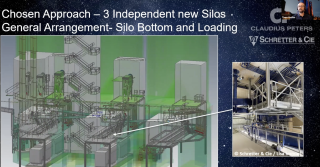
14 July 2022

13 July 2022
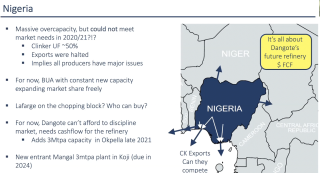
12 July 2022
12 July 2022
12 July 2022
12 July 2022
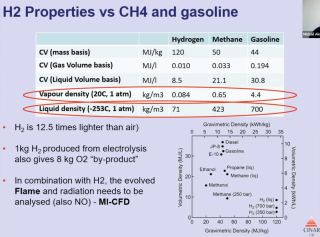
12 July 2022
12 July 2022
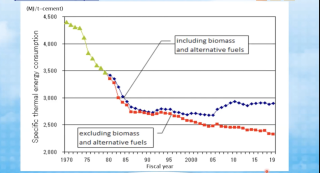
12 July 2022
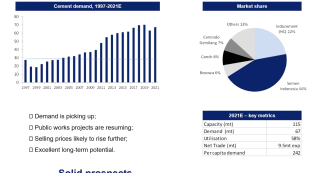
12 July 2022
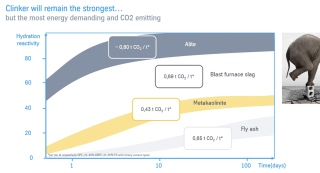
12 July 2022
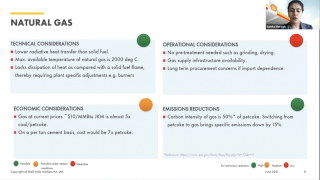
12 July 2022
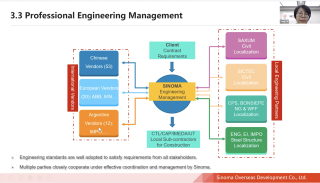
12 July 2022
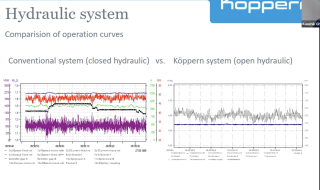
12 July 2022
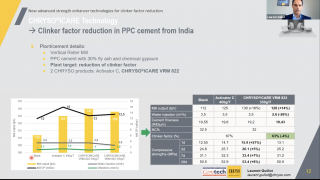
12 July 2022
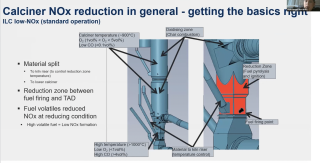
12 July 2022
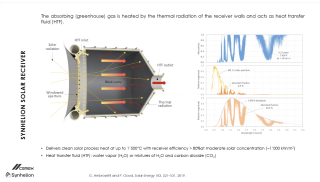
12 July 2022
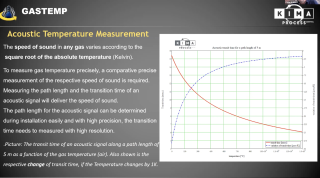
11 July 2022
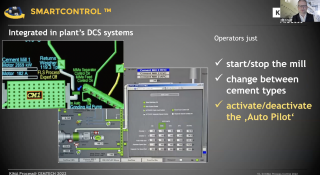
11 July 2022
11 July 2022
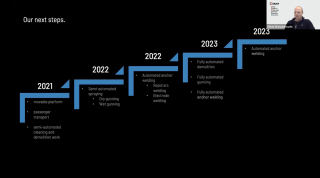
11 July 2022
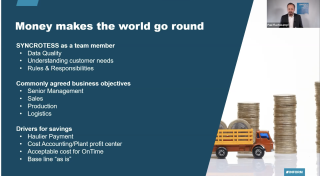
11 July 2022
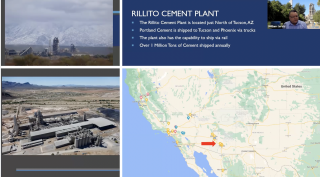
11 July 2022
11 July 2022
11 July 2022
11 July 2022
11 July 2022
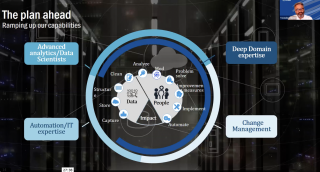
11 July 2022
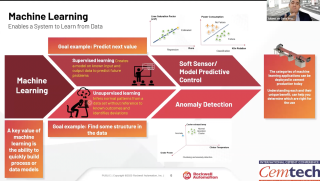
11 July 2022
11 July 2022
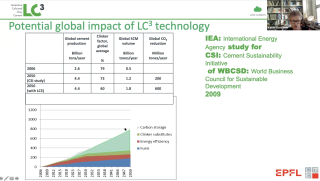
11 July 2022
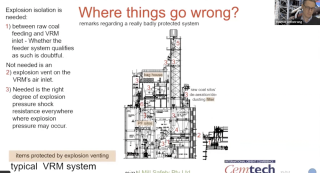
11 July 2022
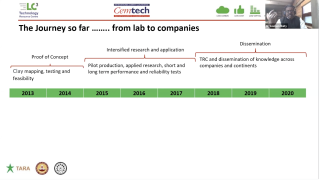
11 July 2022
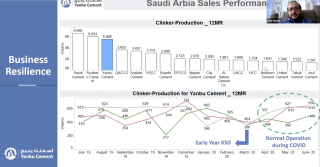
11 July 2022
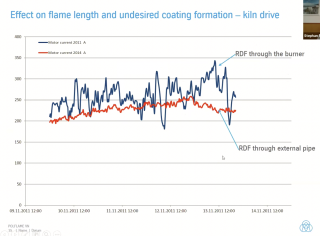
11 July 2022
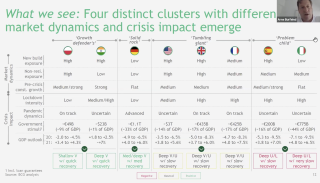
11 July 2022
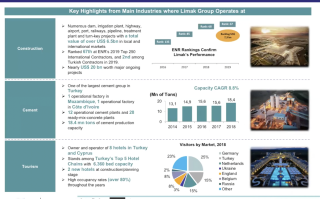
11 July 2022
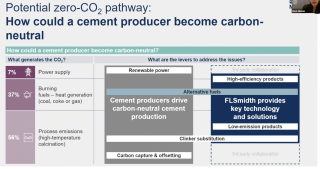
11 July 2022
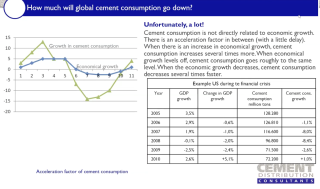
11 July 2022
11 July 2022
11 July 2022

6 July 2022
1 July 2022
1 July 2022

8 June 2022
12 February 2021
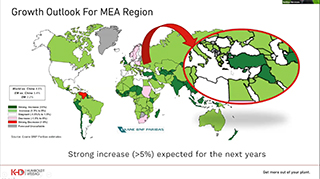
12 February 2021
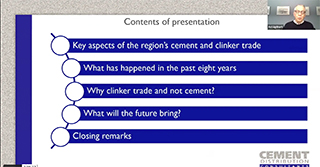
12 February 2021
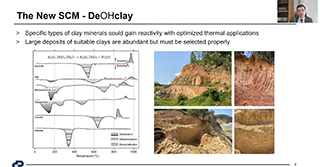
12 February 2021
12 February 2021
12 February 2021
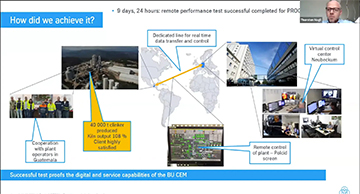
12 February 2021
12 February 2021
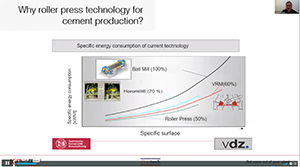
25 September 2020
25 September 2020
25 September 2020
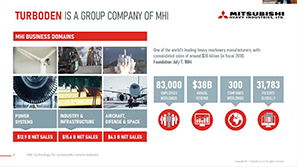
25 September 2020
23 September 2020
22 September 2020
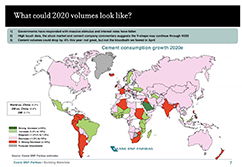
22 September 2020

21 September 2020
20 February 2020
10 February 2020
10 February 2020
10 February 2020
7 February 2020
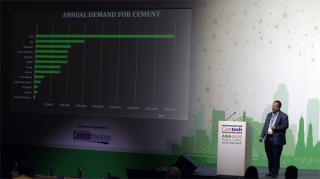
27 January 2020
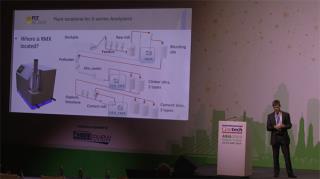
23 January 2020
23 January 2020
23 January 2020
23 January 2020
2 May 2019
30 April 2019
18 April 2019
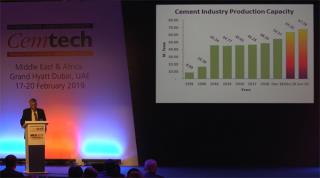
18 April 2019
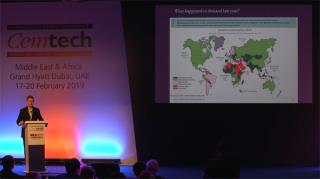
18 April 2019
12 April 2019
12 April 2019
11 April 2019
10 April 2019
10 April 2019
10 April 2019
9 April 2019
9 April 2019
4 February 2019
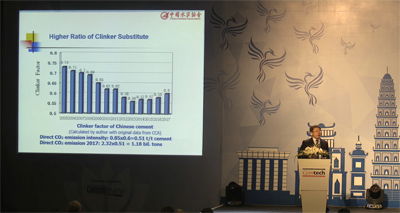
17 January 2019
31 July 2018
31 July 2018
31 July 2018
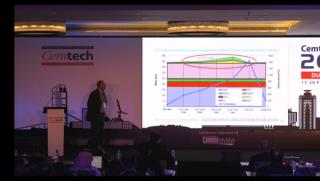
27 July 2018
27 July 2018
27 July 2018
27 July 2018
27 July 2018
27 July 2018
27 July 2018
27 July 2018
27 July 2018
27 July 2018
25 July 2018
25 July 2018
25 July 2018
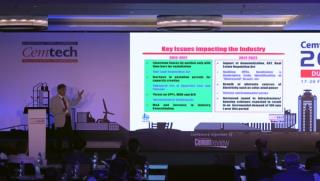
24 July 2018
24 July 2018
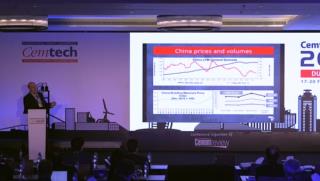
24 July 2018
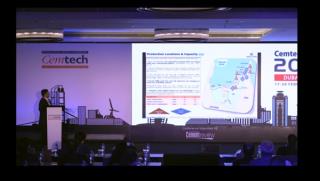
23 July 2018
23 July 2018
23 July 2018
20 July 2018
20 July 2018
20 July 2018
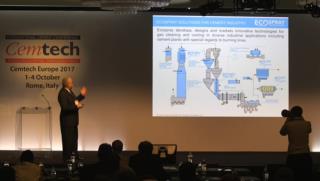
20 July 2018
20 July 2018
20 July 2018
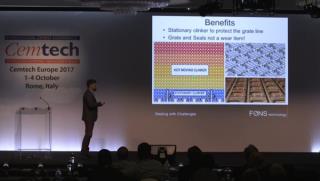
20 July 2018
20 July 2018
20 July 2018
20 July 2018
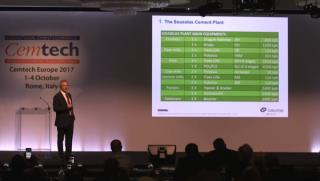
20 July 2018
20 July 2018
20 July 2018
20 July 2018
20 July 2018
20 July 2018
20 July 2018
20 July 2018
20 July 2018
19 July 2018
19 July 2018
19 July 2018
19 July 2018
19 July 2018
23 March 2018
23 March 2018
23 March 2018
23 March 2018
23 March 2018
23 March 2018
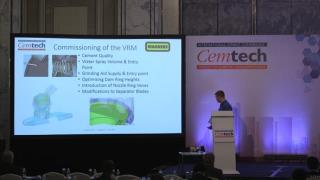
23 March 2018
23 March 2018
23 March 2018
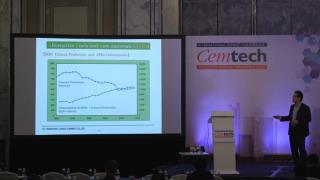
23 March 2018
23 March 2018
23 March 2018
23 March 2018
23 March 2018
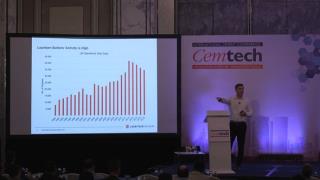
23 March 2018
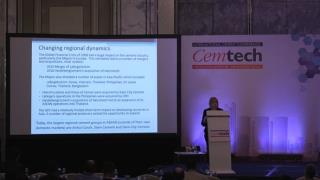
22 March 2018
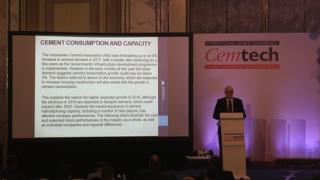
26 October 2017
26 October 2017
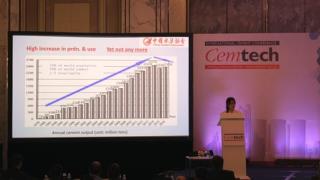
26 October 2017
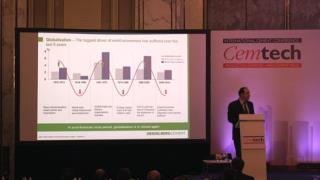
26 October 2017
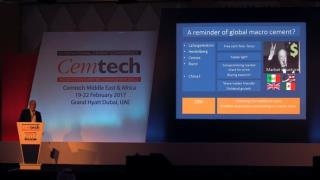
14 August 2017
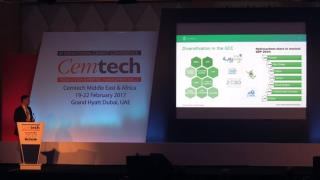
14 August 2017
14 August 2017
14 August 2017
14 August 2017
14 August 2017
14 August 2017
14 August 2017
14 August 2017
14 August 2017
14 August 2017
14 August 2017
14 August 2017
14 August 2017
18 July 2017
18 July 2017
18 July 2017
16 June 2017
16 June 2017
16 June 2017
16 June 2017
16 June 2017
14 February 2017
14 February 2017
14 February 2017
14 February 2017
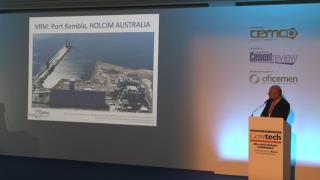
14 February 2017
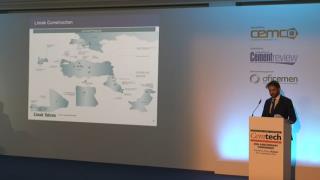
14 February 2017
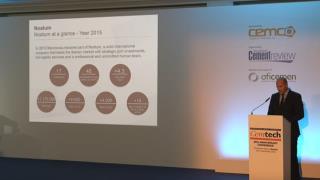
14 February 2017
14 February 2017
14 February 2017
14 February 2017
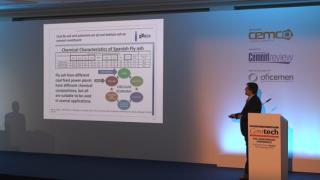
13 February 2017
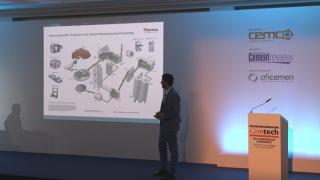
13 February 2017
13 February 2017
19 January 2017
19 January 2017
17 January 2017
17 January 2017
17 January 2017
6 January 2017
18 August 2016
18 August 2016
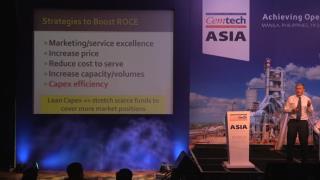
18 August 2016
18 August 2016
17 August 2016
17 August 2016
17 August 2016
16 August 2016
16 August 2016
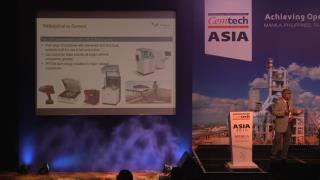
16 August 2016
12 August 2016
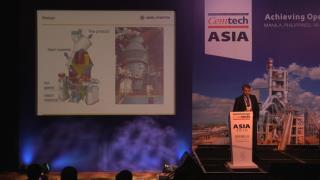
12 August 2016
12 August 2016
11 August 2016
11 August 2016
11 August 2016
10 August 2016
10 August 2016
10 August 2016
8 August 2016
8 August 2016
8 August 2016
6 May 2016
6 May 2016
6 May 2016
6 May 2016
6 May 2016
6 May 2016
6 May 2016
6 May 2016
6 May 2016
6 May 2016
6 May 2016
6 May 2016
6 May 2016
6 May 2016
6 May 2016
6 May 2016
6 May 2016
6 May 2016
6 May 2016
6 May 2016
6 May 2016
25 April 2016
25 April 2016
11 March 2016
11 March 2016
11 March 2016
11 March 2016
11 March 2016
11 March 2016
11 March 2016
11 March 2016
11 March 2016
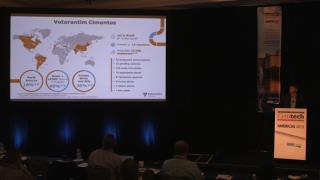
11 March 2016
11 March 2016
11 March 2016
11 March 2016
11 March 2016
11 March 2016
11 March 2016
11 March 2016
11 March 2016
11 March 2016
11 March 2016
21 December 2015
15 December 2015
15 December 2015
15 December 2015
15 December 2015
15 December 2015
15 December 2015
15 December 2015
15 December 2015
15 December 2015
15 December 2015
15 December 2015
15 December 2015
2 December 2015
2 December 2015
2 December 2015
2 December 2015
2 December 2015
2 December 2015
2 December 2015
2 December 2015
2 December 2015
2 December 2015
2 December 2015
2 December 2015
21 August 2015
21 August 2015
21 August 2015
21 August 2015
21 August 2015
21 August 2015
21 August 2015
21 August 2015
21 August 2015
21 August 2015
21 August 2015
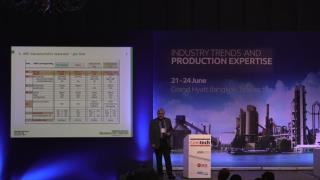
21 August 2015
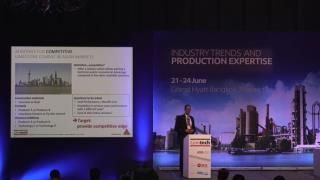
21 August 2015
21 August 2015
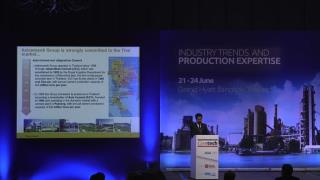
21 August 2015
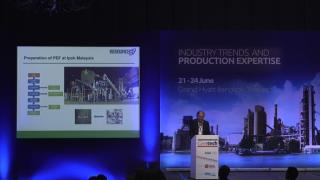
21 August 2015
21 August 2015
21 August 2015
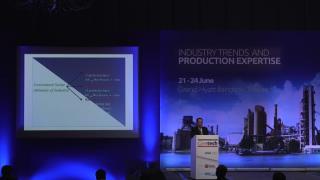
21 August 2015
21 August 2015
20 August 2015
20 August 2015
18 August 2015
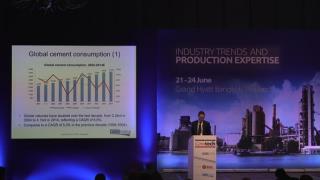
18 August 2015
18 August 2015
18 August 2015

30 June 2015
29 June 2015
29 June 2015
29 June 2015
29 June 2015
29 June 2015
29 June 2015
29 June 2015
29 June 2015
29 June 2015
29 June 2015
4 June 2015
4 June 2015
2 June 2015
2 June 2015
2 June 2015
2 June 2015
29 May 2015
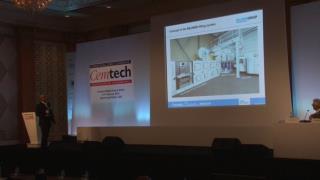
29 May 2015
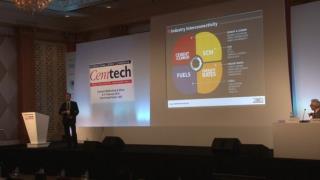
28 May 2015
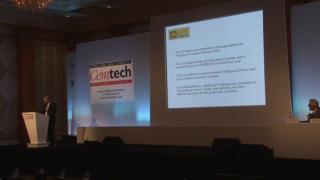
28 May 2015
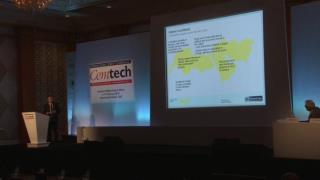
28 May 2015
18 February 2015
17 February 2015
13 February 2015
13 February 2015
Try searching for another title.